Frederick Douglass and the Fight To End Slavery
Frederick Douglass was born into slavery in Maryland in 1818 and secretly learned to read and write as a child. After escaping slavery in 1838, he became a leading abolitionist, sharing his experiences through powerful speeches and his newspaper, The North Star. His 1845 autobiography, Narrative of the Life of Frederick Douglass, an American Slave, challenged racist beliefs and exposed the brutality of slavery. The book gained international attention, and supporters in Britain helped secure his legal freedom.
During the Civil War, Douglass advised President Abraham Lincoln on emancipation and the treatment of Black soldiers in the Union Army. After the war, he continued working for civil rights and held several government positions, including U.S. minister to Haiti. Douglass died in 1895, leaving a lasting legacy as an influential writer, speaker, abolitionist, and advocate for equality. His life demonstrates the power of education, personal testimony, and public advocacy in the struggle for freedom and civil rights.

Lesson Express
Q: What information was new from the video?
A: Student responses will vary. Students may mention the fact that Frederick Douglass was still owned when he was giving speeches, writing, and touring. They may mention the other jobs that Douglass had.
Q: What makes Frederick Douglass such an important figure in American history?
A: He was a formerly enslaved person who was able to share his story with a broad audience. He was one of a few enslaved people who was able to share what the experience of slavery was like.
Q: How did Douglass make use of the media of the day to share his message?
A: He published a newspaper, made speeches, and wrote a book.
You Might Also Like
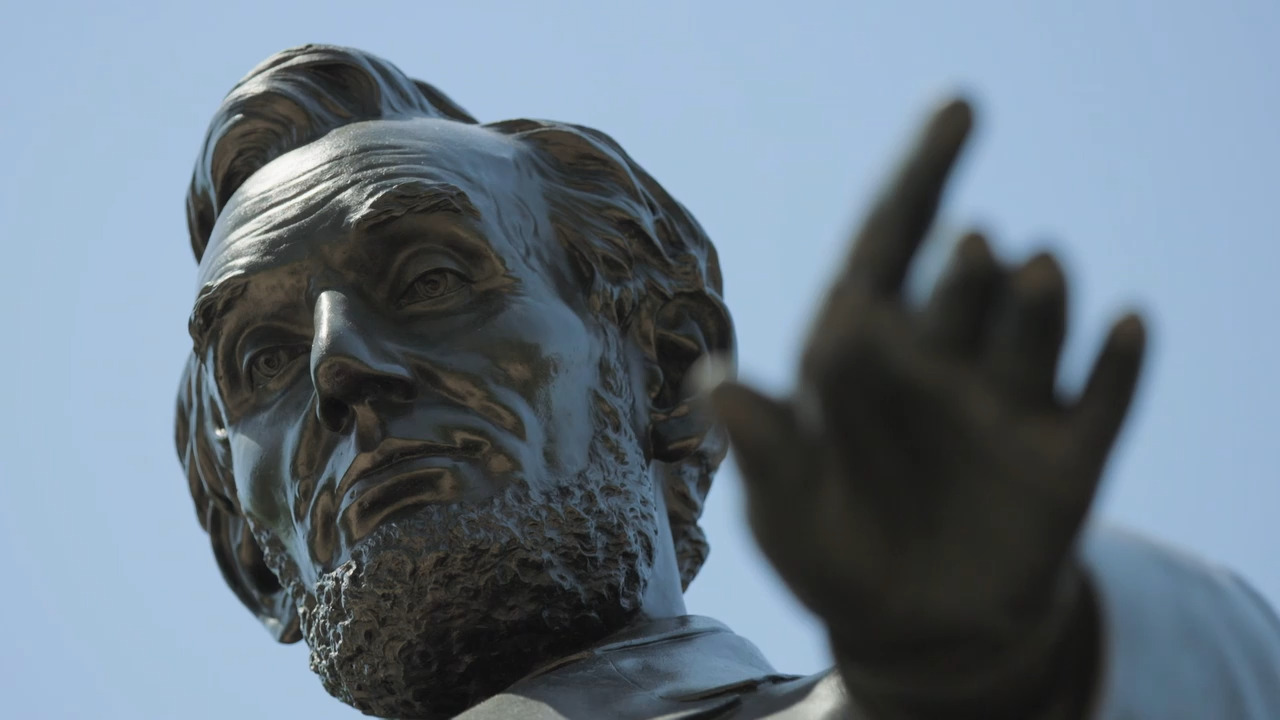
In Lincoln's Legacy, historian Lucy Worsley looks at a re-assessment of Lincoln's legacy. Although he helped free enslaved people, he always did what was in the best interests of his own race. This video is excerpted from BBC's American History's Biggest Fibs With Lucy Worsley, in which Worsley reveals the myths and manipulations behind American history.
In Lincoln's Legacy, historian Lucy Worsley looks at a re-assessment of Lincoln's legacy. Although he helped free enslaved people, he always did what was in the best interests of his own race. This video is excerpted from BBC's American History's Biggest Fibs With Lucy Worsley, in which Worsley reveals the myths and manipulations behind American history.