The Role of One Rudimentary Battery in Transforming the World
In The Role of One Rudimentary Battery in Transforming the World, narrator Michael Mosley uncovers the story of the first battery. It begins with a letter in 1800 with simple instructions from Italian scientist Alessandro Volta on how to make an artificial torpedo fish, and ends in a classroom where Hans Christian Oersted took it one step further, noticing how the battery current created magnetic fields. The electric telegraph and using steam power weren’t far behind, transforming the world as we knew it. This video is excerpted from BBC's The Story of Science, in which Michael Mosley takes an informative and ambitious journey exploring how the evolution of scientific understanding is intimately interwoven with society's historical path.
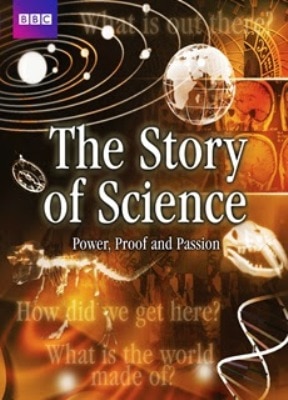
Michael Mosley takes an informative and ambitious journey exploring how the evolution of scientific understanding is intimately interwoven with society's historical path. Learn more.
Lesson Express
Q: What was the significance of the letter that was talked about in the video?
A: The letter contained instructions from Alessandro Volta explaining how to create an artificial version of the electrical effect produced by a torpedo fish. His work helped lead to the development of the first battery and changed scientists’ understanding of electricity.
Q: Why were people unsure of what to do with the battery?
A: The battery produced a new and powerful source of electricity, but scientists and others were still learning what electricity could do and how it could be used. They had not yet discovered many of the technologies that electricity would eventually make possible.
Q: How did the discovery transform the world?
A: The discovery and development of the battery and electricity transformed the world by making it possible to create and use a steady source of electrical power. This discovery eventually led to inventions such as the electric telegraph and many other technologies that changed communication and everyday life.