Cooking the Perfect Pot of Rice
In Cooking the Perfect Pot of Rice, presenter Cherry Healey visits a rice factory and learns that rice is a type of grass. She sees that white rice and brown rice are the same, they are just processed differently. And, she learns the trick to cooking the perfect pot of rice! This video is excerpted from BBC’s Inside the Factory, a series that takes viewers behind the scenes in factories that make our favorite products.
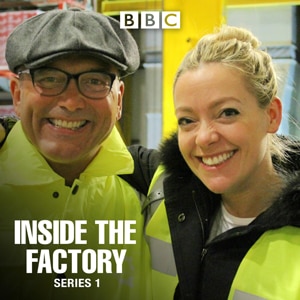
Paddy McGuinness and Cherry Healey hit factory floors across Britain for a snoop around their supersized production lines. Learn more.
Lesson Express
Q: What did you learn about brown rice and white rice?
A: They are the same, but they are processed differently.
Q: What mistake did Cherry make when she made her rice?
A: She didn’t measure; she estimated how much rice and water she needed.
Q: What are the important parts of making rice?
A: You have to measure the water and rice, rinse the rice, and leave the rice alone when it is cooking.
You Might Also Like
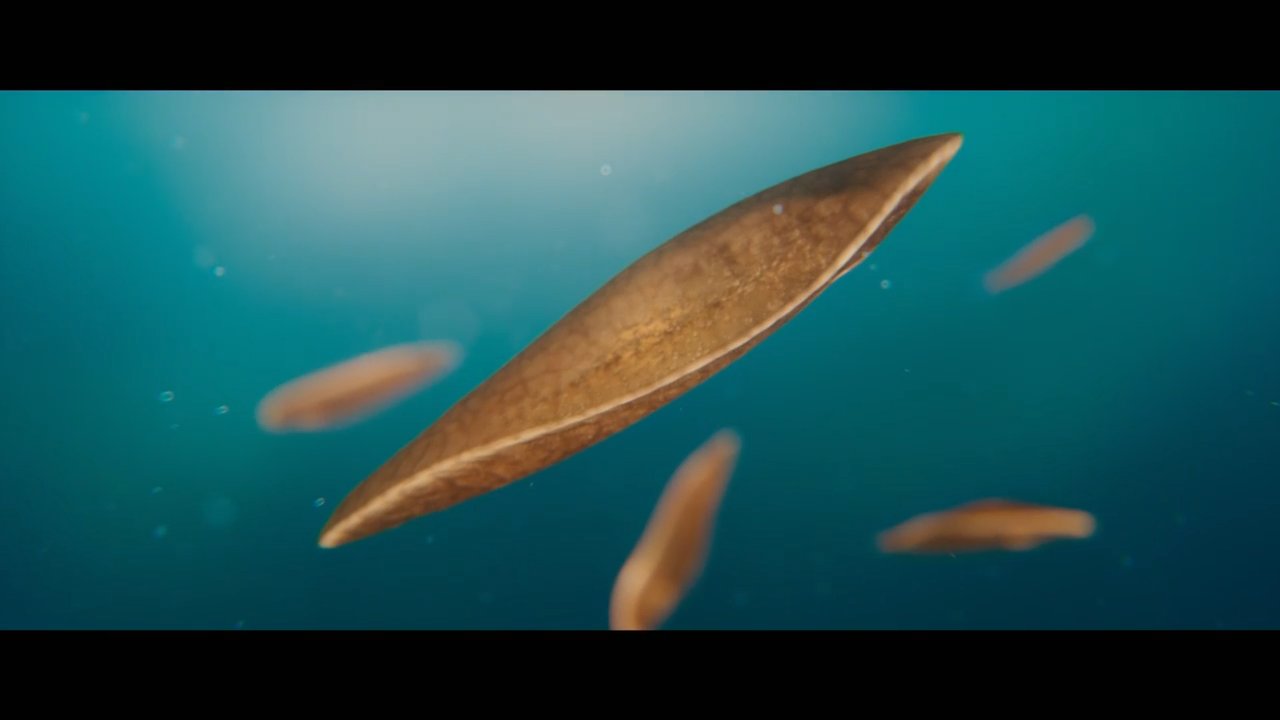
The Ediacaran Garden was home to some of the earliest and strangest animals on Earth, living among vast microbial mats that provided an almost endless food supply. This clip from BBC’s Evolution episode "The Bat" explores the mysterious world of these ancient creatures and follows a tiny, soft-bodied organism thought to be a distant ancestor of bats and humans.
With no hard parts to leave fossils behind, this creature’s story must be pieced together from clues about modern animals and the evolutionary changes that followed. Mutations gradually transformed a simple gut into a continuous digestive tube with a separate opening for waste — a seemingly simple innovation that allowed animals to eat continuously and digest food far more efficiently.
For more information on Evolution and to find out where you can watch in your area, click here.
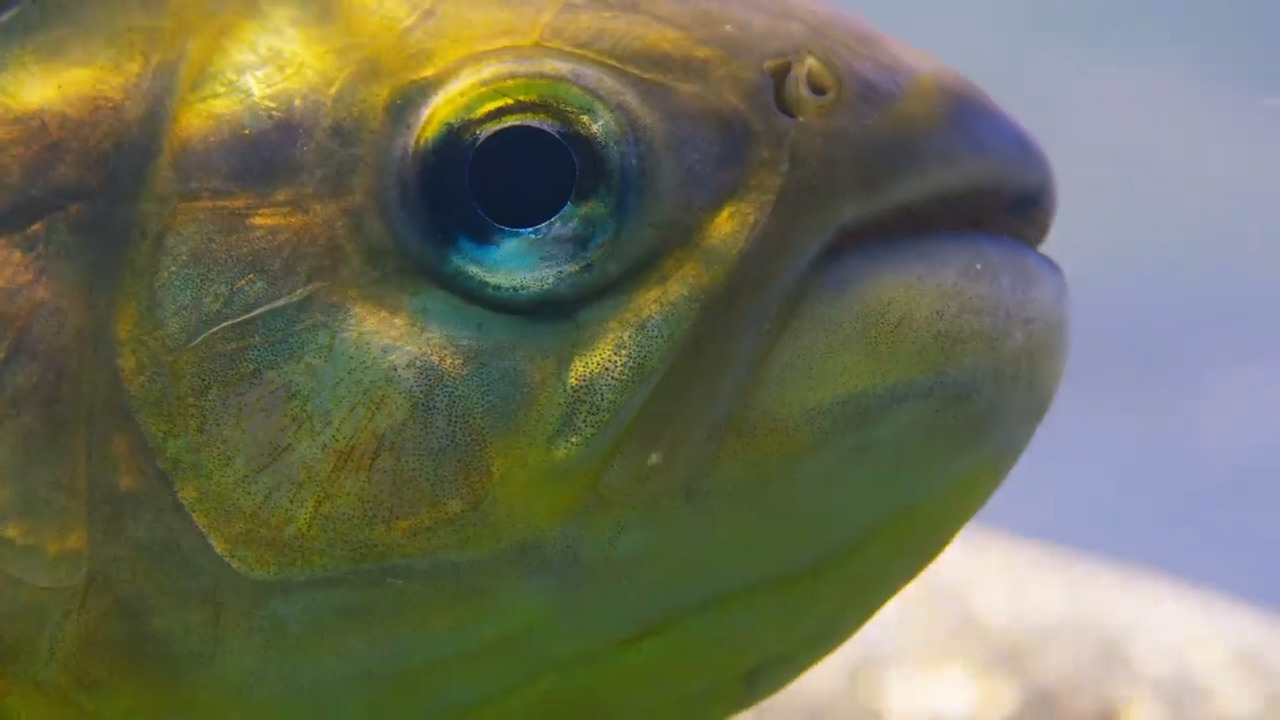
In The Crystal Clear Waters of Bonito, explore the many types of fish that swim in the crystal clear waters of Bonito, a region in Brazil. The fish can see the monkeys above, feeding on berries, and wait for them to accidentally drop them into the water. This video is excerpted from BBC’s Seven Worlds, One Planet, a series featuring remarkable animal behavior from all seven continents.
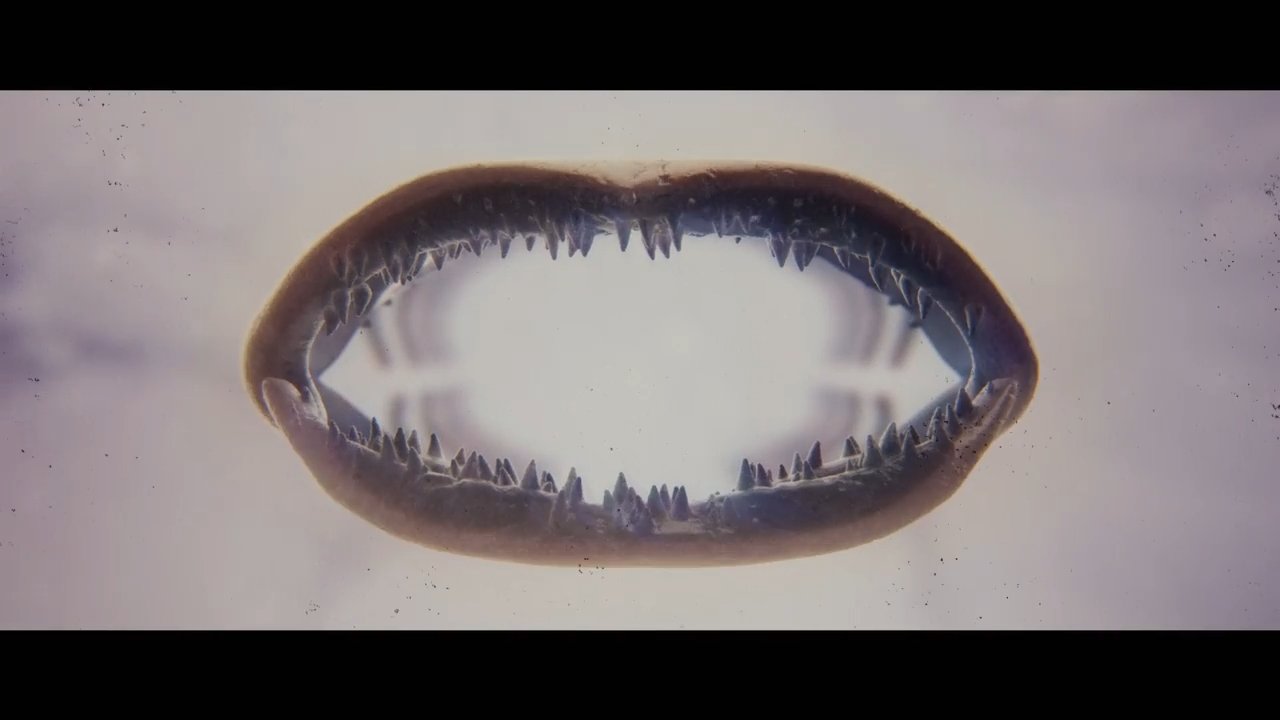
The evolution of jaws transformed how the ancestors of bats and other vertebrates could feed and survive. This clip from BBC’s Evolution episode The Bat follows the ancient fish Metaspriggina, whose unusual front gill arches may have been an early step toward the development of jaws, allowing its descendants to move beyond filter-feeding and actively bite and capture prey.
Because the cartilage involved in early jaw evolution rarely survives in fossils, scientists also look to developing embryos for clues. The video shows how the same genes that control the formation of gill arches also help shape jaws, providing evidence of their shared evolutionary origin and showing how a structure once involved in breathing and feeding was transformed into one of the most important innovations in vertebrate evolution.
For more information on Evolution and to find out where you can watch in your area, click here.
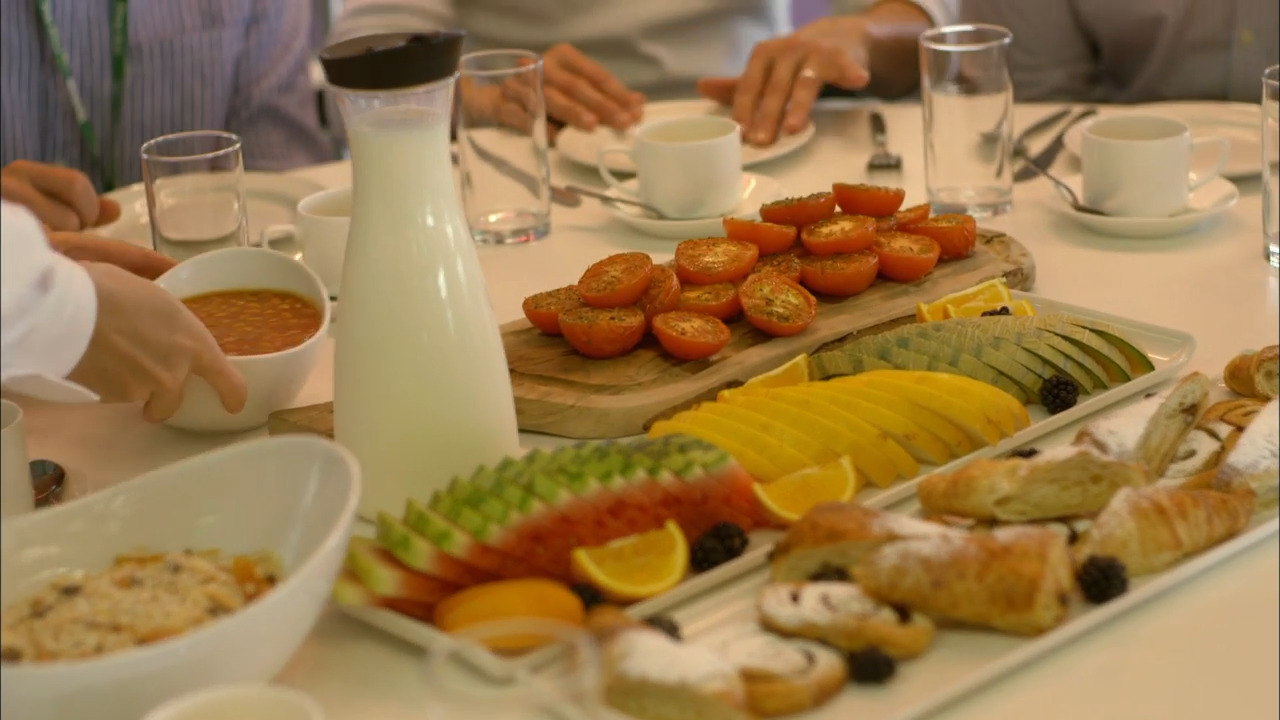
In Bees and Food Production, a group gathers around the breakfast table to enjoy a breakfast made of food that isn’t impacted by bees. But, aside from a pot of tea and some toast, the table is bare. What foods do bees help us enjoy? Everything from fruit to dairy!
The Ediacaran Garden was home to some of the earliest and strangest animals on Earth, living among vast microbial mats that provided an almost endless food supply. This clip from BBC’s Evolution episode "The Bat" explores the mysterious world of these ancient creatures and follows a tiny, soft-bodied organism thought to be a distant ancestor of bats and humans.
With no hard parts to leave fossils behind, this creature’s story must be pieced together from clues about modern animals and the evolutionary changes that followed. Mutations gradually transformed a simple gut into a continuous digestive tube with a separate opening for waste — a seemingly simple innovation that allowed animals to eat continuously and digest food far more efficiently.
For more information on Evolution and to find out where you can watch in your area, click here.
In The Crystal Clear Waters of Bonito, explore the many types of fish that swim in the crystal clear waters of Bonito, a region in Brazil. The fish can see the monkeys above, feeding on berries, and wait for them to accidentally drop them into the water. This video is excerpted from BBC’s Seven Worlds, One Planet, a series featuring remarkable animal behavior from all seven continents.
The evolution of jaws transformed how the ancestors of bats and other vertebrates could feed and survive. This clip from BBC’s Evolution episode The Bat follows the ancient fish Metaspriggina, whose unusual front gill arches may have been an early step toward the development of jaws, allowing its descendants to move beyond filter-feeding and actively bite and capture prey.
Because the cartilage involved in early jaw evolution rarely survives in fossils, scientists also look to developing embryos for clues. The video shows how the same genes that control the formation of gill arches also help shape jaws, providing evidence of their shared evolutionary origin and showing how a structure once involved in breathing and feeding was transformed into one of the most important innovations in vertebrate evolution.
For more information on Evolution and to find out where you can watch in your area, click here.
In Bees and Food Production, a group gathers around the breakfast table to enjoy a breakfast made of food that isn’t impacted by bees. But, aside from a pot of tea and some toast, the table is bare. What foods do bees help us enjoy? Everything from fruit to dairy!