Commodore Perry Opens Japan
In the mid-1800s, the United States wanted to open Japan’s ports to American trade and strengthen its influence in the Pacific. Japan was ruled by shoguns, who limited contact with foreign countries. After an earlier attempt at diplomacy failed, the U.S. sent Commodore Matthew C. Perry to negotiate.
In 1853, Perry sailed into Tokyo Bay with four steam-powered warships and demanded that Japan open ports to American trade and help sailors in distress. He returned the following year with an even larger fleet, and Japan agreed to a treaty. The agreement increased foreign influence in Japan and weakened the shogun’s power. In 1868, the emperor regained political control, ending centuries of shogun rule.

Lesson Express
Q: Why did the Americans come to the conclusion that a large show of power was required for diplomacy?
A: When they tried to be diplomatic, the Japanese turned them away.
Q: How did Commodore Perry show strength?
A: He brought huge ships and came ashore with the largest men from his fleet. Perry refused to leave when he was rebuffed and implied that they may bombard Japan.
Q: What were the impacts of Perry’s negotiation for the U.S.? What were the impacts for Japan?
A: He got what he wanted, but he also shifted the balance of power in Japan towards the Imperial Court.
You Might Also Like
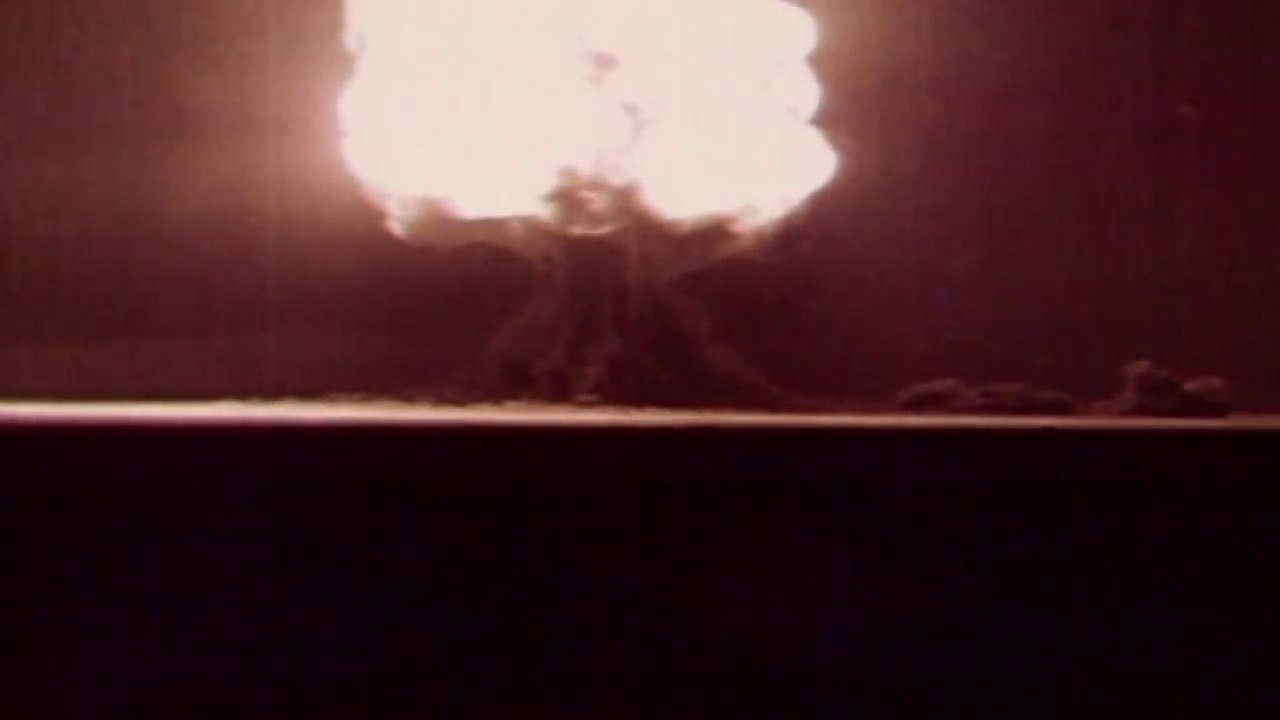
In Oppenheimer’s Atomic Bombs and the End of World War II, host Andrew Marr describes how J. Robert Oppenheimer developed the technology to end World War II with two atomic bombs dropped on the Japanese cities of Hiroshima and Nagasaki. Before the bombs were dropped, Oppenheimer calculated how to drop them to create the most damage. After the war was over, Oppenheimer felt conflicted about the creation of the bombs. This video is excerpted from BBC’s Andrew Marr's History of the World, a story of human history that uses reenactments, modern footage, and storytelling to explain history’s greatest achievements.
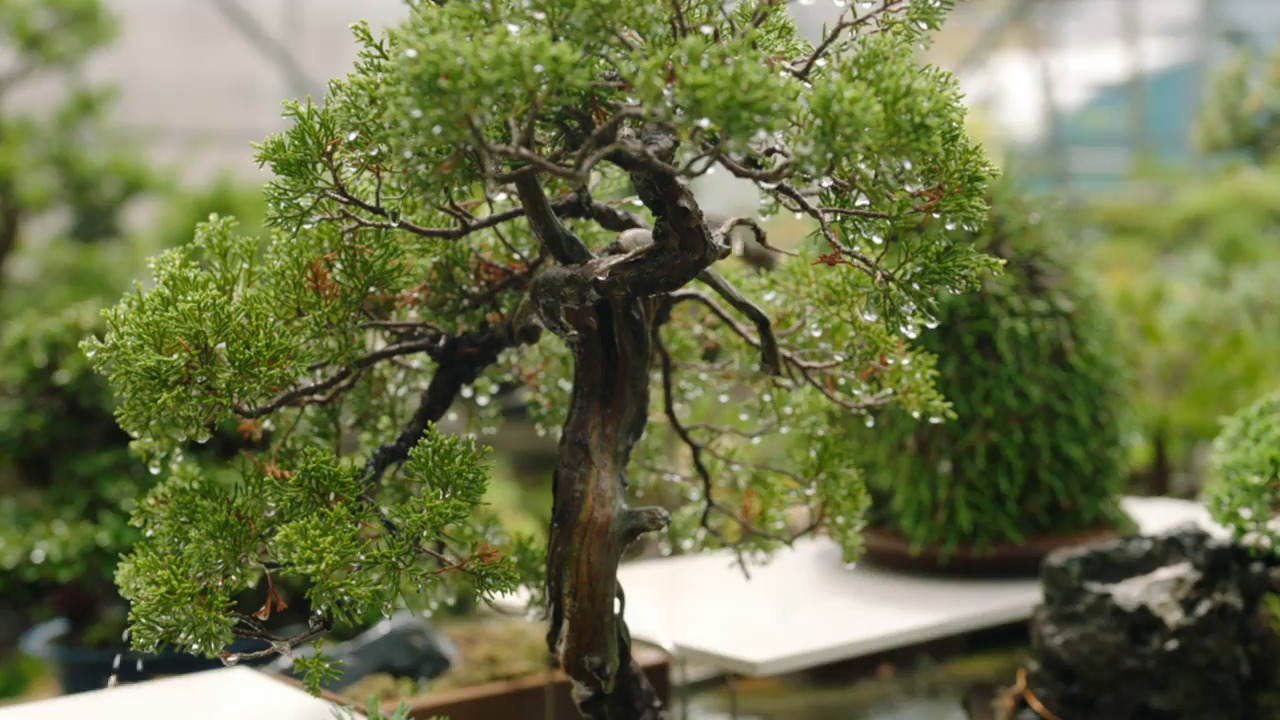
In The Ritual of Bonsai, a bonsai sensei enjoys the ritual and tradition of cultivating bonsai trees. This video is excerpted from BBC's Extraordinary Rituals, a documentary produced by BBC Natural History that explores how humans mark major life moments through ceremonies and traditions.
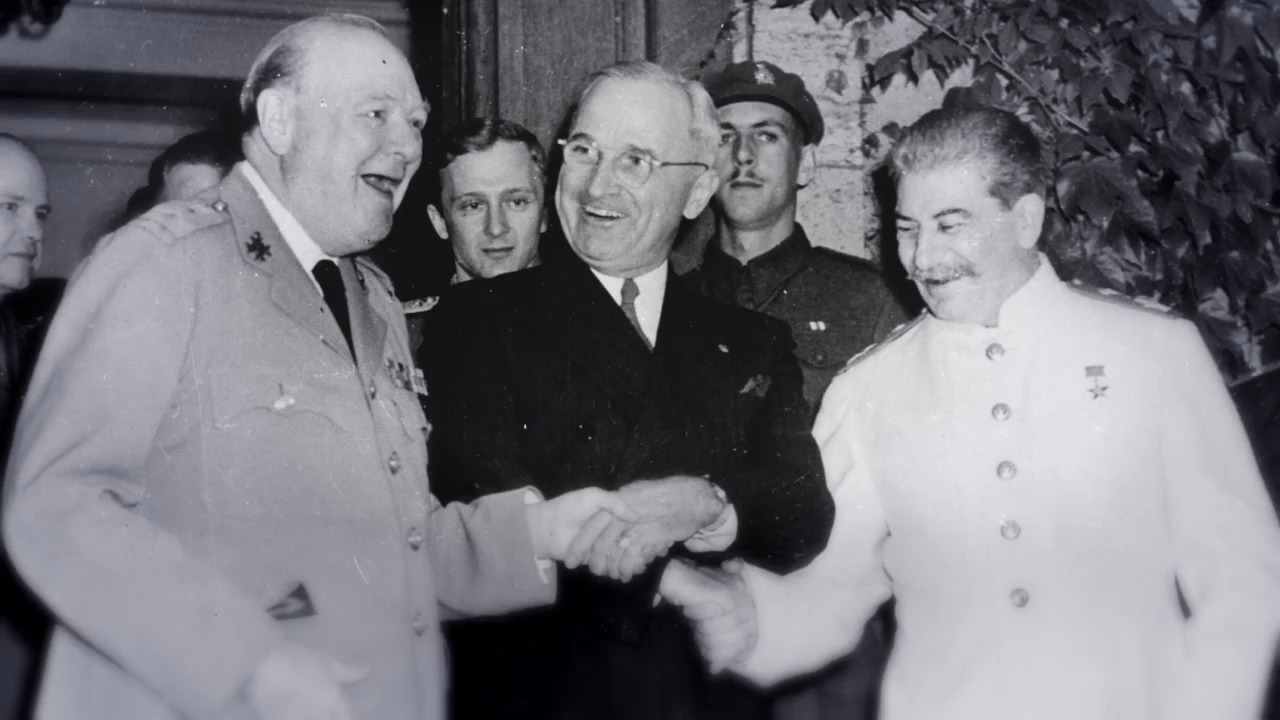
In Did Two Atomic Bombs Really End the War in Japan?, historian Lucy Worsley learns how Harry S. Truman came to office in 1945. World War II had ended in Europe, but Americans were still fighting in Japan. The official story was that the two atomic bombs ended the war in Japan. This video is excerpted from BBC's American History's Biggest Fibs With Lucy Worsley, in which Worsley reveals the myths and manipulations behind American history.
In Oppenheimer’s Atomic Bombs and the End of World War II, host Andrew Marr describes how J. Robert Oppenheimer developed the technology to end World War II with two atomic bombs dropped on the Japanese cities of Hiroshima and Nagasaki. Before the bombs were dropped, Oppenheimer calculated how to drop them to create the most damage. After the war was over, Oppenheimer felt conflicted about the creation of the bombs. This video is excerpted from BBC’s Andrew Marr's History of the World, a story of human history that uses reenactments, modern footage, and storytelling to explain history’s greatest achievements.
In The Ritual of Bonsai, a bonsai sensei enjoys the ritual and tradition of cultivating bonsai trees. This video is excerpted from BBC's Extraordinary Rituals, a documentary produced by BBC Natural History that explores how humans mark major life moments through ceremonies and traditions.
In Did Two Atomic Bombs Really End the War in Japan?, historian Lucy Worsley learns how Harry S. Truman came to office in 1945. World War II had ended in Europe, but Americans were still fighting in Japan. The official story was that the two atomic bombs ended the war in Japan. This video is excerpted from BBC's American History's Biggest Fibs With Lucy Worsley, in which Worsley reveals the myths and manipulations behind American history.