Throwing Fire for Chinese New Year
In Throwing Fire for Chinese New Year, iron metal workers in Nanquan, China, create amazing, glowing art with molten metal. Today, they perform nightly, but the tradition goes back hundreds of years. This video is excerpted from BBC’s Chinese New Year: The Biggest Celebration on Earth, a documentary series detailing the world's largest annual human migration (Chunyun), where over 1.5 billion people celebrate the Lunar New Year.
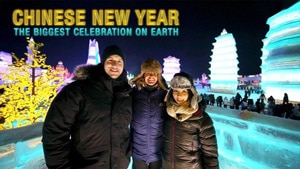
An amazing window into this monumental annual occasion, delving into every part of the extravaganza. Learn more.
Lesson Express
Q: How has the tradition of Dashuhua continued for so long? What might this mean for it in the future?
A: It has been passed down from father to son. In the future, it may change to include women, or it may die out if if young people do not want to learn the tradition anymore.
Q: How has Dashuhua changed for modern visitors? How has it stayed the same?
A: It is now part of a live show instead of a smaller, more local tradition. The performer still wears the same sheepskin and straw hat.
Q: How is Dashuhua a product of its location? Is Dashuhua a tradition that could only come from Nanquan?
A: Student responses will vary. Students may talk about how iron and the history of metalworking have produced this tradition.
You Might Also Like
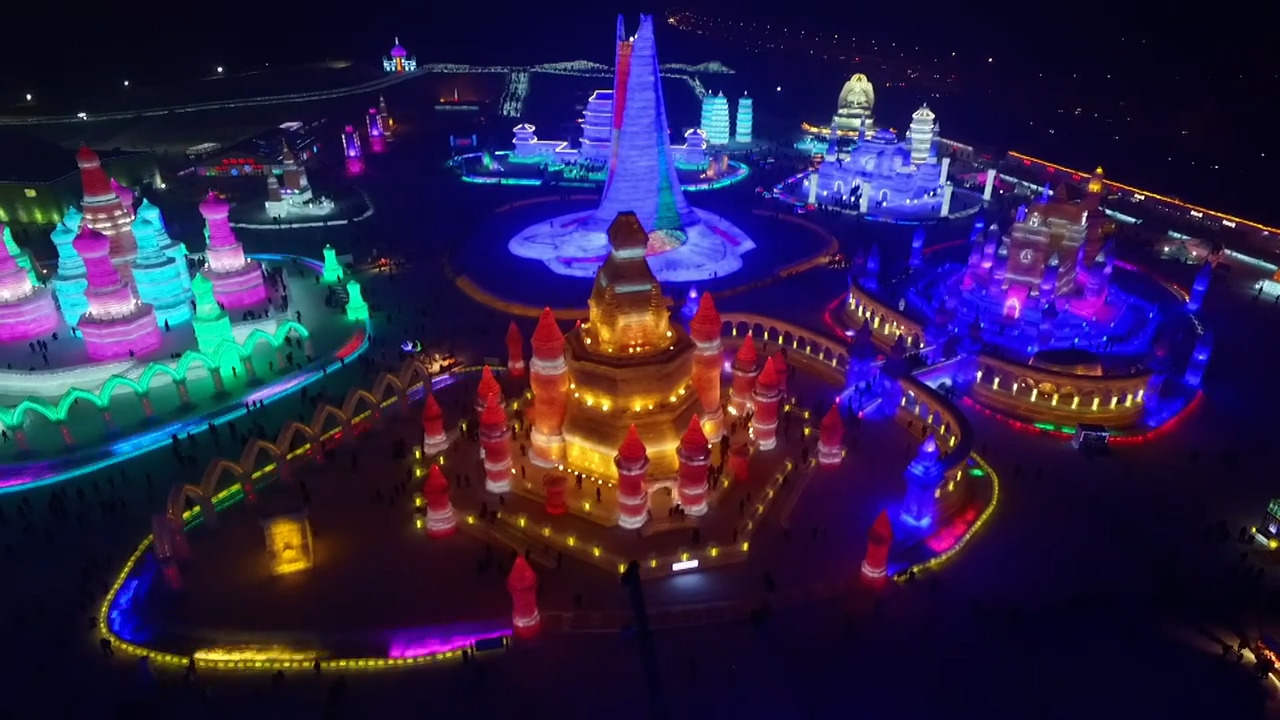
In Inside the Harbin Ice Festival, the Harbin Ice Festival lights up the night sky in Harbin, China for a few weeks each winter. Huge ice buildings are created and lit for tourists to visit before they melt in the spring. This video is excerpted from BBC’s Chinese New Year: The Biggest Celebration on Earth, a documentary series detailing the world's largest annual human migration (Chunyun), where over 1.5 billion people celebrate the Lunar New Year.
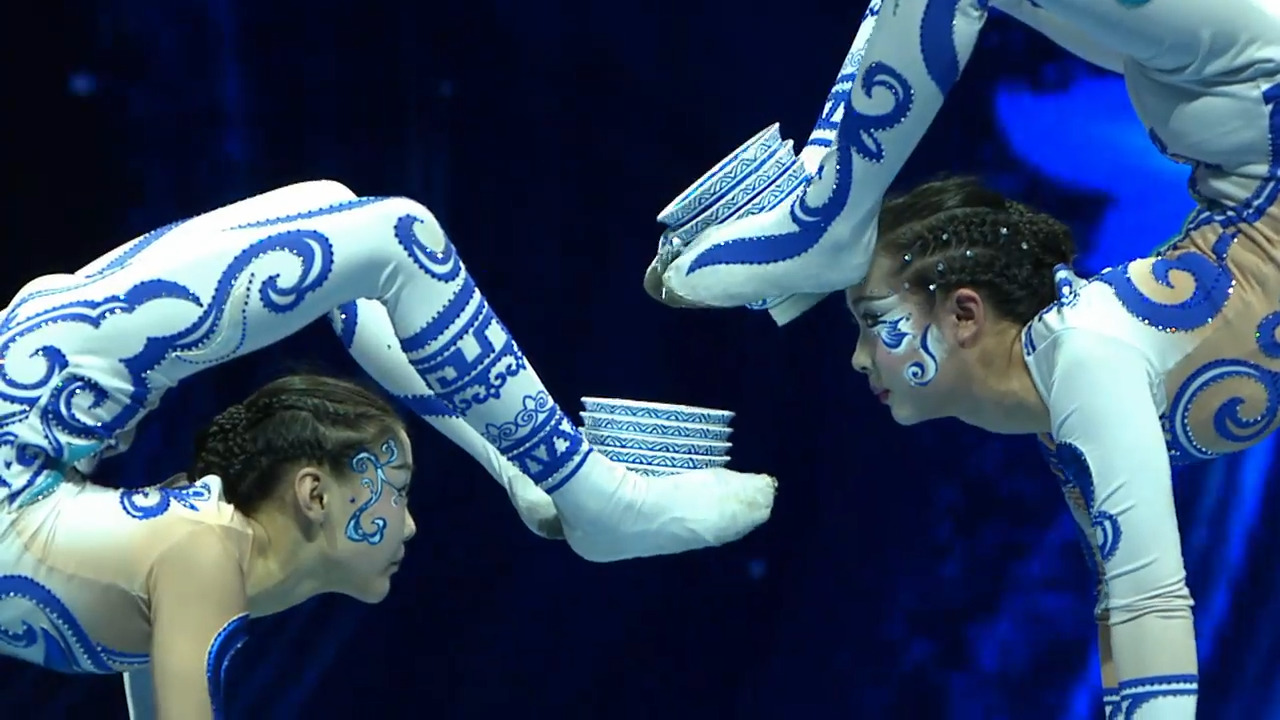
In Chunwan: The World’s Biggest Stage, performers have prepared for a year to participate in the largest televised event in China. The Chunwan, or Chinese Spring Festival Gala, is a collection of amazing acts. It is televised to the entire country and is watched by billions of people. This video is excerpted from BBC’s Chinese New Year: The Biggest Celebration on Earth, a documentary series detailing the world's largest annual human migration (Chunyun), where over 1.5 billion people celebrate the Lunar New Year.
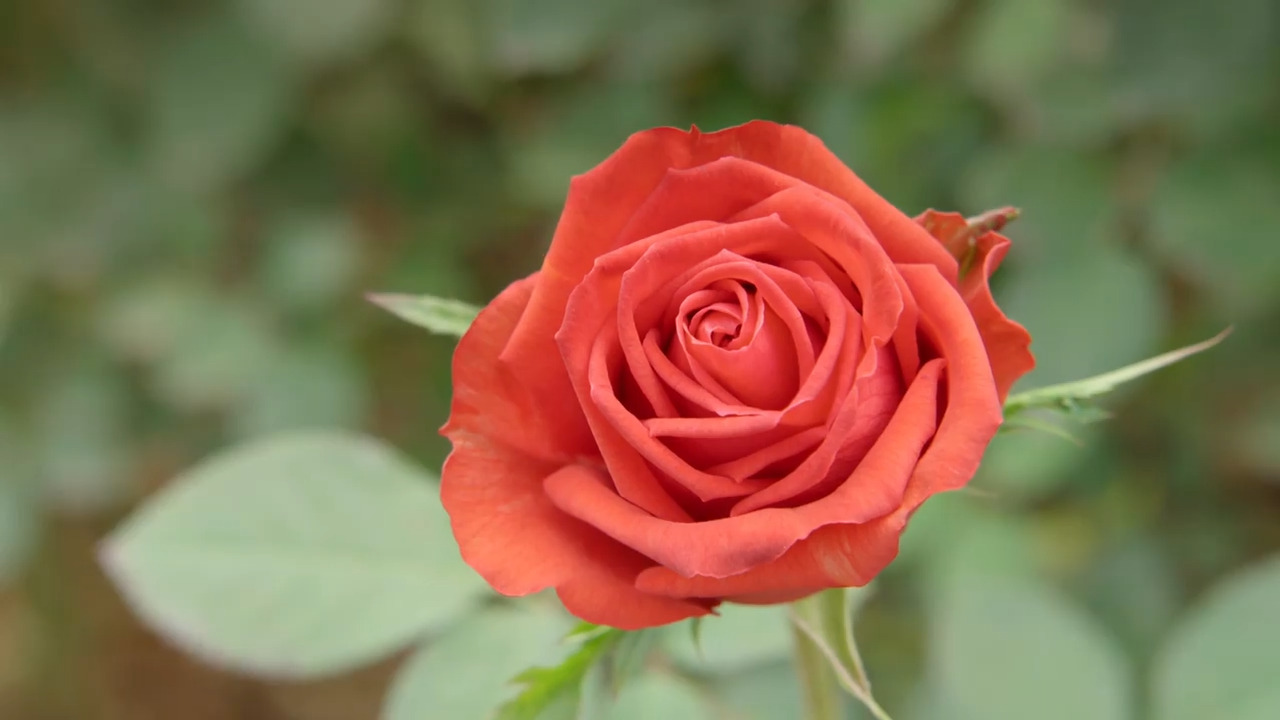
In Preparing Flowers for Chinese New Year, a farm in Kunming, China’s Spring City, prepares flowers for the busy Chinese New Year season. Flowers travel from farm to auction, where buyers purchase them for shops. This video is excerpted from BBC’s Chinese New Year: The Biggest Celebration on Earth, a documentary series detailing the world's largest annual human migration (Chunyun), where over 1.5 billion people celebrate the Lunar New Year.
In Inside the Harbin Ice Festival, the Harbin Ice Festival lights up the night sky in Harbin, China for a few weeks each winter. Huge ice buildings are created and lit for tourists to visit before they melt in the spring. This video is excerpted from BBC’s Chinese New Year: The Biggest Celebration on Earth, a documentary series detailing the world's largest annual human migration (Chunyun), where over 1.5 billion people celebrate the Lunar New Year.
In Chunwan: The World’s Biggest Stage, performers have prepared for a year to participate in the largest televised event in China. The Chunwan, or Chinese Spring Festival Gala, is a collection of amazing acts. It is televised to the entire country and is watched by billions of people. This video is excerpted from BBC’s Chinese New Year: The Biggest Celebration on Earth, a documentary series detailing the world's largest annual human migration (Chunyun), where over 1.5 billion people celebrate the Lunar New Year.
In Preparing Flowers for Chinese New Year, a farm in Kunming, China’s Spring City, prepares flowers for the busy Chinese New Year season. Flowers travel from farm to auction, where buyers purchase them for shops. This video is excerpted from BBC’s Chinese New Year: The Biggest Celebration on Earth, a documentary series detailing the world's largest annual human migration (Chunyun), where over 1.5 billion people celebrate the Lunar New Year.