Arctic Hunters in Chukotka
In Arctic Hunters in Chukotka, narrator Sir David Attenborough follows hunters on small boats as they venture into the Arctic waters. They are hunting walrus and use a harpoon to spear one before it disappears into open water. This video is excerpted from BBC’s Frozen Planet, a series that shows a fragile world of beauty and hostility, where nature finds a way to survive and thrive in frigid conditions.

Sir David Attenborough travels to the end of the earth, taking viewers on an extraordinary journey across the polar regions of our planet. Learn more.
Lesson Express
Q: How does the ice present a danger to the hunters?
A: The ice could crush their boats.
Q: How do the men catch a walrus?
A: They use a harpoon that helps keep the walrus close to the water so they can drag it in.
Q: What are the risks of hunting in the Arctic?
A: The walrus could overturn the boat, ice could crush their boat, or they could miss the walrus and lose it.
More Like This
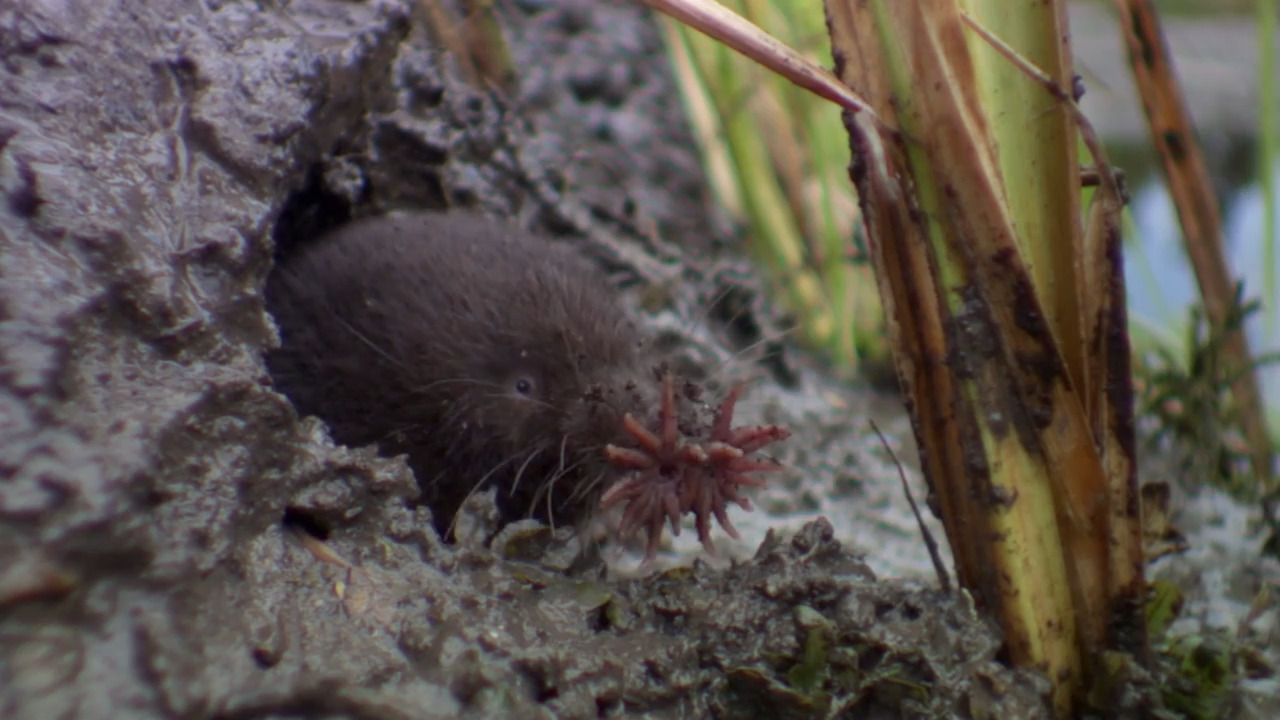
In Meet the Star-Nosed Mole, narrator Sir David Attenborough discovers the star-nosed mole, a creature with the most unique nose on Earth! Its nose has 22 tiny finger-like appendages that help the mole feel and detect food incredibly fast. Not only does this mole live and dig underground, but it can also swim — making it one of the fastest hunters both on land and in water! This video is excerpted from BBC's Life, a show that explores the remarkable strategies animals and plants use to ensure their survival.
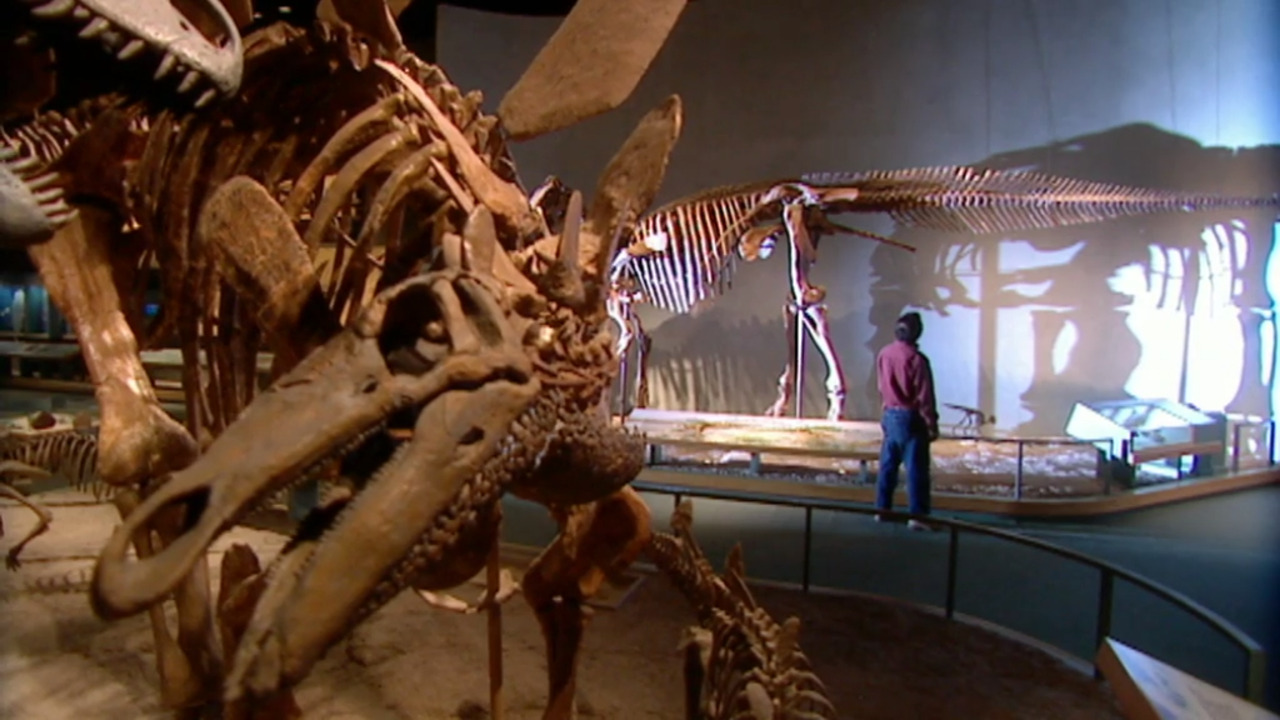
In Was the T. Rex Both a Scavenger and a Hunter?, Ken Carpenter, curator of the Museum of Nature and Science, examines bones to discover whether the dinosaur they belonged to could have been killed by a T. rex. This video is excerpted from BBC's Horizon: T. Rex, Warrior or Wimp?, a documentary featuring interviews with T. rex experts from around the world and exploring the science behind the legend of the dinosaur we love to hate.
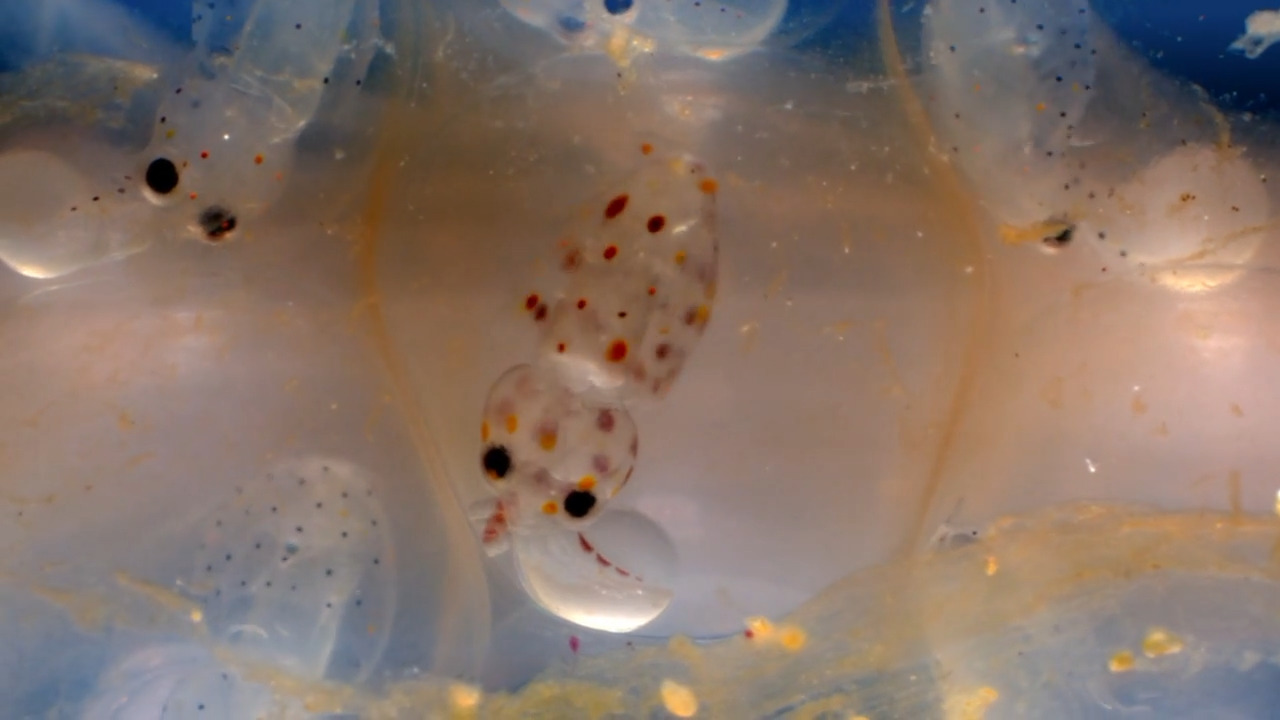
In The Secret Lives of Newborn Octopuses, Squid, and Cuttlefish, ecologist David Scheel joins fellow researcher Brett to explore the fascinating world of newborn octopuses, squid, and cuttlefish. These creatures are born with the ability to change color while still in their sac, preparing them for life underwater. As soon as they hatch, they are independent hunters, capable of targeting prey even larger than themselves. This video is excerpted from BBC’s Natural World: The Octopus in My House, a remarkable series about a professor and the extraordinary relationship he develops with an octopus when he invites it to live in his home.
In Meet the Star-Nosed Mole, narrator Sir David Attenborough discovers the star-nosed mole, a creature with the most unique nose on Earth! Its nose has 22 tiny finger-like appendages that help the mole feel and detect food incredibly fast. Not only does this mole live and dig underground, but it can also swim — making it one of the fastest hunters both on land and in water! This video is excerpted from BBC's Life, a show that explores the remarkable strategies animals and plants use to ensure their survival.
In Was the T. Rex Both a Scavenger and a Hunter?, Ken Carpenter, curator of the Museum of Nature and Science, examines bones to discover whether the dinosaur they belonged to could have been killed by a T. rex. This video is excerpted from BBC's Horizon: T. Rex, Warrior or Wimp?, a documentary featuring interviews with T. rex experts from around the world and exploring the science behind the legend of the dinosaur we love to hate.
In The Secret Lives of Newborn Octopuses, Squid, and Cuttlefish, ecologist David Scheel joins fellow researcher Brett to explore the fascinating world of newborn octopuses, squid, and cuttlefish. These creatures are born with the ability to change color while still in their sac, preparing them for life underwater. As soon as they hatch, they are independent hunters, capable of targeting prey even larger than themselves. This video is excerpted from BBC’s Natural World: The Octopus in My House, a remarkable series about a professor and the extraordinary relationship he develops with an octopus when he invites it to live in his home.