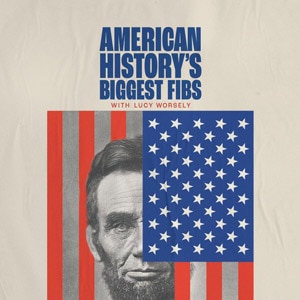
American History's Biggest Fibs
Lucy Worsley explores how the history of the American Revolution has been mythologized and manipulated by generations of politicians, writers, and protesters.
American History’s Biggest Fibs challenges high school students to look beyond traditional tellings of American history and question how historical stories are constructed. By examining myths, misconceptions, and the evidence behind them, students explore primary sources, historical context, bias, and the difference between popular narratives and what the evidence actually tells us.
Ages 15–18

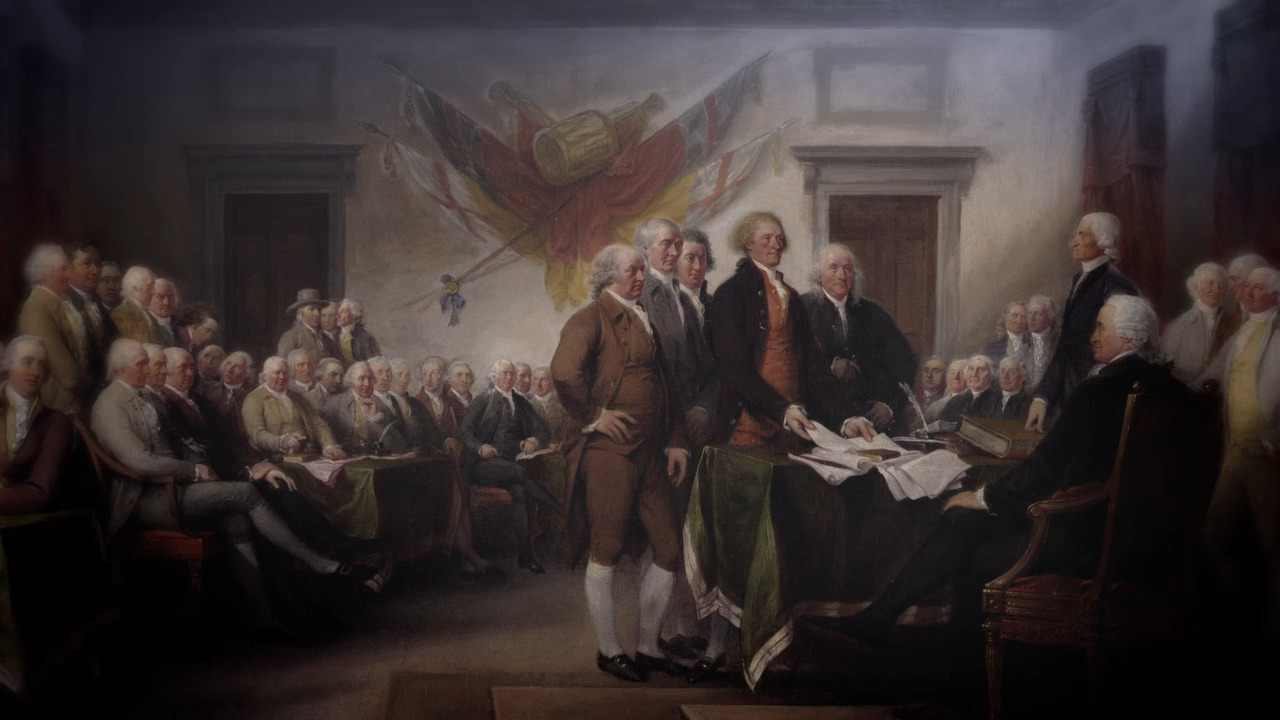
In Disagreements on the Declaration of Independence, historian Lucy Worsley researches the ambiguity of the first drafts of the agreement. It had to satisfy people from 13 states, with opposing views on divisive subjects such as slavery and religion. This video is excerpted from BBC's American History's Biggest Fibs With Lucy Worsley, in which Worsley reveals the myths and manipulations behind American history.
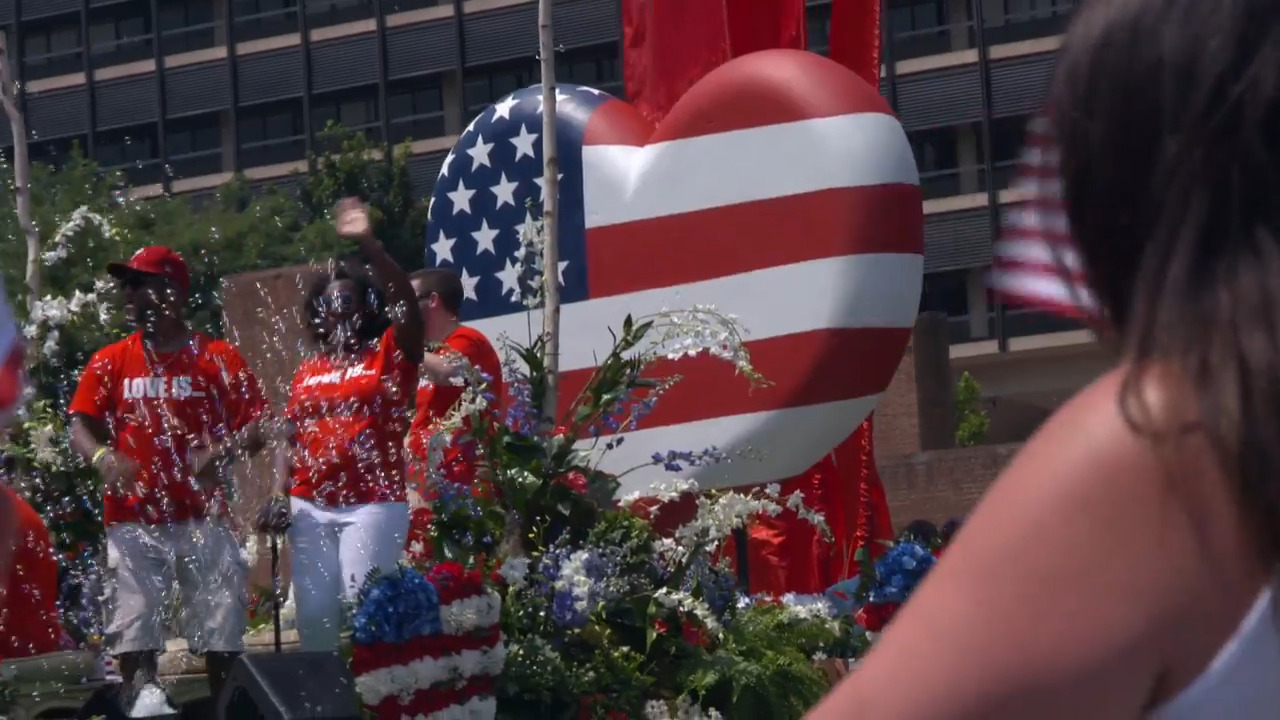
In Is the Fourth of July the Wrong Day?, historian Lucy Worsley learns that John Adams announced in 1776 that July 2 should be the day to celebrate Independence. However, the Declaration of Independence was not finalized until two days later. This video is excerpted from BBC's American History's Biggest Fibs With Lucy Worsley, in which Worsley reveals the myths and manipulations behind American history.
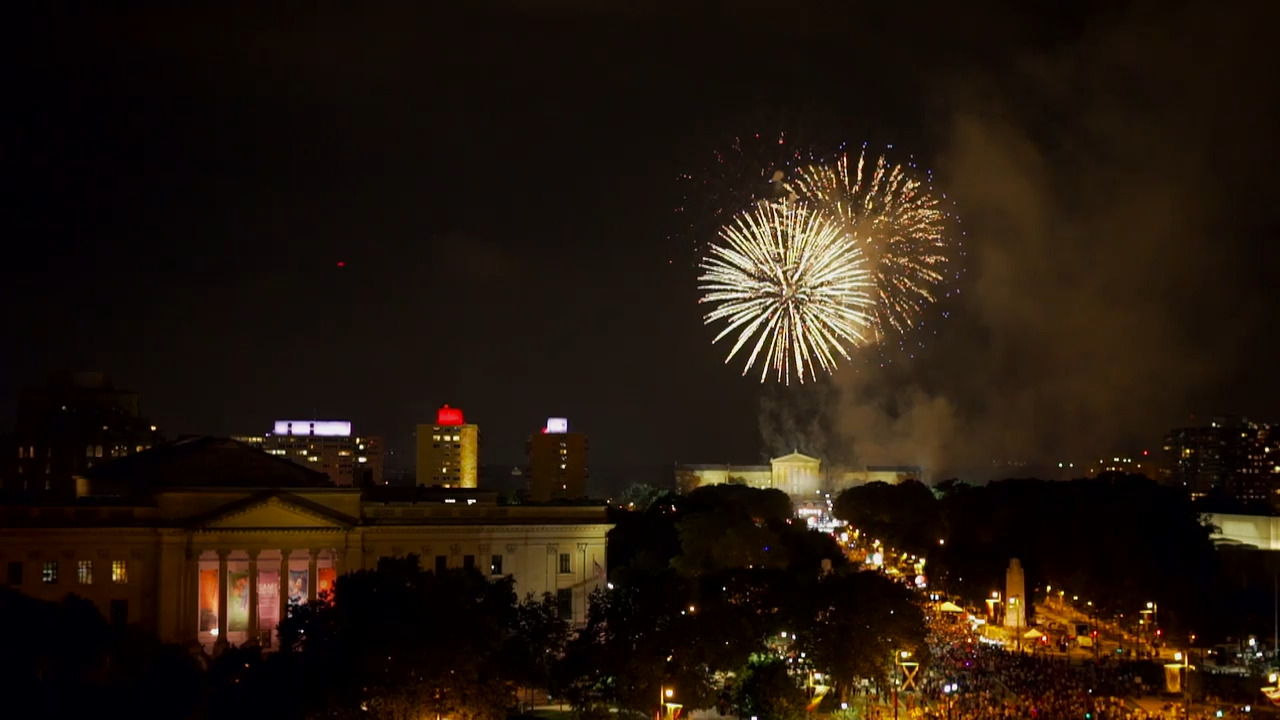
In How the French Supported the Birth of the United States, historian Lucy Worsley learns how Americans turned to the French king, Louis XVI for help. France saw Britain as an enemy and was happy to support the fight for Independence. They sent their navy to America and helped to win the war. This video is excerpted from BBC's American History's Biggest Fibs With Lucy Worsley, in which Worsley reveals the myths and manipulations behind American history.
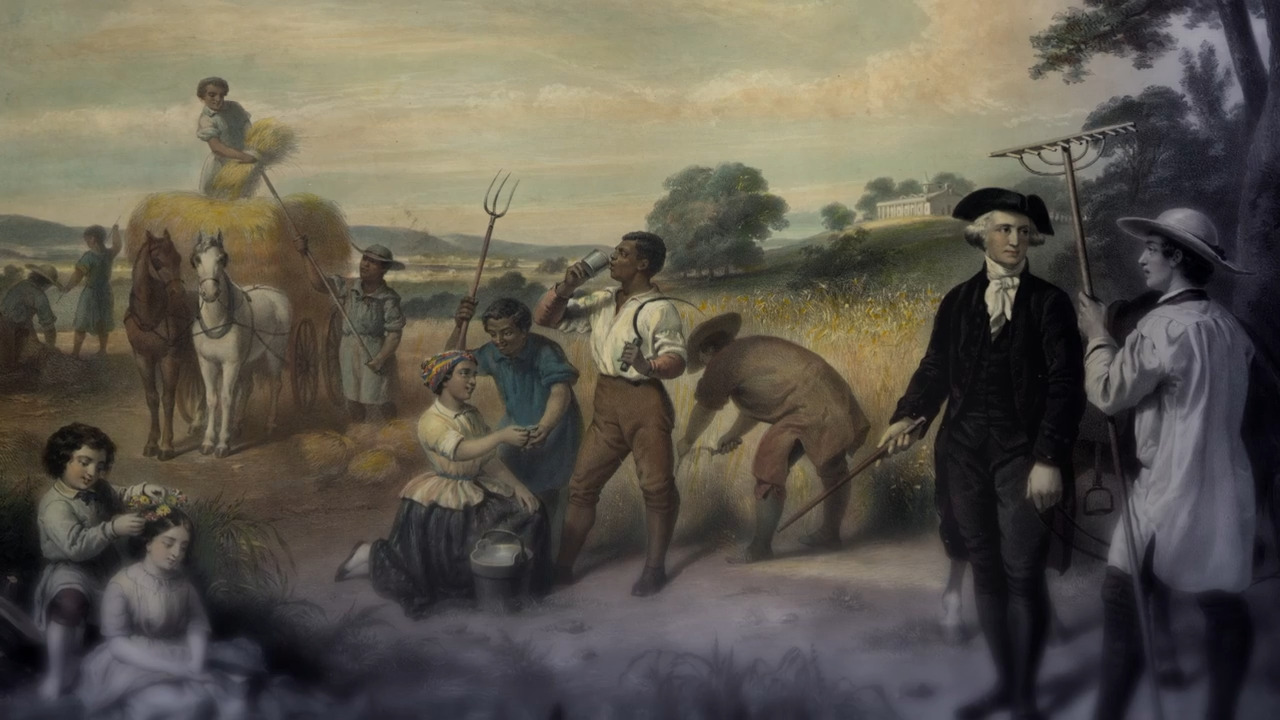
In The Whole Truth About George Washington, historian Lucy Worsley learns that not only did Washington enslave people, he also mistreated them. In 1780, the Pennsylvania Gradual Abolition Act stated that enslaved people had the right to petition for their freedom after six months. George Washington would take enslaved people out of the state and return so that the Act did not apply. This video is excerpted from BBC's American History's Biggest Fibs With Lucy Worsley, in which Worsley reveals the myths and manipulations behind American history.
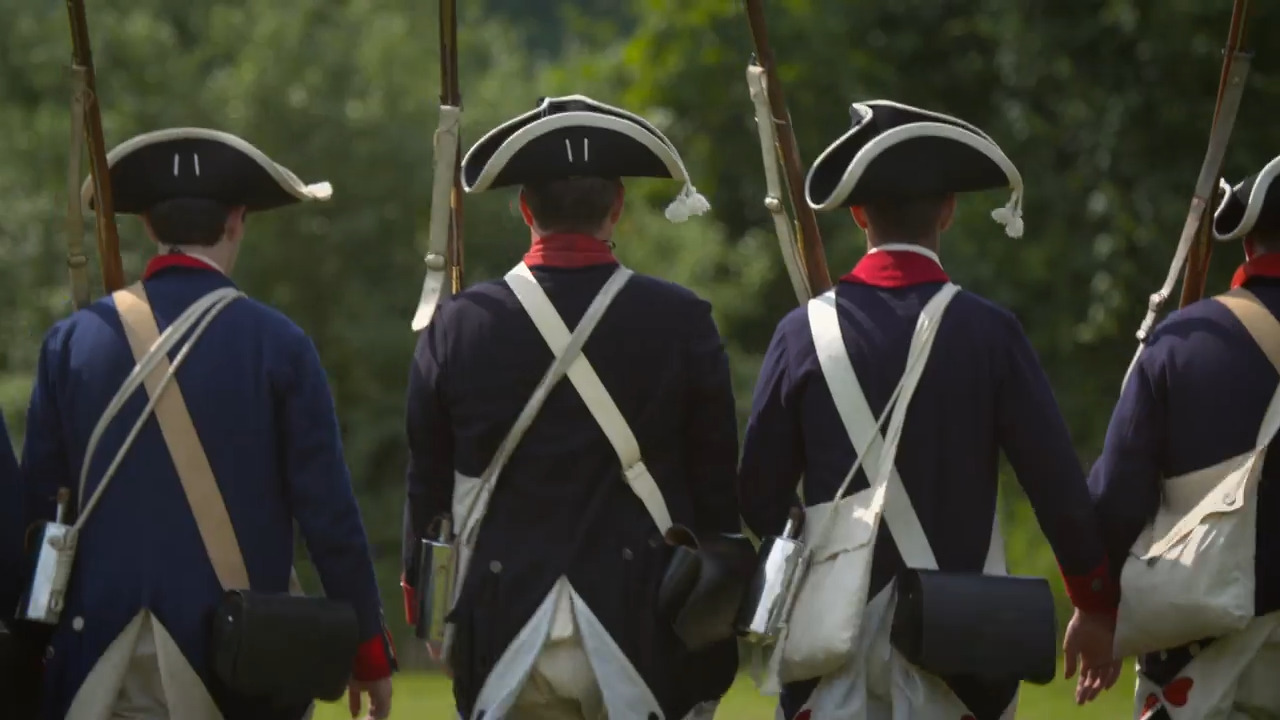
In Who Helped Win the Revolutionary Way — Farmers or Soldiers?, historian Lucy Worsley investigates whether local militia or trained soldiers helped win the War of Independence and why the army disbanded when the war was won. This video is excerpted from BBC's American History's Biggest Fibs With Lucy Worsley, in which Worsley reveals the myths and manipulations behind American history.
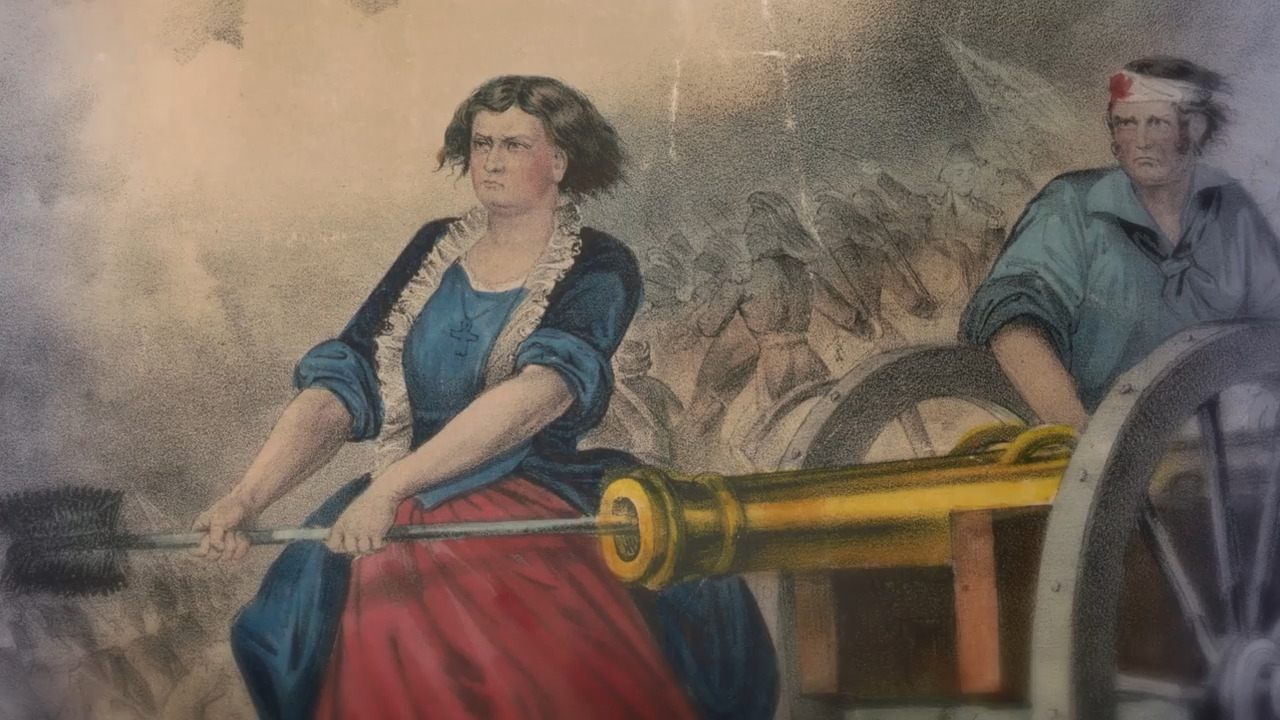
In Molly Pitcher — Fact or Fiction?, historian Lucy Worsley finds out about the story of Molly Pitcher, a woman who avenged the death of her husband on the battlefield in 1778. It is still a mystery whether the story is true or not. This video is excerpted from BBC's American History's Biggest Fibs With Lucy Worsley, in which Worsley reveals the myths and manipulations behind American history.
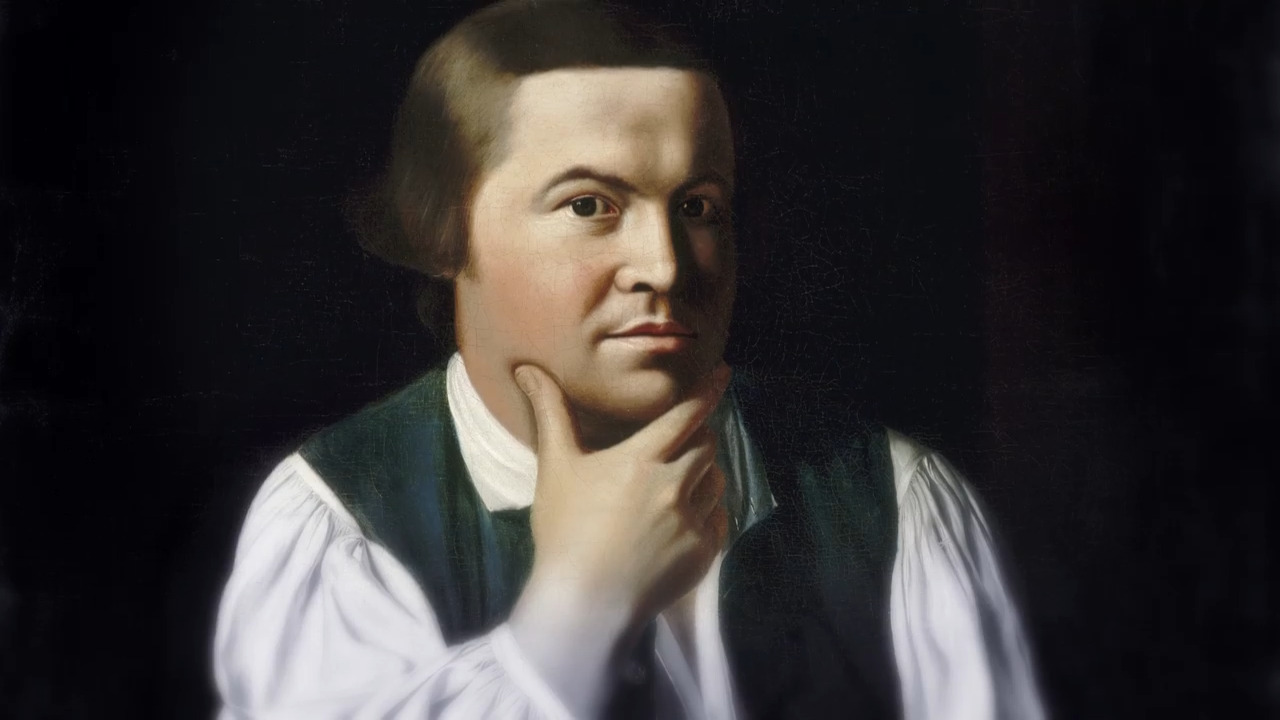
In The Legend of Paul Revere, historian Lucy Worsley investigates the story of Paul Revere and his actions in the first battle of the War of Independence in 1775. According to the poem “Paul Revere's Ride” by Henry Wadsworth Longfellow, Revere was a lone rider who warned soldiers in Concord that the British were on the march. In Revere's own account, he was arrested by the British, and never made it to Concord. This video is excerpted from BBC's American History's Biggest Fibs With Lucy Worsley, in which Worsley reveals the myths and manipulations behind American history.
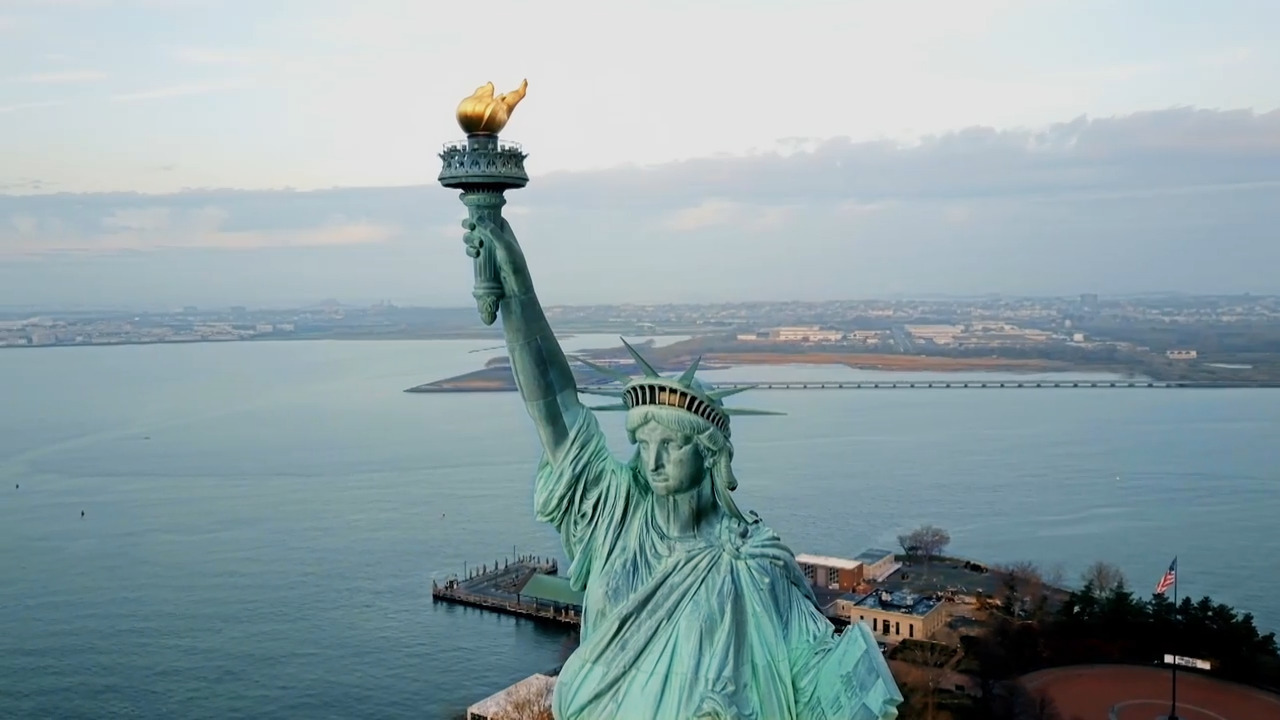
In What Does the Statue of Liberty Stand For?, historian Lucy Worsley investigates the origins and meanings of the Statue of Liberty. When it was unveiled in 1886, women protested that women did not have liberty; neither was there liberty and equality for African Americans. Emma Lazarus wrote a poem, The New Colossus, which not only raised money for the statue but gave her a new purpose: to welcome immigrants from the rest of the world. This video is excerpted from BBC's American History's Biggest Fibs With Lucy Worsley, in which Worsley reveals the myths and manipulations behind American history.
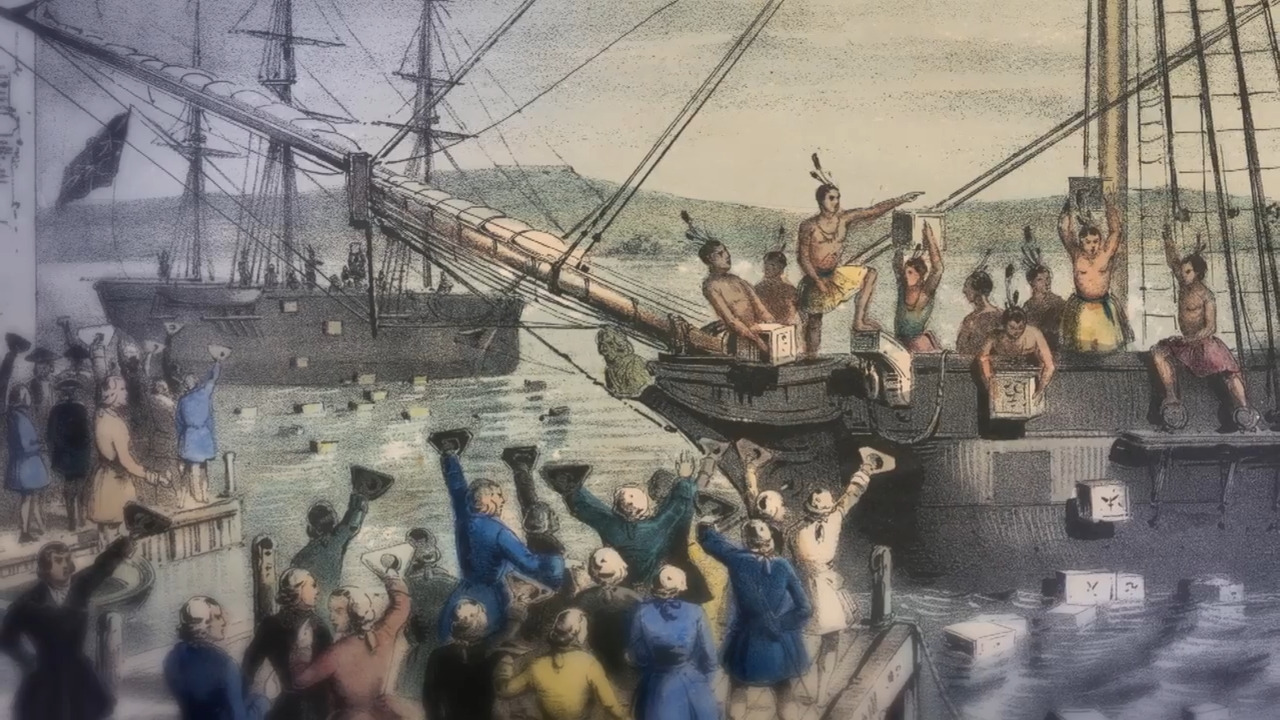
In Interpreting the Boston Tea Party, historian Lucy Worsley learns how opinions of the revolt in Boston have changed. At the time, it was thought of as an aggressive and illegal action. It became known as the Tea Party 50 years after the event. With each retelling, it takes on a new meaning. This video is excerpted from BBC's American History's Biggest Fibs With Lucy Worsley, in which Worsley reveals the myths and manipulations behind American history.
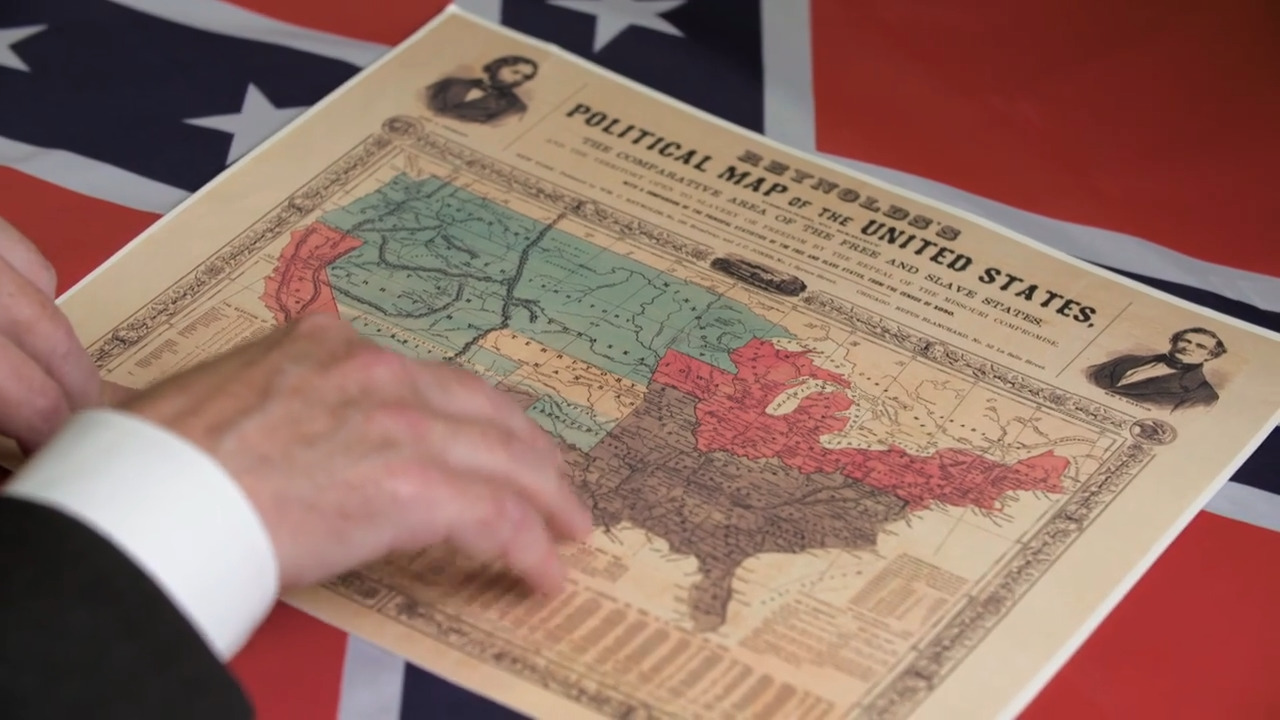
In How the American Civil War Really Started, historian Lucy Worsley investigates what America was like before the Civil War. It began as a clash between the 19 Northern states, which had abolished slavery, and 11 Southern states, where the economy was built on slave labor. New states were emerging in the West and both Northern and Southern states feared for their own economies. This video is excerpted from BBC's American History's Biggest Fibs With Lucy Worsley, in which Worsley reveals the myths and manipulations behind American history.
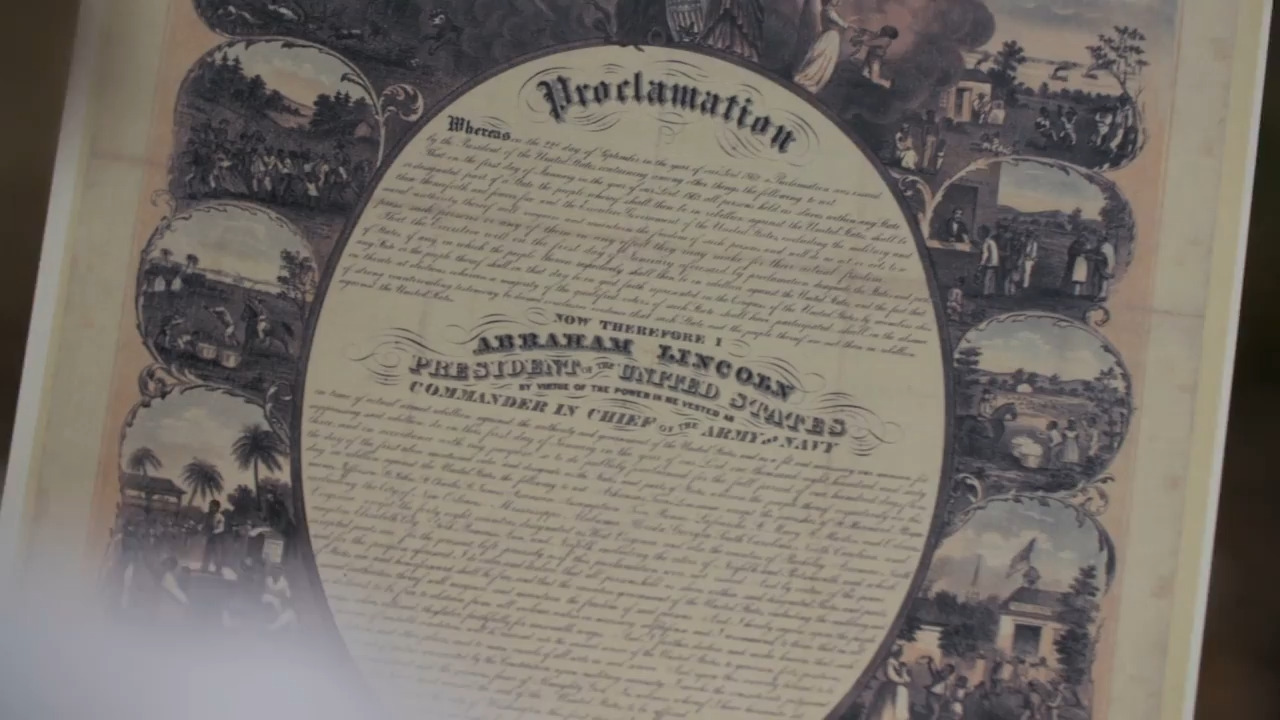
In Abraham Lincoln and Freedom for Some, historian Lucy Worsley takes a look at the Emancipation Proclamation drafted by Lincoln in 1863 that promised freedom from enslavement. However, it was only promised in rebel Southern states. Evidence suggests that Lincoln's main aim was to save the Union, not to end slavery. This video is excerpted from BBC's American History's Biggest Fibs With Lucy Worsley, in which Worsley reveals the myths and manipulations behind American history.
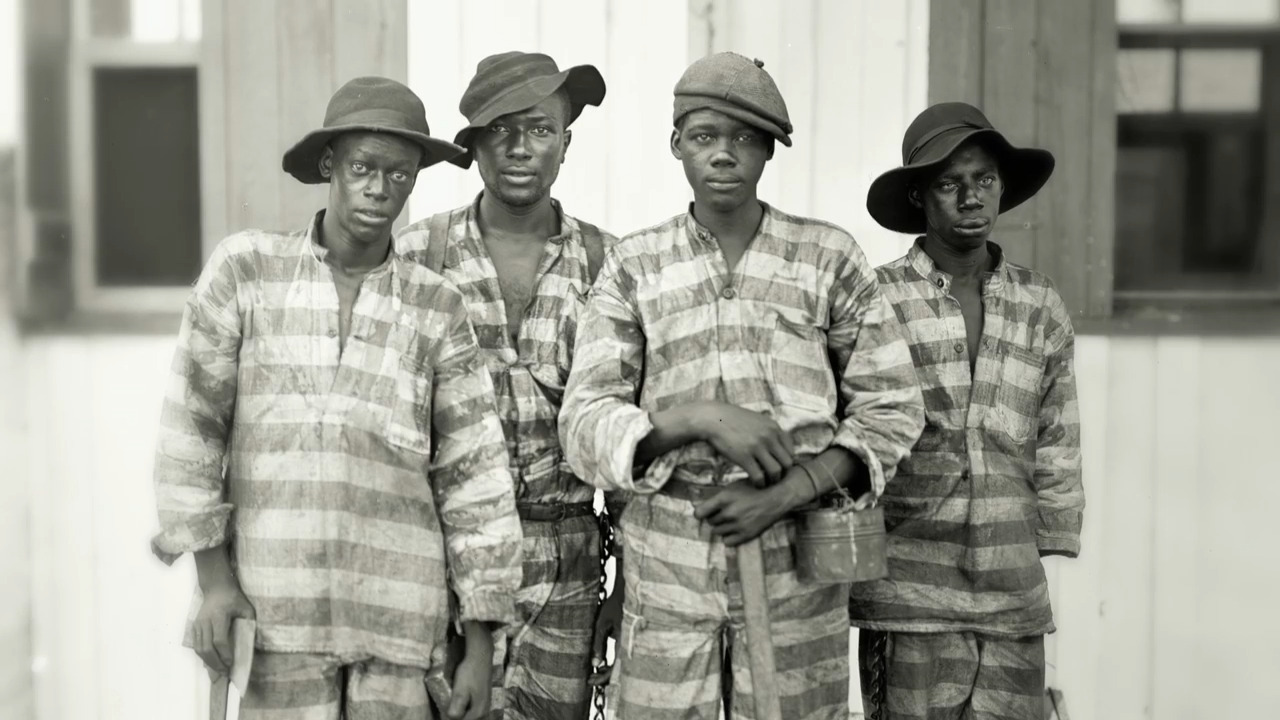
In From Emancipation to Convict Leasing, historian Lucy Worsley learns that although enslaved people were free after the Civil War, a new type of enslavement arose. If Black people were found guilty of even minor crimes, they ended in slavery of a new kind: convict leasing. Conditions were harsh and many people died. This video is excerpted from BBC's American History's Biggest Fibs With Lucy Worsley, in which Worsley reveals the myths and manipulations behind American history.
In Disagreements on the Declaration of Independence, historian Lucy Worsley researches the ambiguity of the first drafts of the agreement. It had to satisfy people from 13 states, with opposing views on divisive subjects such as slavery and religion. This video is excerpted from BBC's American History's Biggest Fibs With Lucy Worsley, in which Worsley reveals the myths and manipulations behind American history.
In Is the Fourth of July the Wrong Day?, historian Lucy Worsley learns that John Adams announced in 1776 that July 2 should be the day to celebrate Independence. However, the Declaration of Independence was not finalized until two days later. This video is excerpted from BBC's American History's Biggest Fibs With Lucy Worsley, in which Worsley reveals the myths and manipulations behind American history.
In How the French Supported the Birth of the United States, historian Lucy Worsley learns how Americans turned to the French king, Louis XVI for help. France saw Britain as an enemy and was happy to support the fight for Independence. They sent their navy to America and helped to win the war. This video is excerpted from BBC's American History's Biggest Fibs With Lucy Worsley, in which Worsley reveals the myths and manipulations behind American history.
In The Whole Truth About George Washington, historian Lucy Worsley learns that not only did Washington enslave people, he also mistreated them. In 1780, the Pennsylvania Gradual Abolition Act stated that enslaved people had the right to petition for their freedom after six months. George Washington would take enslaved people out of the state and return so that the Act did not apply. This video is excerpted from BBC's American History's Biggest Fibs With Lucy Worsley, in which Worsley reveals the myths and manipulations behind American history.
In Who Helped Win the Revolutionary Way — Farmers or Soldiers?, historian Lucy Worsley investigates whether local militia or trained soldiers helped win the War of Independence and why the army disbanded when the war was won. This video is excerpted from BBC's American History's Biggest Fibs With Lucy Worsley, in which Worsley reveals the myths and manipulations behind American history.
In Molly Pitcher — Fact or Fiction?, historian Lucy Worsley finds out about the story of Molly Pitcher, a woman who avenged the death of her husband on the battlefield in 1778. It is still a mystery whether the story is true or not. This video is excerpted from BBC's American History's Biggest Fibs With Lucy Worsley, in which Worsley reveals the myths and manipulations behind American history.
In The Legend of Paul Revere, historian Lucy Worsley investigates the story of Paul Revere and his actions in the first battle of the War of Independence in 1775. According to the poem “Paul Revere's Ride” by Henry Wadsworth Longfellow, Revere was a lone rider who warned soldiers in Concord that the British were on the march. In Revere's own account, he was arrested by the British, and never made it to Concord. This video is excerpted from BBC's American History's Biggest Fibs With Lucy Worsley, in which Worsley reveals the myths and manipulations behind American history.
In What Does the Statue of Liberty Stand For?, historian Lucy Worsley investigates the origins and meanings of the Statue of Liberty. When it was unveiled in 1886, women protested that women did not have liberty; neither was there liberty and equality for African Americans. Emma Lazarus wrote a poem, The New Colossus, which not only raised money for the statue but gave her a new purpose: to welcome immigrants from the rest of the world. This video is excerpted from BBC's American History's Biggest Fibs With Lucy Worsley, in which Worsley reveals the myths and manipulations behind American history.
In Interpreting the Boston Tea Party, historian Lucy Worsley learns how opinions of the revolt in Boston have changed. At the time, it was thought of as an aggressive and illegal action. It became known as the Tea Party 50 years after the event. With each retelling, it takes on a new meaning. This video is excerpted from BBC's American History's Biggest Fibs With Lucy Worsley, in which Worsley reveals the myths and manipulations behind American history.
In How the American Civil War Really Started, historian Lucy Worsley investigates what America was like before the Civil War. It began as a clash between the 19 Northern states, which had abolished slavery, and 11 Southern states, where the economy was built on slave labor. New states were emerging in the West and both Northern and Southern states feared for their own economies. This video is excerpted from BBC's American History's Biggest Fibs With Lucy Worsley, in which Worsley reveals the myths and manipulations behind American history.
In Abraham Lincoln and Freedom for Some, historian Lucy Worsley takes a look at the Emancipation Proclamation drafted by Lincoln in 1863 that promised freedom from enslavement. However, it was only promised in rebel Southern states. Evidence suggests that Lincoln's main aim was to save the Union, not to end slavery. This video is excerpted from BBC's American History's Biggest Fibs With Lucy Worsley, in which Worsley reveals the myths and manipulations behind American history.
In From Emancipation to Convict Leasing, historian Lucy Worsley learns that although enslaved people were free after the Civil War, a new type of enslavement arose. If Black people were found guilty of even minor crimes, they ended in slavery of a new kind: convict leasing. Conditions were harsh and many people died. This video is excerpted from BBC's American History's Biggest Fibs With Lucy Worsley, in which Worsley reveals the myths and manipulations behind American history.