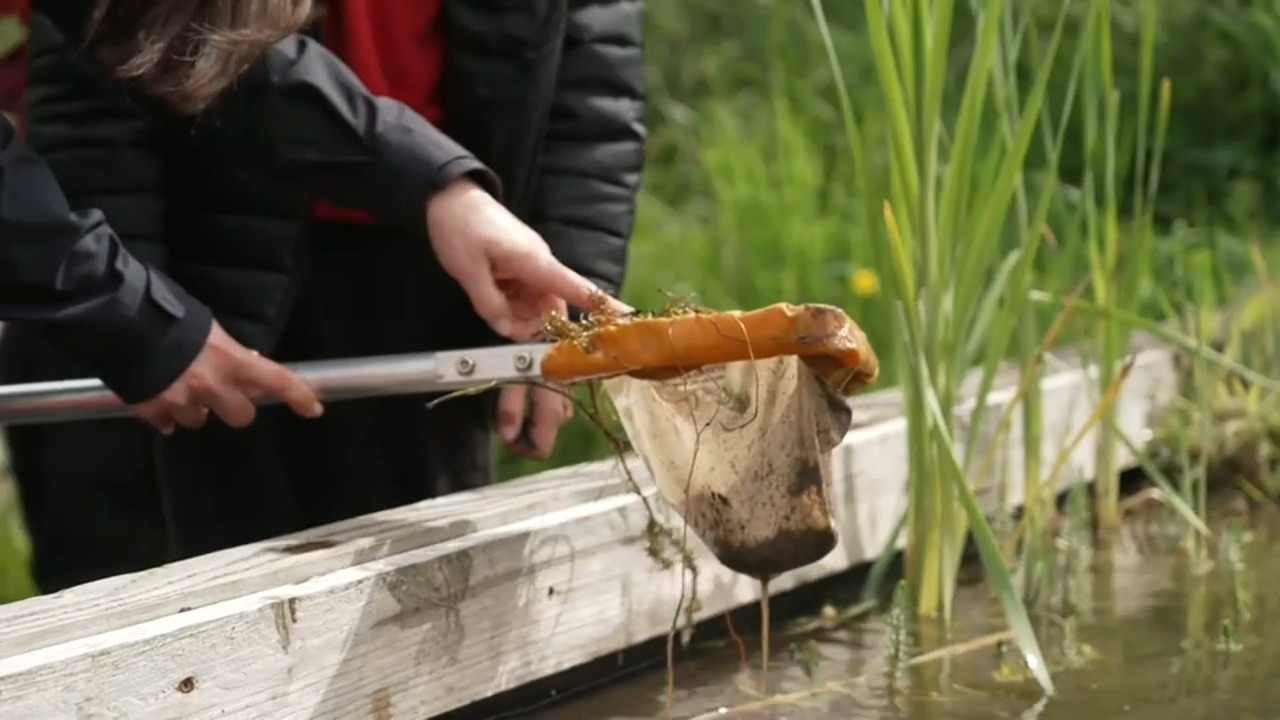
Your parents or grandparents probably talk about growing up outside — riding bikes, climbing trees, scraping up knees. Turns out, they were onto something.
The Wildlife Trusts, a UK conservation group, just wrapped up "30 Days Wild," the UK's biggest nature challenge. Millions of people, including tens of thousands of schools, took part by doing one "wild" activity a day — noticing, appreciating, or exploring nature. The Lancashire Wildlife Trust runs a similar effort called The Greenhouse Project, where people learn to grow food and care for nature together.
The idea: the more connected people feel to nature, the more likely they are to protect it. But a recent poll found that while almost all adults have fond memories of playing outside as kids, nearly half now spend just three hours outside per week — less than 30 minutes a day.
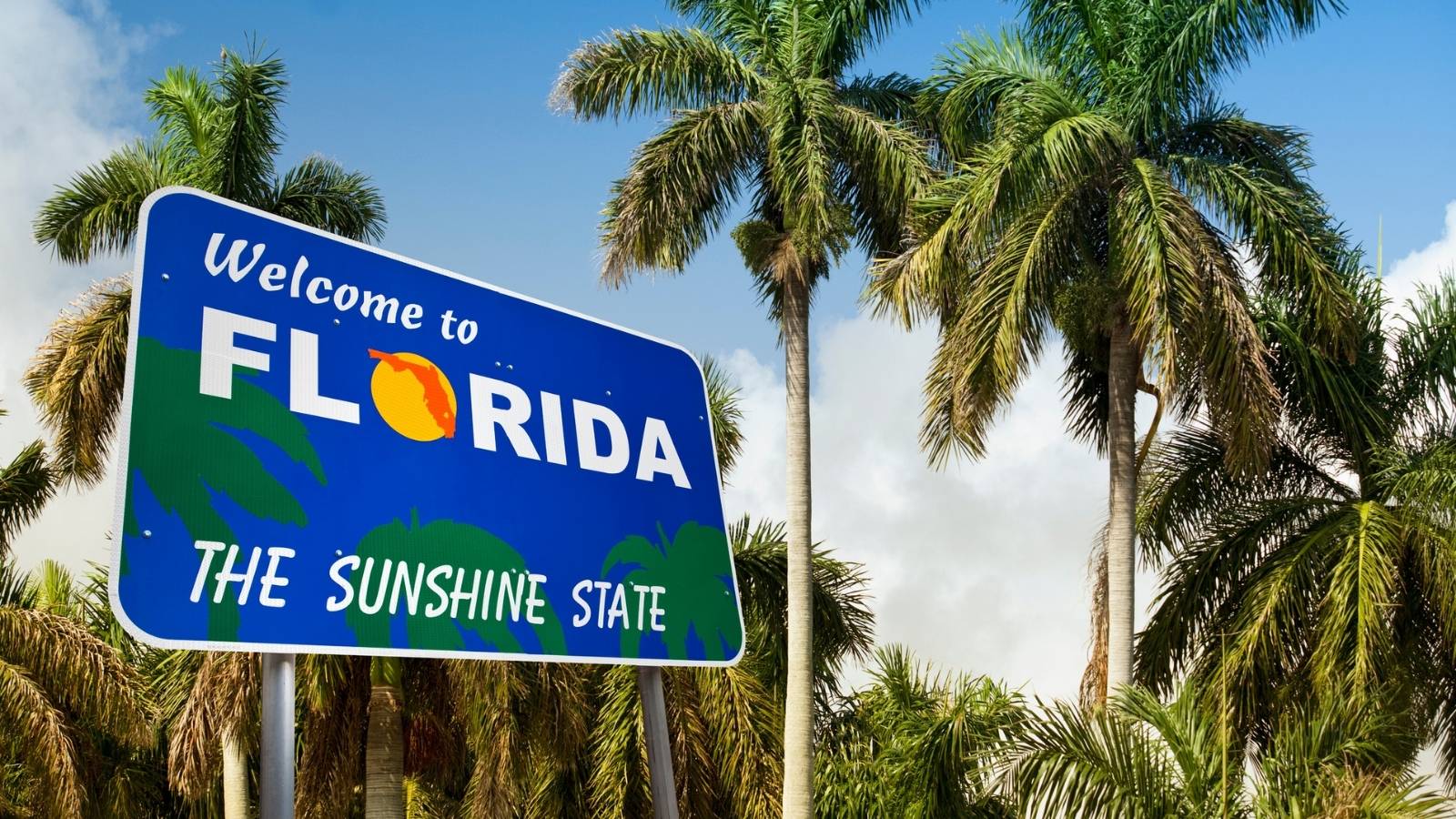
Take your class on an exciting journey through Florida’s amazing wildlife and habitats! This playlist explores the warm springs where manatees gather in winter and shows how dolphins team up in Florida Bay to catch their food in clever ways. Along the way, your students will discover what makes Florida’s ecosystems so special and why they’re worth protecting. These clips are perfect for sparking curiosity, starting great classroom discussions, and inspiring kids to think like young scientists and conservationists.

The article "Flamingo Guide: How to Identify Each Species, Where to See Them — and Why Flamingos Are Pink" from BBC's Discover Wildlife is a colorful exploration of one of the world’s most striking birds. It explains the six different flamingo species, how diet affects their bright coloring, and where to find them in the wild. The article also highlights flamingo behavior, nesting, communication, and how they feed their chicks pink "milk."
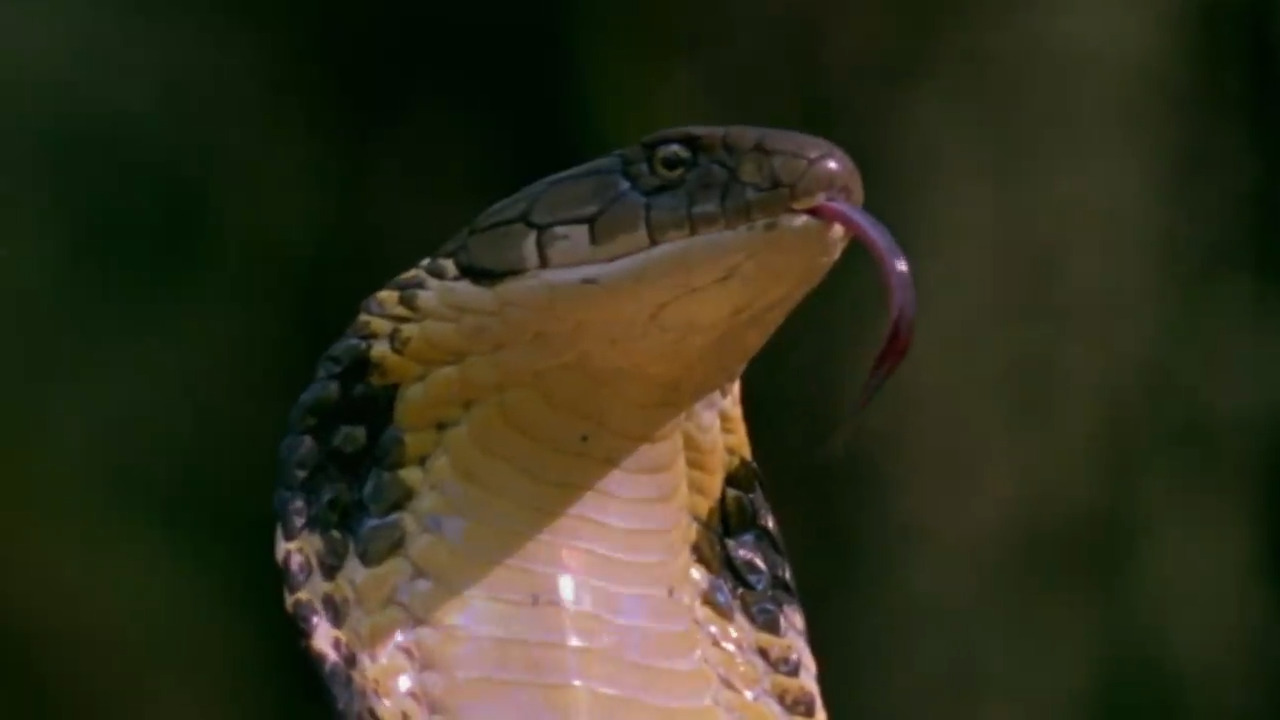
In The Venomous King Cobra, naturalist Steve Backshall visits the Bali Reptile Rescue and meets a king cobra. This video is excerpted from BBC's Deadly 60, an award-winning nature and adventure show for kids in which narrator Steve Backshall has one mission: to travel the globe in search of 60 of the world's deadliest animals.
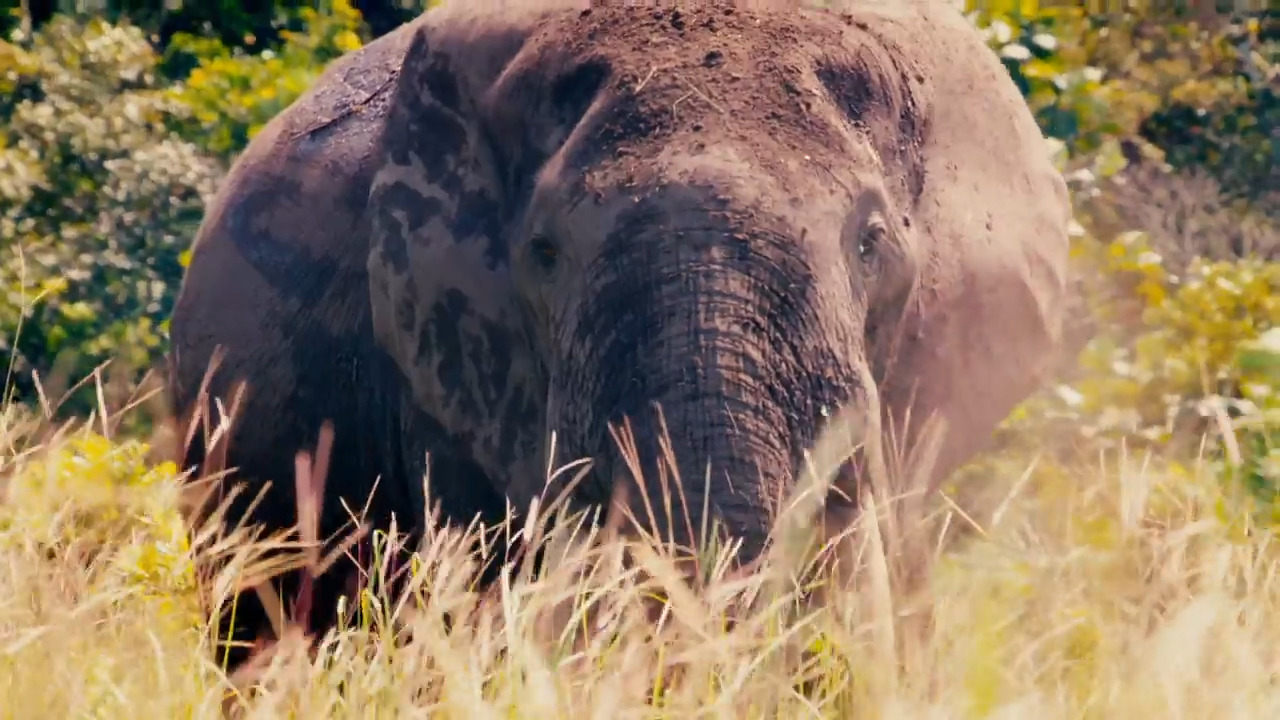
In Tracking Forest Elephants, naturalist Steve Backshall searches for forest elephants in the Loango National Park in Gabon. Together with two guides who are former poachers, they come across a forest elephant in its element. This video is excerpted from BBC's Deadly 60, an award-winning nature and adventure show for kids in which narrator Steve Backshall has one mission: to travel the globe in search of 60 of the world's deadliest animals.
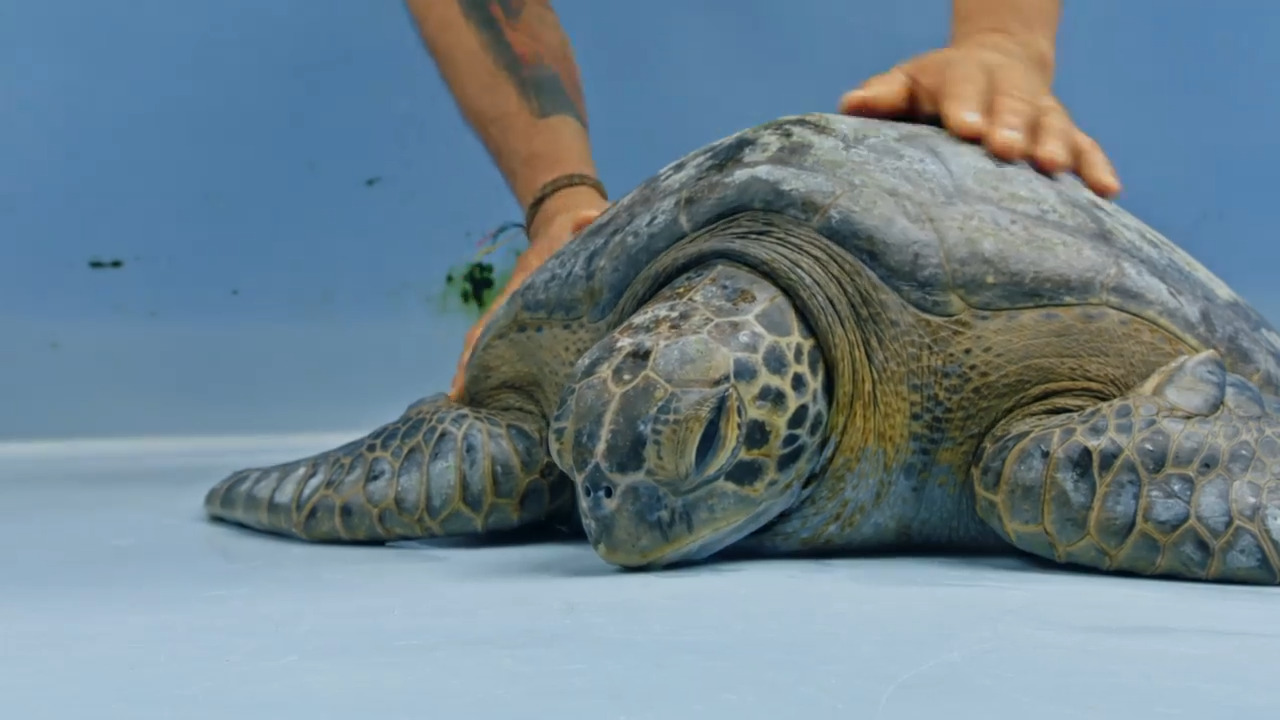
In The Great Turtle Rescue, naturalist Steve Backshall visits a turtle rescue center and introduces us to turtles that have been injured and are recuperating. Then we join the team as Steve releases one turtle back into the wild. This video is excerpted from BBC's Deadly 60, an award-winning nature and adventure show for kids in which narrator Steve Backshall has one mission: to travel the globe in search of 60 of the world's deadliest animals.
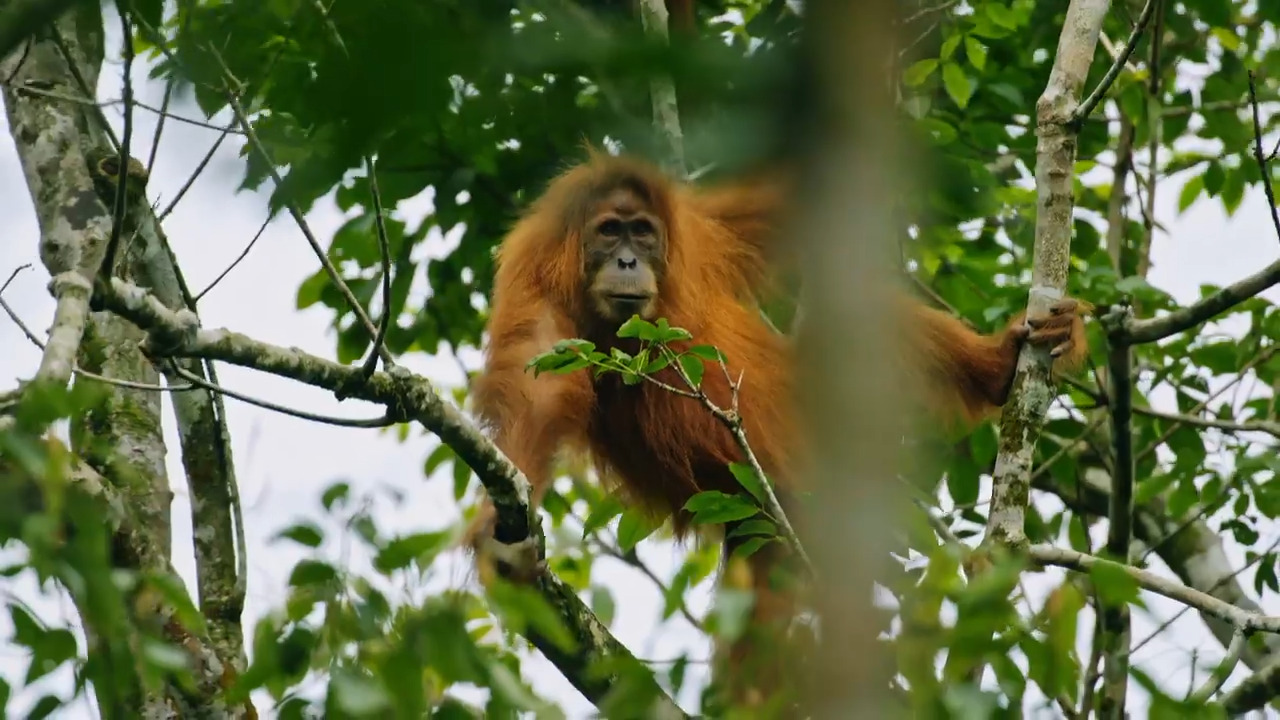
In Orangutans in Danger, naturalist Steve Backshall visits an orangutan sanctuary and marvels at two baby orangutans who have lost their mothers because of deforestation, but are now growing and playing. This video is excerpted from BBC's Deadly 60, an award-winning nature and adventure show for kids in which narrator Steve Backshall has one mission: to travel the globe in search of 60 of the world's deadliest animals.
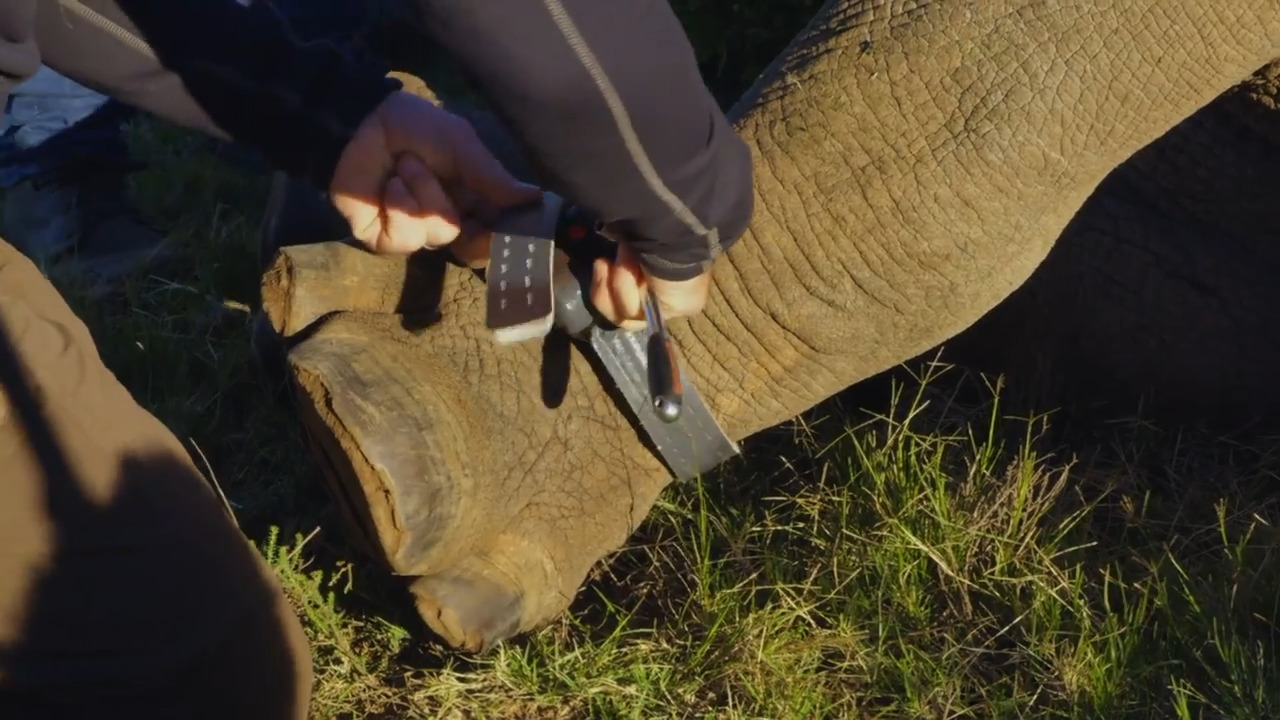
In Protecting Rhinos From Poachers, naturalist Steve Backshall flies across a wildlife reserve to locate Rodney, a male rhino. Rodney is tranquilized, then Steve attaches a collar to him so that he can be located and protected in the future. This video is excerpted from BBC's Deadly 60, an award-winning nature and adventure show for kids in which narrator Steve Backshall has one mission: to travel the globe in search of 60 of the world's deadliest animals.
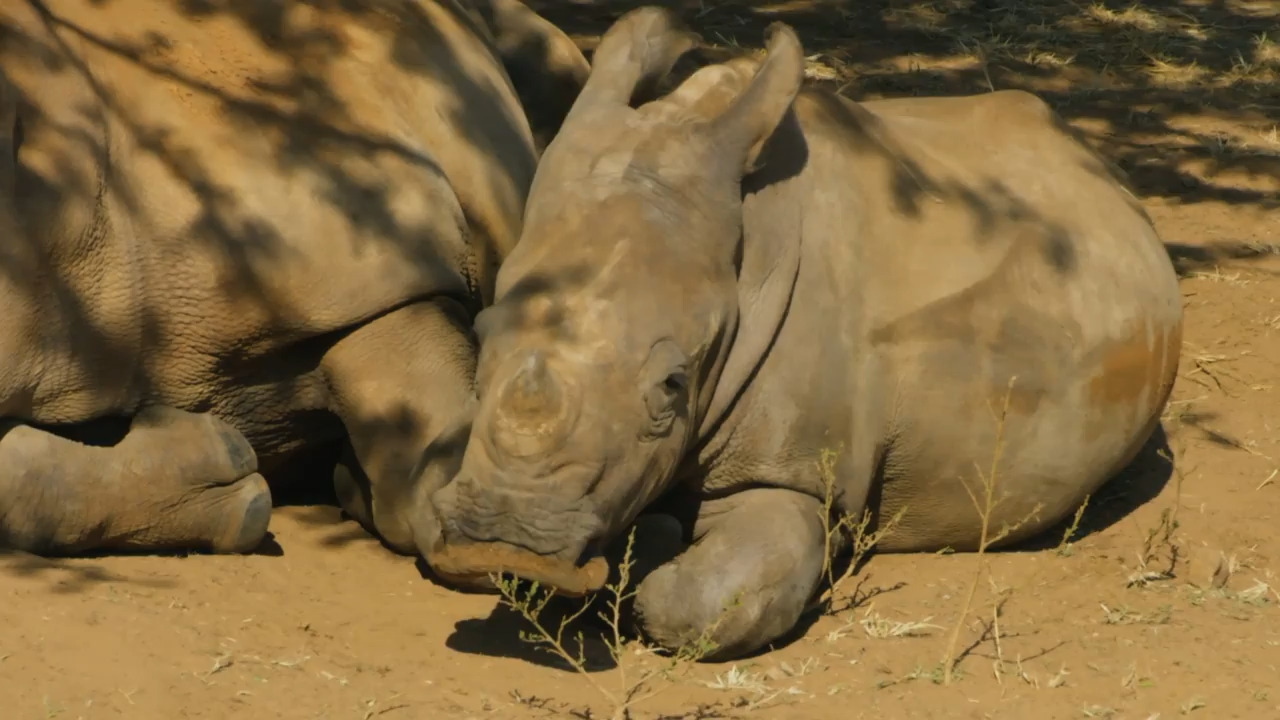
In Inside a Rhino Wildlife Sanctuary, naturalist Steve Backshall visits a high-security wildlife sanctuary in South Africa. Here he meets baby rhinos that have lost their mothers. This video is excerpted from BBC's Deadly 60, an award-winning nature and adventure show for kids in which narrator Steve Backshall has one mission: to travel the globe in search of 60 of the world's deadliest animals.
Your parents or grandparents probably talk about growing up outside — riding bikes, climbing trees, scraping up knees. Turns out, they were onto something.
The Wildlife Trusts, a UK conservation group, just wrapped up "30 Days Wild," the UK's biggest nature challenge. Millions of people, including tens of thousands of schools, took part by doing one "wild" activity a day — noticing, appreciating, or exploring nature. The Lancashire Wildlife Trust runs a similar effort called The Greenhouse Project, where people learn to grow food and care for nature together.
The idea: the more connected people feel to nature, the more likely they are to protect it. But a recent poll found that while almost all adults have fond memories of playing outside as kids, nearly half now spend just three hours outside per week — less than 30 minutes a day.
Take your class on an exciting journey through Florida’s amazing wildlife and habitats! This playlist explores the warm springs where manatees gather in winter and shows how dolphins team up in Florida Bay to catch their food in clever ways. Along the way, your students will discover what makes Florida’s ecosystems so special and why they’re worth protecting. These clips are perfect for sparking curiosity, starting great classroom discussions, and inspiring kids to think like young scientists and conservationists.
The article "Flamingo Guide: How to Identify Each Species, Where to See Them — and Why Flamingos Are Pink" from BBC's Discover Wildlife is a colorful exploration of one of the world’s most striking birds. It explains the six different flamingo species, how diet affects their bright coloring, and where to find them in the wild. The article also highlights flamingo behavior, nesting, communication, and how they feed their chicks pink "milk."
In The Venomous King Cobra, naturalist Steve Backshall visits the Bali Reptile Rescue and meets a king cobra. This video is excerpted from BBC's Deadly 60, an award-winning nature and adventure show for kids in which narrator Steve Backshall has one mission: to travel the globe in search of 60 of the world's deadliest animals.
In Tracking Forest Elephants, naturalist Steve Backshall searches for forest elephants in the Loango National Park in Gabon. Together with two guides who are former poachers, they come across a forest elephant in its element. This video is excerpted from BBC's Deadly 60, an award-winning nature and adventure show for kids in which narrator Steve Backshall has one mission: to travel the globe in search of 60 of the world's deadliest animals.
In The Great Turtle Rescue, naturalist Steve Backshall visits a turtle rescue center and introduces us to turtles that have been injured and are recuperating. Then we join the team as Steve releases one turtle back into the wild. This video is excerpted from BBC's Deadly 60, an award-winning nature and adventure show for kids in which narrator Steve Backshall has one mission: to travel the globe in search of 60 of the world's deadliest animals.
In Orangutans in Danger, naturalist Steve Backshall visits an orangutan sanctuary and marvels at two baby orangutans who have lost their mothers because of deforestation, but are now growing and playing. This video is excerpted from BBC's Deadly 60, an award-winning nature and adventure show for kids in which narrator Steve Backshall has one mission: to travel the globe in search of 60 of the world's deadliest animals.
In Protecting Rhinos From Poachers, naturalist Steve Backshall flies across a wildlife reserve to locate Rodney, a male rhino. Rodney is tranquilized, then Steve attaches a collar to him so that he can be located and protected in the future. This video is excerpted from BBC's Deadly 60, an award-winning nature and adventure show for kids in which narrator Steve Backshall has one mission: to travel the globe in search of 60 of the world's deadliest animals.
In Inside a Rhino Wildlife Sanctuary, naturalist Steve Backshall visits a high-security wildlife sanctuary in South Africa. Here he meets baby rhinos that have lost their mothers. This video is excerpted from BBC's Deadly 60, an award-winning nature and adventure show for kids in which narrator Steve Backshall has one mission: to travel the globe in search of 60 of the world's deadliest animals.