Orangutans in Danger
In Orangutans in Danger, naturalist Steve Backshall visits an orangutan sanctuary and marvels at two baby orangutans who have lost their mothers because of deforestation, but are now growing and playing. This video is excerpted from BBC's Deadly 60, an award-winning nature and adventure show for kids in which narrator Steve Backshall has one mission: to travel the globe in search of 60 of the world's deadliest animals.

Wildlife presenter Steve Backshall travels the world tracking down the 60 most deadly animals on the planet — from great white sharks to king cobras — getting closer than most people would ever dare. Learn more.
Lesson Express
Q: Why does Steve wear gloves and a mask?
A: Humans and orangutans are so closely related that he could transmit human diseases to the animals.
Q: What has happened to the orangutan population because of deforestation?
A: The population has decreased by half because they are losing their habitat.
Q: How is the orangutan uniquely adapted to living in the rainforest?
A: It can blend in when it is moving around shadows in the treetops.
You Might Also Like
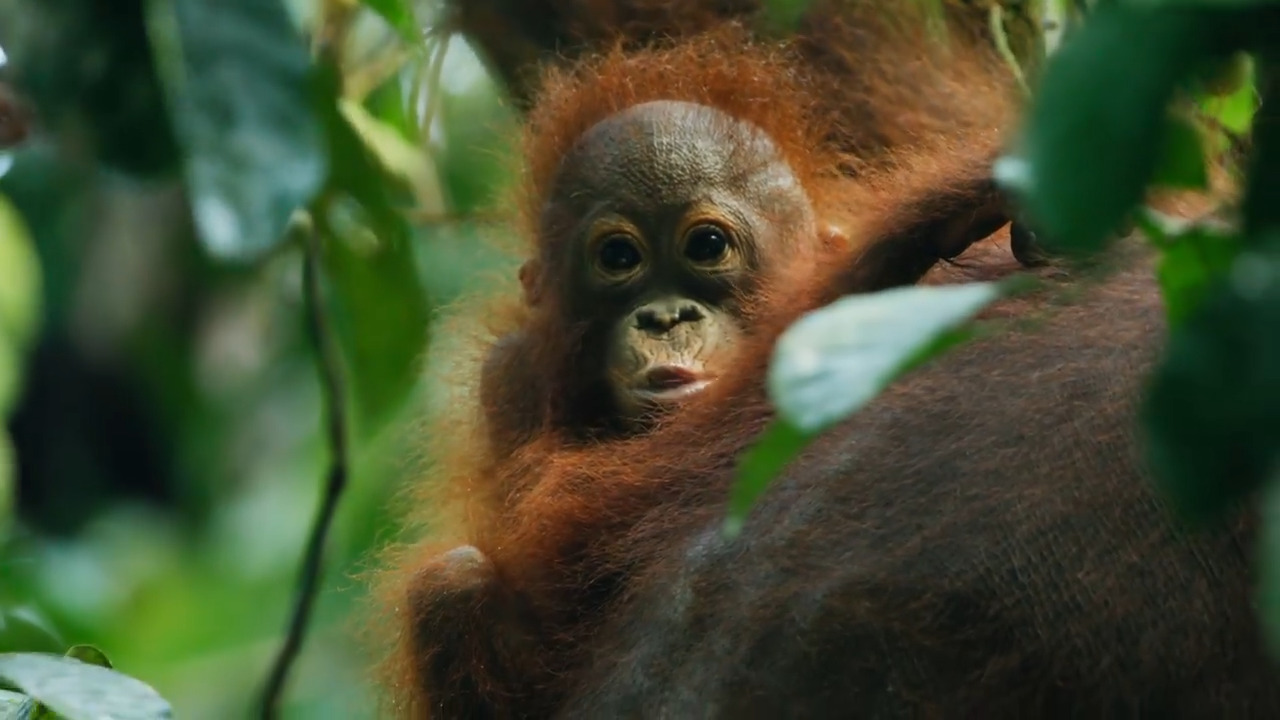
In Young Orangutans in the Canopy, narrator Sir David Attenborough follows a young orangutan as he learns survival skills from his mother in the dense forests of Indonesia. The youngster begins to explore the high canopy for food, including termites and mangos, while navigating the dangers of the forest. This video is excerpted from BBC’s Seven Worlds, One Planet, a series featuring remarkable animal behavior from all seven continents.
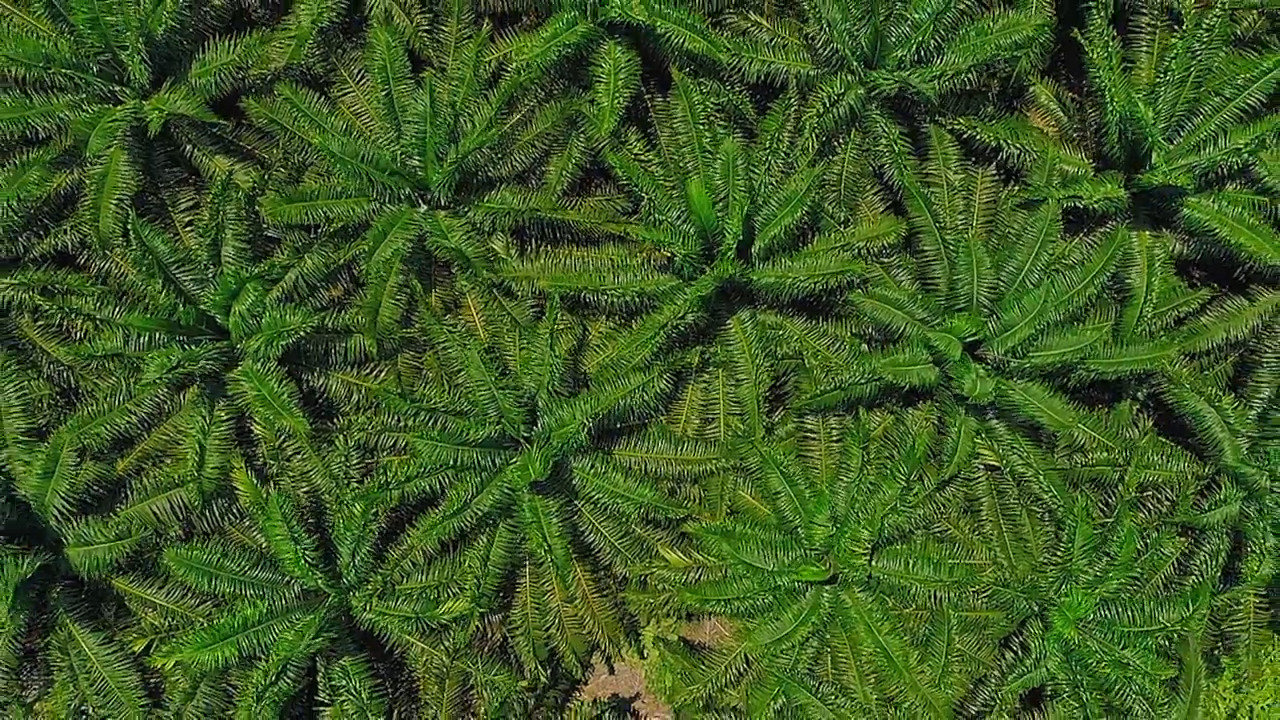
In Palm Oil vs. the Rainforest, naturalist Steve Backshall discusses ways in which the production of palm oil could minimize the risk to the rainforest and the survival of animals. This video is excerpted from BBC's Deadly 60, an award-winning nature and adventure show for kids in which narrator Steve Backshall has one mission: to travel the globe in search of 60 of the world's deadliest animals.
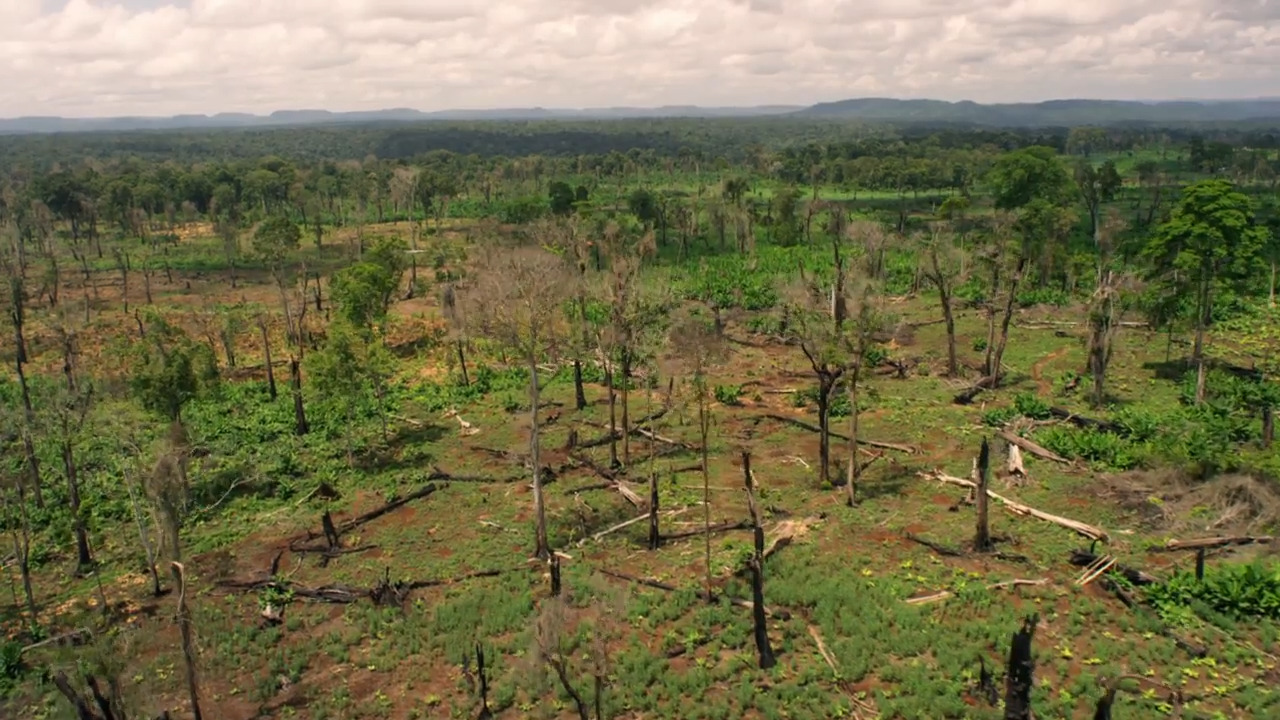
In Deforestation and Palm Oil see how satellite imaging has revealed a surprising amount of forest removal across the globe. Much of the deforestation is driven by the demand for palm oil, which is found in many products. Deforestation reduces the number of plants that absorb carbon dioxide emissions and adds to the emissions through burning forests. This video is excerpted from BBC’s Climate Change - The Facts, a documentary that delves into the science of climate change and its far-reaching consequences.
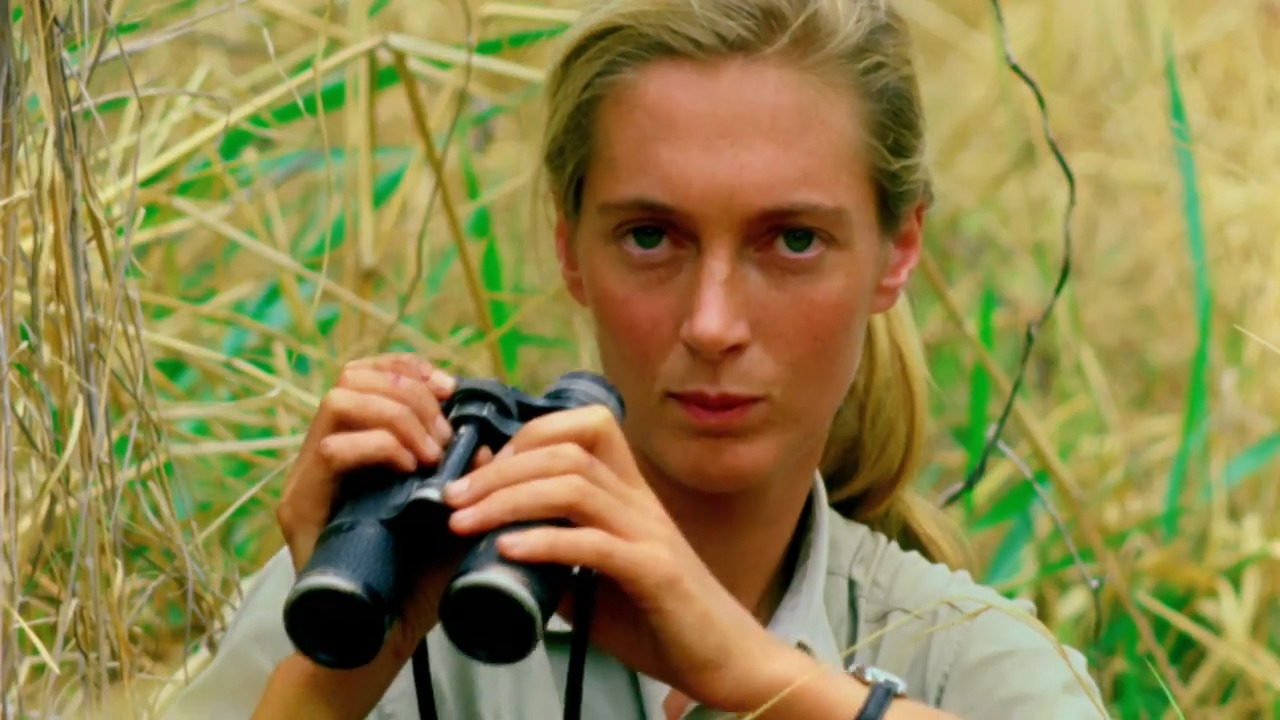
In Jane Goodall's Life Among the Chimpanzees, host Dermot O'Leary explores the groundbreaking work of a young woman who transformed our understanding of animal behavior and human origins. Jane Goodall’s determination and pioneering spirit took her from a typist in Bournemouth to a world-renowned primatologist. This video is excerpted from BBC’s Icons: The Greatest Person of the 20th Century, a documentary series celebrating the achievements of the most influential figures of the era.
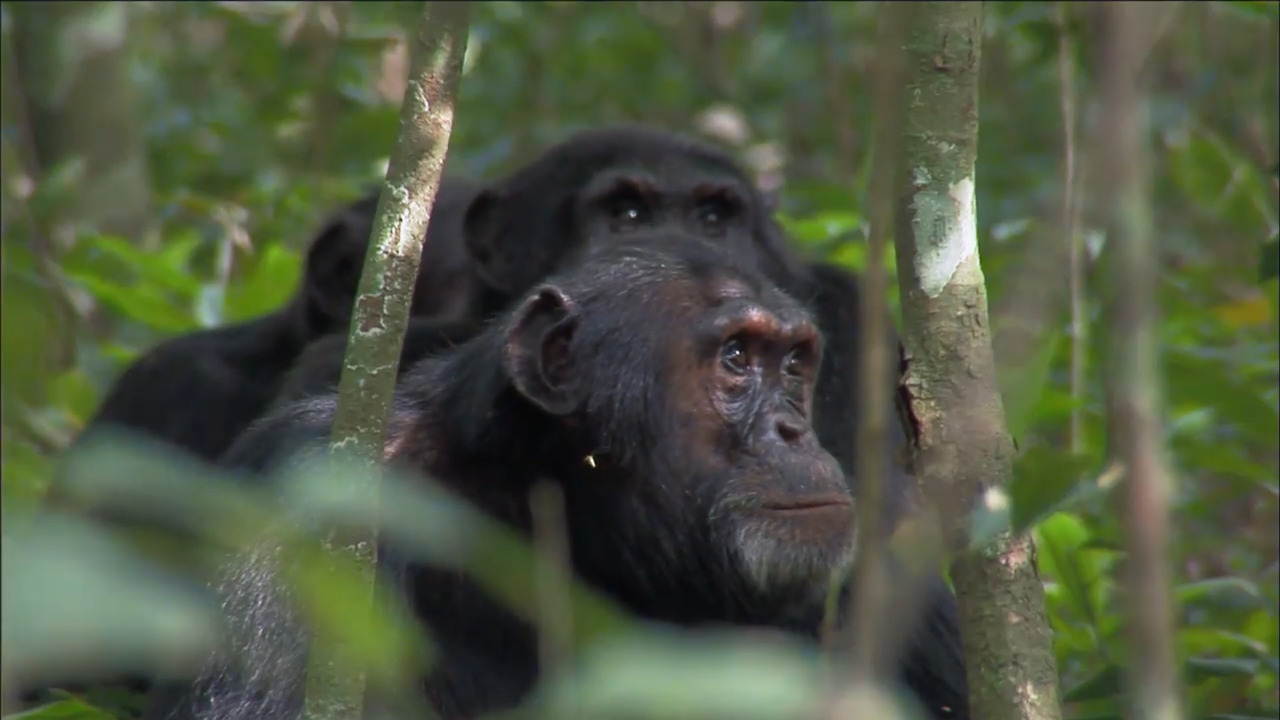
A troop of 150 chimpanzees. That's not a typo — it's the largest chimp community ever recorded in Africa, and they all live in one stretch of forest in Uganda. Sir David Attenborough takes you inside their world in this clip from BBC's Planet Earth, and it's not exactly peaceful. Chimps are unusual among jungle animals — they move just as easily through the treetops as they do on the ground, which comes in handy when your diet depends on finding enough fig trees to feed 150 mouths. But a community this size needs serious territory to sustain it, and that means defending it.
Watch as the troop uses coordinated calls to launch a raid into a rival group's land. Once they cross into enemy territory, everything changes: the calls stop, the pace slows, and every chimp is on high alert, listening for signs of who — and how many — they're up against.
It's a side of chimpanzees you don't usually see: strategic, tense, and surprisingly military in style. Great conversation starter for anything on animal behavior, group dynamics, or how intelligence shows up in unexpected ways.
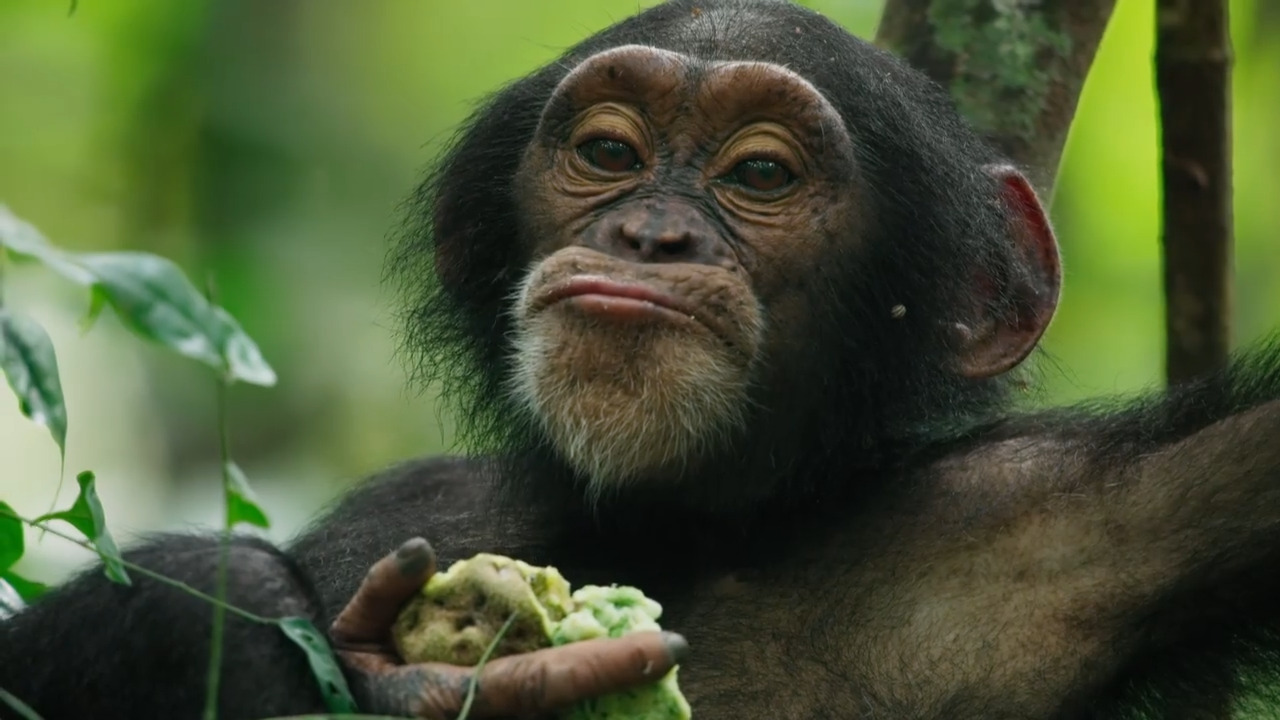
In How Chimpanzees Use Tools, narrator Sir David Attenborough investigates how young chimpanzees are taught how to crack nuts by their mothers. Young chimps can take up to 10 years to master this skill. This video is excerpted from BBC’s Seven Worlds, One Planet, a series featuring remarkable animal behavior from all seven continents.
In Young Orangutans in the Canopy, narrator Sir David Attenborough follows a young orangutan as he learns survival skills from his mother in the dense forests of Indonesia. The youngster begins to explore the high canopy for food, including termites and mangos, while navigating the dangers of the forest. This video is excerpted from BBC’s Seven Worlds, One Planet, a series featuring remarkable animal behavior from all seven continents.
In Palm Oil vs. the Rainforest, naturalist Steve Backshall discusses ways in which the production of palm oil could minimize the risk to the rainforest and the survival of animals. This video is excerpted from BBC's Deadly 60, an award-winning nature and adventure show for kids in which narrator Steve Backshall has one mission: to travel the globe in search of 60 of the world's deadliest animals.
In Deforestation and Palm Oil see how satellite imaging has revealed a surprising amount of forest removal across the globe. Much of the deforestation is driven by the demand for palm oil, which is found in many products. Deforestation reduces the number of plants that absorb carbon dioxide emissions and adds to the emissions through burning forests. This video is excerpted from BBC’s Climate Change - The Facts, a documentary that delves into the science of climate change and its far-reaching consequences.
In Jane Goodall's Life Among the Chimpanzees, host Dermot O'Leary explores the groundbreaking work of a young woman who transformed our understanding of animal behavior and human origins. Jane Goodall’s determination and pioneering spirit took her from a typist in Bournemouth to a world-renowned primatologist. This video is excerpted from BBC’s Icons: The Greatest Person of the 20th Century, a documentary series celebrating the achievements of the most influential figures of the era.
A troop of 150 chimpanzees. That's not a typo — it's the largest chimp community ever recorded in Africa, and they all live in one stretch of forest in Uganda. Sir David Attenborough takes you inside their world in this clip from BBC's Planet Earth, and it's not exactly peaceful. Chimps are unusual among jungle animals — they move just as easily through the treetops as they do on the ground, which comes in handy when your diet depends on finding enough fig trees to feed 150 mouths. But a community this size needs serious territory to sustain it, and that means defending it.
Watch as the troop uses coordinated calls to launch a raid into a rival group's land. Once they cross into enemy territory, everything changes: the calls stop, the pace slows, and every chimp is on high alert, listening for signs of who — and how many — they're up against.
It's a side of chimpanzees you don't usually see: strategic, tense, and surprisingly military in style. Great conversation starter for anything on animal behavior, group dynamics, or how intelligence shows up in unexpected ways.
In How Chimpanzees Use Tools, narrator Sir David Attenborough investigates how young chimpanzees are taught how to crack nuts by their mothers. Young chimps can take up to 10 years to master this skill. This video is excerpted from BBC’s Seven Worlds, One Planet, a series featuring remarkable animal behavior from all seven continents.