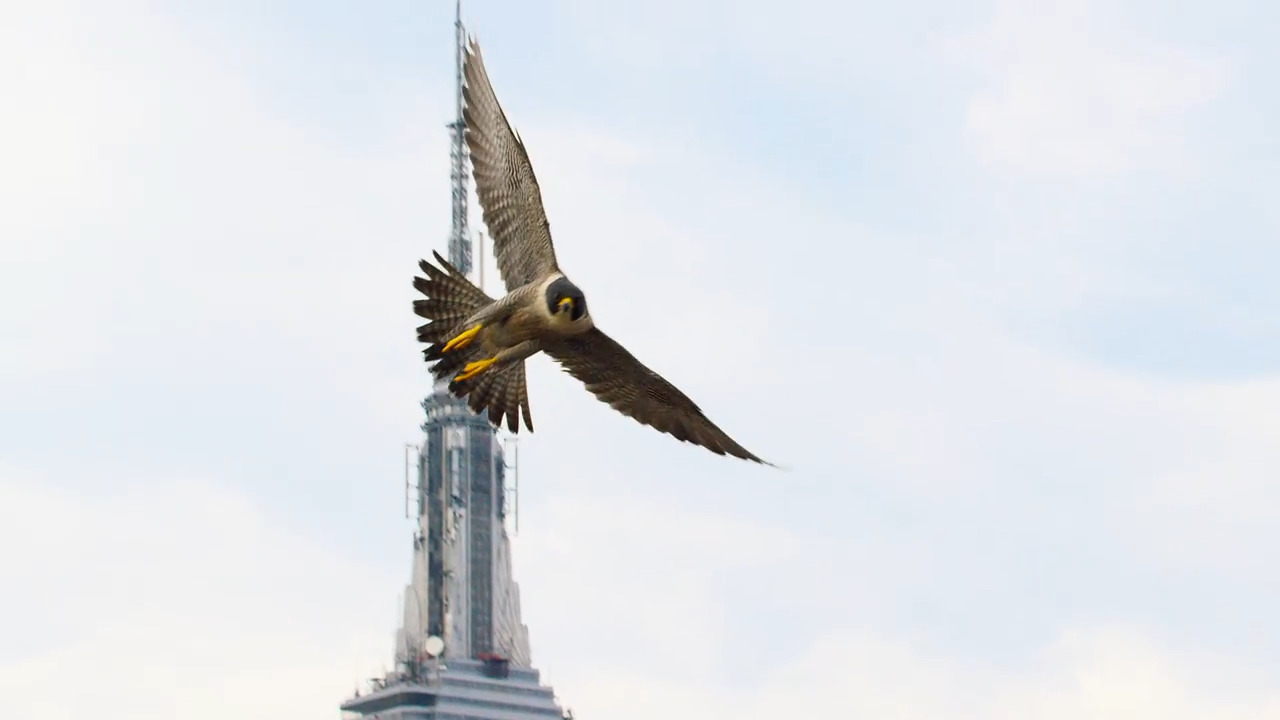
In Peregrine Falcons Thrive in New York City, narrator Sir David Attenborough describes the growth of urban environments and the great impact on the planet. Peregrine falcons living in New York City have adapted well to their urban habitat. The ledges of tall buildings provide a place to nest and from which to soar. This video is excerpted from BBC’s Planet Earth II, a breathtaking documentary series that highlights the natural wonders of our planet.
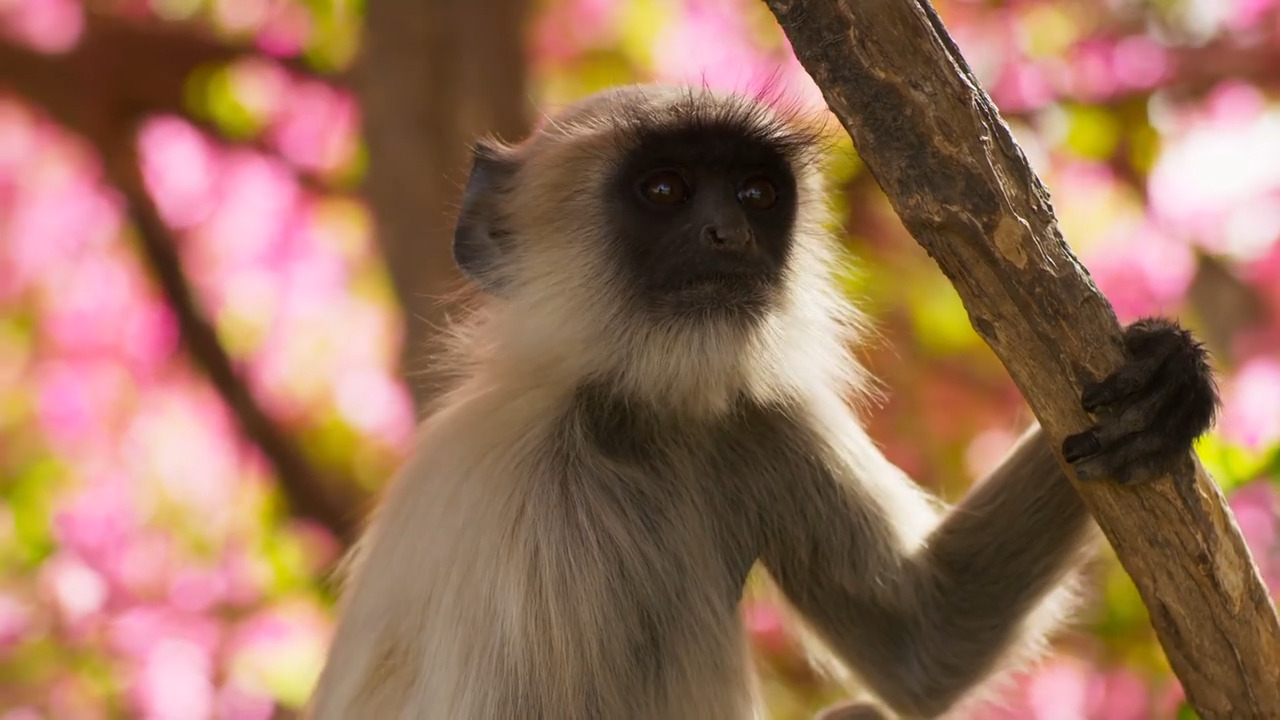
In The Langur Monkeys of Jodphur, narrator Sir David Attenborough visits India where an alpha langur monkey fights off a troop of bachelors across the rooftops in Jodphur. The monkeys thrive in this urban environment because they are fed by people, who revere them for their connection to a Hindu god. This has resulted in a large population increase. This video is excerpted from BBC’s Planet Earth II, a breathtaking documentary series that highlights the natural wonders of our planet.
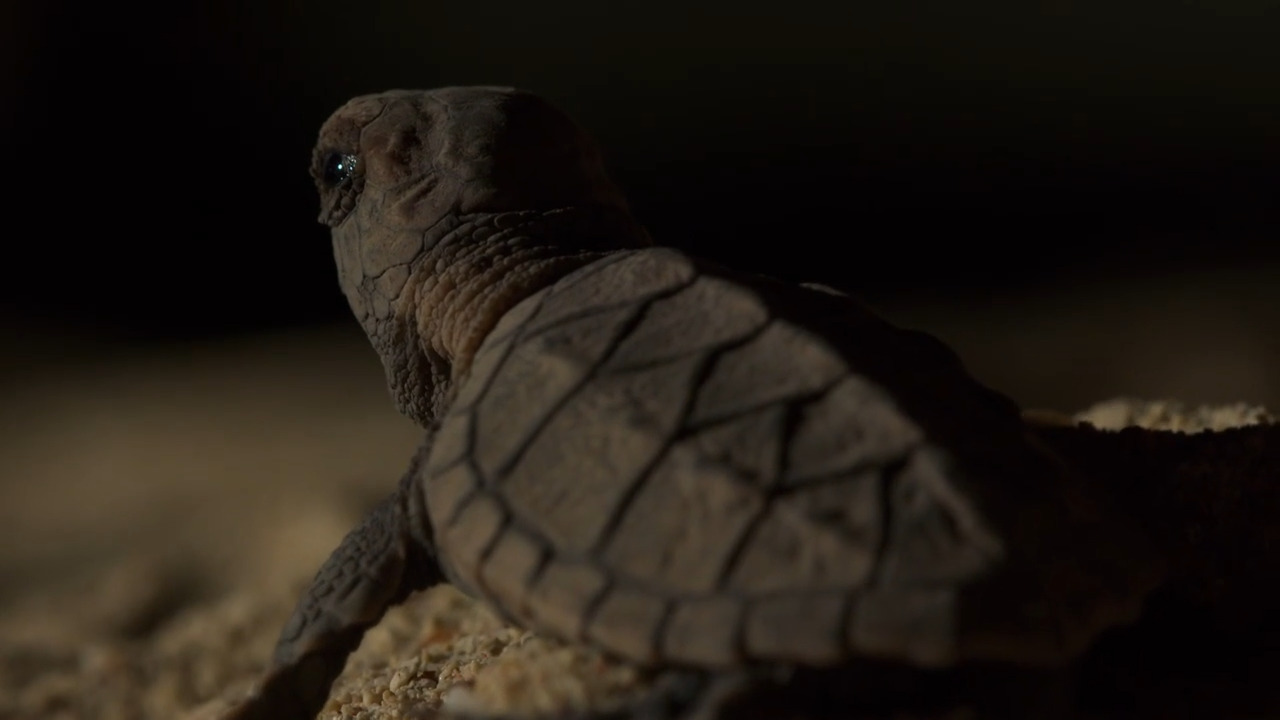
In Impact of City Lights on Wildlife, narrator Sir David Attenborough explores how artificial lighting disrupts the natural instincts of sea turtle hatchlings. Instead of heading toward the ocean, they are drawn to the bright lights of urban areas, putting them in danger. This video is excerpted from BBC’s Planet Earth II, a breathtaking documentary series that highlights the natural wonders of our planet.
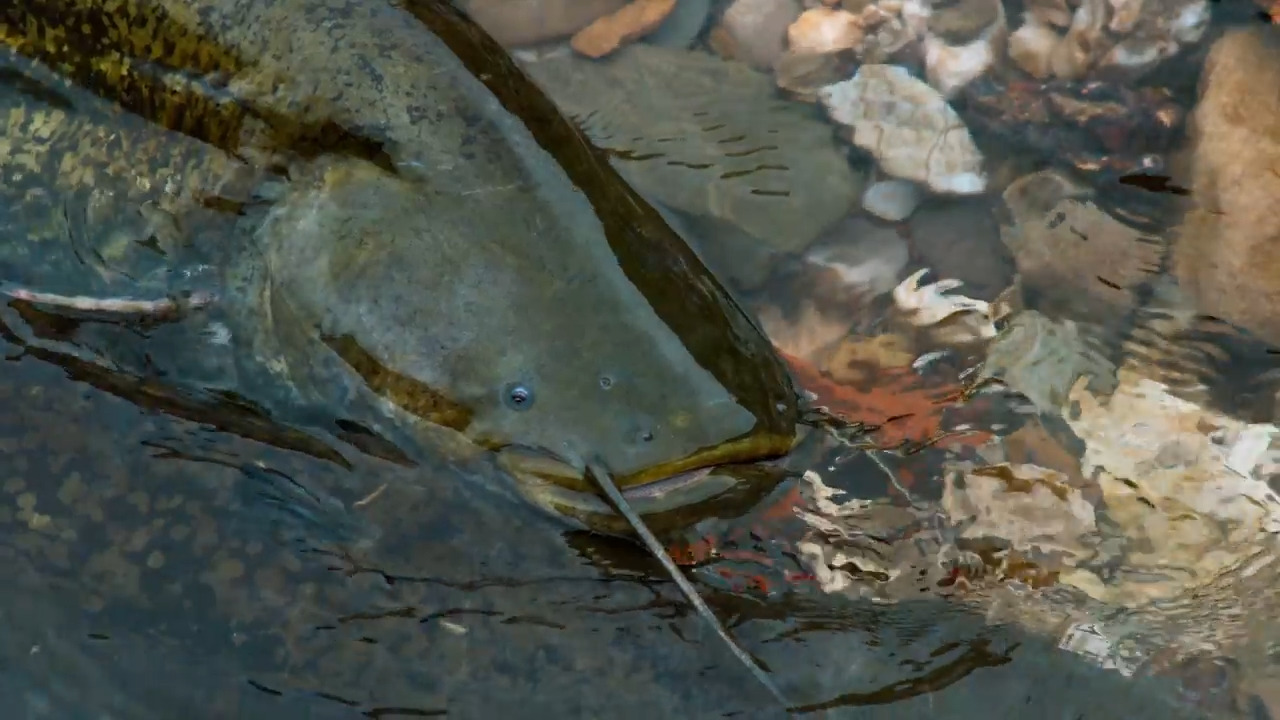
In Pigeons vs. Catfish, narrator Sir David Attenborough explores the unusual predator-prey relationship between urban pigeons and an invasive catfish that uses its whiskery barbels to sense the movements of its victims. Learn more about the interaction between the pigeons and the catfish, including the catfish's unique predatory behavior. This video is excerpted from BBC’s Planet Earth II, a breathtaking documentary series that highlights the natural wonders of our planet.
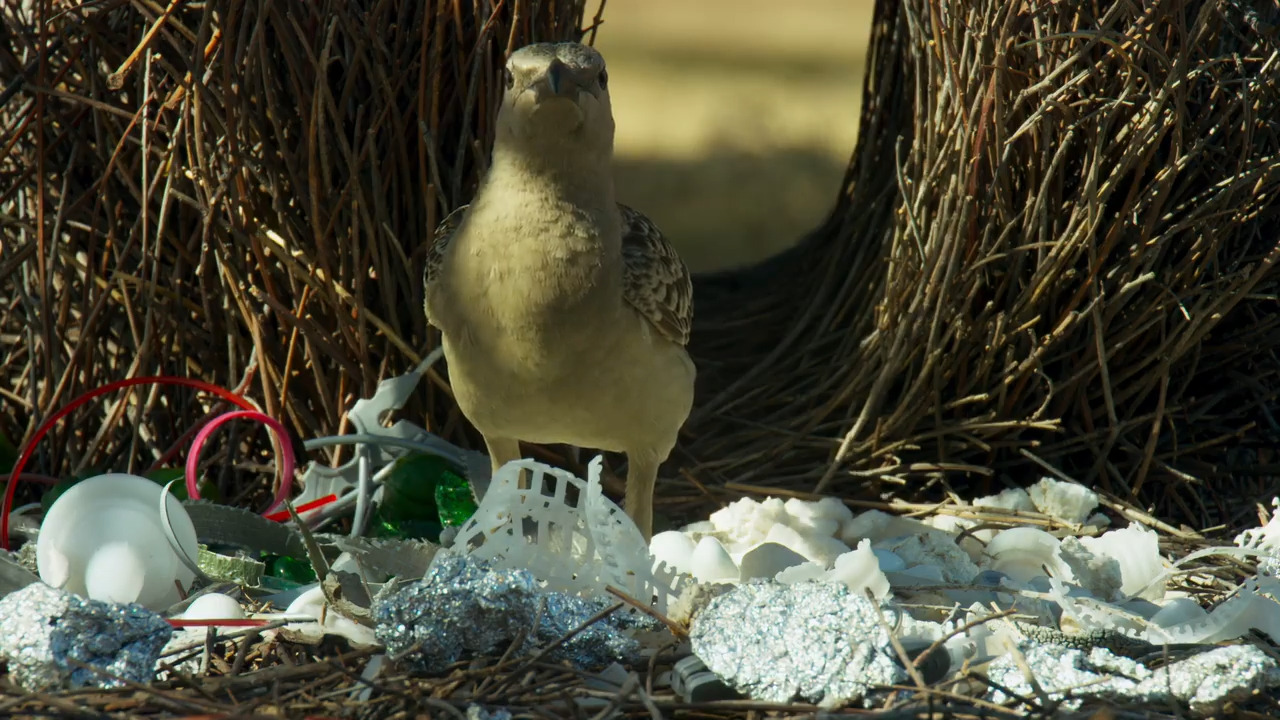
In Starling Murmurations and Bowerbird Romance, narrator Sir David Attenborough presents ways that wildlife adapts to urban environments. Starlings in Rome form massive, swirling flocks for warmth and protection, while in Australia, a bowerbird demonstrates resourcefulness by using discarded objects to build an elaborate courtship display. This video is excerpted from BBC's Planet Earth, a breathtaking documentary series that highlights the natural wonders of our planet.
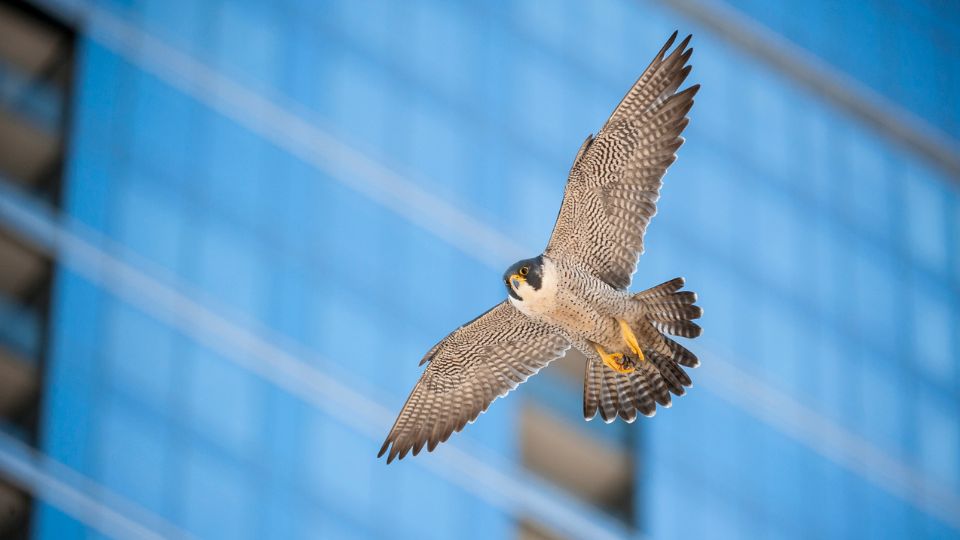
Forget rats — you've never seen city wildlife like this before! First watch Peregrine Falcons Thrive in New York City, a short clip from the award-winning BBC series Planet Earth. Sir David Attenborough highlights how the peregrine falcons living in New York City adapted well to their urban habitat. The ledges of tall buildings provide a place to nest and from which to soar.
Once your students have watched the video, invite them to check for understanding with this quick, 8-question quiz!

In A Shifting Skyline in Shanghai, a photographer describes his photography project that captures the dramatic change in the Shanghai skyline over the last 20 years. This video is excerpted from BBC's Generation Earth, in which presenter Dallas Campbell explores how humans have changed Earth in one generation.

In The Go Jetters Land in New York City's Central Park, the Go Jetters crew heads to the world-famous park. Ubercorn shares funky facts about how the park cleans smog in the city, how it’s man-made, and how it’s the perfect place for outdoor fun. This video is excerpted from BBC’s Go Jetters, a series that follows the adventures of four international heroes as they travel the globe visiting landmarks and solving environmental problems with Ubercorn, a disco-dancing unicorn.
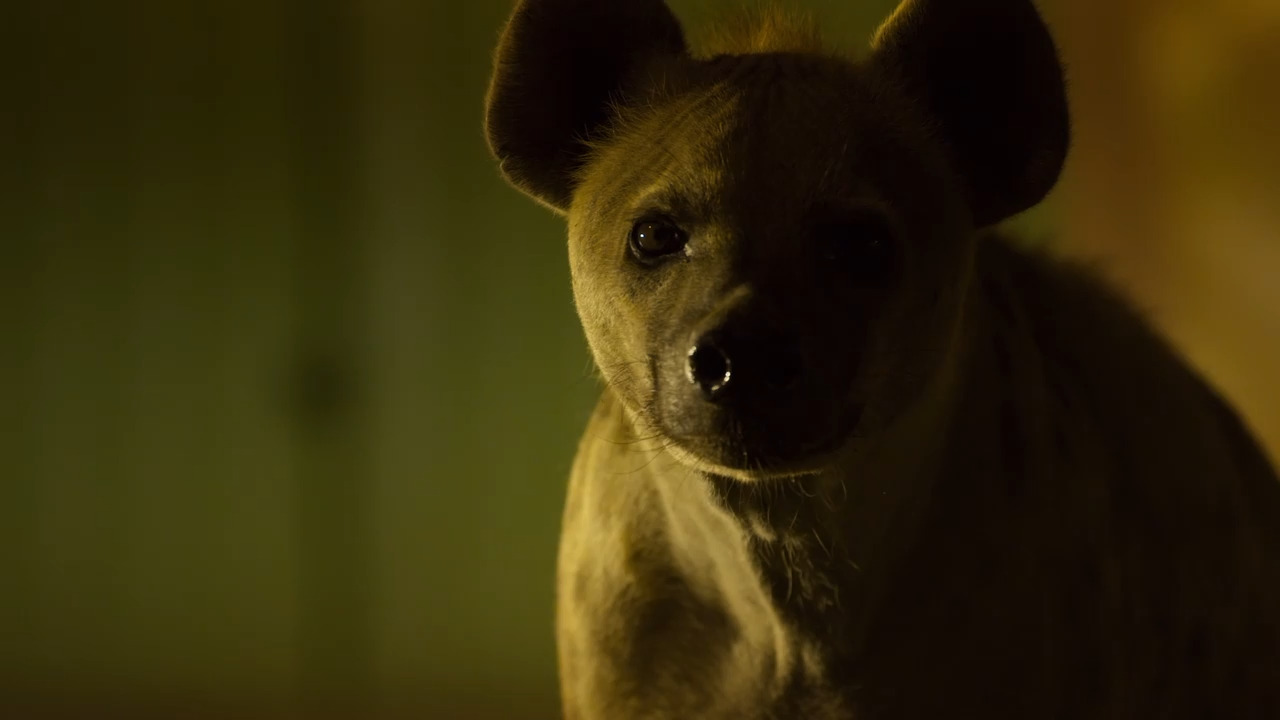
In The Hyenas of Harar, narrator Sir David Attenborough presents the unique relationship between spotted hyenas and the people of Harar, Ethiopia. These hyenas have adapted to living in close proximity to humans, relying on the meat market for food. This video is excerpted from BBC’s Planet Earth II, a breathtaking documentary series that highlights the natural wonders of our planet.
March 5, 2026, marks the 20th anniversary of premiere of BBC's Planet Earth (and it's just in time for Earth Day on April 22, too!). The breathtaking and award-winning documentary series, narrated by none other than Sir David Attenborough, highlights the natural wonders of our planet. In honor of this momentous occasion, we've put together some of the most popular clips from this beloved natural history show for students ages 8–14.
Get up close and personal with hydroplaning dolphins. Witness an iguana hatchling's terrifying race to survive, pursued by racer snakes. Watch the first steps of two polar bear cubs emerging from hibernation. More of the real-life magic of our blue marble awaits in this video playlist, part of our Planet Earth Collection. Grab your Planet Earth Passport and start exploring!

Travel from the busy streets of Jodhpur to the teak forests of central India, encountering a country shaped by thousands of years of history and extraordinary cultural and geographic diversity. Meet langur monkeys adapted to life alongside people, explore the origins and flavors of foods such as samosas, and see how daily life and traditions vary across communities.
Look deeper into India’s past through influential figures including the emperor Ashoka, whose rule helped shape the spread of Buddhism, and Mahatma Gandhi, whose nonviolent resistance became central to India’s independence movement. Other clips examine questions of equality, identity, social expectations, and the ways traditions can persist, adapt, and be challenged over time.
Together, these stories offer multiple perspectives on one of the world’s largest and most diverse countries — connecting its past with the people, places, and ideas shaping India today.
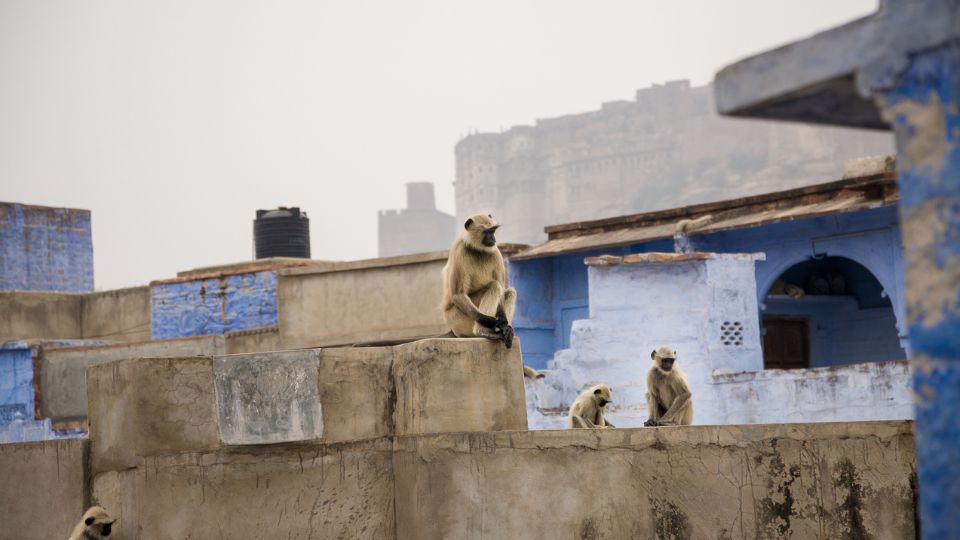
Monkeys in the middle of the city? It's just part of everyday life in Jodphur, India. First watch The Langur Monkeys of Jodphur Quiz, a short clip from the award-winning BBC series Planet Earth. Sir David Attenborough narrates an exciting fight between an alpha langur monkey and a troop of bachelors across the rooftops of Jodphur. With help from humans, these monkeys are thriving!
Once your students have watched the video, invite them to check for understanding with this quick, 8-question quiz!
In Peregrine Falcons Thrive in New York City, narrator Sir David Attenborough describes the growth of urban environments and the great impact on the planet. Peregrine falcons living in New York City have adapted well to their urban habitat. The ledges of tall buildings provide a place to nest and from which to soar. This video is excerpted from BBC’s Planet Earth II, a breathtaking documentary series that highlights the natural wonders of our planet.
In The Langur Monkeys of Jodphur, narrator Sir David Attenborough visits India where an alpha langur monkey fights off a troop of bachelors across the rooftops in Jodphur. The monkeys thrive in this urban environment because they are fed by people, who revere them for their connection to a Hindu god. This has resulted in a large population increase. This video is excerpted from BBC’s Planet Earth II, a breathtaking documentary series that highlights the natural wonders of our planet.
In Impact of City Lights on Wildlife, narrator Sir David Attenborough explores how artificial lighting disrupts the natural instincts of sea turtle hatchlings. Instead of heading toward the ocean, they are drawn to the bright lights of urban areas, putting them in danger. This video is excerpted from BBC’s Planet Earth II, a breathtaking documentary series that highlights the natural wonders of our planet.
In Pigeons vs. Catfish, narrator Sir David Attenborough explores the unusual predator-prey relationship between urban pigeons and an invasive catfish that uses its whiskery barbels to sense the movements of its victims. Learn more about the interaction between the pigeons and the catfish, including the catfish's unique predatory behavior. This video is excerpted from BBC’s Planet Earth II, a breathtaking documentary series that highlights the natural wonders of our planet.
In Starling Murmurations and Bowerbird Romance, narrator Sir David Attenborough presents ways that wildlife adapts to urban environments. Starlings in Rome form massive, swirling flocks for warmth and protection, while in Australia, a bowerbird demonstrates resourcefulness by using discarded objects to build an elaborate courtship display. This video is excerpted from BBC's Planet Earth, a breathtaking documentary series that highlights the natural wonders of our planet.
Forget rats — you've never seen city wildlife like this before! First watch Peregrine Falcons Thrive in New York City, a short clip from the award-winning BBC series Planet Earth. Sir David Attenborough highlights how the peregrine falcons living in New York City adapted well to their urban habitat. The ledges of tall buildings provide a place to nest and from which to soar.
Once your students have watched the video, invite them to check for understanding with this quick, 8-question quiz!
In A Shifting Skyline in Shanghai, a photographer describes his photography project that captures the dramatic change in the Shanghai skyline over the last 20 years. This video is excerpted from BBC's Generation Earth, in which presenter Dallas Campbell explores how humans have changed Earth in one generation.
In The Go Jetters Land in New York City's Central Park, the Go Jetters crew heads to the world-famous park. Ubercorn shares funky facts about how the park cleans smog in the city, how it’s man-made, and how it’s the perfect place for outdoor fun. This video is excerpted from BBC’s Go Jetters, a series that follows the adventures of four international heroes as they travel the globe visiting landmarks and solving environmental problems with Ubercorn, a disco-dancing unicorn.
In The Hyenas of Harar, narrator Sir David Attenborough presents the unique relationship between spotted hyenas and the people of Harar, Ethiopia. These hyenas have adapted to living in close proximity to humans, relying on the meat market for food. This video is excerpted from BBC’s Planet Earth II, a breathtaking documentary series that highlights the natural wonders of our planet.
March 5, 2026, marks the 20th anniversary of premiere of BBC's Planet Earth (and it's just in time for Earth Day on April 22, too!). The breathtaking and award-winning documentary series, narrated by none other than Sir David Attenborough, highlights the natural wonders of our planet. In honor of this momentous occasion, we've put together some of the most popular clips from this beloved natural history show for students ages 8–14.
Get up close and personal with hydroplaning dolphins. Witness an iguana hatchling's terrifying race to survive, pursued by racer snakes. Watch the first steps of two polar bear cubs emerging from hibernation. More of the real-life magic of our blue marble awaits in this video playlist, part of our Planet Earth Collection. Grab your Planet Earth Passport and start exploring!
Travel from the busy streets of Jodhpur to the teak forests of central India, encountering a country shaped by thousands of years of history and extraordinary cultural and geographic diversity. Meet langur monkeys adapted to life alongside people, explore the origins and flavors of foods such as samosas, and see how daily life and traditions vary across communities.
Look deeper into India’s past through influential figures including the emperor Ashoka, whose rule helped shape the spread of Buddhism, and Mahatma Gandhi, whose nonviolent resistance became central to India’s independence movement. Other clips examine questions of equality, identity, social expectations, and the ways traditions can persist, adapt, and be challenged over time.
Together, these stories offer multiple perspectives on one of the world’s largest and most diverse countries — connecting its past with the people, places, and ideas shaping India today.
Monkeys in the middle of the city? It's just part of everyday life in Jodphur, India. First watch The Langur Monkeys of Jodphur Quiz, a short clip from the award-winning BBC series Planet Earth. Sir David Attenborough narrates an exciting fight between an alpha langur monkey and a troop of bachelors across the rooftops of Jodphur. With help from humans, these monkeys are thriving!
Once your students have watched the video, invite them to check for understanding with this quick, 8-question quiz!