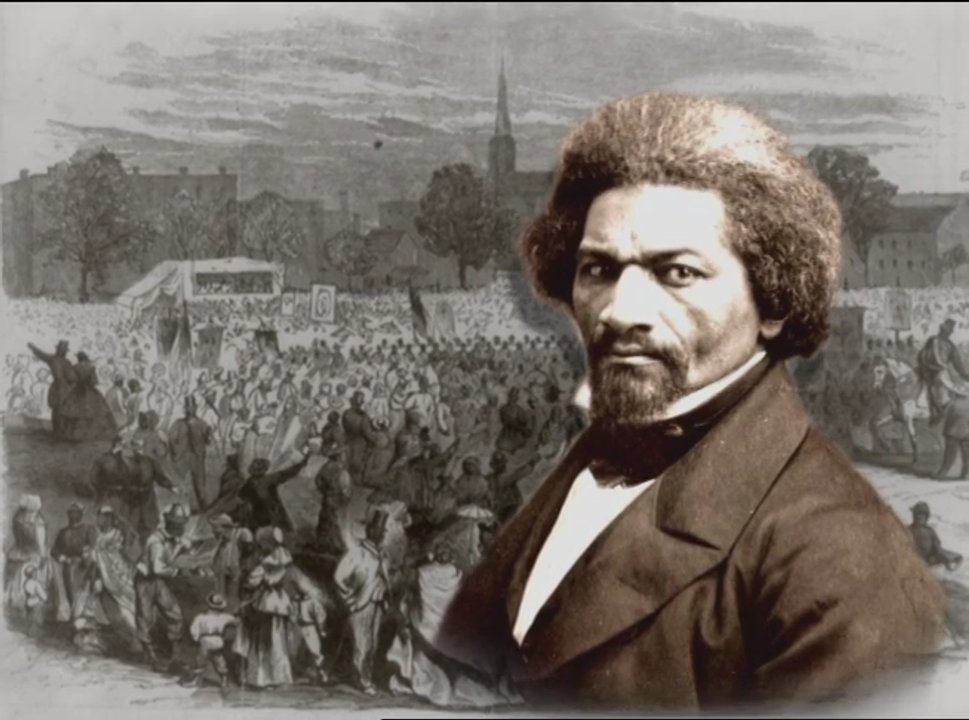
Frederick Douglass was born into slavery in Maryland in 1818 and secretly learned to read and write as a child. After escaping slavery in 1838, he became a leading abolitionist, sharing his experiences through powerful speeches and his newspaper, The North Star. His 1845 autobiography, Narrative of the Life of Frederick Douglass, an American Slave, challenged racist beliefs and exposed the brutality of slavery. The book gained international attention, and supporters in Britain helped secure his legal freedom.
During the Civil War, Douglass advised President Abraham Lincoln on emancipation and the treatment of Black soldiers in the Union Army. After the war, he continued working for civil rights and held several government positions, including U.S. minister to Haiti. Douglass died in 1895, leaving a lasting legacy as an influential writer, speaker, abolitionist, and advocate for equality. His life demonstrates the power of education, personal testimony, and public advocacy in the struggle for freedom and civil rights.
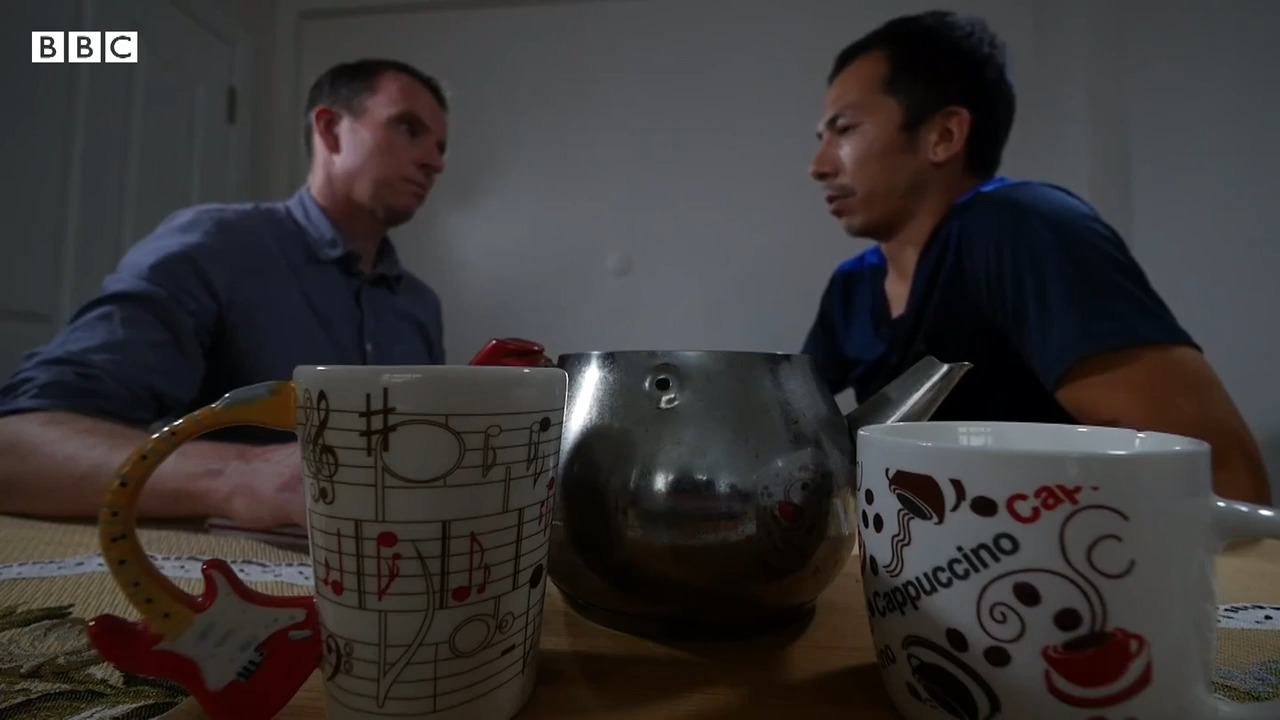
In Who’s Your Source?, host Radzi Chinyanganya examines how reporters get their information from different sources and ensure their accuracy. For example, BBC journalists exposed a network of hidden detention centers in Western China where Muslims were detained without a trial. The Chinese government was working hard to keep this story hidden by closely monitoring, and even detaining, journalists. Reporters used satellites to investigate, and they also interviewed Muslims in Turkey who claimed to have been in the detention compounds. They looked for consistency and overlap in their stories. Verifying information from multiple sources helps a journalist assess a story and tell it accurately. This video is excerpted from BBC’s My World, a program created for teenagers eager to learn more about the important stories shaping our world.

You can’t have a news story without sources. Introduce your students to the differences between primary and secondary sources. In this lesson, they’ll learn about how journalists ask effective interview questions and verify the accuracy of a source’s account.
Frederick Douglass was born into slavery in Maryland in 1818 and secretly learned to read and write as a child. After escaping slavery in 1838, he became a leading abolitionist, sharing his experiences through powerful speeches and his newspaper, The North Star. His 1845 autobiography, Narrative of the Life of Frederick Douglass, an American Slave, challenged racist beliefs and exposed the brutality of slavery. The book gained international attention, and supporters in Britain helped secure his legal freedom.
During the Civil War, Douglass advised President Abraham Lincoln on emancipation and the treatment of Black soldiers in the Union Army. After the war, he continued working for civil rights and held several government positions, including U.S. minister to Haiti. Douglass died in 1895, leaving a lasting legacy as an influential writer, speaker, abolitionist, and advocate for equality. His life demonstrates the power of education, personal testimony, and public advocacy in the struggle for freedom and civil rights.
In Who’s Your Source?, host Radzi Chinyanganya examines how reporters get their information from different sources and ensure their accuracy. For example, BBC journalists exposed a network of hidden detention centers in Western China where Muslims were detained without a trial. The Chinese government was working hard to keep this story hidden by closely monitoring, and even detaining, journalists. Reporters used satellites to investigate, and they also interviewed Muslims in Turkey who claimed to have been in the detention compounds. They looked for consistency and overlap in their stories. Verifying information from multiple sources helps a journalist assess a story and tell it accurately. This video is excerpted from BBC’s My World, a program created for teenagers eager to learn more about the important stories shaping our world.
You can’t have a news story without sources. Introduce your students to the differences between primary and secondary sources. In this lesson, they’ll learn about how journalists ask effective interview questions and verify the accuracy of a source’s account.