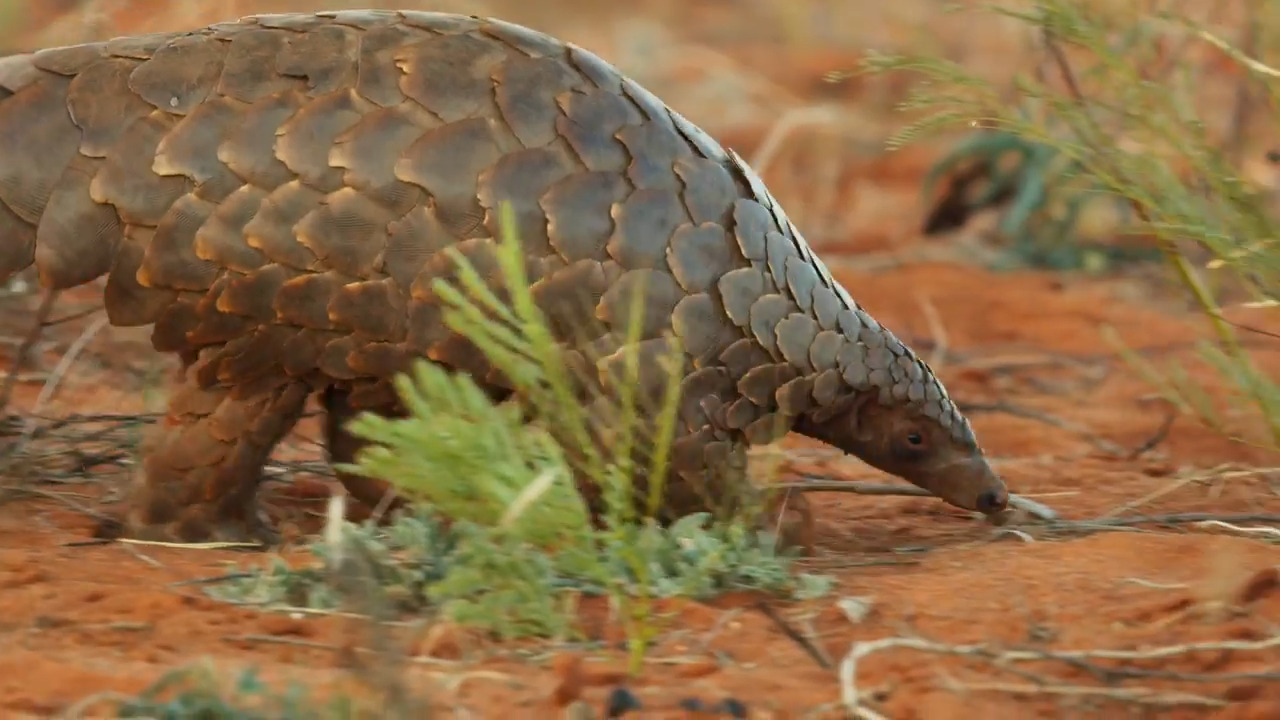
In Desert Pangolins' Quest for Food, narrator Sir David Attenborough reveals how pangolins find nutritious food in the harsh, dry environment of the desert. They use their keen sense of smell to locate termite nests. This video is excerpted from BBC’s Seven Worlds, One Planet, a series featuring remarkable animal behavior from all seven continents.
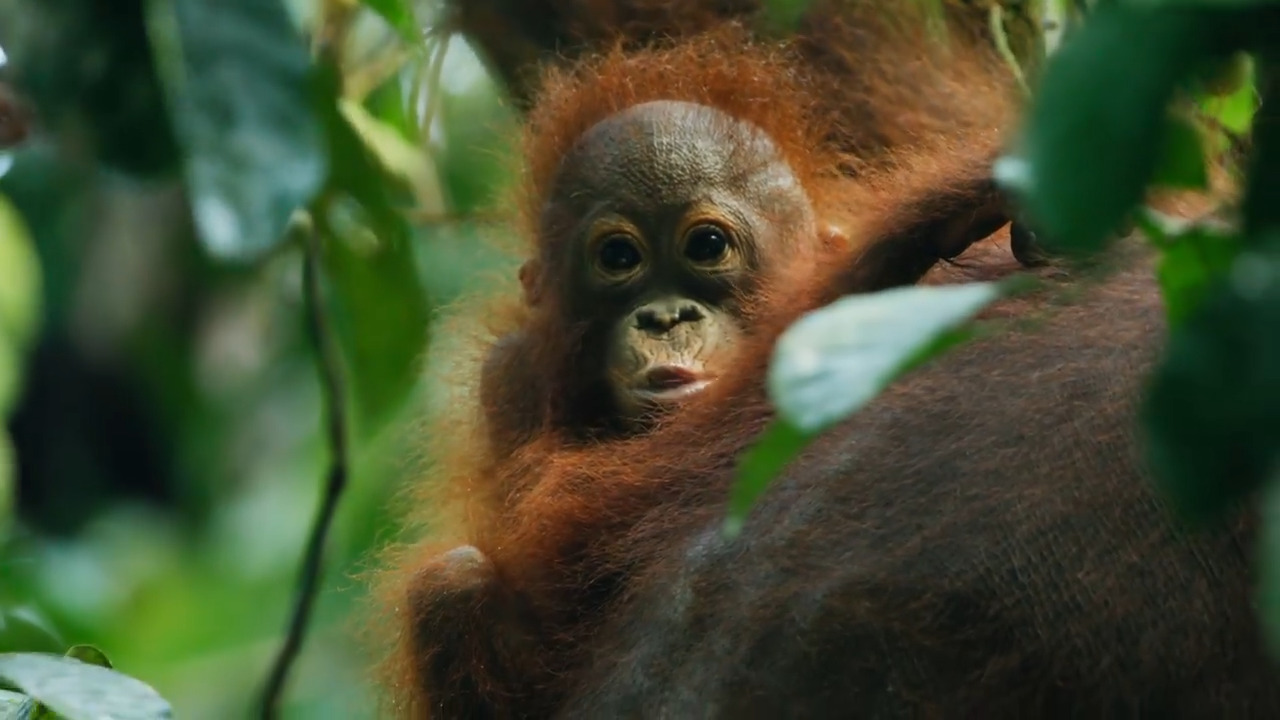
In Young Orangutans in the Canopy, narrator Sir David Attenborough follows a young orangutan as he learns survival skills from his mother in the dense forests of Indonesia. The youngster begins to explore the high canopy for food, including termites and mangos, while navigating the dangers of the forest. This video is excerpted from BBC’s Seven Worlds, One Planet, a series featuring remarkable animal behavior from all seven continents.
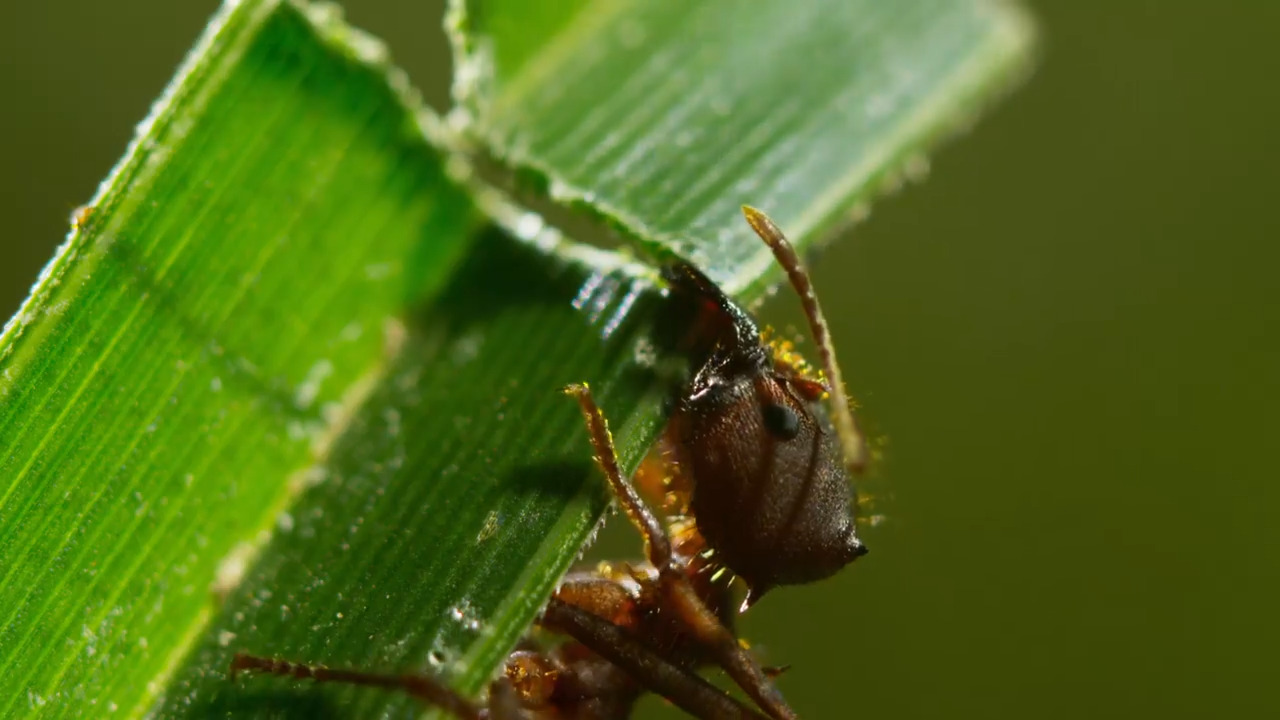
In The Industrious Insects of the Grasslands, narrator Sir David Attenborough explains that around the world, over one-third of the grass that grows will be harvested by insects. Grass cutter ants harvest grass to feed underground fungus that they feed upon. Termites can digest grass, and they in turn become food for the giant anteater. After a prairie fire, termites and anteaters must wait for living roots to regenerate grass. This video is excerpted from BBC’s Planet Earth II, a breathtaking documentary series that highlights the natural wonders of our planet.
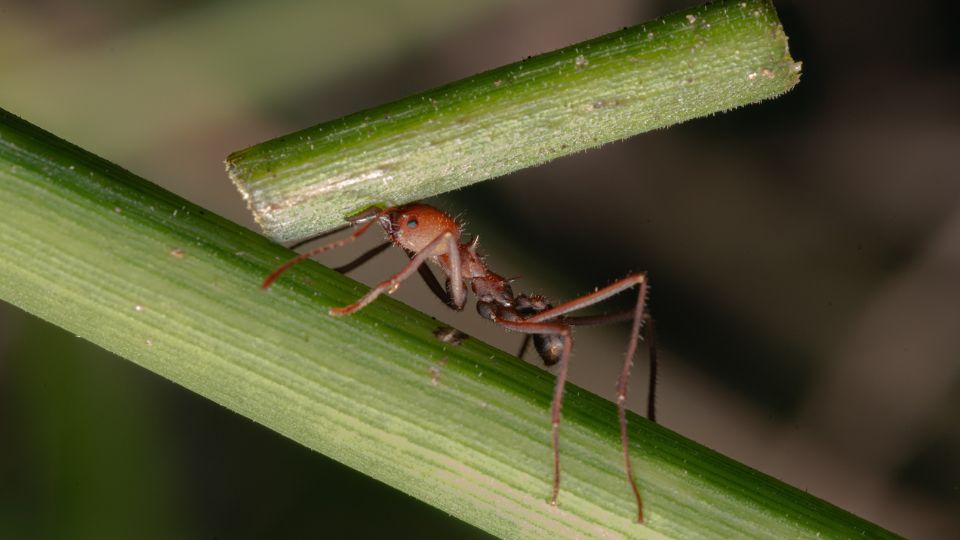
Around the world, over one-third of the grass that grows will be harvested by insects! First watch The Industrious Insects of the Grasslands, a short clip from the award-winning BBC series Planet Earth. Sir David Attenborough introduces you to grass cutter ants, who harvest grass to feed underground fungus that they feed upon, and termites, who can digest grass and in turn become food for the giant anteater.
Once your students have watched the video, invite them to check for understanding with this quick, 8-question quiz!
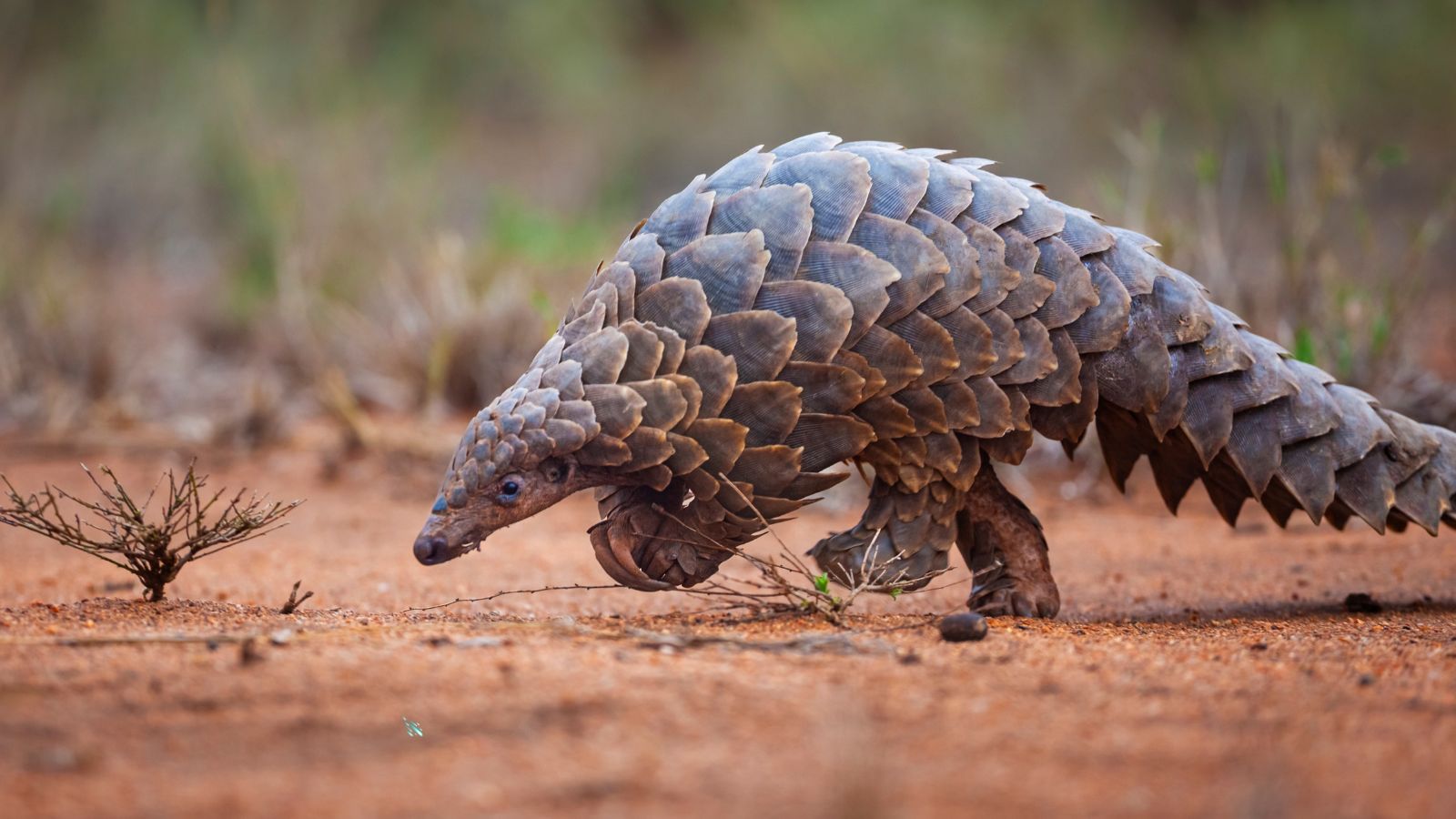
Deserts look empty. They are anything but.
From the sun-scorched dunes of the Sahara to the scrubby plains of Australia, desert animals have cracked one of nature's toughest puzzles: how to survive where water is scarce, temperatures are brutal, and food is hard to find. In this playlist, you'll meet the remarkable species that call these landscapes home — from the iconic camel and the lightning-fast hawk to the bounding kangaroo and the armored pangolin.
Each clip, drawn from landmark BBC series including Seven Worlds, One Planet and Planet Earth II, puts you face-to-face with real desert survival in action. Some animals store water and energy for enormous journeys across open terrain. Others hunt by night, move in short bursts, or use camouflage so good they practically disappear. Every strategy is different. Every one is extraordinary.
As you watch, think bigger: How do animals adapt to temperatures that would stop most creatures in their tracks? What physical traits make desert life not just possible, but thriving? And how do these species — predator and prey, reptile and mammal — depend on each other to keep desert ecosystems in balance?
This playlist won't just teach you about deserts. It will make you see them differently.
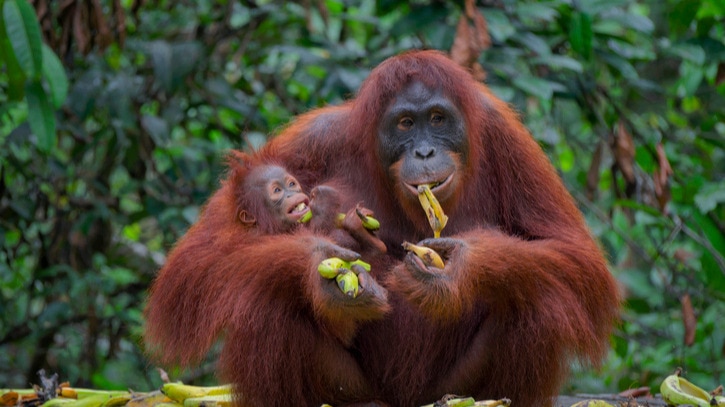
With Mother’s Day coming up in the U.S., what better way to celebrate than by spotlighting some of nature’s most devoted moms?
This fun, feel‑good eight‑video BBC playlist dives into the incredible bond between animal moms and their babies — and the wild ways they raise them. Watch puma cubs practice their hunting skills, a baby orangutan learn the ropes high in the treetops, humpback whale calves set off on their first epic journeys, and prairie dog pups turn playtime into survival training.
From feeding and protection to movement and life lessons, these clips show just how much it takes to grow up in the wild — and how moms make it all possible.
Featuring favorites like prairie dogs, orangutans, polar bears, and humpback whales, this playlist pulls from iconic BBC series like Animal Babies and Planet Earth.
Because mom love? It’s everywhere in the animal kingdom!
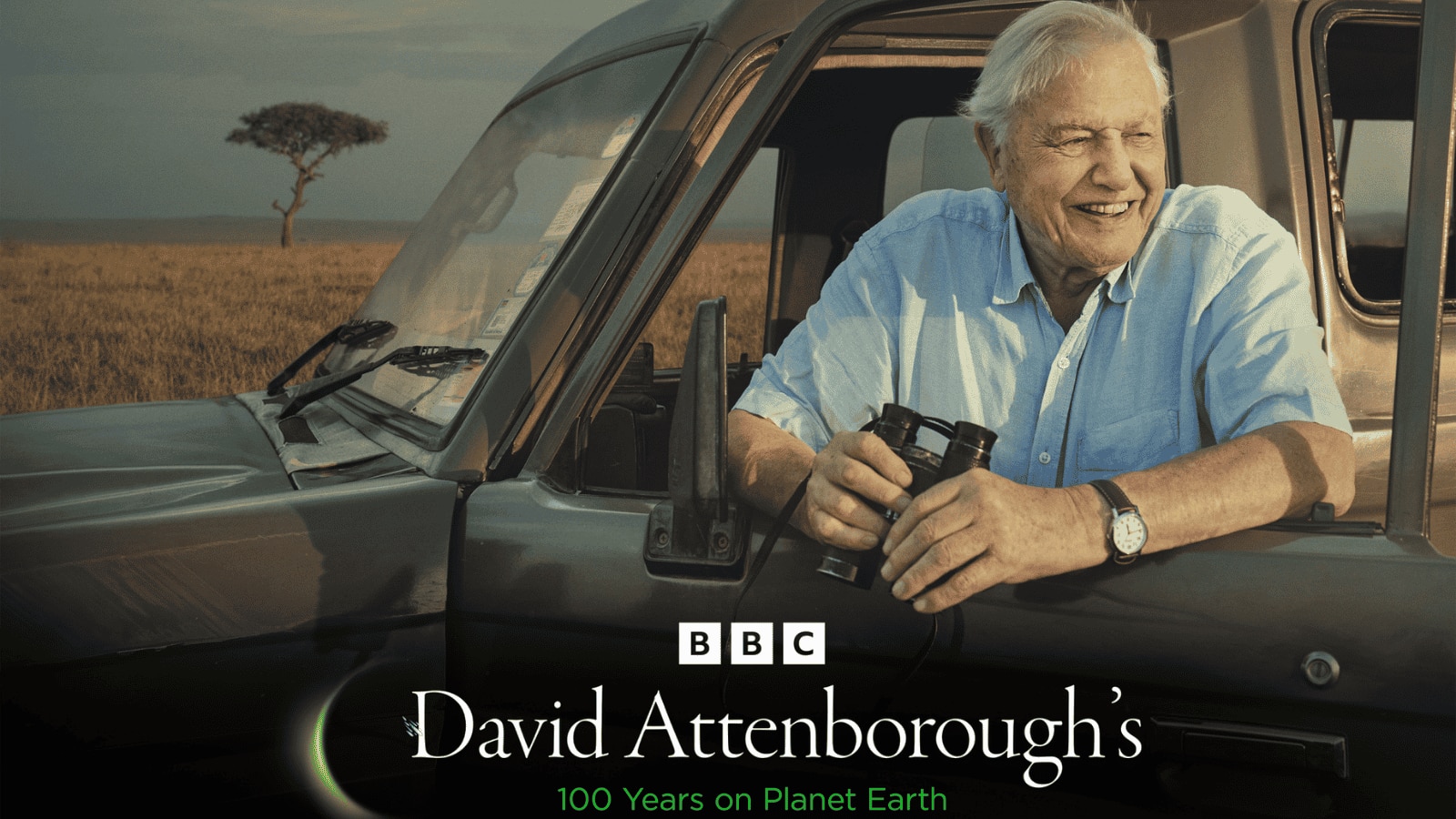
Celebrate the incredible work of Sir David Attenborough — a storyteller who has helped millions of students and viewers explore the natural world. On the occasion of his 100th birthday on May 8, 2026, we honor his enormous accomplishments in the field of environmental advocacy and his role in revolutionizing nature documentaries.
This playlist brings together 10 unforgettable clips from landmark BBC series like Planet Earth, Blue Planet, and Frozen Planet. Each video showcases amazing wildlife, powerful storytelling, and moments that spark curiosity and wonder.
Perfect for the classroom or at home, these videos help students connect with nature, understand our planet, and feel inspired to protect it.
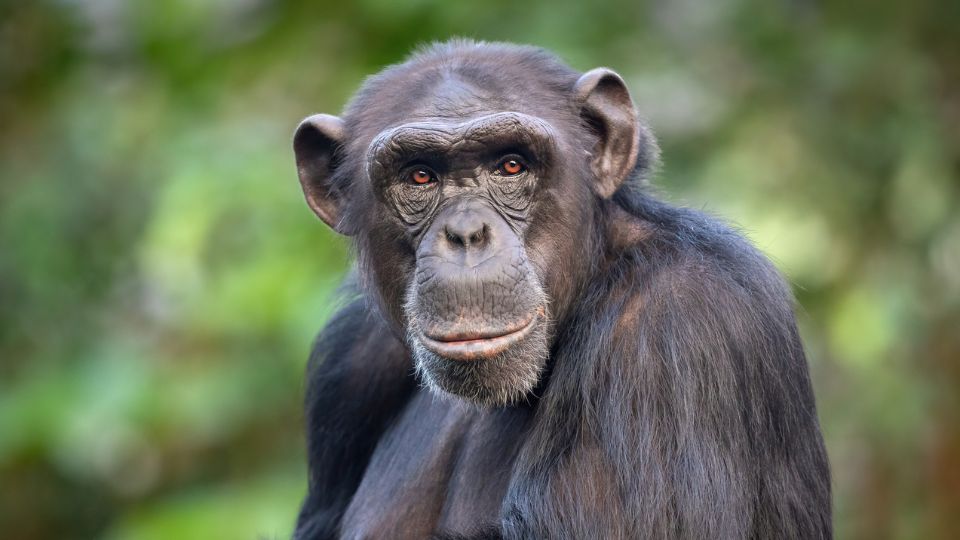
Chimpanzees are among the most intelligent animals on Earth — and they just happen to be our closest living relatives. Sharing about 95–98% of their DNA with humans, chimpanzees can use tools, solve problems, communicate with one another, and even pass knowledge from one generation to the next.
Found in the forests and woodlands of central and western Africa, chimpanzees live in complex social groups called troops. They spend their days searching for food, caring for their young, and navigating a world that is increasingly threatened by habitat loss and human activity.
From cracking nuts with stones to using sticks to fish for termites, chimpanzees continue to amaze scientists with their creativity and intelligence. But how much do you know about these remarkable primates?
Whether you're a wildlife enthusiast, an animal expert, or simply curious about our closest cousins in the animal kingdom, this quiz will put your chimpanzee knowledge to the test. Let's see if you have what it takes to become a Chimp Champion!
In Desert Pangolins' Quest for Food, narrator Sir David Attenborough reveals how pangolins find nutritious food in the harsh, dry environment of the desert. They use their keen sense of smell to locate termite nests. This video is excerpted from BBC’s Seven Worlds, One Planet, a series featuring remarkable animal behavior from all seven continents.
In Young Orangutans in the Canopy, narrator Sir David Attenborough follows a young orangutan as he learns survival skills from his mother in the dense forests of Indonesia. The youngster begins to explore the high canopy for food, including termites and mangos, while navigating the dangers of the forest. This video is excerpted from BBC’s Seven Worlds, One Planet, a series featuring remarkable animal behavior from all seven continents.
In The Industrious Insects of the Grasslands, narrator Sir David Attenborough explains that around the world, over one-third of the grass that grows will be harvested by insects. Grass cutter ants harvest grass to feed underground fungus that they feed upon. Termites can digest grass, and they in turn become food for the giant anteater. After a prairie fire, termites and anteaters must wait for living roots to regenerate grass. This video is excerpted from BBC’s Planet Earth II, a breathtaking documentary series that highlights the natural wonders of our planet.
Around the world, over one-third of the grass that grows will be harvested by insects! First watch The Industrious Insects of the Grasslands, a short clip from the award-winning BBC series Planet Earth. Sir David Attenborough introduces you to grass cutter ants, who harvest grass to feed underground fungus that they feed upon, and termites, who can digest grass and in turn become food for the giant anteater.
Once your students have watched the video, invite them to check for understanding with this quick, 8-question quiz!
Deserts look empty. They are anything but.
From the sun-scorched dunes of the Sahara to the scrubby plains of Australia, desert animals have cracked one of nature's toughest puzzles: how to survive where water is scarce, temperatures are brutal, and food is hard to find. In this playlist, you'll meet the remarkable species that call these landscapes home — from the iconic camel and the lightning-fast hawk to the bounding kangaroo and the armored pangolin.
Each clip, drawn from landmark BBC series including Seven Worlds, One Planet and Planet Earth II, puts you face-to-face with real desert survival in action. Some animals store water and energy for enormous journeys across open terrain. Others hunt by night, move in short bursts, or use camouflage so good they practically disappear. Every strategy is different. Every one is extraordinary.
As you watch, think bigger: How do animals adapt to temperatures that would stop most creatures in their tracks? What physical traits make desert life not just possible, but thriving? And how do these species — predator and prey, reptile and mammal — depend on each other to keep desert ecosystems in balance?
This playlist won't just teach you about deserts. It will make you see them differently.
With Mother’s Day coming up in the U.S., what better way to celebrate than by spotlighting some of nature’s most devoted moms?
This fun, feel‑good eight‑video BBC playlist dives into the incredible bond between animal moms and their babies — and the wild ways they raise them. Watch puma cubs practice their hunting skills, a baby orangutan learn the ropes high in the treetops, humpback whale calves set off on their first epic journeys, and prairie dog pups turn playtime into survival training.
From feeding and protection to movement and life lessons, these clips show just how much it takes to grow up in the wild — and how moms make it all possible.
Featuring favorites like prairie dogs, orangutans, polar bears, and humpback whales, this playlist pulls from iconic BBC series like Animal Babies and Planet Earth.
Because mom love? It’s everywhere in the animal kingdom!
Celebrate the incredible work of Sir David Attenborough — a storyteller who has helped millions of students and viewers explore the natural world. On the occasion of his 100th birthday on May 8, 2026, we honor his enormous accomplishments in the field of environmental advocacy and his role in revolutionizing nature documentaries.
This playlist brings together 10 unforgettable clips from landmark BBC series like Planet Earth, Blue Planet, and Frozen Planet. Each video showcases amazing wildlife, powerful storytelling, and moments that spark curiosity and wonder.
Perfect for the classroom or at home, these videos help students connect with nature, understand our planet, and feel inspired to protect it.
Chimpanzees are among the most intelligent animals on Earth — and they just happen to be our closest living relatives. Sharing about 95–98% of their DNA with humans, chimpanzees can use tools, solve problems, communicate with one another, and even pass knowledge from one generation to the next.
Found in the forests and woodlands of central and western Africa, chimpanzees live in complex social groups called troops. They spend their days searching for food, caring for their young, and navigating a world that is increasingly threatened by habitat loss and human activity.
From cracking nuts with stones to using sticks to fish for termites, chimpanzees continue to amaze scientists with their creativity and intelligence. But how much do you know about these remarkable primates?
Whether you're a wildlife enthusiast, an animal expert, or simply curious about our closest cousins in the animal kingdom, this quiz will put your chimpanzee knowledge to the test. Let's see if you have what it takes to become a Chimp Champion!