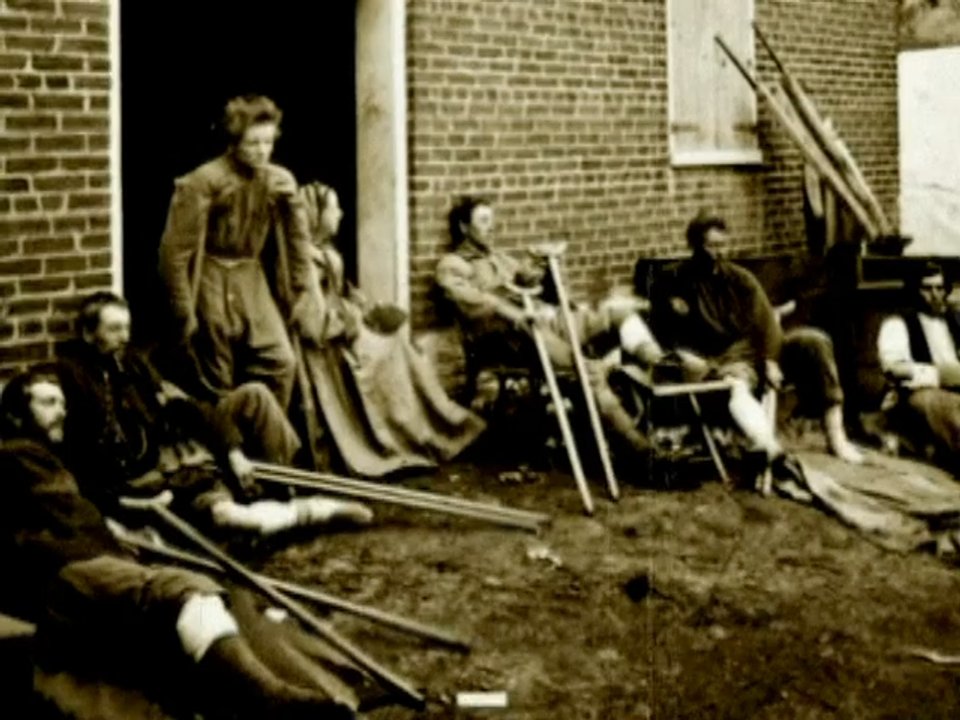
During the Civil War, weapons had advanced faster than battlefield medicine. Surgeons faced overwhelming numbers of wounded soldiers with limited training and few effective treatments. Anesthesia made surgery possible, but serious limb injuries often led to amputation, while infections remained a major threat.
Disease was an even greater danger. Twice as many soldiers died from disease as from battle wounds, as doctors did not yet understand the importance of sterile conditions and infection prevention. Military hospitals treated tens of thousands of wounded and sick soldiers, revealing the enormous human cost of the war.

The article "3D-Printed Liver Models Help Surgeons "Rehearse" Cancer Surgeries" from BBC's Science Focus explains how scientists have developed a method to 3D print realistic models of cancer patients' organs. These models include imitation tumors and blood, allowing surgeons to practice procedures before performing them on real patients.
Not many babies can say they had surgery before they were born. Then again, not many babies can say much of anything. But Theo, a baby from London, England, is healthy and thriving after doctors operated on him while he was still inside his mother’s womb.
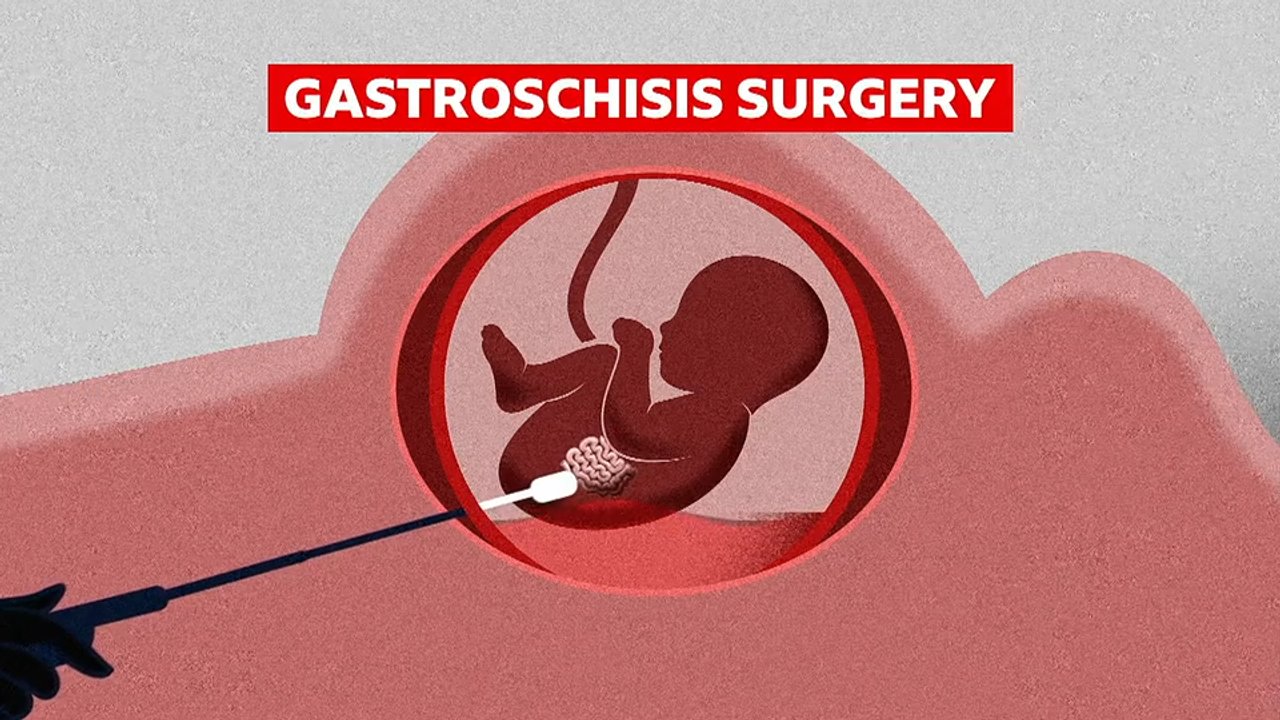
During a routine scan, doctors discovered Theo had a condition called gastroschisis. That means his intestines were developing outside his body, through an opening in his belly. Babies with gastroschisis usually have surgery after they’re born. But Theo’s family got the chance to join a clinical trial in Texas that would fix the problem before birth.
It took two trips. First, doctors in Belgium injected Botox, a medicine that relaxes muscles, into the muscles of Theo’s belly. Then the family traveled to Houston, Texas. There, surgeons partially exposed the womb and gently moved Theo’s intestines back inside his body using keyhole surgery. That’s a technique where doctors operate through very small cuts using a tiny camera and special tools. Compared with open surgery, it can mean less pain, a lower risk of infection and a faster recovery.
The operation was a success. About three months later, Theo was born healthy. He avoided the multiple surgeries and long hospital stay he might otherwise have faced.
Theo is only the third baby in the world to have this surgery, and it’s still experimental. Doctors hope it will one day be available in more places, including the UK, and help many more babies like Theo.
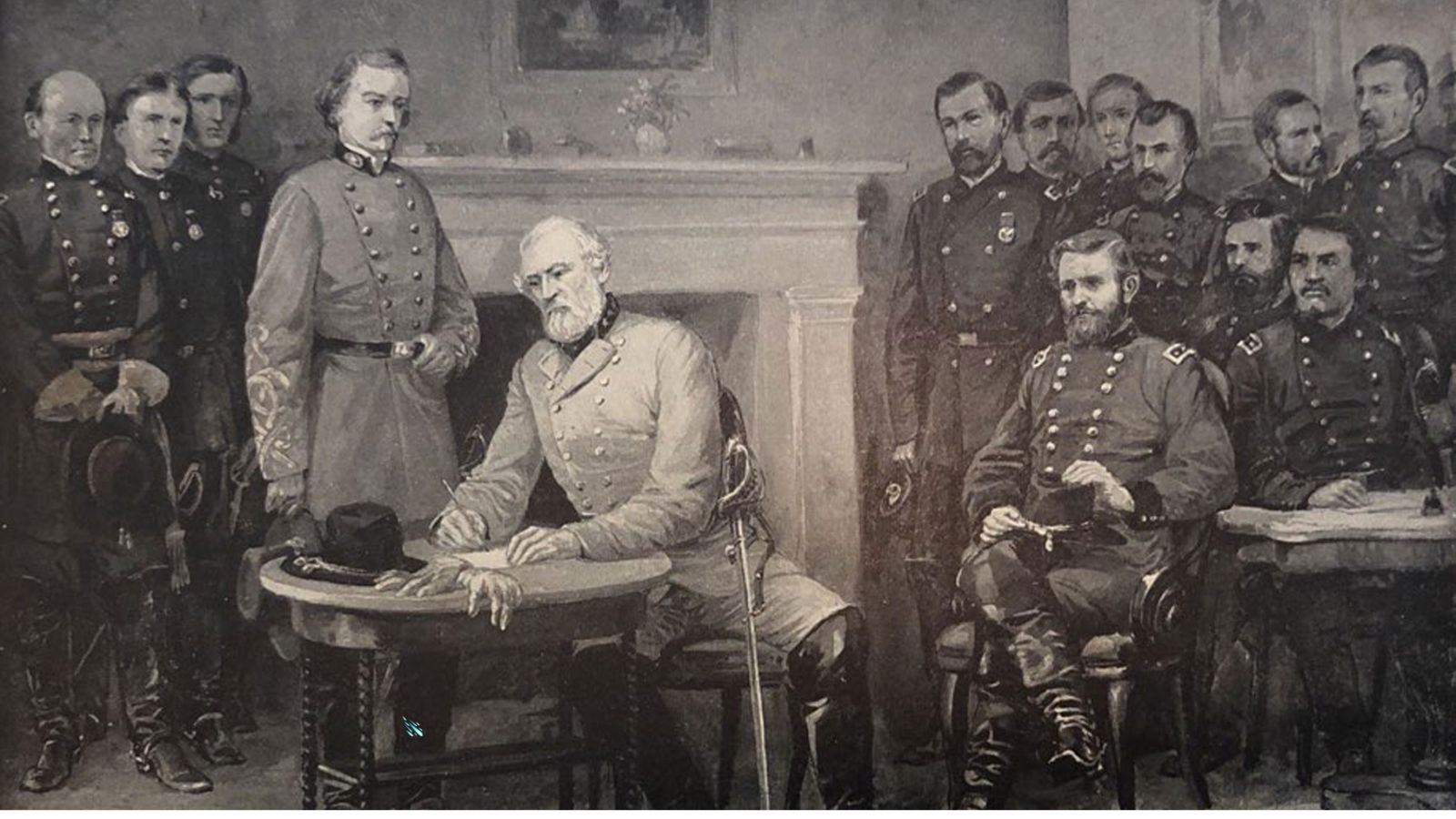
When Lincoln issued the Emancipation Proclamation in 1863, the war to preserve the Union also became a war against slavery. How much Lincoln meant it that way is still debated, and this playlist takes up that question directly. It also covers the new technology that changed how armies fought, the medical crisis in which disease killed twice as many soldiers as combat, the turning-point battles of 1863, and Sherman’s campaign through Georgia. The second half follows the country through Reconstruction: lenient early policies gave way to Radical Reconstruction and constitutional amendments that abolished slavery and guaranteed citizenship and voting rights. It then traces how those gains were rolled back as white Southern Democrats regained power and federal troops withdrew in 1877.
Each video comes with discussion questions, vocabulary, a writing prompt, and classroom activities — all printable from the video page. Questions include why the Emancipation Proclamation didn’t free all enslaved people, why historians call the Civil War the first modern war, and whether Lincoln believed in racial equality.
Teachers and Parents: The playlist picks up where The Road to War leaves off, so together the two playlists cover the full unit for ages 11–18. Videos 1 and 2 work as a pair: a straightforward account of the Emancipation Proclamation followed by historian Lucy Worsley’s case that Lincoln’s main goal was saving the Union. That sets up a strong source-comparison or debate lesson. Lincoln’s Legacy extends the discussion through Frederick Douglass’s reassessment of Lincoln. It contains discriminatory language, so preview it before assigning. The last three videos form a short Reconstruction sequence: The Three Phases of Reconstruction gives the overview, and the next two focus on Black Americans' political gains and the deal that ended federal enforcement, a natural lead-in to Jim Crow and the Civil Rights Movement. Use the "Share With Students" feature to assign videos directly or "Add to Playlist" to build your own sequence.
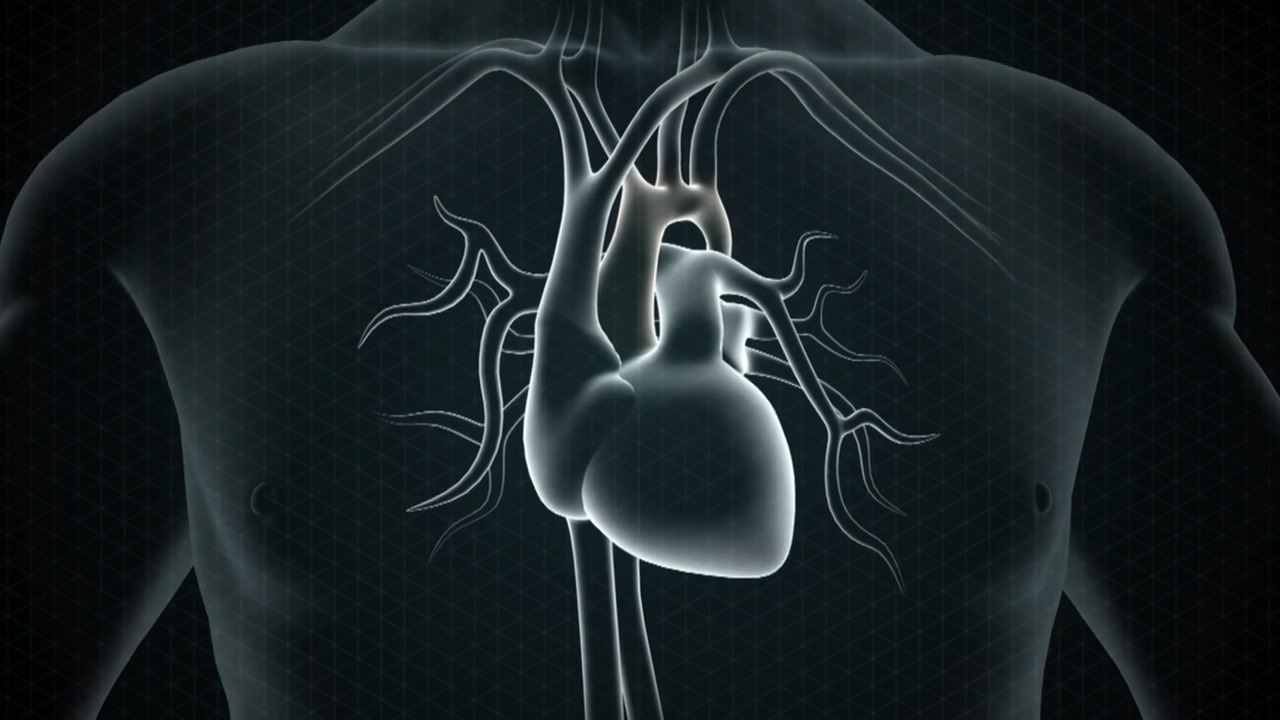
In Engineering Creative Solutions for Living With Marfan Syndrome, meet Cal, a person with Marfan Syndrome, who creatively solves a medical complication by applying engineering knowledge to his condition. Cal’s condition causes his heart and aorta to stretch due to the structural abnormalities that characterize Marfan Syndrome. Instead of undergoing traditional surgery, Cal takes matters into his own hands, using his engineering background to find a more innovative solution. This video demonstrates the intersection of medicine and engineering, as well as how individuals can advocate for themselves and influence their treatment plans. This video is excerpted from BBC’s The World’s Most Extraordinary People, a documentary series revealing how rare medical conditions inspire groundbreaking scientific discoveries.

Help Doctor Bluey through the maze to her patient, collecting her doctor thingymajigs along the way!
Top Tip: Recycle some old boxes and decorate them to make a doctor surgery for your teddies. Use the bits and bobs from your doctor set too!
Inspired by Season 1 Episode 18 "The Doctor": Honey is stuck in the waiting room with receptionist Bluey as Dr. Bingo prioritises patients with more exciting injuries, until Honey demonstrates how her tail can wag her body.
During the Civil War, weapons had advanced faster than battlefield medicine. Surgeons faced overwhelming numbers of wounded soldiers with limited training and few effective treatments. Anesthesia made surgery possible, but serious limb injuries often led to amputation, while infections remained a major threat.
Disease was an even greater danger. Twice as many soldiers died from disease as from battle wounds, as doctors did not yet understand the importance of sterile conditions and infection prevention. Military hospitals treated tens of thousands of wounded and sick soldiers, revealing the enormous human cost of the war.
The article "3D-Printed Liver Models Help Surgeons "Rehearse" Cancer Surgeries" from BBC's Science Focus explains how scientists have developed a method to 3D print realistic models of cancer patients' organs. These models include imitation tumors and blood, allowing surgeons to practice procedures before performing them on real patients.
Not many babies can say they had surgery before they were born. Then again, not many babies can say much of anything. But Theo, a baby from London, England, is healthy and thriving after doctors operated on him while he was still inside his mother’s womb.
During a routine scan, doctors discovered Theo had a condition called gastroschisis. That means his intestines were developing outside his body, through an opening in his belly. Babies with gastroschisis usually have surgery after they’re born. But Theo’s family got the chance to join a clinical trial in Texas that would fix the problem before birth.
It took two trips. First, doctors in Belgium injected Botox, a medicine that relaxes muscles, into the muscles of Theo’s belly. Then the family traveled to Houston, Texas. There, surgeons partially exposed the womb and gently moved Theo’s intestines back inside his body using keyhole surgery. That’s a technique where doctors operate through very small cuts using a tiny camera and special tools. Compared with open surgery, it can mean less pain, a lower risk of infection and a faster recovery.
The operation was a success. About three months later, Theo was born healthy. He avoided the multiple surgeries and long hospital stay he might otherwise have faced.
Theo is only the third baby in the world to have this surgery, and it’s still experimental. Doctors hope it will one day be available in more places, including the UK, and help many more babies like Theo.
When Lincoln issued the Emancipation Proclamation in 1863, the war to preserve the Union also became a war against slavery. How much Lincoln meant it that way is still debated, and this playlist takes up that question directly. It also covers the new technology that changed how armies fought, the medical crisis in which disease killed twice as many soldiers as combat, the turning-point battles of 1863, and Sherman’s campaign through Georgia. The second half follows the country through Reconstruction: lenient early policies gave way to Radical Reconstruction and constitutional amendments that abolished slavery and guaranteed citizenship and voting rights. It then traces how those gains were rolled back as white Southern Democrats regained power and federal troops withdrew in 1877.
Each video comes with discussion questions, vocabulary, a writing prompt, and classroom activities — all printable from the video page. Questions include why the Emancipation Proclamation didn’t free all enslaved people, why historians call the Civil War the first modern war, and whether Lincoln believed in racial equality.
Teachers and Parents: The playlist picks up where The Road to War leaves off, so together the two playlists cover the full unit for ages 11–18. Videos 1 and 2 work as a pair: a straightforward account of the Emancipation Proclamation followed by historian Lucy Worsley’s case that Lincoln’s main goal was saving the Union. That sets up a strong source-comparison or debate lesson. Lincoln’s Legacy extends the discussion through Frederick Douglass’s reassessment of Lincoln. It contains discriminatory language, so preview it before assigning. The last three videos form a short Reconstruction sequence: The Three Phases of Reconstruction gives the overview, and the next two focus on Black Americans' political gains and the deal that ended federal enforcement, a natural lead-in to Jim Crow and the Civil Rights Movement. Use the "Share With Students" feature to assign videos directly or "Add to Playlist" to build your own sequence.
In Engineering Creative Solutions for Living With Marfan Syndrome, meet Cal, a person with Marfan Syndrome, who creatively solves a medical complication by applying engineering knowledge to his condition. Cal’s condition causes his heart and aorta to stretch due to the structural abnormalities that characterize Marfan Syndrome. Instead of undergoing traditional surgery, Cal takes matters into his own hands, using his engineering background to find a more innovative solution. This video demonstrates the intersection of medicine and engineering, as well as how individuals can advocate for themselves and influence their treatment plans. This video is excerpted from BBC’s The World’s Most Extraordinary People, a documentary series revealing how rare medical conditions inspire groundbreaking scientific discoveries.
Help Doctor Bluey through the maze to her patient, collecting her doctor thingymajigs along the way!
Top Tip: Recycle some old boxes and decorate them to make a doctor surgery for your teddies. Use the bits and bobs from your doctor set too!
Inspired by Season 1 Episode 18 "The Doctor": Honey is stuck in the waiting room with receptionist Bluey as Dr. Bingo prioritises patients with more exciting injuries, until Honey demonstrates how her tail can wag her body.