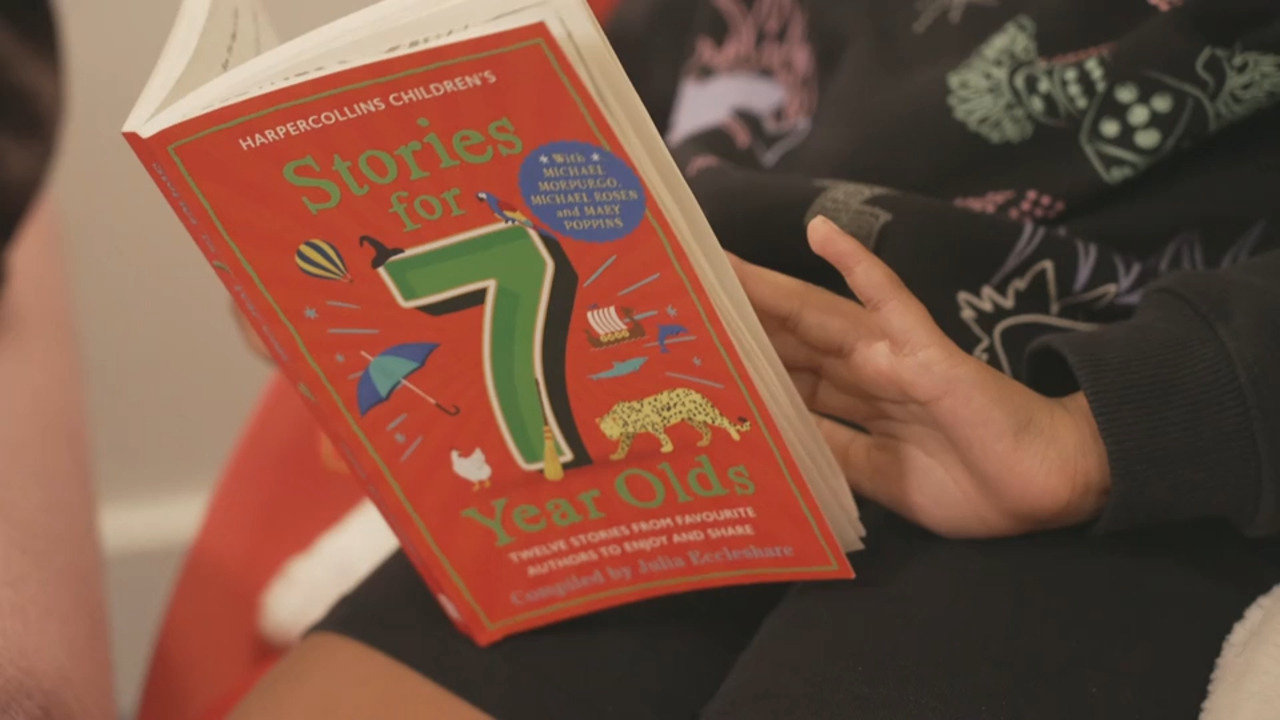
Feeling stressed? Try reading this out loud!
Researchers have found that reading together can help strengthen bonds and reduce stress. In a recent study, families were asked to read together while wearing a brain monitoring cap that tracks activity over time. The results suggested that moments of shared reading can sync brain patterns between two people, which then suggest that the experience of reading books together helps parents and children connect.
Furthermore, the importance of stories themselves can’t be ignored. Stories are how people explain the world and their lives to one another — the decisions you make and the person you become are partially influenced by the stories you’ve read or heard. The research is very new, but studies of this sort can help us understand why reading together builds empathy, focus, emotional well-being, and might support children’s development and encourage a lifelong love of reading. And not just because a good story might distract two siblings for long enough to stop flicking each other’s ears!

Muhammad Ali, from his rise as a boxing champion to his inspiring comeback and lasting global influence. Students will follow Ali’s journey through triumph, controversy, and perseverance as he fought to regain the heavyweight title and became one of the most recognized athletes in history.
This Kahoot examines key moments in Ali’s story, including the court case that temporarily cost him his boxing license and championship, his dramatic return to the ring, and the determination that defined his later years after being diagnosed with Parkinson's disease. Students will build listening skills, vocabulary, and historical awareness while exploring how Ali’s courage, confidence, and resilience inspired millions around the world.
Watch the related BBC videos, Cassius Clay Becomes Muhammad Ali and Muhammad Ali's Comeback, then invite your Grade 6–12 students to test their knowledge and discover why Muhammad Ali remains a global symbol of strength, perseverance, and conviction.
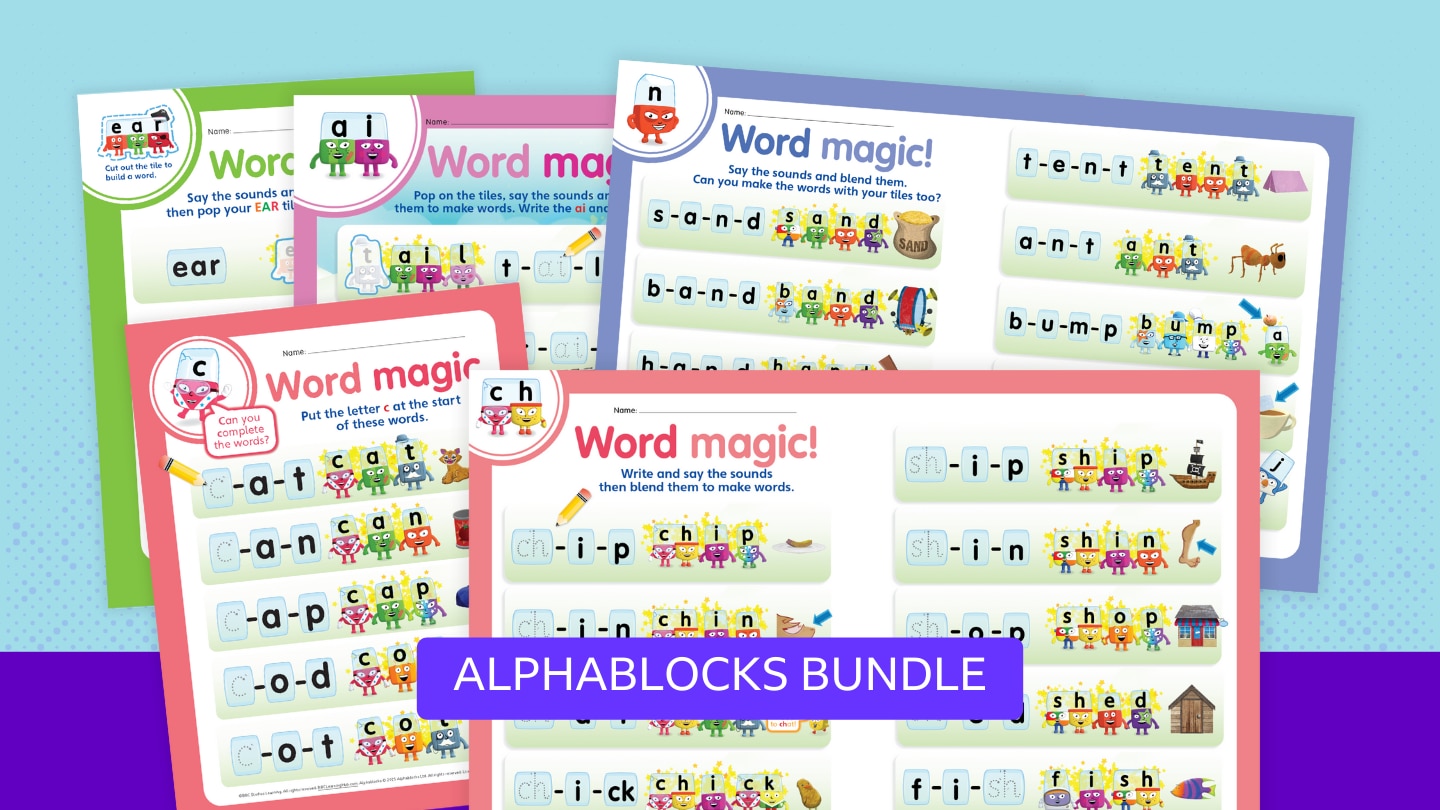
Make early reading feel magical with this Alphablocks Word Magic printable bundle! Designed with busy teachers and families in mind, these pages offer simple, joyful practice that helps young readers build confidence one word at a time. Students can trace letters to complete each word or use their letter tiles to build it themselves — an effective way to strengthen phonics understanding through both writing and hands-on play.
This “Word Magic” pack includes engaging practice with:
-
Hard “c” words to help students recognize how the letter c can change its sound.
-
Words with the “ear” sound, giving readers experience with trickier vowel teams.
-
“ch” and “sh” digraphs, perfect for boosting early decoding skills.
-
“ai” and “ee” vowel patterns, supporting growing readers as they learn long-vowel spellings.
-
Ending blends like nd, nt, and mp for stronger blending and spelling accuracy.
These worksheets are perfect for small-group instruction, literacy centers, morning work, tutoring, or home reading practice. They’re easy to use, fun to repeat, and help students feel proud of the words they can read and make.
Looking for even more Alphablocks resources? We have tons available — just search “Alphablocks” on the site!
Watch full episodes of Alphablocks on their official YouTube channel!
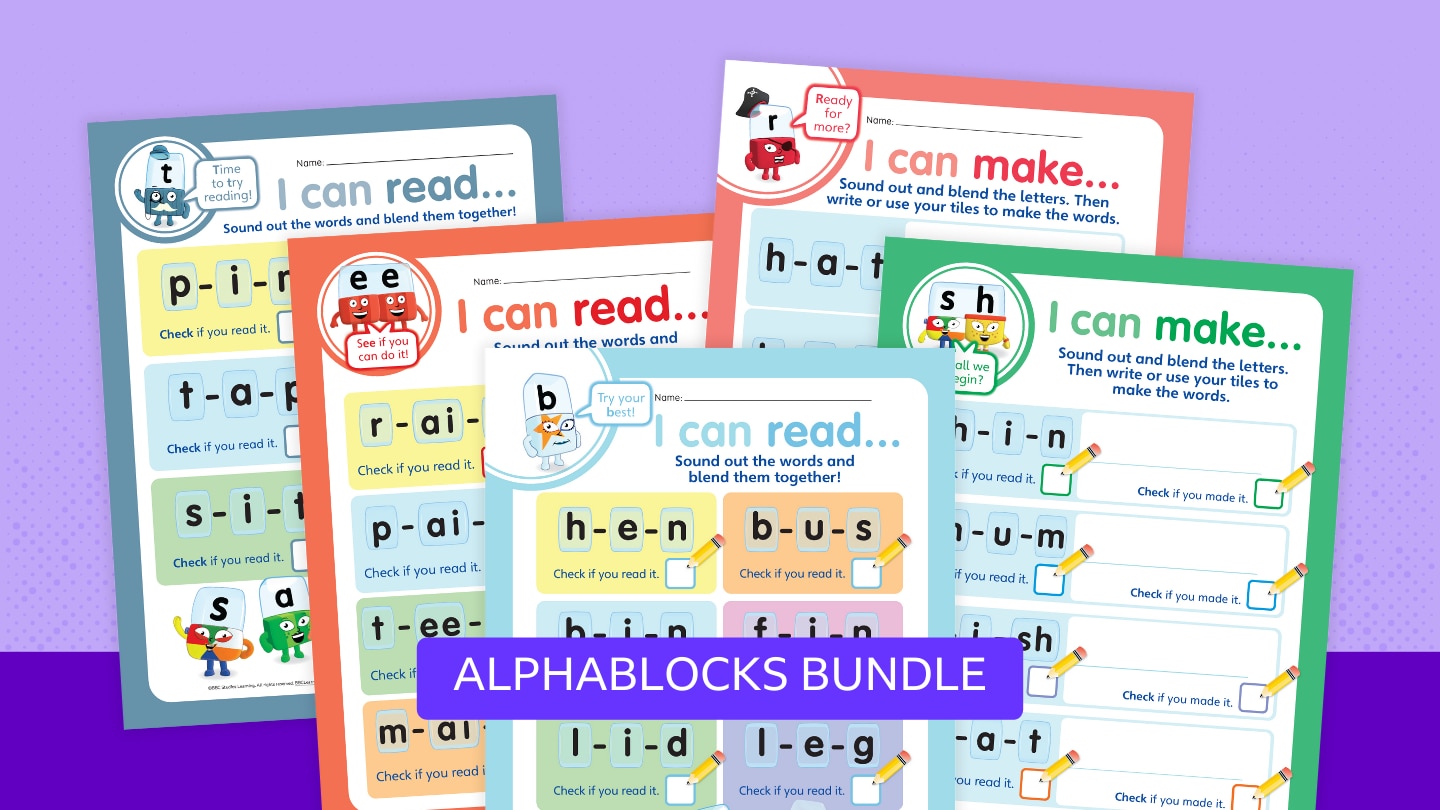
Give young readers a boost with this friendly Alphablocks worksheet bundle! Designed for both teachers and families, these printables make early reading practice simple, engaging, and confidence-building. Students can sound out words, blend the sounds together, and check off each word as they read. They can also write the words on the lines or build them using their letter tiles — great for hands-on learners.
Inside this “I Can Read” pack, you'll find:
-
CVC words (consonant-vowel-consonant) that help children master the basics of blending.
-
Consonant blends like ch, sh, and th to strengthen early phonics skills.
-
Long vowel spellings such as ai, igh, and ee to support growing readers as they move into more challenging patterns.
These pages work beautifully for small-group instruction, centers, morning work, homework, tutoring, or at-home practice with parents.
And if your readers want even more Alphablocks fun? We’ve got you covered — just search “Alphablocks” on the site to explore the full collection!
Watch full episodes of Alphablocks on their official YouTube channel!

Dive into this curated playlist of clips from Got Science?, the BBC’s magazine-style series that unpacks the science behind everyday life. From why we melt at baby animals to why scary movies make us jump, each episode reveals the surprising biology and behavior shaping our world. Students can explore questions like why flies are nearly impossible to catch and why bedbugs are so tough to defeat. Every video includes discussion questions, writing prompts, and more to spark curiosity and critical thinking in middle and high school classrooms.
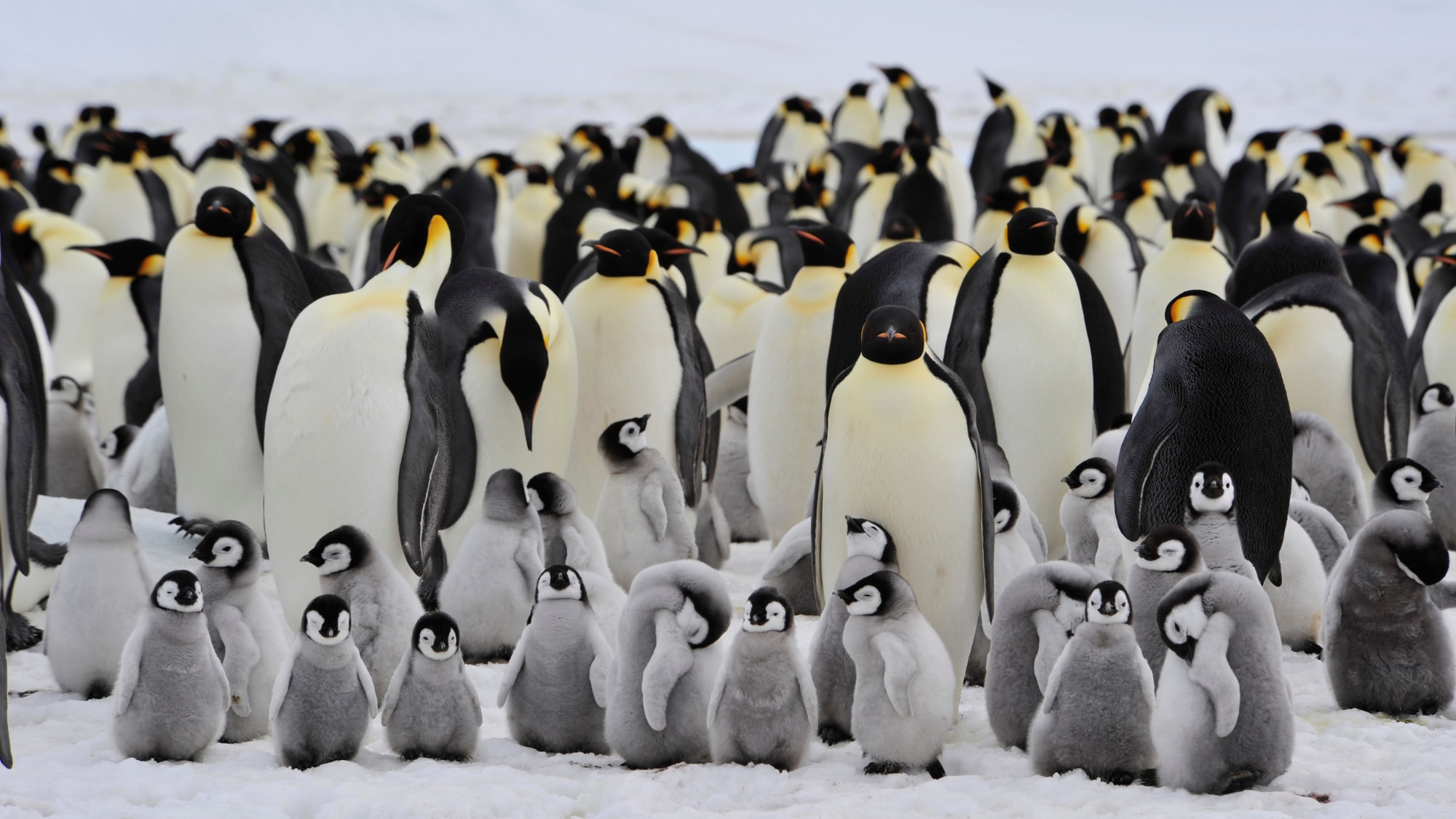
Waddle into the wild with one of nature’s most beloved birds: the penguin! This BBC Learning Hub playlist follows the lives of these flightless wonders as they brave the cold, dive through icy waters, and care for their fluffy chicks.
Meet the determined emperor penguins of Antarctica and discover how they adapt to harsh environments, work together in colonies, and avoid danger from predators like leopard seals. With narration from Blue Planet and other BBC favorites, this collection offers a closer look at the strength, smarts, and sheer adorableness of penguins in the wild.
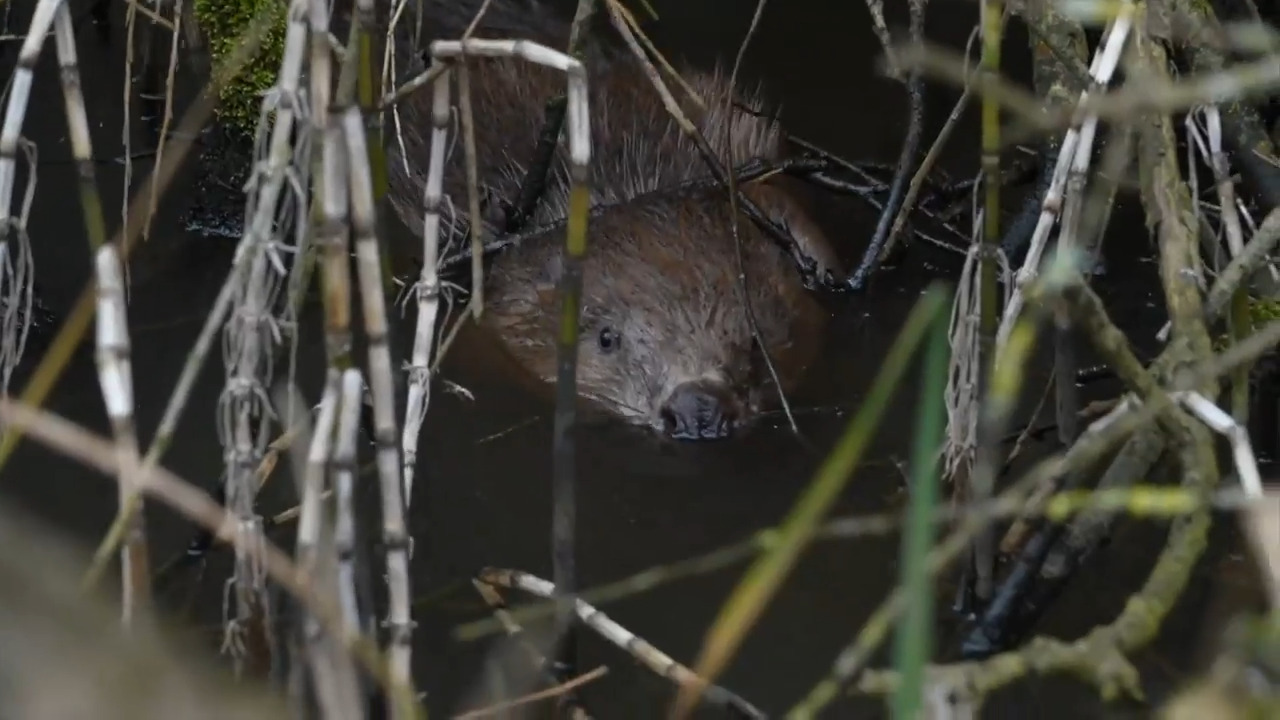
Ever think you would celebrate the return of a dog-sized rodent?! You might, if those rodents were the beavers making their way to the wetlands in Shropshire. Until recently, the area had spent its last 400 years beaver-less, after hunters depleted the beaver population for fur, meat, and scent glands.
Now, the county is excited to welcome a pair of beavers that was transported all the way from Scotland — that’s 300 miles! But why go through all of this trouble just to bring beavers back? Beavers’ list of strengths include helping to control water, creating new habitats for other creatures, managing willow tree scrub that’s drying out the surroundings, and being pretty darn cute.

The article "Why Your Brain Avoids Exercise!" from BBC's Science Focus explores the reasons why humans often avoid physical activity despite its benefits. It discusses the brain's sensitivity to effort, the tendency to avoid discomfort, and how motivation and willpower can help overcome these challenges.

The article "Top 10: Which Animals Have the Strongest Bite?" from BBC's Science Focus ranks animals with the most powerful bite forces. It measures bite strength in pounds per square inch (PSI), revealing how creatures like crocodiles and hyenas use their powerful jaws to hunt and survive.
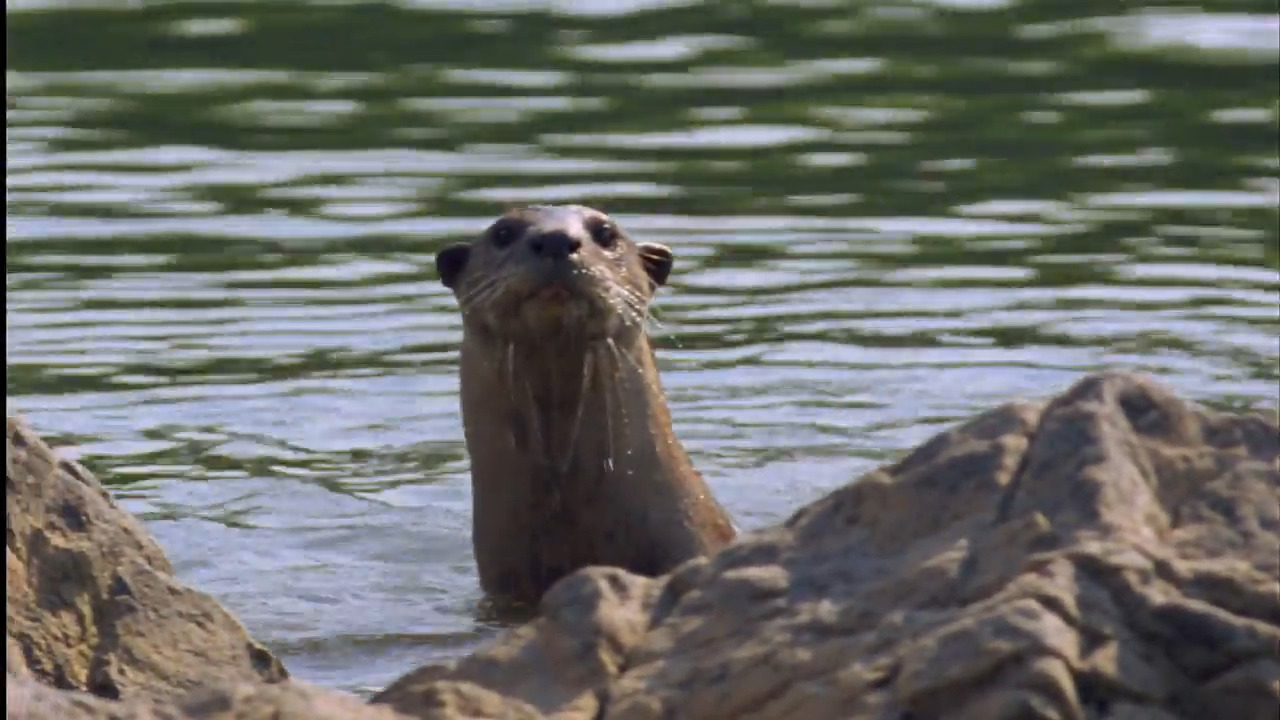
In Otters Find Strength in Numbers, narrator Sir David Attenborough explains that, unlike most otters, Indian River otters live in social groups. Adults share food with the cubs, and the group forms an effective defense against a crocodile. This video is excerpted from BBC's Planet Earth, a breathtaking documentary series that highlights the natural wonders of our planet.

In A Journey to the Heart of Patagonia, host Simon Reeve and his team embark on a multi-day hike to the South Patagonian ice field, the largest ice field outside Antarctica. To reach this frozen wonder, they face brutal challenges like crossing jagged mountains, braving icy rivers, and zip-lining over crevasses. With temperatures plunging to -10°F at night and fierce winds during the day, Simon learns that both physical strength and mental toughness are essential for such an extreme adventure. This video is excerpted from BBC’s Wilderness With Simon Reeve, an epic adventure into the heart of Earth’s last great wild areas, where nature is at its most beautiful and fragile.
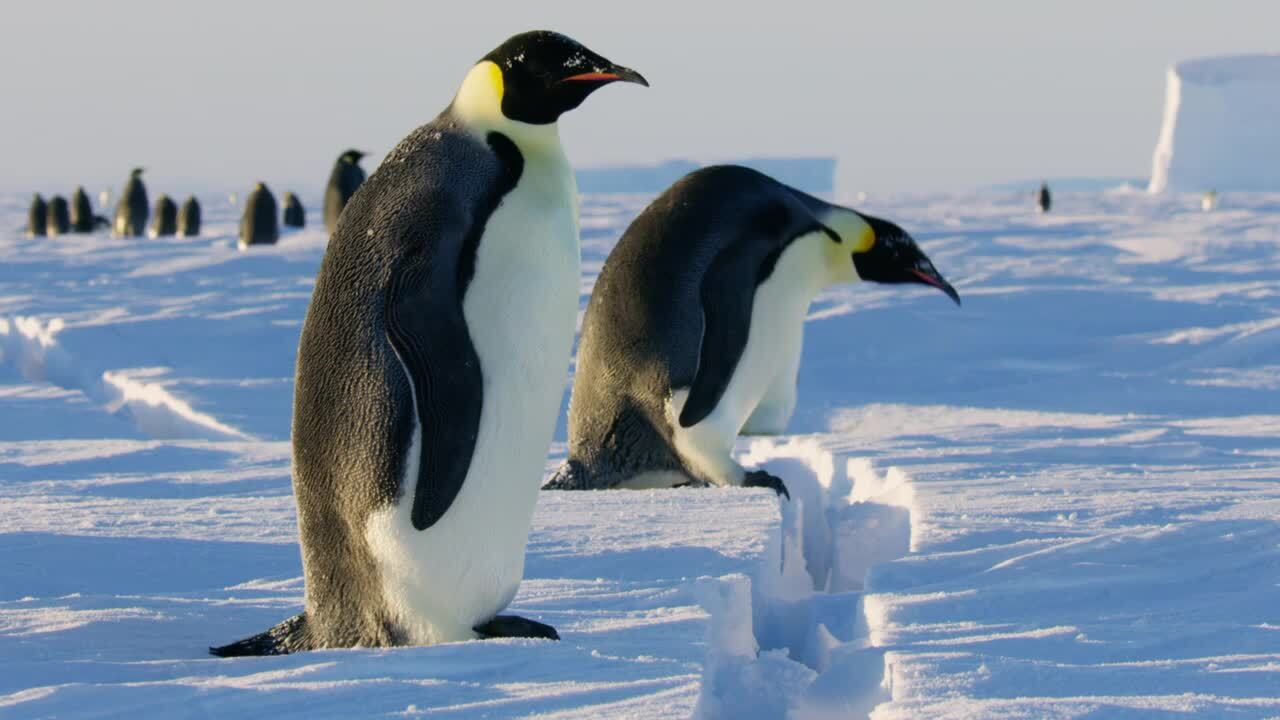
In Emperor Penguins Arrive at Atka Bay, narrator Sir David Attenborough describes how thousands of emperor penguins arrive at Atka Bay. They move toward the patch of new ice to breed and, as they form couples, they move synchronously to strengthen their bond. This video is excerpted from BBC’s Dynasties, a documentary that follows endangered species fighting for their survival.
Feeling stressed? Try reading this out loud!
Researchers have found that reading together can help strengthen bonds and reduce stress. In a recent study, families were asked to read together while wearing a brain monitoring cap that tracks activity over time. The results suggested that moments of shared reading can sync brain patterns between two people, which then suggest that the experience of reading books together helps parents and children connect.
Furthermore, the importance of stories themselves can’t be ignored. Stories are how people explain the world and their lives to one another — the decisions you make and the person you become are partially influenced by the stories you’ve read or heard. The research is very new, but studies of this sort can help us understand why reading together builds empathy, focus, emotional well-being, and might support children’s development and encourage a lifelong love of reading. And not just because a good story might distract two siblings for long enough to stop flicking each other’s ears!
Muhammad Ali, from his rise as a boxing champion to his inspiring comeback and lasting global influence. Students will follow Ali’s journey through triumph, controversy, and perseverance as he fought to regain the heavyweight title and became one of the most recognized athletes in history.
This Kahoot examines key moments in Ali’s story, including the court case that temporarily cost him his boxing license and championship, his dramatic return to the ring, and the determination that defined his later years after being diagnosed with Parkinson's disease. Students will build listening skills, vocabulary, and historical awareness while exploring how Ali’s courage, confidence, and resilience inspired millions around the world.
Watch the related BBC videos, Cassius Clay Becomes Muhammad Ali and Muhammad Ali's Comeback, then invite your Grade 6–12 students to test their knowledge and discover why Muhammad Ali remains a global symbol of strength, perseverance, and conviction.
Make early reading feel magical with this Alphablocks Word Magic printable bundle! Designed with busy teachers and families in mind, these pages offer simple, joyful practice that helps young readers build confidence one word at a time. Students can trace letters to complete each word or use their letter tiles to build it themselves — an effective way to strengthen phonics understanding through both writing and hands-on play.
This “Word Magic” pack includes engaging practice with:
-
Hard “c” words to help students recognize how the letter c can change its sound.
-
Words with the “ear” sound, giving readers experience with trickier vowel teams.
-
“ch” and “sh” digraphs, perfect for boosting early decoding skills.
-
“ai” and “ee” vowel patterns, supporting growing readers as they learn long-vowel spellings.
-
Ending blends like nd, nt, and mp for stronger blending and spelling accuracy.
These worksheets are perfect for small-group instruction, literacy centers, morning work, tutoring, or home reading practice. They’re easy to use, fun to repeat, and help students feel proud of the words they can read and make.
Looking for even more Alphablocks resources? We have tons available — just search “Alphablocks” on the site!
Watch full episodes of Alphablocks on their official YouTube channel!
Give young readers a boost with this friendly Alphablocks worksheet bundle! Designed for both teachers and families, these printables make early reading practice simple, engaging, and confidence-building. Students can sound out words, blend the sounds together, and check off each word as they read. They can also write the words on the lines or build them using their letter tiles — great for hands-on learners.
Inside this “I Can Read” pack, you'll find:
-
CVC words (consonant-vowel-consonant) that help children master the basics of blending.
-
Consonant blends like ch, sh, and th to strengthen early phonics skills.
-
Long vowel spellings such as ai, igh, and ee to support growing readers as they move into more challenging patterns.
These pages work beautifully for small-group instruction, centers, morning work, homework, tutoring, or at-home practice with parents.
And if your readers want even more Alphablocks fun? We’ve got you covered — just search “Alphablocks” on the site to explore the full collection!
Watch full episodes of Alphablocks on their official YouTube channel!
Dive into this curated playlist of clips from Got Science?, the BBC’s magazine-style series that unpacks the science behind everyday life. From why we melt at baby animals to why scary movies make us jump, each episode reveals the surprising biology and behavior shaping our world. Students can explore questions like why flies are nearly impossible to catch and why bedbugs are so tough to defeat. Every video includes discussion questions, writing prompts, and more to spark curiosity and critical thinking in middle and high school classrooms.
Waddle into the wild with one of nature’s most beloved birds: the penguin! This BBC Learning Hub playlist follows the lives of these flightless wonders as they brave the cold, dive through icy waters, and care for their fluffy chicks.
Meet the determined emperor penguins of Antarctica and discover how they adapt to harsh environments, work together in colonies, and avoid danger from predators like leopard seals. With narration from Blue Planet and other BBC favorites, this collection offers a closer look at the strength, smarts, and sheer adorableness of penguins in the wild.
Ever think you would celebrate the return of a dog-sized rodent?! You might, if those rodents were the beavers making their way to the wetlands in Shropshire. Until recently, the area had spent its last 400 years beaver-less, after hunters depleted the beaver population for fur, meat, and scent glands.
Now, the county is excited to welcome a pair of beavers that was transported all the way from Scotland — that’s 300 miles! But why go through all of this trouble just to bring beavers back? Beavers’ list of strengths include helping to control water, creating new habitats for other creatures, managing willow tree scrub that’s drying out the surroundings, and being pretty darn cute.
The article "Why Your Brain Avoids Exercise!" from BBC's Science Focus explores the reasons why humans often avoid physical activity despite its benefits. It discusses the brain's sensitivity to effort, the tendency to avoid discomfort, and how motivation and willpower can help overcome these challenges.
The article "Top 10: Which Animals Have the Strongest Bite?" from BBC's Science Focus ranks animals with the most powerful bite forces. It measures bite strength in pounds per square inch (PSI), revealing how creatures like crocodiles and hyenas use their powerful jaws to hunt and survive.
In Otters Find Strength in Numbers, narrator Sir David Attenborough explains that, unlike most otters, Indian River otters live in social groups. Adults share food with the cubs, and the group forms an effective defense against a crocodile. This video is excerpted from BBC's Planet Earth, a breathtaking documentary series that highlights the natural wonders of our planet.
In A Journey to the Heart of Patagonia, host Simon Reeve and his team embark on a multi-day hike to the South Patagonian ice field, the largest ice field outside Antarctica. To reach this frozen wonder, they face brutal challenges like crossing jagged mountains, braving icy rivers, and zip-lining over crevasses. With temperatures plunging to -10°F at night and fierce winds during the day, Simon learns that both physical strength and mental toughness are essential for such an extreme adventure. This video is excerpted from BBC’s Wilderness With Simon Reeve, an epic adventure into the heart of Earth’s last great wild areas, where nature is at its most beautiful and fragile.
In Emperor Penguins Arrive at Atka Bay, narrator Sir David Attenborough describes how thousands of emperor penguins arrive at Atka Bay. They move toward the patch of new ice to breed and, as they form couples, they move synchronously to strengthen their bond. This video is excerpted from BBC’s Dynasties, a documentary that follows endangered species fighting for their survival.