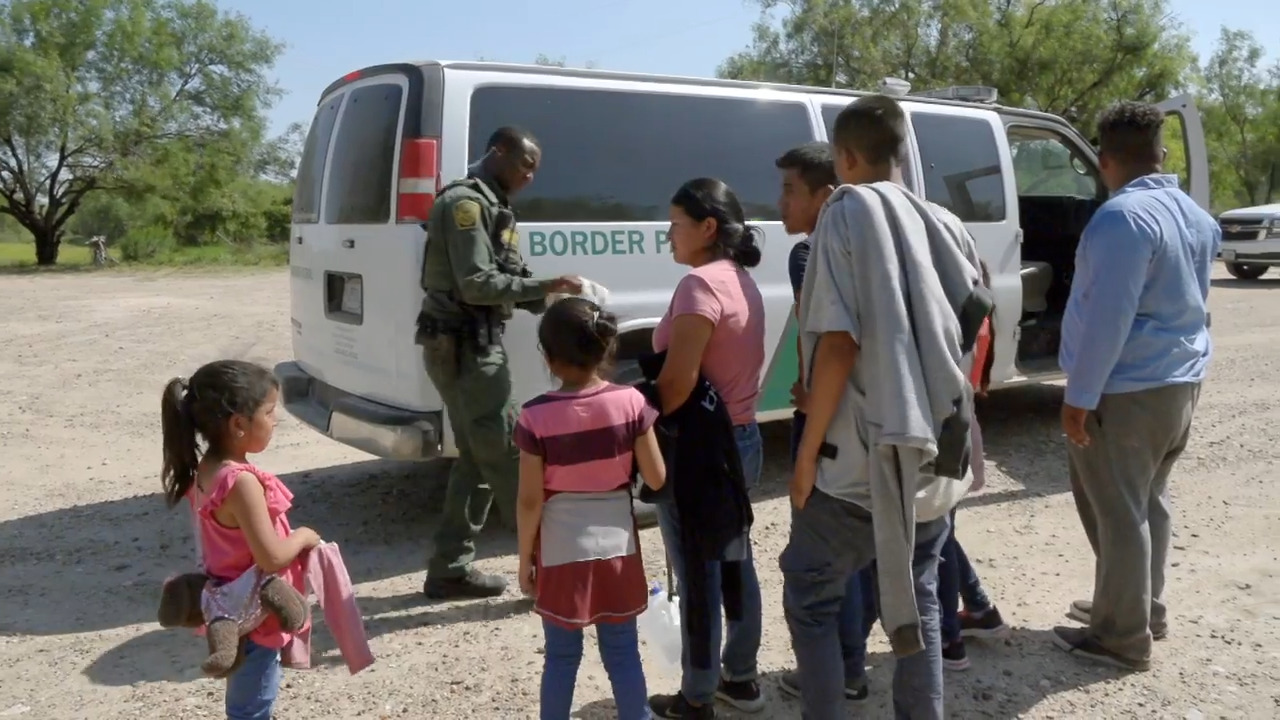
In The Faces and Stories Behind the Texas-Mexico Border Crossing, host Simon Reeve takes a look at immigration at the Texas-Mexico border, revealing challenges faced by both migrants and Border Patrol agents. He sees peoples from Honduras and Guatemala being stopped and beginning the asylum process, a shift from the past when most migrants were from Mexico. Simon also uncovers how the surge forces Border Patrol to focus on paperwork instead of drug/human trafficking, leaving critical issues unaddressed. This video is excerpted from BBC’s The Americas With Simon Reeve, in which Simon Reeve explores the landscapes, cultures, and wildlife of North and South America.
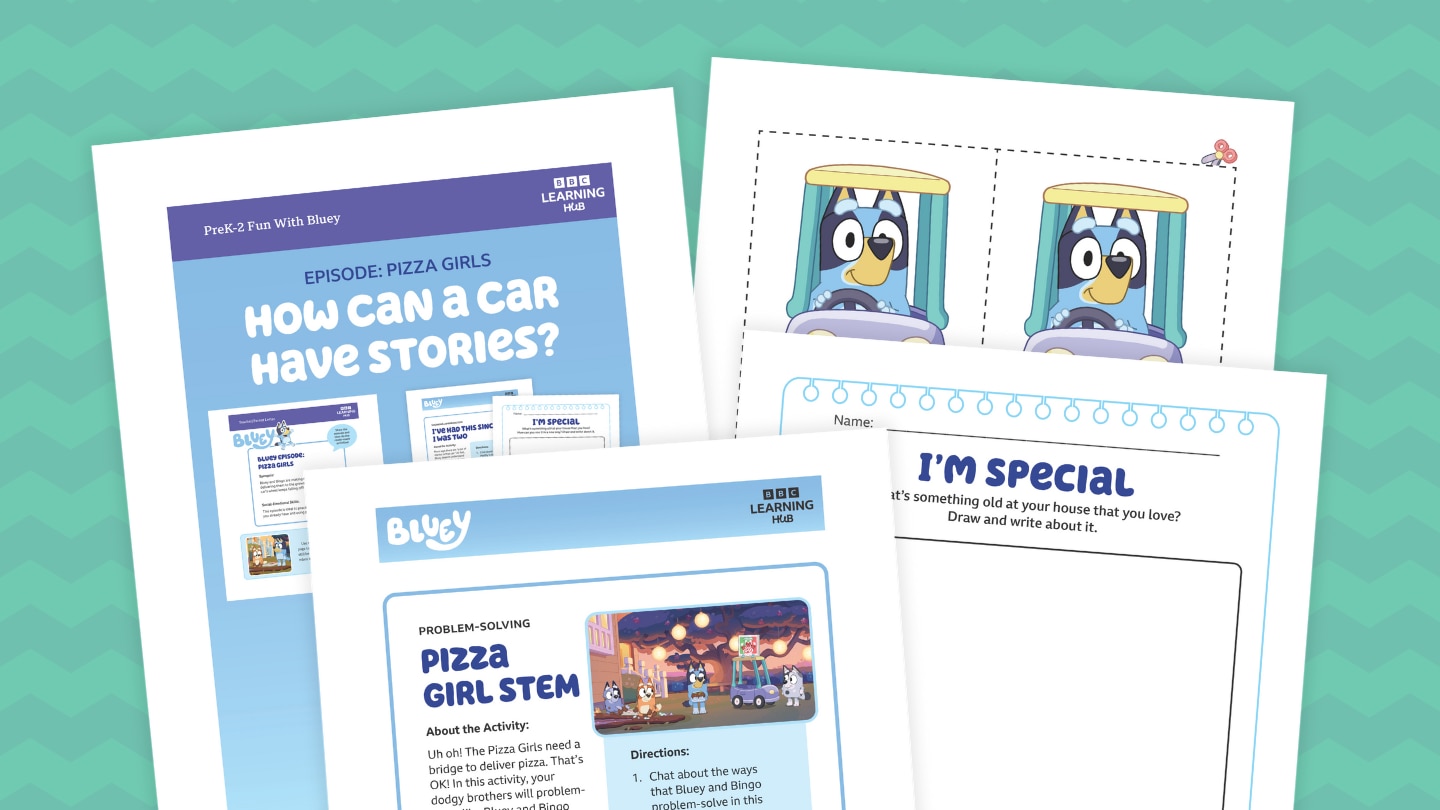
Bluey's had Peddly since she was two! Talk to your class about how to appreciate what you have through the Bluey episode "Pizza Girls." The lesson includes printables for two activities in which kids draw and write about something old at their house that they love and complete a STEM challenge to make a bridge (to deliver pizzas, of course!)
Pizza Girls Episode Summary: Bluey and Bingo are making mud pizzas and delivering them to the grown-ups, but their pedal car’s wheel keeps falling off!
Watch the episode here! (Click here to watch in Australia.)
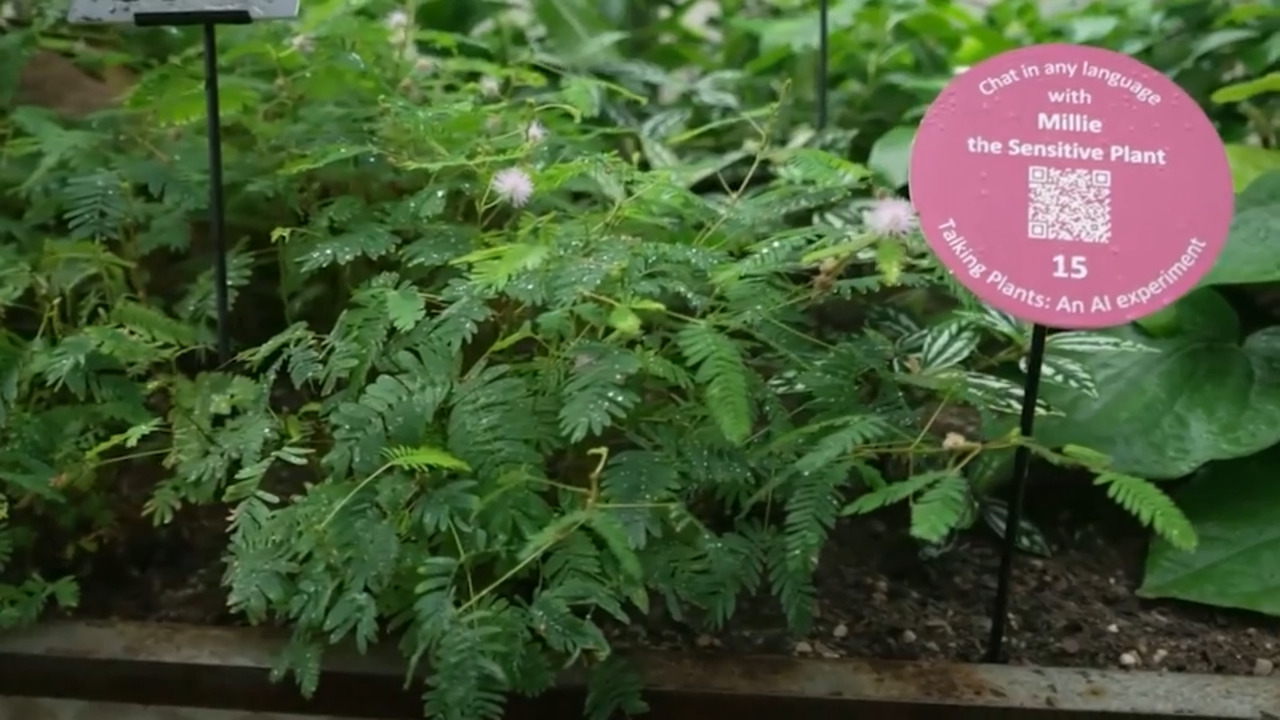
If you’ve ever wanted to ask Brussels sprouts… just… why? Well, you may be able to get pretty close. There’s an exhibition called Talking Plants at Cambridge University Botanic Garden, where visitors can talk to plants! Well, anyone can always talk to plants. But, in this greenhouse, artificial intelligence is being used to get the plants to respond.
The exhibit features a variety of plant life to go with 20 AI personalities a Cambridge professor, Sam, and his team created for the garden. With a QR code and a phone, visitors can come in and engage with the plants, ask them questions, and listen to their responses. Each plant has its own name, personality, and based on where in the world it's from, and some can speak multiple languages. They can even tell jokes!
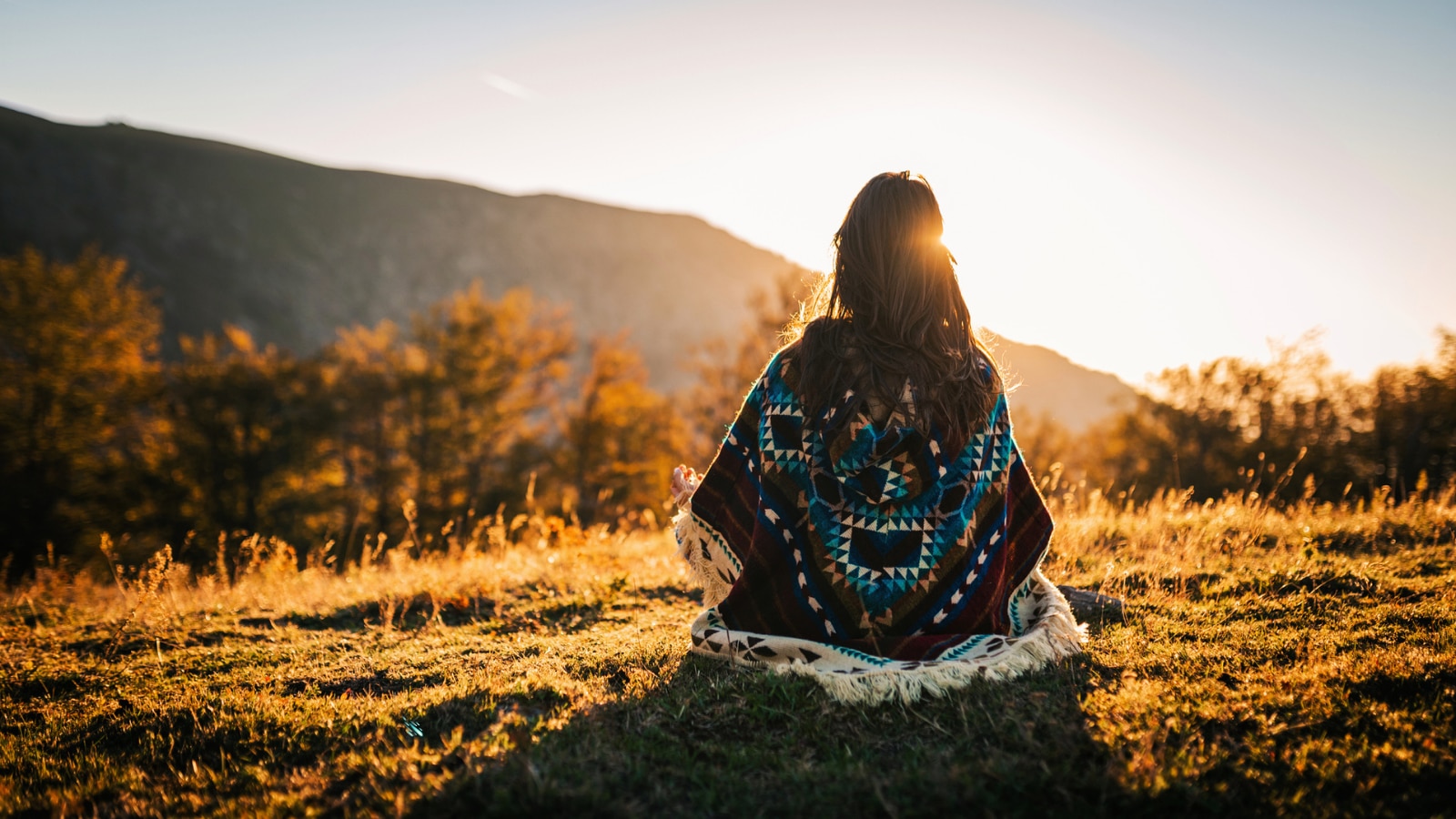
Experience powerful stories of Native American life — ancient, historical, and modern — in this inspiring playlist from the BBC. Featuring authentic video clips from BBC News reports and acclaimed BBC documentaries, students will experience a vivid, first-hand look at the voices, traditions, and challenges of Indigenous peoples across North America.
They’ll explore the Iroquois Constitution, a foundational document that influenced democracy itself; discover the remarkable cliffside cities at Mesa Verde; and learn how Native communities are leading buffalo restoration efforts that bring both ecological and cultural renewal. Students will also see the beauty of traditional arts like hoop dance and gain perspective on the political and community issues shaping Native life today.
These stories offer an unforgettable window into Indigenous identity, resilience, and connection to the land — helping students better understand both the past and the living cultures that continue to shape our world.

We live in a time where we can get up-to-the-minute updates. So how do we make sure we’re getting the most current and most accurate news? Introduce your students to the concept of developing news stories. In this lesson, they’ll explore what can cause the news to change and how to distinguish changing information from corrected information.
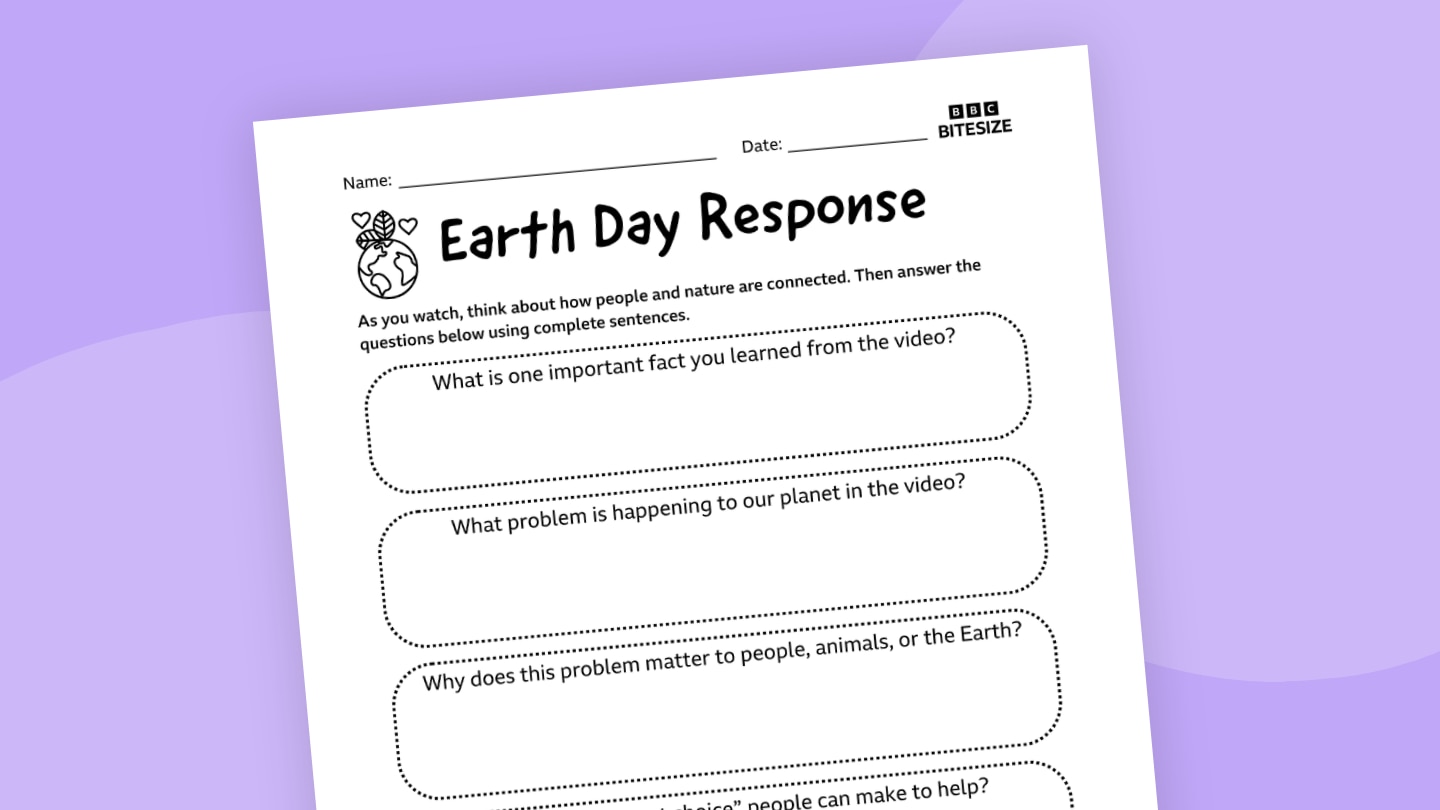
Earth Day is April 20, and we’re celebrating all month long with engaging activities — like our Earth Day video response worksheet! Start by choosing one of the incredible BBC videos from our Earth Day Collection, featuring topics like protecting our planet, innovative ideas for a better future, and inspiring conservation stories.
After watching, have your Grade 3–8 students complete the worksheet questions. You can also give students the option to choose their own video — either from the collection or another relevant clip in our extensive library — since the worksheet is designed to work with any selection.
It’s a simple, meaningful way to spark curiosity and help students connect with real-world environmental issues.
In The Faces and Stories Behind the Texas-Mexico Border Crossing, host Simon Reeve takes a look at immigration at the Texas-Mexico border, revealing challenges faced by both migrants and Border Patrol agents. He sees peoples from Honduras and Guatemala being stopped and beginning the asylum process, a shift from the past when most migrants were from Mexico. Simon also uncovers how the surge forces Border Patrol to focus on paperwork instead of drug/human trafficking, leaving critical issues unaddressed. This video is excerpted from BBC’s The Americas With Simon Reeve, in which Simon Reeve explores the landscapes, cultures, and wildlife of North and South America.
Bluey's had Peddly since she was two! Talk to your class about how to appreciate what you have through the Bluey episode "Pizza Girls." The lesson includes printables for two activities in which kids draw and write about something old at their house that they love and complete a STEM challenge to make a bridge (to deliver pizzas, of course!)
Pizza Girls Episode Summary: Bluey and Bingo are making mud pizzas and delivering them to the grown-ups, but their pedal car’s wheel keeps falling off!
Watch the episode here! (Click here to watch in Australia.)
If you’ve ever wanted to ask Brussels sprouts… just… why? Well, you may be able to get pretty close. There’s an exhibition called Talking Plants at Cambridge University Botanic Garden, where visitors can talk to plants! Well, anyone can always talk to plants. But, in this greenhouse, artificial intelligence is being used to get the plants to respond.
The exhibit features a variety of plant life to go with 20 AI personalities a Cambridge professor, Sam, and his team created for the garden. With a QR code and a phone, visitors can come in and engage with the plants, ask them questions, and listen to their responses. Each plant has its own name, personality, and based on where in the world it's from, and some can speak multiple languages. They can even tell jokes!
Experience powerful stories of Native American life — ancient, historical, and modern — in this inspiring playlist from the BBC. Featuring authentic video clips from BBC News reports and acclaimed BBC documentaries, students will experience a vivid, first-hand look at the voices, traditions, and challenges of Indigenous peoples across North America.
They’ll explore the Iroquois Constitution, a foundational document that influenced democracy itself; discover the remarkable cliffside cities at Mesa Verde; and learn how Native communities are leading buffalo restoration efforts that bring both ecological and cultural renewal. Students will also see the beauty of traditional arts like hoop dance and gain perspective on the political and community issues shaping Native life today.
These stories offer an unforgettable window into Indigenous identity, resilience, and connection to the land — helping students better understand both the past and the living cultures that continue to shape our world.
We live in a time where we can get up-to-the-minute updates. So how do we make sure we’re getting the most current and most accurate news? Introduce your students to the concept of developing news stories. In this lesson, they’ll explore what can cause the news to change and how to distinguish changing information from corrected information.
Earth Day is April 20, and we’re celebrating all month long with engaging activities — like our Earth Day video response worksheet! Start by choosing one of the incredible BBC videos from our Earth Day Collection, featuring topics like protecting our planet, innovative ideas for a better future, and inspiring conservation stories.
After watching, have your Grade 3–8 students complete the worksheet questions. You can also give students the option to choose their own video — either from the collection or another relevant clip in our extensive library — since the worksheet is designed to work with any selection.
It’s a simple, meaningful way to spark curiosity and help students connect with real-world environmental issues.