Journey beyond the Solar System to explore exoplanets, distant stars, and the search for new worlds. From planets orbiting faraway suns to potentially habitable worlds light-years from Earth, discover how astronomers are uncovering new corners of the universe.
This Kahoot explores the science of exoplanet discovery, space exploration, and the technologies that allow us to detect and study worlds we cannot directly see while revealing how each new discovery expands our understanding of the cosmos.
Watch the related videos linked below, then take the Kahoot and see how much you know about the incredible worlds waiting to be discovered beyond our Solar System.
In Discovering a Habitable Planet, Professor Stephane Udry and his team use the most powerful planet detection instrument in the world, located deep in the desert of Chile. By observing distant stars and detecting subtle wobbles caused by the gravitational pull of orbiting planets, they discovered Gliese 581c, a potentially habitable planet similar in some ways to Earth.
In How Rare Is Our Planet?, Dr. Lynn Rothschild explains the delicate balance that makes Earth unique. She focuses on the habitable zone — the perfect distance from the Sun that allows liquid water to exist allowing life to thrive. This exact positioning results in a tiny wobble in the star, which makes it extremely challenging to find another planet with conditions similar to Earth’s.
In Exploring a New Planet and Its Atmosphere, Dr. Lynn Rothschild ventures into the Atacama Desert to explore the environmental conditions of Gliese 581c, the smallest and most Earth-like exoplanet detected so far. Despite some similarities to Earth, this exoplanet is much closer to its star, which leads to significant differences in its conditions. This video is excerpted from BBC’s Earth: The Power of the Planet, a documentary that explores the fascinating geology on planet Earth.
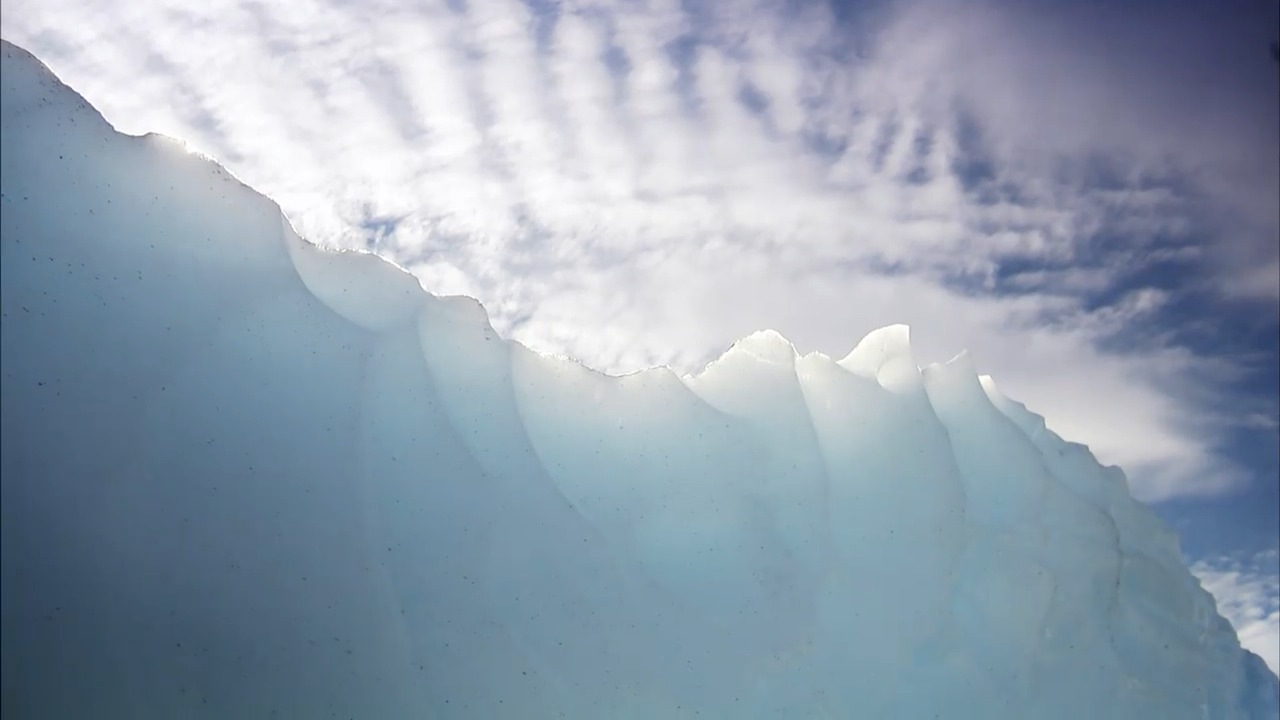
In A Side-by-Side Look at Earth and Titan, Professor Brian Cox discusses Titan, Saturn's moon, where methane exists as water does on Earth — forming clouds, lakes, and rain. This frozen moon offers scientists a glimpse into what Earth might have been like before its oxygen-rich atmosphere developed. This video is excerpted from BBC’s Wonders of the Solar System, a spellbinding documentary series that explores the most extreme locations on Earth to explain how the laws of physics carved natural wonders across the Solar System.
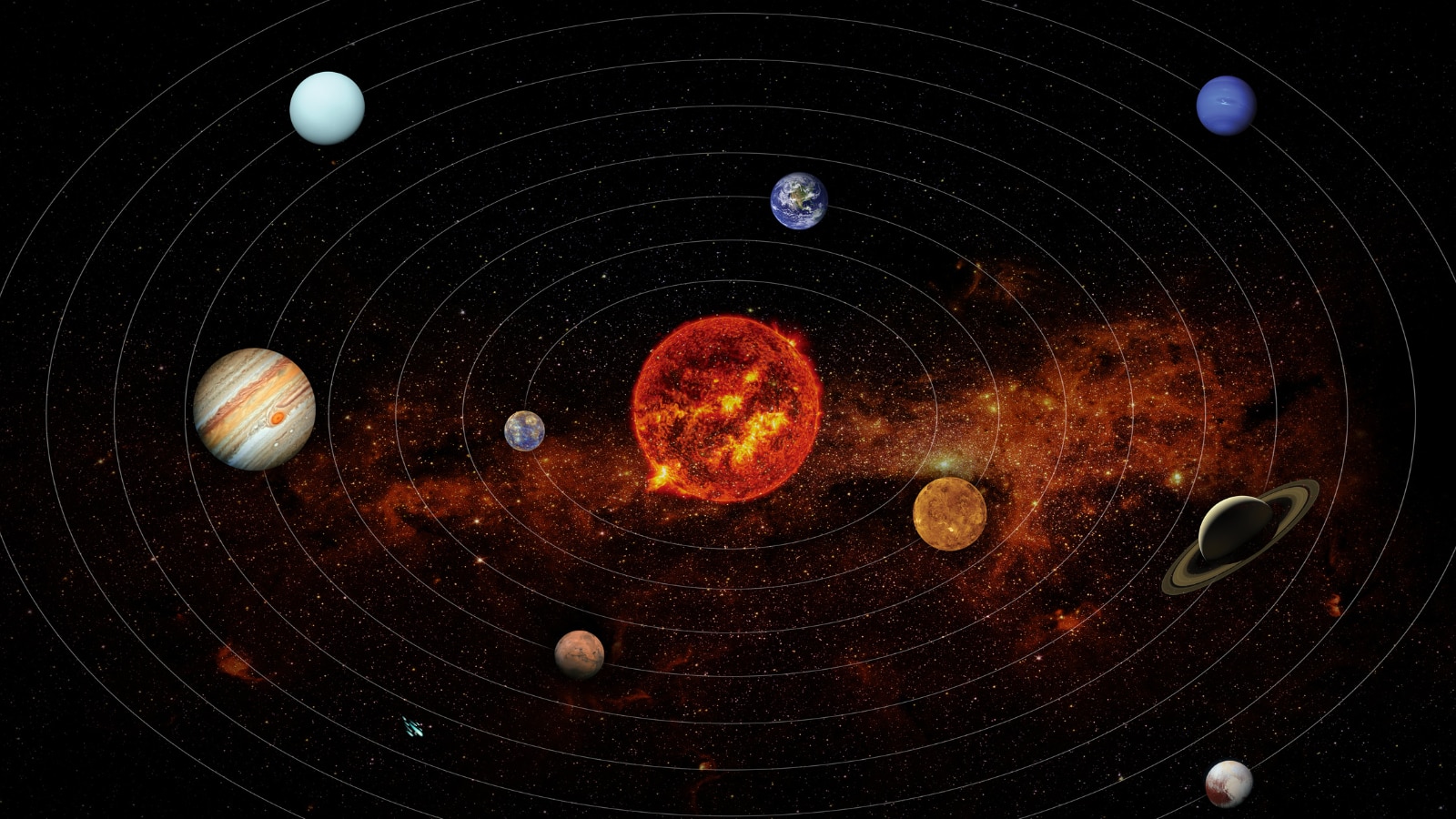
From the scorching surface of Mercury to the icy winds of Neptune, this BBC Learning Hub playlist takes you on an awe-inspiring voyage across our celestial neighborhood. Explore the mysteries of alien worlds, witness dramatic planetary weather, uncover the origins of Saturn’s rings, and ponder life on Mars. Whether you're a curious stargazer or a space science enthusiast, these video clips from landmark BBC series like The Planets and Wonders of the Solar System will ignite learner's imagination and deepen your cosmic curiosity.
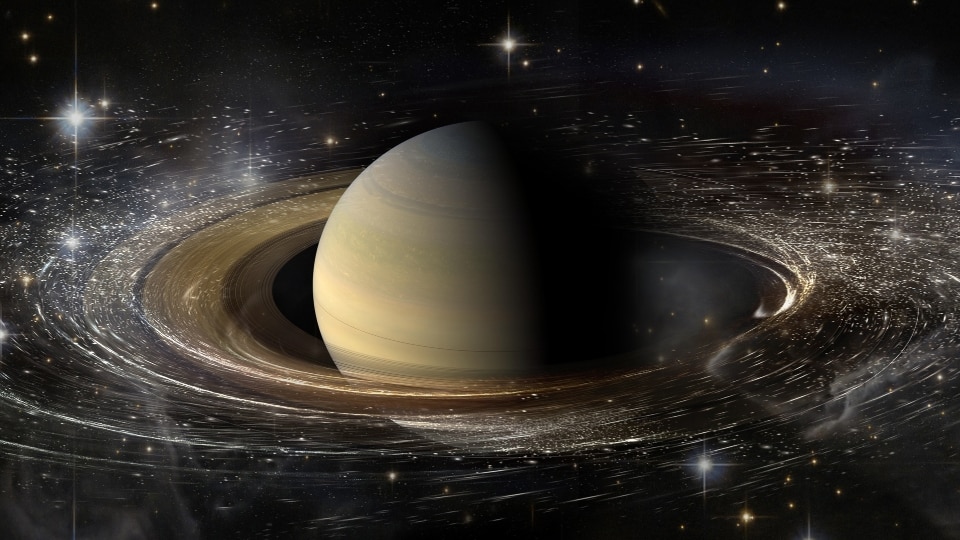
Explore one of the solar system's greatest mysteries in this Kahoot about Saturn's iconic rings and the discoveries that are changing what scientists thought they knew. From clues about their origins to evidence that they may be much younger than expected, discover why Saturn's rings continue to fascinate scientists.
This Kahoot explores planetary science, space exploration, and the evidence researchers use to uncover the history of distant worlds while revealing surprising facts about one of the most recognizable features in our solar system.
Watch the BBC videos about Saturn's rings (below), then take the Kahoot and see how much you know about Saturn's spectacular and ever-changing rings.

The article "Everything You Need to Know About Space Travel (Almost)" from BBC's Science Focus covers the history of space travel, its importance for science and humanity, the challenges of interstellar travel, and the benefits of space exploration.
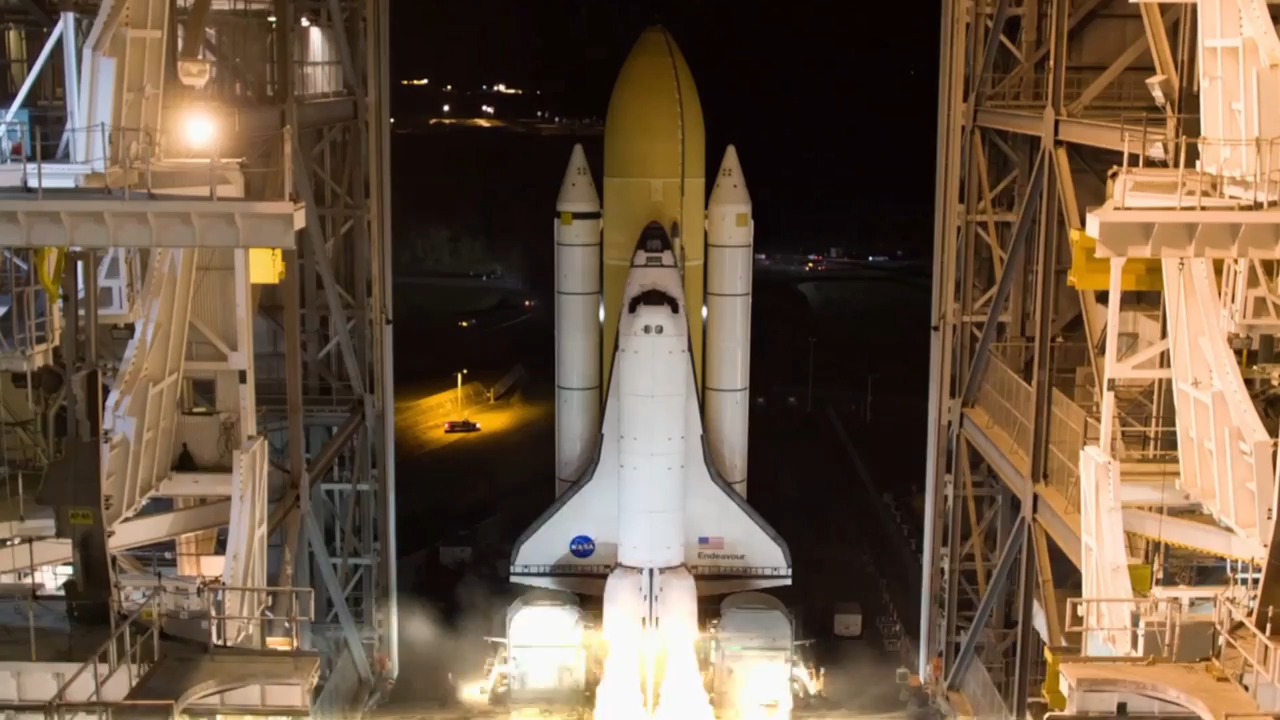
In How the Human Body Adjusts to Space Travel, host Harith Iskander explains the challenges astronauts face when traveling in space. These challenges include nausea, dizziness, and disorientation due to the lack of gravity. This video is excerpted from BBC’s Got Science?, a science magazine series that explores and explains science in everyday life.
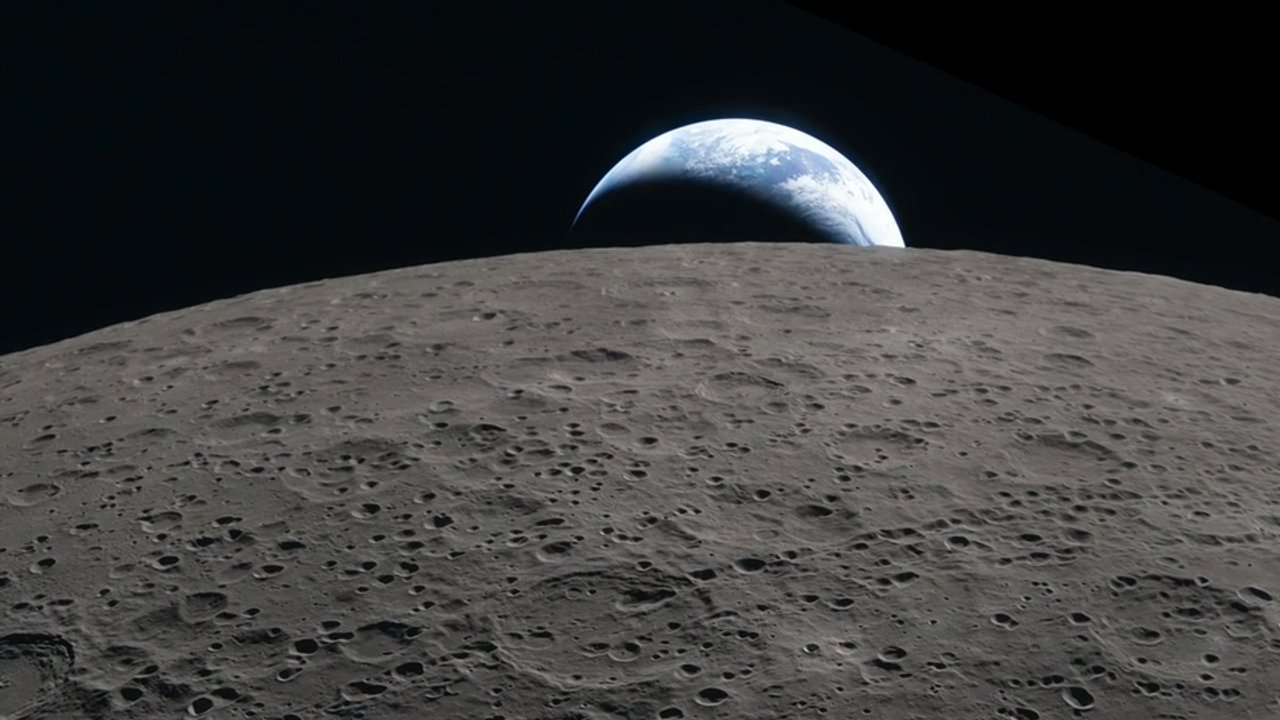
After a historic 10-day mission around the Moon — the first time humans have traveled so far into space since the 70s — the Artemis II crew came away with crucial knowledge: appreciate doors on bathrooms.
Commander Reid Wiseman dished on some other reflections about the trip. For example, the crew didn’t even realize what a big deal this was to people on Earth and didn’t hear much of the news until they talked to their families a few days into the mission. We suppose that’s what happens when you literally have your head in the clouds.
Not only was the journey unforgettable for science, but it was also personally significant for the crew members. One of the most powerful moments came when astronaut Jeremy Hansen named a lunar crater after Wiseman’s late wife, Carroll, a pivotal moment that solidified the crew’s bond.
But that bond wasn’t just to make things more fun — getting along in space is actually a matter of safety, and life inside a spacecraft requires serious teamwork. Think about sharing a room with a stinky sibling or living with a roommate who keeps eating your snacks. Now imagine that, in a room one-fifth the size and no way to escape! The astronauts lived, slept, and worked in extremely close quarters, so it was important to deal with disagreements immediately instead of letting tension build.
As exciting as it was to orbit the Moon, the return to Earth may have been just as intense. The crew re-entered the atmosphere at about 39 times the speed of sound. That’s about 30,000 miles per hour. They experienced forces of about four times normal gravity — about what you feel during the most intense parts of a roller coaster, but the astronauts felt this way for about 13 minutes. Nonstop! And that’s all before parachuting into the Pacific Ocean. All that probably makes it just a little more exhilarating than your bus ride to school.
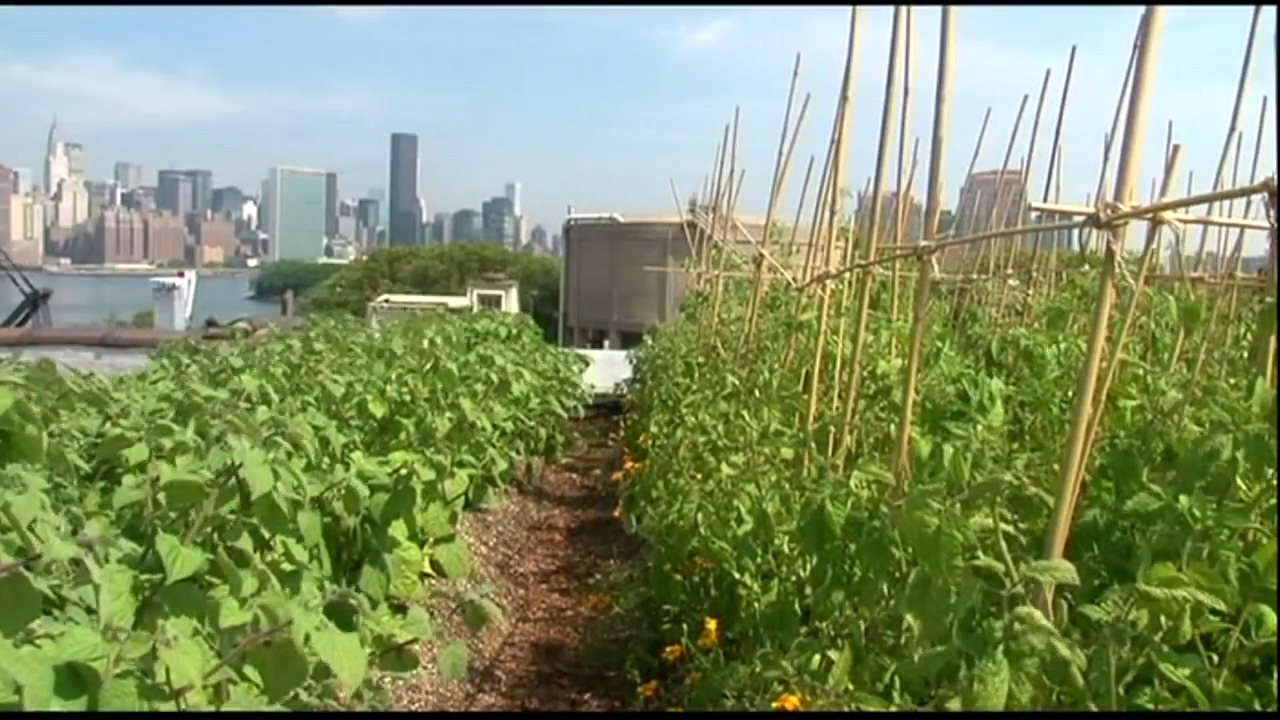
Way above the noise and traffic of New York City, rooftops are being transformed into something unexpected— farms in the sky. What used to be empty, unused space is now filled with soil, vegetables, herbs, and community gardens, all with a sweeping view of the skyline.
Some of these rooftop farms use over 200,000 pounds of soil and grow around 30 different crops, turning concrete rooftops into living green spaces. Fresh food is being grown right in the heart of the city — so local it can go from roof to table in the same neighborhood.
But these gardens aren’t just about food. They help the city work better in quiet but powerful ways. They soak up rainwater to reduce flooding and ease pressure on sewer systems during storms. They also help cool buildings in the summer, which can lower energy use and costs.
And beyond the science, rooftop gardens have another impact: they’re peaceful, beautiful places that bring nature into one of the busiest cities in the world — showing that even in a concrete jungle, something green can still grow.
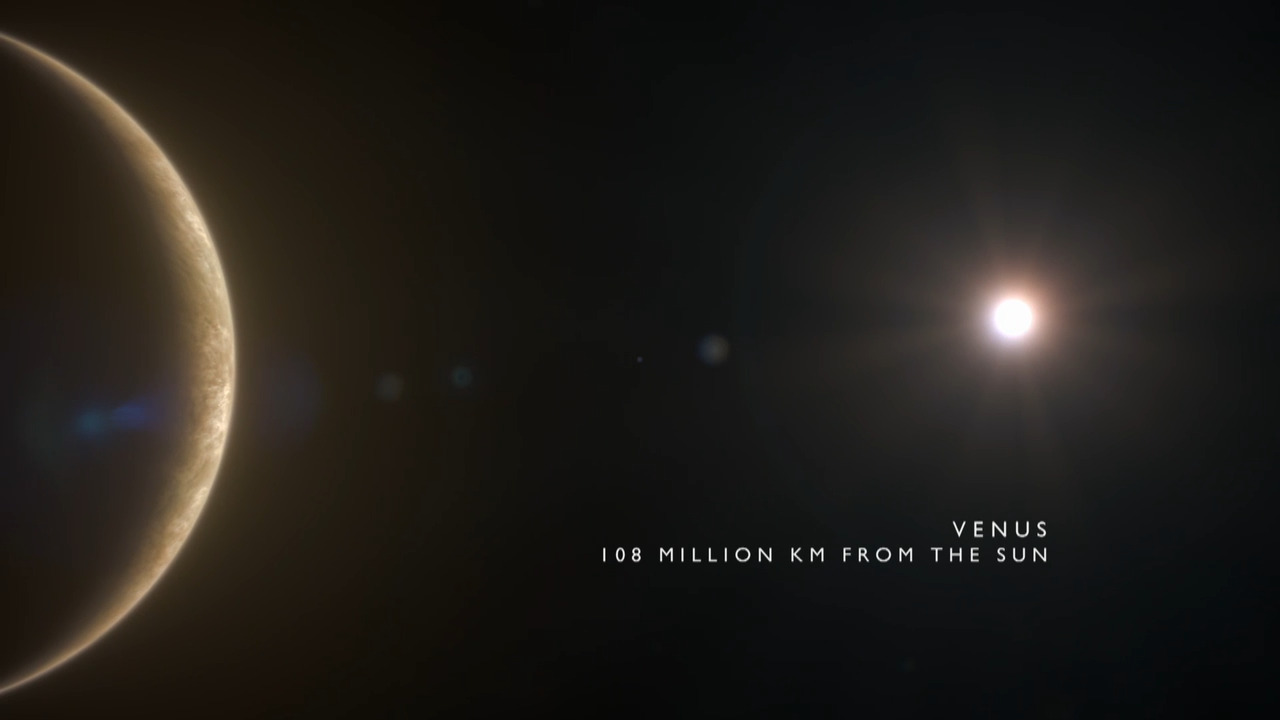
In Venus, the Sci-Fi Planet, Professor Brian Cox explains the efforts that Soviet scientists took to land on Venus. During this mission, they collected data about its atmosphere and took the first color photograph of its surface. Learn what makes Venus a planet that has inspired scientists and science fiction writers. This video is excerpted from BBC’s The Planets, a series that explores the dramatic lives of the eight planets in our Solar System.
Journey beyond the Solar System to explore exoplanets, distant stars, and the search for new worlds. From planets orbiting faraway suns to potentially habitable worlds light-years from Earth, discover how astronomers are uncovering new corners of the universe.
This Kahoot explores the science of exoplanet discovery, space exploration, and the technologies that allow us to detect and study worlds we cannot directly see while revealing how each new discovery expands our understanding of the cosmos.
Watch the related videos linked below, then take the Kahoot and see how much you know about the incredible worlds waiting to be discovered beyond our Solar System.
In Discovering a Habitable Planet, Professor Stephane Udry and his team use the most powerful planet detection instrument in the world, located deep in the desert of Chile. By observing distant stars and detecting subtle wobbles caused by the gravitational pull of orbiting planets, they discovered Gliese 581c, a potentially habitable planet similar in some ways to Earth.
In How Rare Is Our Planet?, Dr. Lynn Rothschild explains the delicate balance that makes Earth unique. She focuses on the habitable zone — the perfect distance from the Sun that allows liquid water to exist allowing life to thrive. This exact positioning results in a tiny wobble in the star, which makes it extremely challenging to find another planet with conditions similar to Earth’s.
In Exploring a New Planet and Its Atmosphere, Dr. Lynn Rothschild ventures into the Atacama Desert to explore the environmental conditions of Gliese 581c, the smallest and most Earth-like exoplanet detected so far. Despite some similarities to Earth, this exoplanet is much closer to its star, which leads to significant differences in its conditions. This video is excerpted from BBC’s Earth: The Power of the Planet, a documentary that explores the fascinating geology on planet Earth.
In A Side-by-Side Look at Earth and Titan, Professor Brian Cox discusses Titan, Saturn's moon, where methane exists as water does on Earth — forming clouds, lakes, and rain. This frozen moon offers scientists a glimpse into what Earth might have been like before its oxygen-rich atmosphere developed. This video is excerpted from BBC’s Wonders of the Solar System, a spellbinding documentary series that explores the most extreme locations on Earth to explain how the laws of physics carved natural wonders across the Solar System.
From the scorching surface of Mercury to the icy winds of Neptune, this BBC Learning Hub playlist takes you on an awe-inspiring voyage across our celestial neighborhood. Explore the mysteries of alien worlds, witness dramatic planetary weather, uncover the origins of Saturn’s rings, and ponder life on Mars. Whether you're a curious stargazer or a space science enthusiast, these video clips from landmark BBC series like The Planets and Wonders of the Solar System will ignite learner's imagination and deepen your cosmic curiosity.
Explore one of the solar system's greatest mysteries in this Kahoot about Saturn's iconic rings and the discoveries that are changing what scientists thought they knew. From clues about their origins to evidence that they may be much younger than expected, discover why Saturn's rings continue to fascinate scientists.
This Kahoot explores planetary science, space exploration, and the evidence researchers use to uncover the history of distant worlds while revealing surprising facts about one of the most recognizable features in our solar system.
Watch the BBC videos about Saturn's rings (below), then take the Kahoot and see how much you know about Saturn's spectacular and ever-changing rings.
The article "Everything You Need to Know About Space Travel (Almost)" from BBC's Science Focus covers the history of space travel, its importance for science and humanity, the challenges of interstellar travel, and the benefits of space exploration.
In How the Human Body Adjusts to Space Travel, host Harith Iskander explains the challenges astronauts face when traveling in space. These challenges include nausea, dizziness, and disorientation due to the lack of gravity. This video is excerpted from BBC’s Got Science?, a science magazine series that explores and explains science in everyday life.
After a historic 10-day mission around the Moon — the first time humans have traveled so far into space since the 70s — the Artemis II crew came away with crucial knowledge: appreciate doors on bathrooms.
Commander Reid Wiseman dished on some other reflections about the trip. For example, the crew didn’t even realize what a big deal this was to people on Earth and didn’t hear much of the news until they talked to their families a few days into the mission. We suppose that’s what happens when you literally have your head in the clouds.
Not only was the journey unforgettable for science, but it was also personally significant for the crew members. One of the most powerful moments came when astronaut Jeremy Hansen named a lunar crater after Wiseman’s late wife, Carroll, a pivotal moment that solidified the crew’s bond.
But that bond wasn’t just to make things more fun — getting along in space is actually a matter of safety, and life inside a spacecraft requires serious teamwork. Think about sharing a room with a stinky sibling or living with a roommate who keeps eating your snacks. Now imagine that, in a room one-fifth the size and no way to escape! The astronauts lived, slept, and worked in extremely close quarters, so it was important to deal with disagreements immediately instead of letting tension build.
As exciting as it was to orbit the Moon, the return to Earth may have been just as intense. The crew re-entered the atmosphere at about 39 times the speed of sound. That’s about 30,000 miles per hour. They experienced forces of about four times normal gravity — about what you feel during the most intense parts of a roller coaster, but the astronauts felt this way for about 13 minutes. Nonstop! And that’s all before parachuting into the Pacific Ocean. All that probably makes it just a little more exhilarating than your bus ride to school.
Way above the noise and traffic of New York City, rooftops are being transformed into something unexpected— farms in the sky. What used to be empty, unused space is now filled with soil, vegetables, herbs, and community gardens, all with a sweeping view of the skyline.
Some of these rooftop farms use over 200,000 pounds of soil and grow around 30 different crops, turning concrete rooftops into living green spaces. Fresh food is being grown right in the heart of the city — so local it can go from roof to table in the same neighborhood.
But these gardens aren’t just about food. They help the city work better in quiet but powerful ways. They soak up rainwater to reduce flooding and ease pressure on sewer systems during storms. They also help cool buildings in the summer, which can lower energy use and costs.
And beyond the science, rooftop gardens have another impact: they’re peaceful, beautiful places that bring nature into one of the busiest cities in the world — showing that even in a concrete jungle, something green can still grow.
In Venus, the Sci-Fi Planet, Professor Brian Cox explains the efforts that Soviet scientists took to land on Venus. During this mission, they collected data about its atmosphere and took the first color photograph of its surface. Learn what makes Venus a planet that has inspired scientists and science fiction writers. This video is excerpted from BBC’s The Planets, a series that explores the dramatic lives of the eight planets in our Solar System.