Got Science?: How the Human Body Adjusts to Space Travel
In How the Human Body Adjusts to Space Travel, host Harith Iskander explains the challenges astronauts face when traveling in space. These challenges include nausea, dizziness, and disorientation due to the lack of gravity. This video is excerpted from BBC’s Got Science?, a science magazine series that explores and explains science in everyday life.

A science magazine series that explores and explains the science in everyday life. Learn more.
Lesson Express
Q: What is weightlessness, and how does it affect astronauts' bodies in space?
A: Weightlessness means there is no gravity pulling on the body, so astronauts don’t need to use their muscles as much. This can make their muscles weaker over time.
Q: How do astronauts feel when they return to Earth?
A: When astronauts come back to Earth, they feel dizzy and disoriented because their bodies need to readjust to gravity, which they haven’t felt in space.
Q: Why do astronauts need to work hard to hold their heads up after coming back to Earth?
A: Since astronauts haven't needed to use their neck muscles much in space, they have to build their strength again when they return, which can make holding their heads up feel difficult.
You Might Also Like
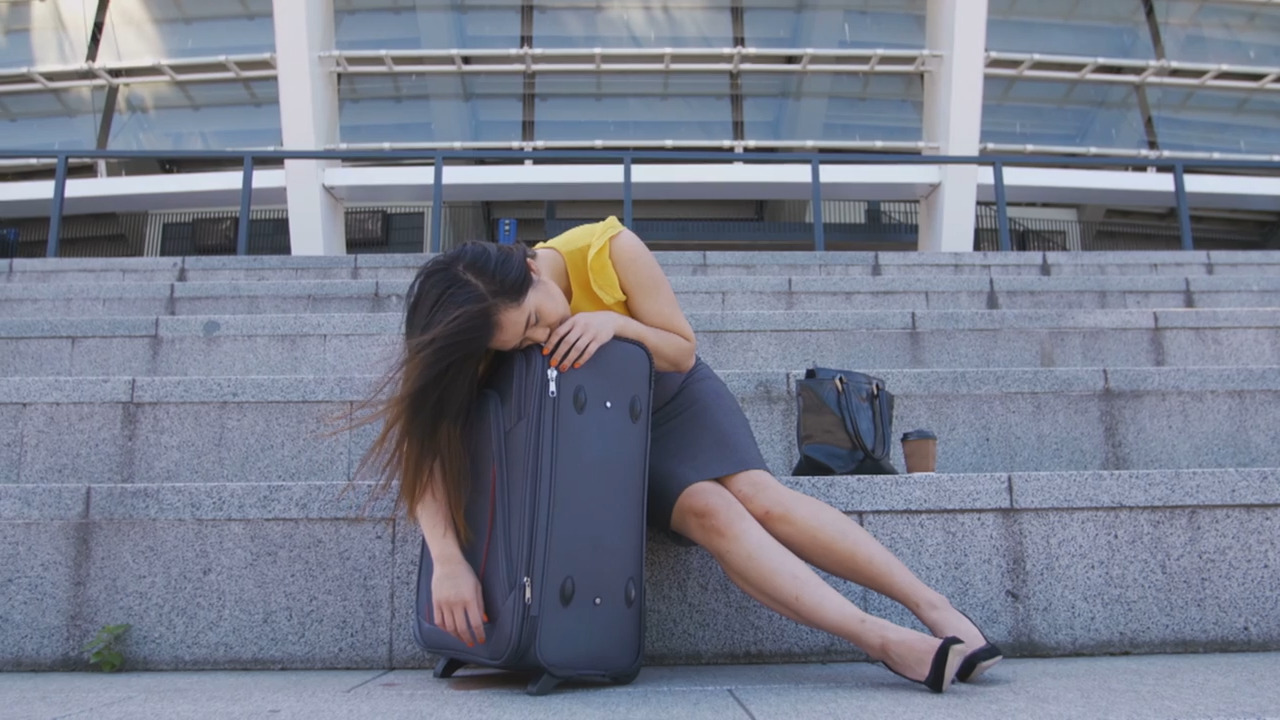
In Understanding Jet Lag, host Harith Iskander explains how jet lag occurs when a person’s internal clock doesn’t match the external time of a new location. The brain’s oscillator cells in the hypothalamus, which help regulate our sleep-wake cycles, struggle to adjust quickly. Traveling east can be especially difficult because it shortens the body’s natural circadian cycle, while flying west allows for more gradual adjustment. This video is excerpted from BBC’s Got Science?, a science magazine series that explores and explains science in everyday life.
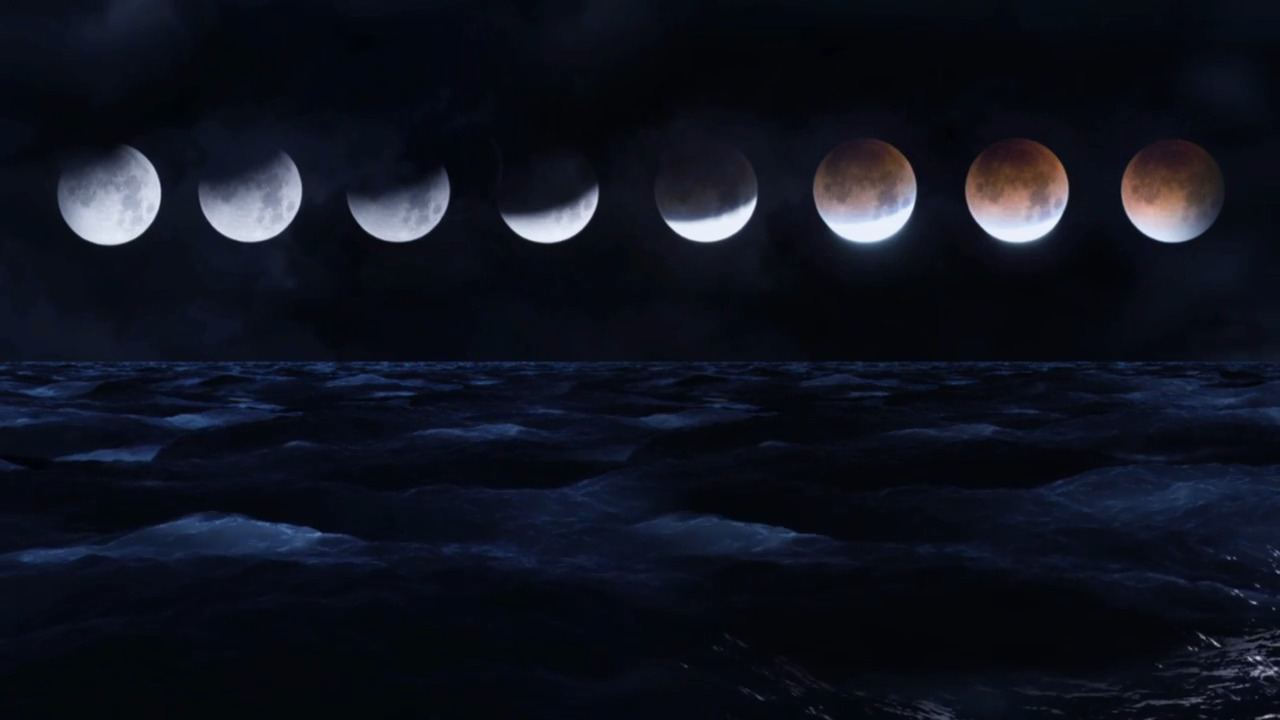
In Does the Moon Affect Human Behavior? host Harith Iskander debunks myths that connect the Moon's phases to human behavior, particularly the idea of "lunacy" or madness. The Moon's gravitational pull does influence tides, but it does not have an effect on the water in our bodies, despite common myths. Learn about the Moon’s gravitational force and its real effects on Earth, as well as the science that dispels these longstanding myths. This video is excerpted from BBC’s Got Science?, a science magazine series that explores and explains science in everyday life.
In Understanding Jet Lag, host Harith Iskander explains how jet lag occurs when a person’s internal clock doesn’t match the external time of a new location. The brain’s oscillator cells in the hypothalamus, which help regulate our sleep-wake cycles, struggle to adjust quickly. Traveling east can be especially difficult because it shortens the body’s natural circadian cycle, while flying west allows for more gradual adjustment. This video is excerpted from BBC’s Got Science?, a science magazine series that explores and explains science in everyday life.
In Does the Moon Affect Human Behavior? host Harith Iskander debunks myths that connect the Moon's phases to human behavior, particularly the idea of "lunacy" or madness. The Moon's gravitational pull does influence tides, but it does not have an effect on the water in our bodies, despite common myths. Learn about the Moon’s gravitational force and its real effects on Earth, as well as the science that dispels these longstanding myths. This video is excerpted from BBC’s Got Science?, a science magazine series that explores and explains science in everyday life.