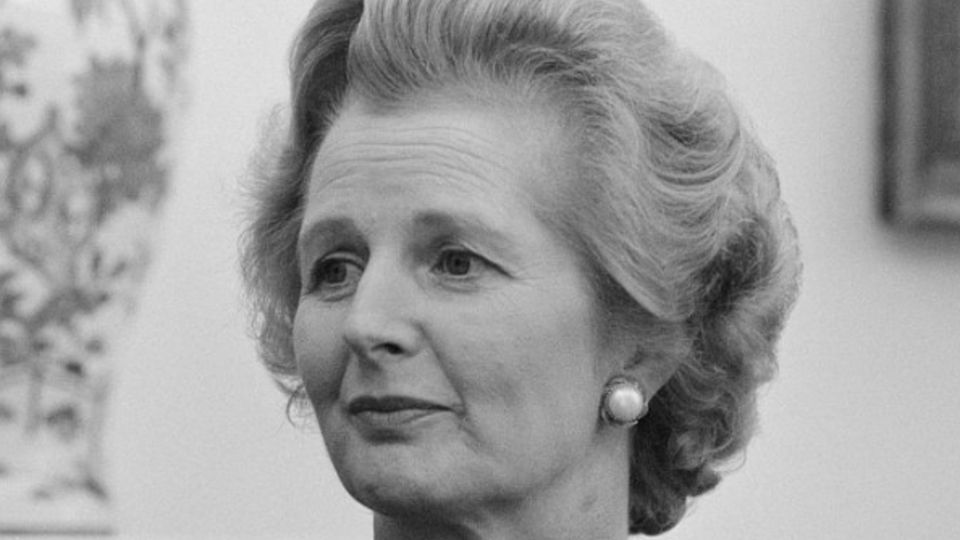
Explore the experiences of women who reached the highest levels of political leadership in this Kahoot about power, representation, and social change. Through the stories of Margaret Thatcher, Hillary Clinton, and Michelle Bachelet, students will examine how gender, prejudice, and feminism have shaped women’s paths to leadership in different countries and time periods.
This Kahoot explores the challenges and expectations faced by women in politics, including public perception, stereotypes, representation, and the debate over equality and leadership. Students will build listening skills, vocabulary, and historical awareness while considering how women leaders have influenced politics and challenged traditional ideas about power around the world.
Watch the related BBC video, Margaret Thatcher and Hillary Clinton, Women in Power, then invite your Grade 6–12 students to test their knowledge and explore how leadership and representation continue to shape society today.
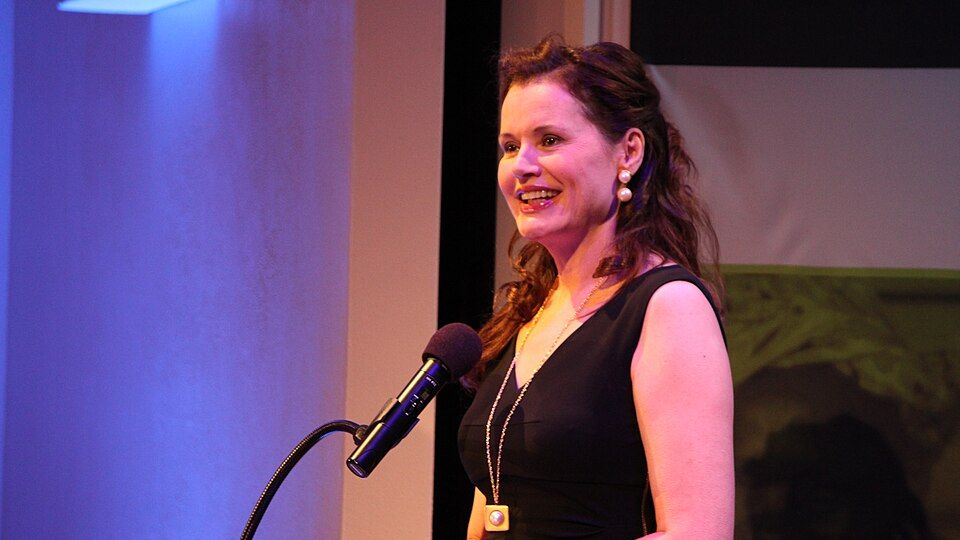
Explore how women are represented in films and why those portrayals matter in this Kahoot inspired by BBC’s Her Story —The Female Revolution. Through the ideas and research shared by Geena Davis and the Geena Davis Institute on Gender in Media, students will examine how movies and television influence the way people think about gender, power, and equality.
This Kahoot explores questions about representation, stereotypes, screen time, leadership roles, and how media can shape expectations for girls and boys. Students will build listening skills, vocabulary, and critical-thinking abilities while considering why balanced representation in film and entertainment can have a powerful social impact.
Watch the related BBC video, The Fight for Females in Film, then invite your Grade 6–12 students to test their knowledge and explore how storytelling and media influence culture, identity, and opportunity.
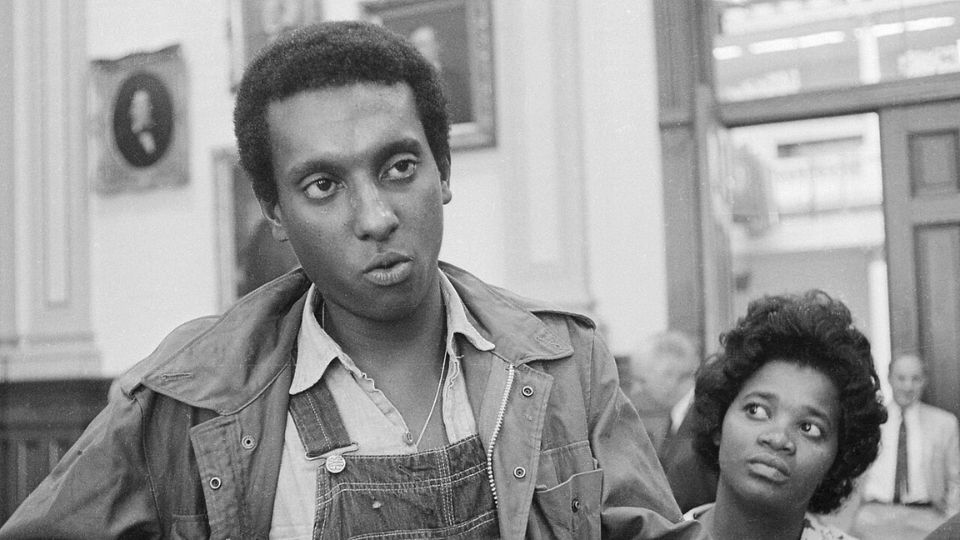
Explore the life and influence of Stokely Carmichael, a powerful voice in the shift from the Civil Rights Movement to the rise of the Black Power Movement. Students will learn how Carmichael challenged ideas about race, identity, equality, and political activism during a time of major change in the United States.
This Kahoot examines Carmichael’s role in student activism, voting rights campaigns, and the growing call for Black pride, self-determination, and social change during the 1960s and beyond. Students will build listening skills, expand vocabulary, and deepen their historical understanding while exploring how protest movements evolve and how leaders can influence public debate and culture.
Ideal for lessons on history, civil rights, culture, and social movements, this Kahoot encourages Grade 6–12 students to think critically about resistance, identity, and the continuing impact of activism today.
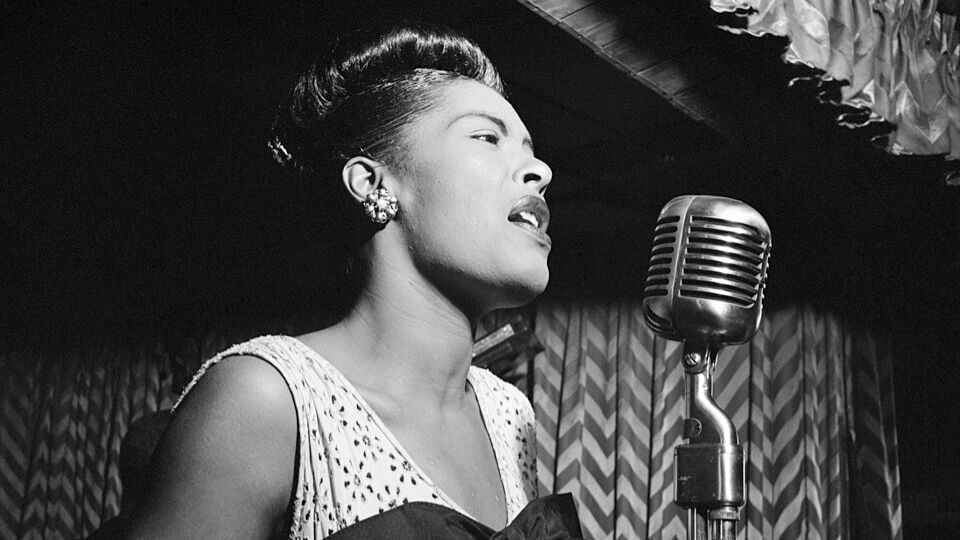
Discover the powerful story and lasting influence of Billie Holiday, one of the most important voices in American music history. Students will explore how her unforgettable style, emotional performances, and groundbreaking songs helped shape jazz culture while shining a light on the realities of segregation and racism in the United States.
This Kahoot examines Holiday’s life and music, including the rise of jazz clubs during the Harlem Renaissance, the challenges Black performers faced during segregation, and the impact of her famous protest song, "Strange Fruit." Students will build listening skills, expand vocabulary, and deepen their understanding of how music can inspire awareness, emotion, and social change.
Watch the related BBC videos (for mature viewers), Billie Holiday, a Voice Against Injustice and Billie Holiday and Strange Fruit, then invite your Grade 9–12 students to test their knowledge and explore the powerful connection between music, history, and culture.
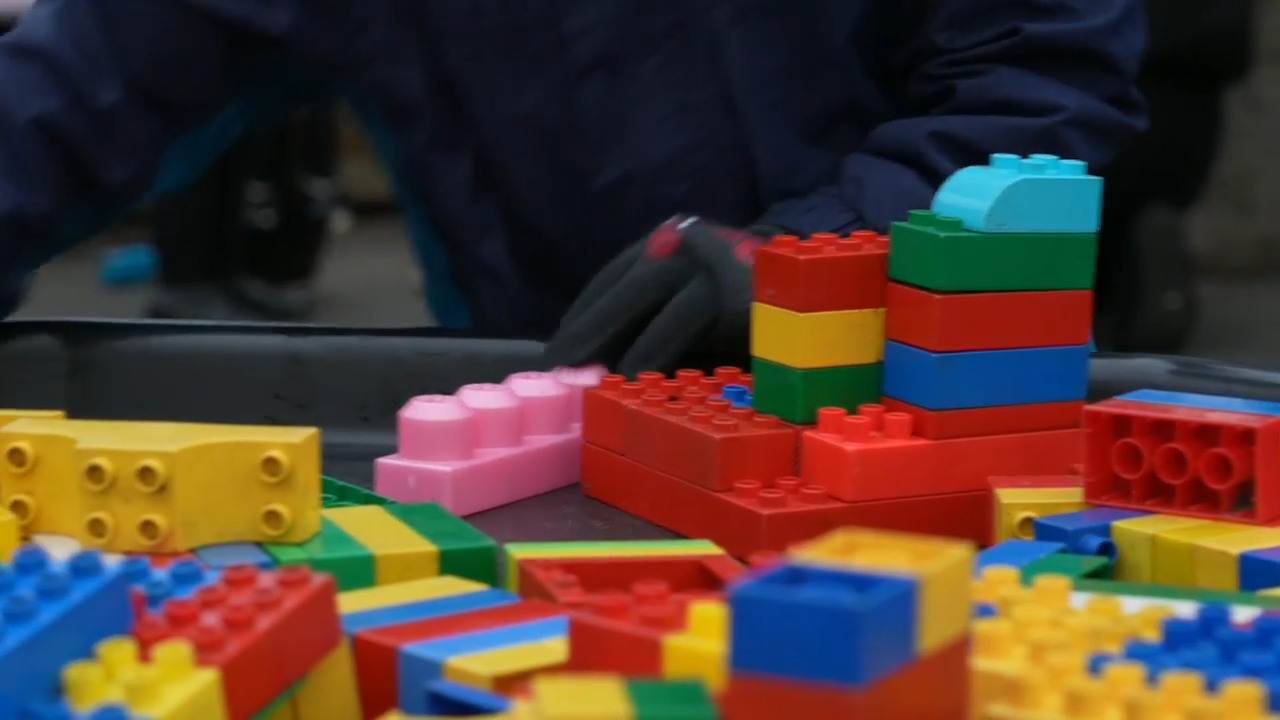
Kids today can swipe before they can tie their shoes — but some teachers say all that screen time may be changing the way young children learn, talk, and handle emotions. One preschool is pushing back by focusing on hands-on play, conversation, creativity, and movement instead of tablets and videos. Teachers say they’re seeing more kids struggle to explain what they want, calm themselves down, or interact socially after spending hours watching screens instead of experiencing the real world firsthand. Experts recommend no screens at all for children under 2, and no more than 30 minutes a day for ages 2–5.
Explore the experiences of women who reached the highest levels of political leadership in this Kahoot about power, representation, and social change. Through the stories of Margaret Thatcher, Hillary Clinton, and Michelle Bachelet, students will examine how gender, prejudice, and feminism have shaped women’s paths to leadership in different countries and time periods.
This Kahoot explores the challenges and expectations faced by women in politics, including public perception, stereotypes, representation, and the debate over equality and leadership. Students will build listening skills, vocabulary, and historical awareness while considering how women leaders have influenced politics and challenged traditional ideas about power around the world.
Watch the related BBC video, Margaret Thatcher and Hillary Clinton, Women in Power, then invite your Grade 6–12 students to test their knowledge and explore how leadership and representation continue to shape society today.
Explore how women are represented in films and why those portrayals matter in this Kahoot inspired by BBC’s Her Story —The Female Revolution. Through the ideas and research shared by Geena Davis and the Geena Davis Institute on Gender in Media, students will examine how movies and television influence the way people think about gender, power, and equality.
This Kahoot explores questions about representation, stereotypes, screen time, leadership roles, and how media can shape expectations for girls and boys. Students will build listening skills, vocabulary, and critical-thinking abilities while considering why balanced representation in film and entertainment can have a powerful social impact.
Watch the related BBC video, The Fight for Females in Film, then invite your Grade 6–12 students to test their knowledge and explore how storytelling and media influence culture, identity, and opportunity.
Explore the life and influence of Stokely Carmichael, a powerful voice in the shift from the Civil Rights Movement to the rise of the Black Power Movement. Students will learn how Carmichael challenged ideas about race, identity, equality, and political activism during a time of major change in the United States.
This Kahoot examines Carmichael’s role in student activism, voting rights campaigns, and the growing call for Black pride, self-determination, and social change during the 1960s and beyond. Students will build listening skills, expand vocabulary, and deepen their historical understanding while exploring how protest movements evolve and how leaders can influence public debate and culture.
Ideal for lessons on history, civil rights, culture, and social movements, this Kahoot encourages Grade 6–12 students to think critically about resistance, identity, and the continuing impact of activism today.
Discover the powerful story and lasting influence of Billie Holiday, one of the most important voices in American music history. Students will explore how her unforgettable style, emotional performances, and groundbreaking songs helped shape jazz culture while shining a light on the realities of segregation and racism in the United States.
This Kahoot examines Holiday’s life and music, including the rise of jazz clubs during the Harlem Renaissance, the challenges Black performers faced during segregation, and the impact of her famous protest song, "Strange Fruit." Students will build listening skills, expand vocabulary, and deepen their understanding of how music can inspire awareness, emotion, and social change.
Watch the related BBC videos (for mature viewers), Billie Holiday, a Voice Against Injustice and Billie Holiday and Strange Fruit, then invite your Grade 9–12 students to test their knowledge and explore the powerful connection between music, history, and culture.
Kids today can swipe before they can tie their shoes — but some teachers say all that screen time may be changing the way young children learn, talk, and handle emotions. One preschool is pushing back by focusing on hands-on play, conversation, creativity, and movement instead of tablets and videos. Teachers say they’re seeing more kids struggle to explain what they want, calm themselves down, or interact socially after spending hours watching screens instead of experiencing the real world firsthand. Experts recommend no screens at all for children under 2, and no more than 30 minutes a day for ages 2–5.