Social Emotional Learning With Bluey Is Perfect for Back to School
And we have the lessons and printables you need!
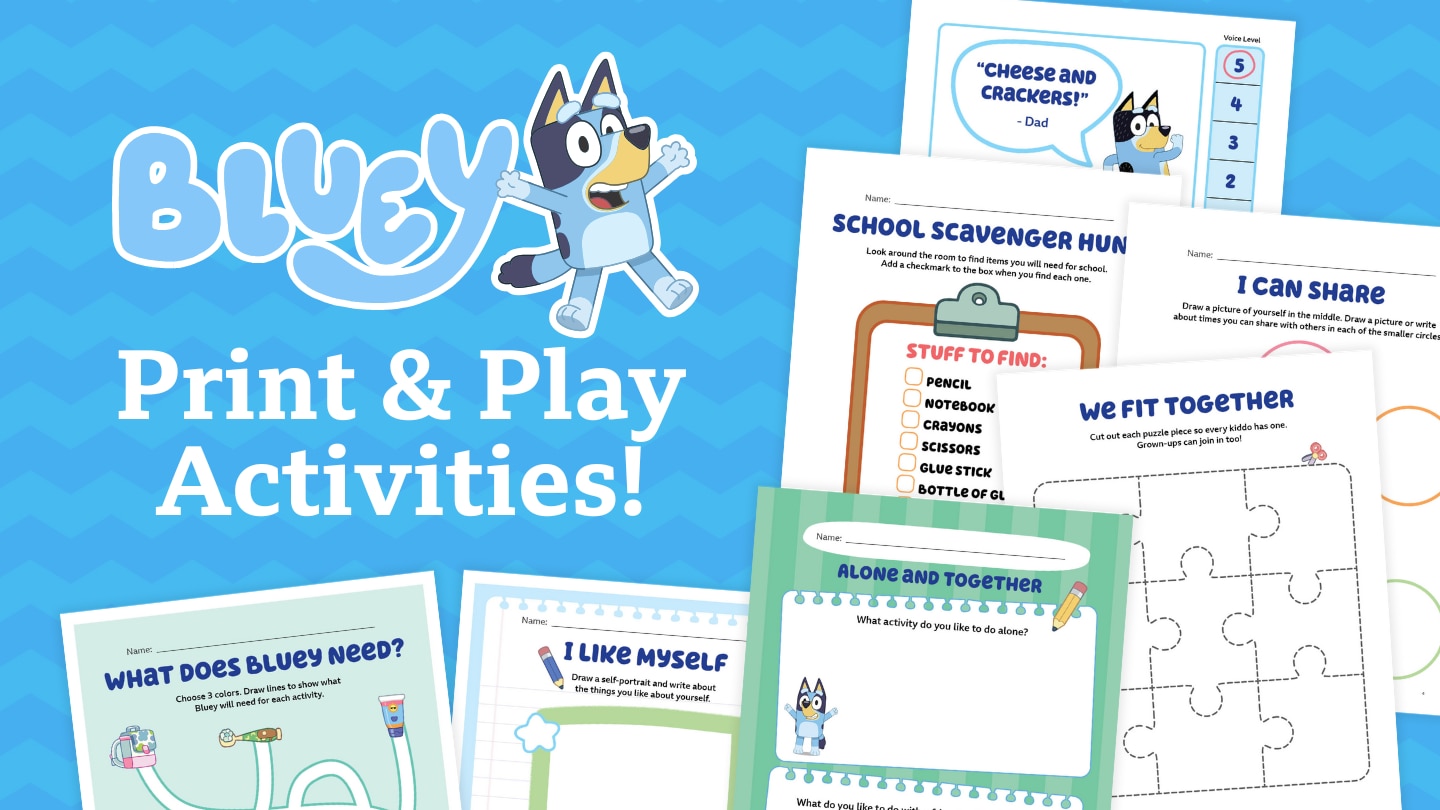
You’d have to be under a rock (or a green kiwi rug) not to have heard of Bluey, the wildly popular Aussie animated series about a lovable and inexhaustible 6-year-old puppy who, along with her sister Bingo, parents, and friends, is learning all about the world. But the show is way more than goofy, blue-hued fun. It’s one of the few TV series to unite kids and parents, thanks to its heartfelt stories about relationships, play, and emotional growth.
And this Back to School season, teachers can bring that same magic straight into their classrooms with our Bluey Collection — rolling social-emotional learning (SEL) skills into lessons students will actually want to engage in.
Why Bluey Works So Well for Teaching SEL
Kids can easily see themselves in Bluey’s world. Between her big imagination and everyday family life, the show mirrors the spaces where children practice their own SEL skills — school, home, and the playdates and errands in between.
The characters are lighthearted, funny, and most importantly, real. They squabble, throw tantrums, fib, and make up — just like kids do. There’s no preachy “after-school special” moment here. Instead, Bluey models emotional growth through play, problem-solving, and conversations that sound exactly like the ones happening in your classroom every day.
That’s what makes it such a natural fit for SEL. Kids don’t just watch Bluey and those in her world learn about perseverance or empathy — they feel it right along with her.
Highlights From the Bluey Collection
The BBC Learning Hub's Bluey Collection features 15 classroom-ready bundles, each built around a freely available Bluey episode. Each lesson zeroes in on a specific SEL skill — teamwork, fairness, handling setbacks — and includes printables, guided activities, and discussion questions.
Here’s some of the highlights you’ll find in each bundle:
-
Playful guidance. The lesson guides read like they came straight from the Heeler household — lighthearted and full of charm (e.g. “Give each salad-dodger a blank cape”).
-
No-fuss materials. Activities use simple classroom supplies — paper, glue, scissors — so you can focus on connection, not cleanup.
-
Beautiful visuals. The graphics and illustrations have been plucked right from Bluey’s colorful world.
Want to take a peek? The “Just Be Yourself” bundle uses the episode “Movies” to spark a classroom discussion on being true to who you are. It includes:
-
Instructions and decorations for DIY courage capes
-
A self-portrait and “I Like Myself” reflection worksheet
-
A printable class puzzle activity (available in four, nine, or 16 pieces)
How To Teach a Lesson
Keep the tone playful — just like the show. Here’s a sequence that works well:
1. Intro (2 minutes): “Today we’re watching an episode of Bluey called ‘Ice Cream.’ [Pause for wild applause.] Let’s see what Bluey and Bingo learn about fairness.”
2. Viewing (7 minutes): Show the episode.
3. Guided discussion (5 minutes): Ask, “Why were Bluey and Bingo so worried about fairness? What happened? What did they learn?”
4. Activity (10–15 minutes): Complete one (or more!) of the activities from the bundle.
5. Reflection (3 minutes): Have students share one way they’ll practice fairness at school or home.
Kicking Off Back to School With Bluey
Is it just us or is the beginning of the school year the exact right time to teach social emotional skills? You're already working to build classroom community at the same time you establish rules, expectations, and procedures. The Bluey Collection can help! Try working your way through one lesson a week, which will get you solidly into the school year. Our favorite lessons for Back to School include:
-
We Make a Great Team: Promote teamwork by building a Bluey-themed cup tower.
-
It's Fairly Fair: Time to learn to share! Great opportunities for classroom conversations.
-
Just Be Yourself: Shake up your usual "All About Me" activities. You're going to love the "We Fit Together" puzzle.
-
Boring Things Are Important: Can you say school supply scavenger hunt?
-
Let's Stay Up Even Later: Introducing a calm down corner? Add Muffin's "Skipped a Sleep" calm down jar + "Muffin's Afternoon Nap" poster.
Final Heeler Thoughts
Bluey brings joy, creativity, and heaps of heart to the classroom. Woven in with the laughter about magic asparagus or melting ice cream are real-life tools for kids: listening, sharing, handling disappointment, and trying again.
When teachers tap into that, the result isn’t “cartoon time” — it’s play-based learning students will remember. With Bluey, SEL doesn’t feel like an add-on. It is the game.
Looking for the episodes? Watch full episodes here.
Create your free account to save resources, create video playlists, and get free printables!
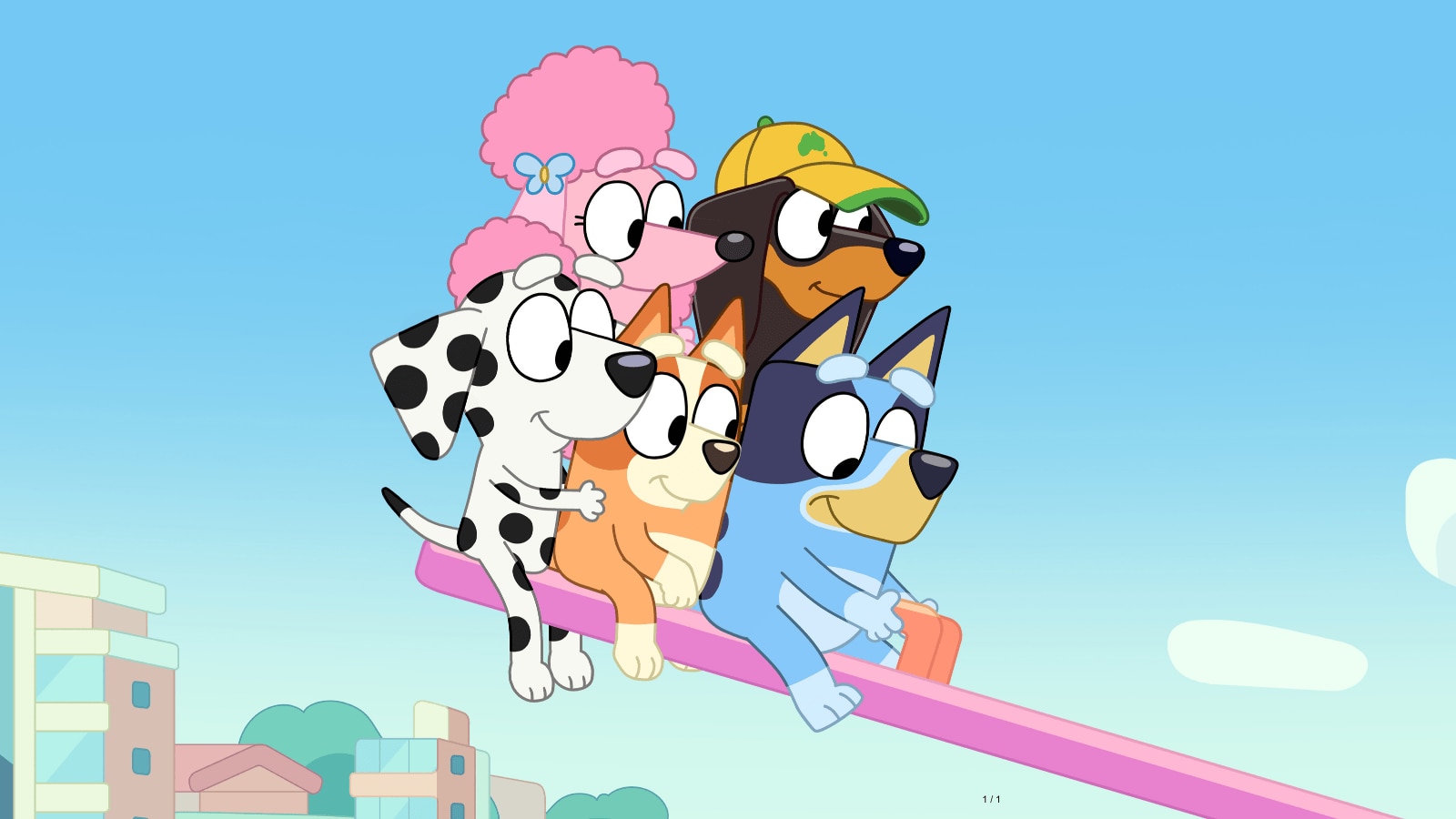
Easy, joyful activities for kids ages 4–7 inspired by Bluey and her family.
You Might Also Like