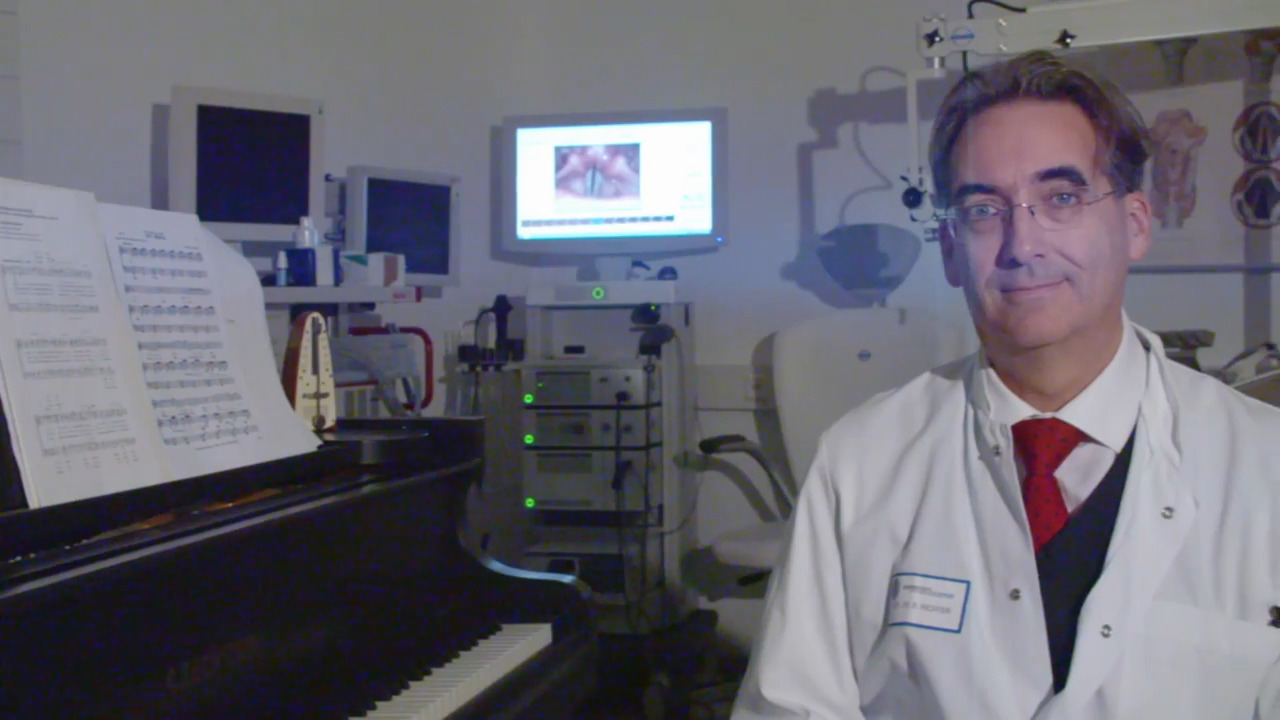
In How Polyphonic Singing Works, explore the fascinating phenomenon of polyphonic singing. The video features Wolfgang, a singer who can produce two notes at once. Using an MRI, Wolfgang and researchers uncover the mechanics behind this rare ability, revealing how changes in the shape of the tongue and larynx allow the vocal apparatus to create distinct tones simultaneously. This video is excerpted from BBC’s The World’s Most Extraordinary People, a documentary series revealing how rare medical conditions inspire groundbreaking scientific discoveries.
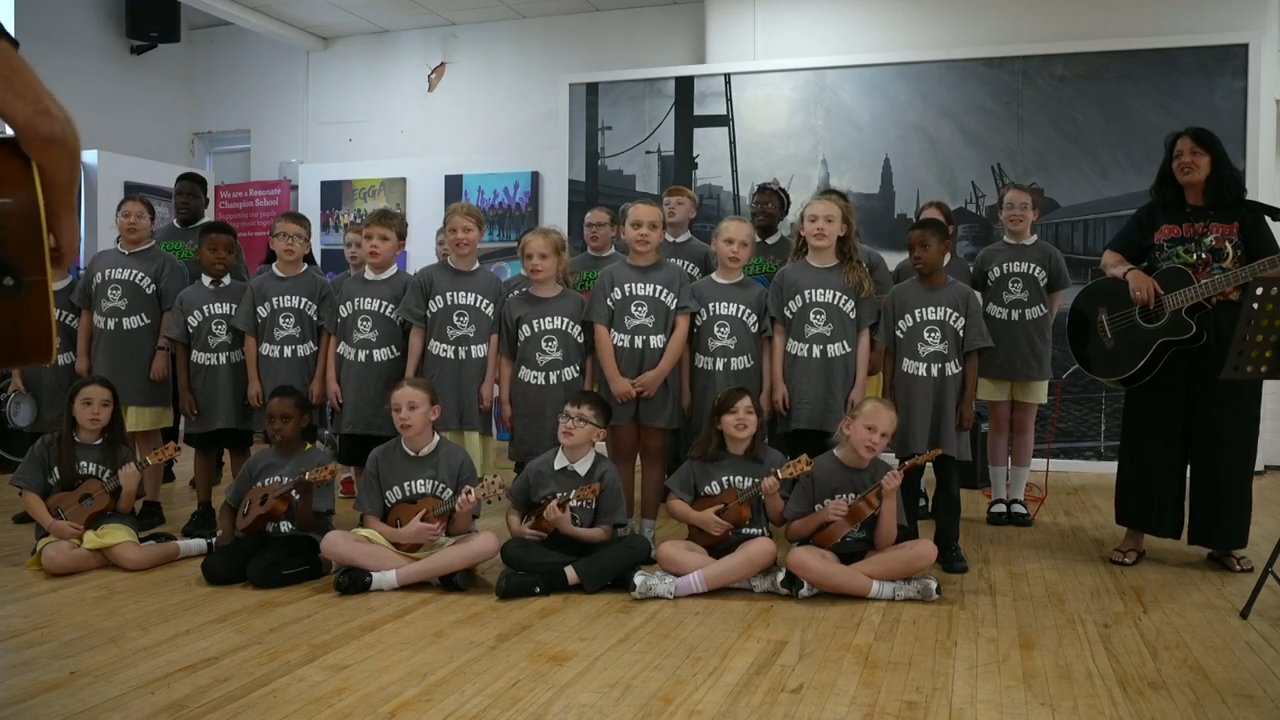
When you join your school band, you probably expect to perform in your school auditorium for friends and family. No shade to Gramps, but imagine the excitement when a group of kids learned that they were going to be performing at the massive Anfield Stadium, home of Liverpool Football Club. Multiply that by 10,000,000, and that’s a fraction of what they may have felt when they learned they would be performing a Foo Fighters song there FOR the Foo Fighters!
The Bell Tower Beats is a band from Anfield Road Primary School, who had the pleasure (and pressure) of playing "Times Like These" by the Foo Fighters for the actual members of the Foo Fighters. The performance was organized by a year three teacher, and has gone viral on news and media sources. Not only was the performance fun, but it helped bring attention to the opportunity to join the school band.

Discover the powerful story and lasting influence of Billie Holiday, one of the most important voices in American music history. Students will explore how her unforgettable style, emotional performances, and groundbreaking songs helped shape jazz culture while shining a light on the realities of segregation and racism in the United States.
This Kahoot examines Holiday’s life and music, including the rise of jazz clubs during the Harlem Renaissance, the challenges Black performers faced during segregation, and the impact of her famous protest song, "Strange Fruit." Students will build listening skills, expand vocabulary, and deepen their understanding of how music can inspire awareness, emotion, and social change.
Watch the related BBC videos (for mature viewers), Billie Holiday, a Voice Against Injustice and Billie Holiday and Strange Fruit, then invite your Grade 9–12 students to test their knowledge and explore the powerful connection between music, history, and culture.
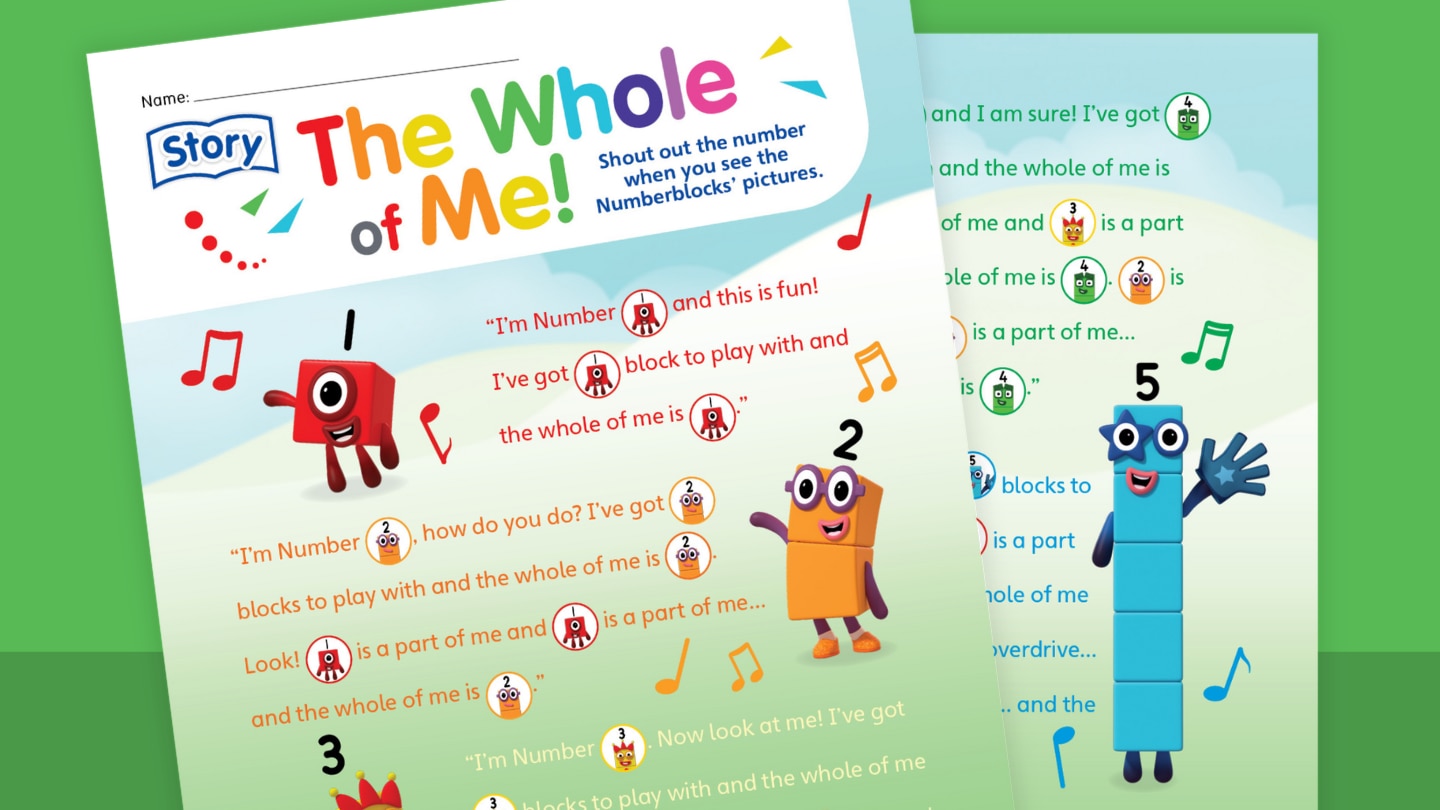
Shout of the number when you see the Numberblocks' pictures.
"I'm number 1 and this is fun! I've gone 1 block to play with and the whole of me is 1."
"I'm number 2, how do you do? I've got blocks to play with and the whole of me is 2. Look! 1 is part of me and 1 is part of me... and the whole of me is 2."
Watch full episodes of Numberblocks on their official YouTube channel!
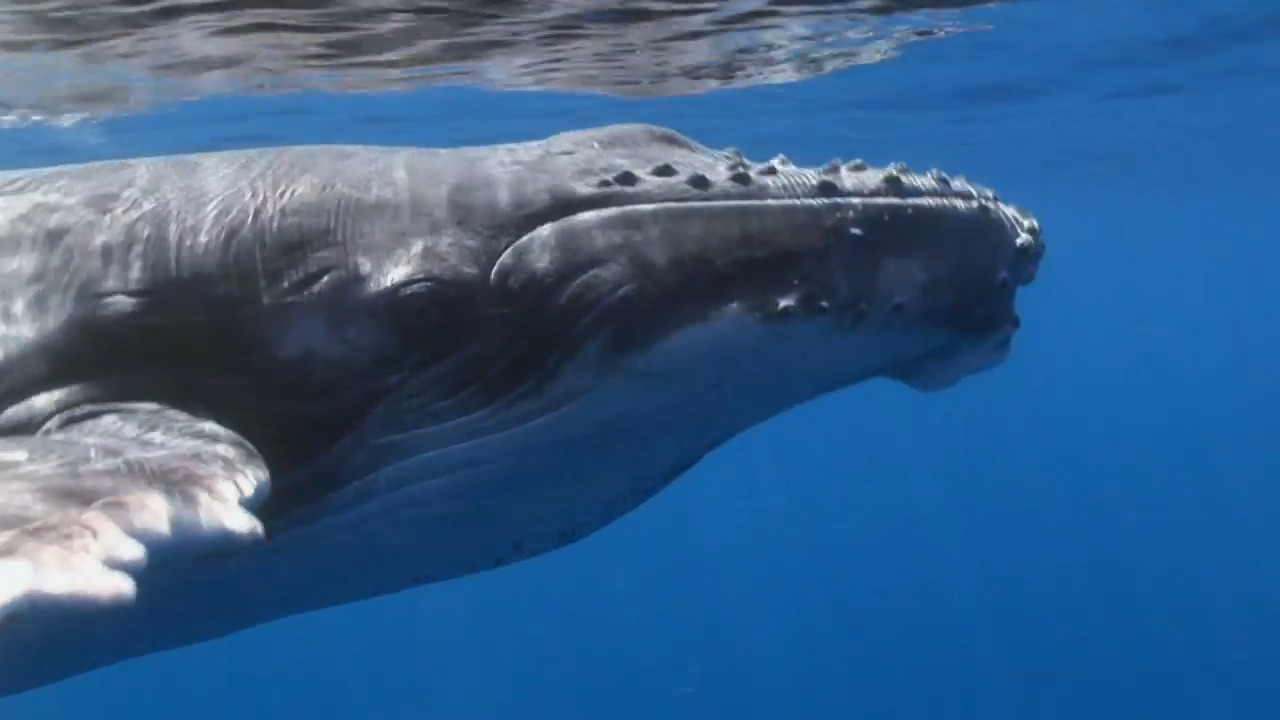
In Inside a Humpback Whale Nursery, narrator Sir David Attenborough discovers what a whale nursery is like. Explore the shallow seas where humpback whales sing to attract a mate, birth calves, and teach them to swim. This video is excerpted from BBC's Planet Earth, a breathtaking documentary series that highlights the natural wonders of our planet.
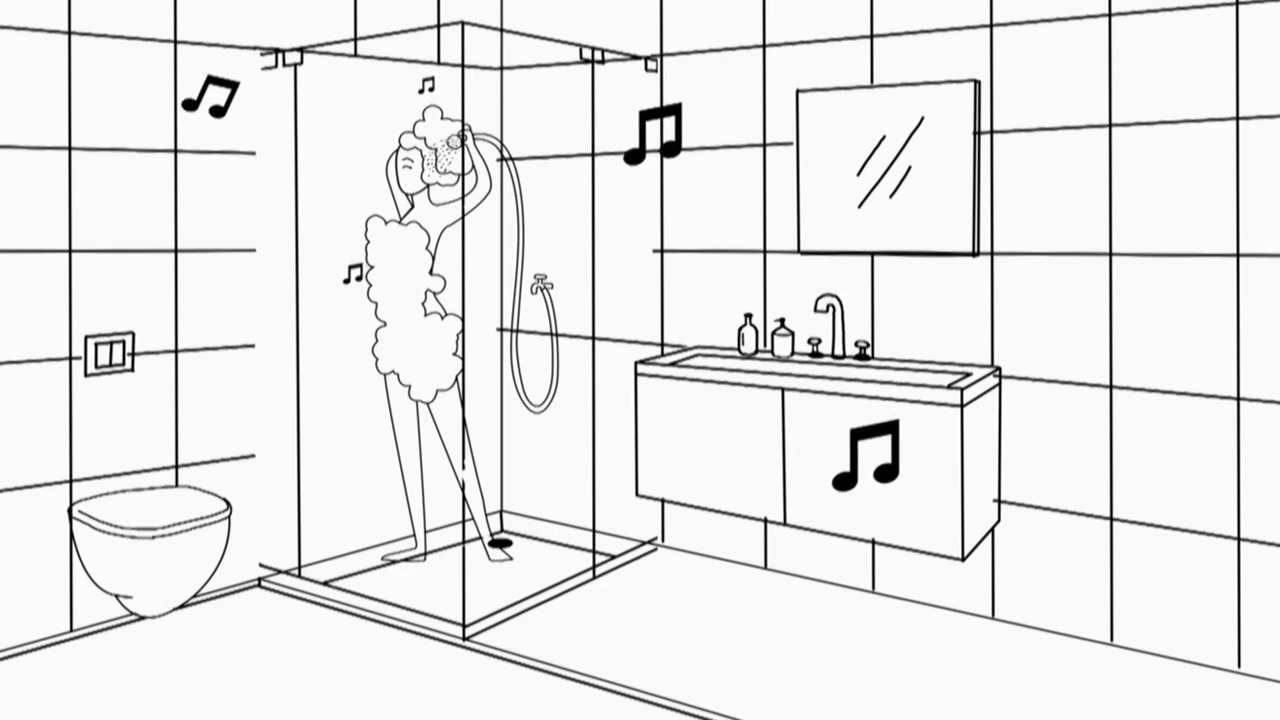
In Why Your Voice Sounds Different in the Shower, host Harith Iskander explains why singing in the shower often sounds better than you might think. This happens because bathrooms have special acoustics. The smooth, hard surfaces like tiles and mirrors reflect sound waves back to you, making your voice sound louder and clearer. This video is excerpted from BBC’s Got Science?, a science magazine series that explores and explains science in everyday life.
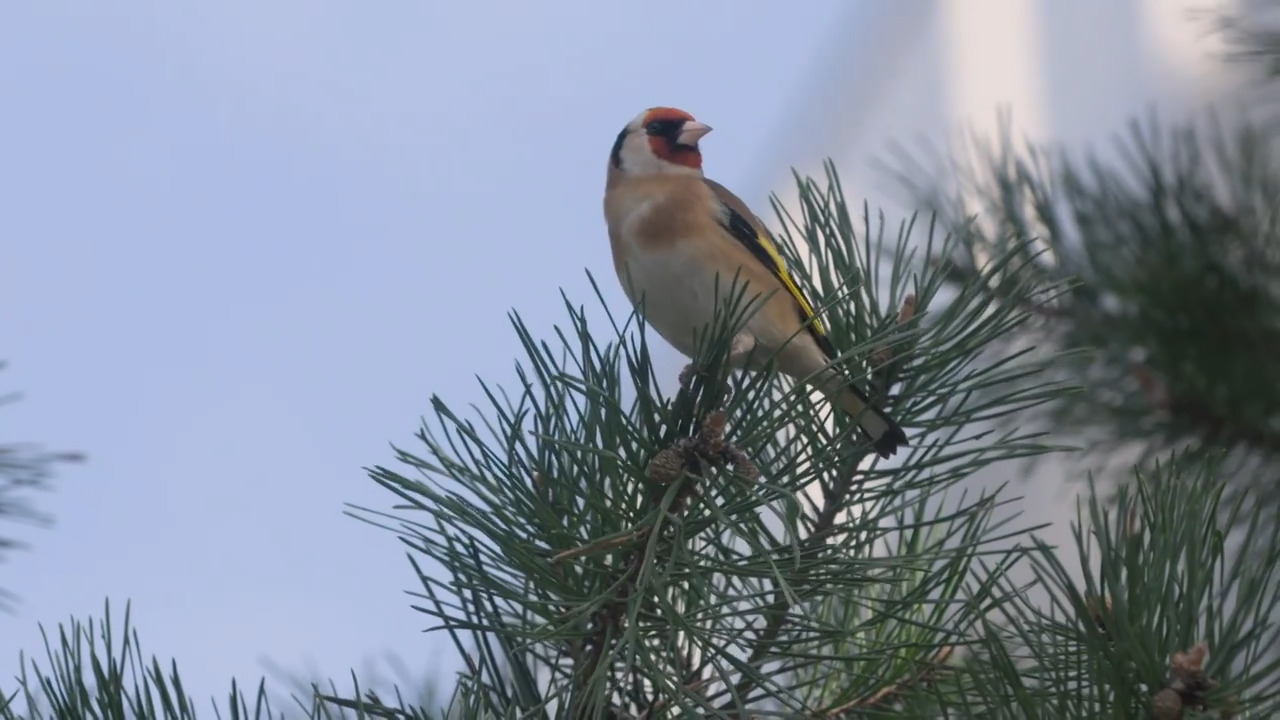
In Hey Blackbird, City Bird!, Ranger Hamza and the Ramblers search for a bird that has adapted to life in the city — the blackbird! They experience one way that the blackbird has adapted to life in the city: by singing. This video is excerpted from BBC's Ranger Hamza’s Eco Quest, a nature exploration show in which Ranger Hamza and the Ramblers go on quests to discover nature’s wonders and the important role they play in our environment.
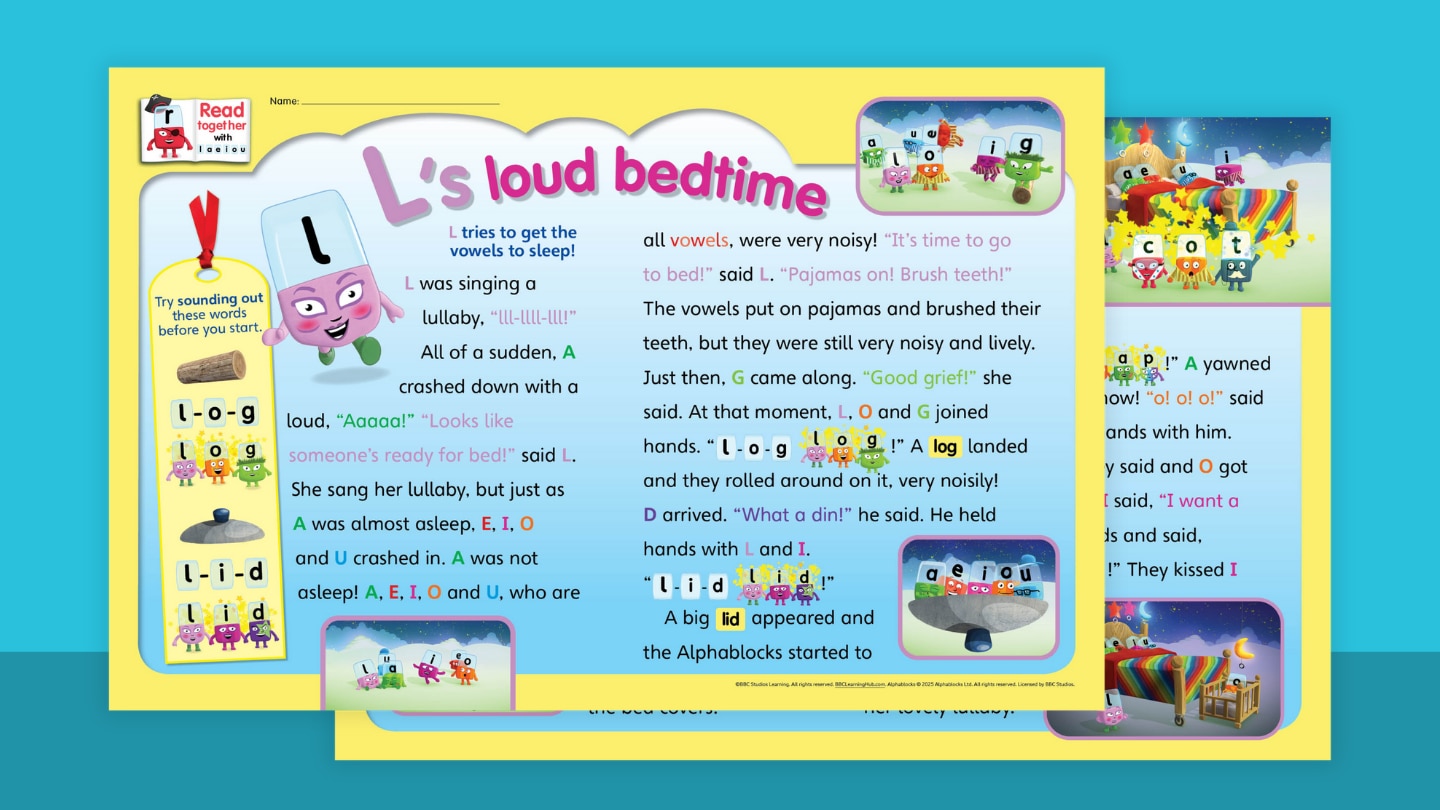
Practice blending sounds with a silly bedtime story. Read along, build the words, and see if you can help L get the vowels to sleep!
L was singing a lullaby, "lll-lll-lll!" All of a sudden, A crashed down with a loud, "Aaaaa!" "Looks like someone's ready for bed!" said L. She sang her lullaby but just as A was almost asleep, E, I, O, and U crashed in.
Watch full episodes of Alphablocks on their official YouTube channel!
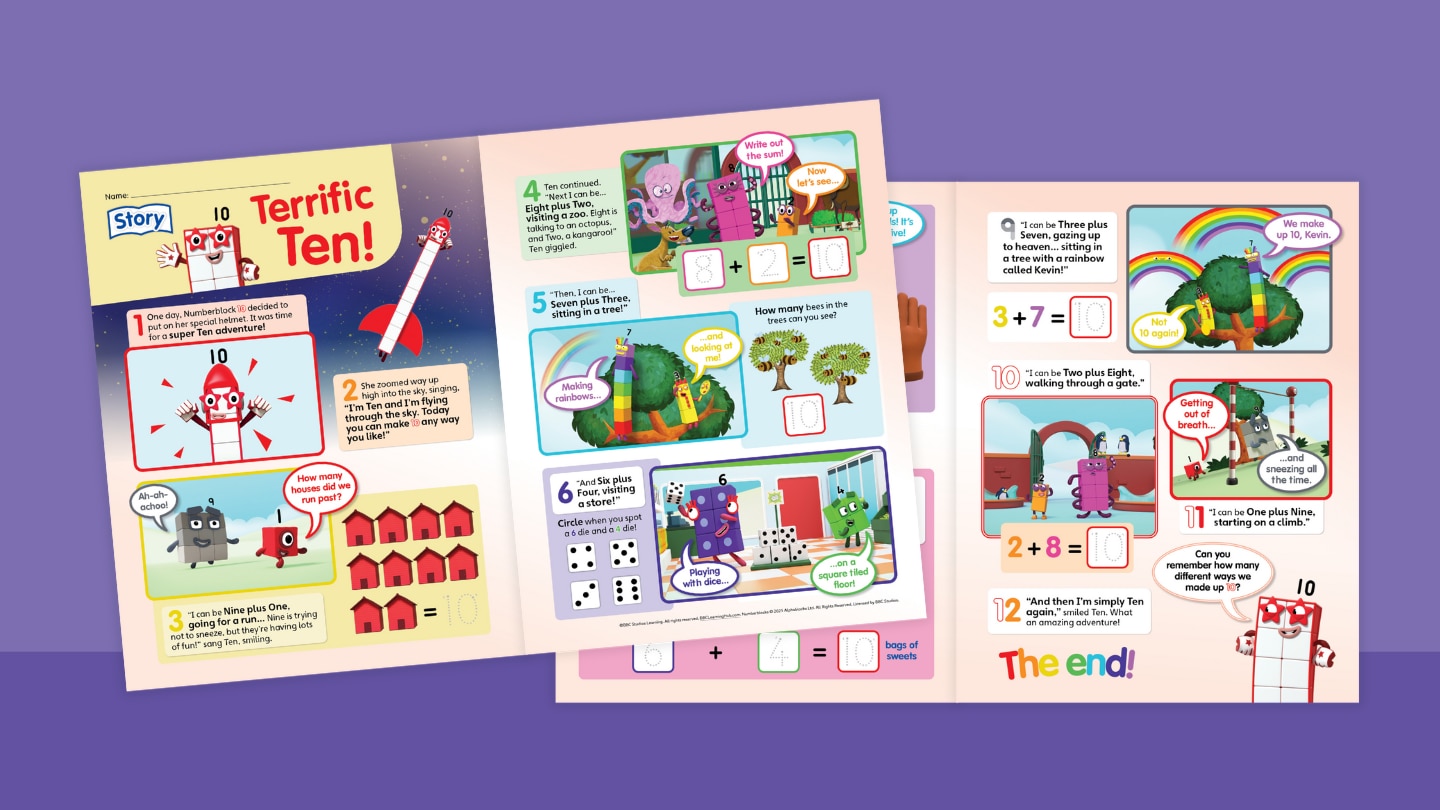
Tag along with Terrific Ten as you read her story! It goes like this:
One day, Numberblock 10 decided to put on her special helmet. It was time for a super Ten adventure She zoomed way up high into the sky, singing, “I’m Ten and I’m flying through the sky. Today you can make 10 any way you like!"
How will Ten's friends help her?
Watch full episodes of Numberblocks on their official YouTube channel!

In Singapore, an Urban Habitat, narrator Sir David Attenborough explores urban habitats. Though urban habitats aren’t usually conducive to plant and animal life, he suggests that humans can design cities more in harmony with nature. For example, Singapore has more species of life than any other in the world, thanks to intentional planting of trees, metal “supertrees,” and the cleaning of waterways. This video is excerpted from BBC’s Planet Earth II, a breathtaking documentary series that highlights the natural wonders of our planet.

In Building Urban Havens for Wildlife, narrator Sir David Attenborough shows how urban areas like Milan, Italy, and Singapore are designing spaces to support wildlife. By incorporating nature into city planning, these cities create habitats for wildlife, helping to preserve biodiversity and promote sustainability. This video is excerpted from BBC’s Planet Earth II, a breathtaking documentary series that highlights the natural wonders of our planet.
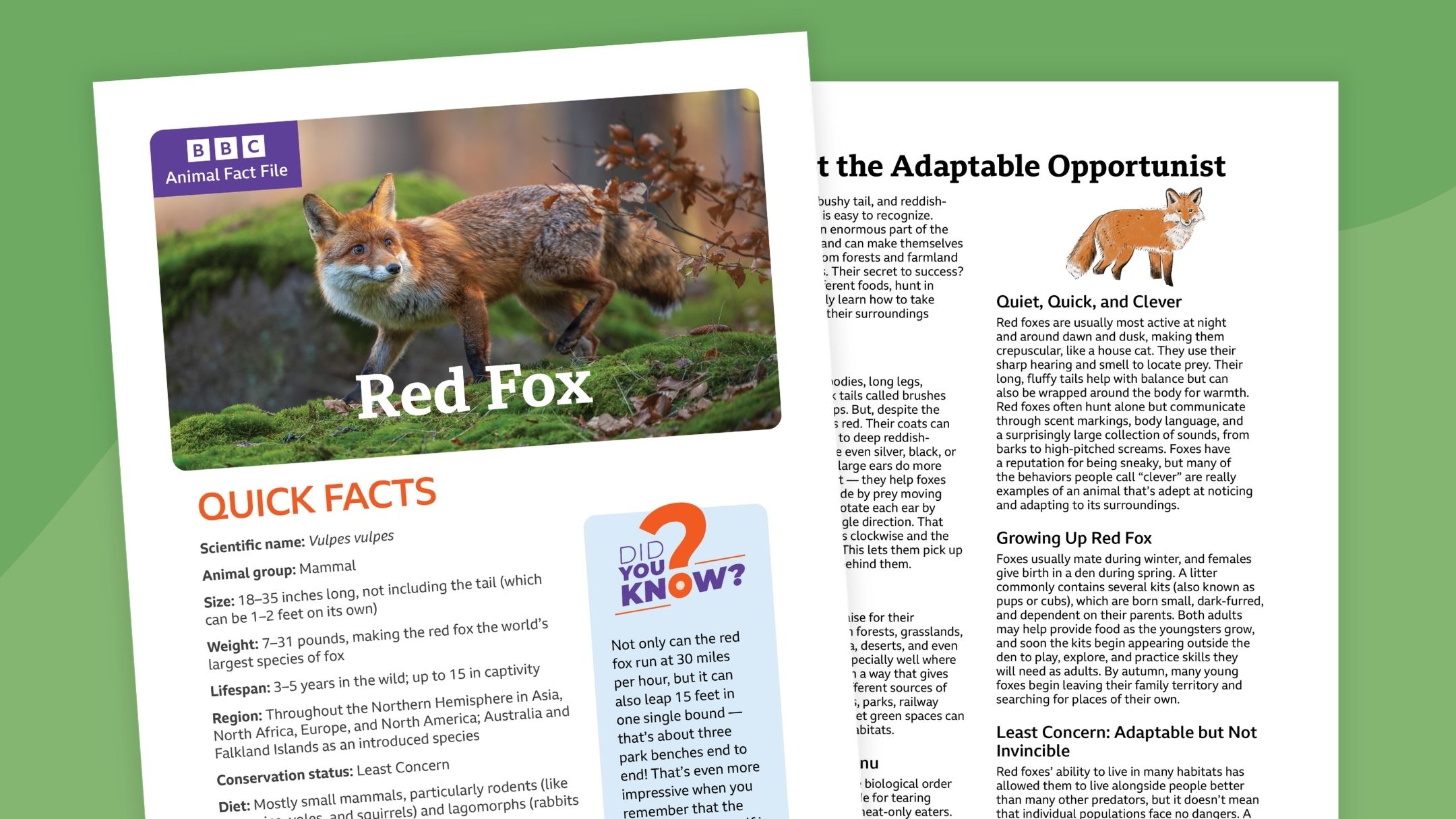
What animal can run 30 miles per hour, leap 15 feet in a single bound, and make itself at home in forests, deserts, farmland, and even cities?
Red foxes are masters of adapting to their surroundings. Explore how their sharp senses, flexible diet, and varied hunting strategies help them find food and survive in habitats all over the world. You'll also discover how foxes communicate, raise their young, and navigate life alongside people — and why being adaptable doesn't make them invincible.
Teachers and parents, you can use this fact file to:
- Introduce an animal, wildlife, or life science unit
- Support nonfiction reading and vocabulary practice
- Explore animal adaptations, behaviors, and habitats
- Compare animals and the ecosystems they live in
- Practice finding and organizing information from nonfiction texts
- Prepare students for animal research projects or presentations (use our animal report templates!)
- Connect science learning to conservation and environmental issues
- Pair with videos, articles, or other informational texts (see Related Resources below)
In How Polyphonic Singing Works, explore the fascinating phenomenon of polyphonic singing. The video features Wolfgang, a singer who can produce two notes at once. Using an MRI, Wolfgang and researchers uncover the mechanics behind this rare ability, revealing how changes in the shape of the tongue and larynx allow the vocal apparatus to create distinct tones simultaneously. This video is excerpted from BBC’s The World’s Most Extraordinary People, a documentary series revealing how rare medical conditions inspire groundbreaking scientific discoveries.
When you join your school band, you probably expect to perform in your school auditorium for friends and family. No shade to Gramps, but imagine the excitement when a group of kids learned that they were going to be performing at the massive Anfield Stadium, home of Liverpool Football Club. Multiply that by 10,000,000, and that’s a fraction of what they may have felt when they learned they would be performing a Foo Fighters song there FOR the Foo Fighters!
The Bell Tower Beats is a band from Anfield Road Primary School, who had the pleasure (and pressure) of playing "Times Like These" by the Foo Fighters for the actual members of the Foo Fighters. The performance was organized by a year three teacher, and has gone viral on news and media sources. Not only was the performance fun, but it helped bring attention to the opportunity to join the school band.
Discover the powerful story and lasting influence of Billie Holiday, one of the most important voices in American music history. Students will explore how her unforgettable style, emotional performances, and groundbreaking songs helped shape jazz culture while shining a light on the realities of segregation and racism in the United States.
This Kahoot examines Holiday’s life and music, including the rise of jazz clubs during the Harlem Renaissance, the challenges Black performers faced during segregation, and the impact of her famous protest song, "Strange Fruit." Students will build listening skills, expand vocabulary, and deepen their understanding of how music can inspire awareness, emotion, and social change.
Watch the related BBC videos (for mature viewers), Billie Holiday, a Voice Against Injustice and Billie Holiday and Strange Fruit, then invite your Grade 9–12 students to test their knowledge and explore the powerful connection between music, history, and culture.
Shout of the number when you see the Numberblocks' pictures.
"I'm number 1 and this is fun! I've gone 1 block to play with and the whole of me is 1."
"I'm number 2, how do you do? I've got blocks to play with and the whole of me is 2. Look! 1 is part of me and 1 is part of me... and the whole of me is 2."
Watch full episodes of Numberblocks on their official YouTube channel!
In Inside a Humpback Whale Nursery, narrator Sir David Attenborough discovers what a whale nursery is like. Explore the shallow seas where humpback whales sing to attract a mate, birth calves, and teach them to swim. This video is excerpted from BBC's Planet Earth, a breathtaking documentary series that highlights the natural wonders of our planet.
In Why Your Voice Sounds Different in the Shower, host Harith Iskander explains why singing in the shower often sounds better than you might think. This happens because bathrooms have special acoustics. The smooth, hard surfaces like tiles and mirrors reflect sound waves back to you, making your voice sound louder and clearer. This video is excerpted from BBC’s Got Science?, a science magazine series that explores and explains science in everyday life.
In Hey Blackbird, City Bird!, Ranger Hamza and the Ramblers search for a bird that has adapted to life in the city — the blackbird! They experience one way that the blackbird has adapted to life in the city: by singing. This video is excerpted from BBC's Ranger Hamza’s Eco Quest, a nature exploration show in which Ranger Hamza and the Ramblers go on quests to discover nature’s wonders and the important role they play in our environment.
Practice blending sounds with a silly bedtime story. Read along, build the words, and see if you can help L get the vowels to sleep!
L was singing a lullaby, "lll-lll-lll!" All of a sudden, A crashed down with a loud, "Aaaaa!" "Looks like someone's ready for bed!" said L. She sang her lullaby but just as A was almost asleep, E, I, O, and U crashed in.
Watch full episodes of Alphablocks on their official YouTube channel!
Tag along with Terrific Ten as you read her story! It goes like this:
One day, Numberblock 10 decided to put on her special helmet. It was time for a super Ten adventure She zoomed way up high into the sky, singing, “I’m Ten and I’m flying through the sky. Today you can make 10 any way you like!"
How will Ten's friends help her?
Watch full episodes of Numberblocks on their official YouTube channel!
In Singapore, an Urban Habitat, narrator Sir David Attenborough explores urban habitats. Though urban habitats aren’t usually conducive to plant and animal life, he suggests that humans can design cities more in harmony with nature. For example, Singapore has more species of life than any other in the world, thanks to intentional planting of trees, metal “supertrees,” and the cleaning of waterways. This video is excerpted from BBC’s Planet Earth II, a breathtaking documentary series that highlights the natural wonders of our planet.
In Building Urban Havens for Wildlife, narrator Sir David Attenborough shows how urban areas like Milan, Italy, and Singapore are designing spaces to support wildlife. By incorporating nature into city planning, these cities create habitats for wildlife, helping to preserve biodiversity and promote sustainability. This video is excerpted from BBC’s Planet Earth II, a breathtaking documentary series that highlights the natural wonders of our planet.
What animal can run 30 miles per hour, leap 15 feet in a single bound, and make itself at home in forests, deserts, farmland, and even cities?
Red foxes are masters of adapting to their surroundings. Explore how their sharp senses, flexible diet, and varied hunting strategies help them find food and survive in habitats all over the world. You'll also discover how foxes communicate, raise their young, and navigate life alongside people — and why being adaptable doesn't make them invincible.
Teachers and parents, you can use this fact file to:
- Introduce an animal, wildlife, or life science unit
- Support nonfiction reading and vocabulary practice
- Explore animal adaptations, behaviors, and habitats
- Compare animals and the ecosystems they live in
- Practice finding and organizing information from nonfiction texts
- Prepare students for animal research projects or presentations (use our animal report templates!)
- Connect science learning to conservation and environmental issues
- Pair with videos, articles, or other informational texts (see Related Resources below)