
The World's Smallest Violin, and What It Has To Do With Your iPhone
Nanolitho... Nanilitha... Hmm. Ahem. Nanolithography is the process of fabricating, etching, or printing patterns on a material’s surface at the nanometer (one billionth of a meter) scale. It’s OK, we had to look it up, too.
It’s probably not a word you hear in everyday life, but you’re likely familiar with some of the results. You’re probably reading this on one of those results, because it’s a prominent part of building phones and computers — both things that rely on technology that allows manufacturers to pattern incredibly small things. The process is similar to screen printing, where you create a stencil of your design, lay your screen onto your material, pour on the paint, and lift your screen to reveal the design. Nanolithography uses a similar method, but on a much, much, much smaller scale. Way smaller stuff than you’d ever get your pencil sharp enough to sketch!
For example, scientists have created the world’s smallest violin at 13 microns wide and 40 microns tall. To put it in perspective, a micron is 0.000001 m, and one single human hair is between 15 and 120 microns. So you probably can’t play the violin, but it’d be really easy to pack in your bag.
Aside from being cool, learning how to work with material at this teeny tiny scale can open up new possibilities in technology, and is crucial for making improvements.
Take the Challenge
More News Stories
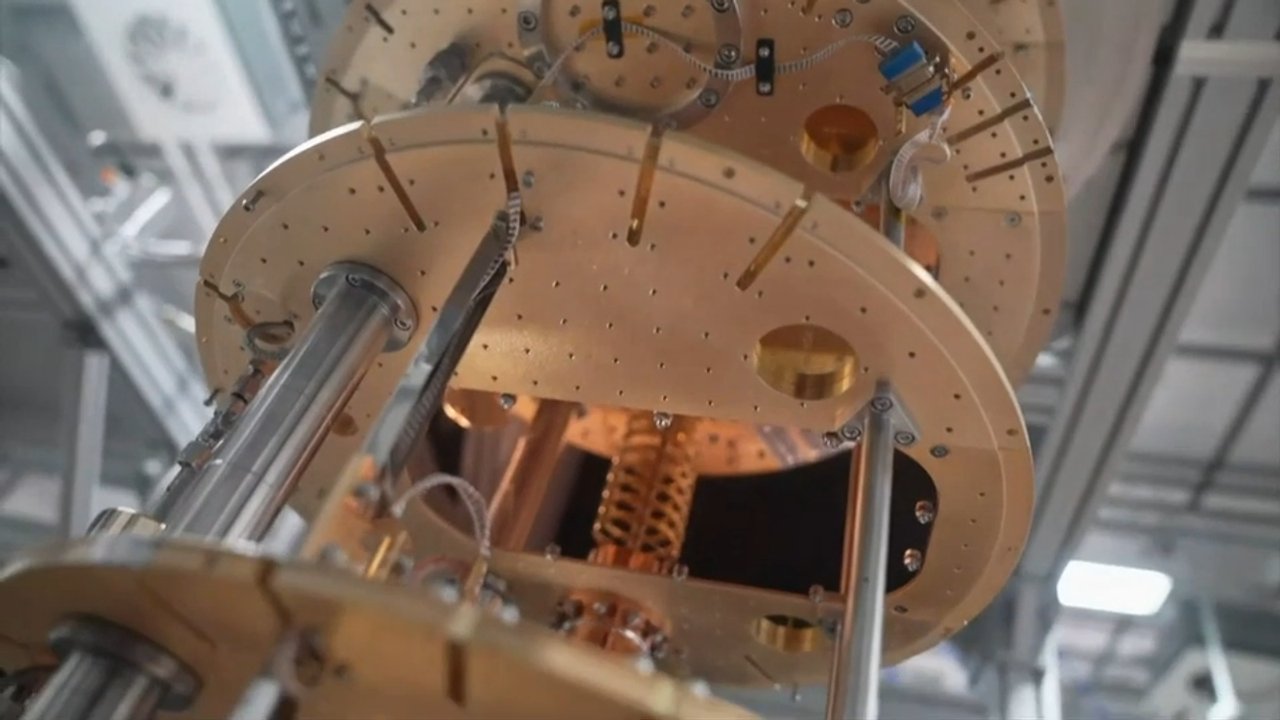
Computer chips (the tech kind, not the potato kind) normally work by moving electrons, tiny particles that carry electricity. Wave Photonics, a company based in Cambridge, England, is designing chips that use photons instead. Photons are particles of light.
Chips that use light can carry more information while using less energy. That makes them especially useful for AI data centers, the huge buildings full of computers that power tools like chatbots, and for quantum computers. They're part of a wider push to make quantum technology smaller and practical enough to build in large numbers. The industry is growing so quickly that Wave Photonics plans to double its staff.
Quantum computers are hard to build, but they could be worth the effort. They use the strange rules of quantum mechanics, the science of how the tiniest particles behave. That lets them tackle certain problems in a completely different way from ordinary computers. For some tasks, they could one day be far faster than even today's most powerful machines.
In the early days of the industry, governments were cautious and mostly bought from companies with a proven track record. Now they're more willing to take chances on newer companies.
If quantum computing keeps growing, it could eventually change fields like medicine, by helping scientists design new drugs, and finance. It could also become a bigger part of the economy.
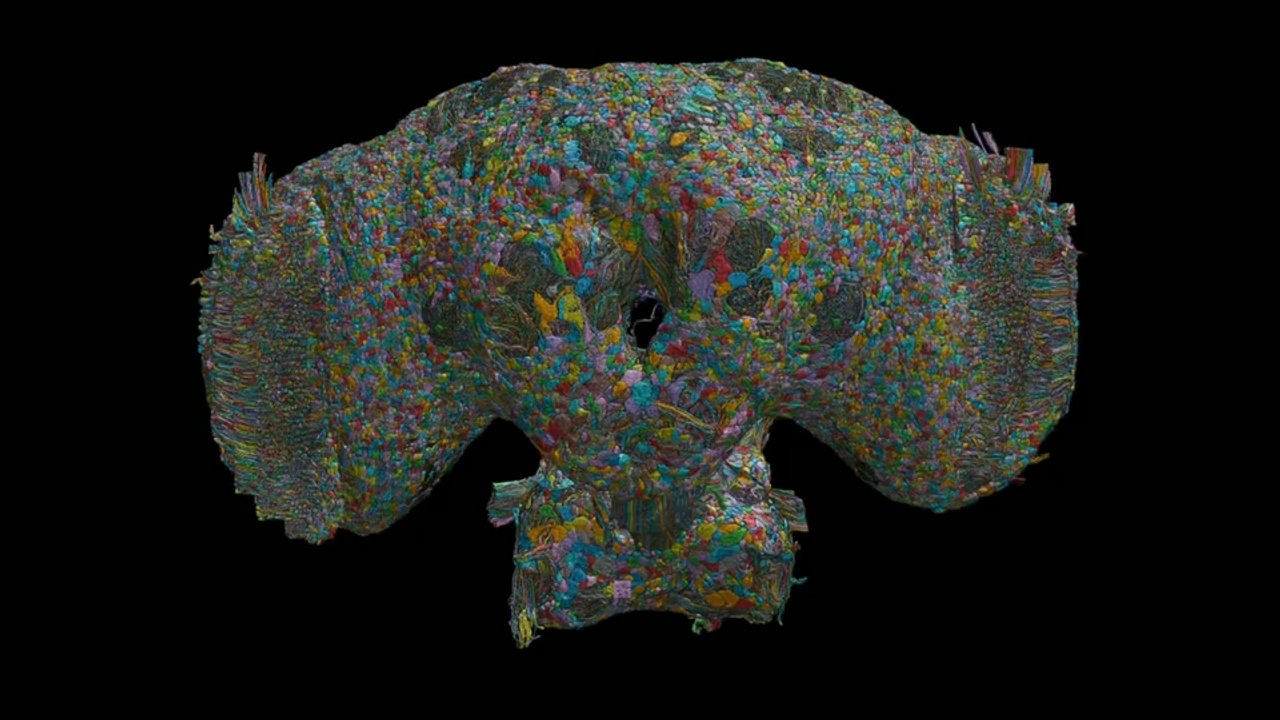
“Beautiful on the inside” may be weirdly appropriate for bugs, considering the 3D map of the male fruit fly brain and nervous system more closely resembles a museum-worthy mosaic or a bowl of fruity cereal than the tiny nuisance you’re used to seeing flying around your apples. Scientists recently created this colorful detailed map by slicing and analyzing every nerve cell with an electron microscope — that’s a microscope that uses accelerated electrons instead of visible light to produce images that can be both extremely magnified and incredibly clear at the same time.
The same team previously mapped a female fly brain a couple of years ago and compared the male and female brains to see that roughly 95% of their brain wiring was similar, while about 5% differed.
But those small differences make for some big differences in behavior, including courtship, aggression, detecting competitors, and producing a “love song” by beating the wings.
It's not news (to these scientists, at least) that just two genes were linked to these behaviors, but comparing these 3D maps helped them learn more about the connection between those genes and the specific brain circuits producing the behavior.
Researchers hope the same logic around connecting genes to brain wiring to behavior can eventually be applied to other animals and maybe even humans! This might help scientists investigate conditions with strong genetic influences, including schizophrenia and autism.
“Please, can we have more mosquitoes?” said nobody ever. Until now.
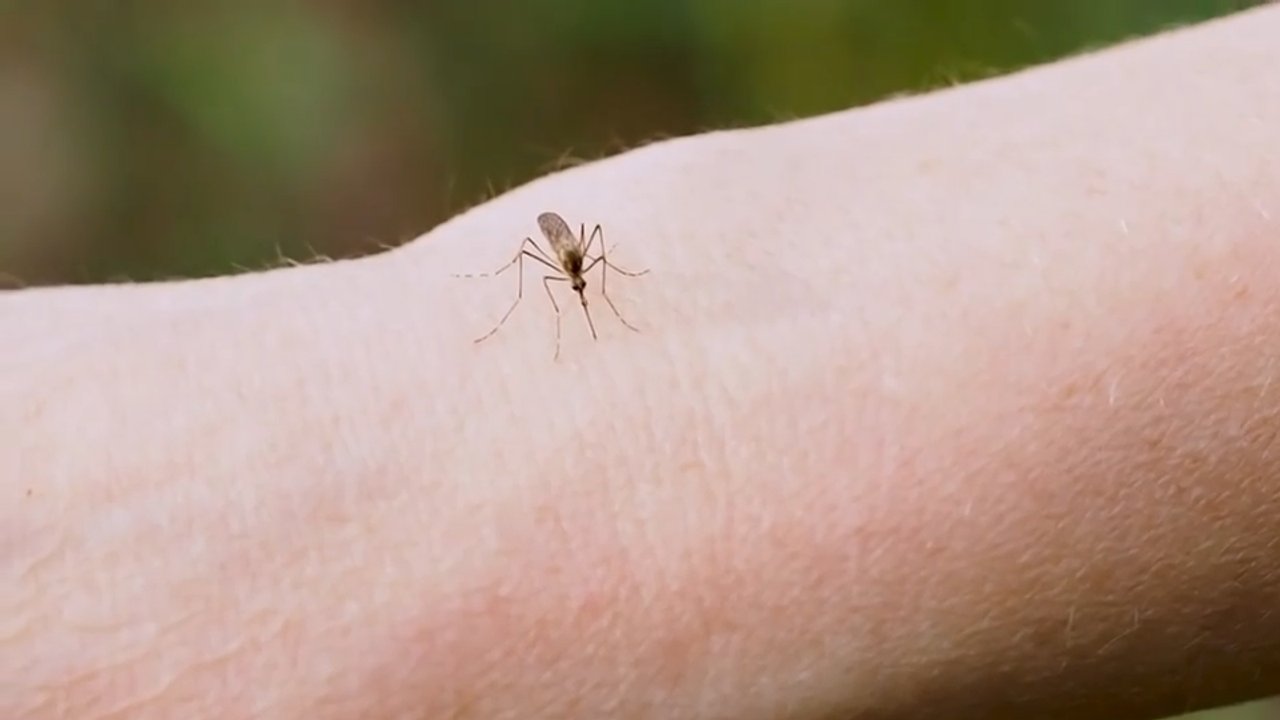
Maybe your method of mosquito control is to smack them as you see them, but what if we told you that the way to get rid of mosquitos might actually be… more mosquitoes? Hundreds of thousands of mosquitoes are being deliberately released around Washington, D.C. with the goal to reduce the mosquito population.
One crucial part is that the released insects are male mosquitoes, which actually do not bite people. Another important piece is that they’ve been infected with a bacterium called Wolbachia. When these male mosquitoes mate with females, the Wolbachia prevents the eggs from hatching.
This “fight fire with fire” method of mosquito control is new in the United States, but similar approaches have already been used elsewhere. Places like Singapore have reduced mosquito populations by roughly 80–90%.
The issue may become increasingly important as climate change allows mosquitoes to thrive in more temperate areas. That's not just annoying (and itchy), but it can also be dangerous. In fact, mosquitoes are the deadliest animal in the world because they’re notorious carriers of diseases.
According to the Met Office, the UK's national weather and climate service, people may be getting a little too relaxed about the weather. Conditions that once would have seemed extreme are starting to feel normal.
2025 was the UK's hottest year since records began in 1884. Four of the last five years now rank among the five hottest on record. In southeast England, the hottest day of the year is now about 4.5°C (about 8°F) warmer on average than it was in the 1960s.
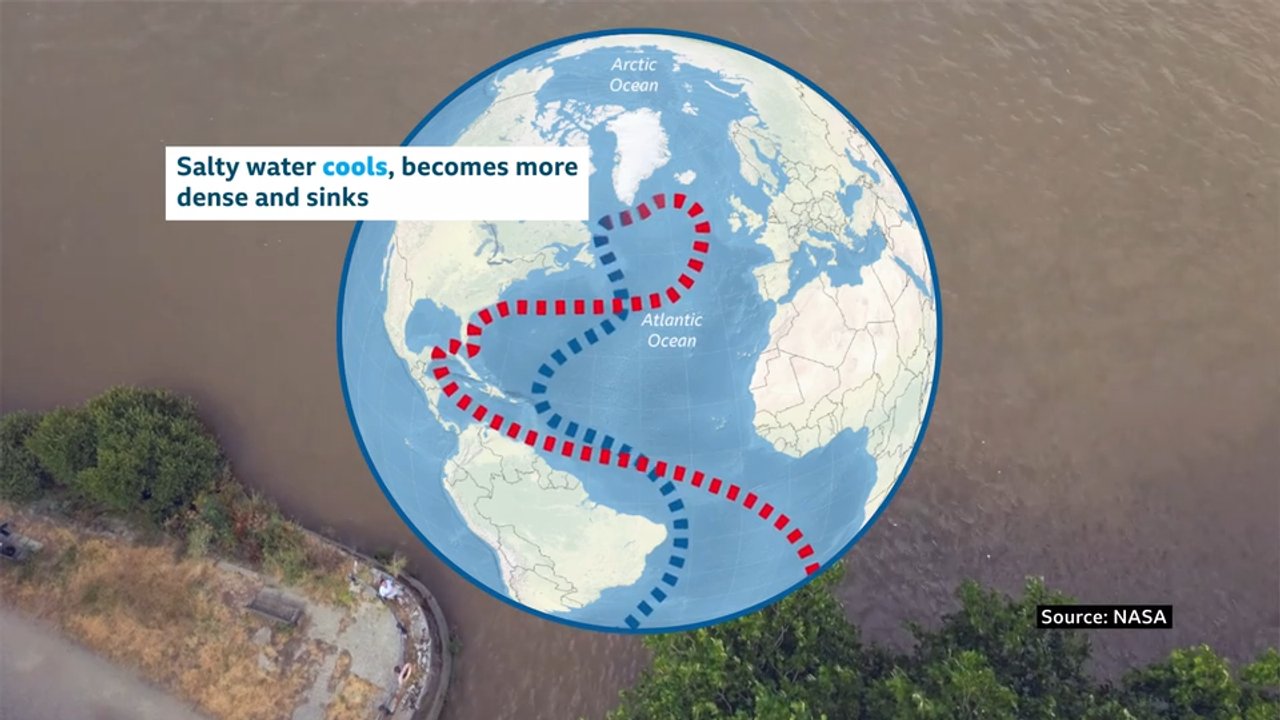
This is about more than buying extra fans. Scientists are also worried about changes in the Atlantic Ocean. Normally, warm, salty water flows north from the tropics — the hot region near the equator — and passes the UK. This keeps the UK's weather milder than you'd expect for a country so far north. Near Greenland, a huge icy island in the North Atlantic, the water cools, gets heavier, sinks, and flows back south.
At least, that's how it's supposed to work. There are signs this current may be slowing down. If it weakens a lot, the UK could lose some of that warmth. That could bring colder winters and even bigger swings in the weather, on top of the heat.
Computer chips (the tech kind, not the potato kind) normally work by moving electrons, tiny particles that carry electricity. Wave Photonics, a company based in Cambridge, England, is designing chips that use photons instead. Photons are particles of light.
Chips that use light can carry more information while using less energy. That makes them especially useful for AI data centers, the huge buildings full of computers that power tools like chatbots, and for quantum computers. They're part of a wider push to make quantum technology smaller and practical enough to build in large numbers. The industry is growing so quickly that Wave Photonics plans to double its staff.
Quantum computers are hard to build, but they could be worth the effort. They use the strange rules of quantum mechanics, the science of how the tiniest particles behave. That lets them tackle certain problems in a completely different way from ordinary computers. For some tasks, they could one day be far faster than even today's most powerful machines.
In the early days of the industry, governments were cautious and mostly bought from companies with a proven track record. Now they're more willing to take chances on newer companies.
If quantum computing keeps growing, it could eventually change fields like medicine, by helping scientists design new drugs, and finance. It could also become a bigger part of the economy.
“Beautiful on the inside” may be weirdly appropriate for bugs, considering the 3D map of the male fruit fly brain and nervous system more closely resembles a museum-worthy mosaic or a bowl of fruity cereal than the tiny nuisance you’re used to seeing flying around your apples. Scientists recently created this colorful detailed map by slicing and analyzing every nerve cell with an electron microscope — that’s a microscope that uses accelerated electrons instead of visible light to produce images that can be both extremely magnified and incredibly clear at the same time.
The same team previously mapped a female fly brain a couple of years ago and compared the male and female brains to see that roughly 95% of their brain wiring was similar, while about 5% differed.
But those small differences make for some big differences in behavior, including courtship, aggression, detecting competitors, and producing a “love song” by beating the wings.
It's not news (to these scientists, at least) that just two genes were linked to these behaviors, but comparing these 3D maps helped them learn more about the connection between those genes and the specific brain circuits producing the behavior.
Researchers hope the same logic around connecting genes to brain wiring to behavior can eventually be applied to other animals and maybe even humans! This might help scientists investigate conditions with strong genetic influences, including schizophrenia and autism.
“Please, can we have more mosquitoes?” said nobody ever. Until now.
Maybe your method of mosquito control is to smack them as you see them, but what if we told you that the way to get rid of mosquitos might actually be… more mosquitoes? Hundreds of thousands of mosquitoes are being deliberately released around Washington, D.C. with the goal to reduce the mosquito population.
One crucial part is that the released insects are male mosquitoes, which actually do not bite people. Another important piece is that they’ve been infected with a bacterium called Wolbachia. When these male mosquitoes mate with females, the Wolbachia prevents the eggs from hatching.
This “fight fire with fire” method of mosquito control is new in the United States, but similar approaches have already been used elsewhere. Places like Singapore have reduced mosquito populations by roughly 80–90%.
The issue may become increasingly important as climate change allows mosquitoes to thrive in more temperate areas. That's not just annoying (and itchy), but it can also be dangerous. In fact, mosquitoes are the deadliest animal in the world because they’re notorious carriers of diseases.
According to the Met Office, the UK's national weather and climate service, people may be getting a little too relaxed about the weather. Conditions that once would have seemed extreme are starting to feel normal.
2025 was the UK's hottest year since records began in 1884. Four of the last five years now rank among the five hottest on record. In southeast England, the hottest day of the year is now about 4.5°C (about 8°F) warmer on average than it was in the 1960s.
This is about more than buying extra fans. Scientists are also worried about changes in the Atlantic Ocean. Normally, warm, salty water flows north from the tropics — the hot region near the equator — and passes the UK. This keeps the UK's weather milder than you'd expect for a country so far north. Near Greenland, a huge icy island in the North Atlantic, the water cools, gets heavier, sinks, and flows back south.
At least, that's how it's supposed to work. There are signs this current may be slowing down. If it weakens a lot, the UK could lose some of that warmth. That could bring colder winters and even bigger swings in the weather, on top of the heat.