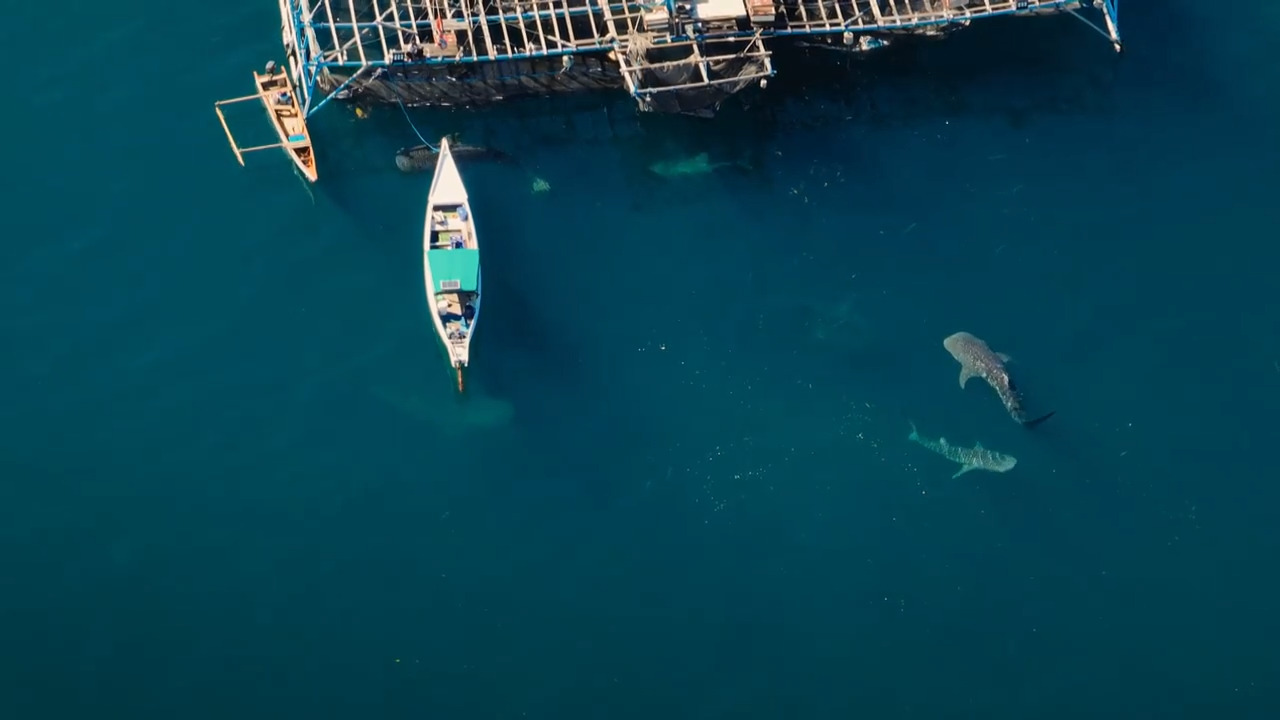
In The Majestic Whale Shark host Simon Reeve sails through Indonesia’s Cenderawasih Bay, searching for the elusive whale shark. These gentle giants can grow as long as a bus and weigh up to 30 tons, yet much about them, like where they breed, remains unknown. At a fishing platform called a bagan, Simon spots one and marvels at its size and grace. He discovers how this area helps scientists study and protect these mysterious creatures. This video is excerpted from BBC’s Wilderness With Simon Reeve, an epic adventure into the heart of Earth’s last great wild areas, where nature is at its most beautiful and fragile.

The article "The Dangers of Shark Finning: Why It’s Harmful to Sharks and the Oceans" from BBC's Discover Wildlife discusses the severe impact of shark finning, a practice where sharks are killed for their fins and used in shark fin soup. The demand for this luxury dish, mostly in China, is rapidly growing, pushing many shark species to the brink of extinction.
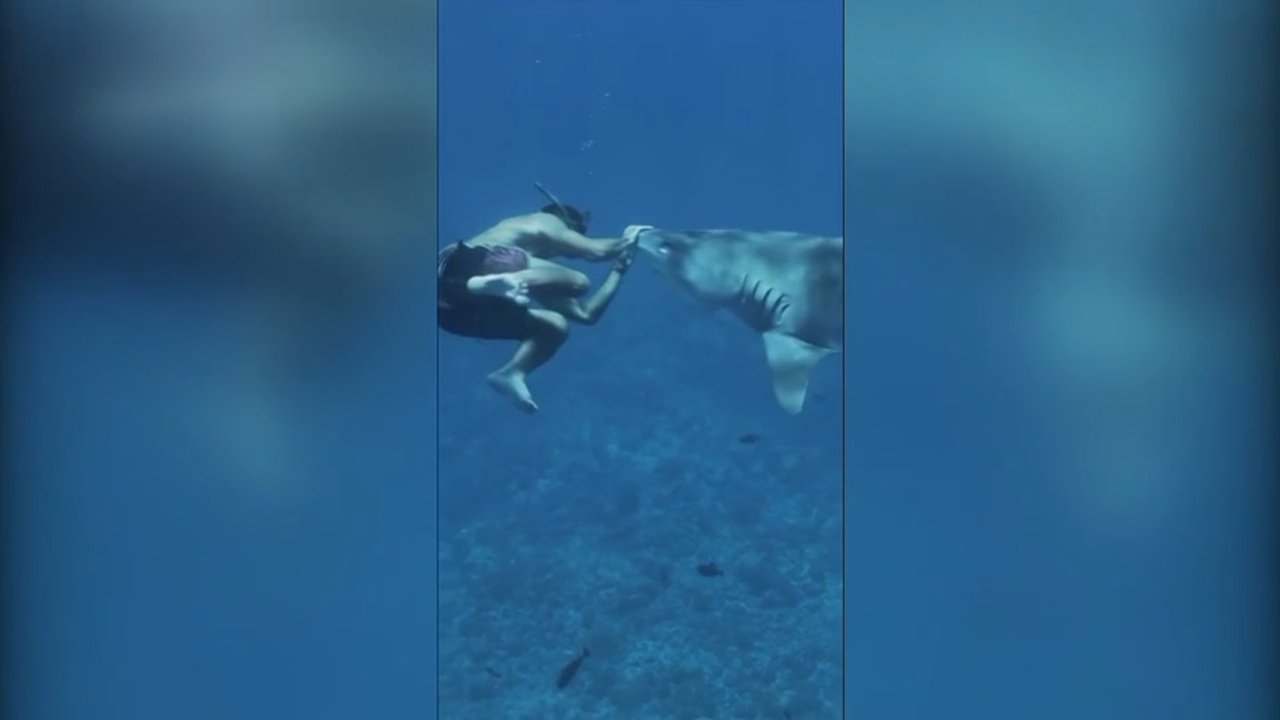
If someone at the beach shouts “Shark!”, you swim away, right? Not everyone does. Videos of people swimming with sharks, touching them, and even hugging them are becoming more popular online. Scientists warn that chasing the perfect shot is risky for the person, and for the shark.
Some shark species are fairly calm, but they’re still wild animals, and they can still bite. Researchers who track shark bites around the world say they’ve seen more people bitten while trying to film or photograph sharks.
The sharks can be harmed, too. Studies show that getting close to a shark or touching it raises its levels of stress hormones. Too much stress can weaken a shark’s immune system, make it more likely to die, and even cause pregnant sharks to lose their young.
To be clear, shark bites are still rare. There are only about 70 recorded each year worldwide. But scientists have simple advice for keeping people and sharks safe: admire sharks from a distance.
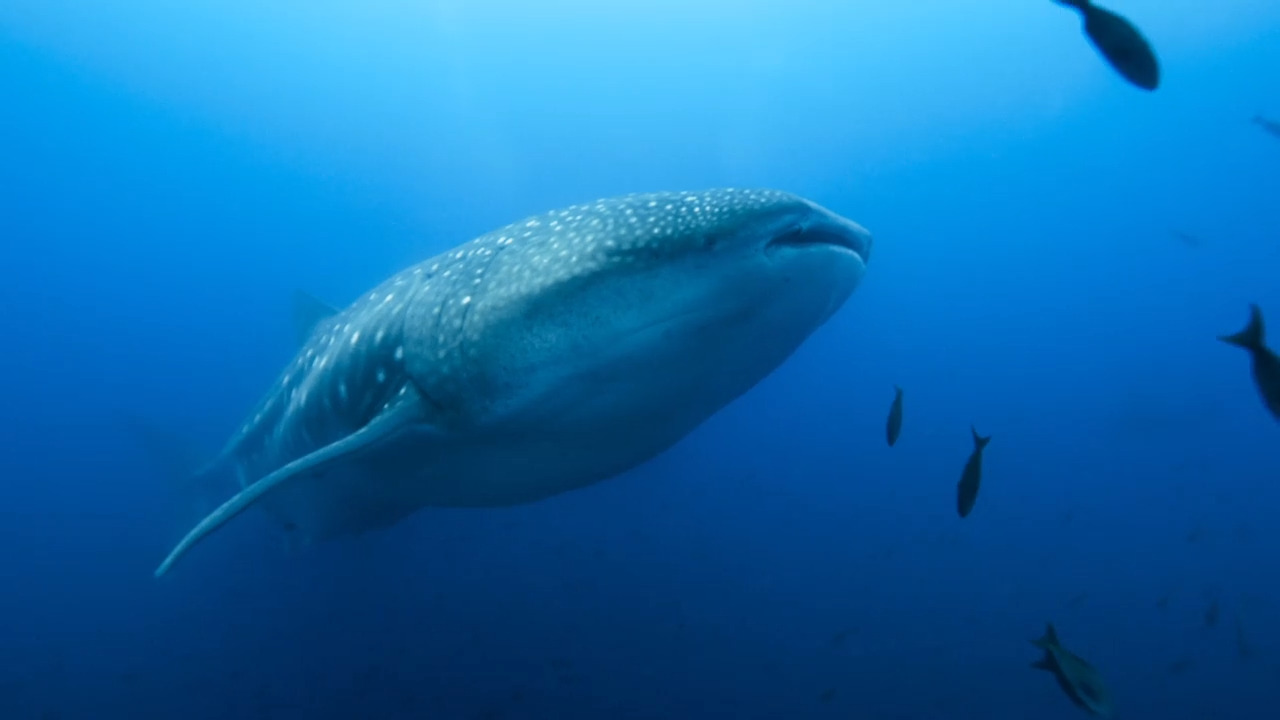
In Saving the Whale Shark, the World's Largest Fish, narrator Sir David Attenborough shares how one scientist is trying to learn exactly where whale shark nurseries are in order to protect them. This video is excerpted from BBC’s Blue Planet II, a natural history series that explores the world's oceans, the animals that live in them, and the threats they face, using modern filming techniques and equipment to capture previously unseen areas of the ocean.

In The Great Hammerhead Shark, naturalist Steve Backshall uses bait to entice great hammerhead sharks to swim near him. This video is excerpted from BBC's Deadly 60, an award-winning nature and adventure show for kids in which narrator Steve Backshall has one mission: to travel the globe in search of 60 of the world's deadliest animals.

In Meet the Blacktip Shark, naturalist Steve Backshall and Dr. Stephen Kajiura fly over water off the coast of Florida. They see the largest blacktip shark shoal in the world. This video is excerpted from BBC's Deadly 60, an award-winning nature and adventure show for kids in which narrator Steve Backshall has one mission: to travel the globe in search of 60 of the world's deadliest animals.

This BBC Learning Hub playlist explores the incredible world of sharks, from the sleek and powerful great white to the enormous whale shark and unmistakable hammerhead. Watch sharks hunt, feed, navigate vast stretches of ocean, and use finely tuned senses to understand the world around them.
Discover the adaptations that have made sharks such successful survivors. See how different species use speed, camouflage, specialized senses, and distinctive body shapes to find food and thrive in their habitats. And while sharks have a reputation as fearsome hunters, there’s much more to these animals than sharp teeth: some travel thousands of miles, some gather in huge groups, and others filter tiny organisms from the water.
Sharks have been swimming through Earth’s oceans for hundreds of millions of years. Dive in to discover what makes these ancient animals some of the most fascinating creatures in the sea.
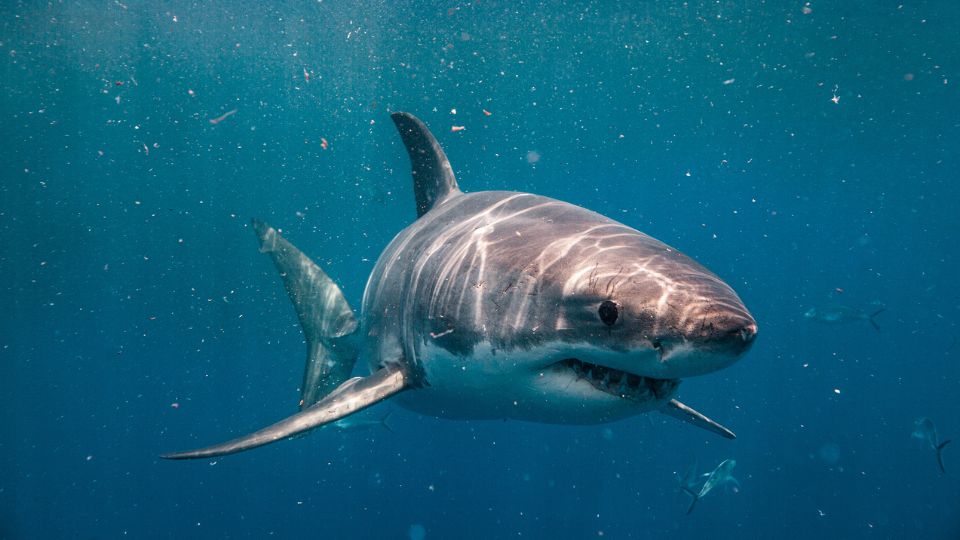
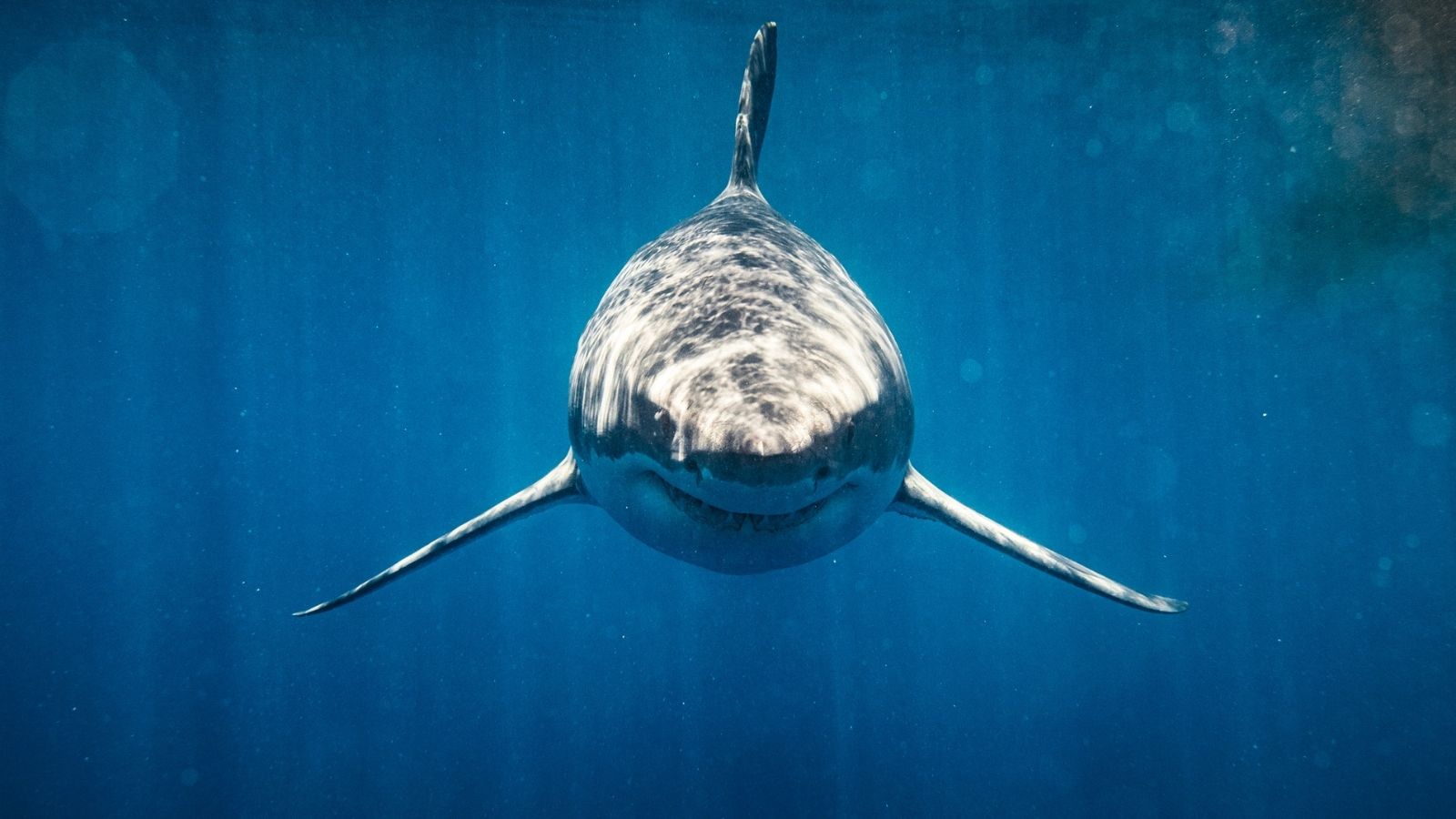
Sharks rule the oceans in every shape and size — from the stealthy great white slicing through the surf to the tiny glow-in-the-dark dwarf lantern shark hiding in the dark. But how much do you really know about these incredible ocean predators?
Packed with jaw-dropping facts, surprising adaptations, and a few deep-sea curveballs, this quiz dives into the remarkable world of sharks. Only the most fearless ocean fans and shark-savvy explorers will ride the wave to victory.
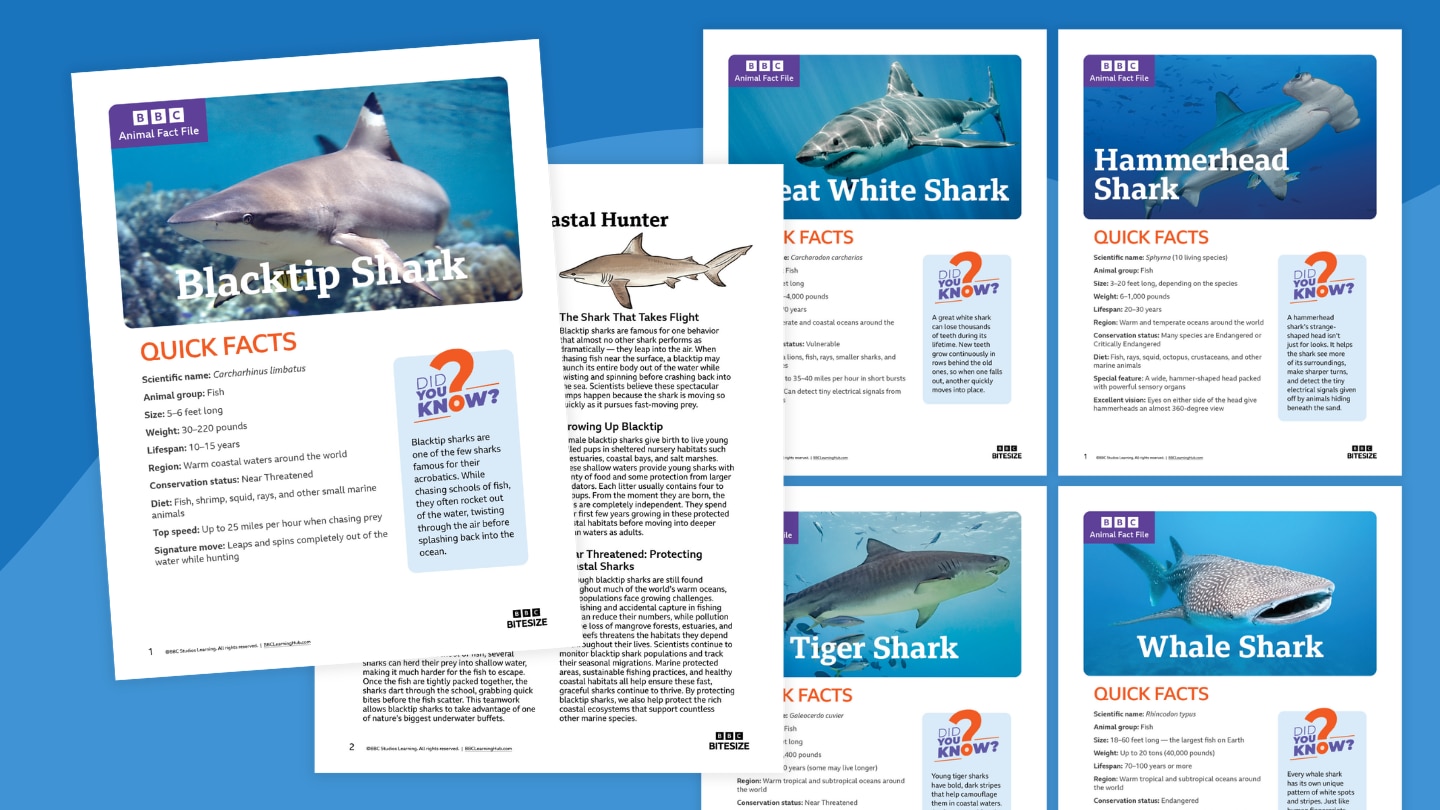
What makes a shark one of the ocean’s most remarkable predators? From powerful great whites to tiny reef-dwellers, sharks come in all shapes and sizes, each with its own way of life.
Explore the world of these extraordinary fish, discover what they eat and where they live, and uncover the special adaptations that help them hunt, navigate the ocean, and survive. Meet sharks from around the world, learn how they reproduce and raise their young, and find out about the challenges they face in the wild and why protecting these ancient predators matters.
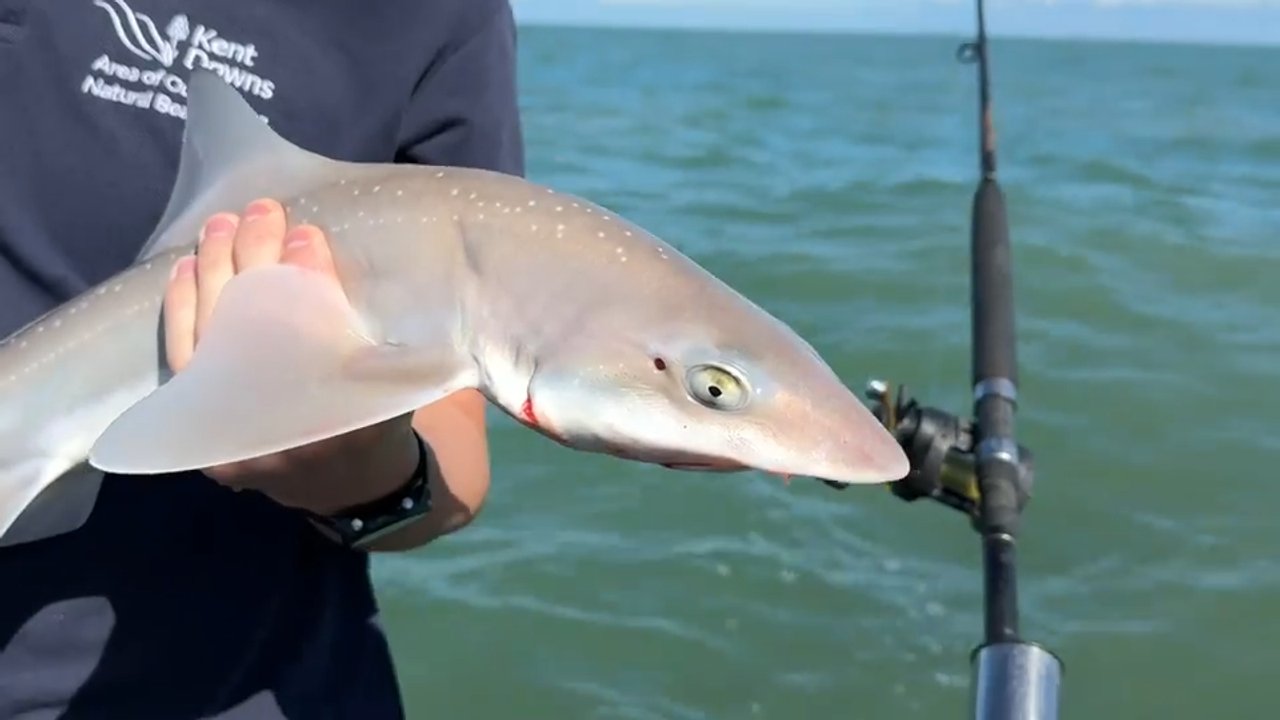
There are sharks swimming off the coast of Kent, a county in the southeast corner of England. Scientists say that’s good news. Sharks have been around for more than 400 million years, and as predators, they help keep the ocean food chain in balance. The UK has more than 40 shark species, but about half of them are at risk of extinction.
A new project called Sharks of Kent is studying the starry smoothhound, a small shark that’s harmless to people. Researchers think Kent’s waters may be a nursery where young sharks grow up before they head out to sea. The team catches a shark, weighs it, and if it’s big enough, attaches a tag before letting it go. If the shark is caught again, the tag shows how much it has grown and where it has been.
Scientists can’t be out on the water every day, so they’ve trained local fishing crews and anglers to tag sharks too. They’ve tagged more than 30 so far. One angler says shark numbers and sizes dropped this year, maybe because of overfishing or warmer water. The project could also help the region earn UNESCO Global Geopark status. That’s a United Nations label for places with internationally important natural features, and this area stretches across the English Channel to France.
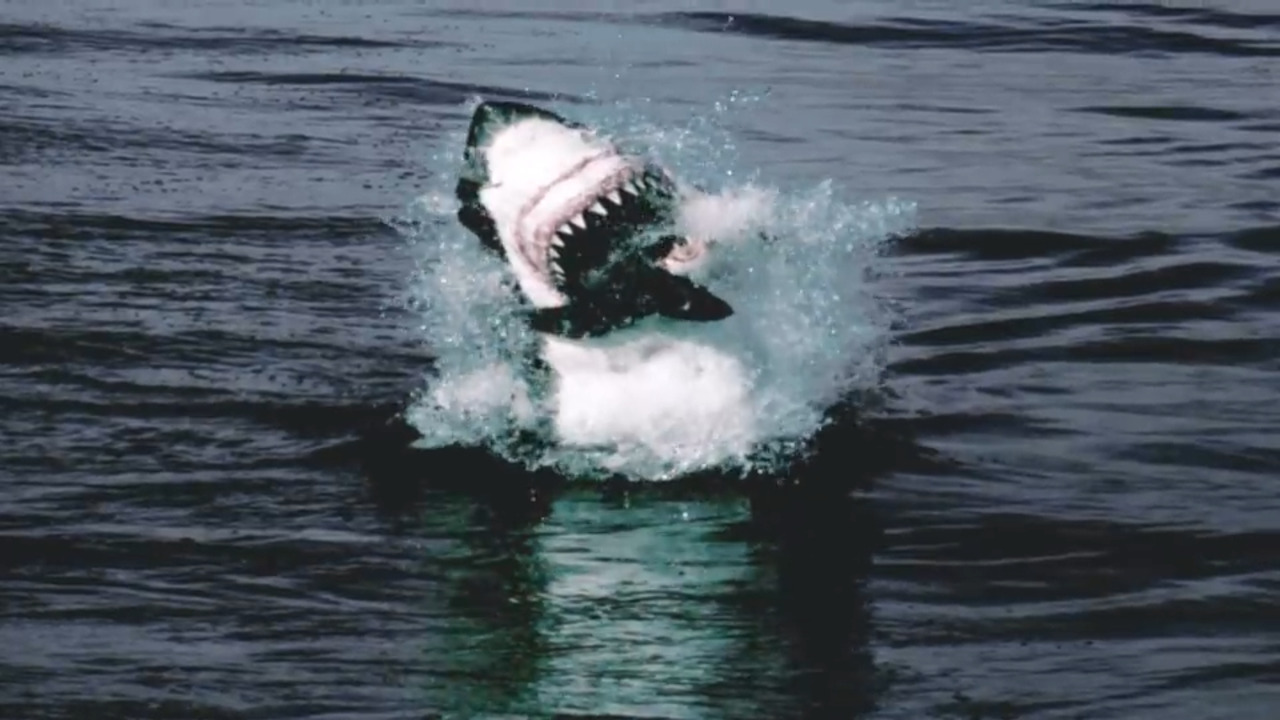
In Great White Sharks vs. Cape Fur Seals, seals head out to sea. As they swim, they must get past great white sharks, apex predators that are waiting to throw their weight around to capture a seal snack. This video is excerpted from BBC’s Planet Earth, a breathtaking documentary series that highlights the natural wonders of our planet.
In The Majestic Whale Shark host Simon Reeve sails through Indonesia’s Cenderawasih Bay, searching for the elusive whale shark. These gentle giants can grow as long as a bus and weigh up to 30 tons, yet much about them, like where they breed, remains unknown. At a fishing platform called a bagan, Simon spots one and marvels at its size and grace. He discovers how this area helps scientists study and protect these mysterious creatures. This video is excerpted from BBC’s Wilderness With Simon Reeve, an epic adventure into the heart of Earth’s last great wild areas, where nature is at its most beautiful and fragile.
The article "The Dangers of Shark Finning: Why It’s Harmful to Sharks and the Oceans" from BBC's Discover Wildlife discusses the severe impact of shark finning, a practice where sharks are killed for their fins and used in shark fin soup. The demand for this luxury dish, mostly in China, is rapidly growing, pushing many shark species to the brink of extinction.
If someone at the beach shouts “Shark!”, you swim away, right? Not everyone does. Videos of people swimming with sharks, touching them, and even hugging them are becoming more popular online. Scientists warn that chasing the perfect shot is risky for the person, and for the shark.
Some shark species are fairly calm, but they’re still wild animals, and they can still bite. Researchers who track shark bites around the world say they’ve seen more people bitten while trying to film or photograph sharks.
The sharks can be harmed, too. Studies show that getting close to a shark or touching it raises its levels of stress hormones. Too much stress can weaken a shark’s immune system, make it more likely to die, and even cause pregnant sharks to lose their young.
To be clear, shark bites are still rare. There are only about 70 recorded each year worldwide. But scientists have simple advice for keeping people and sharks safe: admire sharks from a distance.
In Saving the Whale Shark, the World's Largest Fish, narrator Sir David Attenborough shares how one scientist is trying to learn exactly where whale shark nurseries are in order to protect them. This video is excerpted from BBC’s Blue Planet II, a natural history series that explores the world's oceans, the animals that live in them, and the threats they face, using modern filming techniques and equipment to capture previously unseen areas of the ocean.
In The Great Hammerhead Shark, naturalist Steve Backshall uses bait to entice great hammerhead sharks to swim near him. This video is excerpted from BBC's Deadly 60, an award-winning nature and adventure show for kids in which narrator Steve Backshall has one mission: to travel the globe in search of 60 of the world's deadliest animals.
In Meet the Blacktip Shark, naturalist Steve Backshall and Dr. Stephen Kajiura fly over water off the coast of Florida. They see the largest blacktip shark shoal in the world. This video is excerpted from BBC's Deadly 60, an award-winning nature and adventure show for kids in which narrator Steve Backshall has one mission: to travel the globe in search of 60 of the world's deadliest animals.
This BBC Learning Hub playlist explores the incredible world of sharks, from the sleek and powerful great white to the enormous whale shark and unmistakable hammerhead. Watch sharks hunt, feed, navigate vast stretches of ocean, and use finely tuned senses to understand the world around them.
Discover the adaptations that have made sharks such successful survivors. See how different species use speed, camouflage, specialized senses, and distinctive body shapes to find food and thrive in their habitats. And while sharks have a reputation as fearsome hunters, there’s much more to these animals than sharp teeth: some travel thousands of miles, some gather in huge groups, and others filter tiny organisms from the water.
Sharks have been swimming through Earth’s oceans for hundreds of millions of years. Dive in to discover what makes these ancient animals some of the most fascinating creatures in the sea.
Sharks rule the oceans in every shape and size — from the stealthy great white slicing through the surf to the tiny glow-in-the-dark dwarf lantern shark hiding in the dark. But how much do you really know about these incredible ocean predators?
Packed with jaw-dropping facts, surprising adaptations, and a few deep-sea curveballs, this quiz dives into the remarkable world of sharks. Only the most fearless ocean fans and shark-savvy explorers will ride the wave to victory.
What makes a shark one of the ocean’s most remarkable predators? From powerful great whites to tiny reef-dwellers, sharks come in all shapes and sizes, each with its own way of life.
Explore the world of these extraordinary fish, discover what they eat and where they live, and uncover the special adaptations that help them hunt, navigate the ocean, and survive. Meet sharks from around the world, learn how they reproduce and raise their young, and find out about the challenges they face in the wild and why protecting these ancient predators matters.
There are sharks swimming off the coast of Kent, a county in the southeast corner of England. Scientists say that’s good news. Sharks have been around for more than 400 million years, and as predators, they help keep the ocean food chain in balance. The UK has more than 40 shark species, but about half of them are at risk of extinction.
A new project called Sharks of Kent is studying the starry smoothhound, a small shark that’s harmless to people. Researchers think Kent’s waters may be a nursery where young sharks grow up before they head out to sea. The team catches a shark, weighs it, and if it’s big enough, attaches a tag before letting it go. If the shark is caught again, the tag shows how much it has grown and where it has been.
Scientists can’t be out on the water every day, so they’ve trained local fishing crews and anglers to tag sharks too. They’ve tagged more than 30 so far. One angler says shark numbers and sizes dropped this year, maybe because of overfishing or warmer water. The project could also help the region earn UNESCO Global Geopark status. That’s a United Nations label for places with internationally important natural features, and this area stretches across the English Channel to France.
In Great White Sharks vs. Cape Fur Seals, seals head out to sea. As they swim, they must get past great white sharks, apex predators that are waiting to throw their weight around to capture a seal snack. This video is excerpted from BBC’s Planet Earth, a breathtaking documentary series that highlights the natural wonders of our planet.