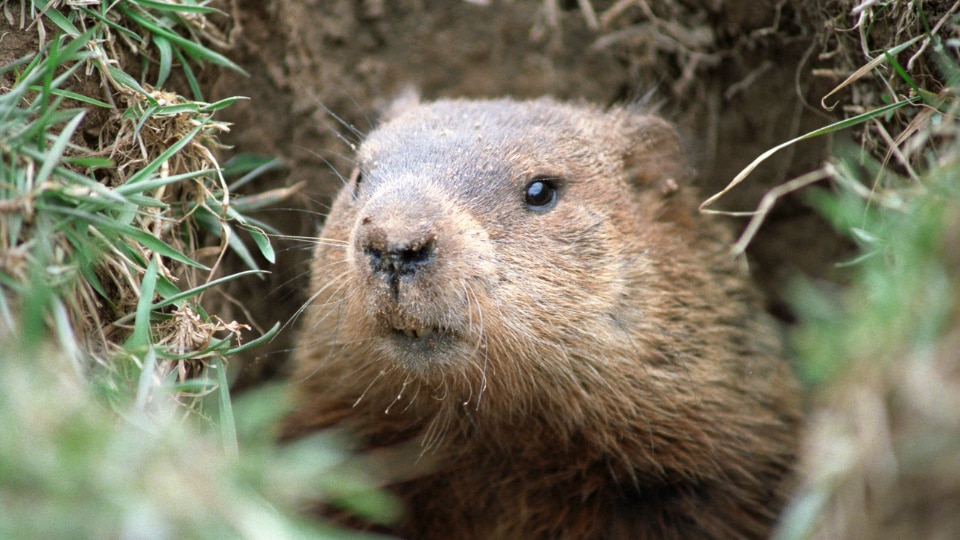
Think You Know Groundhog Day? Prove It!
Groundhog Day is a time to watch a furry little weather forecaster pop out of its burrow and predict whether winter will stick around — or if spring will arrive early. But how much do you really know about this quirky tradition, celebrated every year on Feb. 2?
From Punxsutawney Phil’s famous shadow sightings to surprising facts about groundhogs and their burrows, this quiz is packed with fun and a few tricky twists. It takes true shadow-sleuth skills to uncover all the surprises of Groundhog Day.
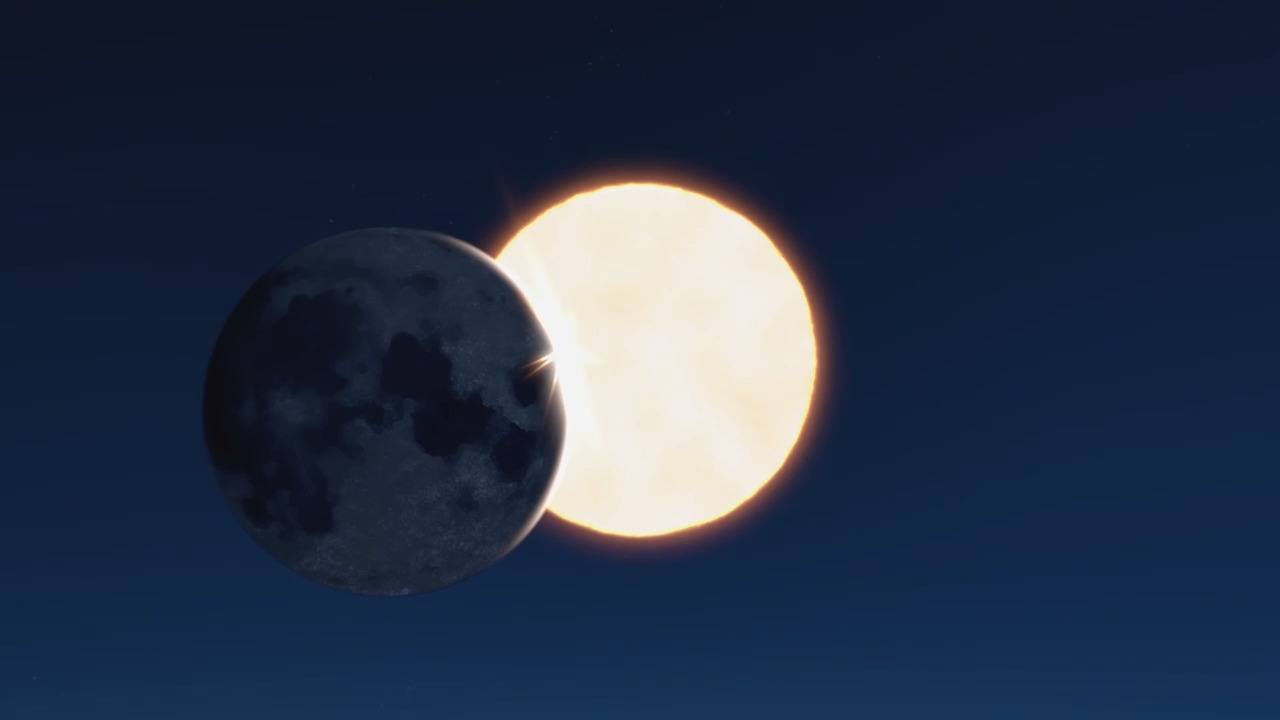
In The Go Jetters Witness a Solar Eclipse!, the Go Jetters crew watches a solar eclipse. Ubercorn explains what’s happening during an eclipse and why we should protect our eyes while watching one. This video is excerpted from BBC’s Go Jetters, a series that follows the adventures of four international heroes as they travel the globe visiting landmarks and solving environmental problems with Ubercorn, a disco-dancing unicorn.
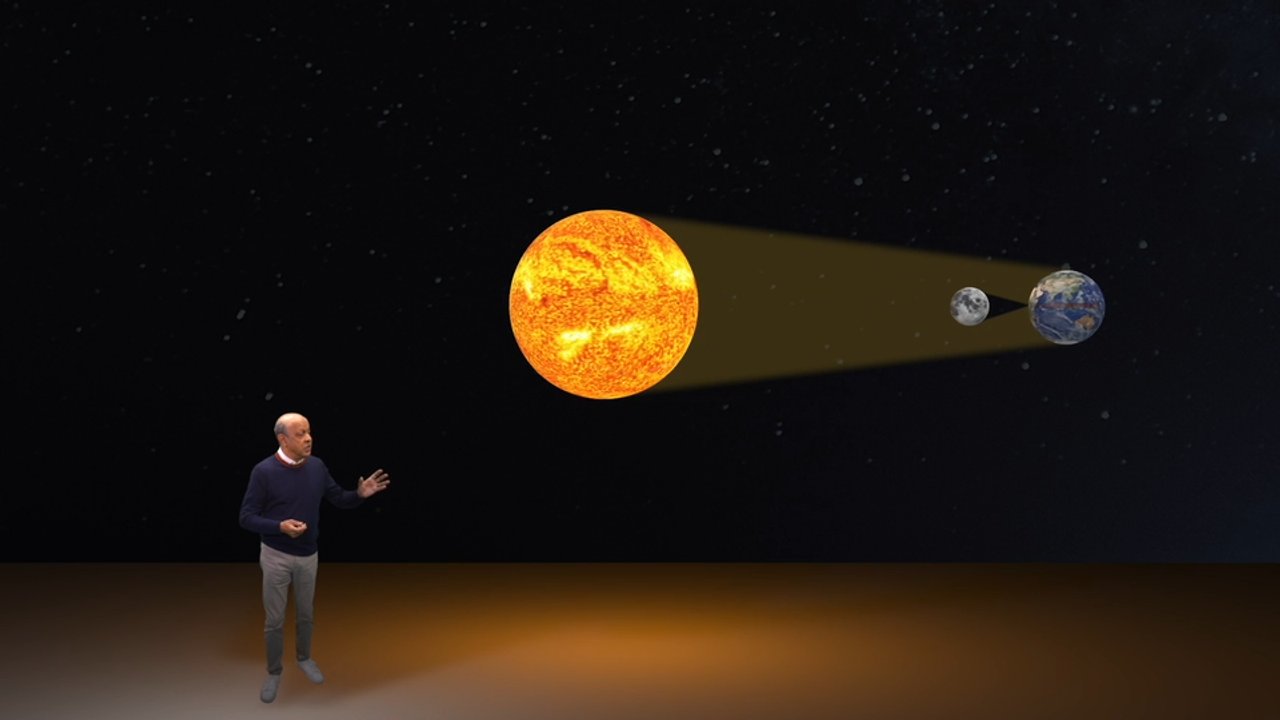
They say “it’s always darkest before dawn,” but that may just have a nicer ring than “it suddenly gets really dark if you’re in the path of totality during a solar eclipse, which happens somewhere on Earth about once every 18 months.” Yup, first one definitely stitches better onto a decorative pillow.
A total solar eclipse happens when the Moon completely blocks the Sun. Although a total eclipse occurs somewhere on Earth roughly every year and a half, only people inside a narrow strip called the “path of totality” get to see the Sun completely covered. This path is created as the Moon’s shadow moves across Earth while both Earth and the Moon change position.
This mid-August eclipse started off over northern Siberia at sunrise, then crossed the Arctic Ocean, Greenland, Iceland, northern Spain, and a small part of Portugal before ending near the Balearic Islands at sunset. Those outside of the path could see a partial eclipse, but a lot of the world missed out on the full experience.
Eclipses are amazing to watch, but partial eclipses can be especially dangerous! Even as much as 95% coverage of the Sun is not close enough when it comes to eye safety. If any bright part of the Sun is still visible, you should use certified eclipse glasses, since looking directly at the Sun can permanently damage your eyes.
A total lunar eclipse happens when the Earth moves directly between the Sun and the Moon, blocking sunlight from reaching the Moon’s surface. During the eclipse, the Moon can appear dark red or copper-colored as sunlight bends through Earth’s atmosphere.
Even though the Moon travels around Earth about every 28 days, total lunar eclipses are rare. That’s because the Moon’s orbit is tilted slightly, so most months, the Moon passes a little above or below Earth’s shadow instead of through it. Only every six months or so are the Sun, Earth, and Moon lined up closely enough for a possible lunar eclipse.
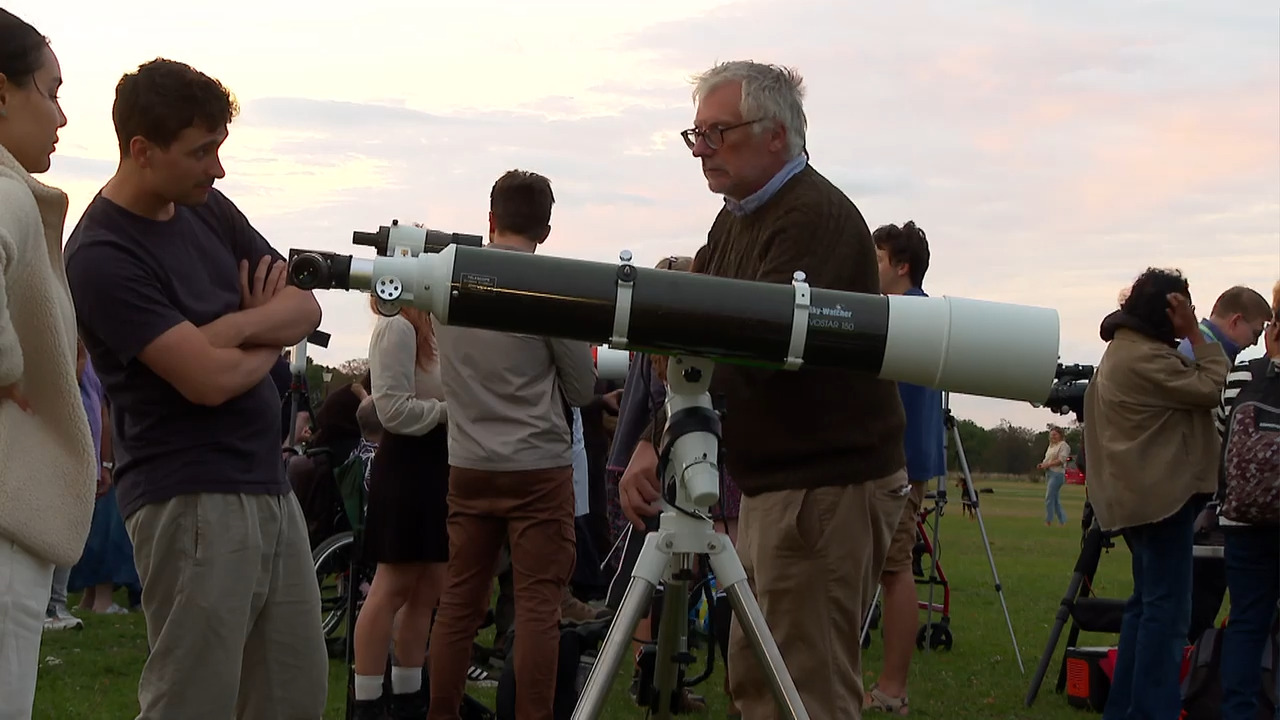
Last September, millions of people around the world watched the rare event during organized watch parties and backyard gatherings. Astronomers encouraged people to bring blankets, snacks, and telescopes to enjoy the nighttime spectacle together. While cloudy skies blocked views in some places, observers across parts of Africa, Asia, the Middle East, and Australia were able to see the eclipse from beginning to end under clear skies.
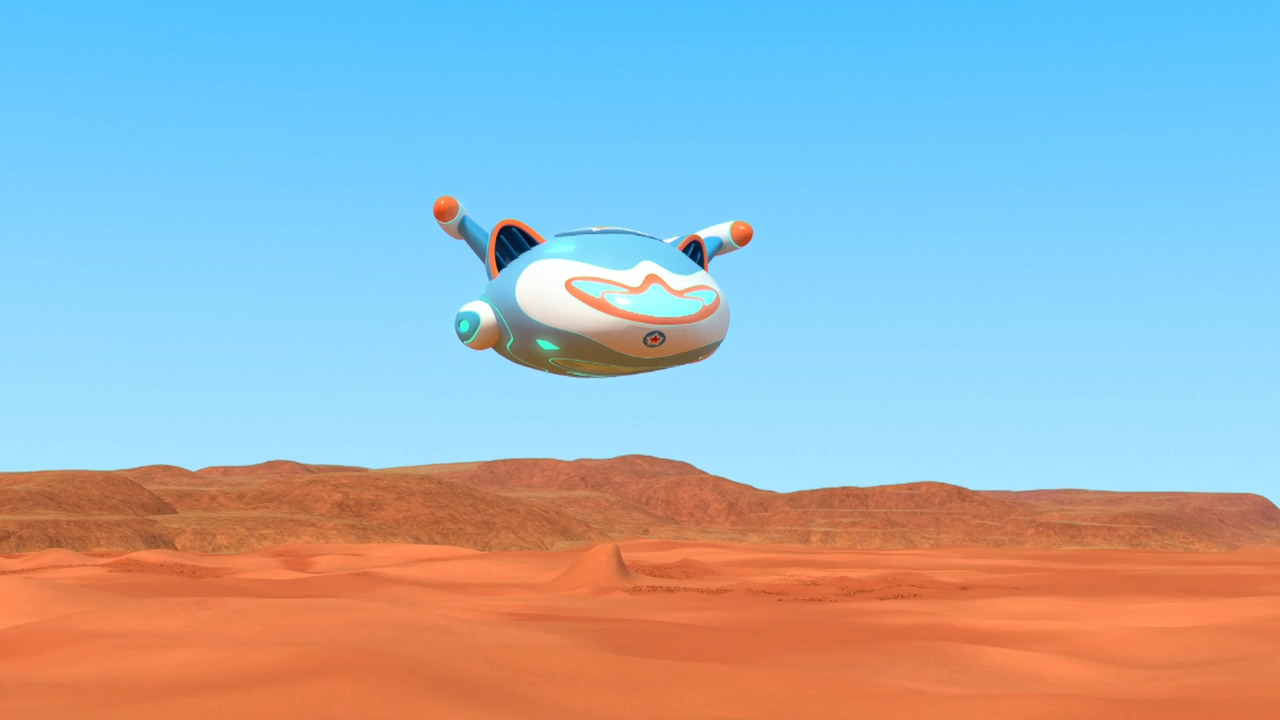
In The Go Jetters Go to the Gobi Desert, the Go Jetters crew visits The Gobi Desert in Central Asia. The Gobi is super dry and windy, with winds blowing as fast as a race car! It's called a “rainshadow desert” because the big Himalayan mountains stop rain and clouds from reaching it. Even though it’s tough to live there because of the wind, the Gobi is a great place to find dinosaur fossils hidden deep in the sand! This video is excerpted from BBC’s Go Jetters, a series that follows the adventures of four plucky international heroes as they travel the globe visiting the world’s most famous landmarks with their friend and mentor, Ubercorn, a disco-dancing unicorn.
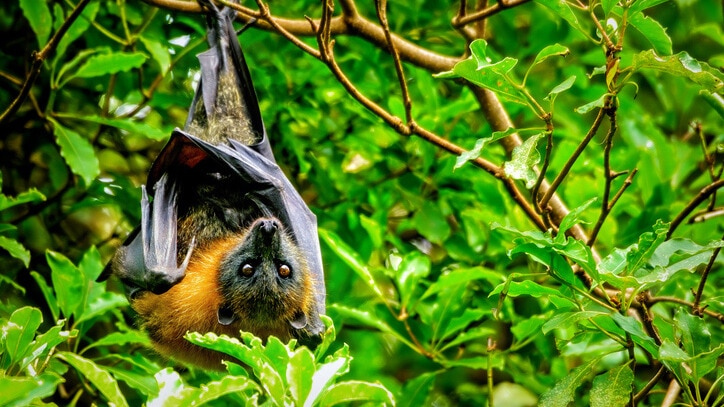
Delve into the eerie and enchanting world of creatures of Halloween! This BBC playlist explores the mysterious lives of wolves, bats, spiders, and owls, revealing the fascinating hunting strategies, survival journeys, and unique ecosystems that make them so captivating. Perfect for a spooky science lesson or a deep dive into the animal kingdom's more shadowy inhabitants.
Think You Know Groundhog Day? Prove It!
Groundhog Day is a time to watch a furry little weather forecaster pop out of its burrow and predict whether winter will stick around — or if spring will arrive early. But how much do you really know about this quirky tradition, celebrated every year on Feb. 2?
From Punxsutawney Phil’s famous shadow sightings to surprising facts about groundhogs and their burrows, this quiz is packed with fun and a few tricky twists. It takes true shadow-sleuth skills to uncover all the surprises of Groundhog Day.
In The Go Jetters Witness a Solar Eclipse!, the Go Jetters crew watches a solar eclipse. Ubercorn explains what’s happening during an eclipse and why we should protect our eyes while watching one. This video is excerpted from BBC’s Go Jetters, a series that follows the adventures of four international heroes as they travel the globe visiting landmarks and solving environmental problems with Ubercorn, a disco-dancing unicorn.
They say “it’s always darkest before dawn,” but that may just have a nicer ring than “it suddenly gets really dark if you’re in the path of totality during a solar eclipse, which happens somewhere on Earth about once every 18 months.” Yup, first one definitely stitches better onto a decorative pillow.
A total solar eclipse happens when the Moon completely blocks the Sun. Although a total eclipse occurs somewhere on Earth roughly every year and a half, only people inside a narrow strip called the “path of totality” get to see the Sun completely covered. This path is created as the Moon’s shadow moves across Earth while both Earth and the Moon change position.
This mid-August eclipse started off over northern Siberia at sunrise, then crossed the Arctic Ocean, Greenland, Iceland, northern Spain, and a small part of Portugal before ending near the Balearic Islands at sunset. Those outside of the path could see a partial eclipse, but a lot of the world missed out on the full experience.
Eclipses are amazing to watch, but partial eclipses can be especially dangerous! Even as much as 95% coverage of the Sun is not close enough when it comes to eye safety. If any bright part of the Sun is still visible, you should use certified eclipse glasses, since looking directly at the Sun can permanently damage your eyes.
A total lunar eclipse happens when the Earth moves directly between the Sun and the Moon, blocking sunlight from reaching the Moon’s surface. During the eclipse, the Moon can appear dark red or copper-colored as sunlight bends through Earth’s atmosphere.
Even though the Moon travels around Earth about every 28 days, total lunar eclipses are rare. That’s because the Moon’s orbit is tilted slightly, so most months, the Moon passes a little above or below Earth’s shadow instead of through it. Only every six months or so are the Sun, Earth, and Moon lined up closely enough for a possible lunar eclipse.
Last September, millions of people around the world watched the rare event during organized watch parties and backyard gatherings. Astronomers encouraged people to bring blankets, snacks, and telescopes to enjoy the nighttime spectacle together. While cloudy skies blocked views in some places, observers across parts of Africa, Asia, the Middle East, and Australia were able to see the eclipse from beginning to end under clear skies.
In The Go Jetters Go to the Gobi Desert, the Go Jetters crew visits The Gobi Desert in Central Asia. The Gobi is super dry and windy, with winds blowing as fast as a race car! It's called a “rainshadow desert” because the big Himalayan mountains stop rain and clouds from reaching it. Even though it’s tough to live there because of the wind, the Gobi is a great place to find dinosaur fossils hidden deep in the sand! This video is excerpted from BBC’s Go Jetters, a series that follows the adventures of four plucky international heroes as they travel the globe visiting the world’s most famous landmarks with their friend and mentor, Ubercorn, a disco-dancing unicorn.
Delve into the eerie and enchanting world of creatures of Halloween! This BBC playlist explores the mysterious lives of wolves, bats, spiders, and owls, revealing the fascinating hunting strategies, survival journeys, and unique ecosystems that make them so captivating. Perfect for a spooky science lesson or a deep dive into the animal kingdom's more shadowy inhabitants.