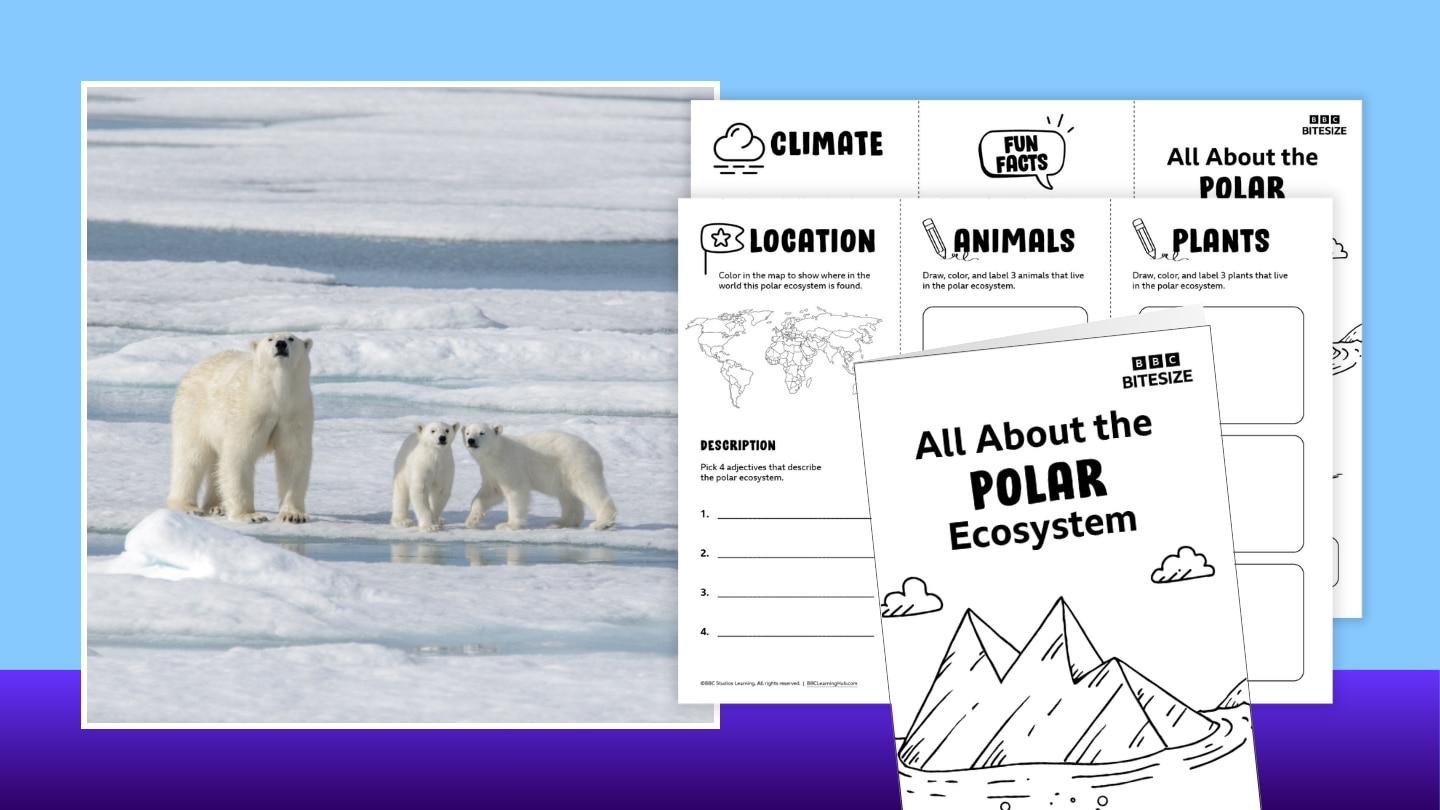
Bring your students on an icy exploration of the polar ecosystem! The Arctic and Antarctica may look frozen and empty at first glance, but they’re full of life perfectly adapted to the cold.
✨ Perfect for grades 3–8, here’s what you need to bring ecosystems to life:
- Iconic BBC Videos: Share the clips on this page to introduce the location, plants, animals, and climate of the polar regions. (Don't miss the narwhals and emperor penguins!) Brought to you by world-class BBC programs like Planet Earth, Frozen Planet, and Seven Worlds, One Planet.
- Free Printable: Use the Polar Brochure Template to help students pull it all together in an ecosystem report with facts they’ve learned (and a little extra research).
It’s everything you need to make ecosystems easy to teach and truly memorable for your students.
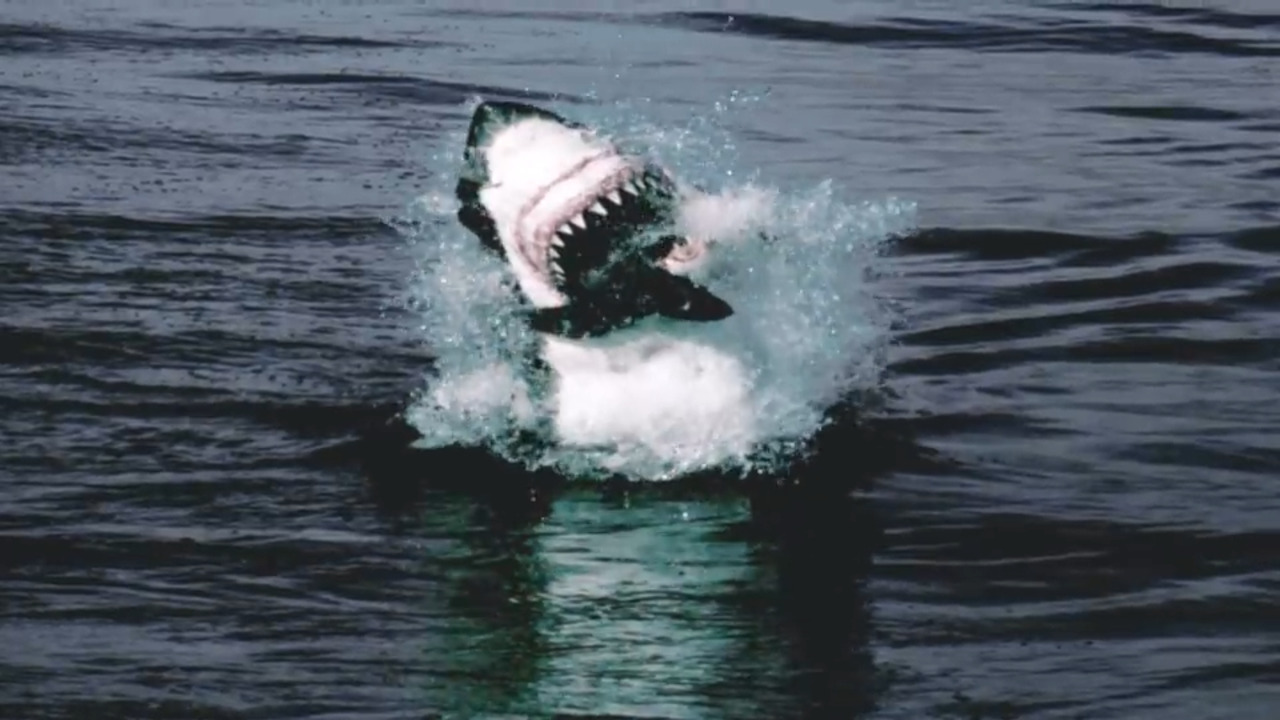
In Great White Sharks vs. Cape Fur Seals, seals head out to sea. As they swim, they must get past great white sharks, apex predators that are waiting to throw their weight around to capture a seal snack. This video is excerpted from BBC’s Planet Earth, a breathtaking documentary series that highlights the natural wonders of our planet.
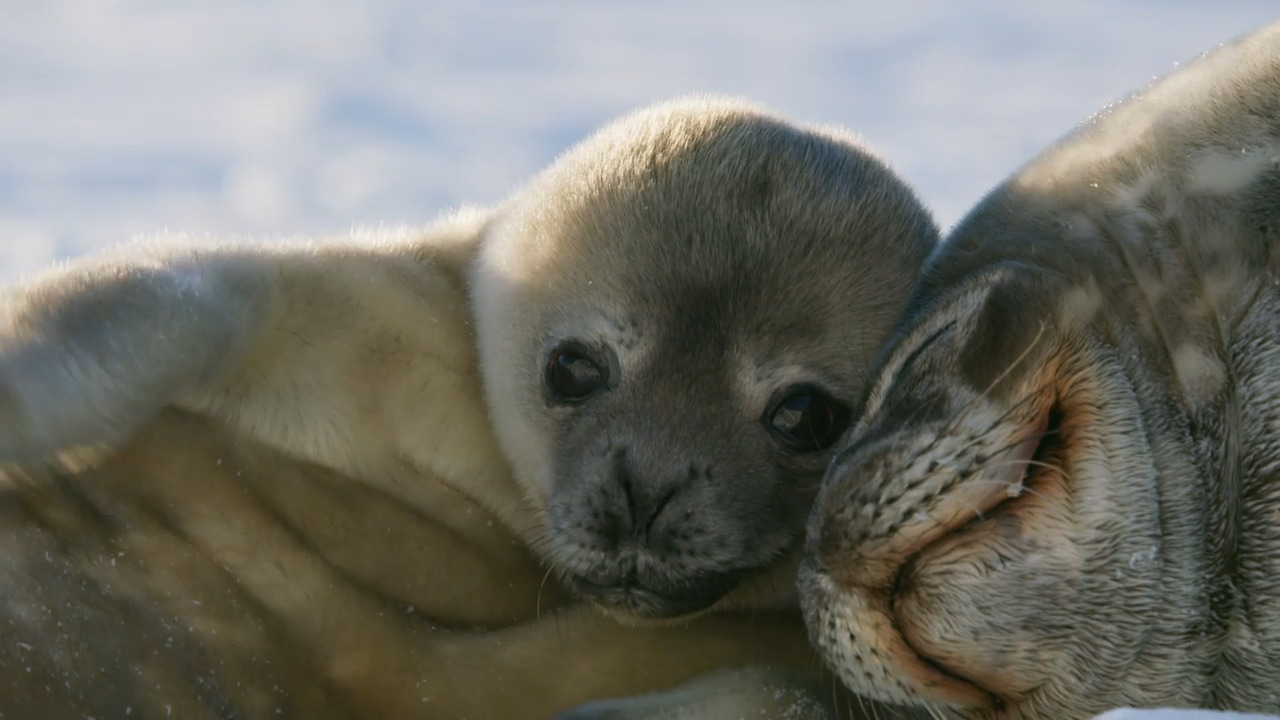
In Weddell Seal Pups in Antarctica, narrator Sir David Attenborough reveals the challenges newborn seal pups face in one of the harshest environments on Earth. From enduring subzero temperatures and blizzards to entering the icy water for the first time, every decision impacts their survival. This video is excerpted from BBC’s Seven Worlds, One Planet, a series featuring remarkable animal behavior from all seven continents.
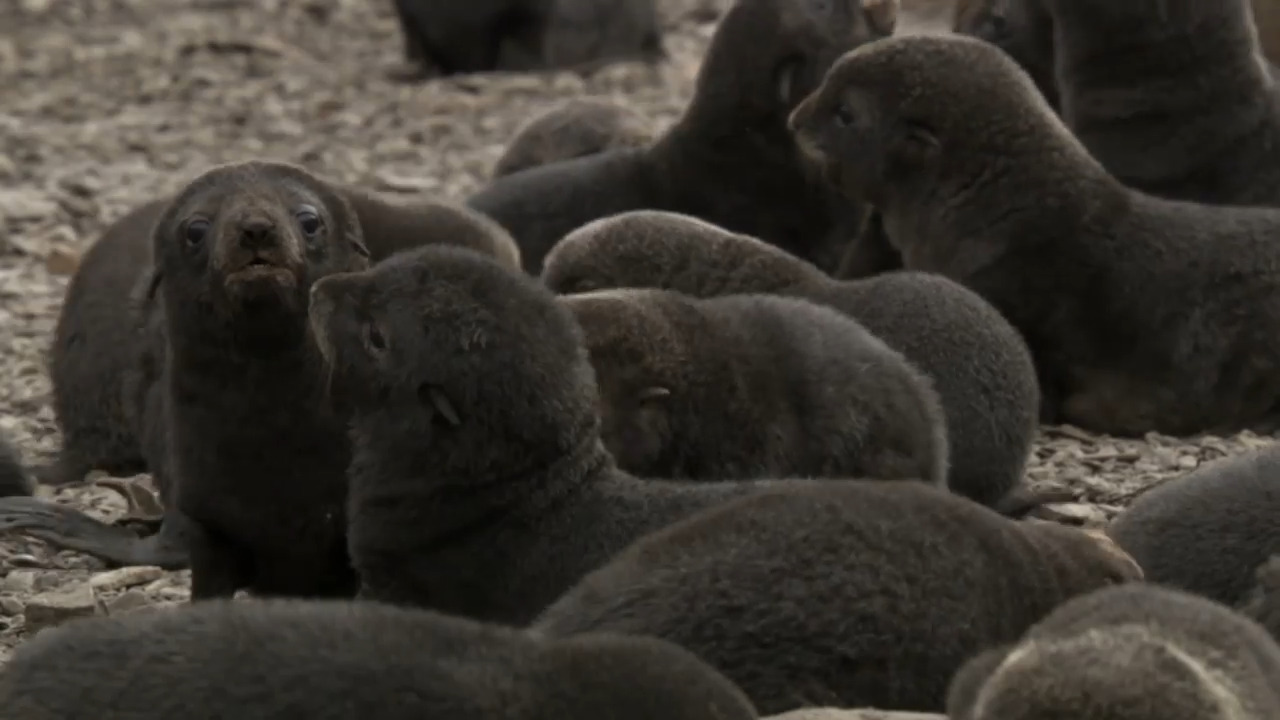
In Seal Pups Growing Up, narrator Gordon Buchanan teaches about young seal pups growing up near the South Atlantic Ocean. The pups, whose mothers often leave them for several days on fishing expeditions, stay together like a big family and are watched by other adult seals, but sometimes they face challenges. This video is excerpted from BBC's Animal Babies, a heartwarming show that follows the first breaths, first steps and first feeds of some adorable baby animals, revealing the challenges they face to survive in some of the toughest but most beautiful places on the planet.
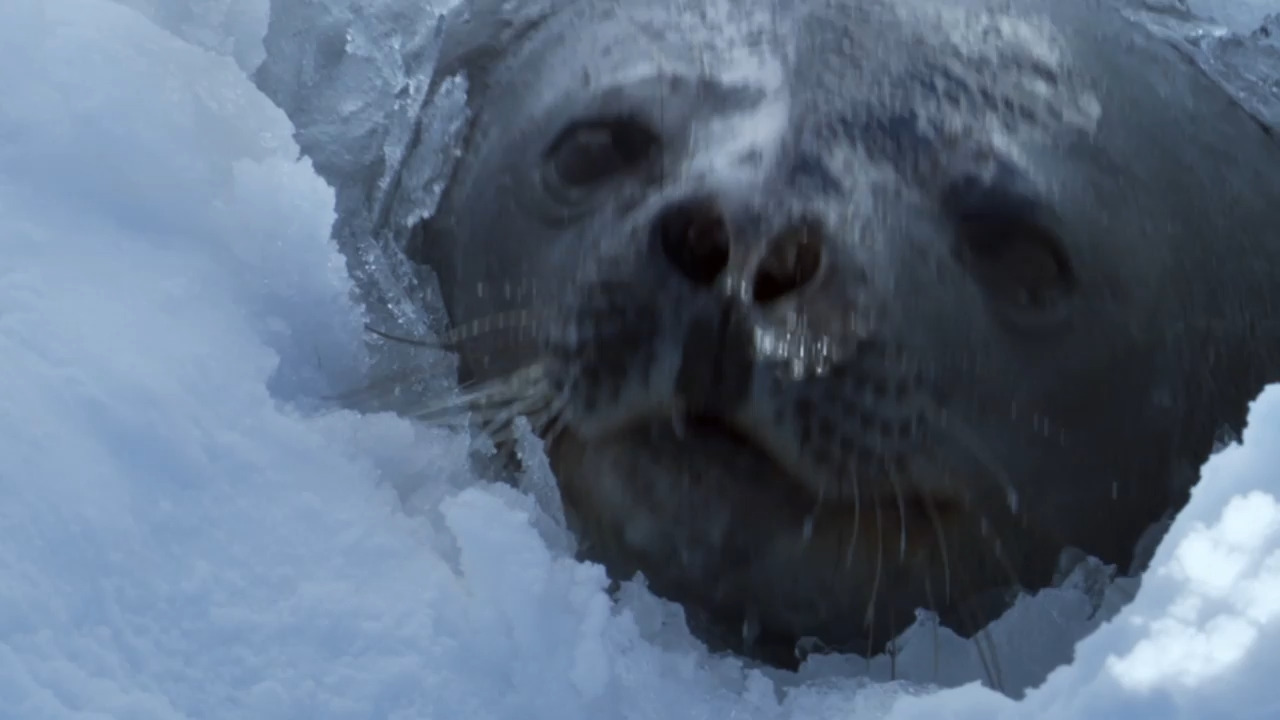
In A Weddell Seal Family's Journey, narrator Sir David Attenborough describes how a mother seal and her pup brave the freezing cold near the South Pole. These seals are the only animals that can survive here, staying warm thanks to a thick layer of fat beneath their skin and their special fur. The mother feeds her pup and carefully maintains their diving hole in the water to prevent it from freezing over, ensuring they can get air. And, at just one week old, the pup takes its first swim beneath the ice! This video is excerpted from BBC’s Life, a show that explores the remarkable strategies animals and plants use to ensure their survival.
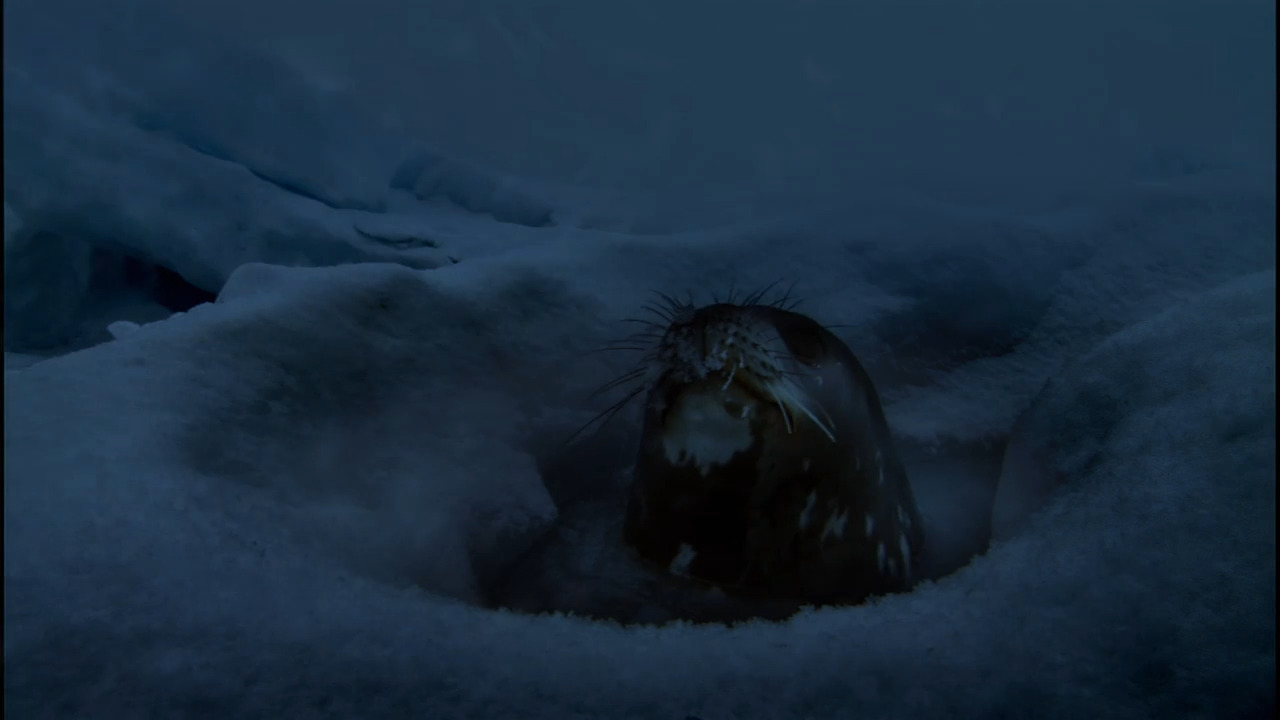
In Winter Underwater With Weddell Seals, narrator Sir David Attenborough explains how Weddell seals spend the winter underwater where the 28°F (-2°C) water is warm compared with the frigid temperatures above. Watch the Weddell seal glide through a watery world that has not changed for millions of years. This video is excerpted from BBC’s Frozen Planet, a series that shows a fragile world of beauty and hostility, where nature finds a way to survive and thrive in frigid conditions.
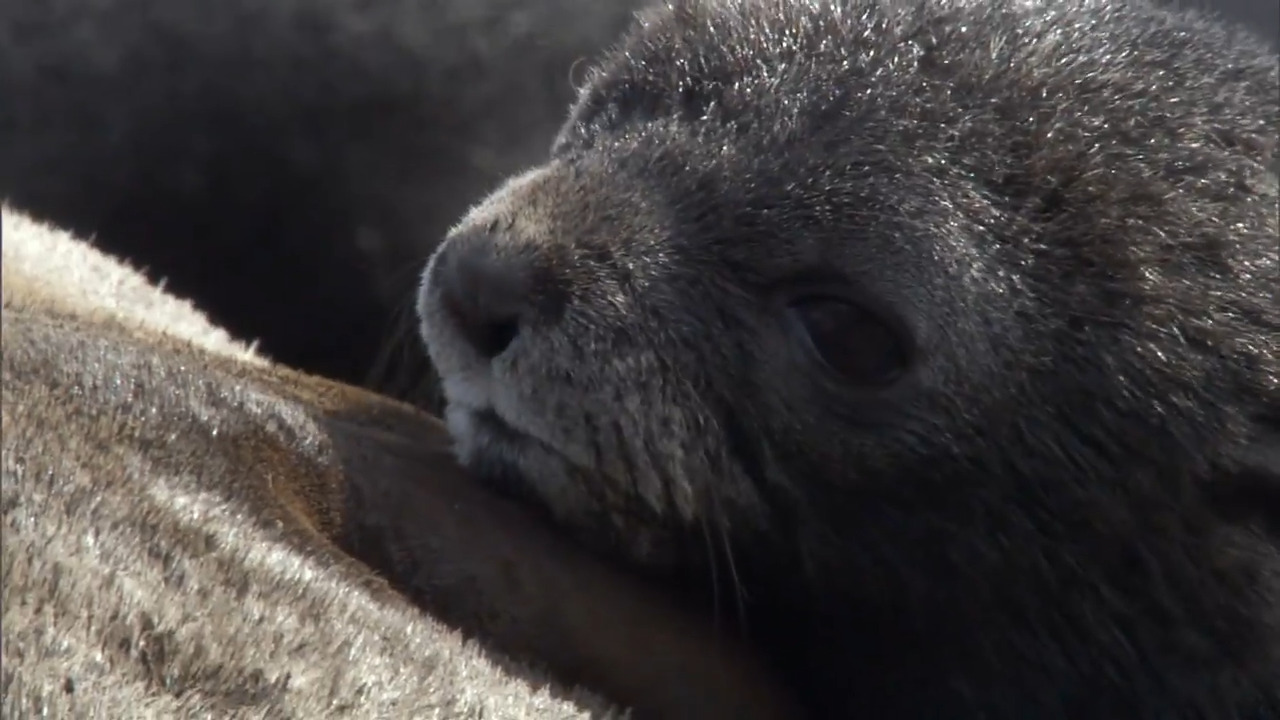
In A Colony of Seal Pups, Sir David Attenborough announces the arrival of 5 million seals in South Georgia. Within 10 days, babies are born and mother seals are busy taking care of them. For mother seals, forming a bond with their babies is crucial. This video is excerpted from BBC’s Frozen Planet, a series that shows a fragile world of beauty and hostility, where nature finds a way to survive and thrive in frigid conditions.
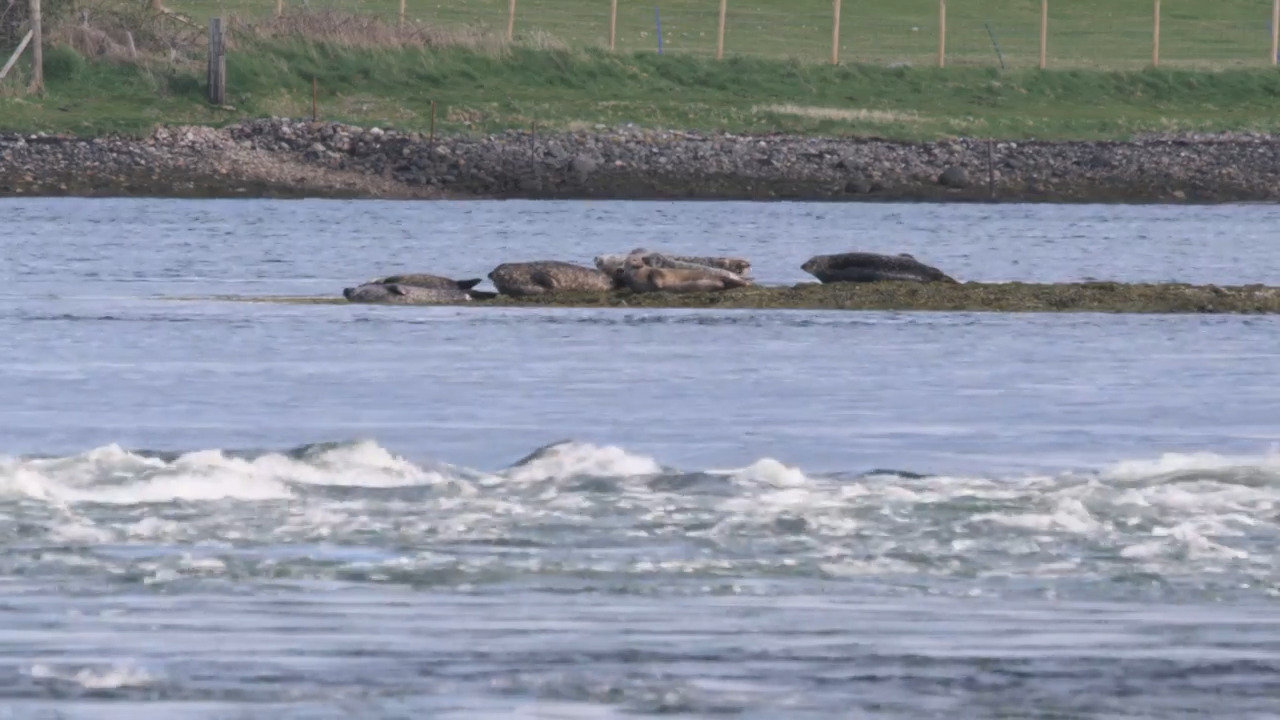
In Searching for Seals, Ranger Hamza and the Ramblers have their binoculars ready to spot seals. Join them as they learn why seals are so important to their environment, and use binoculars to spot seals in the sea. This video is excerpted from BBC’s Ranger Hamza’s Eco Quest, a nature exploration show in which Ranger Hamza and the Ramblers go on quests to discover nature’s wonders and the important role they play in our environment.
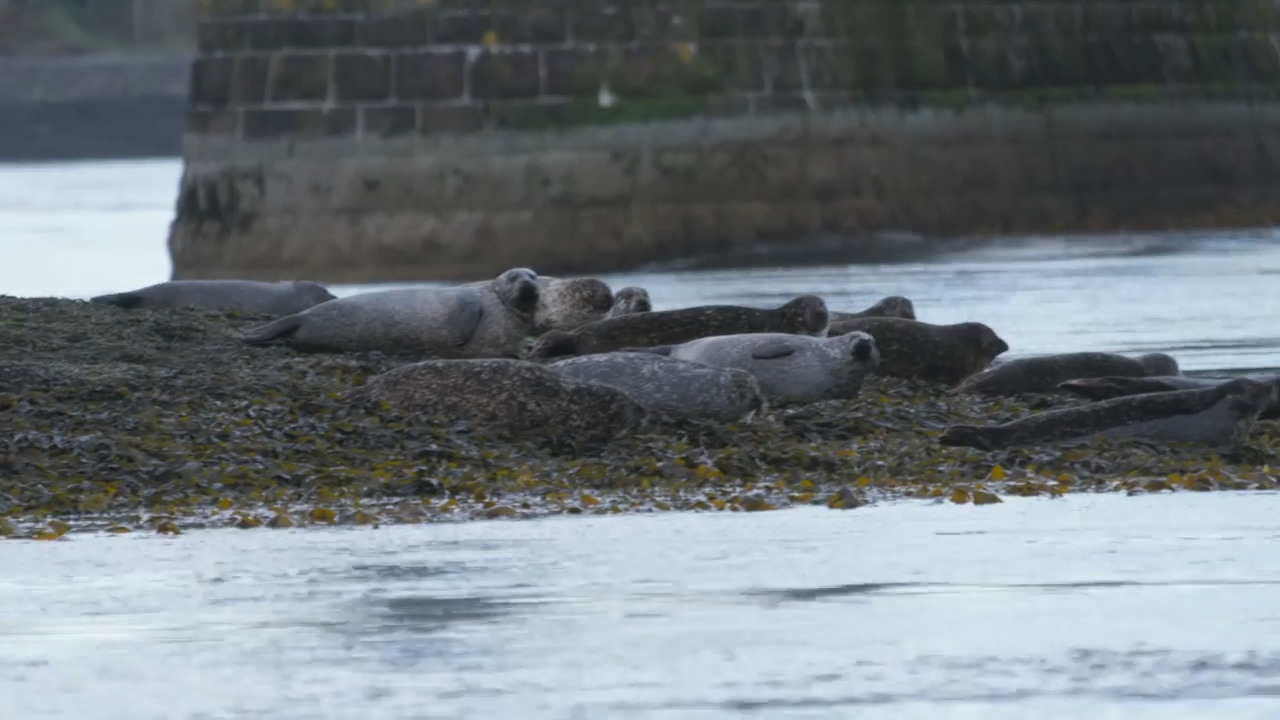
In Seals, a Keystone Species, Ranger Hamza and the Ramblers are on a boat and they spot seals! Join them as they learn how the seals are a keystone species in this ecosystem, and how the seals help the environment around them. This video is excerpted from BBC's Ranger Hamza’s Eco Quest, a nature exploration show in which Ranger Hamza and the Ramblers go on quests to discover nature’s wonders and the important role they play in our environment.
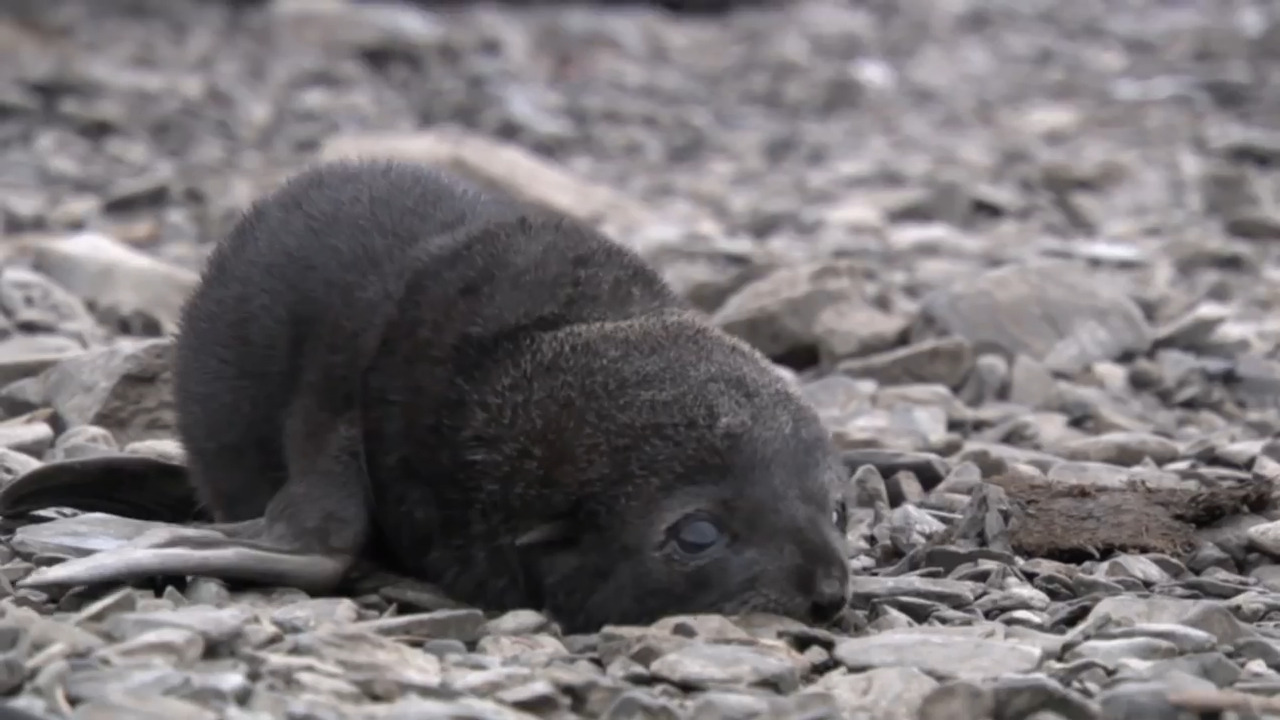
In A Dangerous Life for Fur Seal Pups, narrator Gordon Buchanan describes how a baby seal faces danger and risks getting separated from its mother on an island in the South Atlantic. Additionally, large bull seals fight in their midst, trampling baby seals. Fortunately, the battered pup survives and uses scent and sound to find its mother again. This video is excerpted from BBC's Animal Babies, a heartwarming show that follows the first breaths, first steps, and first feeds of some adorable baby animals, revealing the challenges they face to survive in some of the toughest but most beautiful places on the planet.

Get ready for cuteness overload with this heartwarming playlist of baby animal videos! Watch ducklings wobble, elephants splash, wildebeests race, seals snooze, and otters play with endless charm. Perfect for captivating your class while sneaking in a little science, these clips will have your students saying “aww” while you say, “This totally counts as learning!”
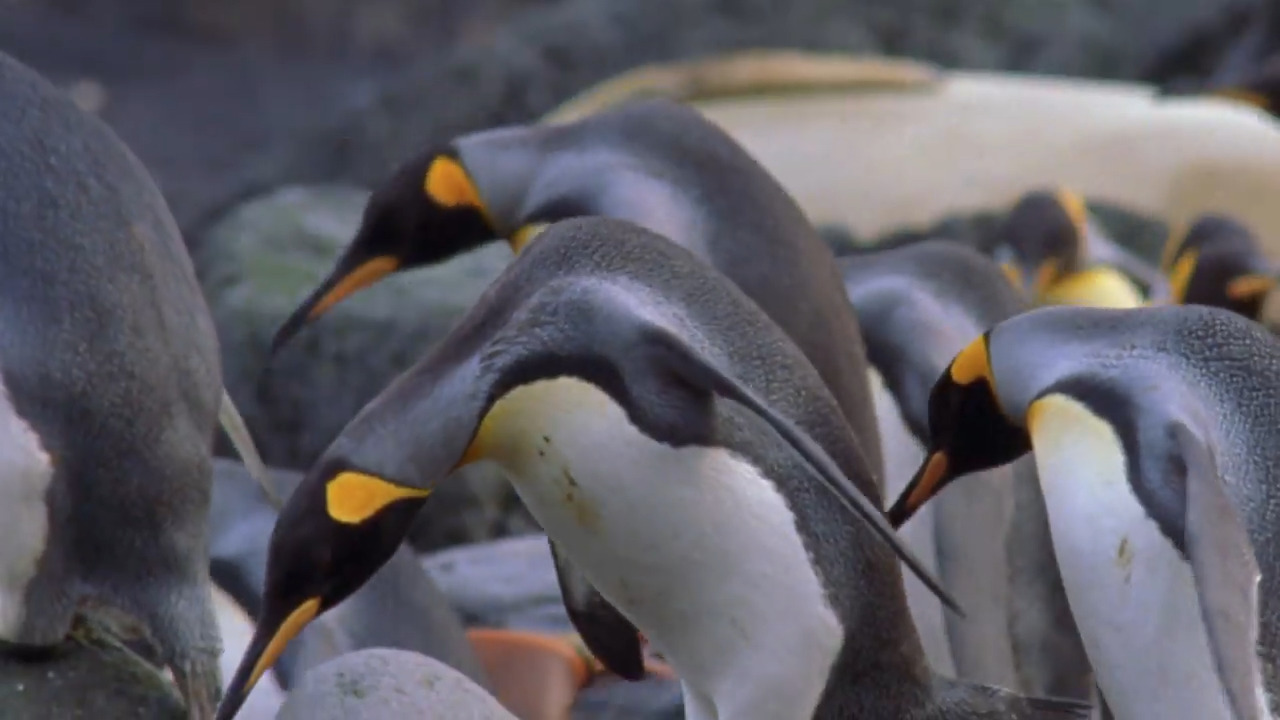
In King Penguins Parents Brave a Perilous Trek, narrator Sir David Attenborough explains that chicks are bred on isolated Marion Island in the polar sea. Parents return from days of fishing and brave a trek past elephant seals to feed their young. This video is excerpted from BBC's Planet Earth, a breathtaking documentary series that highlights the natural wonders of our planet.
Bring your students on an icy exploration of the polar ecosystem! The Arctic and Antarctica may look frozen and empty at first glance, but they’re full of life perfectly adapted to the cold.
✨ Perfect for grades 3–8, here’s what you need to bring ecosystems to life:
- Iconic BBC Videos: Share the clips on this page to introduce the location, plants, animals, and climate of the polar regions. (Don't miss the narwhals and emperor penguins!) Brought to you by world-class BBC programs like Planet Earth, Frozen Planet, and Seven Worlds, One Planet.
- Free Printable: Use the Polar Brochure Template to help students pull it all together in an ecosystem report with facts they’ve learned (and a little extra research).
It’s everything you need to make ecosystems easy to teach and truly memorable for your students.
In Great White Sharks vs. Cape Fur Seals, seals head out to sea. As they swim, they must get past great white sharks, apex predators that are waiting to throw their weight around to capture a seal snack. This video is excerpted from BBC’s Planet Earth, a breathtaking documentary series that highlights the natural wonders of our planet.
In Weddell Seal Pups in Antarctica, narrator Sir David Attenborough reveals the challenges newborn seal pups face in one of the harshest environments on Earth. From enduring subzero temperatures and blizzards to entering the icy water for the first time, every decision impacts their survival. This video is excerpted from BBC’s Seven Worlds, One Planet, a series featuring remarkable animal behavior from all seven continents.
In Seal Pups Growing Up, narrator Gordon Buchanan teaches about young seal pups growing up near the South Atlantic Ocean. The pups, whose mothers often leave them for several days on fishing expeditions, stay together like a big family and are watched by other adult seals, but sometimes they face challenges. This video is excerpted from BBC's Animal Babies, a heartwarming show that follows the first breaths, first steps and first feeds of some adorable baby animals, revealing the challenges they face to survive in some of the toughest but most beautiful places on the planet.
In A Weddell Seal Family's Journey, narrator Sir David Attenborough describes how a mother seal and her pup brave the freezing cold near the South Pole. These seals are the only animals that can survive here, staying warm thanks to a thick layer of fat beneath their skin and their special fur. The mother feeds her pup and carefully maintains their diving hole in the water to prevent it from freezing over, ensuring they can get air. And, at just one week old, the pup takes its first swim beneath the ice! This video is excerpted from BBC’s Life, a show that explores the remarkable strategies animals and plants use to ensure their survival.
In Winter Underwater With Weddell Seals, narrator Sir David Attenborough explains how Weddell seals spend the winter underwater where the 28°F (-2°C) water is warm compared with the frigid temperatures above. Watch the Weddell seal glide through a watery world that has not changed for millions of years. This video is excerpted from BBC’s Frozen Planet, a series that shows a fragile world of beauty and hostility, where nature finds a way to survive and thrive in frigid conditions.
In A Colony of Seal Pups, Sir David Attenborough announces the arrival of 5 million seals in South Georgia. Within 10 days, babies are born and mother seals are busy taking care of them. For mother seals, forming a bond with their babies is crucial. This video is excerpted from BBC’s Frozen Planet, a series that shows a fragile world of beauty and hostility, where nature finds a way to survive and thrive in frigid conditions.
In Searching for Seals, Ranger Hamza and the Ramblers have their binoculars ready to spot seals. Join them as they learn why seals are so important to their environment, and use binoculars to spot seals in the sea. This video is excerpted from BBC’s Ranger Hamza’s Eco Quest, a nature exploration show in which Ranger Hamza and the Ramblers go on quests to discover nature’s wonders and the important role they play in our environment.
In Seals, a Keystone Species, Ranger Hamza and the Ramblers are on a boat and they spot seals! Join them as they learn how the seals are a keystone species in this ecosystem, and how the seals help the environment around them. This video is excerpted from BBC's Ranger Hamza’s Eco Quest, a nature exploration show in which Ranger Hamza and the Ramblers go on quests to discover nature’s wonders and the important role they play in our environment.
In A Dangerous Life for Fur Seal Pups, narrator Gordon Buchanan describes how a baby seal faces danger and risks getting separated from its mother on an island in the South Atlantic. Additionally, large bull seals fight in their midst, trampling baby seals. Fortunately, the battered pup survives and uses scent and sound to find its mother again. This video is excerpted from BBC's Animal Babies, a heartwarming show that follows the first breaths, first steps, and first feeds of some adorable baby animals, revealing the challenges they face to survive in some of the toughest but most beautiful places on the planet.
Get ready for cuteness overload with this heartwarming playlist of baby animal videos! Watch ducklings wobble, elephants splash, wildebeests race, seals snooze, and otters play with endless charm. Perfect for captivating your class while sneaking in a little science, these clips will have your students saying “aww” while you say, “This totally counts as learning!”
In King Penguins Parents Brave a Perilous Trek, narrator Sir David Attenborough explains that chicks are bred on isolated Marion Island in the polar sea. Parents return from days of fishing and brave a trek past elephant seals to feed their young. This video is excerpted from BBC's Planet Earth, a breathtaking documentary series that highlights the natural wonders of our planet.