
The article "U.S. Lab Creates Living Robots That Are Capable of Self-Replicating" from BBC's Science Focus showcases the creation of xenobots, living robots designed using computer simulations and frog heart cells. Xenobots could have future applications in environmental cleanup and personalized medicine.
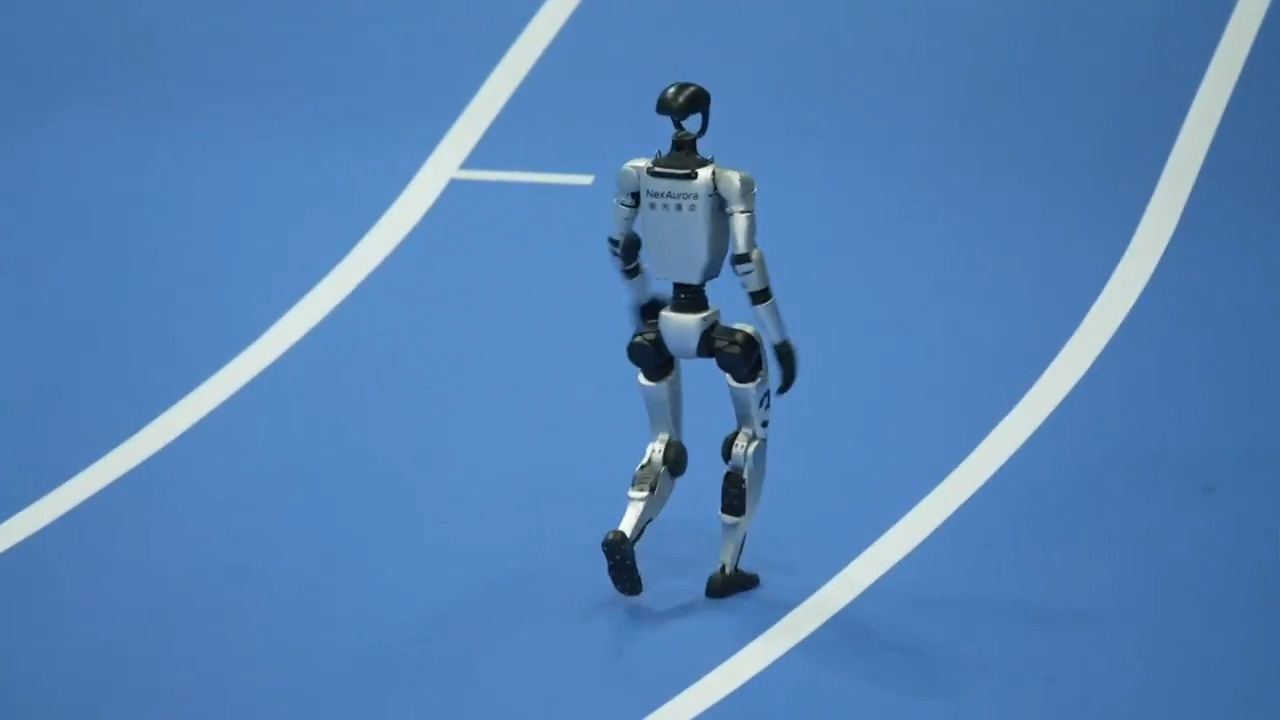
If humans have the Olympics, robots have their own ultimate showdown: the World Humanoid Robot Games in Beijing, China. It’s a high-energy mix of sport and science where humanoid robots sprint, box, and compete in athletic challenges designed to test just how “human-like” they really are.
But this isn’t just for fun (though it definitely looks fun to watch). Engineers use the competition to push their robots to the limit — testing speed, balance, coordination, and decision-making. Every stumble or success helps them figure out how to build smarter, stronger machines for the future. There’s prize money and recognition on the line too, which helps fuel a fast-growing robotics industry already backed by billions of dollars.
And no, this doesn’t mean robot athletes are about to take over your school sports day. Experts say humanoid robots are still mostly heading toward factories and specialized jobs — not everyday life. So for now, the biggest robot “athlete” you’ll probably meet is still your vacuum cleaner doing laps around the living room.
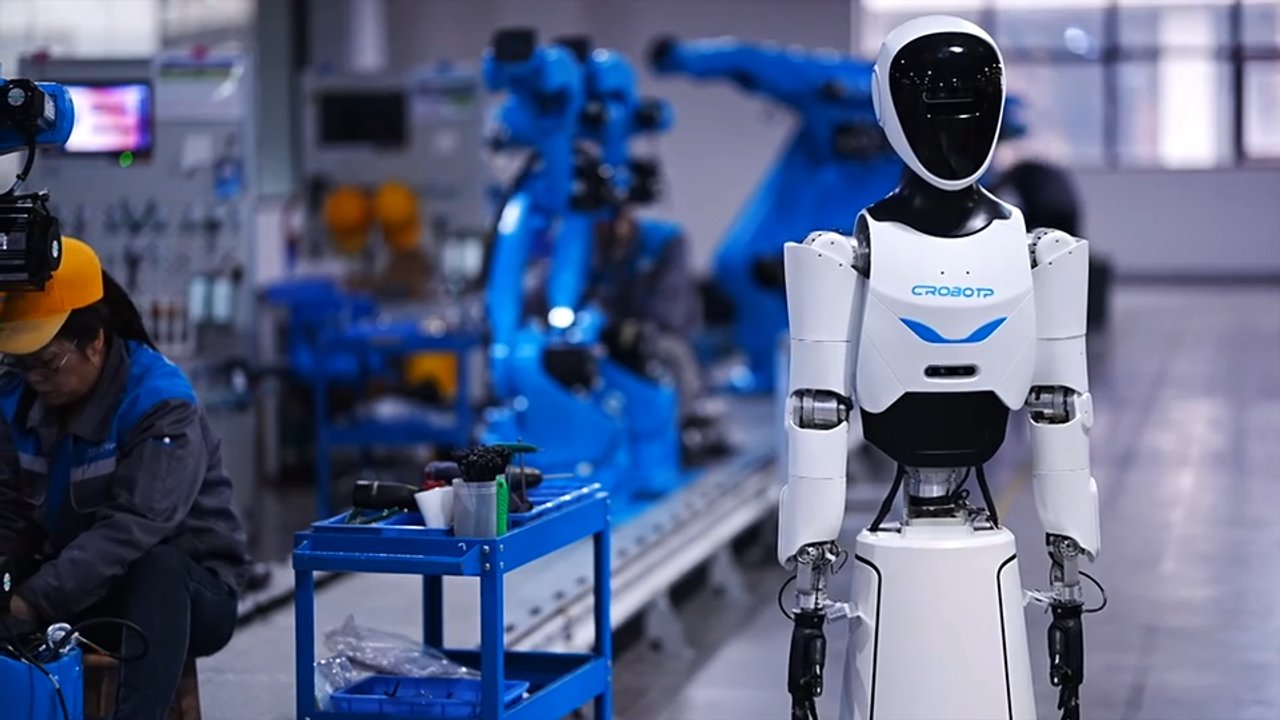
Robots that can outrun and outjump humans make great viral videos. In China, though, the bigger robot story is happening inside factories. China has about 2 million industrial robots, which are machines that build products such as cars and phones. That’s three times as many as the United States. Some robot arms can already do about 90% of the jobs on a production line, and engineers expect them to start building other robots.
Why is this happening? China’s population is getting older and smaller, so fewer young people are available to work in factories. Robots fill the gap and make products cheaper. But millions of people rely on factory jobs to earn a living.
Many young people in China can’t find work, so students are now training to work alongside robots. If you’re a teen anywhere in the world, that question applies to you too: will robots take jobs from people, or create new ones?
The article "U.S. Lab Creates Living Robots That Are Capable of Self-Replicating" from BBC's Science Focus showcases the creation of xenobots, living robots designed using computer simulations and frog heart cells. Xenobots could have future applications in environmental cleanup and personalized medicine.
If humans have the Olympics, robots have their own ultimate showdown: the World Humanoid Robot Games in Beijing, China. It’s a high-energy mix of sport and science where humanoid robots sprint, box, and compete in athletic challenges designed to test just how “human-like” they really are.
But this isn’t just for fun (though it definitely looks fun to watch). Engineers use the competition to push their robots to the limit — testing speed, balance, coordination, and decision-making. Every stumble or success helps them figure out how to build smarter, stronger machines for the future. There’s prize money and recognition on the line too, which helps fuel a fast-growing robotics industry already backed by billions of dollars.
And no, this doesn’t mean robot athletes are about to take over your school sports day. Experts say humanoid robots are still mostly heading toward factories and specialized jobs — not everyday life. So for now, the biggest robot “athlete” you’ll probably meet is still your vacuum cleaner doing laps around the living room.
Robots that can outrun and outjump humans make great viral videos. In China, though, the bigger robot story is happening inside factories. China has about 2 million industrial robots, which are machines that build products such as cars and phones. That’s three times as many as the United States. Some robot arms can already do about 90% of the jobs on a production line, and engineers expect them to start building other robots.
Why is this happening? China’s population is getting older and smaller, so fewer young people are available to work in factories. Robots fill the gap and make products cheaper. But millions of people rely on factory jobs to earn a living.
Many young people in China can’t find work, so students are now training to work alongside robots. If you’re a teen anywhere in the world, that question applies to you too: will robots take jobs from people, or create new ones?