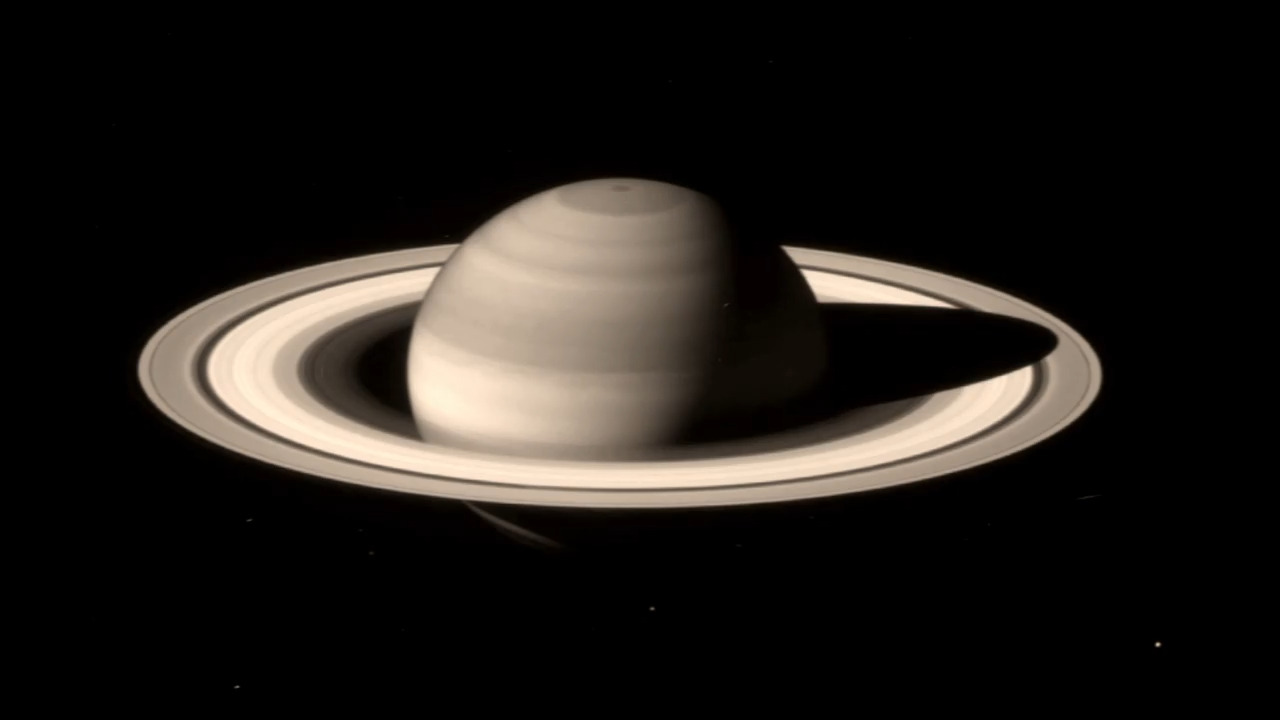
In The Origin of Saturn’s Intricate Rings, Professor Brian Cox visits the control center for Cassini, the spacecraft launched in 1997 that orbits Saturn. Cassini’s mission is to photograph Saturn’s rings and shed light on the origin story of the rings. Saturn behaves like a miniature Solar System with Saturn as sun, and moons that surround the rings, providing us the opportunity to learn about our own origin after the planets formed. This video is excerpted from BBC's Wonders of the Solar System, a spellbinding documentary series that explores the most extreme locations on Earth to explain how the laws of physics carved natural wonders across the Solar System.
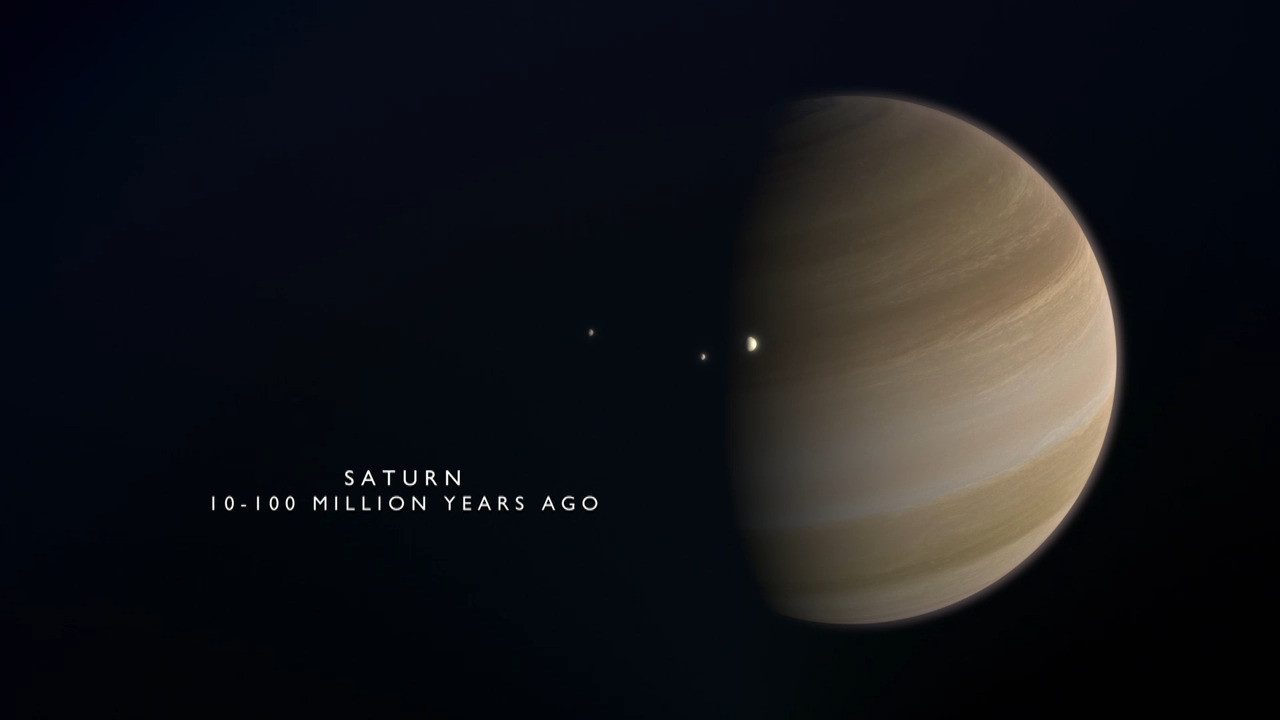
In Fhe Creation of Saturn’s Rings, Professor Brian Cox explains how Saturn’s rings came to be and what scientists have learned from the Cassini mission. Learn how dynamic and dramatic Saturn’s iconic rings are and the role that gravity plays in creating its rings. This video is excerpted from BBC’s The Planets, a series that explores the dramatic lives of the eight planets in our Solar System.
In The Rings of Saturn, Professor Brian Cox explains what scientists have learned about how Saturn’s rings came to be and how new they are. Learn which came first, Saturn’s rings or its moons. This video is excerpted from BBC’s The Planets, a series that explores the dramatic lives of the eight planets in our Solar System.
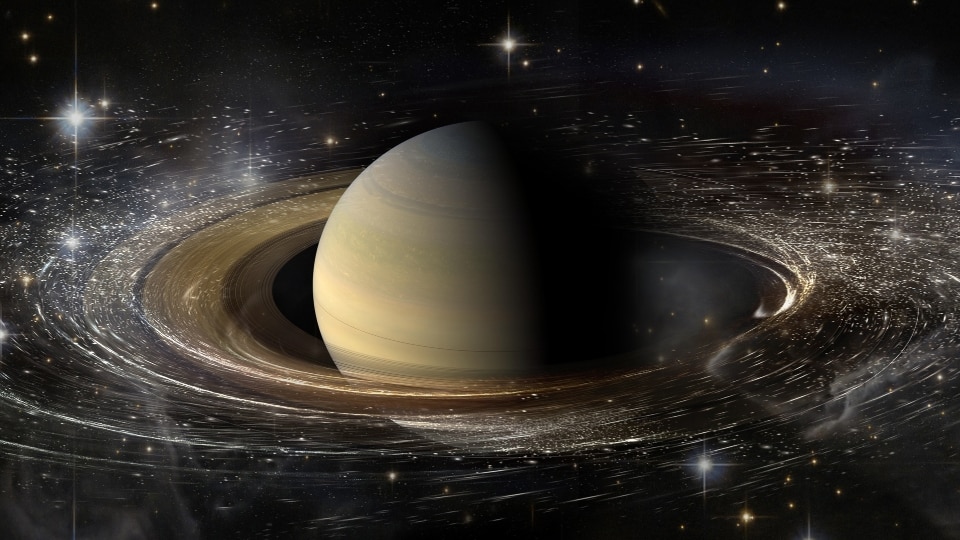
Explore one of the solar system's greatest mysteries in this Kahoot about Saturn's iconic rings and the discoveries that are changing what scientists thought they knew. From clues about their origins to evidence that they may be much younger than expected, discover why Saturn's rings continue to fascinate scientists.
This Kahoot explores planetary science, space exploration, and the evidence researchers use to uncover the history of distant worlds while revealing surprising facts about one of the most recognizable features in our solar system.
Watch the BBC videos about Saturn's rings (below), then take the Kahoot and see how much you know about Saturn's spectacular and ever-changing rings.
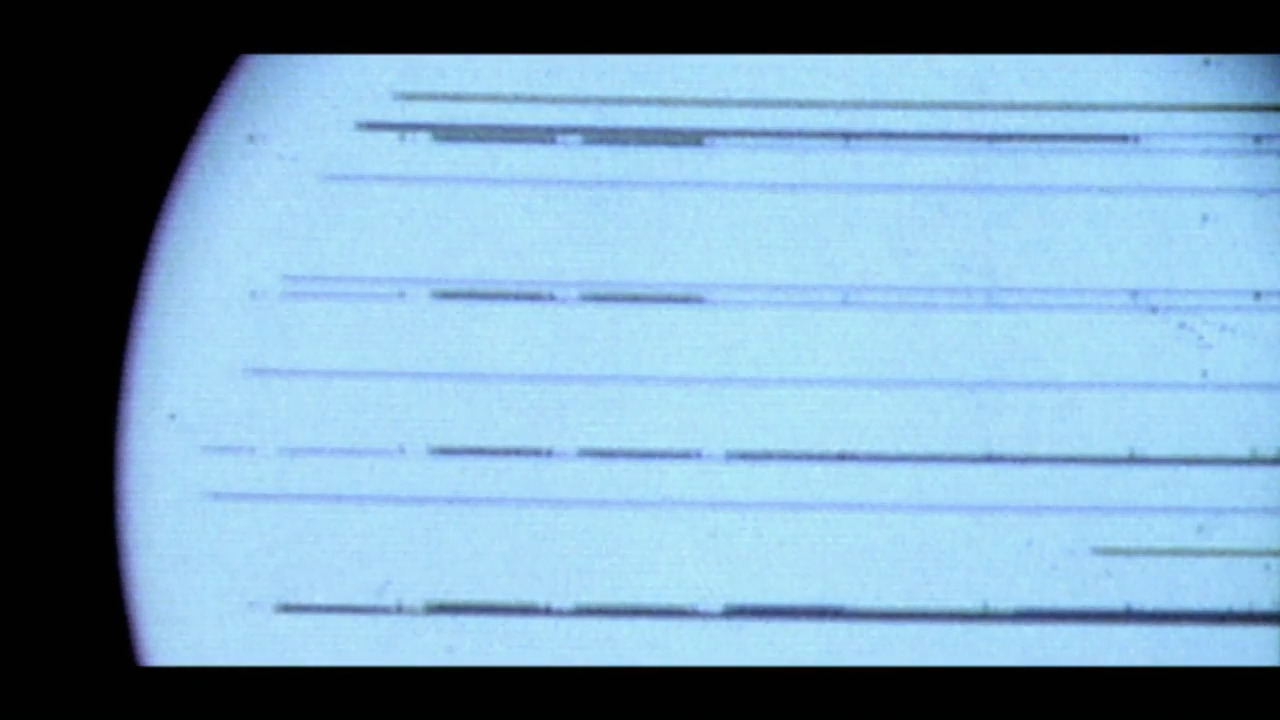
In Uranus, a Boring Planet?, Professor Brian Cox explains what scientists have learned about Uranus, a planet described as featureless and boring. But Uranus does have a mystery! How did it end up tipped on its side with rings that circle it from top to bottom? This video is excerpted from BBC’s The Planets, a series that explores the dramatic lives of the eight planets in our Solar System.
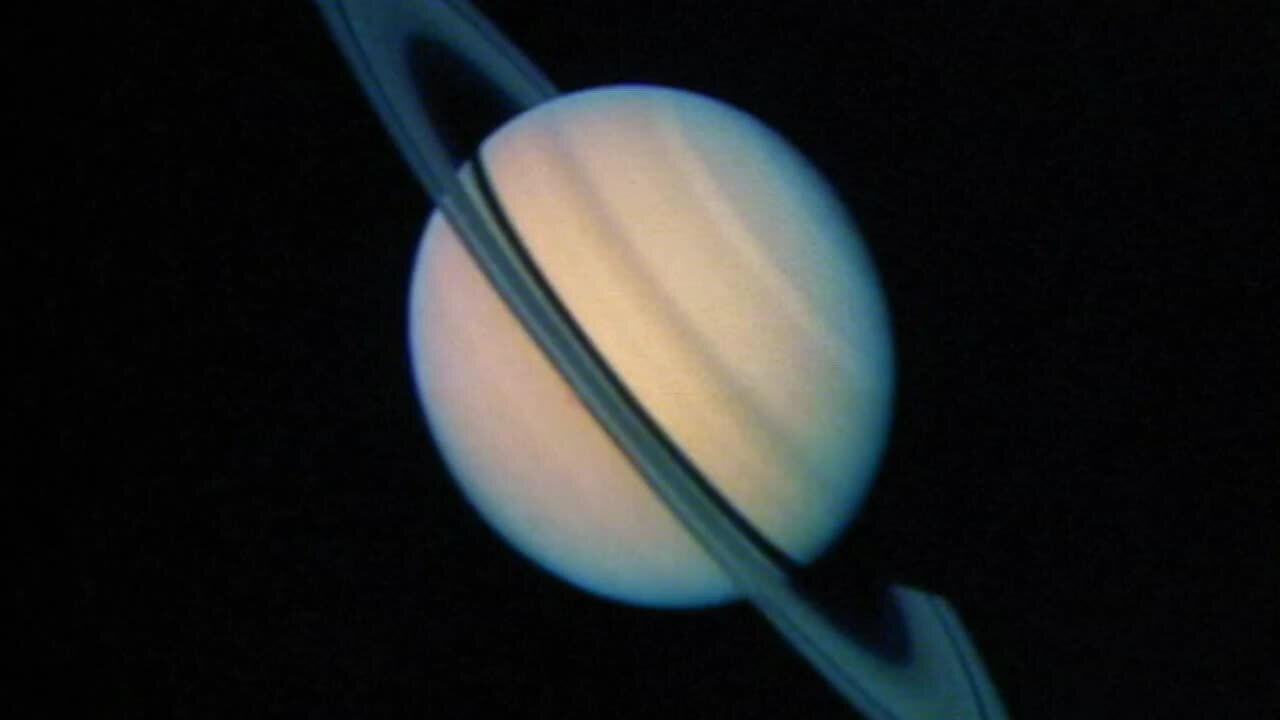
In A Journey to the Edges of the Solar System, learn all about the Voyager probes launched in 1977 that returned with exciting new images of Saturn and its rings. Data revealed that its atmosphere is made up of helium and hydrogen, a critical piece in understanding the planet’s evolution. This video is excerpted from BBC’s The Planets, a documentary series hosted by Professor Brian Cox that explores the dramatic lives, formation, and unique features of the eight planets in our Solar System through stunning visuals and scientific insights.
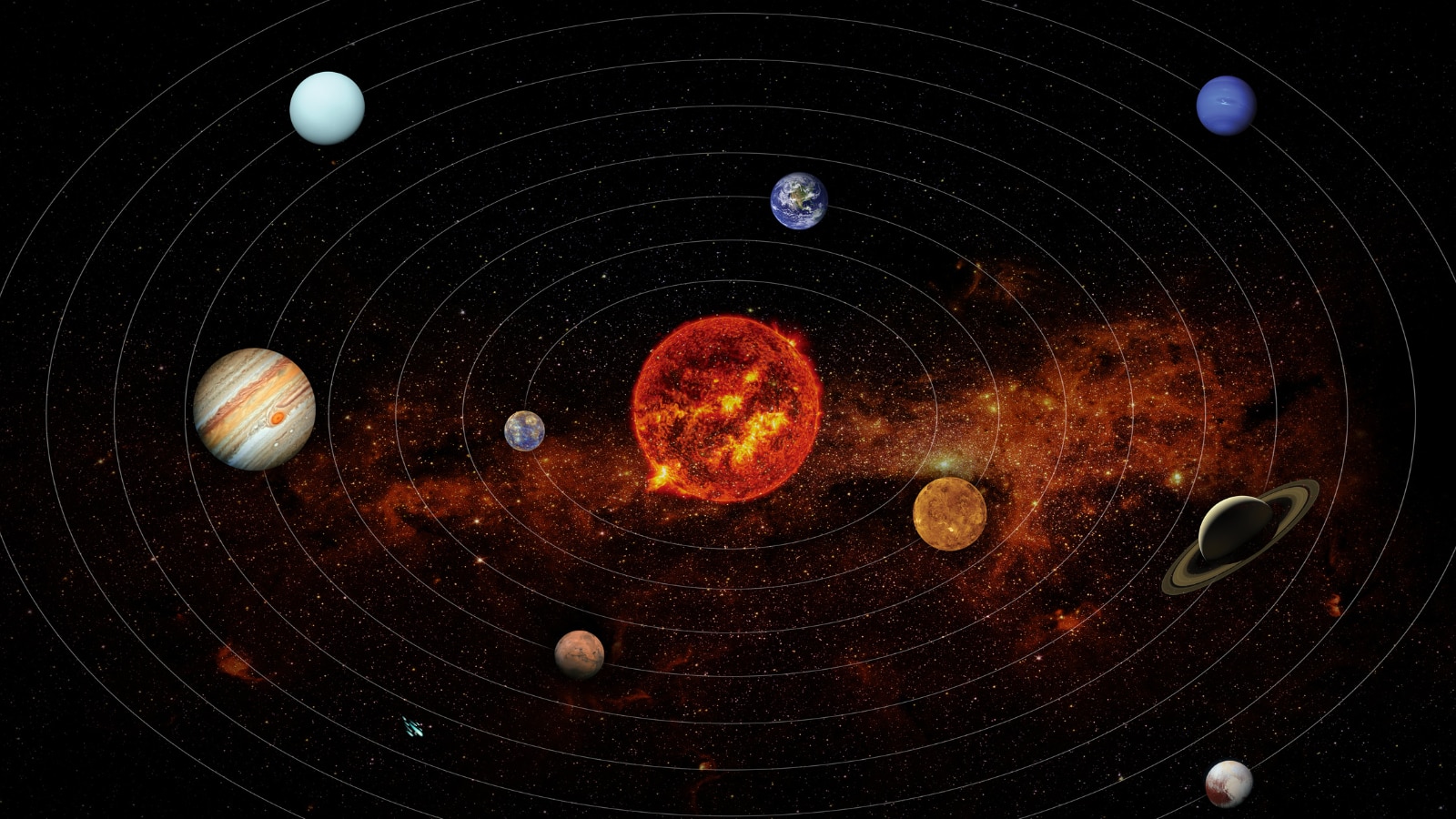
From the scorching surface of Mercury to the icy winds of Neptune, this BBC Learning Hub playlist takes you on an awe-inspiring voyage across our celestial neighborhood. Explore the mysteries of alien worlds, witness dramatic planetary weather, uncover the origins of Saturn’s rings, and ponder life on Mars. Whether you're a curious stargazer or a space science enthusiast, these video clips from landmark BBC series like The Planets and Wonders of the Solar System will ignite learner's imagination and deepen your cosmic curiosity.
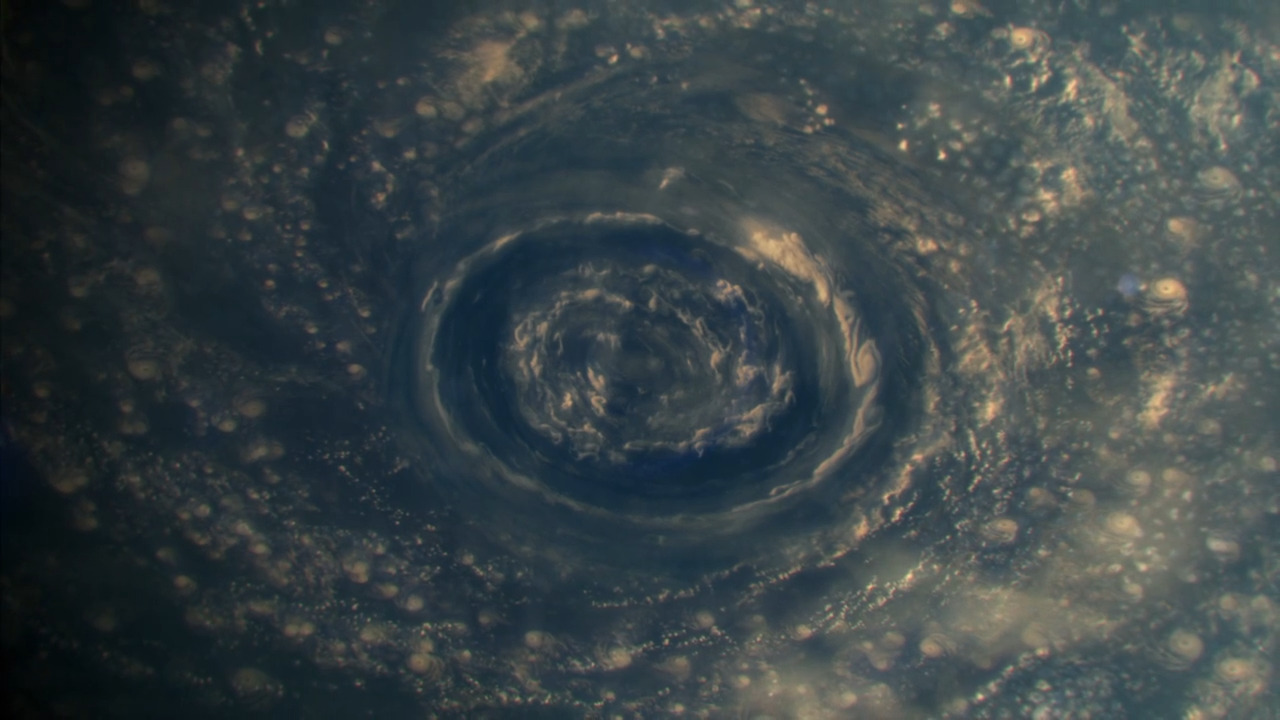
In Saturn's Dramatic Weather, Professor Brian Cox explains how Saturn is able to maintain dramatic weather when it is so far from the Sun. Learn how the pressure on Saturn creates clouds, storms, and diamond rain. This video is excerpted from BBC’s The Planets, a series that explores the dramatic lives of the eight planets in our Solar System.
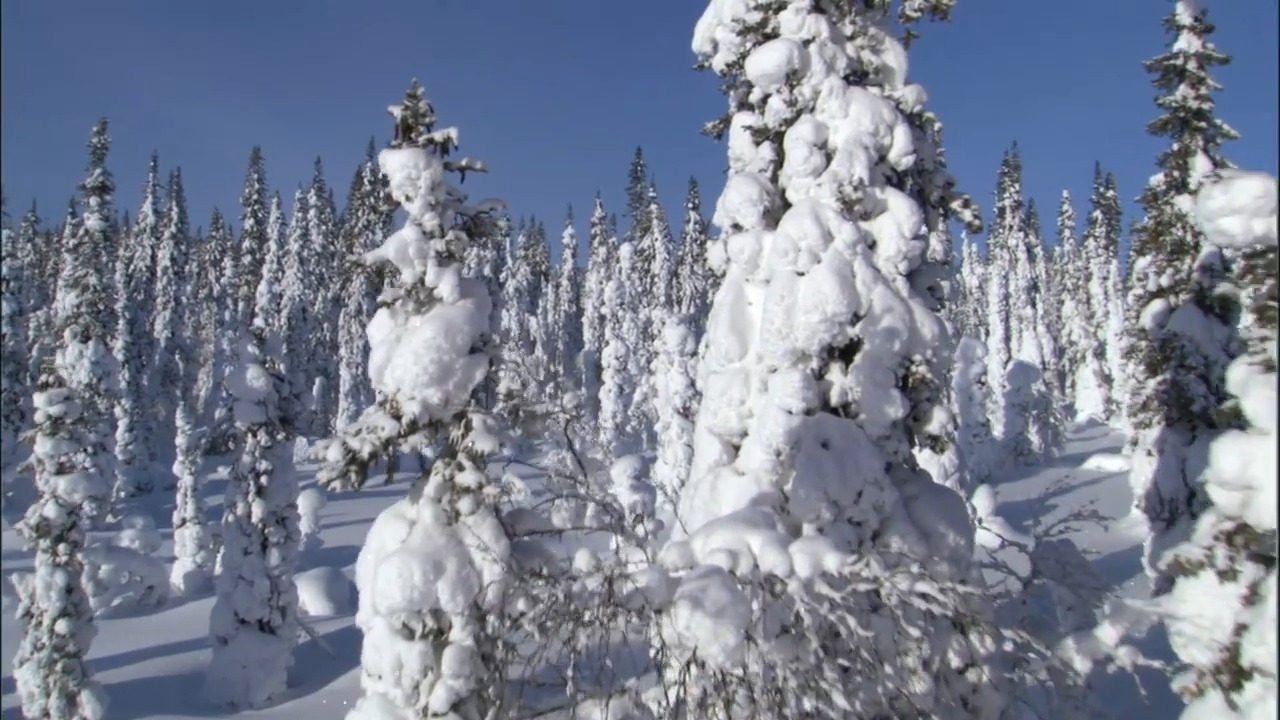
In The Green Ring of the Snowy Boreal Forests, narrator Sir David Attenborough highlights the distinct barrier between frozen land and forest. As spring creeps north, snowy boreal forests form a ring of green around the Earth. This video is excerpted from BBC's Planet Earth, a breathtaking documentary series that highlights the natural wonders of our planet.


In Why Hitting the Snooze Button Makes You Sleepier, host Harith Iskander explains what happens when we hit the snooze button in the morning. Science shows that the body starts preparing to wake up when the alarm rings, but pressing snooze resets the body’s sleep cycle. This causes the body to go back to the beginning of the cycle, making you feel even sleepier. This video is excerpted from BBC’s Got Science?, a science magazine series that explores and explains science in everyday life.
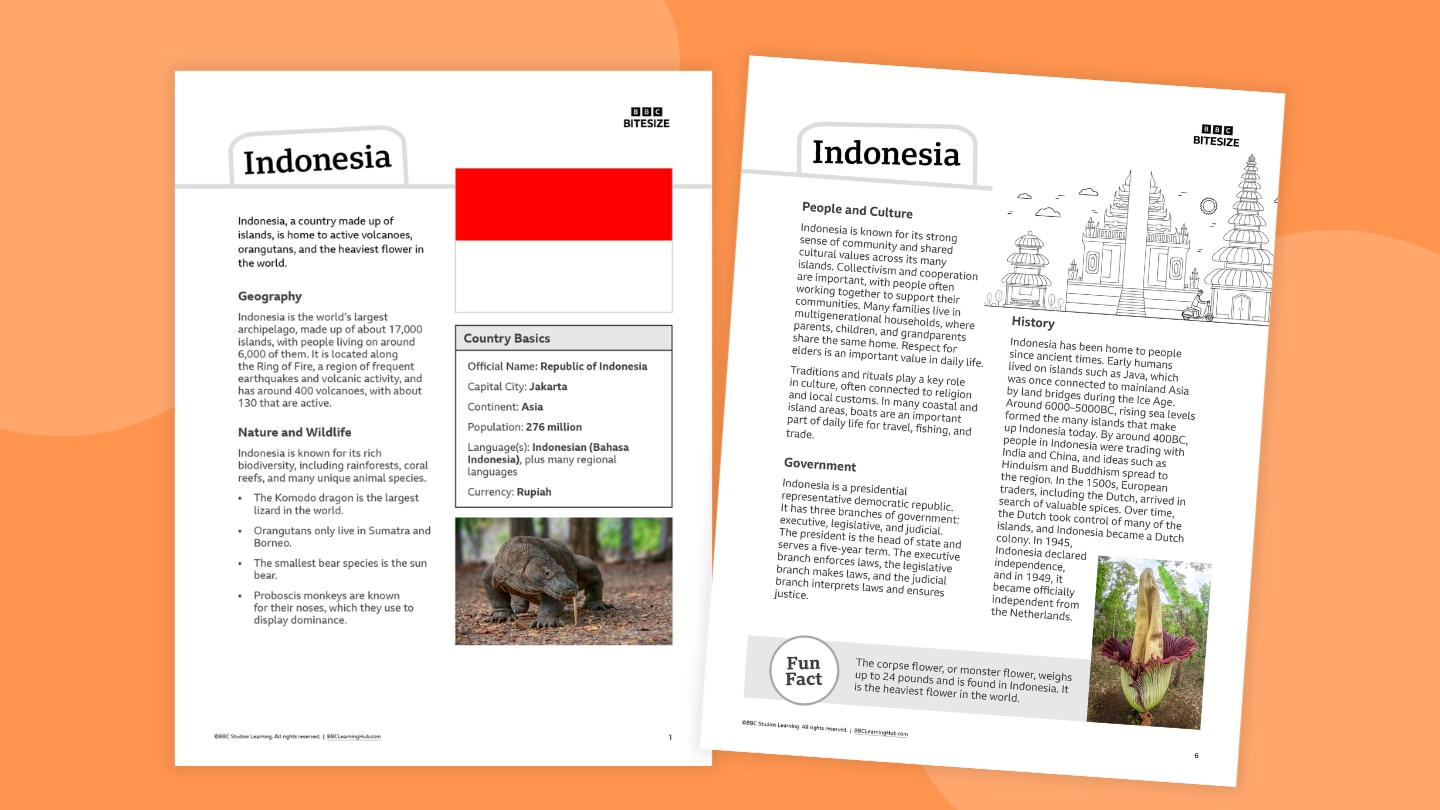
What country is made up of thousands of islands and sits along the Pacific Ring of Fire? Meet Indonesia, an island nation filled with volcanoes, rainforests, coral reefs, and some of the most unusual animals on Earth.
From Komodo dragons and orangutans to vibrant coral reefs and towering volcanoes, Indonesia’s islands are packed with natural wonders. Discover how the country’s geography has shaped the way people live, explore its history and government, and learn about its many languages, traditions, foods, and celebrations. You’ll also meet some of Indonesia’s incredible wildlife.
Teachers and parents, you can use this fact file to:
- Introduce a geography or social studies unit
- Support nonfiction reading practice
- Compare countries and cultures
- Complete map and research activities
- Prepare students for projects or presentations (use our country report template!)
- Pair with videos, articles, or other informational texts (see Related Resources below)
In The Origin of Saturn’s Intricate Rings, Professor Brian Cox visits the control center for Cassini, the spacecraft launched in 1997 that orbits Saturn. Cassini’s mission is to photograph Saturn’s rings and shed light on the origin story of the rings. Saturn behaves like a miniature Solar System with Saturn as sun, and moons that surround the rings, providing us the opportunity to learn about our own origin after the planets formed. This video is excerpted from BBC's Wonders of the Solar System, a spellbinding documentary series that explores the most extreme locations on Earth to explain how the laws of physics carved natural wonders across the Solar System.
In Fhe Creation of Saturn’s Rings, Professor Brian Cox explains how Saturn’s rings came to be and what scientists have learned from the Cassini mission. Learn how dynamic and dramatic Saturn’s iconic rings are and the role that gravity plays in creating its rings. This video is excerpted from BBC’s The Planets, a series that explores the dramatic lives of the eight planets in our Solar System.
In The Rings of Saturn, Professor Brian Cox explains what scientists have learned about how Saturn’s rings came to be and how new they are. Learn which came first, Saturn’s rings or its moons. This video is excerpted from BBC’s The Planets, a series that explores the dramatic lives of the eight planets in our Solar System.
Explore one of the solar system's greatest mysteries in this Kahoot about Saturn's iconic rings and the discoveries that are changing what scientists thought they knew. From clues about their origins to evidence that they may be much younger than expected, discover why Saturn's rings continue to fascinate scientists.
This Kahoot explores planetary science, space exploration, and the evidence researchers use to uncover the history of distant worlds while revealing surprising facts about one of the most recognizable features in our solar system.
Watch the BBC videos about Saturn's rings (below), then take the Kahoot and see how much you know about Saturn's spectacular and ever-changing rings.
In Uranus, a Boring Planet?, Professor Brian Cox explains what scientists have learned about Uranus, a planet described as featureless and boring. But Uranus does have a mystery! How did it end up tipped on its side with rings that circle it from top to bottom? This video is excerpted from BBC’s The Planets, a series that explores the dramatic lives of the eight planets in our Solar System.
In A Journey to the Edges of the Solar System, learn all about the Voyager probes launched in 1977 that returned with exciting new images of Saturn and its rings. Data revealed that its atmosphere is made up of helium and hydrogen, a critical piece in understanding the planet’s evolution. This video is excerpted from BBC’s The Planets, a documentary series hosted by Professor Brian Cox that explores the dramatic lives, formation, and unique features of the eight planets in our Solar System through stunning visuals and scientific insights.
From the scorching surface of Mercury to the icy winds of Neptune, this BBC Learning Hub playlist takes you on an awe-inspiring voyage across our celestial neighborhood. Explore the mysteries of alien worlds, witness dramatic planetary weather, uncover the origins of Saturn’s rings, and ponder life on Mars. Whether you're a curious stargazer or a space science enthusiast, these video clips from landmark BBC series like The Planets and Wonders of the Solar System will ignite learner's imagination and deepen your cosmic curiosity.
In Saturn's Dramatic Weather, Professor Brian Cox explains how Saturn is able to maintain dramatic weather when it is so far from the Sun. Learn how the pressure on Saturn creates clouds, storms, and diamond rain. This video is excerpted from BBC’s The Planets, a series that explores the dramatic lives of the eight planets in our Solar System.
In The Green Ring of the Snowy Boreal Forests, narrator Sir David Attenborough highlights the distinct barrier between frozen land and forest. As spring creeps north, snowy boreal forests form a ring of green around the Earth. This video is excerpted from BBC's Planet Earth, a breathtaking documentary series that highlights the natural wonders of our planet.
In Why Hitting the Snooze Button Makes You Sleepier, host Harith Iskander explains what happens when we hit the snooze button in the morning. Science shows that the body starts preparing to wake up when the alarm rings, but pressing snooze resets the body’s sleep cycle. This causes the body to go back to the beginning of the cycle, making you feel even sleepier. This video is excerpted from BBC’s Got Science?, a science magazine series that explores and explains science in everyday life.
What country is made up of thousands of islands and sits along the Pacific Ring of Fire? Meet Indonesia, an island nation filled with volcanoes, rainforests, coral reefs, and some of the most unusual animals on Earth.
From Komodo dragons and orangutans to vibrant coral reefs and towering volcanoes, Indonesia’s islands are packed with natural wonders. Discover how the country’s geography has shaped the way people live, explore its history and government, and learn about its many languages, traditions, foods, and celebrations. You’ll also meet some of Indonesia’s incredible wildlife.
Teachers and parents, you can use this fact file to:
- Introduce a geography or social studies unit
- Support nonfiction reading practice
- Compare countries and cultures
- Complete map and research activities
- Prepare students for projects or presentations (use our country report template!)
- Pair with videos, articles, or other informational texts (see Related Resources below)