
In VR Helps Inmates Reconnect With Society, host Simon Reeve takes us inside a prison where virtual reality is being used to help long-term prisoners prepare for life after release. These prisoners, many of whom haven't experienced modern life in years, use VR to practice everyday activities like ordering food, shopping, and job interviews. The program gives them a chance to reconnect with the outside world and build confidence for a successful future. This video is excerpted from BBC’s The Americas With Simon Reeve, in which Simon Reeve explores the landscapes, cultures, and wildlife of North and South America.
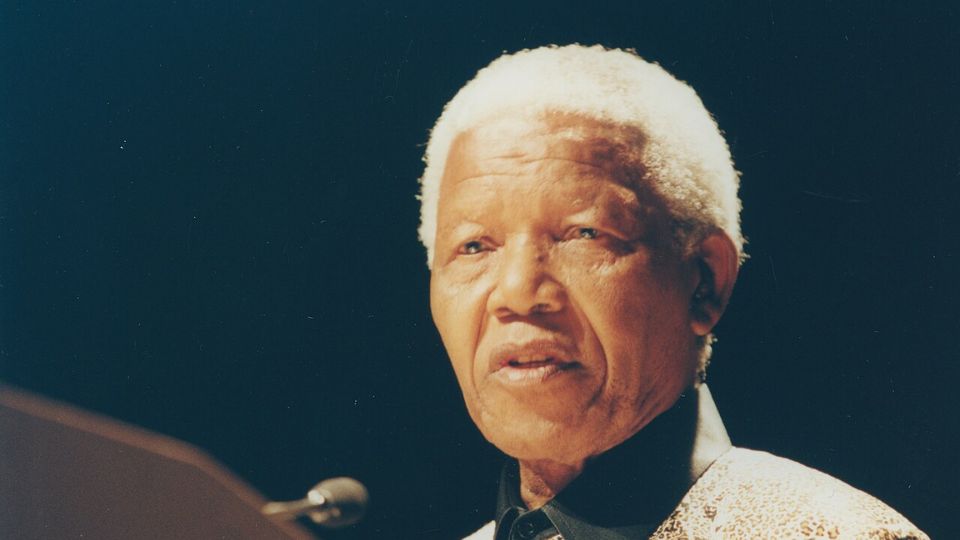
Follow the extraordinary life of Nelson Mandela, from his early fight against apartheid to his role in leading South Africa into a new era of democracy and reconciliation. Students will explore how Mandela stood up against injustice, endured years of imprisonment, and helped unite a divided nation through courage, perseverance, and forgiveness.
This Kahoot! examines key moments in Mandela’s journey, including the struggle against apartheid, his 27 years in prison, his release in 1990, and his election as South Africa’s first Black president. Students will discover how his leadership, resilience, and commitment to equality continue to influence Black history and inspire people around the world today.
Watch the related BBC videos, The Remarkable Life of Nelson Mandela and Nelson Mandela Walks Free, then invite your Grade 6–12 students to test their knowledge and deepen their understanding of this iconic global leader.
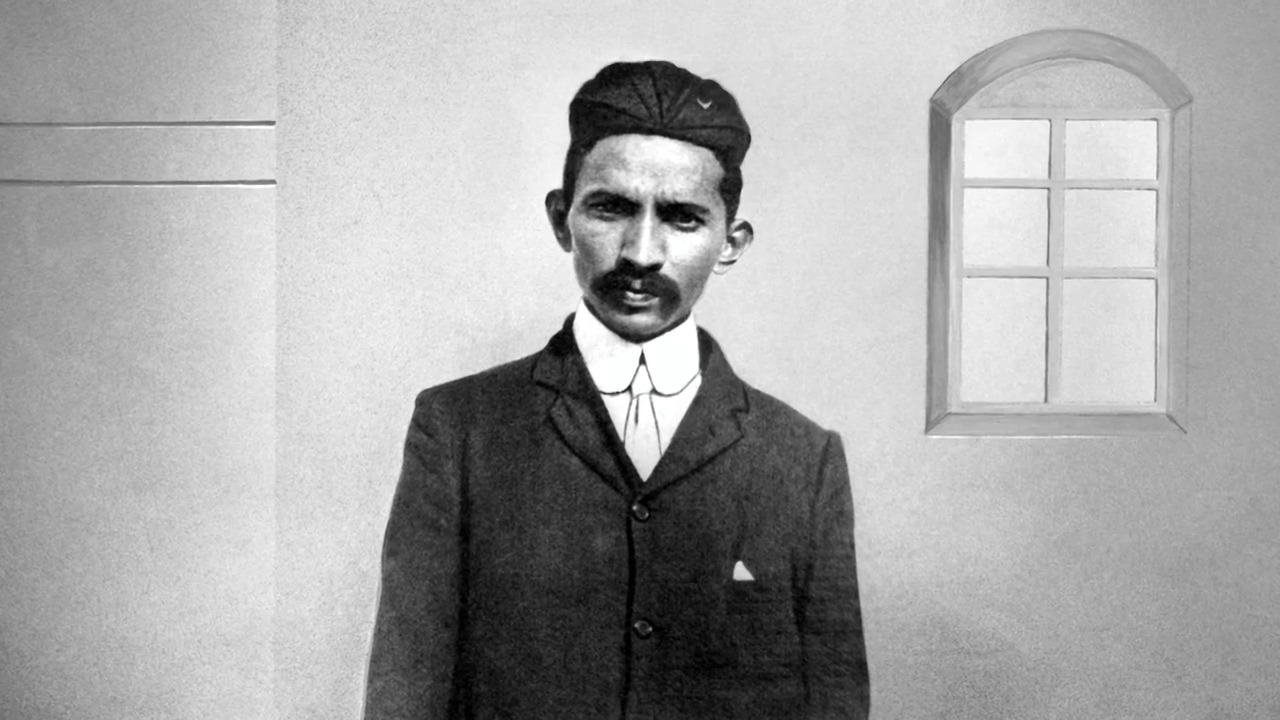
In The Life and Legacy of Mahatma Gandhi, host Sanjeev Bhaskar discusses the life of Mahatma Gandhi, his peaceful protests, and his ability to shake the foundations of the British Empire. This video is excerpted from BBC’s Icons: The Greatest Person of the 20th Century, a documentary series celebrating the achievements of the most influential figures of the era.

In Liberty! Equality! Fraternity!, host Andrew Marr explains how the ideals and events of the American Revolution inspired the French. From the storming of the Bastille to the execution of Louis XVI, the brutal French Revolution changed the course of history. This video is excerpted from BBC’s Andrew Marr's History of the World, a story of human history that uses reenactments, modern footage, and storytelling to explain history’s greatest achievements.
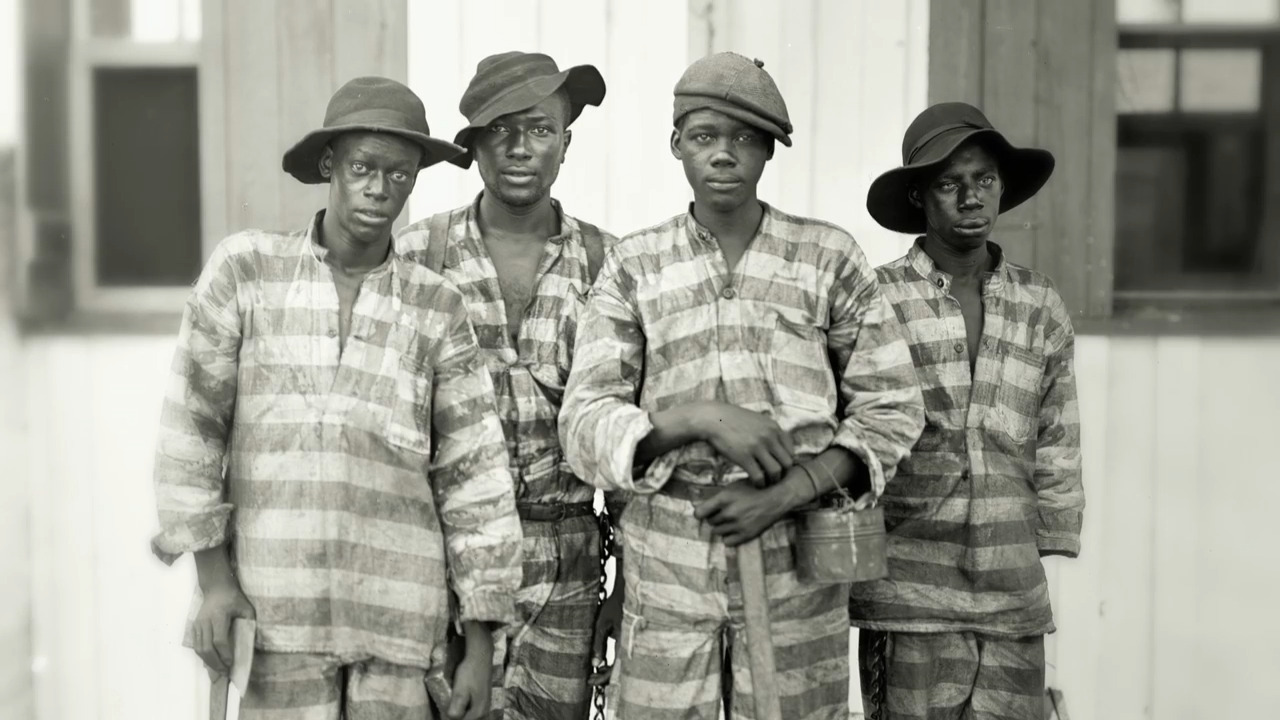
In From Emancipation to Convict Leasing, historian Lucy Worsley learns that although enslaved people were free after the Civil War, a new type of enslavement arose. If Black people were found guilty of even minor crimes, they ended in slavery of a new kind: convict leasing. Conditions were harsh and many people died. This video is excerpted from BBC's American History's Biggest Fibs With Lucy Worsley, in which Worsley reveals the myths and manipulations behind American history.
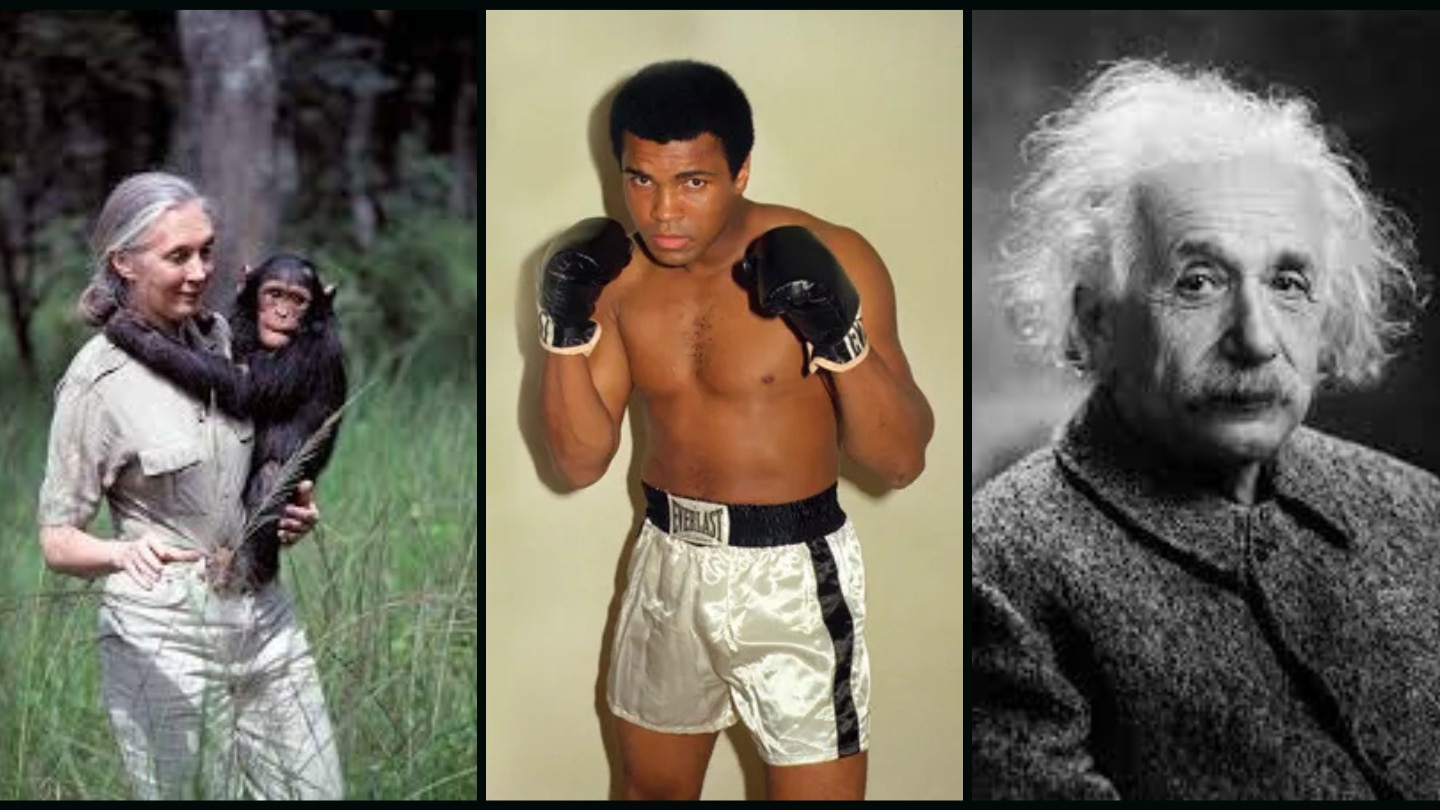
Drawn from the BBC series Icons: The Greatest Person of the 20th Century, this video playlist introduces influential figures from science, politics, civil rights, sports, art, music, exploration, and more. Meet Muhammad Ali, Helen Keller, Albert Einstein, Martin Luther King Jr., Jane Goodall, Pelé, and others whose work challenged conventions, broke barriers, or changed how people understood the world.
Explore the discoveries and ideas that transformed science, the movements that pushed societies toward change, and the creative achievements that reshaped art and culture. Along the way, consider the historical circumstances these figures lived through, the obstacles they faced, and the choices that shaped their public legacies.
What makes someone an icon? Is it achievement, influence, courage, originality — or something more complicated? These BBC videos invite viewers to look beyond famous names and consider how individuals can shape history, as well as how history shapes the way we remember them.

Travel from the busy streets of Jodhpur to the teak forests of central India, encountering a country shaped by thousands of years of history and extraordinary cultural and geographic diversity. Meet langur monkeys adapted to life alongside people, explore the origins and flavors of foods such as samosas, and see how daily life and traditions vary across communities.
Look deeper into India’s past through influential figures including the emperor Ashoka, whose rule helped shape the spread of Buddhism, and Mahatma Gandhi, whose nonviolent resistance became central to India’s independence movement. Other clips examine questions of equality, identity, social expectations, and the ways traditions can persist, adapt, and be challenged over time.
Together, these stories offer multiple perspectives on one of the world’s largest and most diverse countries — connecting its past with the people, places, and ideas shaping India today.
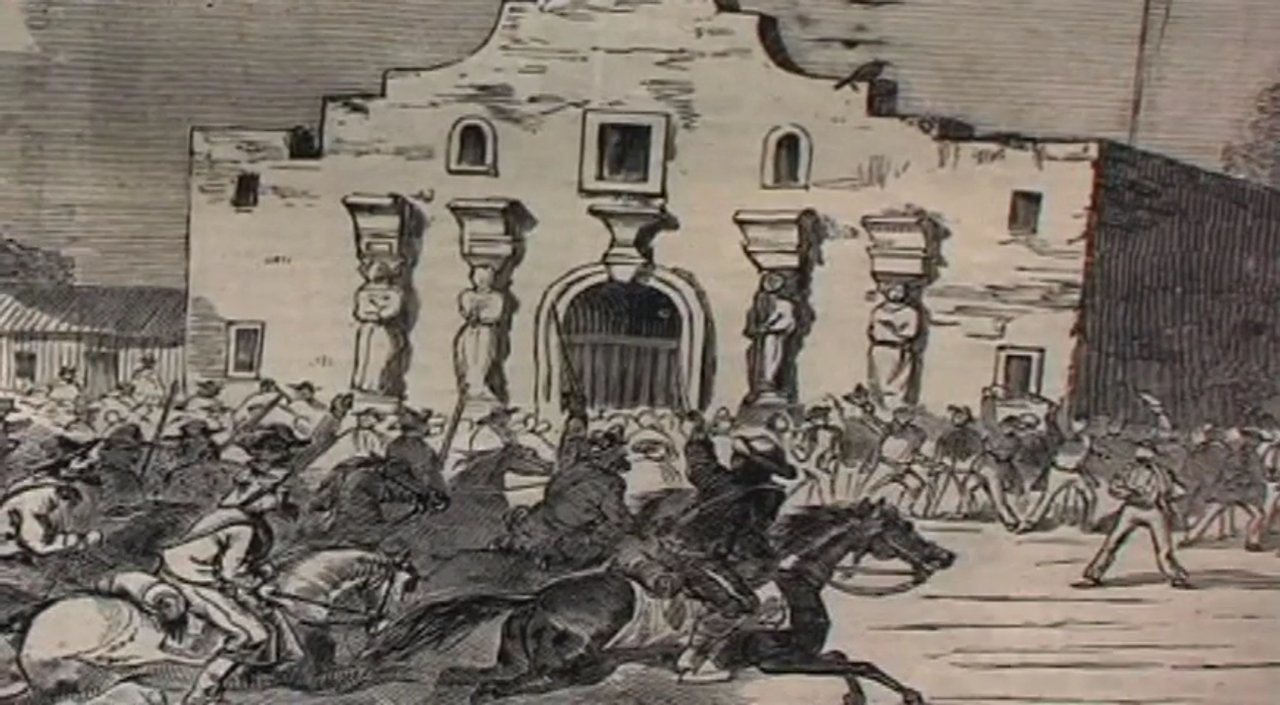
In the 1820s, Texas was part of Mexico, which invited settlers from the United States to move to the region. Disagreements over Mexican laws, cultural differences, and political control contributed to growing tensions. In 1835, the Texas Revolution began, as Texan rebels fought Mexican forces led by President and General Antonio López de Santa Anna. The Battle of the Alamo became a defining moment in the conflict, as a small group of Texan defenders held out for 13 days before Mexican troops captured the mission-fortress on March 6, 1836.
Weeks later, Mexican forces executed hundreds of Texan prisoners at Goliad. On April 21, 1836, General Sam Houston led a surprise attack against Santa Anna’s army at the Battle of San Jacinto. The Texan forces defeated the Mexican army and captured Santa Anna, helping secure Texas independence. Houston later became the first president of the Republic of Texas. The revolution shaped the region’s future, though the conflict also reflected competing claims to land, political authority, and national identity that had lasting consequences for both Texans and Mexico.
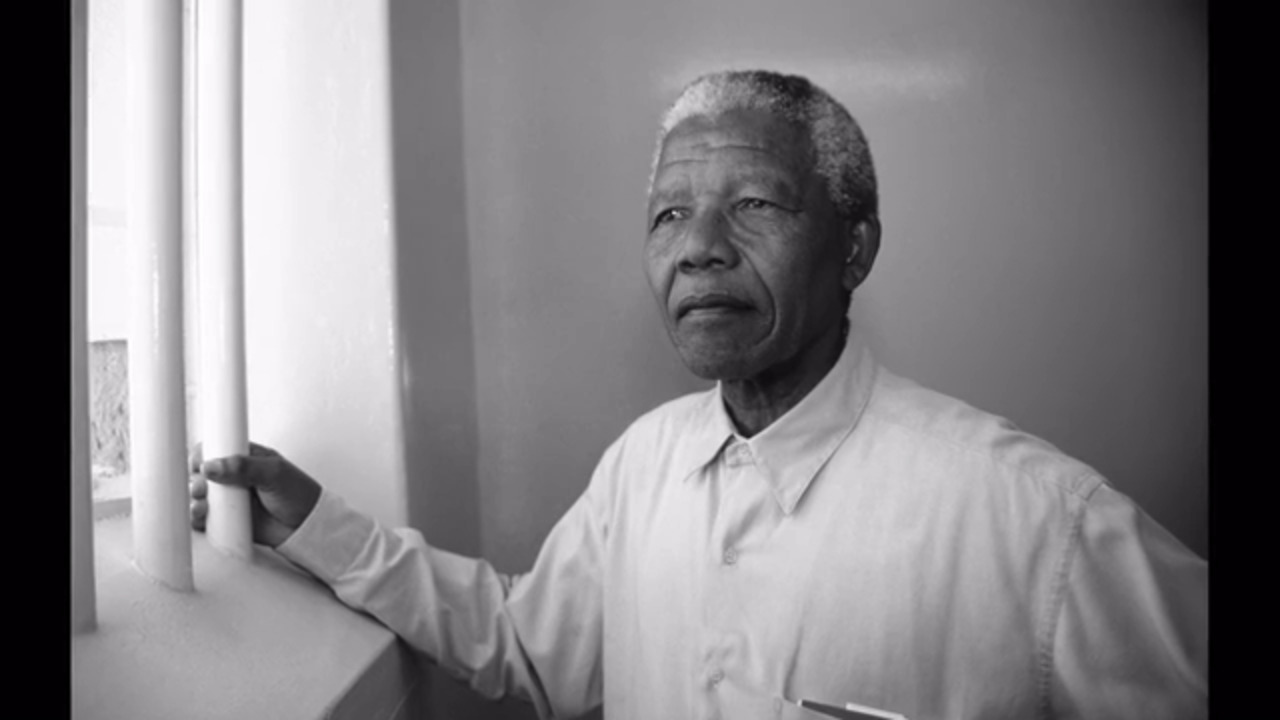
In Nelson Mandela Walks Free, journalist Trevor McDonald reflects on the moment Mandela was released from prison after 27 years and returned to his home in Soweto for the first time in three decades. As the first journalist to interview Mandela upon his release, McDonald discusses this monumental meeting and describes Mandela’s focus on forgiveness, optimism, and the future rather than past suffering. This video is excerpted from BBC’s Icons: The Greatest Person of the 20th Century, a documentary series celebrating the achievements of the most influential figures of the era.

These days, youth tech knowledge goes way beyond helping parents get out of their front-facing camera. Around the world, teenagers are being arrested in connection to serious cyberattacks that have disrupted everywhere from supermarkets to transport systems to healthcare companies, and even individuals.
But it’s not like these teens want to rob everyone of their crypto, or change all the supermarket barcodes to get free cookies. A young man named Lucas, for example, was caught twice hacking into his school computers so he could play games and access blocked websites. But he wasn’t expelled or arrested. Instead, he was enrolled in Cyber Choices, a nationwide program designed to steer young people away from illegal hacking.
The program teaches participants what is legal and illegal while encouraging them to use their technical skills for good instead of evil through training, qualifications, and future careers. So far, around 1,000 young people have gone through the program.
Cyber Choices is a voluntary program that’s hopefully appealing enough to tempt participants to join willingly, but that’s not always the case. Owen Flowers, for example, was offered the program as a teenager but refused to participate. He was later sentenced to five and a half years in prison for hacking.
Cyber Choices may be a helpful intervention, but schools are still taking preemptive action by having police do regular visits to teach students about cybercrime.
In VR Helps Inmates Reconnect With Society, host Simon Reeve takes us inside a prison where virtual reality is being used to help long-term prisoners prepare for life after release. These prisoners, many of whom haven't experienced modern life in years, use VR to practice everyday activities like ordering food, shopping, and job interviews. The program gives them a chance to reconnect with the outside world and build confidence for a successful future. This video is excerpted from BBC’s The Americas With Simon Reeve, in which Simon Reeve explores the landscapes, cultures, and wildlife of North and South America.
Follow the extraordinary life of Nelson Mandela, from his early fight against apartheid to his role in leading South Africa into a new era of democracy and reconciliation. Students will explore how Mandela stood up against injustice, endured years of imprisonment, and helped unite a divided nation through courage, perseverance, and forgiveness.
This Kahoot! examines key moments in Mandela’s journey, including the struggle against apartheid, his 27 years in prison, his release in 1990, and his election as South Africa’s first Black president. Students will discover how his leadership, resilience, and commitment to equality continue to influence Black history and inspire people around the world today.
Watch the related BBC videos, The Remarkable Life of Nelson Mandela and Nelson Mandela Walks Free, then invite your Grade 6–12 students to test their knowledge and deepen their understanding of this iconic global leader.
In The Life and Legacy of Mahatma Gandhi, host Sanjeev Bhaskar discusses the life of Mahatma Gandhi, his peaceful protests, and his ability to shake the foundations of the British Empire. This video is excerpted from BBC’s Icons: The Greatest Person of the 20th Century, a documentary series celebrating the achievements of the most influential figures of the era.
In Liberty! Equality! Fraternity!, host Andrew Marr explains how the ideals and events of the American Revolution inspired the French. From the storming of the Bastille to the execution of Louis XVI, the brutal French Revolution changed the course of history. This video is excerpted from BBC’s Andrew Marr's History of the World, a story of human history that uses reenactments, modern footage, and storytelling to explain history’s greatest achievements.
In From Emancipation to Convict Leasing, historian Lucy Worsley learns that although enslaved people were free after the Civil War, a new type of enslavement arose. If Black people were found guilty of even minor crimes, they ended in slavery of a new kind: convict leasing. Conditions were harsh and many people died. This video is excerpted from BBC's American History's Biggest Fibs With Lucy Worsley, in which Worsley reveals the myths and manipulations behind American history.
Drawn from the BBC series Icons: The Greatest Person of the 20th Century, this video playlist introduces influential figures from science, politics, civil rights, sports, art, music, exploration, and more. Meet Muhammad Ali, Helen Keller, Albert Einstein, Martin Luther King Jr., Jane Goodall, Pelé, and others whose work challenged conventions, broke barriers, or changed how people understood the world.
Explore the discoveries and ideas that transformed science, the movements that pushed societies toward change, and the creative achievements that reshaped art and culture. Along the way, consider the historical circumstances these figures lived through, the obstacles they faced, and the choices that shaped their public legacies.
What makes someone an icon? Is it achievement, influence, courage, originality — or something more complicated? These BBC videos invite viewers to look beyond famous names and consider how individuals can shape history, as well as how history shapes the way we remember them.
Travel from the busy streets of Jodhpur to the teak forests of central India, encountering a country shaped by thousands of years of history and extraordinary cultural and geographic diversity. Meet langur monkeys adapted to life alongside people, explore the origins and flavors of foods such as samosas, and see how daily life and traditions vary across communities.
Look deeper into India’s past through influential figures including the emperor Ashoka, whose rule helped shape the spread of Buddhism, and Mahatma Gandhi, whose nonviolent resistance became central to India’s independence movement. Other clips examine questions of equality, identity, social expectations, and the ways traditions can persist, adapt, and be challenged over time.
Together, these stories offer multiple perspectives on one of the world’s largest and most diverse countries — connecting its past with the people, places, and ideas shaping India today.
In the 1820s, Texas was part of Mexico, which invited settlers from the United States to move to the region. Disagreements over Mexican laws, cultural differences, and political control contributed to growing tensions. In 1835, the Texas Revolution began, as Texan rebels fought Mexican forces led by President and General Antonio López de Santa Anna. The Battle of the Alamo became a defining moment in the conflict, as a small group of Texan defenders held out for 13 days before Mexican troops captured the mission-fortress on March 6, 1836.
Weeks later, Mexican forces executed hundreds of Texan prisoners at Goliad. On April 21, 1836, General Sam Houston led a surprise attack against Santa Anna’s army at the Battle of San Jacinto. The Texan forces defeated the Mexican army and captured Santa Anna, helping secure Texas independence. Houston later became the first president of the Republic of Texas. The revolution shaped the region’s future, though the conflict also reflected competing claims to land, political authority, and national identity that had lasting consequences for both Texans and Mexico.
In Nelson Mandela Walks Free, journalist Trevor McDonald reflects on the moment Mandela was released from prison after 27 years and returned to his home in Soweto for the first time in three decades. As the first journalist to interview Mandela upon his release, McDonald discusses this monumental meeting and describes Mandela’s focus on forgiveness, optimism, and the future rather than past suffering. This video is excerpted from BBC’s Icons: The Greatest Person of the 20th Century, a documentary series celebrating the achievements of the most influential figures of the era.
These days, youth tech knowledge goes way beyond helping parents get out of their front-facing camera. Around the world, teenagers are being arrested in connection to serious cyberattacks that have disrupted everywhere from supermarkets to transport systems to healthcare companies, and even individuals.
But it’s not like these teens want to rob everyone of their crypto, or change all the supermarket barcodes to get free cookies. A young man named Lucas, for example, was caught twice hacking into his school computers so he could play games and access blocked websites. But he wasn’t expelled or arrested. Instead, he was enrolled in Cyber Choices, a nationwide program designed to steer young people away from illegal hacking.
The program teaches participants what is legal and illegal while encouraging them to use their technical skills for good instead of evil through training, qualifications, and future careers. So far, around 1,000 young people have gone through the program.
Cyber Choices is a voluntary program that’s hopefully appealing enough to tempt participants to join willingly, but that’s not always the case. Owen Flowers, for example, was offered the program as a teenager but refused to participate. He was later sentenced to five and a half years in prison for hacking.
Cyber Choices may be a helpful intervention, but schools are still taking preemptive action by having police do regular visits to teach students about cybercrime.