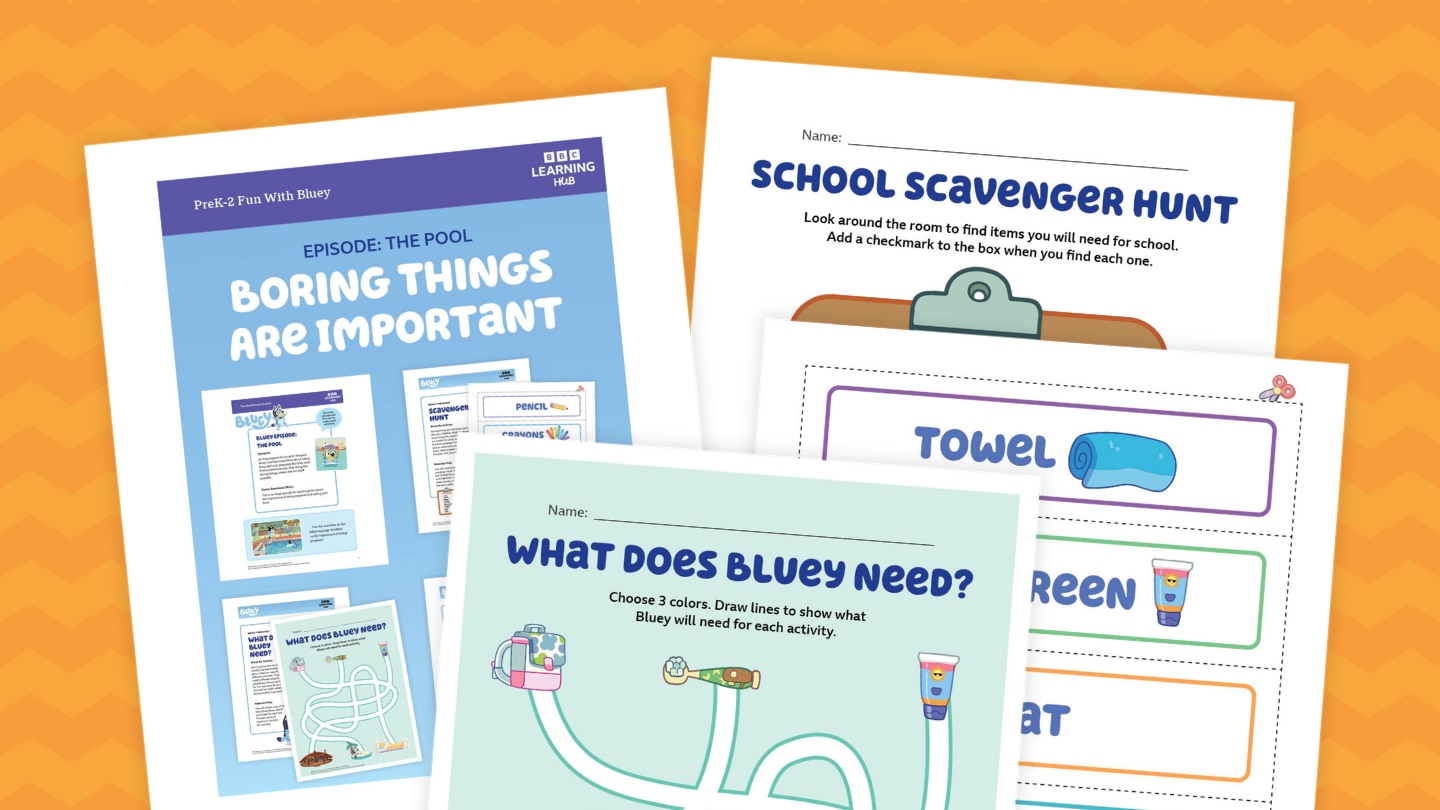
From brushing your teeth to packing the floaties, boring things are important! Try this lesson, which uses the Bluey episode "The Pool" as the kickoff to a classroom conversation about the importance of being prepared. The lesson includes printables for three activities in which kids go on a scavenger hunt to find everything they need to be successful for a day at school or the pool, complete a maze to match different objects to what Bluey should use them for, and figure out where Bluey and her family are going based on what they’ve packed.
The Pool Episode Summary: As they prepare for a trip to the pool, Bluey and Dad tease Mum about being fussy and over-prepared. But they soon find out the hard way that doing the boring things makes the fun stuff possible.
Watch the episode here! (Click here to watch in Australia.)
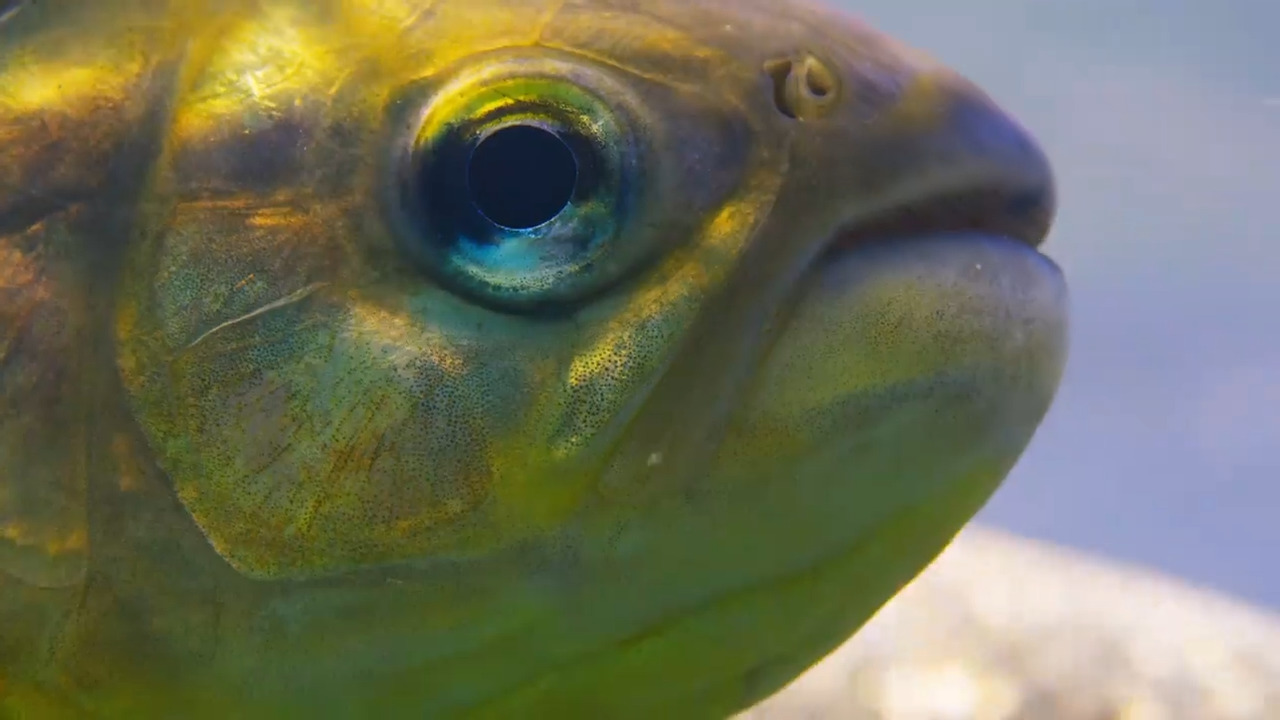
In The Crystal Clear Waters of Bonito, explore the many types of fish that swim in the crystal clear waters of Bonito, a region in Brazil. The fish can see the monkeys above, feeding on berries, and wait for them to accidentally drop them into the water. This video is excerpted from BBC’s Seven Worlds, One Planet, a series featuring remarkable animal behavior from all seven continents.
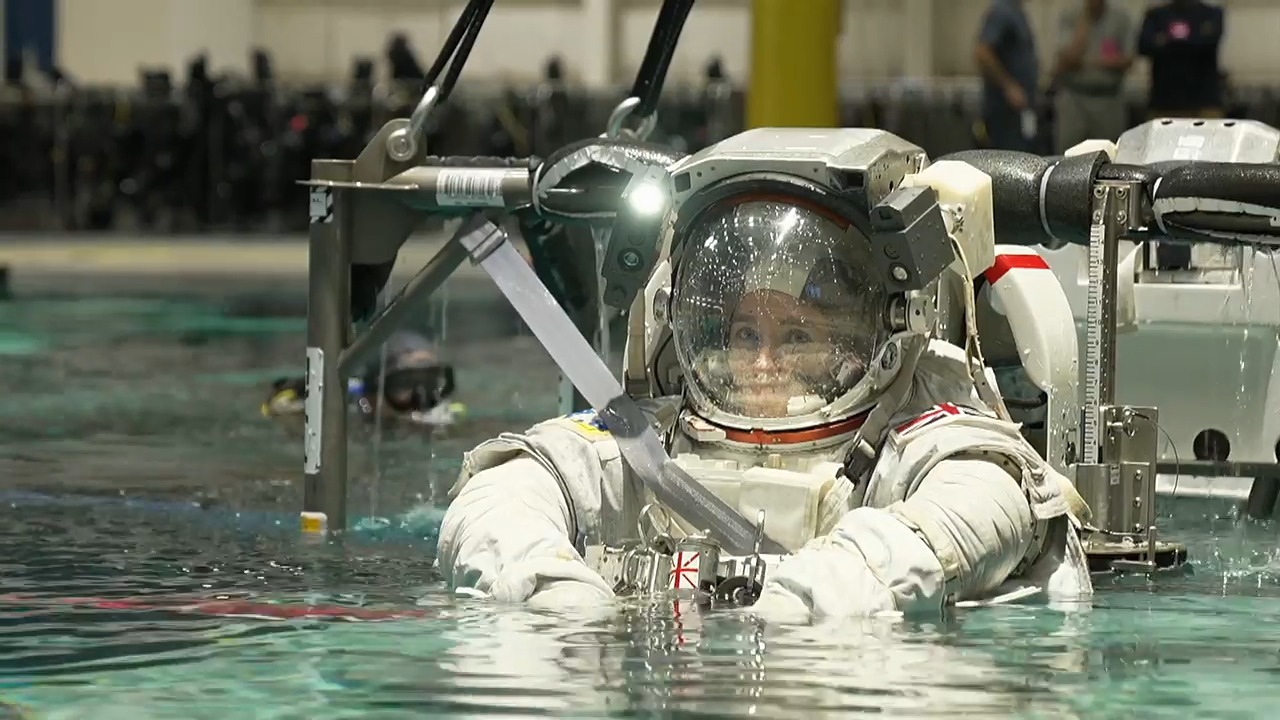
Being an astronaut is no joke — for your brain and your body to be prepared, you need to train, not unlike sports or school. Want to train for a soccer match? You may need to go for runs or lift weights. Need to prepare for a math test? You may need to repeat your times tables. Going into space soon? You may need to put on a space suit and get strapped into a full-sized replica of the International Space Station, then submerged in a 12-meter (40-foot!) deep pool for six hours. At least, that’s what astronaut Rosemary Coogan did to make sure she was ready for her spacewalk.
Coogan was chosen from 22,000 applicants to become a European Space Agency astronaut and may be the first Englishwoman to set foot on the moon.
Space preparation is daunting, but she had teams of supporters like divers and control room workers to make sure she was safe. The spacewalk test is meant to make sure that Rosemary could survive the conditions off of earth, even when things don’t go according to plan.
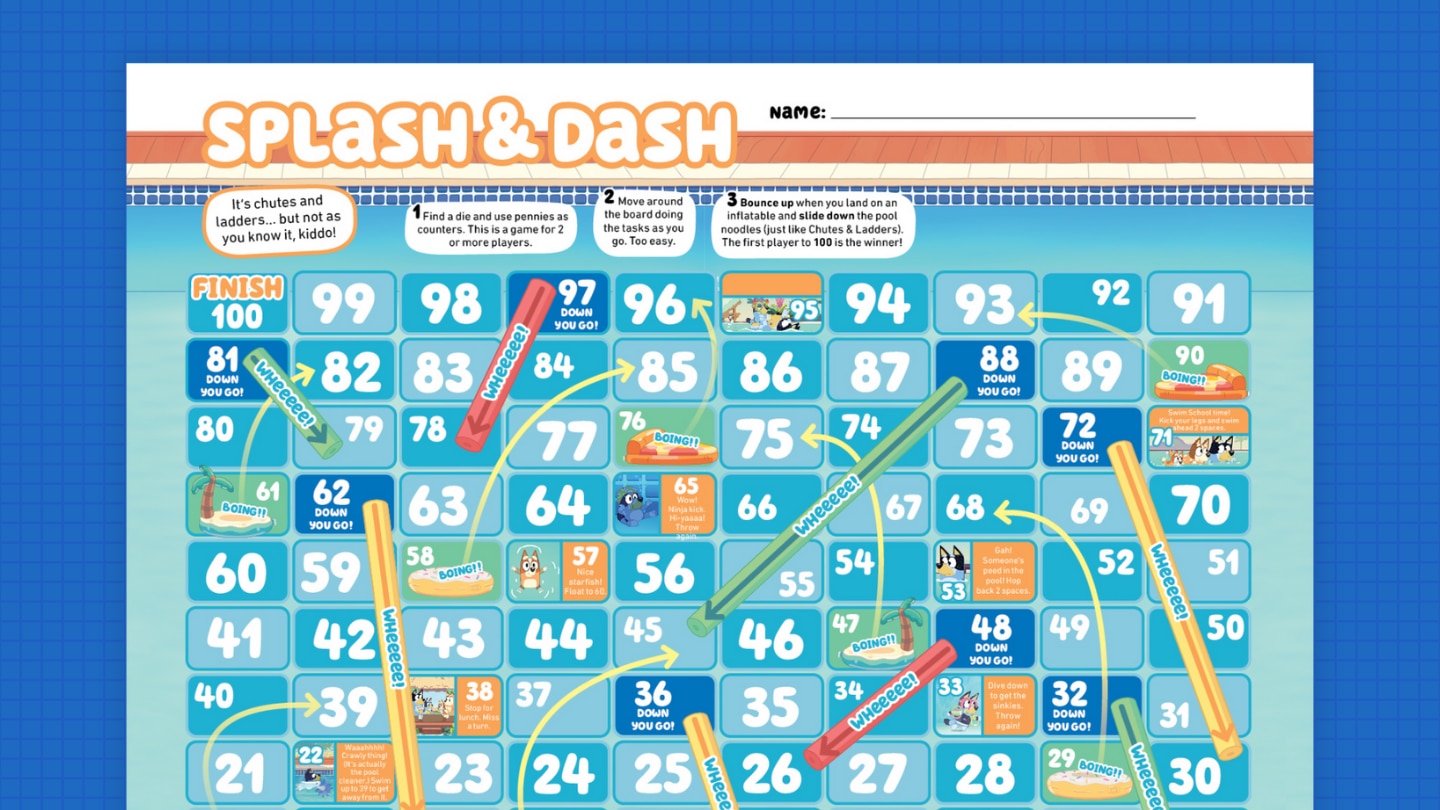
It’s chutes and ladders... but not as you know it, kiddo! This is a game for two or more players. Here's how to play:
- Find a die and use pennies as counters.
- Move around the board doing the tasks as you go. Too easy.
- Bounce up when you land on an inflatable and slide down the pool noodles (just like Chutes & Ladders). The first player to 100 is the winner!
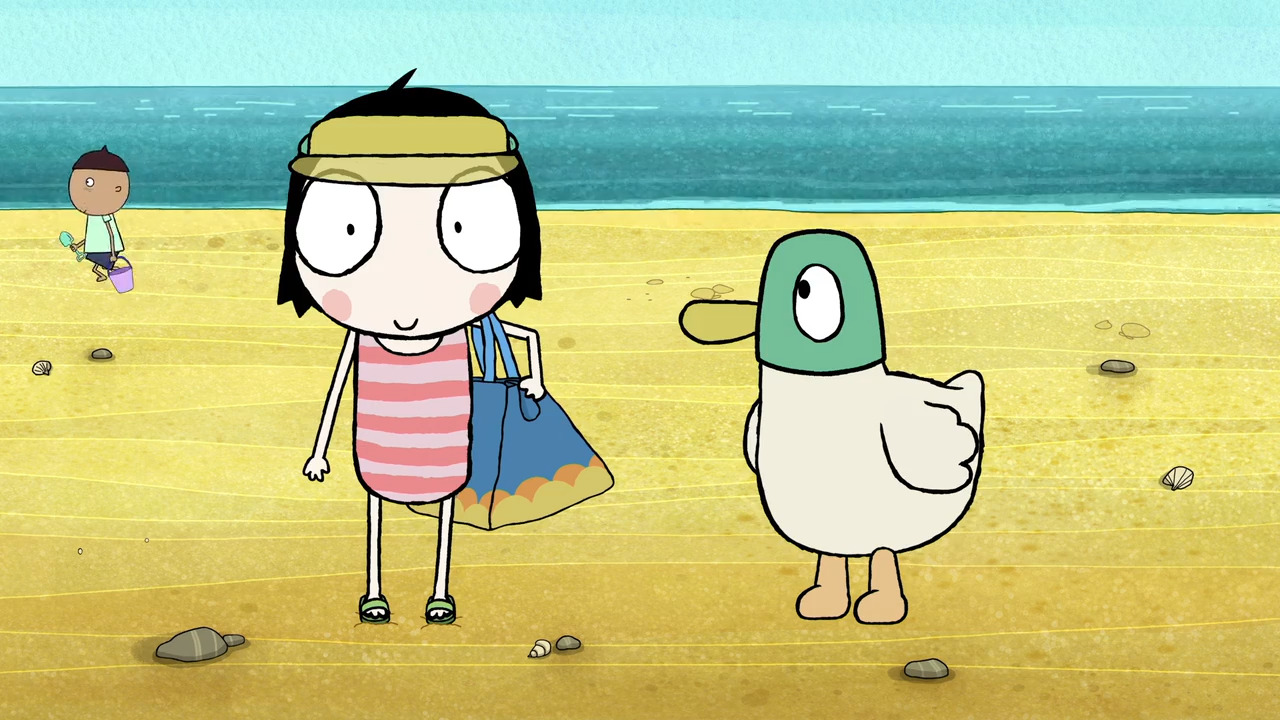
In Sarah and Duck Take a Beach Break, Sarah and Duck spend a day at the beach. After they find sand that is just right for sculpting, they get to work forming amazing sand sculptures. Moon finds a tide pool with lots of shells. Then they end the day with a sunset. This video is excerpted from BBC’s Sarah & Duck, a kids' show about the adventures of 7-year-old Sarah and her quacky, flappy best friend, Duck.
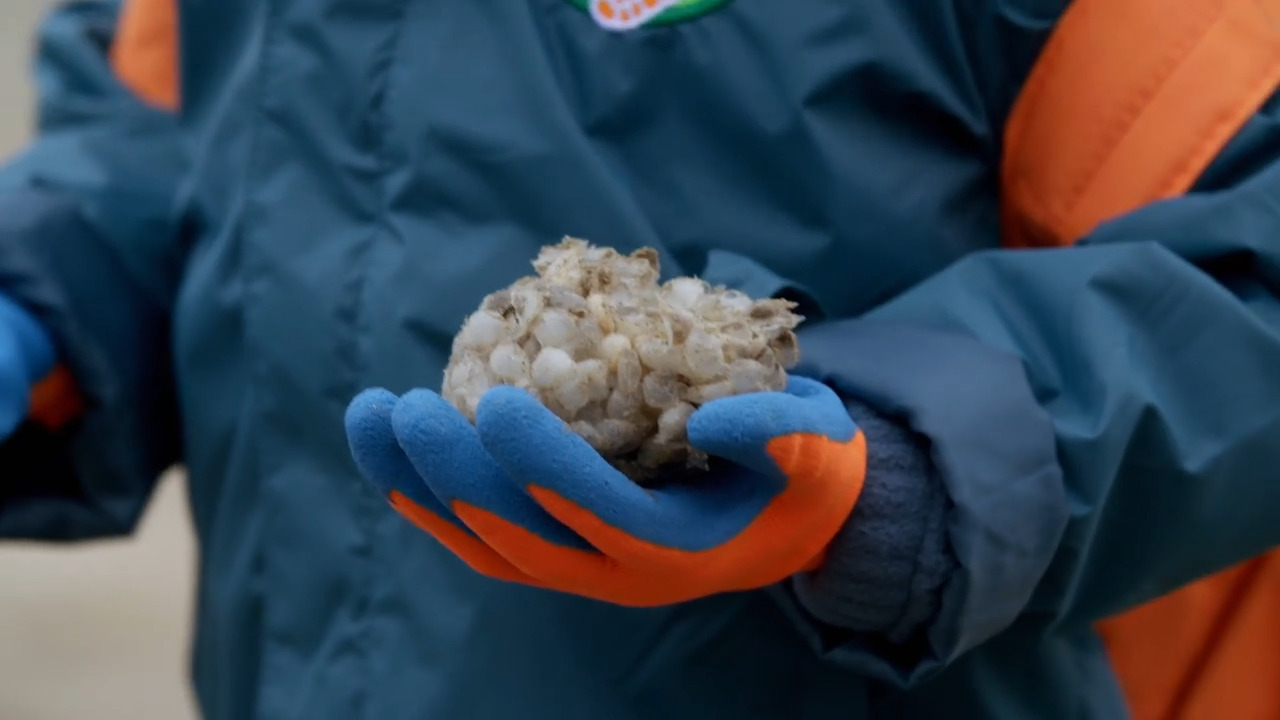
In Beachcombing for Treasure in the Sand, Ranger Hamza and the Ramblers look for treasure on the beach. They’re going beachcombing! Come along to discover limpets, sea snails, and learn what else is revealed when the tide moves out, leaving behind a rock pool. This video is excerpted from BBC's Ranger Hamza’s Eco Quest, a nature exploration show in which Ranger Hamza and the Ramblers go on quests to discover nature’s wonders and the important role they play in our environment.
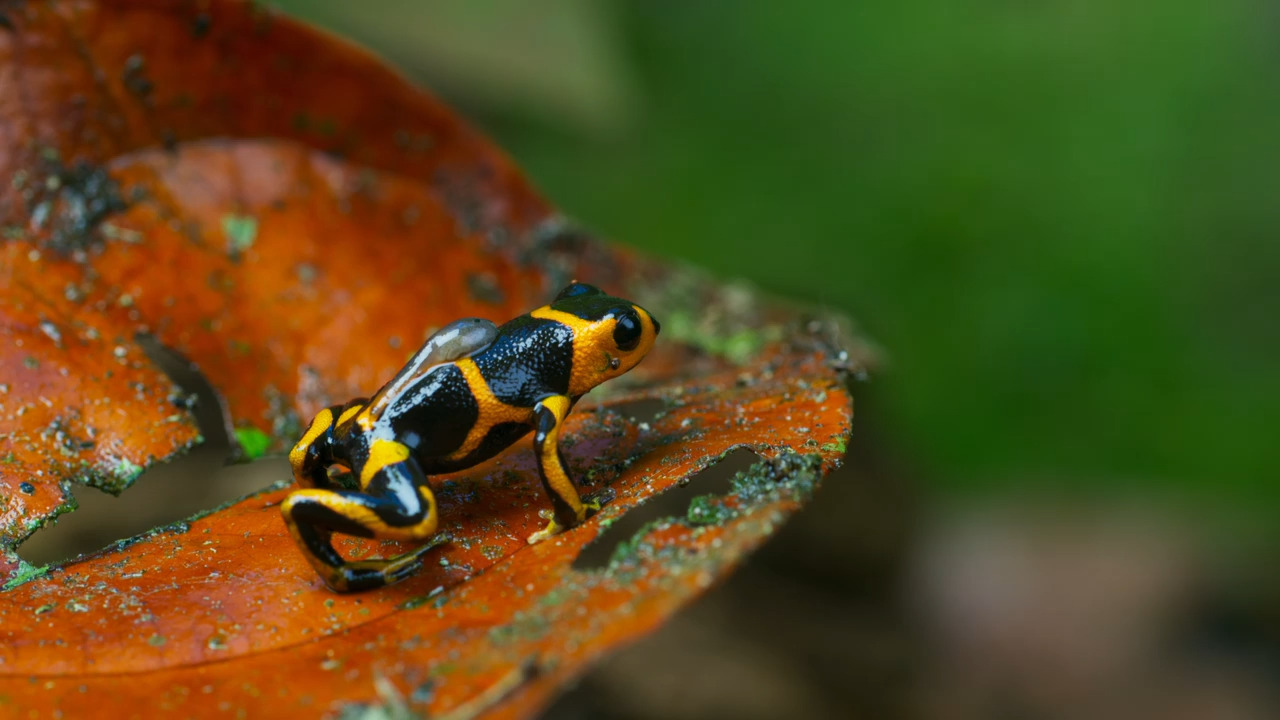
In Poison Dart Frog Piggyback Rides, learn how a male poison dart frog carefully nurtures his tadpoles. He rescues one of them from a dried-up pool and brings its mother to help feed it. This video is excerpted from BBC’s Seven Worlds, One Planet, a series featuring remarkable animal behavior from all seven continents.
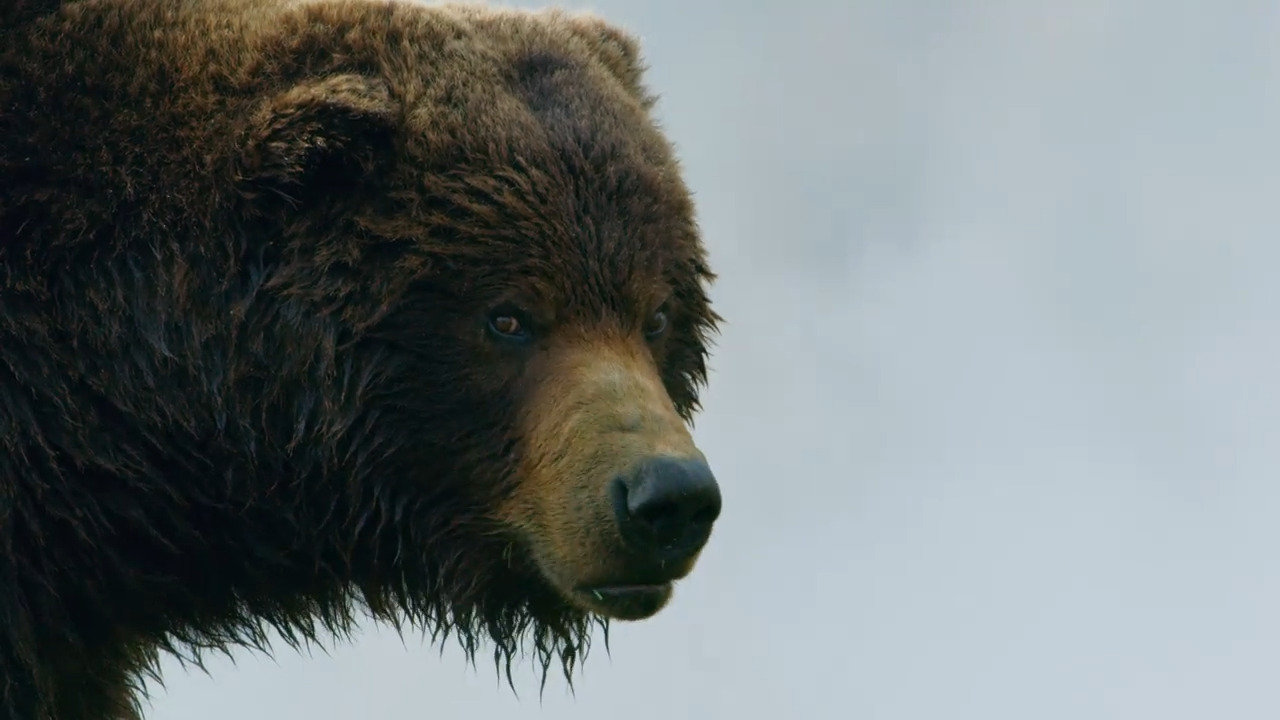
In Kamchatka Brown Bear narrator Sir David Attenborough reveals how Kamchatka brown bears brave the dangers of scalding volcanic pools to find food after a long winter. These normally solitary giants tolerate each other, even finding time for play, in this rare oasis. This video is excerpted from BBC’s Seven Worlds, One Planet, a series featuring remarkable animal behavior from all seven continents.
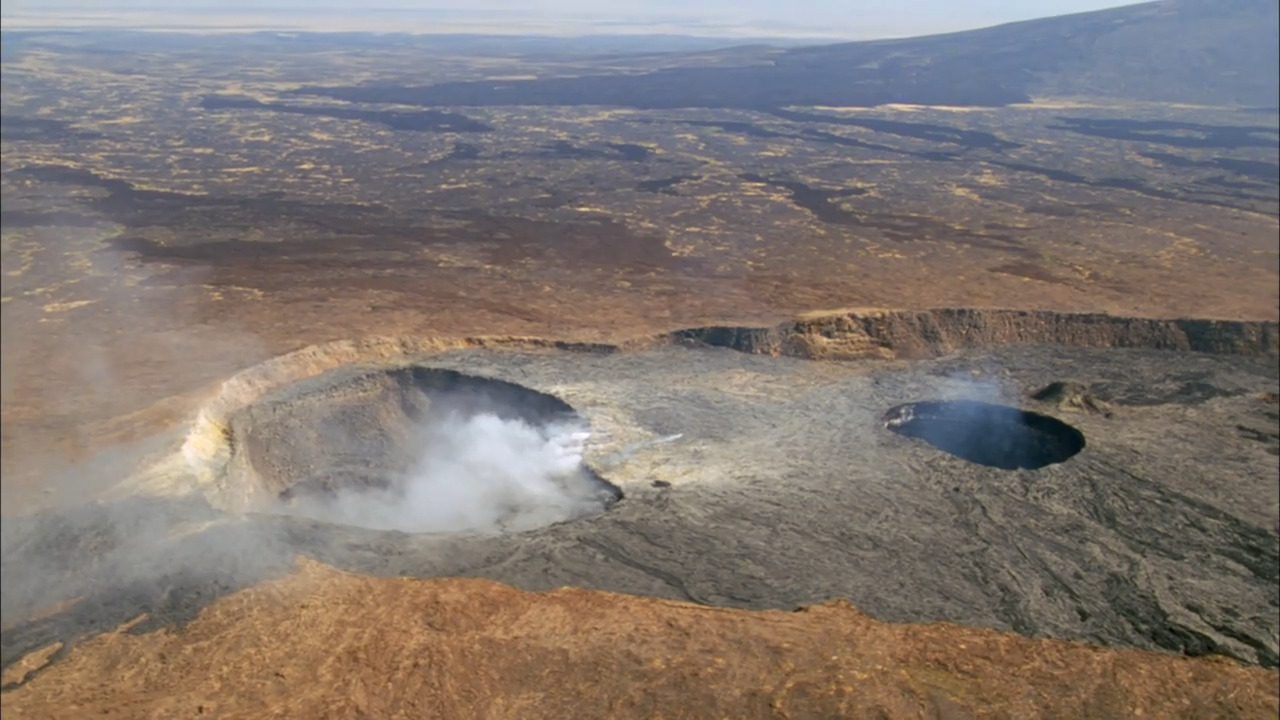
In The Danakil Depression, narrator Sir David Attenborough explores the alien landscape of one of the lowest, hottest places on Earth. Pools of sulfuric acid and churning lava hint at the birth of new mountains. This video is excerpted from BBC's Planet Earth, a breathtaking documentary series that highlights the natural wonders of our planet.
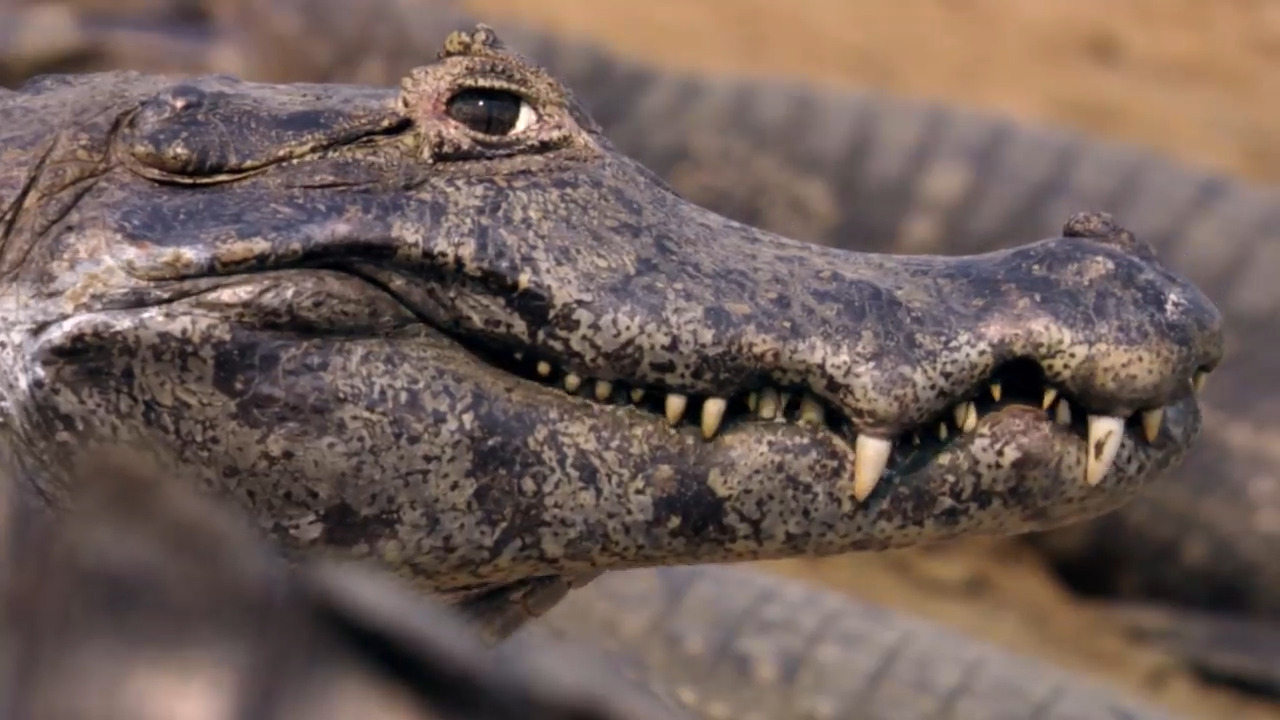
In Meet the Caiman Crocodile, narrator Sir David Attenborough takes us into the vast Brazilian swamps, where caiman crocodiles face a tough dry season when water shrinks into small pools, and food becomes scarce. These cold-blooded reptiles can go months without eating, but hunger makes them cranky and aggressive toward each other. However, when the rains finally return, the rivers fill, and the caimans get to relax, lining up to catch fish with little effort! This video is excerpted from BBC's Life, a show that explores the remarkable strategies animals and plants use to ensure their survival.
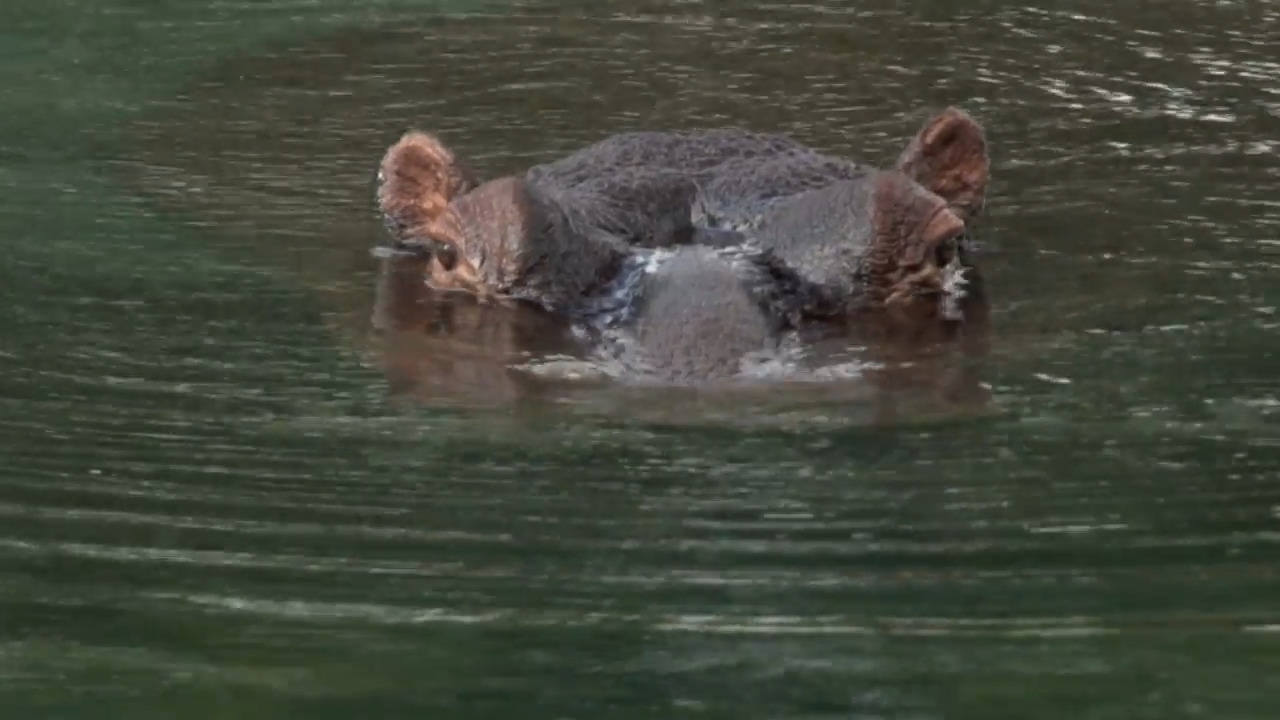
In The Barbel Fish and Hippo Connection, narrator Sir David Attenborough explores the fascinating symbiotic relationship between barbels and hippopotamuses in Kenya’s fresh-water pools. These clever fish rely on hippos for nourishment, feasting on their nutrient-rich dung and cleaning the hippos' skin of pests. The partnership deepens as barbels even clean the hippos' teeth, creating a mutually beneficial bond and revealing nature’s intricately balanced ecosystems! This video is excerpted from BBC's Life, a show that explores the remarkable strategies animals and plants use to ensure their survival.
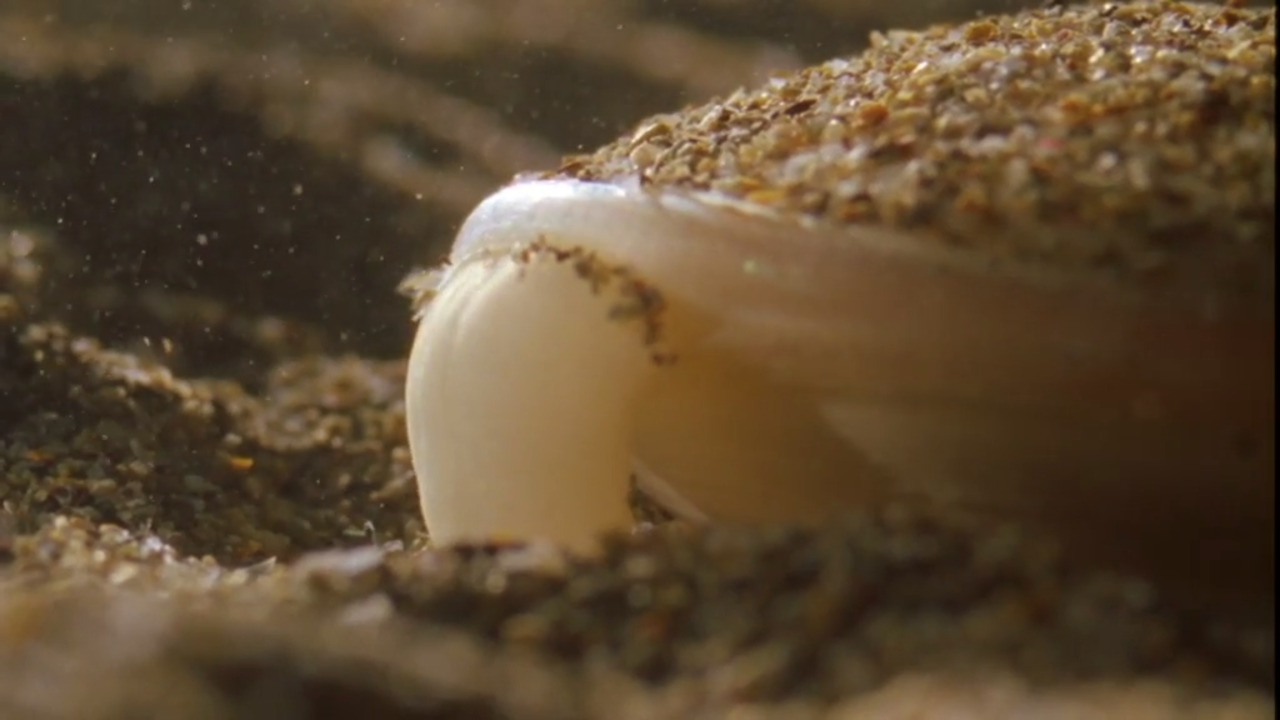
In The Changing Tide Means No Place to Hide, narrator Sir David Attenborough explores what happens to clams when the tide goes out in southeast Alaska, and how bears can take advantage of low tide. This video is excerpted from BBC’s Blue Planet, a definitive documentary series diving into the mysterious depths of the sea to discover the natural history of the world’s oceans and the rarely seen marine life that reside there.
From brushing your teeth to packing the floaties, boring things are important! Try this lesson, which uses the Bluey episode "The Pool" as the kickoff to a classroom conversation about the importance of being prepared. The lesson includes printables for three activities in which kids go on a scavenger hunt to find everything they need to be successful for a day at school or the pool, complete a maze to match different objects to what Bluey should use them for, and figure out where Bluey and her family are going based on what they’ve packed.
The Pool Episode Summary: As they prepare for a trip to the pool, Bluey and Dad tease Mum about being fussy and over-prepared. But they soon find out the hard way that doing the boring things makes the fun stuff possible.
Watch the episode here! (Click here to watch in Australia.)
In The Crystal Clear Waters of Bonito, explore the many types of fish that swim in the crystal clear waters of Bonito, a region in Brazil. The fish can see the monkeys above, feeding on berries, and wait for them to accidentally drop them into the water. This video is excerpted from BBC’s Seven Worlds, One Planet, a series featuring remarkable animal behavior from all seven continents.
Being an astronaut is no joke — for your brain and your body to be prepared, you need to train, not unlike sports or school. Want to train for a soccer match? You may need to go for runs or lift weights. Need to prepare for a math test? You may need to repeat your times tables. Going into space soon? You may need to put on a space suit and get strapped into a full-sized replica of the International Space Station, then submerged in a 12-meter (40-foot!) deep pool for six hours. At least, that’s what astronaut Rosemary Coogan did to make sure she was ready for her spacewalk.
Coogan was chosen from 22,000 applicants to become a European Space Agency astronaut and may be the first Englishwoman to set foot on the moon.
Space preparation is daunting, but she had teams of supporters like divers and control room workers to make sure she was safe. The spacewalk test is meant to make sure that Rosemary could survive the conditions off of earth, even when things don’t go according to plan.
It’s chutes and ladders... but not as you know it, kiddo! This is a game for two or more players. Here's how to play:
- Find a die and use pennies as counters.
- Move around the board doing the tasks as you go. Too easy.
- Bounce up when you land on an inflatable and slide down the pool noodles (just like Chutes & Ladders). The first player to 100 is the winner!
In Sarah and Duck Take a Beach Break, Sarah and Duck spend a day at the beach. After they find sand that is just right for sculpting, they get to work forming amazing sand sculptures. Moon finds a tide pool with lots of shells. Then they end the day with a sunset. This video is excerpted from BBC’s Sarah & Duck, a kids' show about the adventures of 7-year-old Sarah and her quacky, flappy best friend, Duck.
In Beachcombing for Treasure in the Sand, Ranger Hamza and the Ramblers look for treasure on the beach. They’re going beachcombing! Come along to discover limpets, sea snails, and learn what else is revealed when the tide moves out, leaving behind a rock pool. This video is excerpted from BBC's Ranger Hamza’s Eco Quest, a nature exploration show in which Ranger Hamza and the Ramblers go on quests to discover nature’s wonders and the important role they play in our environment.
In Poison Dart Frog Piggyback Rides, learn how a male poison dart frog carefully nurtures his tadpoles. He rescues one of them from a dried-up pool and brings its mother to help feed it. This video is excerpted from BBC’s Seven Worlds, One Planet, a series featuring remarkable animal behavior from all seven continents.
In Kamchatka Brown Bear narrator Sir David Attenborough reveals how Kamchatka brown bears brave the dangers of scalding volcanic pools to find food after a long winter. These normally solitary giants tolerate each other, even finding time for play, in this rare oasis. This video is excerpted from BBC’s Seven Worlds, One Planet, a series featuring remarkable animal behavior from all seven continents.
In The Danakil Depression, narrator Sir David Attenborough explores the alien landscape of one of the lowest, hottest places on Earth. Pools of sulfuric acid and churning lava hint at the birth of new mountains. This video is excerpted from BBC's Planet Earth, a breathtaking documentary series that highlights the natural wonders of our planet.
In Meet the Caiman Crocodile, narrator Sir David Attenborough takes us into the vast Brazilian swamps, where caiman crocodiles face a tough dry season when water shrinks into small pools, and food becomes scarce. These cold-blooded reptiles can go months without eating, but hunger makes them cranky and aggressive toward each other. However, when the rains finally return, the rivers fill, and the caimans get to relax, lining up to catch fish with little effort! This video is excerpted from BBC's Life, a show that explores the remarkable strategies animals and plants use to ensure their survival.
In The Barbel Fish and Hippo Connection, narrator Sir David Attenborough explores the fascinating symbiotic relationship between barbels and hippopotamuses in Kenya’s fresh-water pools. These clever fish rely on hippos for nourishment, feasting on their nutrient-rich dung and cleaning the hippos' skin of pests. The partnership deepens as barbels even clean the hippos' teeth, creating a mutually beneficial bond and revealing nature’s intricately balanced ecosystems! This video is excerpted from BBC's Life, a show that explores the remarkable strategies animals and plants use to ensure their survival.
In The Changing Tide Means No Place to Hide, narrator Sir David Attenborough explores what happens to clams when the tide goes out in southeast Alaska, and how bears can take advantage of low tide. This video is excerpted from BBC’s Blue Planet, a definitive documentary series diving into the mysterious depths of the sea to discover the natural history of the world’s oceans and the rarely seen marine life that reside there.