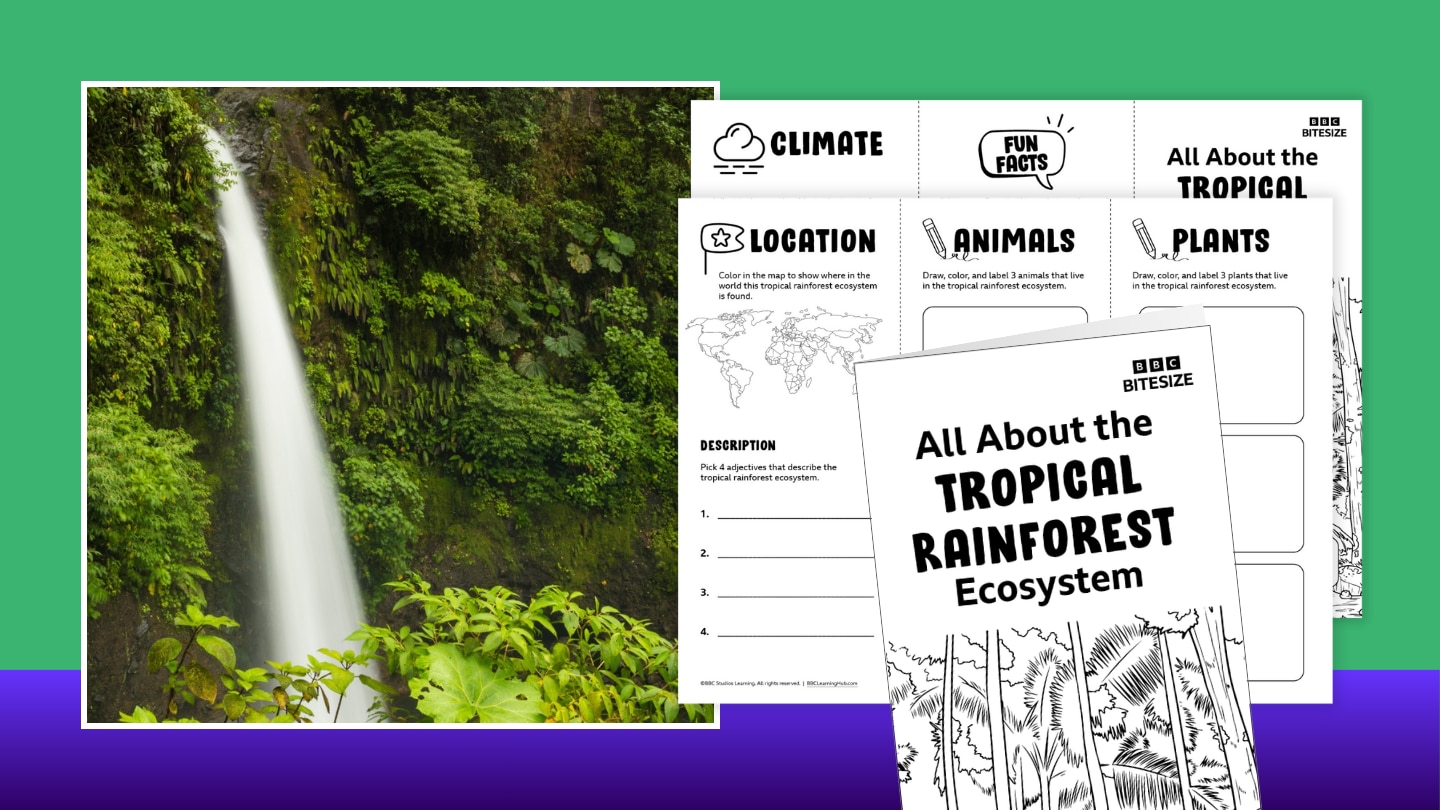
Guide your students on a hike through the tropical rainforest ecosystem! From the Amazon in South America to the jungles of Southeast Asia, rainforests are full of unique and amazing species.
✨ Perfect for grades 3–8, here’s what you need to bring ecosystems to life:
- Iconic BBC Videos: Share the clips on this page to introduce the location, plants, animals, and climate of the rainforest. (Don't miss the spider monkeys and waterfall toads!) Brought to you by world-class BBC programs like Planet Earth, Deadly 60, Seven Worlds, One Planet, and Life.
- Free Printable: Use the Tropical Rainforest Brochure Template to help students pull it all together in an ecosystem report with facts they’ve learned (and a little extra research).
It’s everything you need to make ecosystems easy to teach and truly memorable for your students.
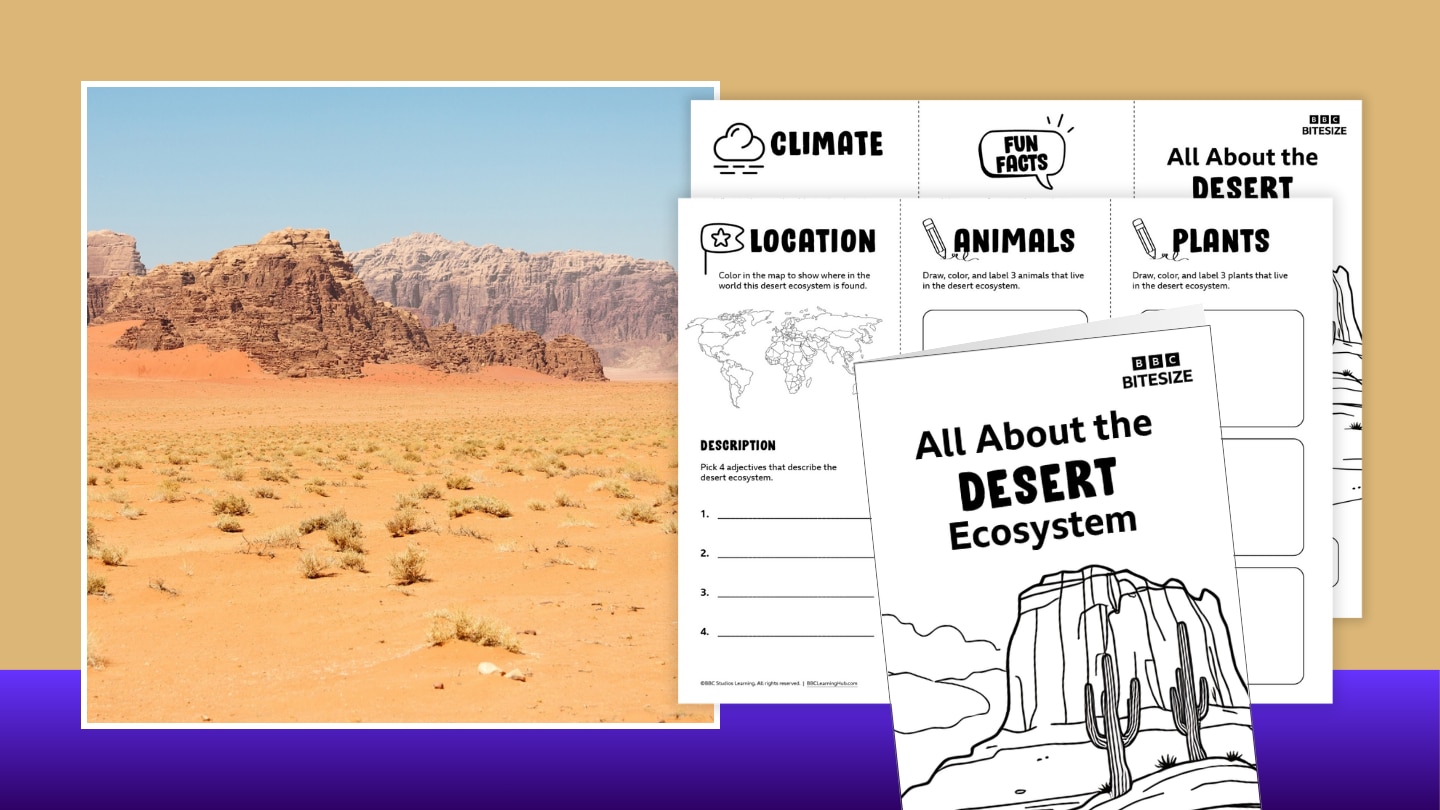
Guide your students on a journey through the desert ecosystem! From the sweeping sands of the Namib and Kalahari in southern Africa, to the dry heart of Australia’s Outback, and the rocky cold of the Gobi, deserts come in many forms.
✨ Perfect for grades 3–8, here’s what you need to bring ecosystems to life:
- Iconic BBC Videos: Share the clips on this page to introduce the location, plants, animals, and climate of the desert. (Don't miss the lions and lizards!) Brought to you by world-class BBC programs like Planet Earth, Wilderness With Simon Reeve, Africa, and Seven Worlds, One Planet.
- Free Printable: Use the Desert Brochure Template to help students pull it all together in an ecosystem report with facts they’ve learned (and a little extra research).
It’s everything you need to make ecosystems easy to teach and truly memorable for your students.
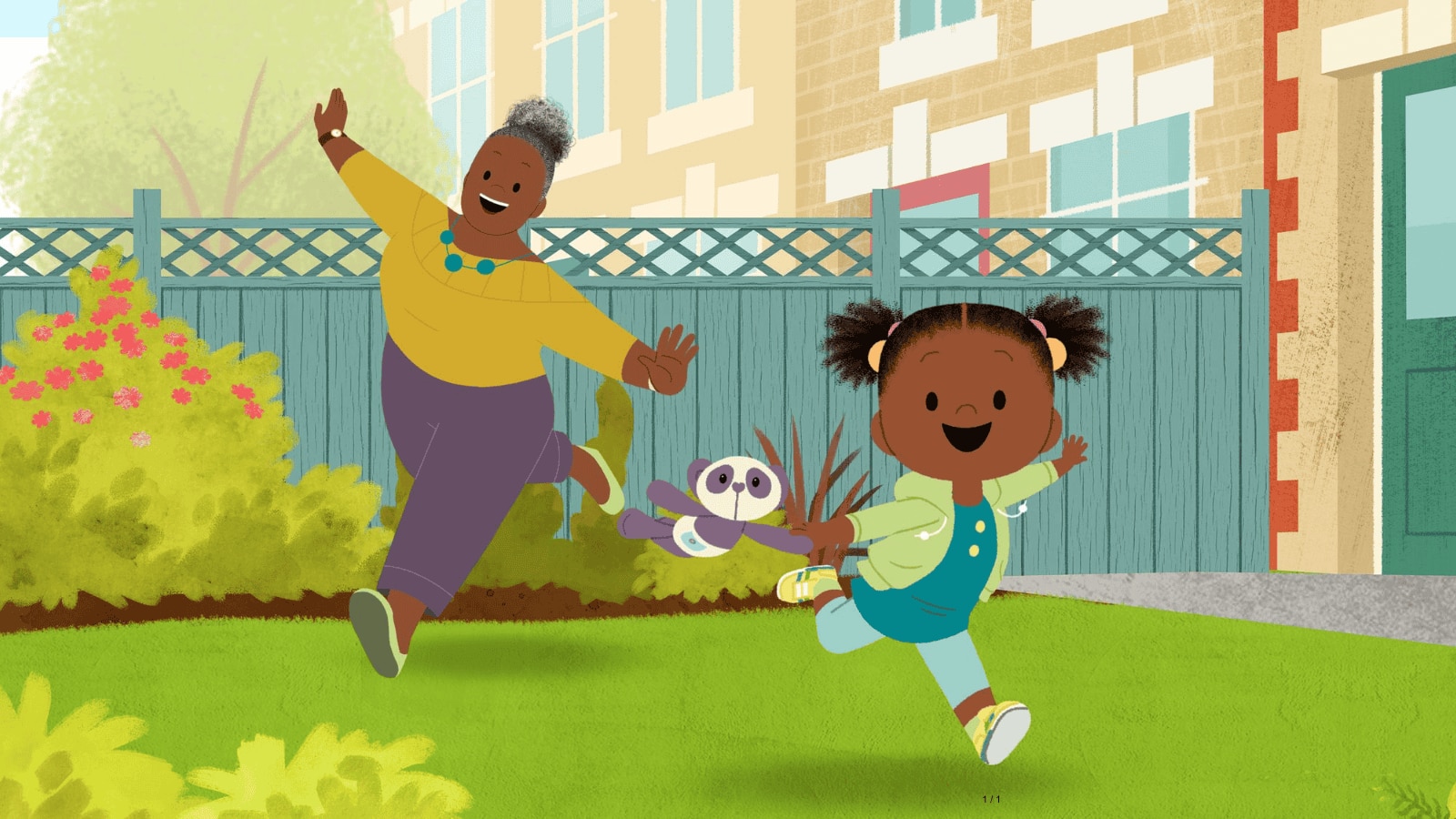
Introducing your new favorite duo! JoJo & Gran Gran is a BBC children's animated television series that follows an inquisitive and cheerful 4-and-a-half-year-old girl and her loving grandmother, who always has something new to teach her. Young learners will love learning alongside the diverse cast of characters as they get to know their community and explore the natural world around them.
This is quick and easy seasonal content — perfect for an intro to a life science (plants, trees, flowers) or social studies (holidays!) lesson. Or watch the video and then try what JoJo and Gran Gran did, whether it's making a fruit crumble or writing a poem.
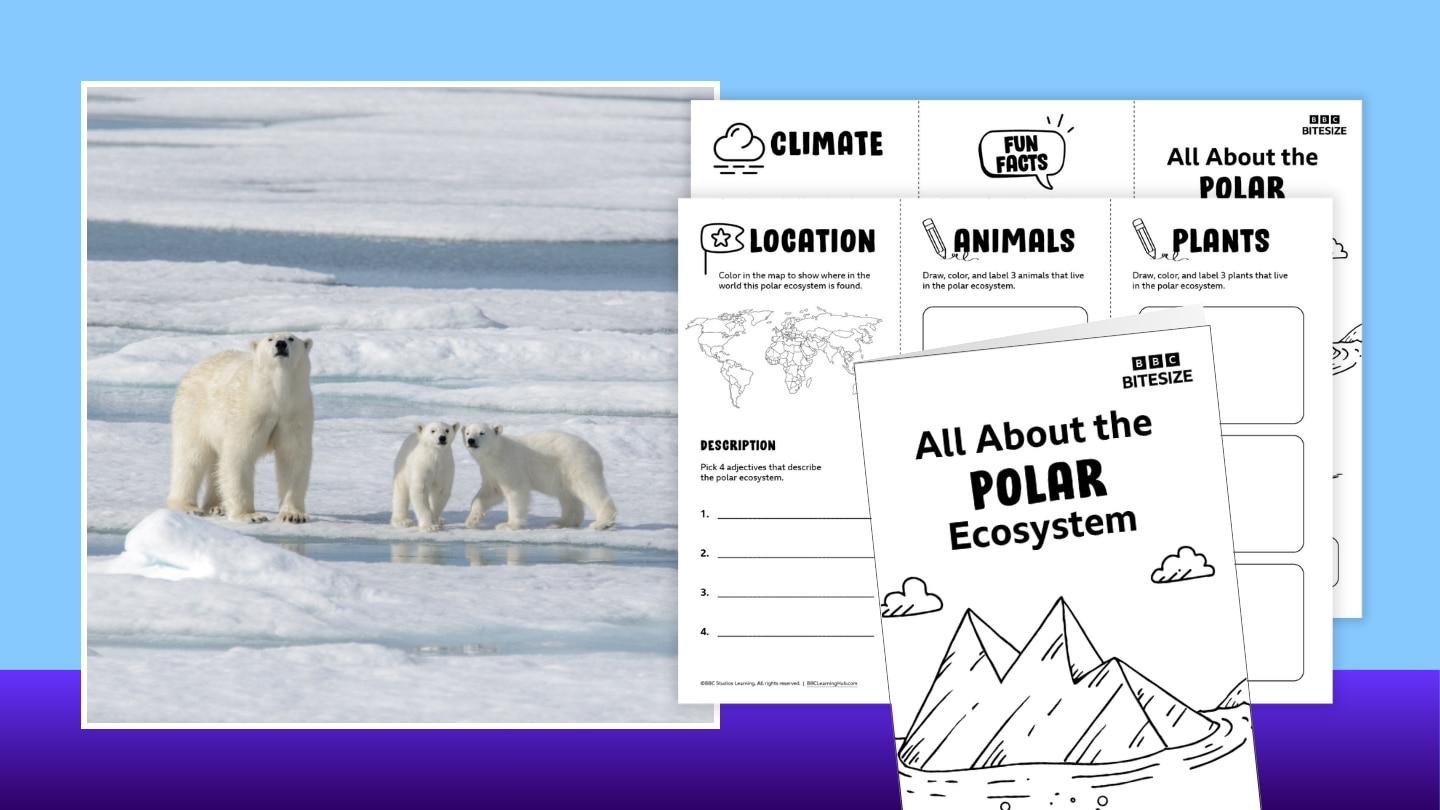
Bring your students on an icy exploration of the polar ecosystem! The Arctic and Antarctica may look frozen and empty at first glance, but they’re full of life perfectly adapted to the cold.
✨ Perfect for grades 3–8, here’s what you need to bring ecosystems to life:
- Iconic BBC Videos: Share the clips on this page to introduce the location, plants, animals, and climate of the polar regions. (Don't miss the narwhals and emperor penguins!) Brought to you by world-class BBC programs like Planet Earth, Frozen Planet, and Seven Worlds, One Planet.
- Free Printable: Use the Polar Brochure Template to help students pull it all together in an ecosystem report with facts they’ve learned (and a little extra research).
It’s everything you need to make ecosystems easy to teach and truly memorable for your students.
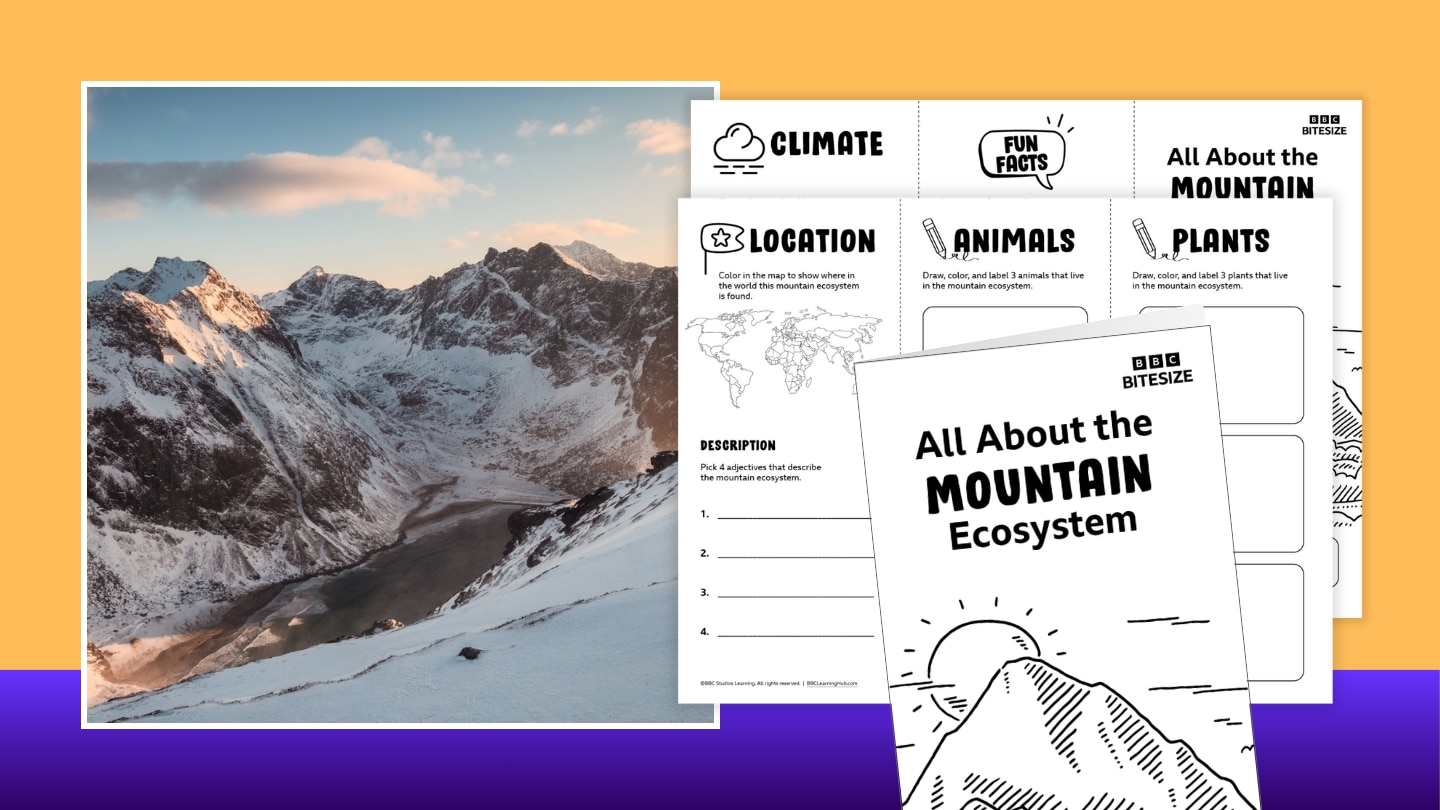
Take your students on a climb through the mountain ecosystem! From the towering Himalayas to the snowy Rockies, mountain ecosystems change as you climb, starting with green forests down low and ending with bare, windswept summits at the top.
✨ Perfect for grades 3–8, here’s what you need to bring ecosystems to life:
- Iconic BBC Videos: Share the clips on this page to introduce the location, plants, animals, and climate of the mountains. (Don't miss the grizzlies and snow leopards!) Brought to you by world-class BBC programs like Planet Earth.
- Free Printable: Use the Mountain Brochure Template to help students pull it all together in an ecosystem report with facts they’ve learned (and a little extra research).
It’s everything you need to make ecosystems easy to teach and truly memorable for your students.
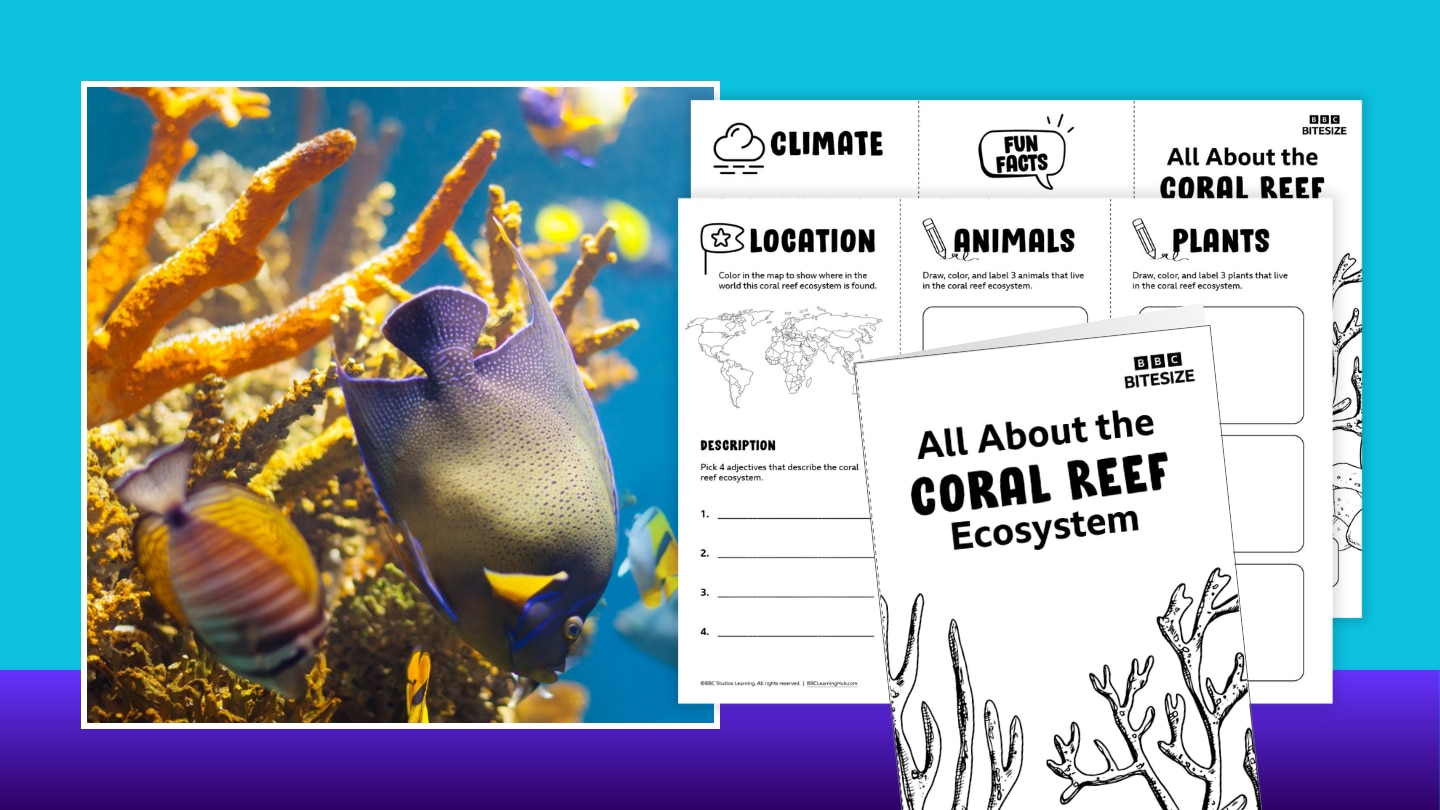
Bring your students on an underwater adventure into the coral reef ecosystem! Whether you're exploring the vast beauty of the Great Barrier Reef in Australia or diving into the rich, biodiverse waters of Indonesia, coral reefs are some of the most vibrant and important ecosystems on Earth.
✨ Perfect for grades 3–8, here’s what you need to bring ecosystems to life:
- Iconic BBC Videos: Share the clips on this page to introduce the location, plants, animals, and climate of the coral reefs. (Don't miss the tusk fish and octopuses!) Brought to you by world-class BBC programs like Planet Earth, Blue Planet, Animal Babies, and Life.
- Free Printable: Use the Coral Reef Brochure Template to help students pull it all together in an ecosystem report with facts they’ve learned (and a little extra research).
It’s everything you need to make ecosystems easy to teach and truly memorable for your students.
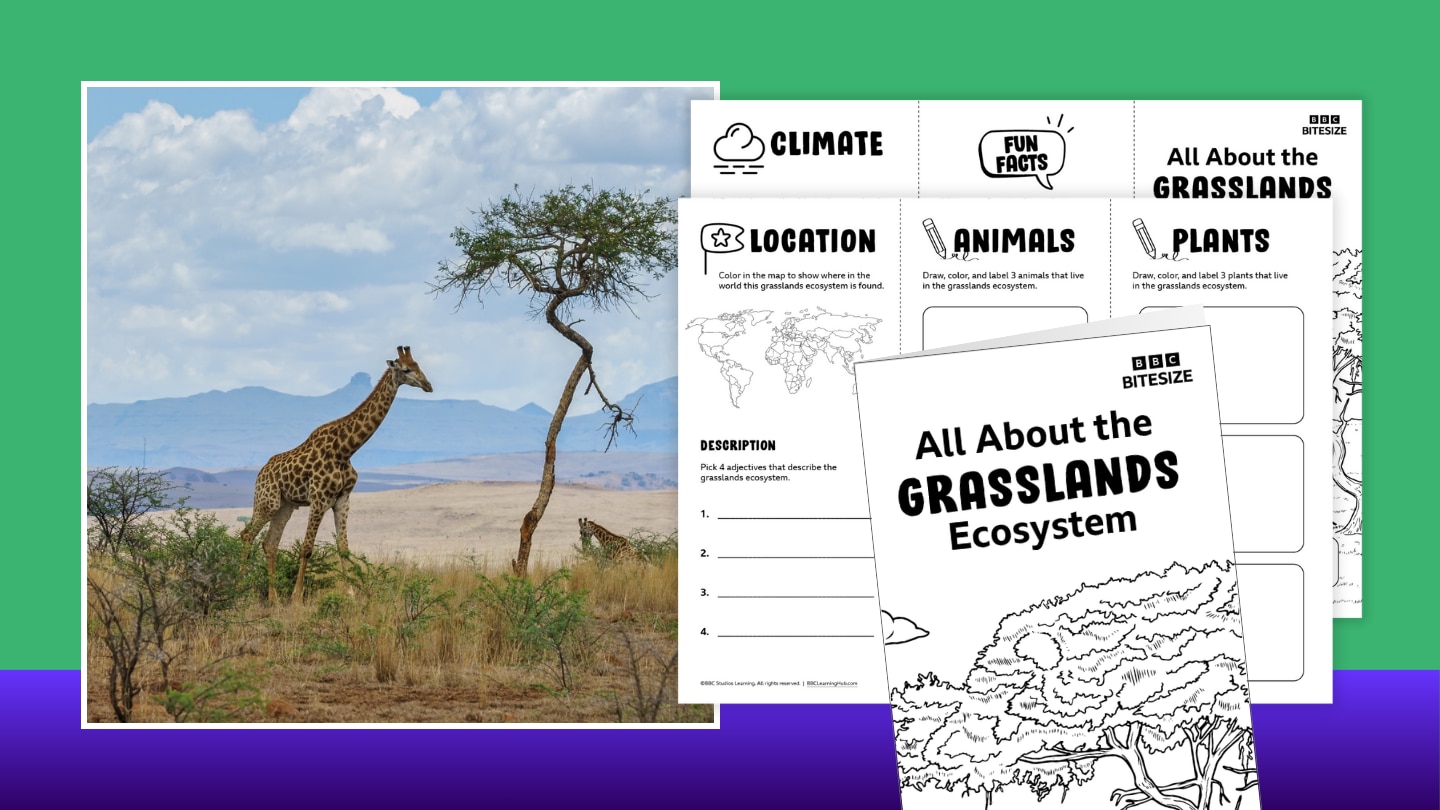
Take your students on a romp through the grasslands! From the African savanna to the Great Plains of North America grasslands are nature’s wide-open playground.
✨ Perfect for grades 3–8, here’s what you need to bring ecosystems to life:
- Iconic BBC Videos: Share the clips on this page to introduce the location, plants, animals, and climate of the grasslands. (Don't miss the giraffes and bison!) Brought to you by world-class BBC programs such as Planet Earth, The Americas With Simon Reeve, and Seven Worlds, One Planet.
- Free Printable: Use the Grasslands Brochure Template to help students pull it all together in an ecosystem report with facts they’ve learned (and a little extra research).
It’s everything you need to make ecosystems easy to teach and truly memorable for your students.
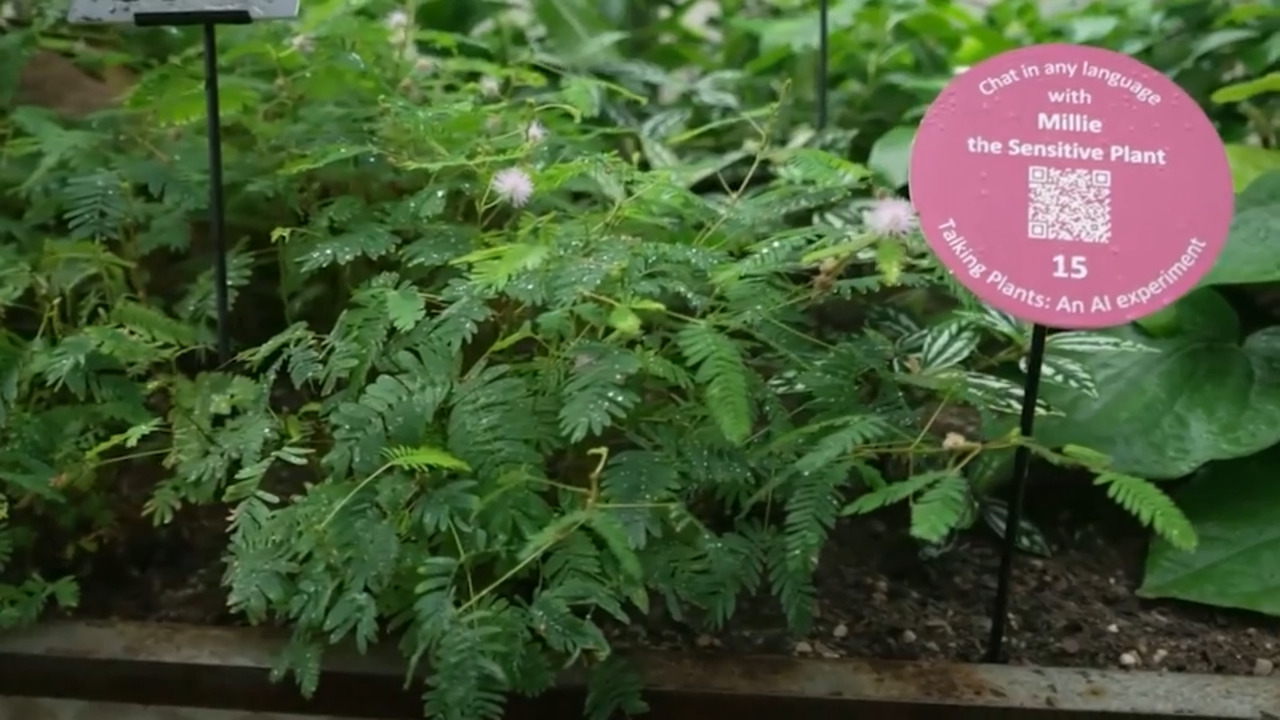
If you’ve ever wanted to ask Brussels sprouts… just… why? Well, you may be able to get pretty close. There’s an exhibition called Talking Plants at Cambridge University Botanic Garden, where visitors can talk to plants! Well, anyone can always talk to plants. But, in this greenhouse, artificial intelligence is being used to get the plants to respond.
The exhibit features a variety of plant life to go with 20 AI personalities a Cambridge professor, Sam, and his team created for the garden. With a QR code and a phone, visitors can come in and engage with the plants, ask them questions, and listen to their responses. Each plant has its own name, personality, and based on where in the world it's from, and some can speak multiple languages. They can even tell jokes!
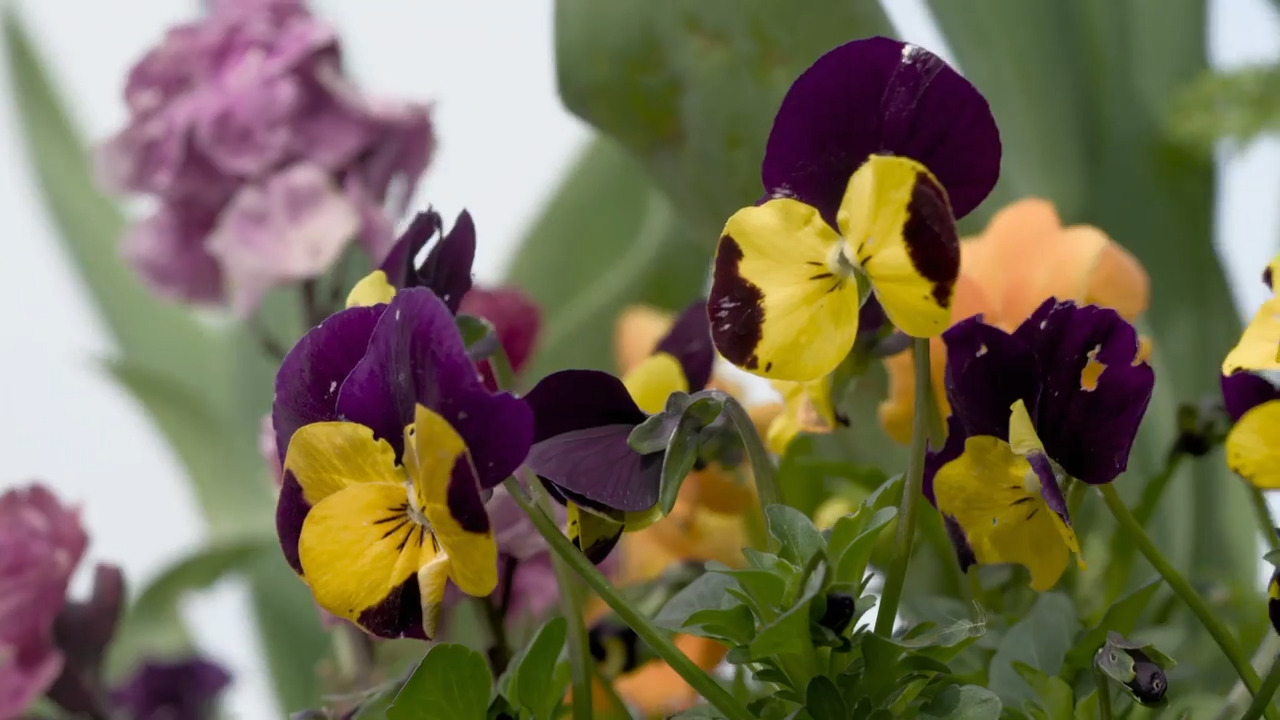
In Just Right! How Plants Grow, Ranger Hamza and the Ramblers are at the park. They get a close-up look at flowers and learn what plants need in order to grow. This video is excerpted from BBC's Ranger Hamza’s Eco Quest, a nature exploration show in which Ranger Hamza and the Ramblers go on quests to discover nature’s wonders and the important role they play in our environment.
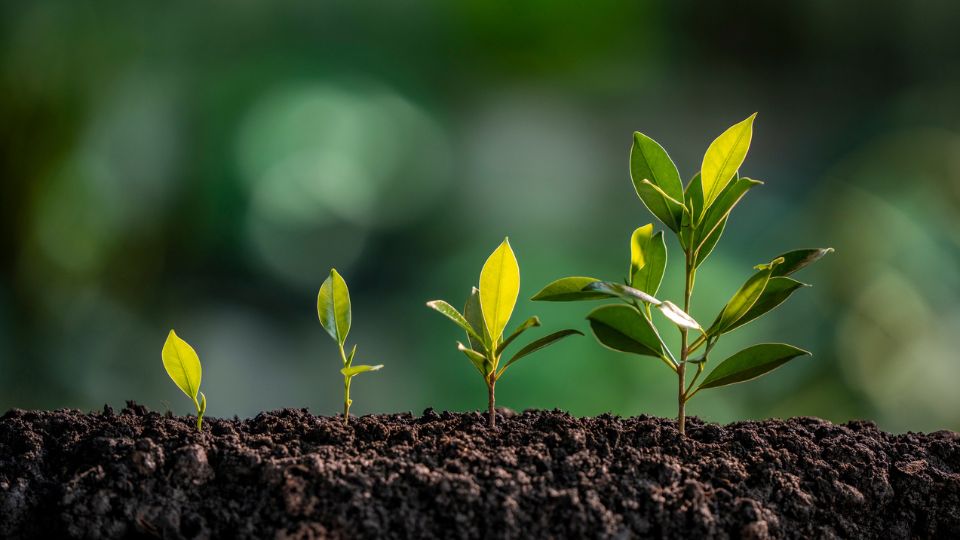
From towering trees to tiny mosses, plants are some of the most important living things on Earth. They make the oxygen we breathe, provide food for people and animals, and create the green spaces that make our planet beautiful. Whether they’re growing in forests, deserts, or even cracks in the sidewalk, plants are quietly hard at work every day.
From photosynthesis to the difference between seeds and spores, this is the perfect quiz to help students ages 8–14 "grow" their plant knowledge!
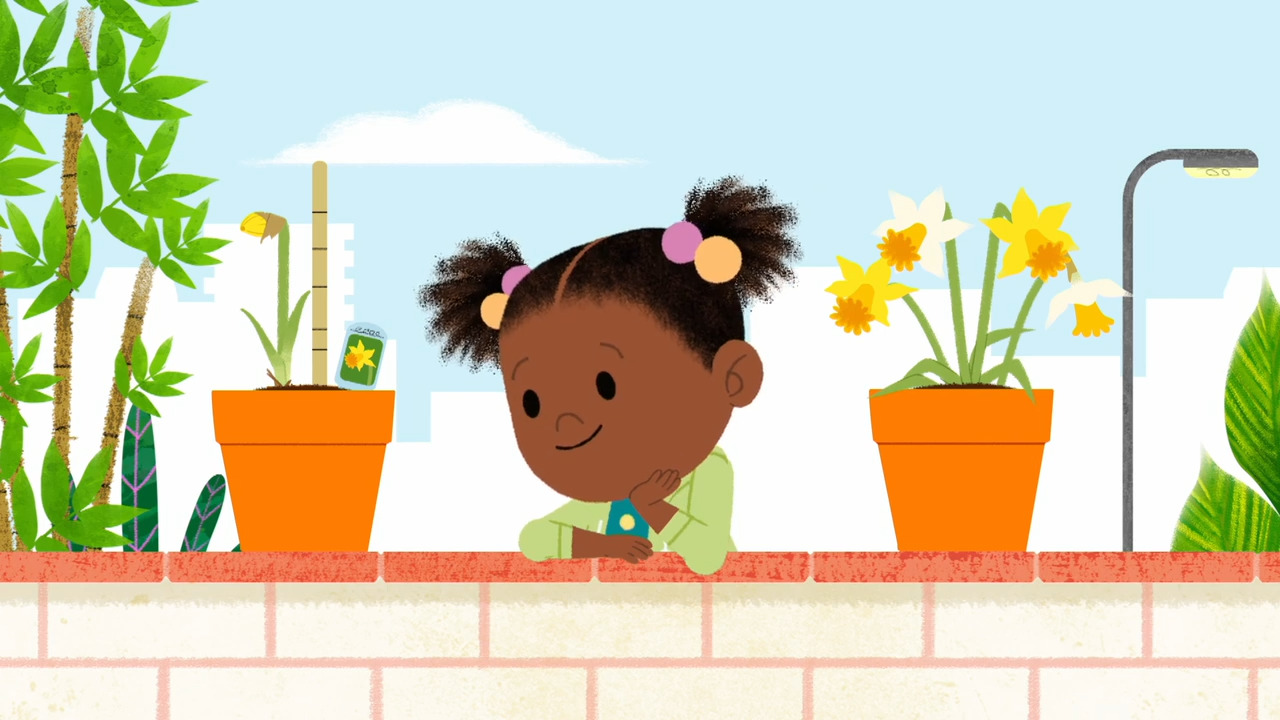
In JoJo and Gran Gran Grow Flowers, Jared gives JoJo a daffodil plant to grow. When they get home, JoJo gives the plant what it needs to grow and then gets impatient when it’s not growing fast enough. Real-life friends plant seeds in pots. This video is excerpted from BBC’s JoJo & Gran Gran, a children's animated television series following JoJo, an inquisitive and cheerful 4-and-a-half-year-old girl and her loving Gran Gran, who always has something new to teach her.
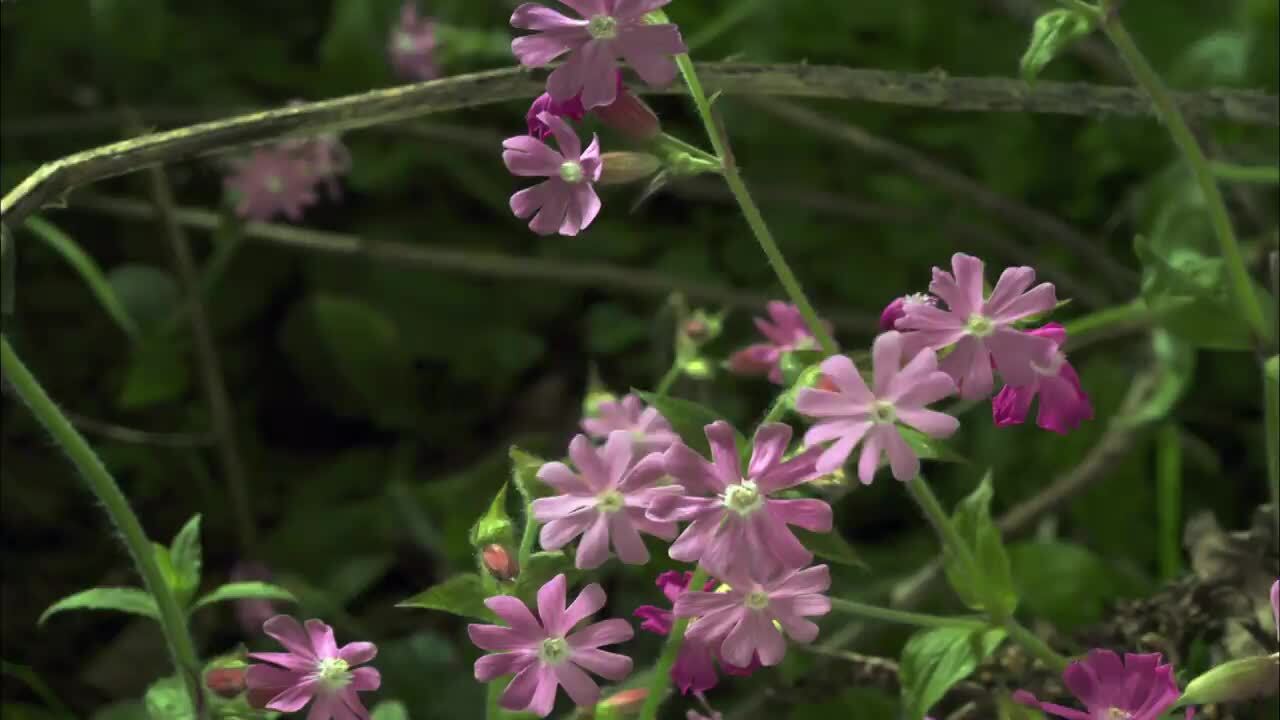
In Seasons in Deciduous Forests, narrator Sir David Attenborough explains how trees and plants respond to the changing seasons. The leaves’ vibrant shift to red can even be seen from space! This video is excerpted from BBC's Planet Earth, a breathtaking documentary series that highlights the natural wonders of our planet.
Guide your students on a hike through the tropical rainforest ecosystem! From the Amazon in South America to the jungles of Southeast Asia, rainforests are full of unique and amazing species.
✨ Perfect for grades 3–8, here’s what you need to bring ecosystems to life:
- Iconic BBC Videos: Share the clips on this page to introduce the location, plants, animals, and climate of the rainforest. (Don't miss the spider monkeys and waterfall toads!) Brought to you by world-class BBC programs like Planet Earth, Deadly 60, Seven Worlds, One Planet, and Life.
- Free Printable: Use the Tropical Rainforest Brochure Template to help students pull it all together in an ecosystem report with facts they’ve learned (and a little extra research).
It’s everything you need to make ecosystems easy to teach and truly memorable for your students.
Guide your students on a journey through the desert ecosystem! From the sweeping sands of the Namib and Kalahari in southern Africa, to the dry heart of Australia’s Outback, and the rocky cold of the Gobi, deserts come in many forms.
✨ Perfect for grades 3–8, here’s what you need to bring ecosystems to life:
- Iconic BBC Videos: Share the clips on this page to introduce the location, plants, animals, and climate of the desert. (Don't miss the lions and lizards!) Brought to you by world-class BBC programs like Planet Earth, Wilderness With Simon Reeve, Africa, and Seven Worlds, One Planet.
- Free Printable: Use the Desert Brochure Template to help students pull it all together in an ecosystem report with facts they’ve learned (and a little extra research).
It’s everything you need to make ecosystems easy to teach and truly memorable for your students.
Introducing your new favorite duo! JoJo & Gran Gran is a BBC children's animated television series that follows an inquisitive and cheerful 4-and-a-half-year-old girl and her loving grandmother, who always has something new to teach her. Young learners will love learning alongside the diverse cast of characters as they get to know their community and explore the natural world around them.
This is quick and easy seasonal content — perfect for an intro to a life science (plants, trees, flowers) or social studies (holidays!) lesson. Or watch the video and then try what JoJo and Gran Gran did, whether it's making a fruit crumble or writing a poem.
Bring your students on an icy exploration of the polar ecosystem! The Arctic and Antarctica may look frozen and empty at first glance, but they’re full of life perfectly adapted to the cold.
✨ Perfect for grades 3–8, here’s what you need to bring ecosystems to life:
- Iconic BBC Videos: Share the clips on this page to introduce the location, plants, animals, and climate of the polar regions. (Don't miss the narwhals and emperor penguins!) Brought to you by world-class BBC programs like Planet Earth, Frozen Planet, and Seven Worlds, One Planet.
- Free Printable: Use the Polar Brochure Template to help students pull it all together in an ecosystem report with facts they’ve learned (and a little extra research).
It’s everything you need to make ecosystems easy to teach and truly memorable for your students.
Take your students on a climb through the mountain ecosystem! From the towering Himalayas to the snowy Rockies, mountain ecosystems change as you climb, starting with green forests down low and ending with bare, windswept summits at the top.
✨ Perfect for grades 3–8, here’s what you need to bring ecosystems to life:
- Iconic BBC Videos: Share the clips on this page to introduce the location, plants, animals, and climate of the mountains. (Don't miss the grizzlies and snow leopards!) Brought to you by world-class BBC programs like Planet Earth.
- Free Printable: Use the Mountain Brochure Template to help students pull it all together in an ecosystem report with facts they’ve learned (and a little extra research).
It’s everything you need to make ecosystems easy to teach and truly memorable for your students.
Bring your students on an underwater adventure into the coral reef ecosystem! Whether you're exploring the vast beauty of the Great Barrier Reef in Australia or diving into the rich, biodiverse waters of Indonesia, coral reefs are some of the most vibrant and important ecosystems on Earth.
✨ Perfect for grades 3–8, here’s what you need to bring ecosystems to life:
- Iconic BBC Videos: Share the clips on this page to introduce the location, plants, animals, and climate of the coral reefs. (Don't miss the tusk fish and octopuses!) Brought to you by world-class BBC programs like Planet Earth, Blue Planet, Animal Babies, and Life.
- Free Printable: Use the Coral Reef Brochure Template to help students pull it all together in an ecosystem report with facts they’ve learned (and a little extra research).
It’s everything you need to make ecosystems easy to teach and truly memorable for your students.
Take your students on a romp through the grasslands! From the African savanna to the Great Plains of North America grasslands are nature’s wide-open playground.
✨ Perfect for grades 3–8, here’s what you need to bring ecosystems to life:
- Iconic BBC Videos: Share the clips on this page to introduce the location, plants, animals, and climate of the grasslands. (Don't miss the giraffes and bison!) Brought to you by world-class BBC programs such as Planet Earth, The Americas With Simon Reeve, and Seven Worlds, One Planet.
- Free Printable: Use the Grasslands Brochure Template to help students pull it all together in an ecosystem report with facts they’ve learned (and a little extra research).
It’s everything you need to make ecosystems easy to teach and truly memorable for your students.
If you’ve ever wanted to ask Brussels sprouts… just… why? Well, you may be able to get pretty close. There’s an exhibition called Talking Plants at Cambridge University Botanic Garden, where visitors can talk to plants! Well, anyone can always talk to plants. But, in this greenhouse, artificial intelligence is being used to get the plants to respond.
The exhibit features a variety of plant life to go with 20 AI personalities a Cambridge professor, Sam, and his team created for the garden. With a QR code and a phone, visitors can come in and engage with the plants, ask them questions, and listen to their responses. Each plant has its own name, personality, and based on where in the world it's from, and some can speak multiple languages. They can even tell jokes!
In Just Right! How Plants Grow, Ranger Hamza and the Ramblers are at the park. They get a close-up look at flowers and learn what plants need in order to grow. This video is excerpted from BBC's Ranger Hamza’s Eco Quest, a nature exploration show in which Ranger Hamza and the Ramblers go on quests to discover nature’s wonders and the important role they play in our environment.
From towering trees to tiny mosses, plants are some of the most important living things on Earth. They make the oxygen we breathe, provide food for people and animals, and create the green spaces that make our planet beautiful. Whether they’re growing in forests, deserts, or even cracks in the sidewalk, plants are quietly hard at work every day.
From photosynthesis to the difference between seeds and spores, this is the perfect quiz to help students ages 8–14 "grow" their plant knowledge!
In JoJo and Gran Gran Grow Flowers, Jared gives JoJo a daffodil plant to grow. When they get home, JoJo gives the plant what it needs to grow and then gets impatient when it’s not growing fast enough. Real-life friends plant seeds in pots. This video is excerpted from BBC’s JoJo & Gran Gran, a children's animated television series following JoJo, an inquisitive and cheerful 4-and-a-half-year-old girl and her loving Gran Gran, who always has something new to teach her.
In Seasons in Deciduous Forests, narrator Sir David Attenborough explains how trees and plants respond to the changing seasons. The leaves’ vibrant shift to red can even be seen from space! This video is excerpted from BBC's Planet Earth, a breathtaking documentary series that highlights the natural wonders of our planet.