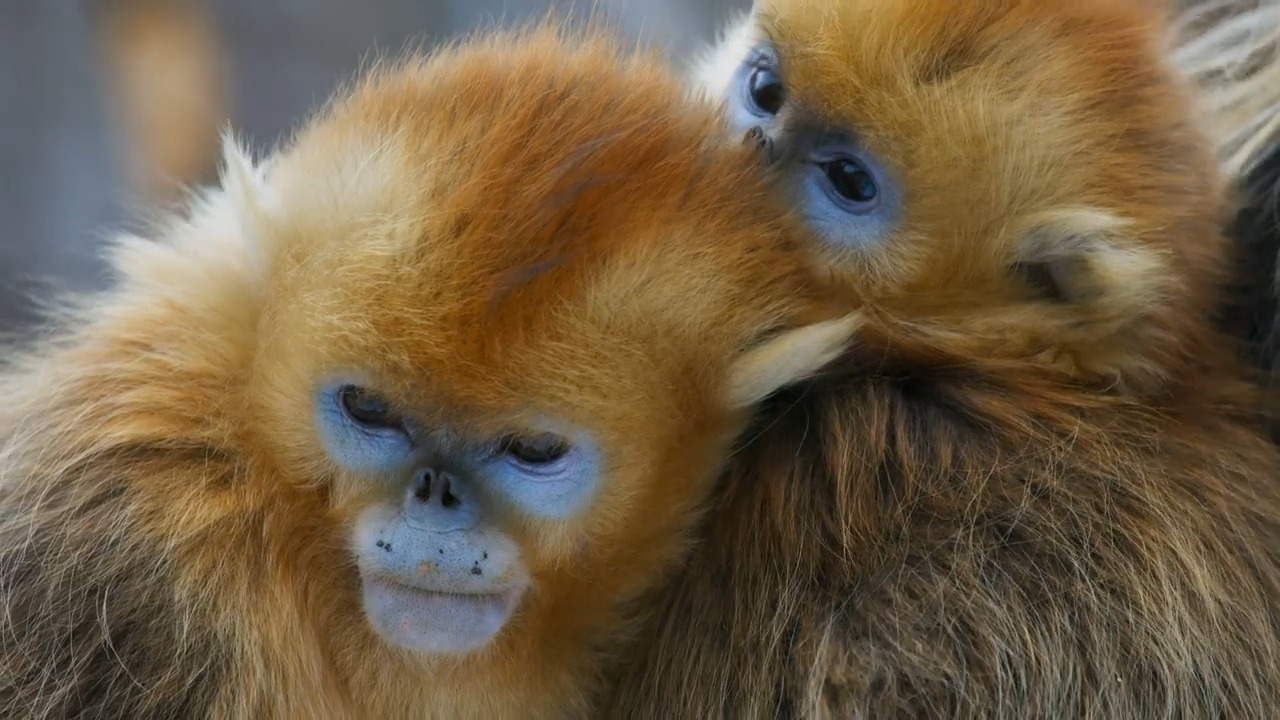
In Snow Monkeys in the Mountains, narrator Sir David Attenborough introduces the blue-faced, golden-coated snow monkeys, who thrive in the coldest conditions. He explains how these large monkeys use their size to stay warm and rely on the group for survival in harsh, food-scarce winters. This video is excerpted from BBC’s Seven Worlds, One Planet, a series featuring remarkable animal behavior from all seven continents
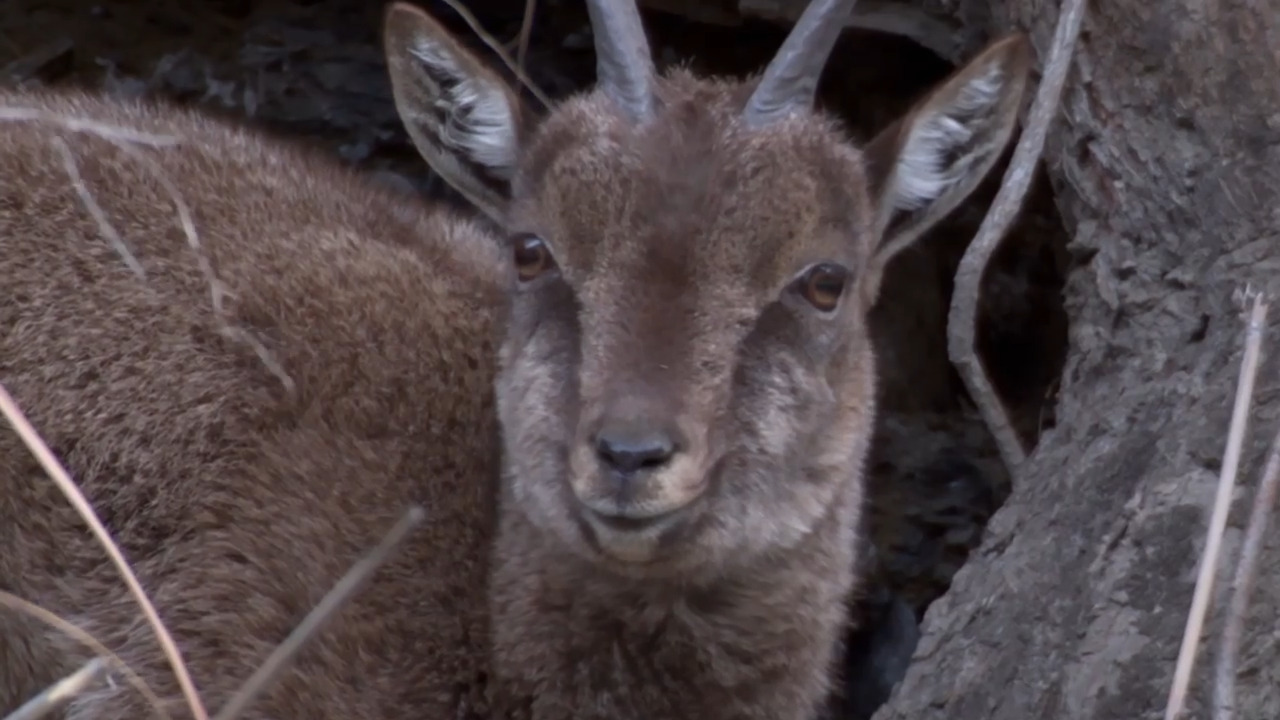
In Escaping Predators: Capuchin Monkeys and Wild Goats, narrator Gordon Buchanan details how even a young animal can play an important role in keeping predators away. Learn about how Capuchin monkeys and wild goats contribute to their communities by alerting others to the presence of danger and using their own special survival skills. This video is excerpted from BBC's Animal Babies, a heartwarming show that follows the first breaths, first steps and first feeds of some adorable baby animals, revealing the challenges they face to survive in some of the toughest but most beautiful places on the planet.
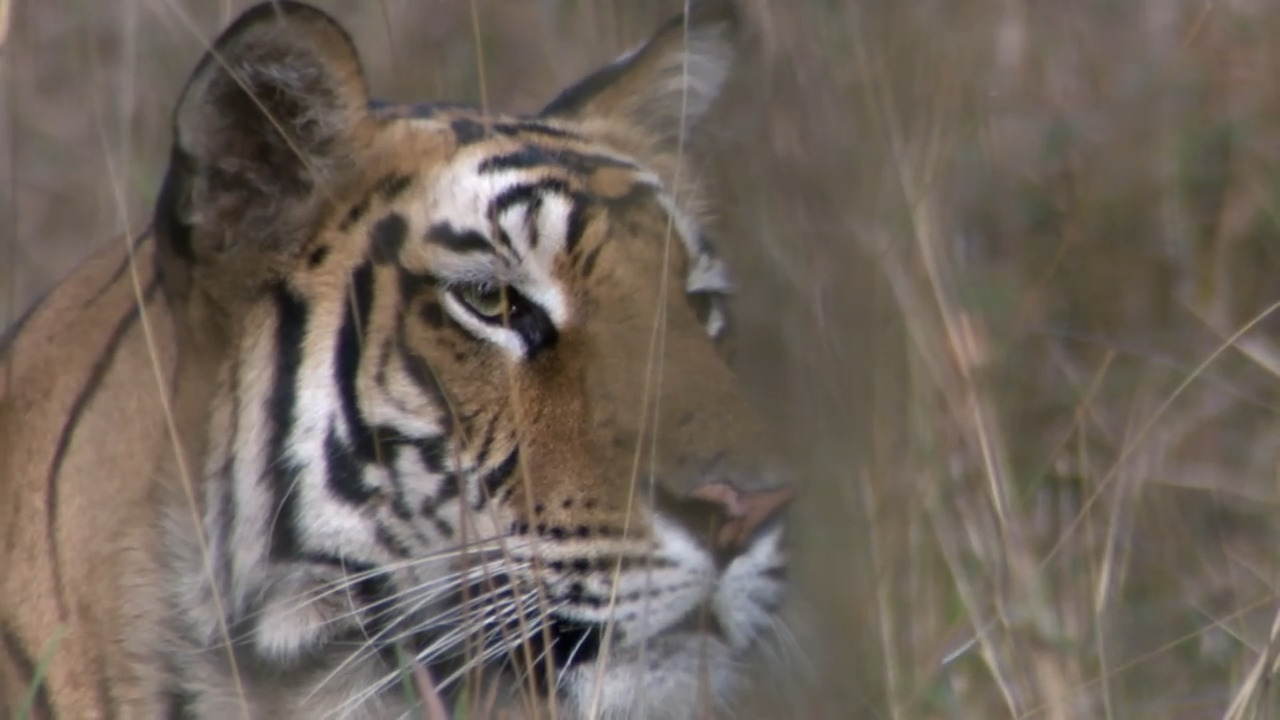
In How Langur Monkeys Help Chital Deer Escape, narrator Sir David Attenborough follows a group of chital deer in India during the dry season as they search for food, all while staying alert for danger. Luckily, they have help from the langur monkeys, who spot a tiger from high in the trees and warn the deer, allowing them to escape safely — showing how animals can work together to stay alive in the wild! This video is excerpted from BBC’s Life, a show that explores the remarkable strategies animals and plants use to ensure their survival.
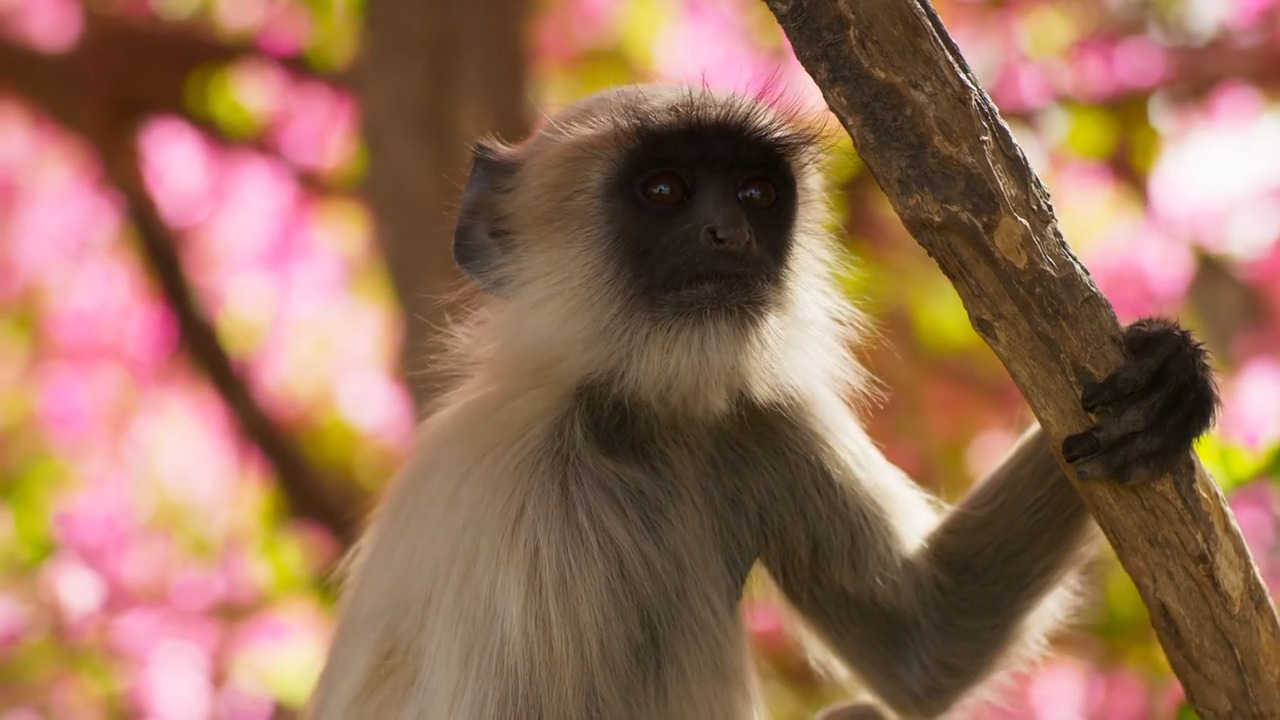
In The Langur Monkeys of Jodphur, narrator Sir David Attenborough visits India where an alpha langur monkey fights off a troop of bachelors across the rooftops in Jodphur. The monkeys thrive in this urban environment because they are fed by people, who revere them for their connection to a Hindu god. This has resulted in a large population increase. This video is excerpted from BBC’s Planet Earth II, a breathtaking documentary series that highlights the natural wonders of our planet.
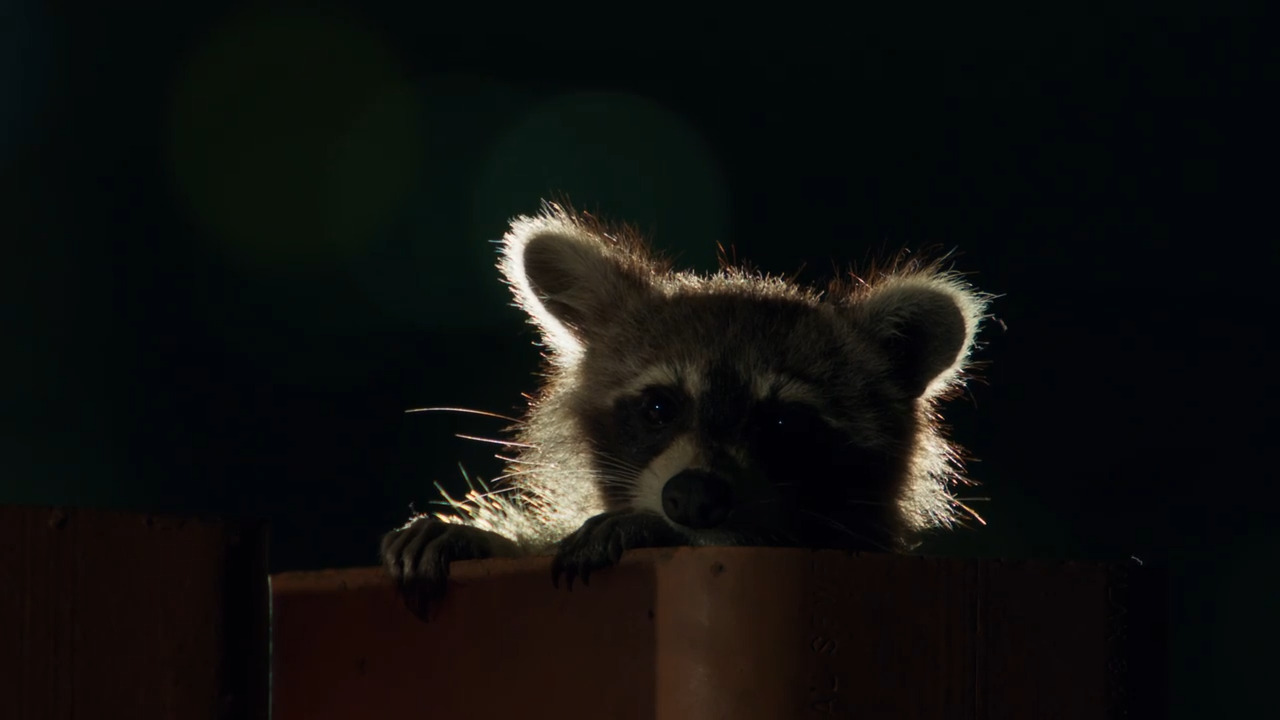
In Raccoons and Monkeys in the Urban Jungle, narrator Sir David Attenborough explores how female raccoons raise their young in the busy urban environment of Toronto and how rhesus macaques adapt to city life by raiding markets in Jaipur. Learn how these clever animals use their intelligence and adaptability to survive and thrive in the urban jungle. This video is excerpted from BBC’s Planet Earth II, a breathtaking documentary series that highlights the natural wonders of our planet.
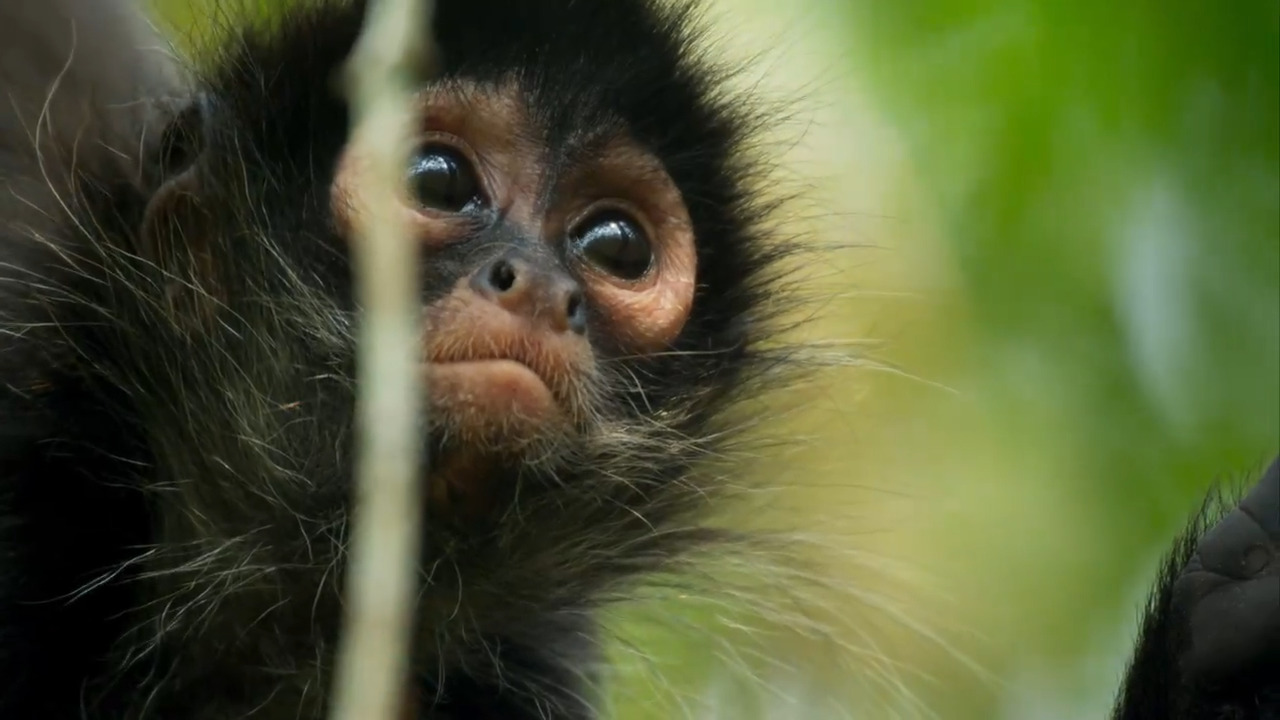
In A Spider Monkey's First Steps, narrator Sir David Attenborough narrates the journey of a young spider monkey as she learns to climb and navigate the rainforest canopy. Learn the importance of family and group behaviors as the young monkey develops the skills necessary for survival in the jungle. This video is excerpted from BBC’s Planet Earth II, a breathtaking documentary series that highlights the natural wonders of our planet.
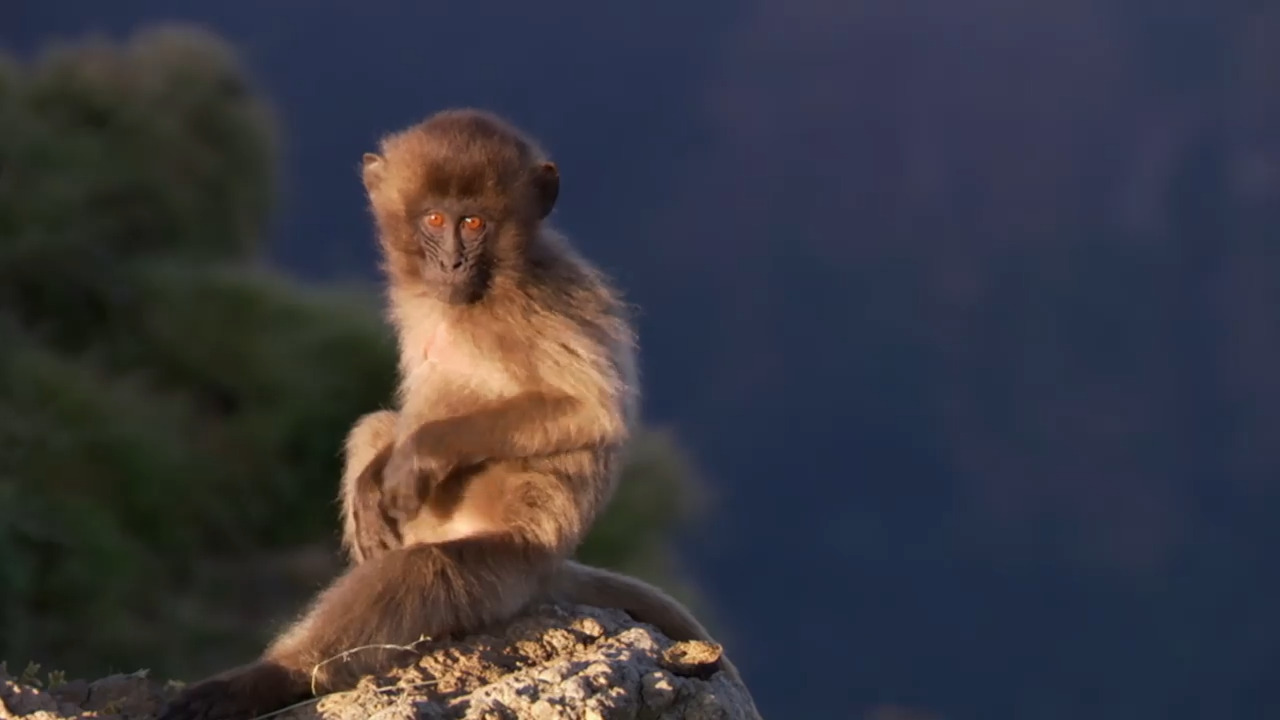
In Young Gelada Monkeys Play to Practice Escaping From Predators, narrator Gordon Buchanan describes how young gelada monkeys frolic on sheer cliff faces in Ethiopia. This play equips them to escape from predators, such as the leopard. Meanwhile, mountain gorillas are typically only threatened by their own kind. A baby mountain gorilla stays safely out of the way as its father chases off a rival. This video is excerpted from BBC's Animal Babies, a heartwarming show that follows the first breaths, first steps, and first feeds of some adorable baby animals, revealing the challenges they face to survive in some of the toughest but most beautiful places on the planet.
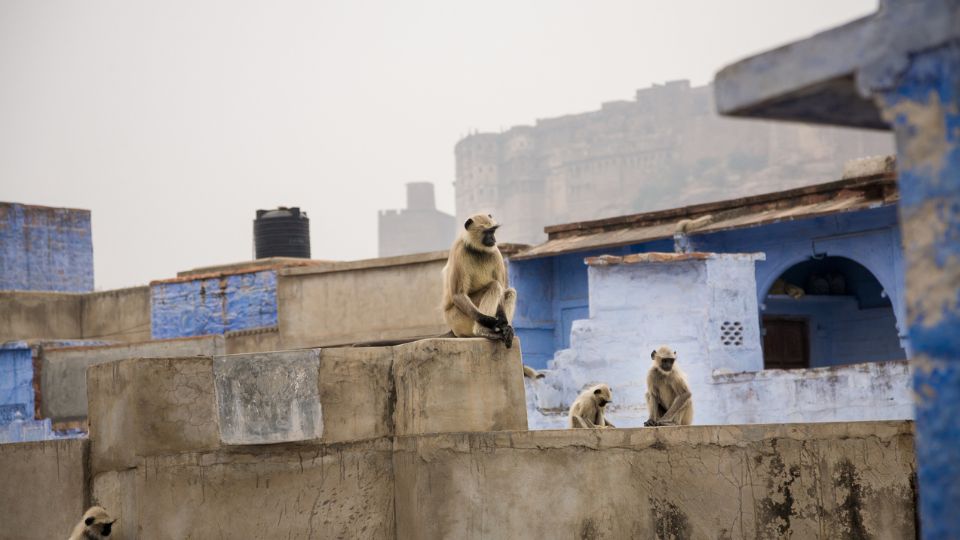
Monkeys in the middle of the city? It's just part of everyday life in Jodphur, India. First watch The Langur Monkeys of Jodphur Quiz, a short clip from the award-winning BBC series Planet Earth. Sir David Attenborough narrates an exciting fight between an alpha langur monkey and a troop of bachelors across the rooftops of Jodphur. With help from humans, these monkeys are thriving!
Once your students have watched the video, invite them to check for understanding with this quick, 8-question quiz!
In Snow Monkeys in the Mountains, narrator Sir David Attenborough introduces the blue-faced, golden-coated snow monkeys, who thrive in the coldest conditions. He explains how these large monkeys use their size to stay warm and rely on the group for survival in harsh, food-scarce winters. This video is excerpted from BBC’s Seven Worlds, One Planet, a series featuring remarkable animal behavior from all seven continents
In Escaping Predators: Capuchin Monkeys and Wild Goats, narrator Gordon Buchanan details how even a young animal can play an important role in keeping predators away. Learn about how Capuchin monkeys and wild goats contribute to their communities by alerting others to the presence of danger and using their own special survival skills. This video is excerpted from BBC's Animal Babies, a heartwarming show that follows the first breaths, first steps and first feeds of some adorable baby animals, revealing the challenges they face to survive in some of the toughest but most beautiful places on the planet.
In How Langur Monkeys Help Chital Deer Escape, narrator Sir David Attenborough follows a group of chital deer in India during the dry season as they search for food, all while staying alert for danger. Luckily, they have help from the langur monkeys, who spot a tiger from high in the trees and warn the deer, allowing them to escape safely — showing how animals can work together to stay alive in the wild! This video is excerpted from BBC’s Life, a show that explores the remarkable strategies animals and plants use to ensure their survival.
In The Langur Monkeys of Jodphur, narrator Sir David Attenborough visits India where an alpha langur monkey fights off a troop of bachelors across the rooftops in Jodphur. The monkeys thrive in this urban environment because they are fed by people, who revere them for their connection to a Hindu god. This has resulted in a large population increase. This video is excerpted from BBC’s Planet Earth II, a breathtaking documentary series that highlights the natural wonders of our planet.
In Raccoons and Monkeys in the Urban Jungle, narrator Sir David Attenborough explores how female raccoons raise their young in the busy urban environment of Toronto and how rhesus macaques adapt to city life by raiding markets in Jaipur. Learn how these clever animals use their intelligence and adaptability to survive and thrive in the urban jungle. This video is excerpted from BBC’s Planet Earth II, a breathtaking documentary series that highlights the natural wonders of our planet.
In A Spider Monkey's First Steps, narrator Sir David Attenborough narrates the journey of a young spider monkey as she learns to climb and navigate the rainforest canopy. Learn the importance of family and group behaviors as the young monkey develops the skills necessary for survival in the jungle. This video is excerpted from BBC’s Planet Earth II, a breathtaking documentary series that highlights the natural wonders of our planet.
In Young Gelada Monkeys Play to Practice Escaping From Predators, narrator Gordon Buchanan describes how young gelada monkeys frolic on sheer cliff faces in Ethiopia. This play equips them to escape from predators, such as the leopard. Meanwhile, mountain gorillas are typically only threatened by their own kind. A baby mountain gorilla stays safely out of the way as its father chases off a rival. This video is excerpted from BBC's Animal Babies, a heartwarming show that follows the first breaths, first steps, and first feeds of some adorable baby animals, revealing the challenges they face to survive in some of the toughest but most beautiful places on the planet.
Monkeys in the middle of the city? It's just part of everyday life in Jodphur, India. First watch The Langur Monkeys of Jodphur Quiz, a short clip from the award-winning BBC series Planet Earth. Sir David Attenborough narrates an exciting fight between an alpha langur monkey and a troop of bachelors across the rooftops of Jodphur. With help from humans, these monkeys are thriving!
Once your students have watched the video, invite them to check for understanding with this quick, 8-question quiz!