
To help your students dive deeper into the article content, we created this bundle of article response worksheets. We designed these worksheets to be used with any magazine article and to keep students focused as they read and enhance comprehension and retention. (Please note that some worksheet types are better fits for certain content and grade levels). Assign students the same one, mix them up, or let them choose!
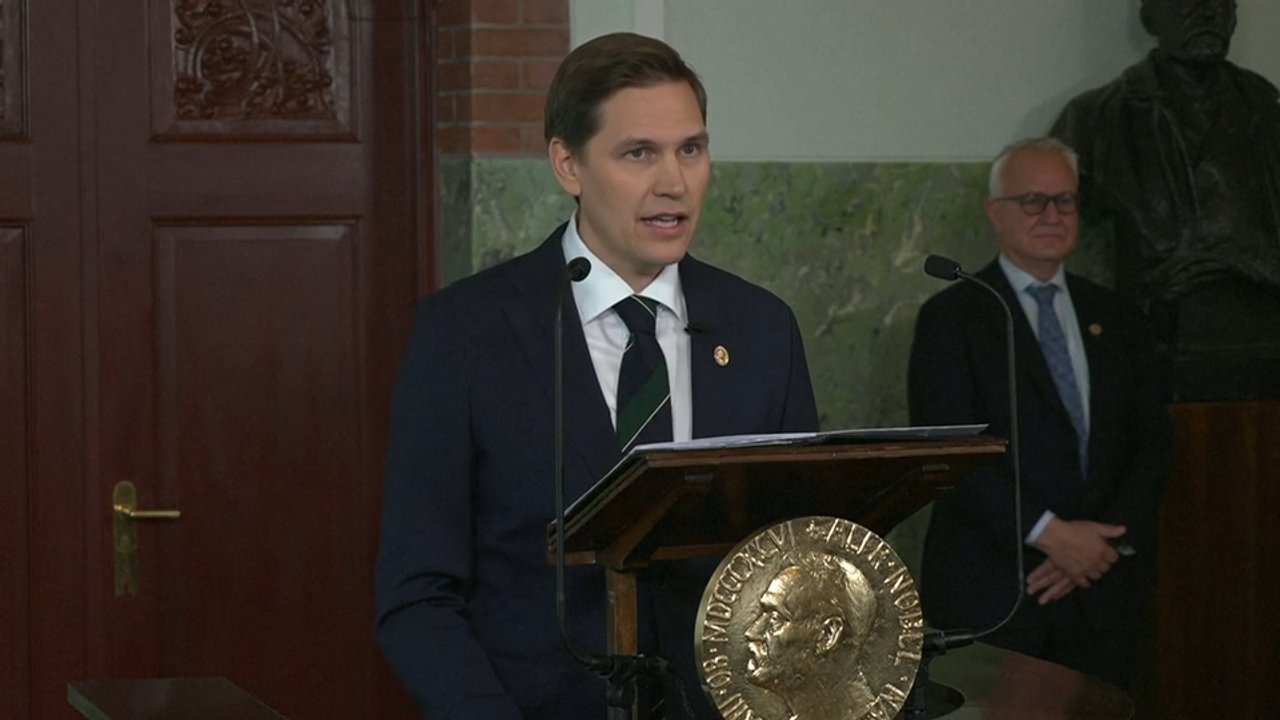
“Sharing is caring” is a good motto, but winning a Nobel Peace Prize takes a lot more. You could ask Navanethem “Navi” Pillay, the South African judge named as the 2026 winner, but she may be too busy to answer. At 85, she is still hearing cases at one of the world’s highest courts.
The Nobel Peace Prize is awarded each year to a person or organization that has made an exceptional contribution to peace. That means more than good manners. Winners have often spent decades helping countries cooperate, ending wars, or defending people’s rights. Pillay’s prize highlights an important idea: peace is more than the end of fighting. It also depends on protecting rights, applying laws fairly, and holding people responsible for the most serious crimes.
Pillay grew up in a family of Indian descent in South Africa under apartheid. Apartheid was a system of laws, in place from 1948 until the early 1990s, that separated people by race and denied non-white South Africans equal rights. Despite facing discrimination, she became a lawyer. In 1995, she became the first non-white woman to serve as a judge on South Africa’s High Court.
She went on to work at the international level. She was a judge on the International Criminal Court, which puts individuals on trial for crimes such as genocide and war crimes. She then served as the United Nations High Commissioner for Human Rights, the UN’s top official responsible for protecting human rights around the world. Throughout her career, she has argued that the same basic legal principles should apply to everyone, everywhere.
Today, she is a judge at the International Court of Justice, the UN’s main court for disputes between countries. She is hearing a case in which Myanmar is accused of genocide.
To help your students dive deeper into the article content, we created this bundle of article response worksheets. We designed these worksheets to be used with any magazine article and to keep students focused as they read and enhance comprehension and retention. (Please note that some worksheet types are better fits for certain content and grade levels). Assign students the same one, mix them up, or let them choose!
“Sharing is caring” is a good motto, but winning a Nobel Peace Prize takes a lot more. You could ask Navanethem “Navi” Pillay, the South African judge named as the 2026 winner, but she may be too busy to answer. At 85, she is still hearing cases at one of the world’s highest courts.
The Nobel Peace Prize is awarded each year to a person or organization that has made an exceptional contribution to peace. That means more than good manners. Winners have often spent decades helping countries cooperate, ending wars, or defending people’s rights. Pillay’s prize highlights an important idea: peace is more than the end of fighting. It also depends on protecting rights, applying laws fairly, and holding people responsible for the most serious crimes.
Pillay grew up in a family of Indian descent in South Africa under apartheid. Apartheid was a system of laws, in place from 1948 until the early 1990s, that separated people by race and denied non-white South Africans equal rights. Despite facing discrimination, she became a lawyer. In 1995, she became the first non-white woman to serve as a judge on South Africa’s High Court.
She went on to work at the international level. She was a judge on the International Criminal Court, which puts individuals on trial for crimes such as genocide and war crimes. She then served as the United Nations High Commissioner for Human Rights, the UN’s top official responsible for protecting human rights around the world. Throughout her career, she has argued that the same basic legal principles should apply to everyone, everywhere.
Today, she is a judge at the International Court of Justice, the UN’s main court for disputes between countries. She is hearing a case in which Myanmar is accused of genocide.