
In Landing Curiosity on a Mission to Mars Professor Brian Cox explains what scientists thought about life on Mars in the 1970s, how that changed, and what we learned from the first landing on Mars, the Curiosity rover. This video is excerpted from BBC’s The Planets, a series that explores the dramatic lives of the eight planets in our Solar System.
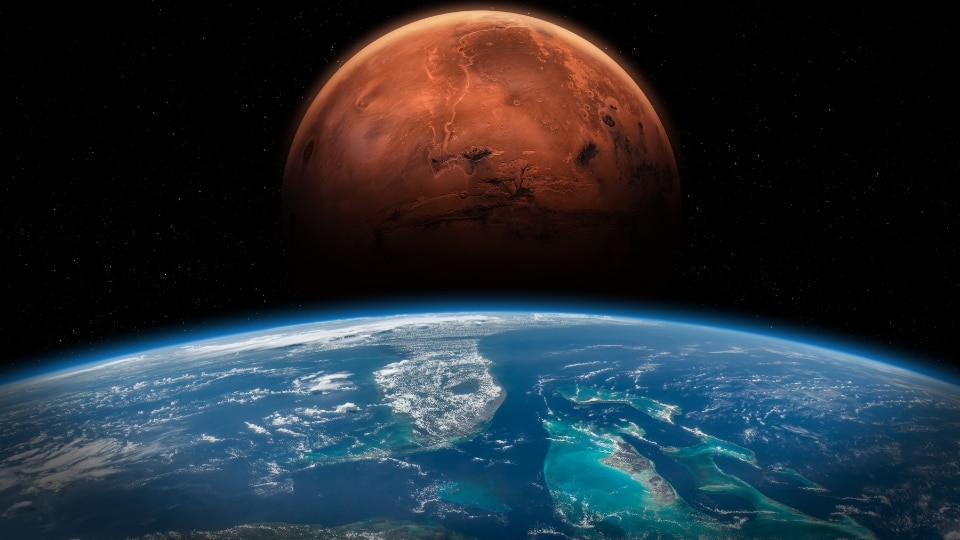
Explore the search for life beyond Earth in this Kahoot about Mars, scientific discovery, and one of humanity's biggest questions. From evidence of ancient water to clues hidden in the planet's surface, discover why scientists believe Mars may once have had the conditions needed to support life.
This Kahoot explores Martian geology, the role of water in sustaining life, and the tools scientists use to investigate distant worlds while uncovering what researchers look for when searching for signs of life beyond Earth.
Watch the videos about Mars linked below, then take the Kahoot and see how much you know about the Red Planet and the ongoing search for life in our Solar System.
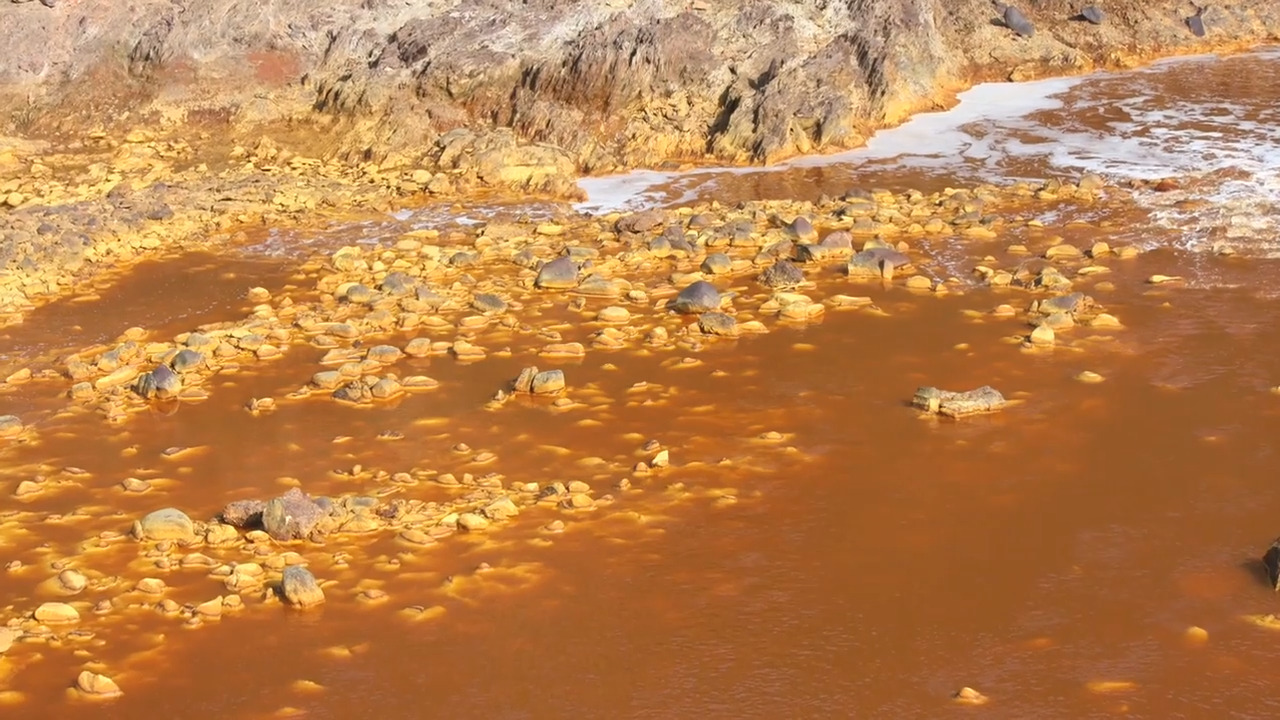
In How Earth's Extreme Environments Are Helping Scientists Search for Habitable Worlds, astrobiologist Louisa Preston explores how life in extreme environments on Earth can provide clues for finding life on Mars. Scientists believe that if life can survive in Earth’s harshest conditions, similar life could exist on Mars. This exploration not only advances our search for life on Mars but also helps us better understand the origins of life on Earth and may lead to future innovations in space exploration.
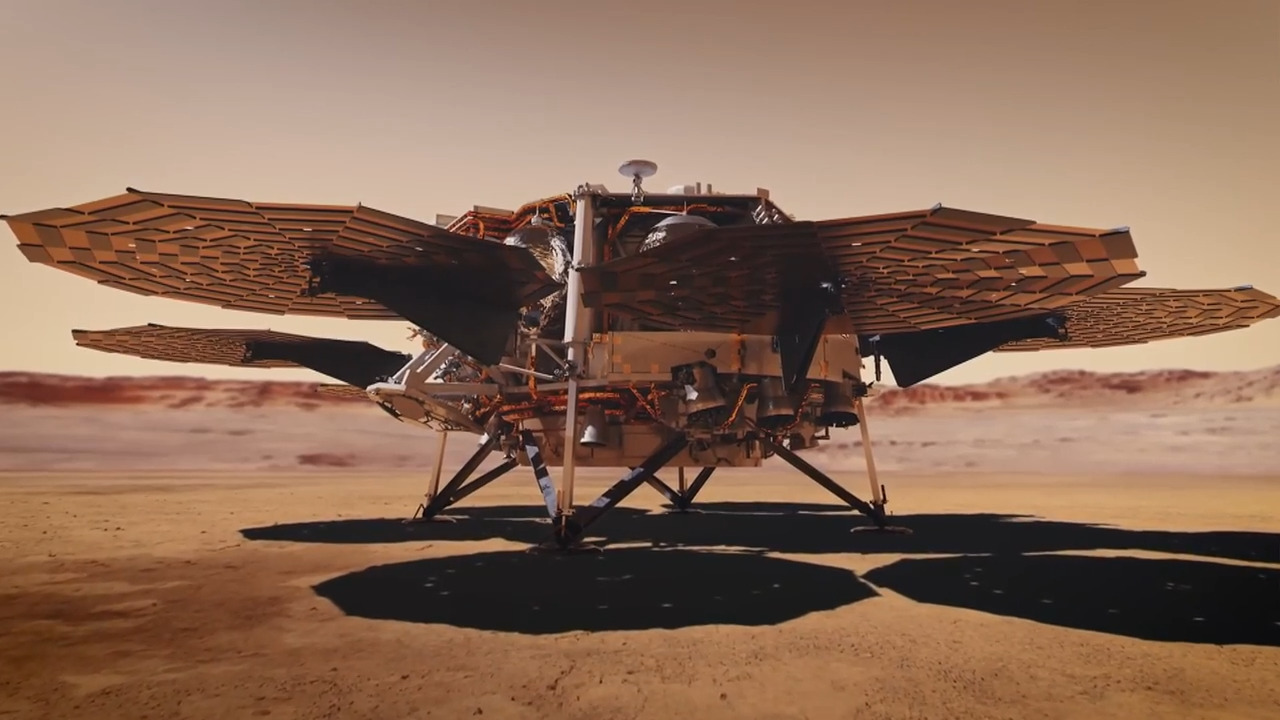
Mars may be cold and barren, but it might have supported life! At least, that’s what scientists think, after finding rocks with some very interesting spots. These markings, nicknamed “leopard spots” and “poppyseeds,” are minerals that could have been made by Martian microbes, early in the planet’s history. They were discovered by the Perseverance Rover, which has been exploring Mars since its 2021 landing.
The rover has been focused on Mars’s Jezero Crater, which used to be a huge lake with a river running into it before drying up billions of years ago. Now, Perseverance collects samples to analyze in its onboard lab! Car Bluetooth is cool but c’mon, it’s no analysis lab…
These rocks aren’t exactly the video diary of an alien’s day in the life on Mars, but they could be the clearest sign of life ever found on Mars, which is thought to be one of the most promising places in our Solar System to look for life outside of Earth. The only way to confirm if the minerals were made by microbes is to get them back to Earth, so NASA and the European Space Agency have proposed a mission to collect them. It’ll be expensive, but this could be the answer to if there was life on other planets!
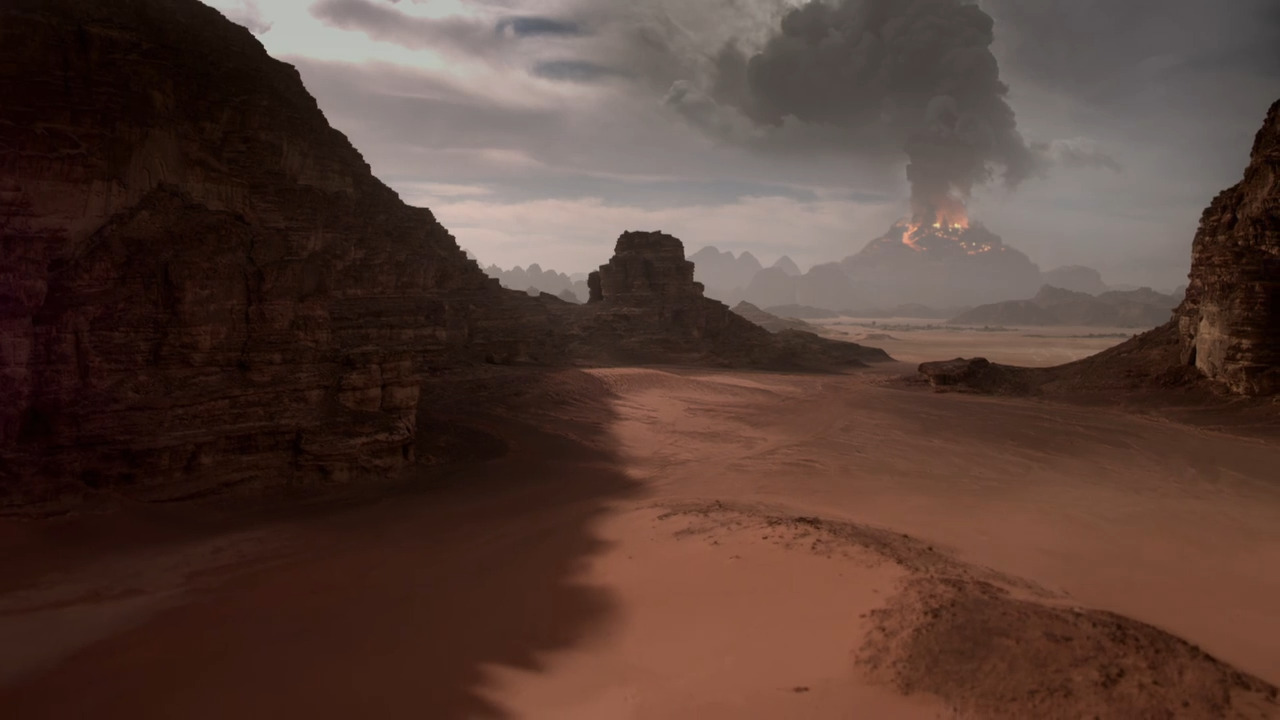
In The Future of Mars, Professor Brian Cox explains how scientists continue to explore Mars and what finding life on Mars means for the existence of life in the Universe. This video is excerpted from BBC’s The Planets, a series that explores the dramatic lives of the eight planets in our Solar System.

The article "6 Out-of-This-World Experiments Recreating Space on Earth" from BBC's Science Focus explores how scientists simulate space missions in remote and harsh environments. From the HI-SEAS habitat in Hawaii to NASA’s underwater NEEMO program, these experiments allow astronauts to practice survival skills, test space equipment, and prepare for life on Mars and beyond.
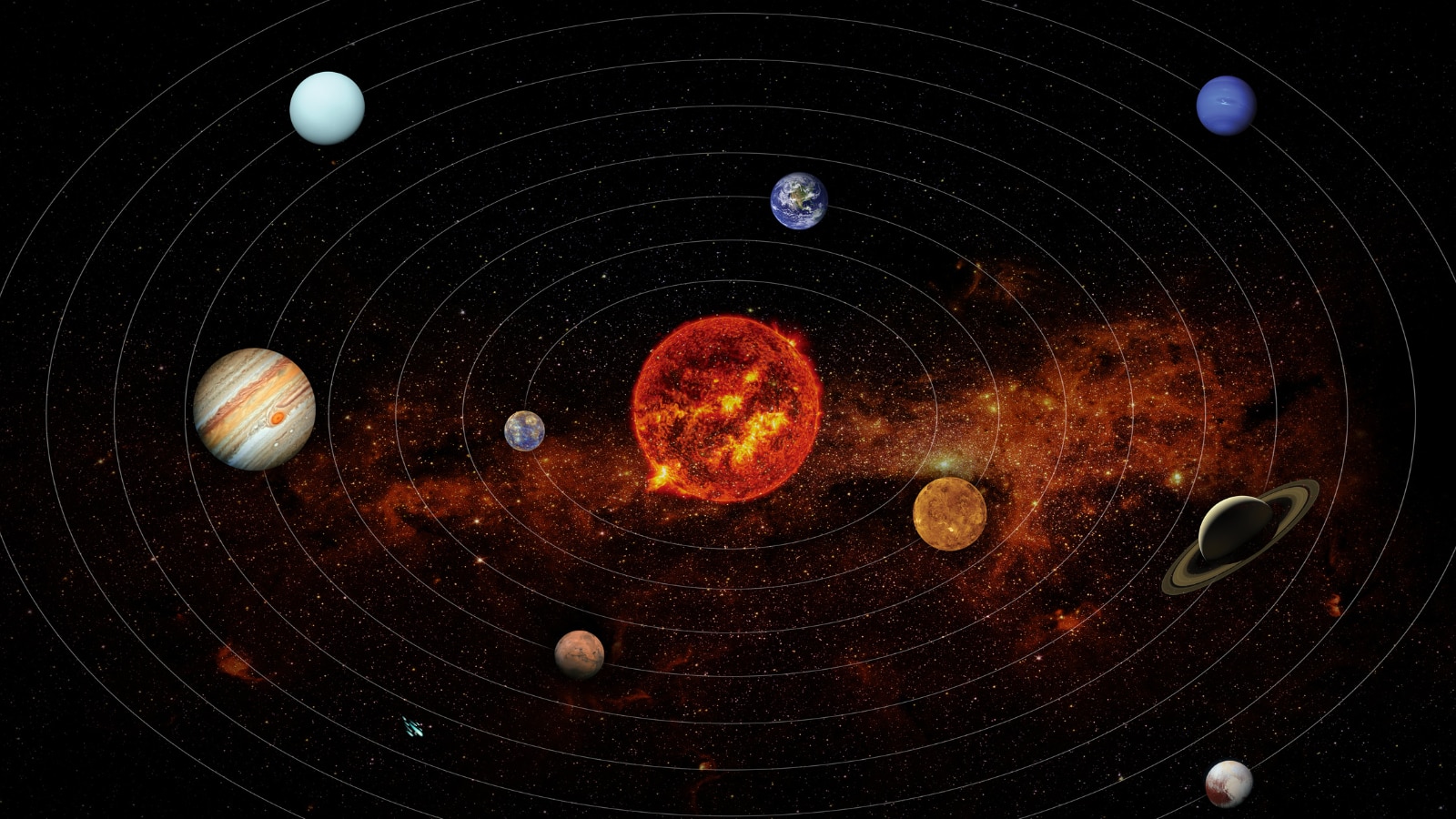
From the scorching surface of Mercury to the icy winds of Neptune, this BBC Learning Hub playlist takes you on an awe-inspiring voyage across our celestial neighborhood. Explore the mysteries of alien worlds, witness dramatic planetary weather, uncover the origins of Saturn’s rings, and ponder life on Mars. Whether you're a curious stargazer or a space science enthusiast, these video clips from landmark BBC series like The Planets and Wonders of the Solar System will ignite learner's imagination and deepen your cosmic curiosity.
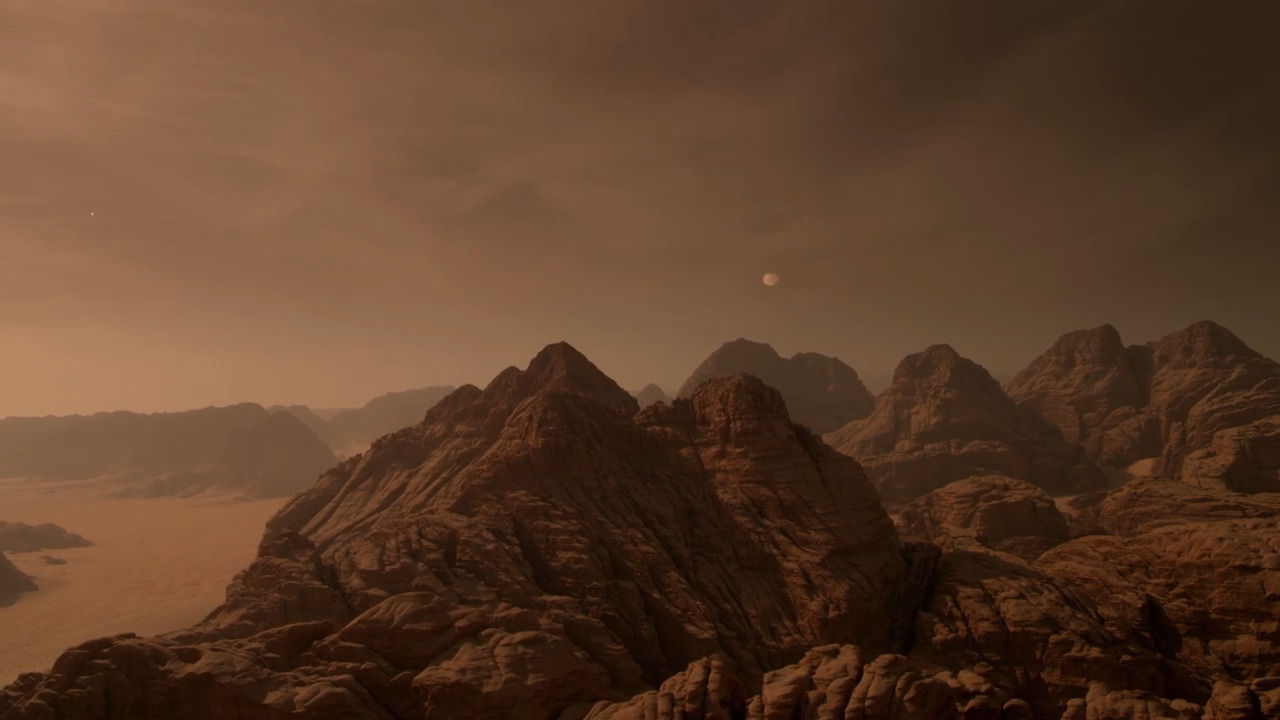
In Life on Earth and Mars, Professor Brian Cox explains the conditions that are required for life to begin. Learn how Earth and Mars had these conditions at the same time. Could life have started in two places at once? Or might the life on Earth have come from outer space? This video is excerpted from BBC’s The Planets, a series that explores the dramatic lives of the eight planets in our Solar System.
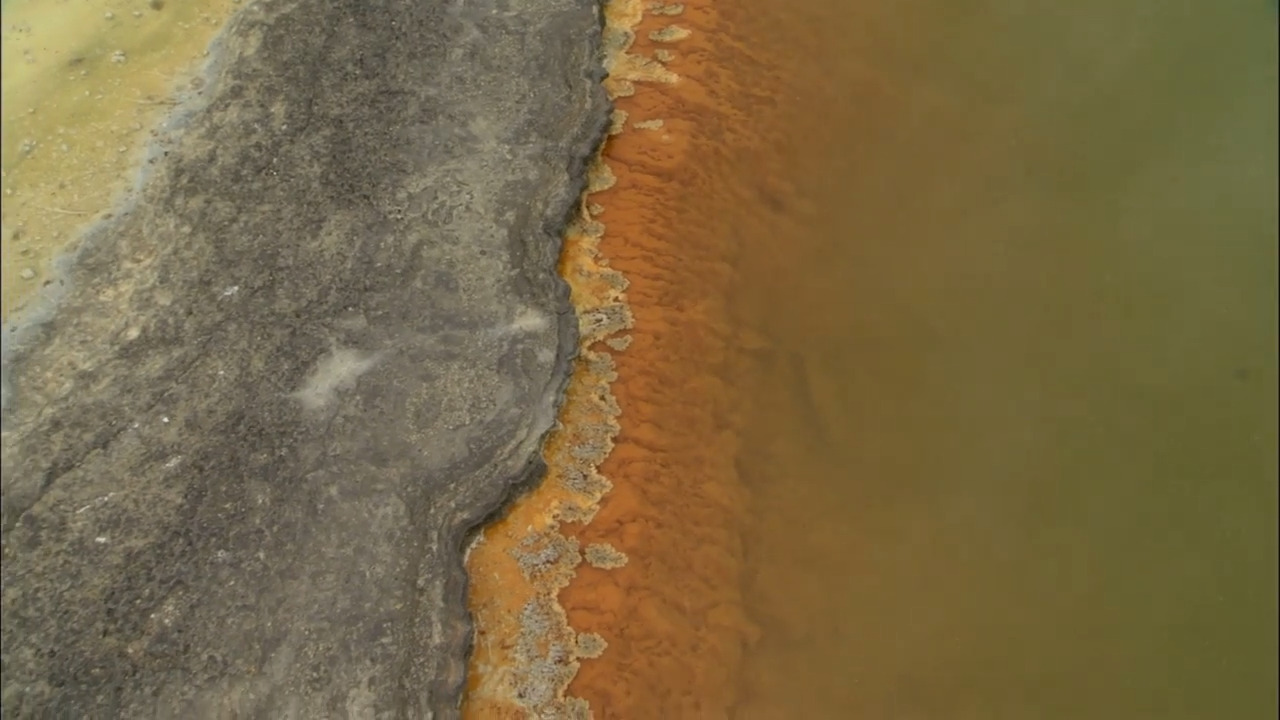
In Why CO₂ Is Crucial for Our Planet's Survival, geologist Iain Stewart explains how carbon dioxide is essential for life on Earth. Without enough, planets like Mars are freezing cold, while Venus is scorching hot because it has too much. Early volcanoes released carbon dioxide that helped keep the planet warm enough for life to evolve. Yet, scientists have discovered evidence of a catastrophic "Snowball Earth" event 700 million years ago, where the planet may have been completely frozen, as shown by mysterious drop stones found in Namibia. This video is excerpted from BBC’s Earth: The Power of the Planet, a documentary series in which Dr. Iain Stewart discovers how Earth's forces can shape nature, species, and even the climate.
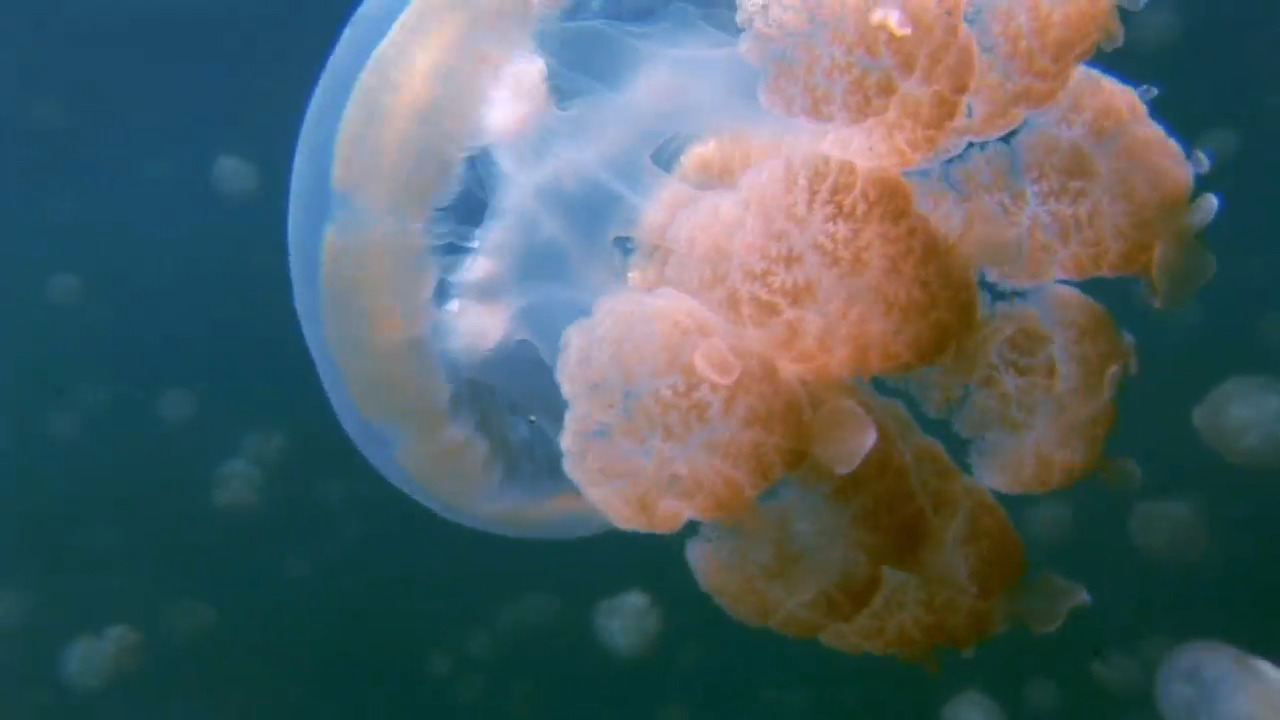
In Why Acidic Seas Spell Trouble, geologist Iain Stewart explores how global warming is shaking up life in the ocean. In Palau, an ocean scientist shares the story of millions of golden jellyfish that vanished when the water’s temperature rose by a few degrees. Plus, learn how rising carbon dioxide is making the ocean more acidic, threatening coral reefs and the marine life that depends on them. The ocean is changing fast, and scientists are racing to understand what’s next for our planet's underwater world! This video is excerpted from BBC’s Earth: The Power of the Planet, a documentary series in which Dr. Iain Stewart discovers how Earth's forces can shape nature, species, and even the climate.
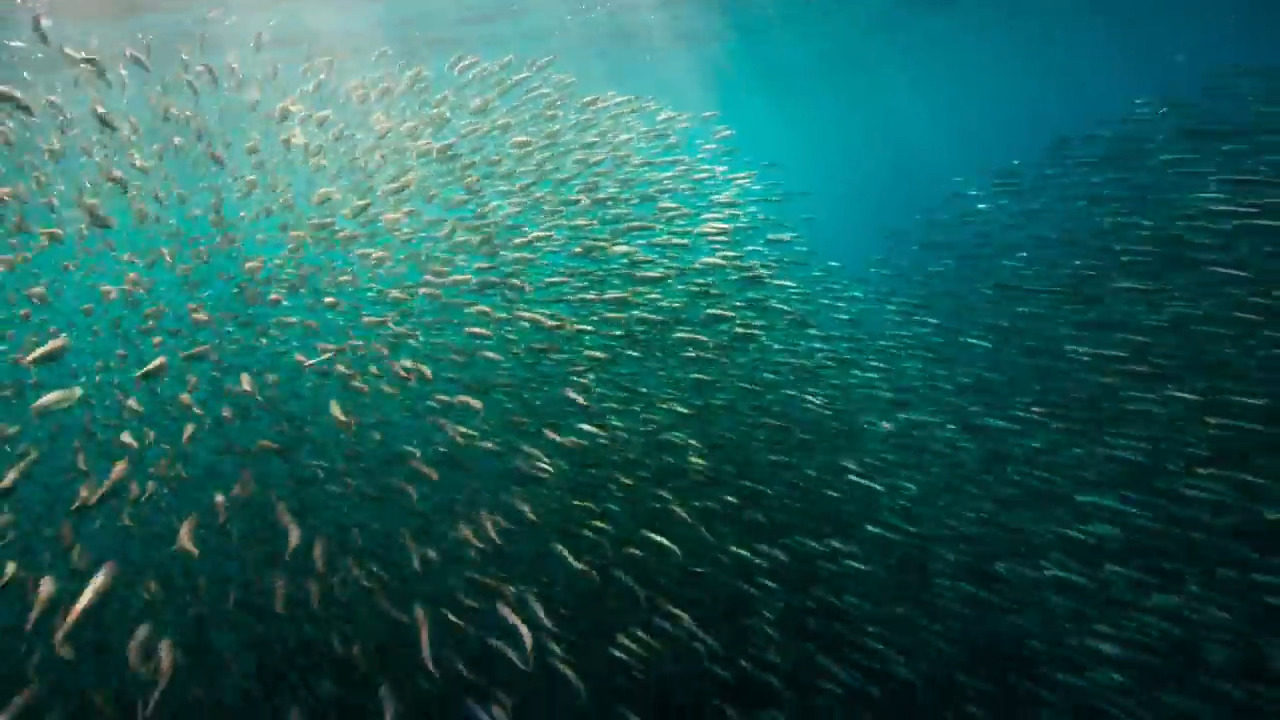
In Feasting on Anchovies, narrator Sir David Attenborough explains the important role that anchovies play in supporting all marine life. These anchovies feed on plankton in and around Monterey Bay, California, where millions are food for sea lions, dolphins, humpback whales, and countless seabirds. This video is excerpted from BBC’s Blue Planet II, a natural history series that explores the world's oceans, the animals that live in them, and the threats they face, using modern filming techniques and equipment to capture previously unseen areas of the ocean.
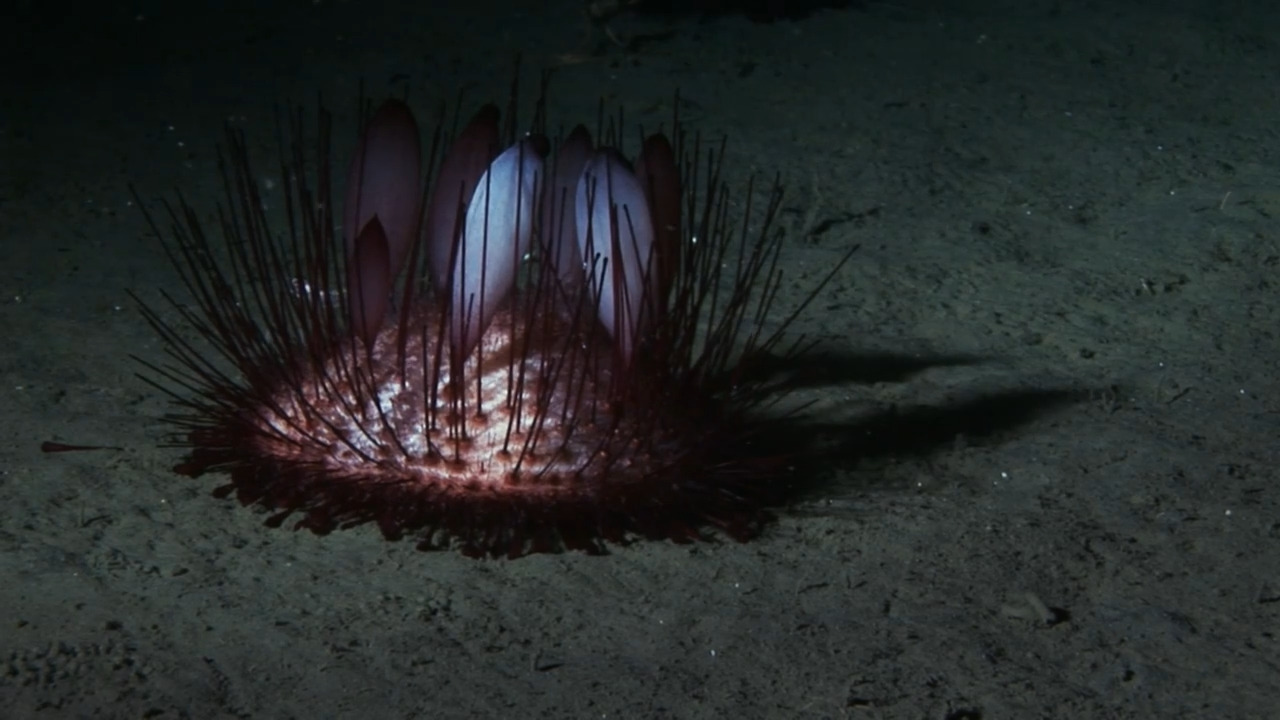
In Subtle Signs of Life on the Seafloor, narrator David Attenborough journeys over two miles beneath the ocean's surface, where the pressure is immense — 300 times greater than at sea level. Here, marine snow, tiny organic particles drifting from above, slowly settles on the seafloor over months. This vast, flat expanse stretches for thousands of miles, with subtle signs of life visible in the soft sediment. Sea urchins sift through the accumulating snow, while shrimp carefully pick out edible particles. The monkfish, nearly indistinguishable from the sand, patiently waits for prey to be lured toward its deceptive trap, sometimes going days between meals. This video is excerpted from BBC’s Planet Earth, a breathtaking documentary series that highlights the natural wonders of our planet.
In Landing Curiosity on a Mission to Mars Professor Brian Cox explains what scientists thought about life on Mars in the 1970s, how that changed, and what we learned from the first landing on Mars, the Curiosity rover. This video is excerpted from BBC’s The Planets, a series that explores the dramatic lives of the eight planets in our Solar System.
Explore the search for life beyond Earth in this Kahoot about Mars, scientific discovery, and one of humanity's biggest questions. From evidence of ancient water to clues hidden in the planet's surface, discover why scientists believe Mars may once have had the conditions needed to support life.
This Kahoot explores Martian geology, the role of water in sustaining life, and the tools scientists use to investigate distant worlds while uncovering what researchers look for when searching for signs of life beyond Earth.
Watch the videos about Mars linked below, then take the Kahoot and see how much you know about the Red Planet and the ongoing search for life in our Solar System.
In How Earth's Extreme Environments Are Helping Scientists Search for Habitable Worlds, astrobiologist Louisa Preston explores how life in extreme environments on Earth can provide clues for finding life on Mars. Scientists believe that if life can survive in Earth’s harshest conditions, similar life could exist on Mars. This exploration not only advances our search for life on Mars but also helps us better understand the origins of life on Earth and may lead to future innovations in space exploration.
Mars may be cold and barren, but it might have supported life! At least, that’s what scientists think, after finding rocks with some very interesting spots. These markings, nicknamed “leopard spots” and “poppyseeds,” are minerals that could have been made by Martian microbes, early in the planet’s history. They were discovered by the Perseverance Rover, which has been exploring Mars since its 2021 landing.
The rover has been focused on Mars’s Jezero Crater, which used to be a huge lake with a river running into it before drying up billions of years ago. Now, Perseverance collects samples to analyze in its onboard lab! Car Bluetooth is cool but c’mon, it’s no analysis lab…
These rocks aren’t exactly the video diary of an alien’s day in the life on Mars, but they could be the clearest sign of life ever found on Mars, which is thought to be one of the most promising places in our Solar System to look for life outside of Earth. The only way to confirm if the minerals were made by microbes is to get them back to Earth, so NASA and the European Space Agency have proposed a mission to collect them. It’ll be expensive, but this could be the answer to if there was life on other planets!
In The Future of Mars, Professor Brian Cox explains how scientists continue to explore Mars and what finding life on Mars means for the existence of life in the Universe. This video is excerpted from BBC’s The Planets, a series that explores the dramatic lives of the eight planets in our Solar System.
The article "6 Out-of-This-World Experiments Recreating Space on Earth" from BBC's Science Focus explores how scientists simulate space missions in remote and harsh environments. From the HI-SEAS habitat in Hawaii to NASA’s underwater NEEMO program, these experiments allow astronauts to practice survival skills, test space equipment, and prepare for life on Mars and beyond.
From the scorching surface of Mercury to the icy winds of Neptune, this BBC Learning Hub playlist takes you on an awe-inspiring voyage across our celestial neighborhood. Explore the mysteries of alien worlds, witness dramatic planetary weather, uncover the origins of Saturn’s rings, and ponder life on Mars. Whether you're a curious stargazer or a space science enthusiast, these video clips from landmark BBC series like The Planets and Wonders of the Solar System will ignite learner's imagination and deepen your cosmic curiosity.
In Life on Earth and Mars, Professor Brian Cox explains the conditions that are required for life to begin. Learn how Earth and Mars had these conditions at the same time. Could life have started in two places at once? Or might the life on Earth have come from outer space? This video is excerpted from BBC’s The Planets, a series that explores the dramatic lives of the eight planets in our Solar System.
In Why CO₂ Is Crucial for Our Planet's Survival, geologist Iain Stewart explains how carbon dioxide is essential for life on Earth. Without enough, planets like Mars are freezing cold, while Venus is scorching hot because it has too much. Early volcanoes released carbon dioxide that helped keep the planet warm enough for life to evolve. Yet, scientists have discovered evidence of a catastrophic "Snowball Earth" event 700 million years ago, where the planet may have been completely frozen, as shown by mysterious drop stones found in Namibia. This video is excerpted from BBC’s Earth: The Power of the Planet, a documentary series in which Dr. Iain Stewart discovers how Earth's forces can shape nature, species, and even the climate.
In Why Acidic Seas Spell Trouble, geologist Iain Stewart explores how global warming is shaking up life in the ocean. In Palau, an ocean scientist shares the story of millions of golden jellyfish that vanished when the water’s temperature rose by a few degrees. Plus, learn how rising carbon dioxide is making the ocean more acidic, threatening coral reefs and the marine life that depends on them. The ocean is changing fast, and scientists are racing to understand what’s next for our planet's underwater world! This video is excerpted from BBC’s Earth: The Power of the Planet, a documentary series in which Dr. Iain Stewart discovers how Earth's forces can shape nature, species, and even the climate.
In Feasting on Anchovies, narrator Sir David Attenborough explains the important role that anchovies play in supporting all marine life. These anchovies feed on plankton in and around Monterey Bay, California, where millions are food for sea lions, dolphins, humpback whales, and countless seabirds. This video is excerpted from BBC’s Blue Planet II, a natural history series that explores the world's oceans, the animals that live in them, and the threats they face, using modern filming techniques and equipment to capture previously unseen areas of the ocean.
In Subtle Signs of Life on the Seafloor, narrator David Attenborough journeys over two miles beneath the ocean's surface, where the pressure is immense — 300 times greater than at sea level. Here, marine snow, tiny organic particles drifting from above, slowly settles on the seafloor over months. This vast, flat expanse stretches for thousands of miles, with subtle signs of life visible in the soft sediment. Sea urchins sift through the accumulating snow, while shrimp carefully pick out edible particles. The monkfish, nearly indistinguishable from the sand, patiently waits for prey to be lured toward its deceptive trap, sometimes going days between meals. This video is excerpted from BBC’s Planet Earth, a breathtaking documentary series that highlights the natural wonders of our planet.