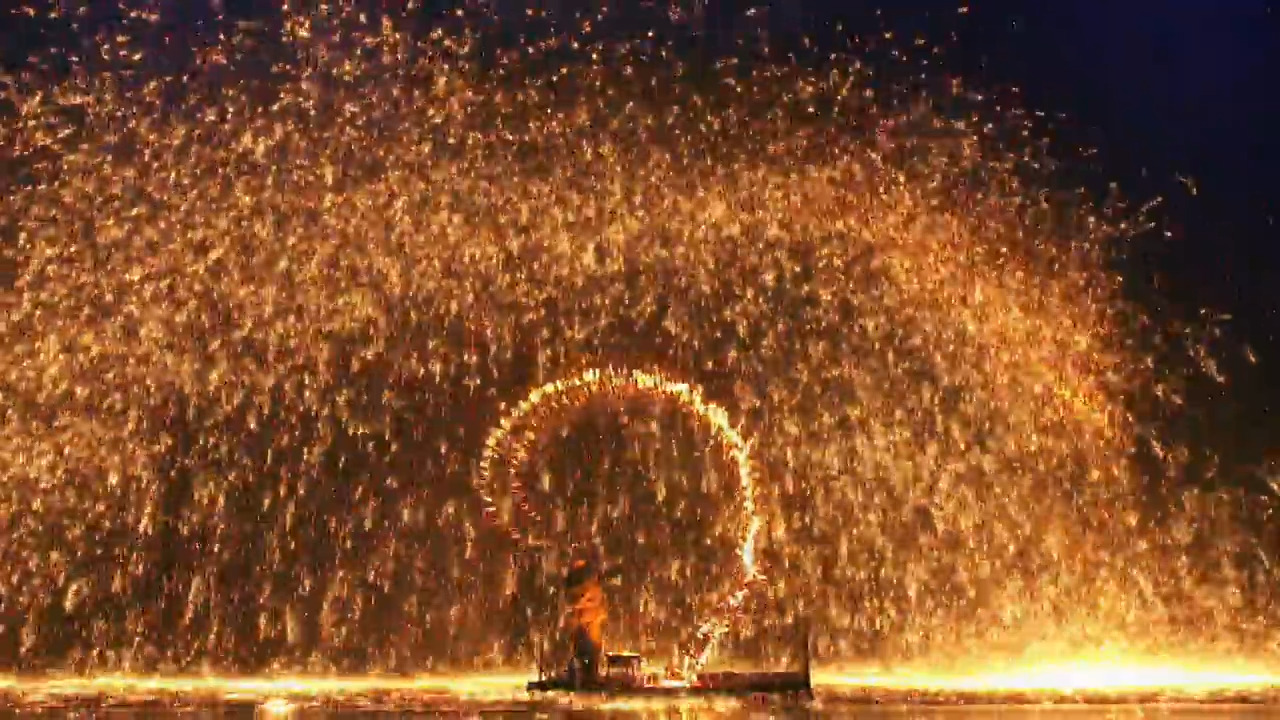
In Throwing Fire for Chinese New Year, iron metal workers in Nanquan, China, create amazing, glowing art with molten metal. Today, they perform nightly, but the tradition goes back hundreds of years. This video is excerpted from BBC’s Chinese New Year: The Biggest Celebration on Earth, a documentary series detailing the world's largest annual human migration (Chunyun), where over 1.5 billion people celebrate the Lunar New Year.

The article "Iron-Coated Teeth: The Secret of Komodo Dragons" from BBC's Discover Wildlife reveals that Komodo dragons have iron-coated serrated teeth, allowing them to efficiently rip through prey. The discovery sheds light on the hunting techniques of these giant lizards and may even offer clues about the feeding habits of ancient predators like the T. rex.
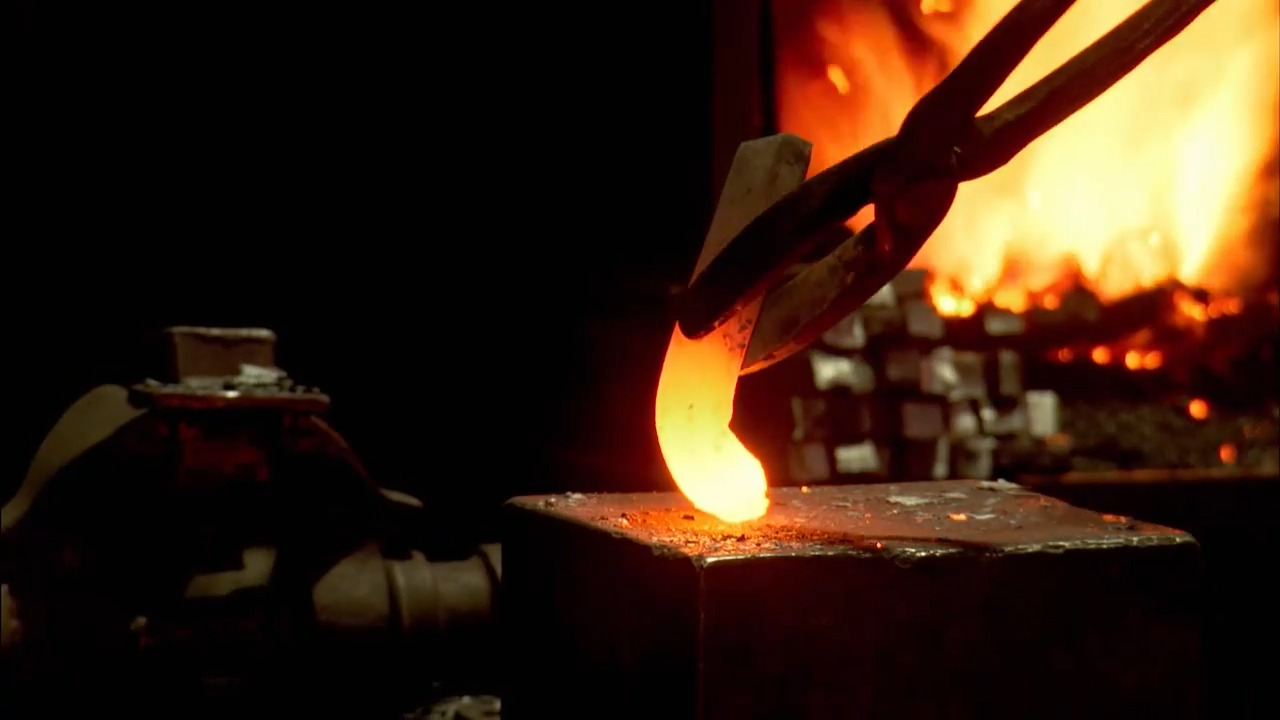
In The Dawn of the Iron Age, archaeologist and historian Richard Miles explains how the dawn of the Iron Age and the creation of the Phoenician alphabet revolutionized and democratized societies. Iron and the alphabet brought warfare, literacy, and trade to the masses. This video is excerpted from BBC’s Ancient Worlds, an epic series with archaeologist and historian Richard Miles as he explores the roots of civilization from Mesopotamia to the fall of the Roman Empire.
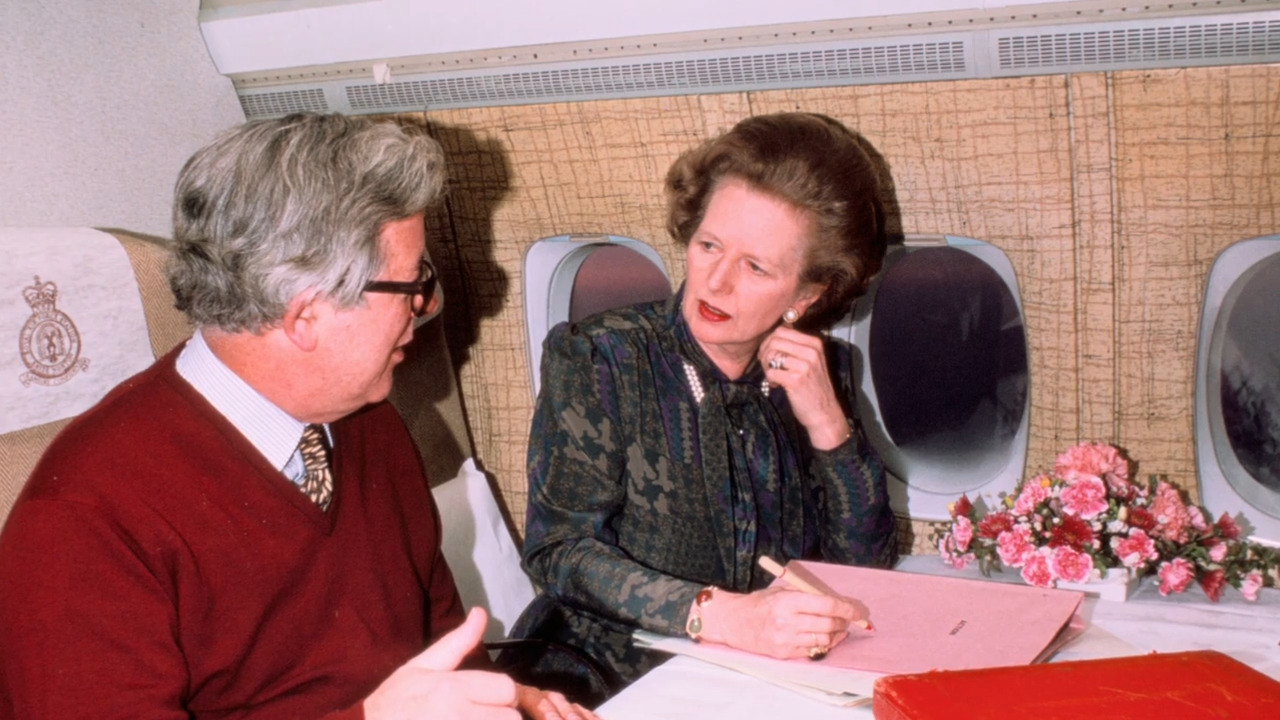
In Margaret Thatcher, Iron Lady, host Trevor McDonald explores the remarkable journey of Britain's first female prime minister. Thatcher's rise from modest beginnings to leading a major European economy was both revolutionary and divisive, as she shattered barriers of gender and class while introducing sweeping economic reforms. This video is excerpted from BBC’s Icons: The Greatest Person of the 20th Century, a documentary series celebrating the achievements of the most influential figures of the era
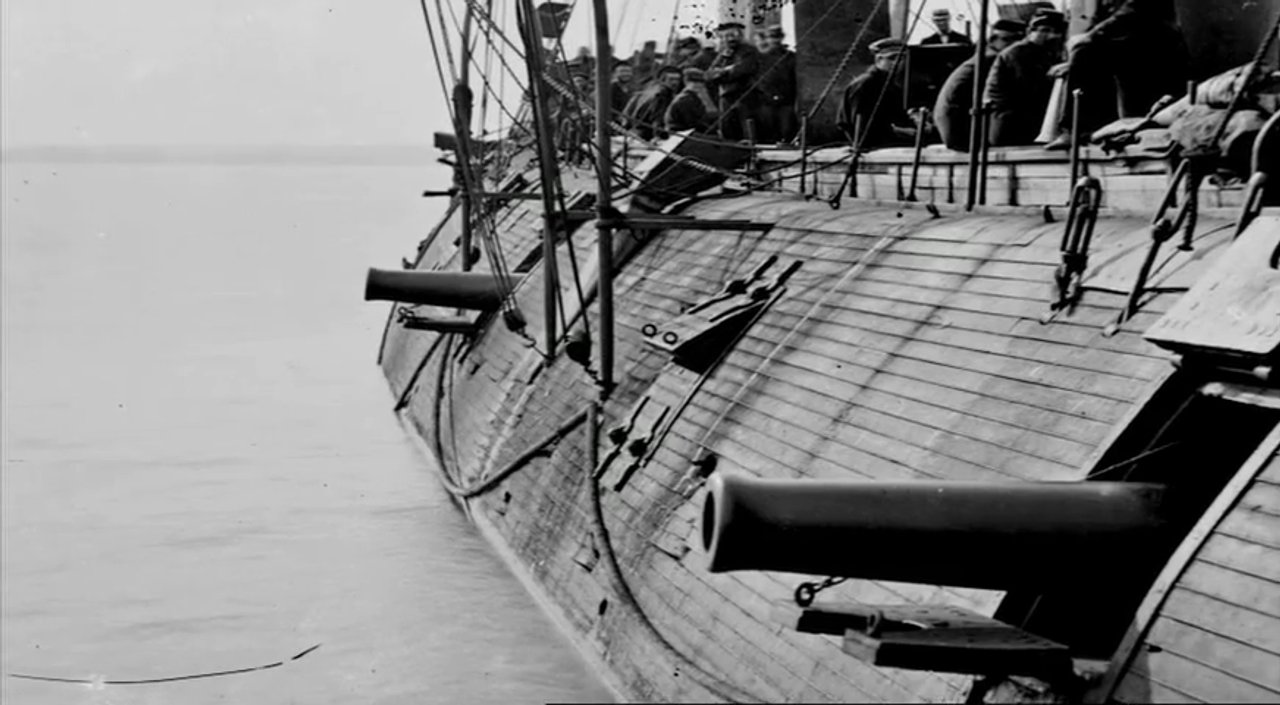
The American Civil War introduced new weapons and technologies that transformed warfare. The Gatling gun, a hand-cranked weapon with multiple rotating barrels, could fire far faster than the single-shot rifles commonly used by soldiers. Railroads helped armies transport troops, food, and ammunition over long distances, while ironclad warships used iron armor and heavy cannons to reshape naval combat. The Confederate submarine H. L. Hunley also made history in 1864 when it sank the Union warship Housatonic, becoming the first combat submarine to sink an enemy vessel.
The war also expanded the use of technology for reconnaissance and communication. Hot air and hydrogen balloons allowed observers to monitor enemy movements from above, and telegraph systems helped commanders share information quickly. These innovations changed how armies moved, gathered intelligence, and fought battles. Although many technologies were still experimental, their growing role in military strategy led historians to view the Civil War as an important transition toward modern warfare.

In Australia, the Driest Inhabited Continent, narrator Sir David Attenborough explains how, over thousands of years, the continent of Australia changed as it drifted northwards. Water dried up and the rocks have been reduced to sand by the hot blasting winds, creating what is now a vast desert. This video is excerpted from BBC’s Seven Worlds, One Planet, a series featuring remarkable animal behavior from all seven continents.

Journey across a continent filled with tropical rainforests, sandy beaches, wide-open grasslands, rugged mountains, and the vast Australian Outback. Along the way, meet some of Australia’s most famous wildlife, including bouncing kangaroos and tree-climbing koalas. Discover how these animals are suited to their habitats and why so many of Australia’s plants and animals are found nowhere else on Earth.
From spectacular landscapes to unusual wildlife, these BBC clips offer a glimpse of Australia from many different angles. Grab your imaginary passport and get ready to explore!
In Throwing Fire for Chinese New Year, iron metal workers in Nanquan, China, create amazing, glowing art with molten metal. Today, they perform nightly, but the tradition goes back hundreds of years. This video is excerpted from BBC’s Chinese New Year: The Biggest Celebration on Earth, a documentary series detailing the world's largest annual human migration (Chunyun), where over 1.5 billion people celebrate the Lunar New Year.
The article "Iron-Coated Teeth: The Secret of Komodo Dragons" from BBC's Discover Wildlife reveals that Komodo dragons have iron-coated serrated teeth, allowing them to efficiently rip through prey. The discovery sheds light on the hunting techniques of these giant lizards and may even offer clues about the feeding habits of ancient predators like the T. rex.
In The Dawn of the Iron Age, archaeologist and historian Richard Miles explains how the dawn of the Iron Age and the creation of the Phoenician alphabet revolutionized and democratized societies. Iron and the alphabet brought warfare, literacy, and trade to the masses. This video is excerpted from BBC’s Ancient Worlds, an epic series with archaeologist and historian Richard Miles as he explores the roots of civilization from Mesopotamia to the fall of the Roman Empire.
In Margaret Thatcher, Iron Lady, host Trevor McDonald explores the remarkable journey of Britain's first female prime minister. Thatcher's rise from modest beginnings to leading a major European economy was both revolutionary and divisive, as she shattered barriers of gender and class while introducing sweeping economic reforms. This video is excerpted from BBC’s Icons: The Greatest Person of the 20th Century, a documentary series celebrating the achievements of the most influential figures of the era
The American Civil War introduced new weapons and technologies that transformed warfare. The Gatling gun, a hand-cranked weapon with multiple rotating barrels, could fire far faster than the single-shot rifles commonly used by soldiers. Railroads helped armies transport troops, food, and ammunition over long distances, while ironclad warships used iron armor and heavy cannons to reshape naval combat. The Confederate submarine H. L. Hunley also made history in 1864 when it sank the Union warship Housatonic, becoming the first combat submarine to sink an enemy vessel.
The war also expanded the use of technology for reconnaissance and communication. Hot air and hydrogen balloons allowed observers to monitor enemy movements from above, and telegraph systems helped commanders share information quickly. These innovations changed how armies moved, gathered intelligence, and fought battles. Although many technologies were still experimental, their growing role in military strategy led historians to view the Civil War as an important transition toward modern warfare.
In Australia, the Driest Inhabited Continent, narrator Sir David Attenborough explains how, over thousands of years, the continent of Australia changed as it drifted northwards. Water dried up and the rocks have been reduced to sand by the hot blasting winds, creating what is now a vast desert. This video is excerpted from BBC’s Seven Worlds, One Planet, a series featuring remarkable animal behavior from all seven continents.
Journey across a continent filled with tropical rainforests, sandy beaches, wide-open grasslands, rugged mountains, and the vast Australian Outback. Along the way, meet some of Australia’s most famous wildlife, including bouncing kangaroos and tree-climbing koalas. Discover how these animals are suited to their habitats and why so many of Australia’s plants and animals are found nowhere else on Earth.
From spectacular landscapes to unusual wildlife, these BBC clips offer a glimpse of Australia from many different angles. Grab your imaginary passport and get ready to explore!