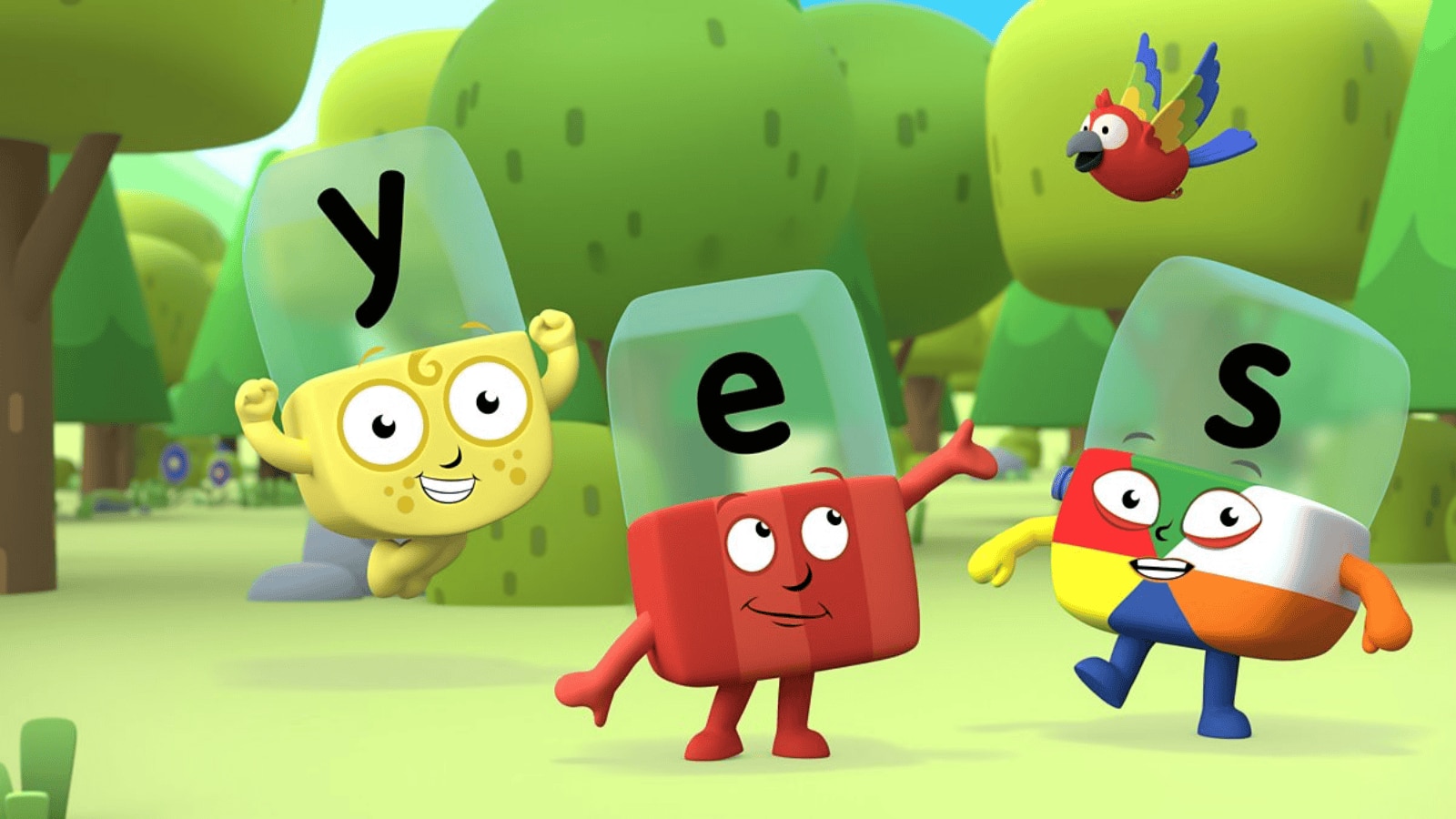
Meet the Alphablocks — 26 living letters who discover that when they hold hands to make a word, something magical happens. Celebrated for its innovative approach to teaching reading, Alphablocks makes learning joyful, active, and engaging for early learners. This free collection of Alphablocks worksheets brings that magic to life at home or in the classroom, with Alphablocks letter cards kids can use to build words, alphabet finger puppets, and playful worksheets that teach letter sounds.
Watch full episodes of the award-winning show for kids ages 3–6 on the official Alphablocks YouTube channel!
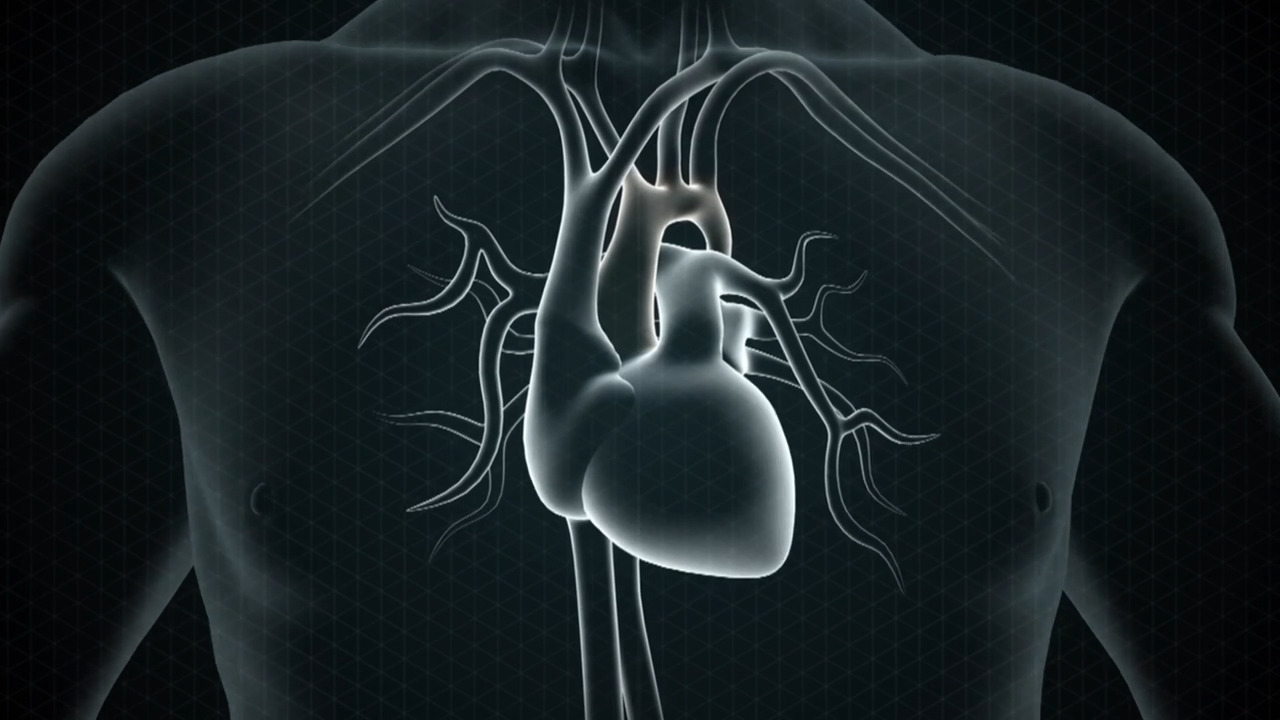
In Engineering Creative Solutions for Living With Marfan Syndrome, meet Cal, a person with Marfan Syndrome, who creatively solves a medical complication by applying engineering knowledge to his condition. Cal’s condition causes his heart and aorta to stretch due to the structural abnormalities that characterize Marfan Syndrome. Instead of undergoing traditional surgery, Cal takes matters into his own hands, using his engineering background to find a more innovative solution. This video demonstrates the intersection of medicine and engineering, as well as how individuals can advocate for themselves and influence their treatment plans. This video is excerpted from BBC’s The World’s Most Extraordinary People, a documentary series revealing how rare medical conditions inspire groundbreaking scientific discoveries.
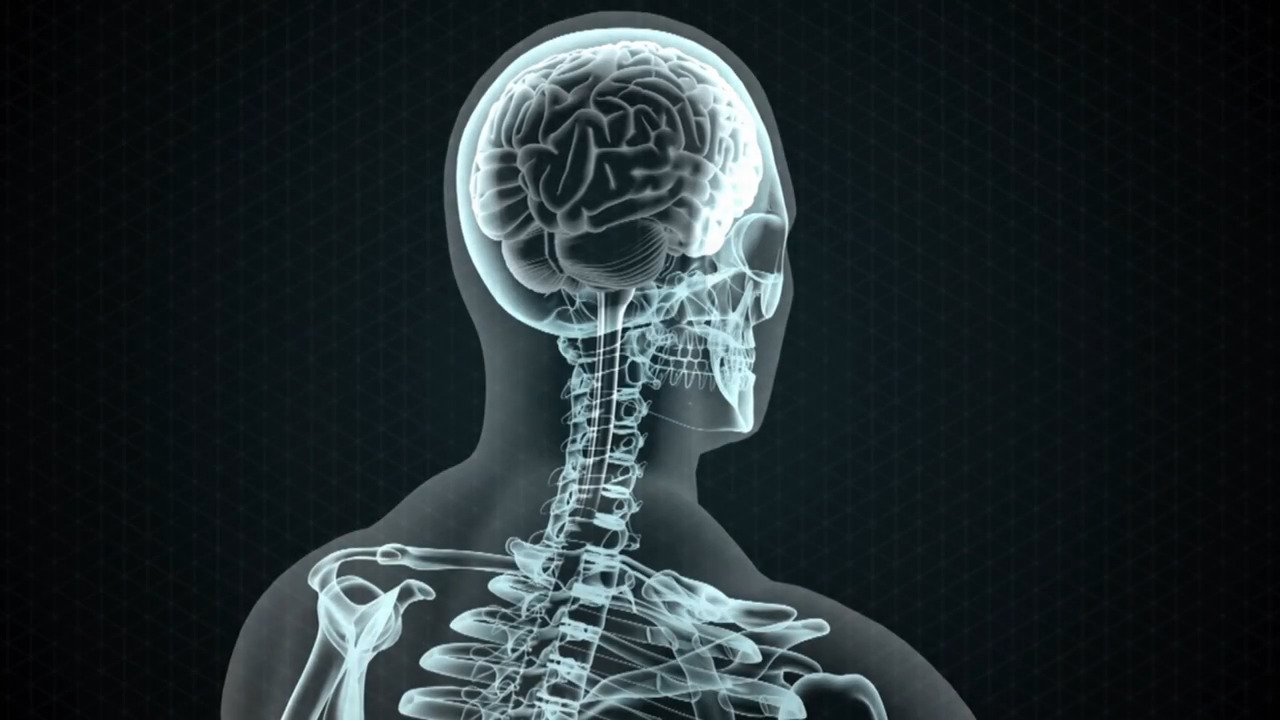
In Treating Spinal Cord Injuries, learn how one engineer created an innovative way to help treat spinal cord injuries. Meet Ian, who suffered a spinal cord injury and explore how his injury interrupted the connection between his brain and body. An engineer developed a groundbreaking solution that has helped people with spinal cord injuries regain movement. This video is excerpted from BBC’s The World’s Most Extraordinary People, a documentary series revealing how rare medical conditions inspire groundbreaking scientific discoveries.

The article "Future Cars: Designs That Could Revolutionize the Vehicle Industry" from BBC's Science Focus explores the latest advancements and concepts in car technology. From Tesla's resilient Cybertruck to BMW's color-changing iX Flow, these innovative designs promise to transform the future of transportation. The article highlights the potential of these futuristic vehicles to enhance functionality, safety, and environmental sustainability.
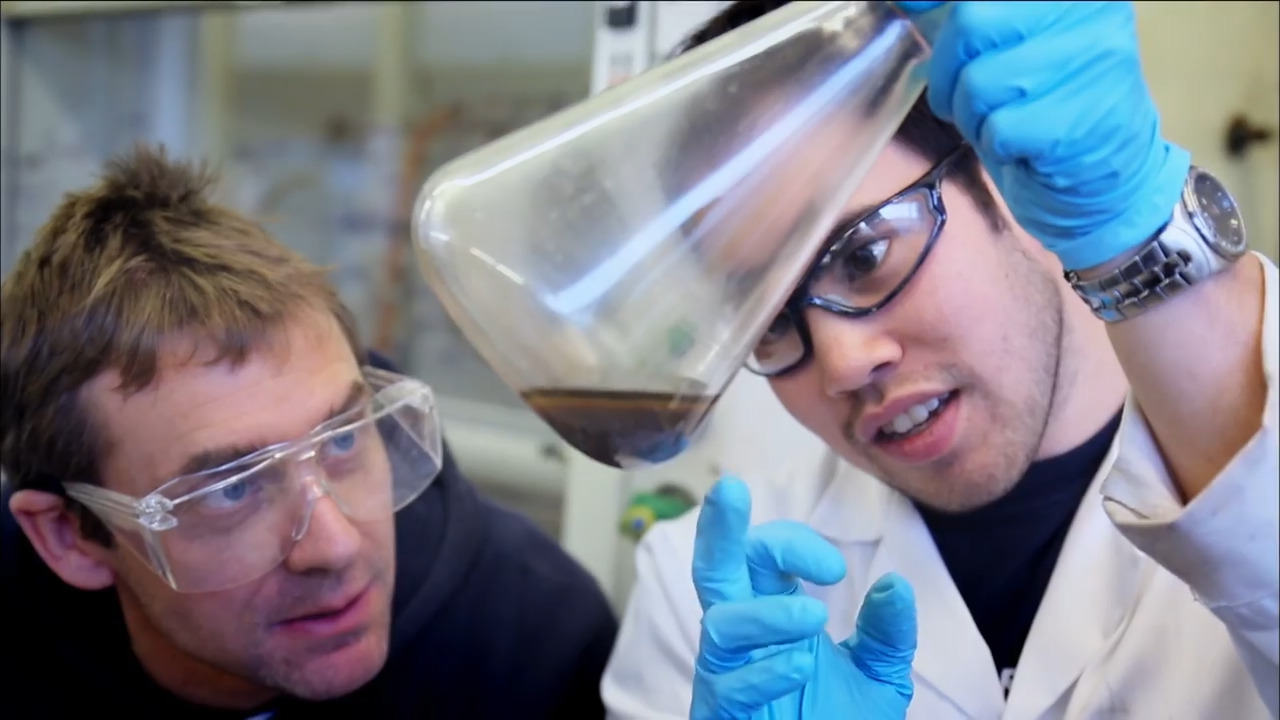
In Inside a Super Recycling Plant, plastic is everywhere, and while it’s bad for wildlife, many people wonder — how bad is it for us? Every year, millions of tons of plastic end up in landfills, but new technology is making recycling more effective. At a cutting-edge plant, 5 million plastic bottles are cleaned, chopped up, and turned into brand-new, food-safe bottles every day — without any waste! This process gives old plastic a fresh start and shows progress in tackling the massive plastic problem. This video is excerpted from BBC’s Bang Goes the Theory, a series that delves into the ways science impacts our lives and shapes the world we experience every day.
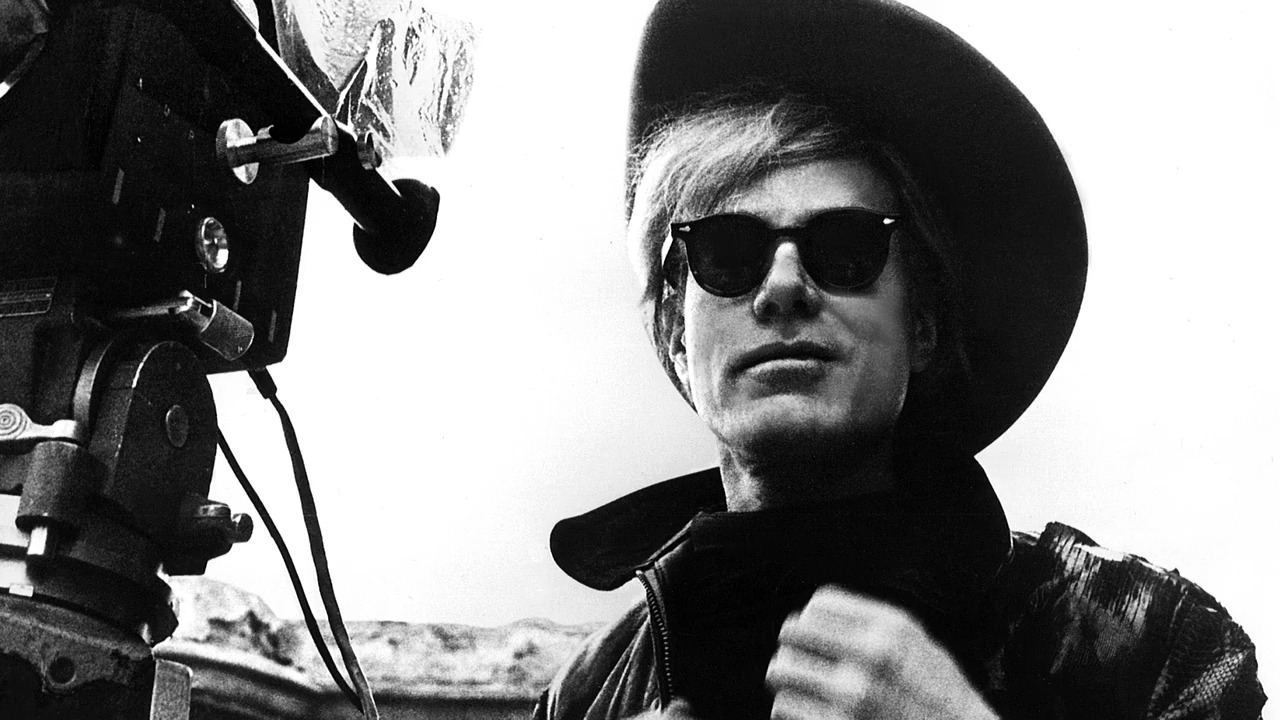
In Andy Warhol, Revolutionary Artist and Icon, host Lily Cole explores the life and lasting influence of Andy Warhol. Warhol was an artist who became famous for his unique perspective on consumerism, fame, and the culture of mass production. This video is excerpted from BBC’s Icons: The Greatest Person of the 20th Century, a documentary series celebrating the achievements of the most influential figures of the era.
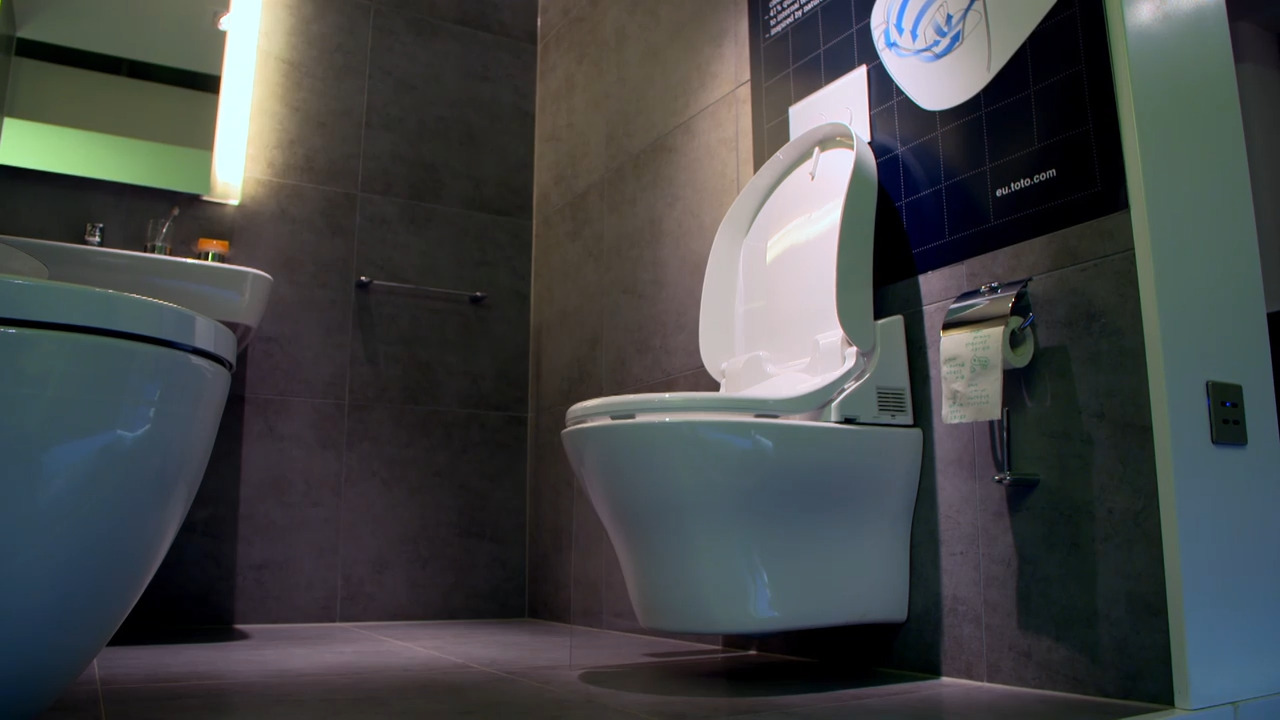
In Toilets of the Future, presenter Cherry Healey learns about a Toto toilet that has lots of cool features that improve hygiene and the experience of visiting the bathroom. She visits Cranfield University to get a glimpse of the toilet of the future, one that doesn’t use water. This video is excerpted from BBC’s Inside the Factory, a series that takes viewers behind the scenes in the factories that make our favorite products.
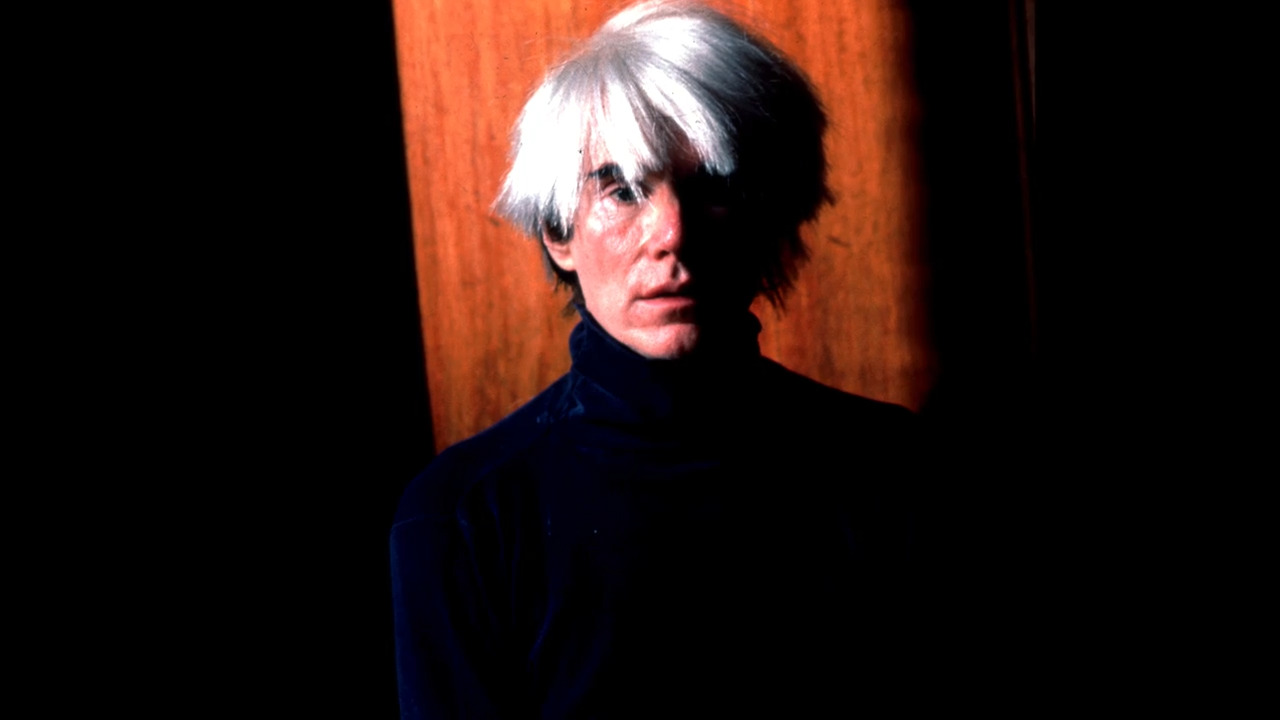
In Andy Warhol, Innovative Artist, host Lily Cole discusses Warhol's childhood and rise to fame, including how he was shot in 1968 in New York City and never fully recovered from his injuries. This video is excerpted from BBC’s Icons: The Greatest Person of the 20th Century, a documentary series celebrating the achievements of the most influential figures of the era.

The article "Can We Stop Hurricanes? Exploring Innovative Solutions" from BBC's Science Focus explores futuristic ideas to mitigate hurricane damage. Scientists are developing methods such as offshore wind farms and cooling ocean surfaces to weaken storms before they reach land.
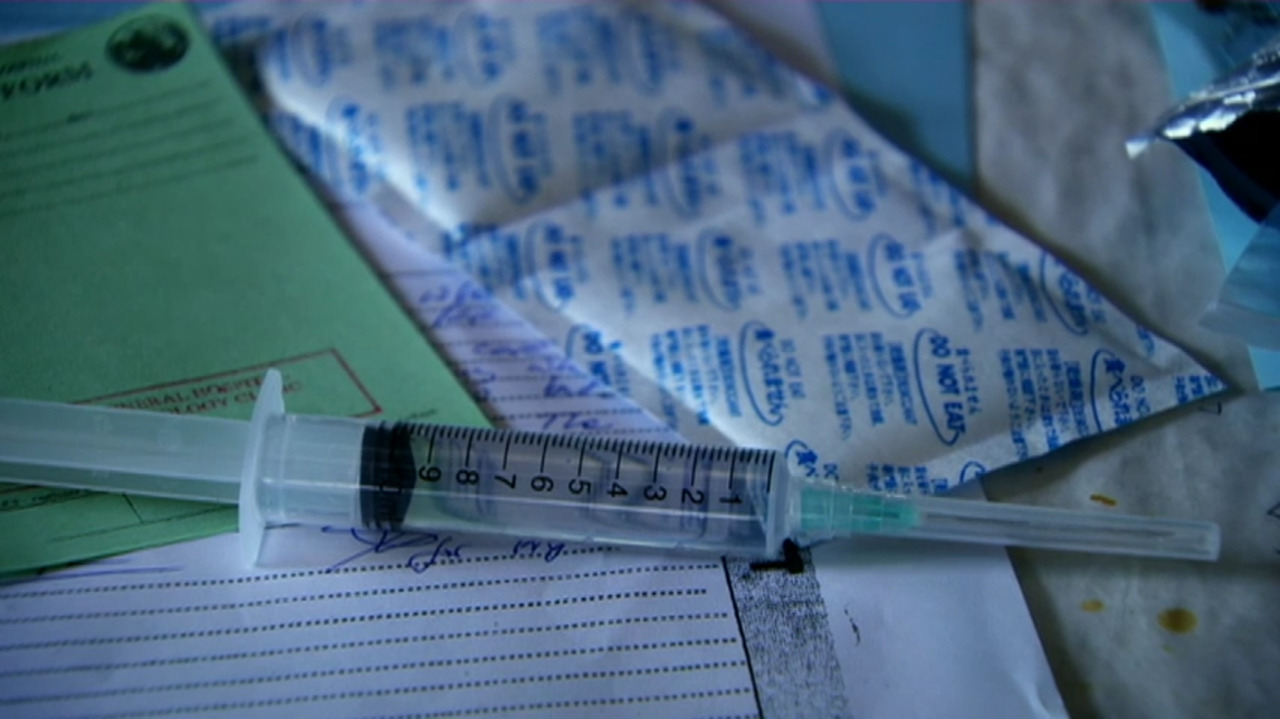
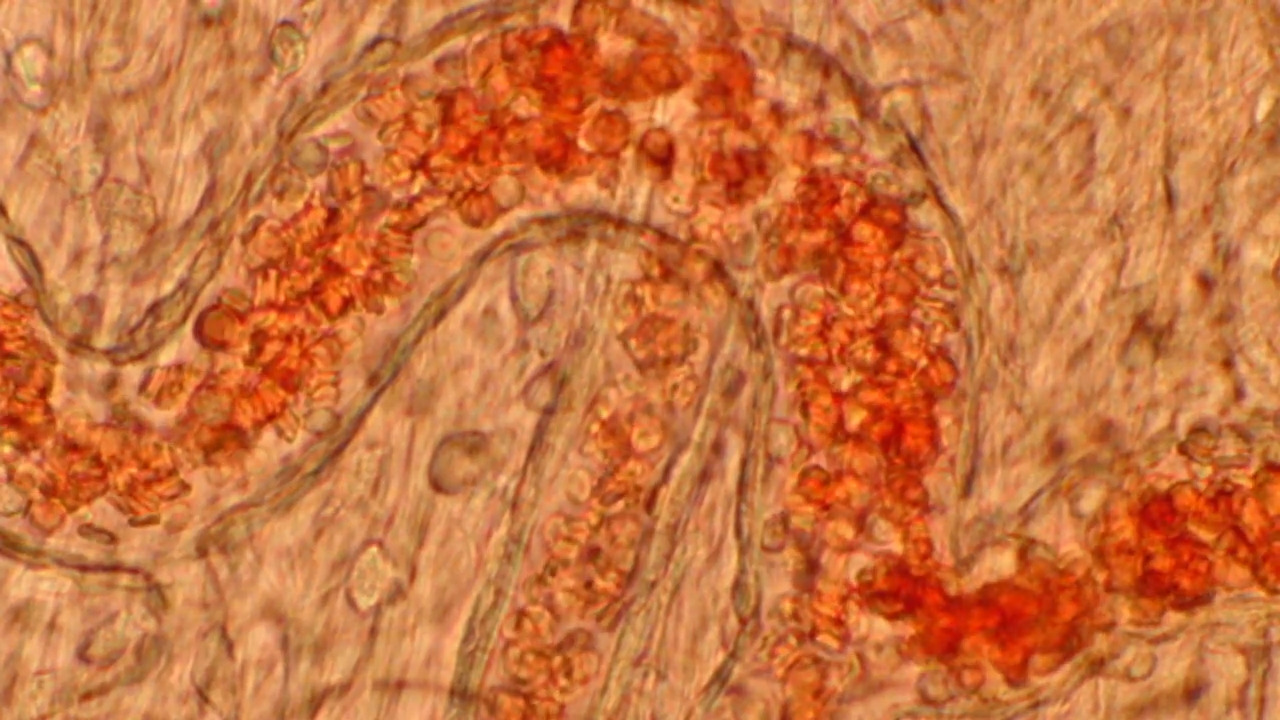
In The Journey of Blood Flow, Dr. Michael Mosley explores how our understanding of circulation has evolved from ancient ideas to modern science. From William Harvey’s groundbreaking discovery to advanced imaging and engineering innovations, he reveals how blood moves through a vast and complex system in the body. This video is excerpted from BBC’s The Wonderful World of Blood, in which Dr. Michael Mosley carries out six experiments on his own blood, from starving it of oxygen to injecting it with snake venom.
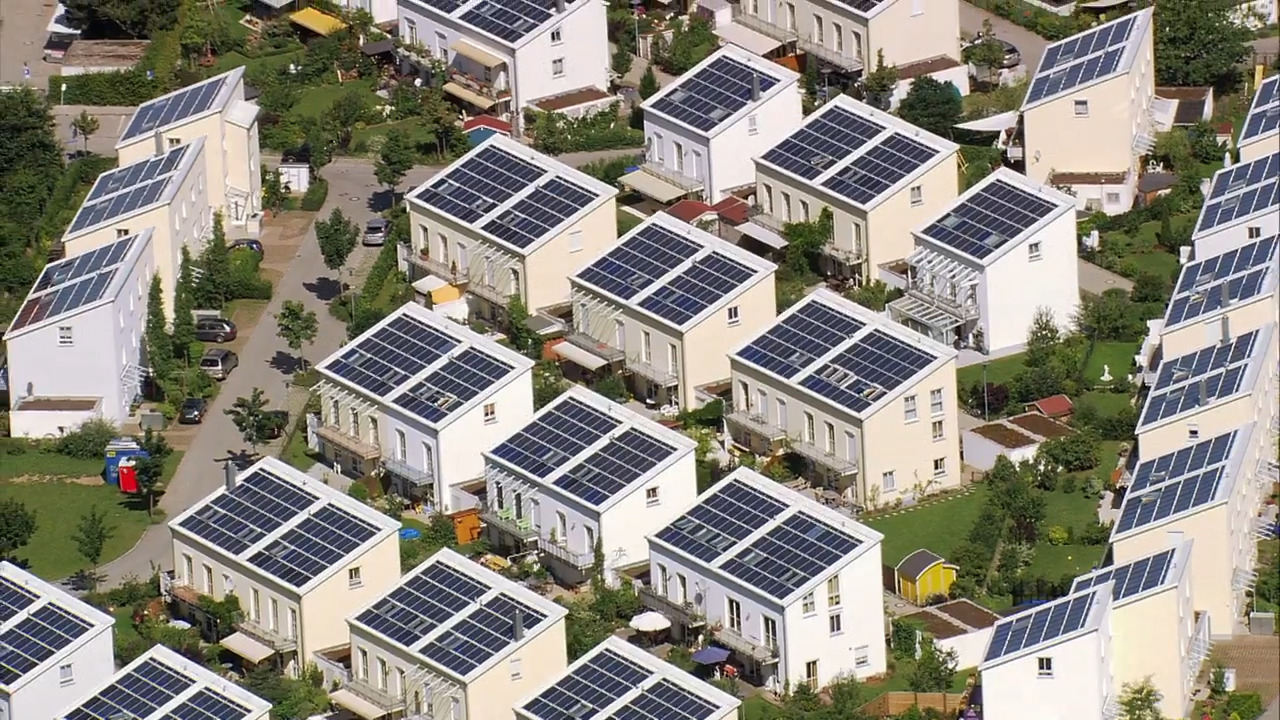
In Shifting Toward Greener Renewable Energy, scientists discuss the development of renewable energy sources like solar and wind power to reduce global greenhouse gas emissions. They explore advancements in the efficiency of capturing, storing, and utilizing energy, and the need for technological innovation to overcome challenges related to energy production and sustainability. This video is excerpted from BBC’s Climate Change - The Facts, a documentary that delves into the science of climate change and its far-reaching consequences.
Meet the Alphablocks — 26 living letters who discover that when they hold hands to make a word, something magical happens. Celebrated for its innovative approach to teaching reading, Alphablocks makes learning joyful, active, and engaging for early learners. This free collection of Alphablocks worksheets brings that magic to life at home or in the classroom, with Alphablocks letter cards kids can use to build words, alphabet finger puppets, and playful worksheets that teach letter sounds.
Watch full episodes of the award-winning show for kids ages 3–6 on the official Alphablocks YouTube channel!
In Engineering Creative Solutions for Living With Marfan Syndrome, meet Cal, a person with Marfan Syndrome, who creatively solves a medical complication by applying engineering knowledge to his condition. Cal’s condition causes his heart and aorta to stretch due to the structural abnormalities that characterize Marfan Syndrome. Instead of undergoing traditional surgery, Cal takes matters into his own hands, using his engineering background to find a more innovative solution. This video demonstrates the intersection of medicine and engineering, as well as how individuals can advocate for themselves and influence their treatment plans. This video is excerpted from BBC’s The World’s Most Extraordinary People, a documentary series revealing how rare medical conditions inspire groundbreaking scientific discoveries.
In Treating Spinal Cord Injuries, learn how one engineer created an innovative way to help treat spinal cord injuries. Meet Ian, who suffered a spinal cord injury and explore how his injury interrupted the connection between his brain and body. An engineer developed a groundbreaking solution that has helped people with spinal cord injuries regain movement. This video is excerpted from BBC’s The World’s Most Extraordinary People, a documentary series revealing how rare medical conditions inspire groundbreaking scientific discoveries.
The article "Future Cars: Designs That Could Revolutionize the Vehicle Industry" from BBC's Science Focus explores the latest advancements and concepts in car technology. From Tesla's resilient Cybertruck to BMW's color-changing iX Flow, these innovative designs promise to transform the future of transportation. The article highlights the potential of these futuristic vehicles to enhance functionality, safety, and environmental sustainability.
In Inside a Super Recycling Plant, plastic is everywhere, and while it’s bad for wildlife, many people wonder — how bad is it for us? Every year, millions of tons of plastic end up in landfills, but new technology is making recycling more effective. At a cutting-edge plant, 5 million plastic bottles are cleaned, chopped up, and turned into brand-new, food-safe bottles every day — without any waste! This process gives old plastic a fresh start and shows progress in tackling the massive plastic problem. This video is excerpted from BBC’s Bang Goes the Theory, a series that delves into the ways science impacts our lives and shapes the world we experience every day.
In Andy Warhol, Revolutionary Artist and Icon, host Lily Cole explores the life and lasting influence of Andy Warhol. Warhol was an artist who became famous for his unique perspective on consumerism, fame, and the culture of mass production. This video is excerpted from BBC’s Icons: The Greatest Person of the 20th Century, a documentary series celebrating the achievements of the most influential figures of the era.
In Toilets of the Future, presenter Cherry Healey learns about a Toto toilet that has lots of cool features that improve hygiene and the experience of visiting the bathroom. She visits Cranfield University to get a glimpse of the toilet of the future, one that doesn’t use water. This video is excerpted from BBC’s Inside the Factory, a series that takes viewers behind the scenes in the factories that make our favorite products.
In Andy Warhol, Innovative Artist, host Lily Cole discusses Warhol's childhood and rise to fame, including how he was shot in 1968 in New York City and never fully recovered from his injuries. This video is excerpted from BBC’s Icons: The Greatest Person of the 20th Century, a documentary series celebrating the achievements of the most influential figures of the era.
The article "Can We Stop Hurricanes? Exploring Innovative Solutions" from BBC's Science Focus explores futuristic ideas to mitigate hurricane damage. Scientists are developing methods such as offshore wind farms and cooling ocean surfaces to weaken storms before they reach land.
In The Journey of Blood Flow, Dr. Michael Mosley explores how our understanding of circulation has evolved from ancient ideas to modern science. From William Harvey’s groundbreaking discovery to advanced imaging and engineering innovations, he reveals how blood moves through a vast and complex system in the body. This video is excerpted from BBC’s The Wonderful World of Blood, in which Dr. Michael Mosley carries out six experiments on his own blood, from starving it of oxygen to injecting it with snake venom.
In Shifting Toward Greener Renewable Energy, scientists discuss the development of renewable energy sources like solar and wind power to reduce global greenhouse gas emissions. They explore advancements in the efficiency of capturing, storing, and utilizing energy, and the need for technological innovation to overcome challenges related to energy production and sustainability. This video is excerpted from BBC’s Climate Change - The Facts, a documentary that delves into the science of climate change and its far-reaching consequences.