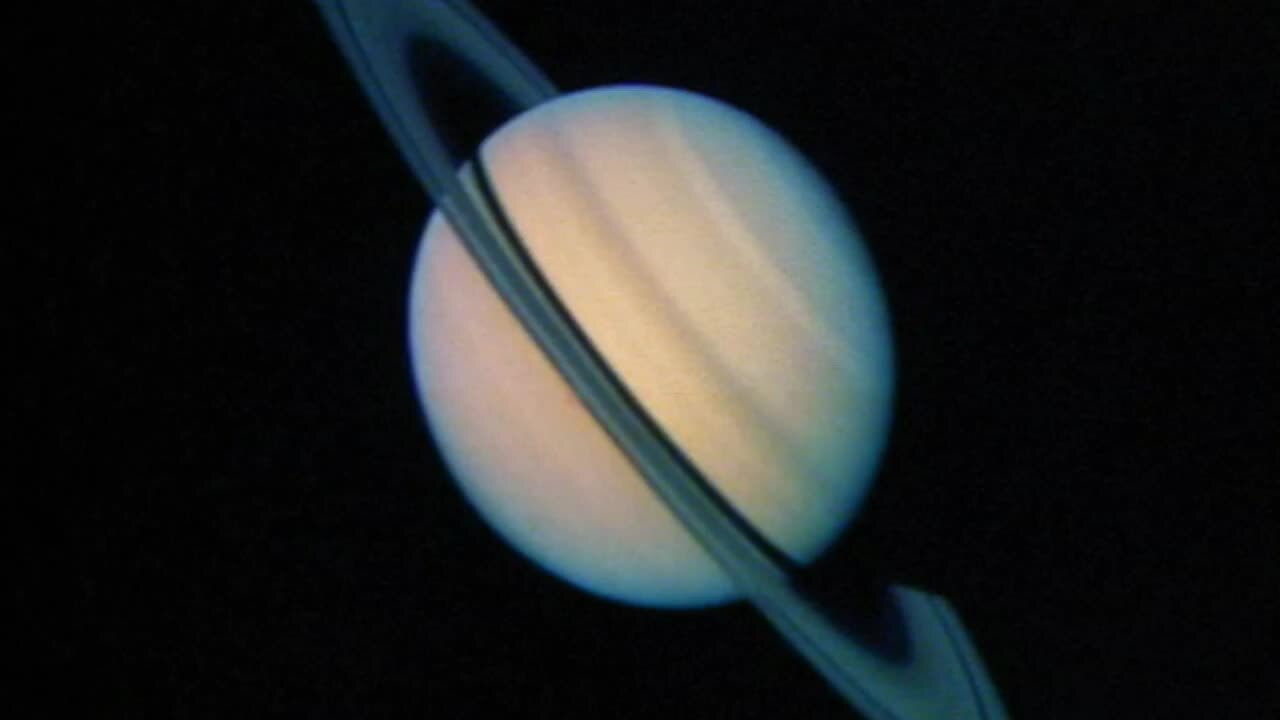
In A Journey to the Edges of the Solar System, learn all about the Voyager probes launched in 1977 that returned with exciting new images of Saturn and its rings. Data revealed that its atmosphere is made up of helium and hydrogen, a critical piece in understanding the planet’s evolution. This video is excerpted from BBC’s The Planets, a documentary series hosted by Professor Brian Cox that explores the dramatic lives, formation, and unique features of the eight planets in our Solar System through stunning visuals and scientific insights.
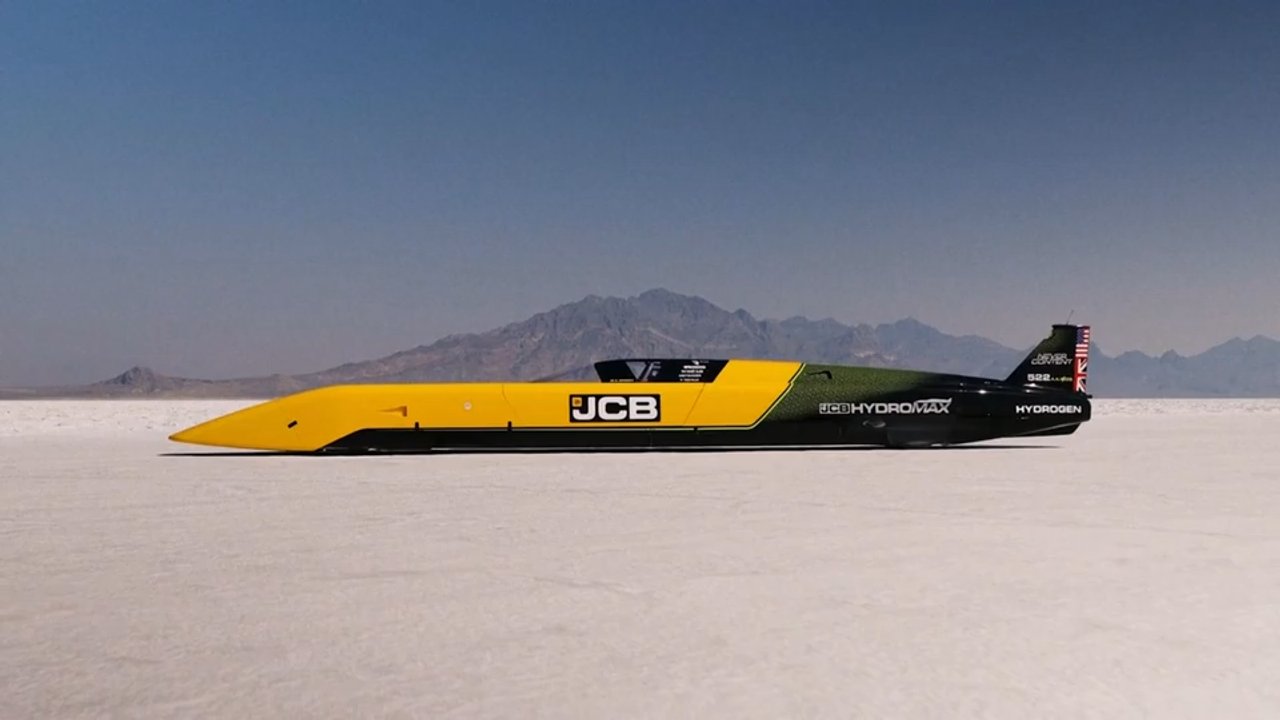
A car called the Hydromax just set a new speed record for hydrogen-powered vehicles, and it didn’t just beat the old mark. It more than doubled it.
The run took place in August at Utah’s Bonneville Salt Flats, a dried-up lake bed whose hard, flat surface has hosted land-speed attempts for more than a century. Behind the wheel was Andy Green, a retired British Royal Air Force pilot and the only person ever to drive a car faster than the speed of sound.
The old record for a car with a hydrogen-burning engine was 185.5 miles per hour, set in 2004. The Hydromax averaged 406.320 mph. Official records are based on the average of two runs, and Green’s two runs clocked in at about 401 and 412 mph.
Will you ever need to drive 406 mph? Probably not, even if Chipotle closes in five minutes and you’re ten minutes away.
The point was to show what hydrogen can do. The Hydromax runs on two hydrogen engines adapted from ones its maker, the British company JCB, uses in construction diggers. Gasoline and diesel engines release carbon dioxide. A hydrogen engine’s main byproduct is water.
There’s a catch, though. Hydrogen is only as clean as the way it’s made, and most of the world’s hydrogen today is still produced using fossil fuels.
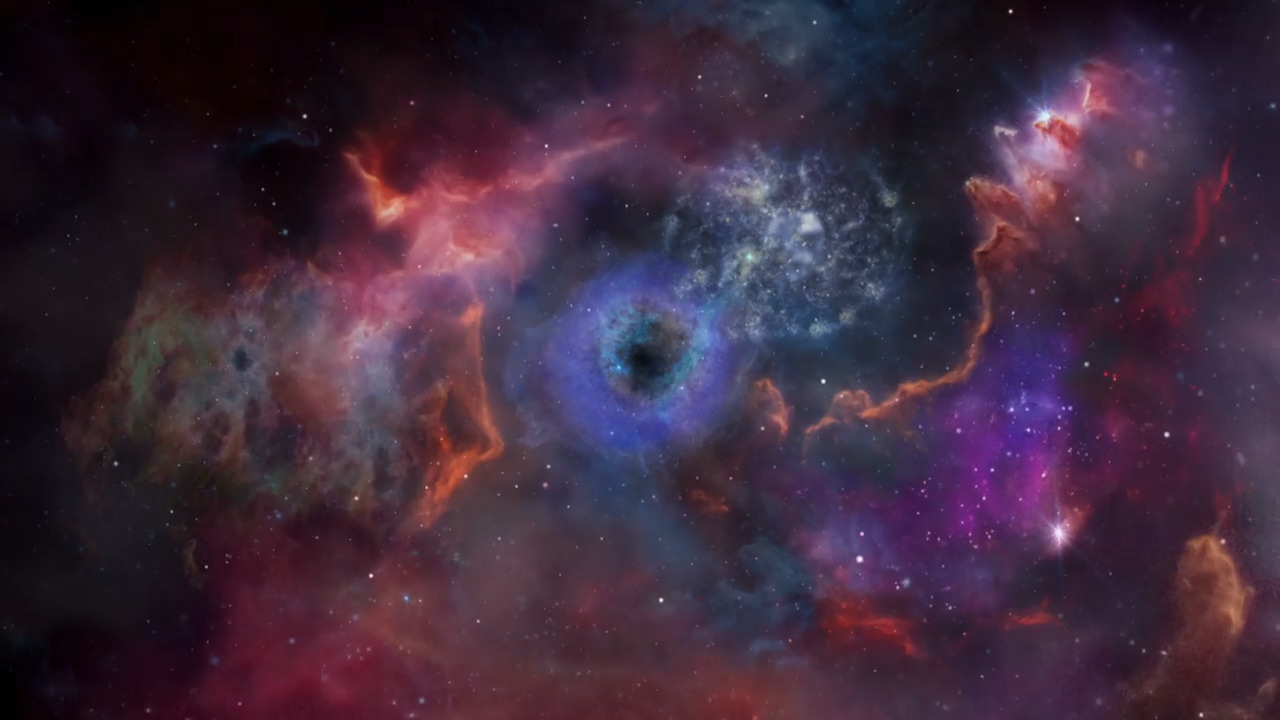
In The Death of Stars, narrator Kate Yule explores how stars reach the end of their lives and can no longer fight against their own gravity. Some stars expand, whereas giant stars contract to form black holes, invisible to telescopes. Learn how Jocelyn Bell Burnell built a new telescope which detected pulsars, which emit no visible light, but send out radio waves. This video is excerpted from BBC’s Einstein & Hawking: Masters of Our Universe, a mind-bending documentary that tells the story of how the two most famous scientists of the 20th Century transformed our understanding of the Universe and changed the world.

In Pizza and the pH of Cheese presenter Cherry Healey visits a lab at the University of Reading to learn why mozzarella cheese is the most popular cheese when it comes to pizza. Could any other cheese have the right properties to be pizza-worthy? Learn how it all depends on pH, water concentration, and stretchability. This video is excerpted from BBC’s Inside the Factory, a series that takes viewers behind the scenes in the factories that make our favorite products.
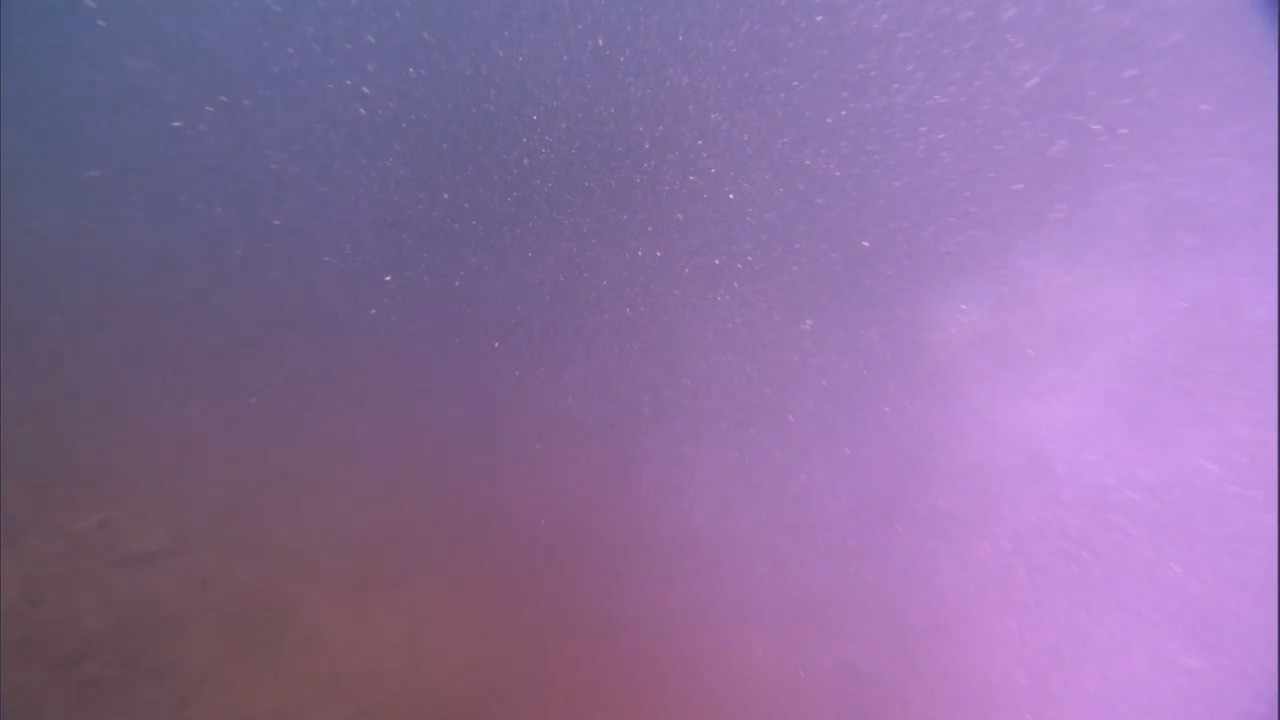
In How a Poisonous Lake Reveals an Ancient Catastrophe, geologist Iain Stewart highlights scientists exploring a toxic mystery behind the Permian mass extinction. While the surface teems with life, the lake’s bottom holds deadly hydrogen sulfide, turning the water pink with millions of purple bacteria. These bacteria are key to understanding how, 250 million years ago, this toxic gas escaped into the air, devastating life on Earth. This video is excerpted from BBC’s Earth: The Power of the Planet, a documentary series in which Dr. Iain Stewart discovers how Earth's forces can shape nature, species, and even the climate.

The article "Understanding Water: The Key to Life on Earth" from BBC's Science Focus explains how water’s physical properties, like hydrogen bonding, allow it to support life on Earth. It highlights the importance of water in living organisms, the water cycle, and the discovery of water in space.

The American Civil War introduced new weapons and technologies that transformed warfare. The Gatling gun, a hand-cranked weapon with multiple rotating barrels, could fire far faster than the single-shot rifles commonly used by soldiers. Railroads helped armies transport troops, food, and ammunition over long distances, while ironclad warships used iron armor and heavy cannons to reshape naval combat. The Confederate submarine H. L. Hunley also made history in 1864 when it sank the Union warship Housatonic, becoming the first combat submarine to sink an enemy vessel.
The war also expanded the use of technology for reconnaissance and communication. Hot air and hydrogen balloons allowed observers to monitor enemy movements from above, and telegraph systems helped commanders share information quickly. These innovations changed how armies moved, gathered intelligence, and fought battles. Although many technologies were still experimental, their growing role in military strategy led historians to view the Civil War as an important transition toward modern warfare.

In Inside Planetary Storms, Professor Brian Cox explores the extreme weather conditions on Jupiter, a planet with an incredibly thick atmosphere that fuels its intense storms. Despite being far from the Sun, Jupiter’s storms are powered by immense surface pressure. This atmospheric pressure causes hydrogen gas to transform into a liquid, releasing vast amounts of energy and creating some of the most powerful storms in the Solar System. This video is excerpted from BBC’s Wonders of the Solar System, a spellbinding documentary series that explores the most extreme locations on Earth to explain how the laws of physics carved natural wonders across the Solar System.
In A Journey to the Edges of the Solar System, learn all about the Voyager probes launched in 1977 that returned with exciting new images of Saturn and its rings. Data revealed that its atmosphere is made up of helium and hydrogen, a critical piece in understanding the planet’s evolution. This video is excerpted from BBC’s The Planets, a documentary series hosted by Professor Brian Cox that explores the dramatic lives, formation, and unique features of the eight planets in our Solar System through stunning visuals and scientific insights.
A car called the Hydromax just set a new speed record for hydrogen-powered vehicles, and it didn’t just beat the old mark. It more than doubled it.
The run took place in August at Utah’s Bonneville Salt Flats, a dried-up lake bed whose hard, flat surface has hosted land-speed attempts for more than a century. Behind the wheel was Andy Green, a retired British Royal Air Force pilot and the only person ever to drive a car faster than the speed of sound.
The old record for a car with a hydrogen-burning engine was 185.5 miles per hour, set in 2004. The Hydromax averaged 406.320 mph. Official records are based on the average of two runs, and Green’s two runs clocked in at about 401 and 412 mph.
Will you ever need to drive 406 mph? Probably not, even if Chipotle closes in five minutes and you’re ten minutes away.
The point was to show what hydrogen can do. The Hydromax runs on two hydrogen engines adapted from ones its maker, the British company JCB, uses in construction diggers. Gasoline and diesel engines release carbon dioxide. A hydrogen engine’s main byproduct is water.
There’s a catch, though. Hydrogen is only as clean as the way it’s made, and most of the world’s hydrogen today is still produced using fossil fuels.
In The Death of Stars, narrator Kate Yule explores how stars reach the end of their lives and can no longer fight against their own gravity. Some stars expand, whereas giant stars contract to form black holes, invisible to telescopes. Learn how Jocelyn Bell Burnell built a new telescope which detected pulsars, which emit no visible light, but send out radio waves. This video is excerpted from BBC’s Einstein & Hawking: Masters of Our Universe, a mind-bending documentary that tells the story of how the two most famous scientists of the 20th Century transformed our understanding of the Universe and changed the world.
In Pizza and the pH of Cheese presenter Cherry Healey visits a lab at the University of Reading to learn why mozzarella cheese is the most popular cheese when it comes to pizza. Could any other cheese have the right properties to be pizza-worthy? Learn how it all depends on pH, water concentration, and stretchability. This video is excerpted from BBC’s Inside the Factory, a series that takes viewers behind the scenes in the factories that make our favorite products.
In How a Poisonous Lake Reveals an Ancient Catastrophe, geologist Iain Stewart highlights scientists exploring a toxic mystery behind the Permian mass extinction. While the surface teems with life, the lake’s bottom holds deadly hydrogen sulfide, turning the water pink with millions of purple bacteria. These bacteria are key to understanding how, 250 million years ago, this toxic gas escaped into the air, devastating life on Earth. This video is excerpted from BBC’s Earth: The Power of the Planet, a documentary series in which Dr. Iain Stewart discovers how Earth's forces can shape nature, species, and even the climate.
The article "Understanding Water: The Key to Life on Earth" from BBC's Science Focus explains how water’s physical properties, like hydrogen bonding, allow it to support life on Earth. It highlights the importance of water in living organisms, the water cycle, and the discovery of water in space.
The American Civil War introduced new weapons and technologies that transformed warfare. The Gatling gun, a hand-cranked weapon with multiple rotating barrels, could fire far faster than the single-shot rifles commonly used by soldiers. Railroads helped armies transport troops, food, and ammunition over long distances, while ironclad warships used iron armor and heavy cannons to reshape naval combat. The Confederate submarine H. L. Hunley also made history in 1864 when it sank the Union warship Housatonic, becoming the first combat submarine to sink an enemy vessel.
The war also expanded the use of technology for reconnaissance and communication. Hot air and hydrogen balloons allowed observers to monitor enemy movements from above, and telegraph systems helped commanders share information quickly. These innovations changed how armies moved, gathered intelligence, and fought battles. Although many technologies were still experimental, their growing role in military strategy led historians to view the Civil War as an important transition toward modern warfare.
In Inside Planetary Storms, Professor Brian Cox explores the extreme weather conditions on Jupiter, a planet with an incredibly thick atmosphere that fuels its intense storms. Despite being far from the Sun, Jupiter’s storms are powered by immense surface pressure. This atmospheric pressure causes hydrogen gas to transform into a liquid, releasing vast amounts of energy and creating some of the most powerful storms in the Solar System. This video is excerpted from BBC’s Wonders of the Solar System, a spellbinding documentary series that explores the most extreme locations on Earth to explain how the laws of physics carved natural wonders across the Solar System.