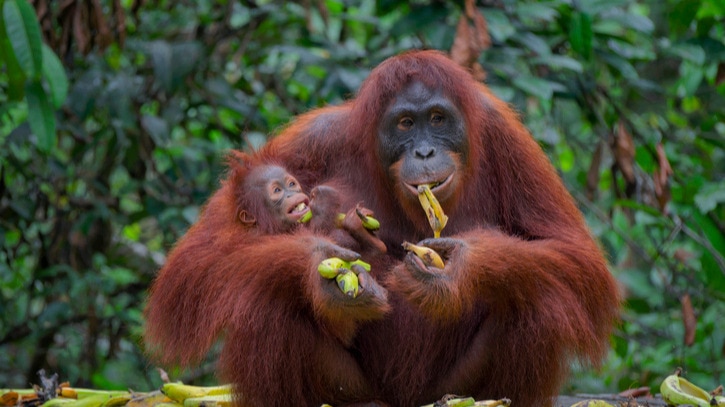
With Mother’s Day coming up in the U.S., what better way to celebrate than by spotlighting some of nature’s most devoted moms?
This fun, feel‑good 8‑video BBC playlist dives into the incredible bond between animal moms and their babies — and the wild ways they raise them. Watch puma cubs practice their hunting skills, a baby orangutan learn the ropes high in the treetops, humpback whale calves set off on their first epic journeys, and prairie dog pups turn playtime into survival training.
From feeding and protection to movement and life lessons, these clips show just how much it takes to grow up in the wild — and how moms make it all possible.
Featuring favorites like prairie dogs, orangutans, polar bears, and humpback whales, this playlist pulls from iconic BBC series like Animal Babies and Planet Earth.
Because mom love? It’s everywhere in the animal kingdom!
This Earth Day (or anytime this month), share this inspiring video playlist designed to spark curiosity and action in students ages 8–14. From incredible wildlife conservation stories to real-world environmental solutions, each clip invites students to explore the beauty of our planet — and the challenges it faces.
Get a closer look at how forests support life on Earth, discover innovative ideas like renewable energy, and meet the people working to protect endangered species and restore habitats. Along the way, students will see how small choices can make a big difference for our world.
Packed with powerful moments and meaningful learning, this playlist encourages students not just to learn about the Earth — but to think about how they can help protect it.

Dive into the captivating world of whales with this BBC Learning Hub playlist, featuring 12 stunning clips from landmark BBC series. Explore the lives of blue whales, orcas, and grey whales as they glide through oceans, communicate, hunt, and nurture their young. Perfect for sparking curiosity, these breathtaking videos bring the majestic giants of the sea into your classroom or home.
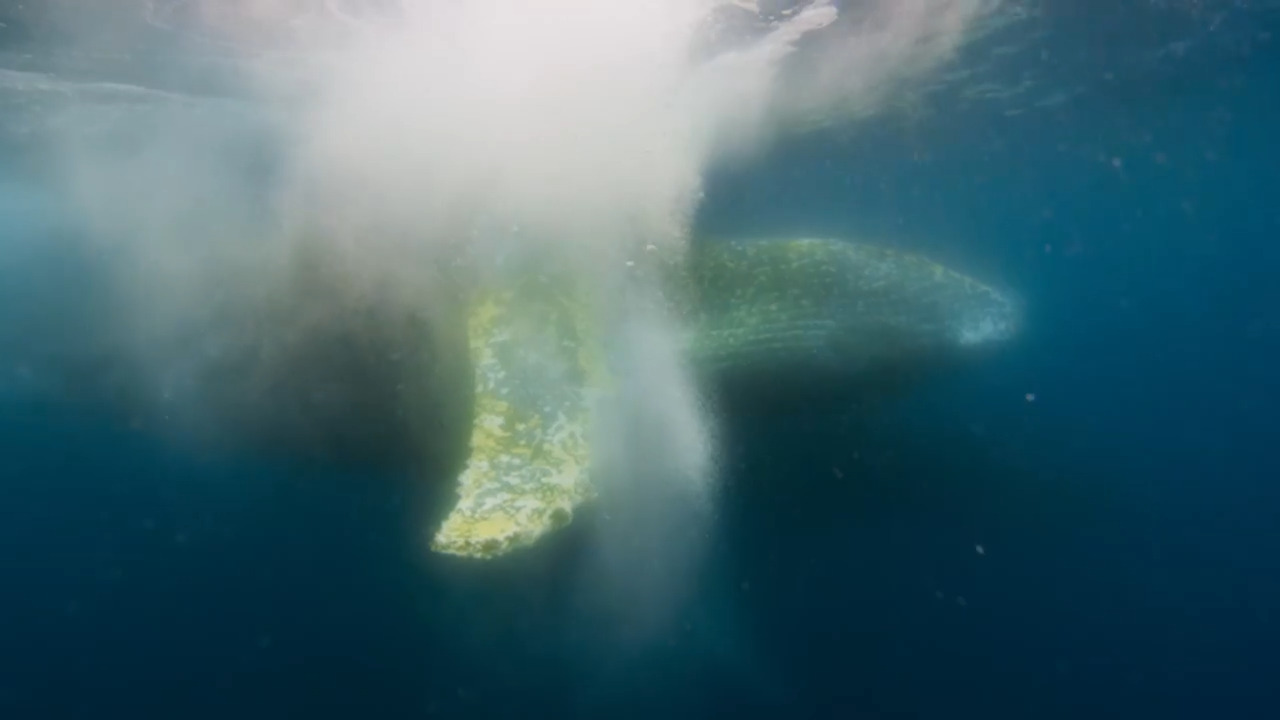
In The Sophisticated Feeding Technique of Humpback Whales, narrator Sir David Attenborough explores the Southern Ocean and the humpback whales that feed there. When Antarctica broke off from South America, it created swirling currents that sweep up nutrients from the bottom of the ocean, making it one of the richest waters on earth. In the summer, humpback whales come there to feast on shoals of krill, blowing curtains of bubbles and spiraling inwards to capture the swarm. This video is excerpted from BBC’s Seven Worlds, One Planet, a series featuring remarkable animal behavior from all seven continents.

The article "Humpback Whales: Giants of the Ocean and Their Amazing Behavior" from BBC's Discover Wildlife explains the extraordinary lives of humpback whales. These giant marine mammals, known for their acrobatic leaps and complex songs, migrate across oceans, exhibit cooperative feeding behaviors like bubble-netting, and communicate in ways that mystify scientists. Despite their size, they are gentle giants, and their populations have made a remarkable recovery since the whaling industry nearly decimated them.
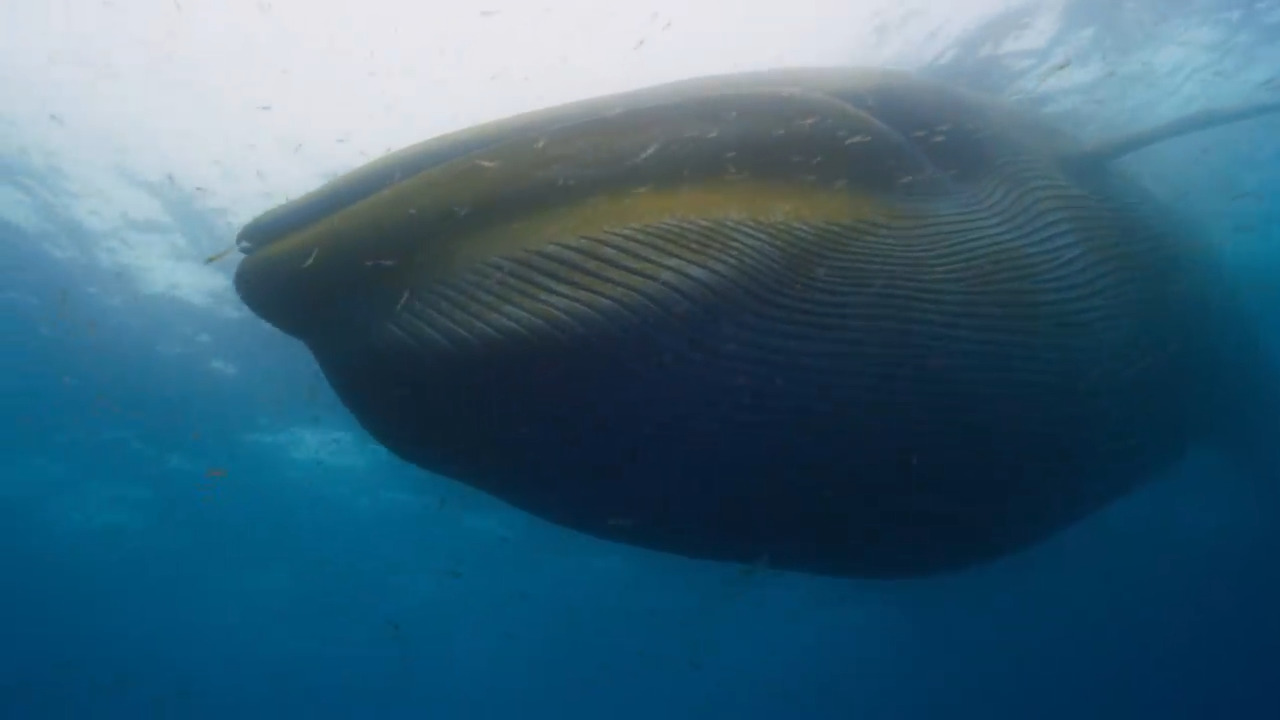
In A Resurgence of Life in Antarctica, learn how the nutrient-rich seas play a crucial role in global carbon absorption, rivaling even the Amazon rainforest. The largest gathering of great whales ever filmed arrives to feed on krill. This video is excerpted from BBC’s Seven Worlds, One Planet, a series featuring remarkable animal behavior from all seven continents.
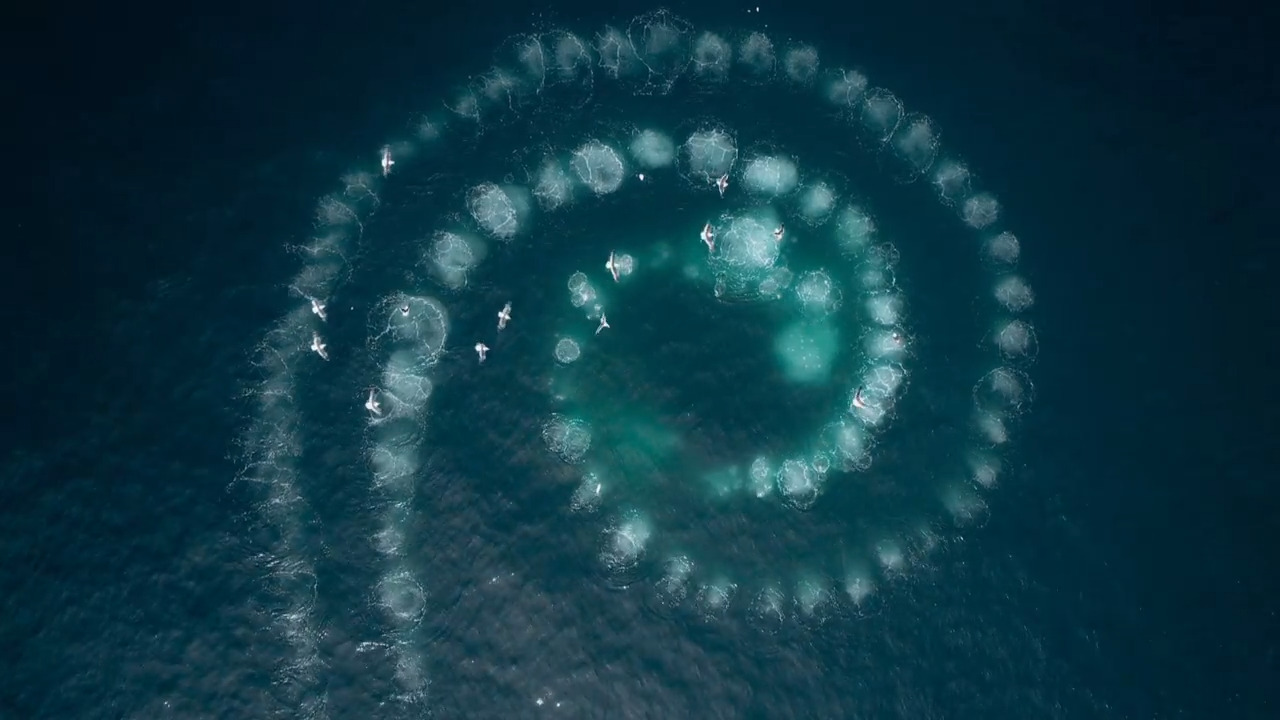
In The Rich Feeding Grounds of the Southern Ocean, explore life in the incredible ecosystem of the Southern Ocean. Life flourishes there despite the harsh conditions. Humpback whales use ingenious hunting techniques to feast on krill, the most abundant animal species on Earth. This video is excerpted from BBC’s Seven Worlds, One Planet, a series featuring remarkable animal behavior from all seven continents.
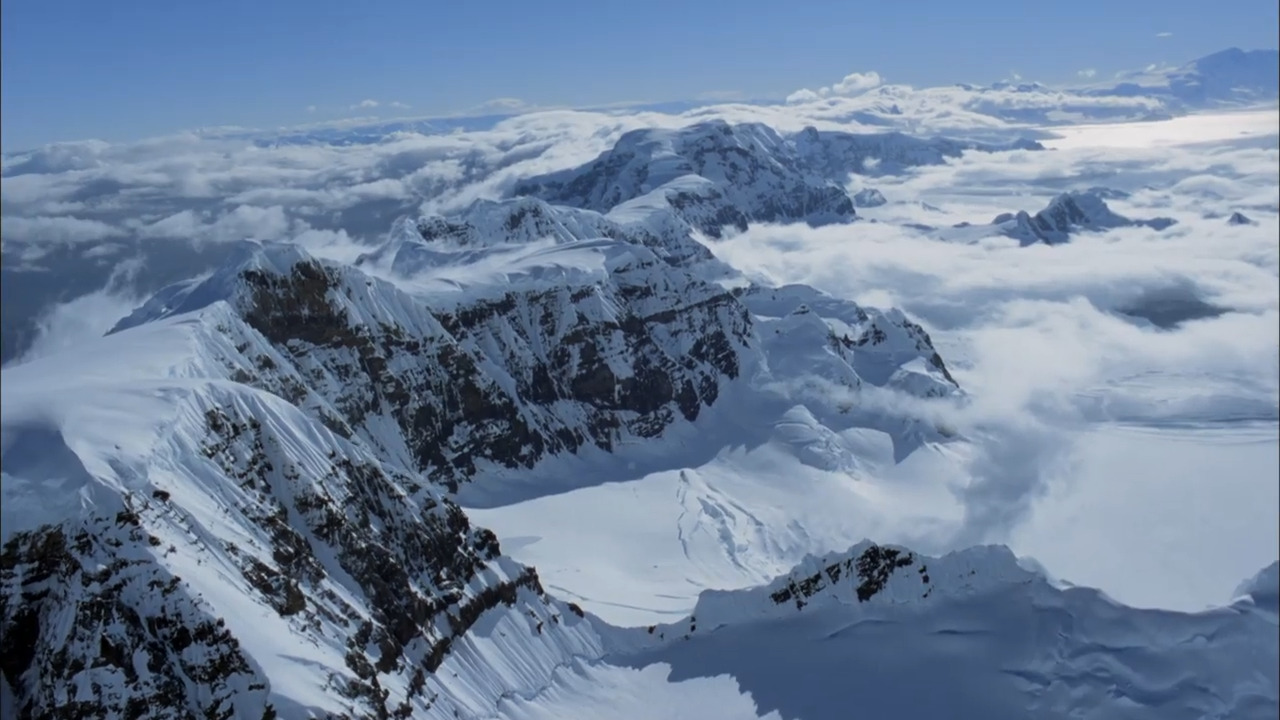
In Summer in the Antarctic, narrator Sir David Attenborough explores the Antarctic Peninsula during summer. As the seasonal thaw unlocks the sheltered bays, a feeding frenzy begins. Humpback whales travel over 5,000 miles to feast on krill, tiny shrimp-like creatures that swarm in the nutrient-rich waters. The whales use a sophisticated hunting strategy called bubble-net feeding to trap and devour massive quantities of krill before winter forces them to migrate north. This video is excerpted from BBC’s Planet Earth, a breathtaking documentary series that highlights the natural wonders of our planet.
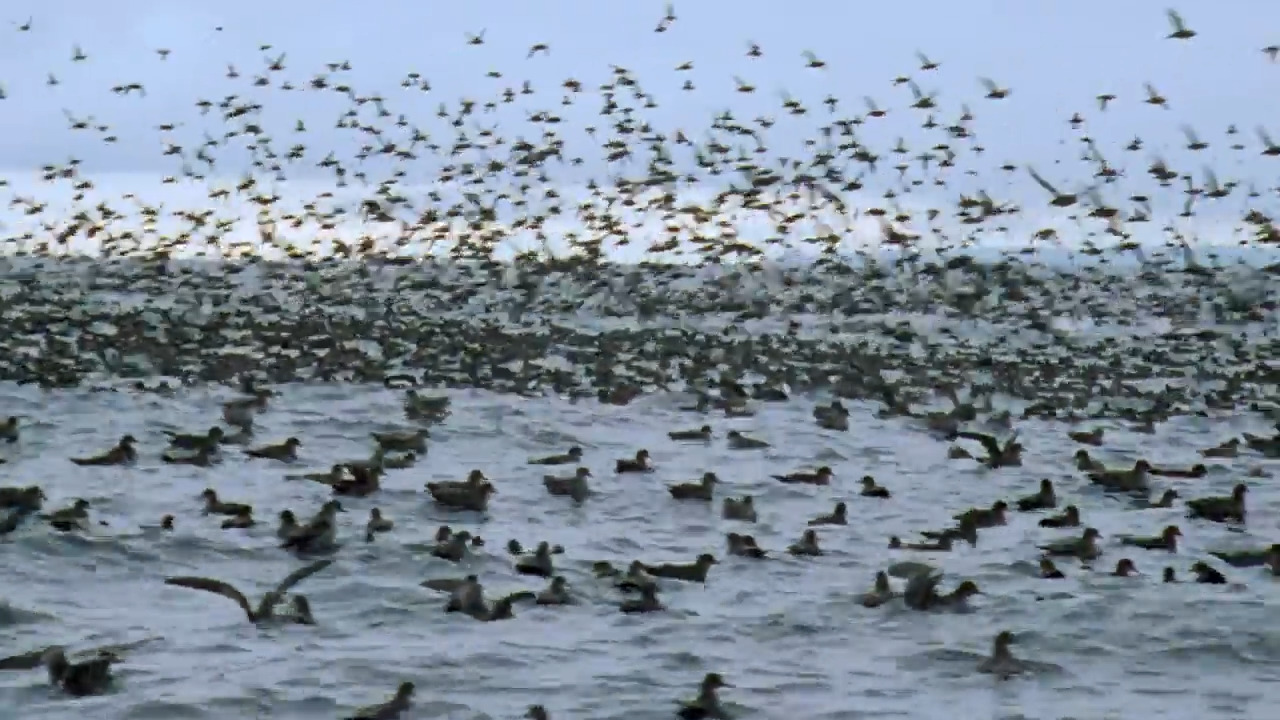
In The Arrival of Spring in Shallow Polar Seas, narrator Sir David Attenborough describes how shallow polar seas undergo an incredible transformation. Ice gives way to abundant fish and krill, which draws humpback whales and shearwater birds from thousands of miles away. This video is excerpted from BBC's Planet Earth, a breathtaking documentary series that highlights the natural wonders of our planet.
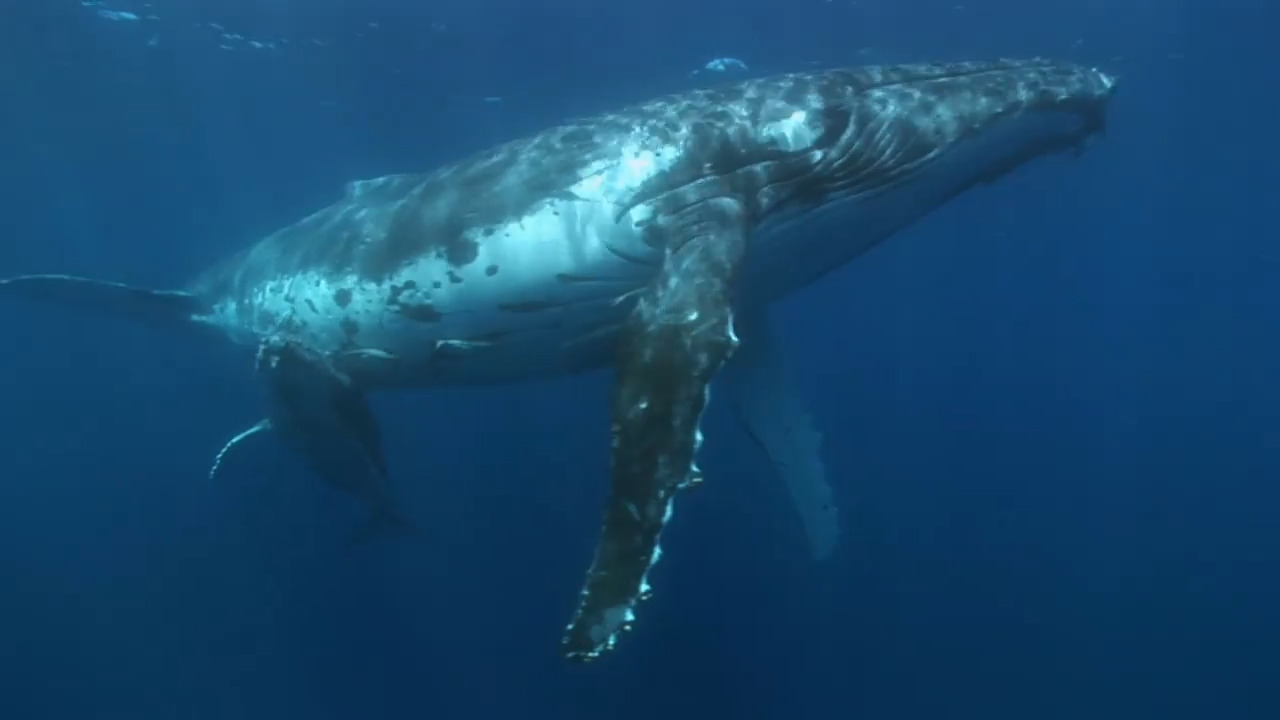
In A Humpback Whale Baby Leaves the Nursery, narrator Sir David Attenborough follows a mother and baby humpback whale as they embark on a dangerous journey. The young calf and starving mother leave the safety of the shallow seas in search of deeper water, where the mother can eat. Along the way, they communicate by slapping their tails and fins against the surface of the water. This video is excerpted from BBC's Planet Earth, a breathtaking documentary series that highlights the natural wonders of our planet.
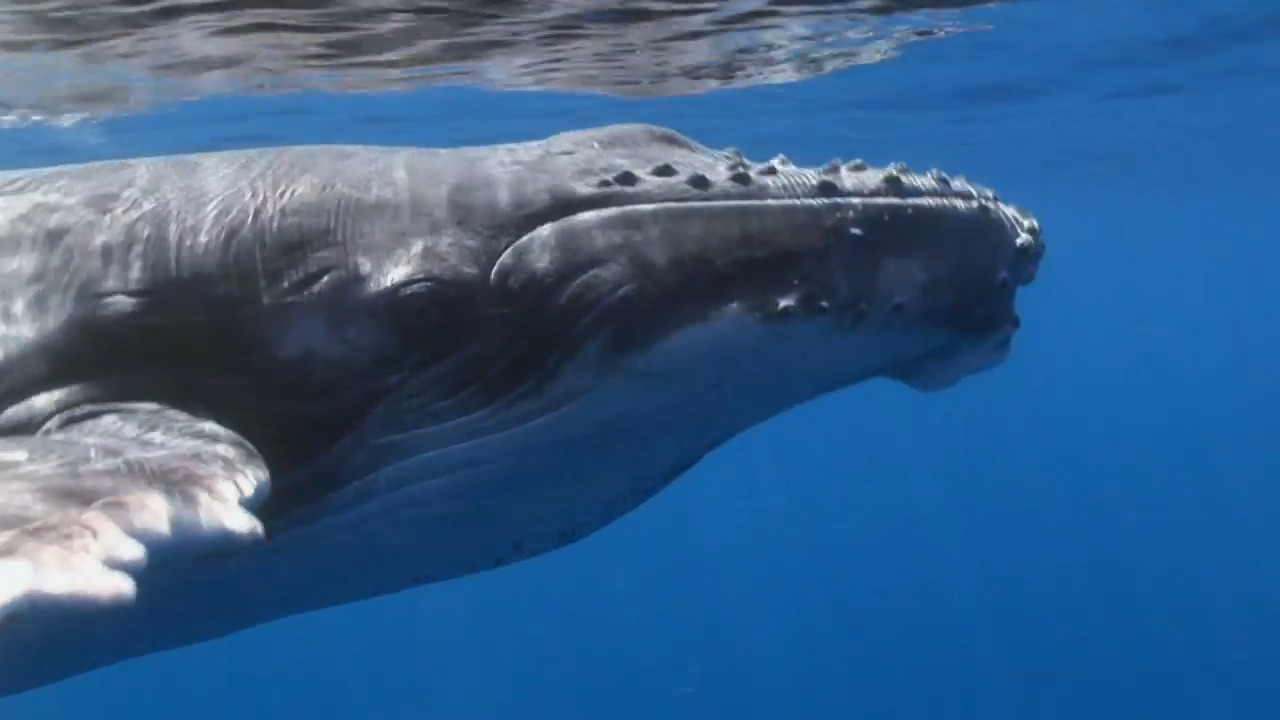
In Inside a Humpback Whale Nursery, narrator Sir David Attenborough discovers what a whale nursery is like. Explore the shallow seas where humpback whales sing to attract a mate, birth calves, and teach them to swim. This video is excerpted from BBC's Planet Earth, a breathtaking documentary series that highlights the natural wonders of our planet.
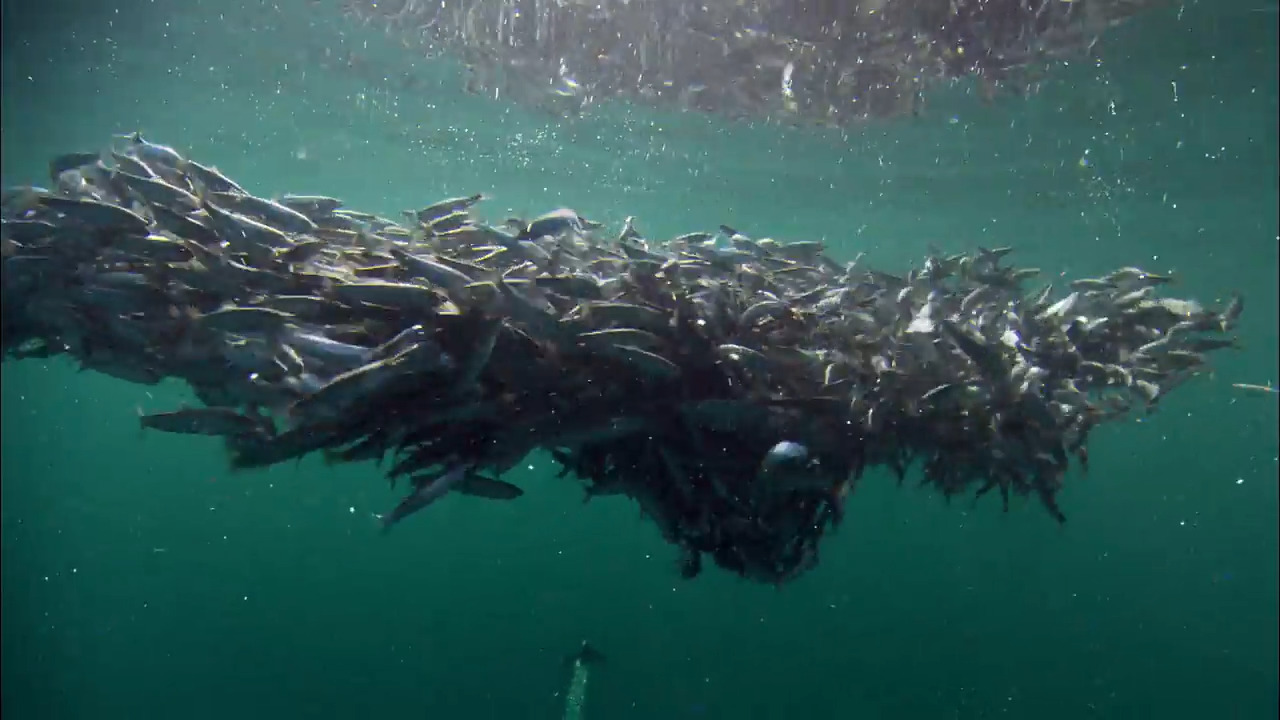
In The Herring Feast: Bubble Net Feeding, narrator Sir David Attenborough showcases a massive gathering of fish that provides a vital food source for both seabirds and whales, featuring an extraordinary humpback whale hunting technique. This video is an excerpt from BBC’s Nature's Great Events, a documentary series that showcases some of the most dramatic wildlife spectacles on Earth, exploring how life adapts to natural events that can transform entire landscapes.
With Mother’s Day coming up in the U.S., what better way to celebrate than by spotlighting some of nature’s most devoted moms?
This fun, feel‑good 8‑video BBC playlist dives into the incredible bond between animal moms and their babies — and the wild ways they raise them. Watch puma cubs practice their hunting skills, a baby orangutan learn the ropes high in the treetops, humpback whale calves set off on their first epic journeys, and prairie dog pups turn playtime into survival training.
From feeding and protection to movement and life lessons, these clips show just how much it takes to grow up in the wild — and how moms make it all possible.
Featuring favorites like prairie dogs, orangutans, polar bears, and humpback whales, this playlist pulls from iconic BBC series like Animal Babies and Planet Earth.
Because mom love? It’s everywhere in the animal kingdom!
This Earth Day (or anytime this month), share this inspiring video playlist designed to spark curiosity and action in students ages 8–14. From incredible wildlife conservation stories to real-world environmental solutions, each clip invites students to explore the beauty of our planet — and the challenges it faces.
Get a closer look at how forests support life on Earth, discover innovative ideas like renewable energy, and meet the people working to protect endangered species and restore habitats. Along the way, students will see how small choices can make a big difference for our world.
Packed with powerful moments and meaningful learning, this playlist encourages students not just to learn about the Earth — but to think about how they can help protect it.
Dive into the captivating world of whales with this BBC Learning Hub playlist, featuring 12 stunning clips from landmark BBC series. Explore the lives of blue whales, orcas, and grey whales as they glide through oceans, communicate, hunt, and nurture their young. Perfect for sparking curiosity, these breathtaking videos bring the majestic giants of the sea into your classroom or home.
In The Sophisticated Feeding Technique of Humpback Whales, narrator Sir David Attenborough explores the Southern Ocean and the humpback whales that feed there. When Antarctica broke off from South America, it created swirling currents that sweep up nutrients from the bottom of the ocean, making it one of the richest waters on earth. In the summer, humpback whales come there to feast on shoals of krill, blowing curtains of bubbles and spiraling inwards to capture the swarm. This video is excerpted from BBC’s Seven Worlds, One Planet, a series featuring remarkable animal behavior from all seven continents.
The article "Humpback Whales: Giants of the Ocean and Their Amazing Behavior" from BBC's Discover Wildlife explains the extraordinary lives of humpback whales. These giant marine mammals, known for their acrobatic leaps and complex songs, migrate across oceans, exhibit cooperative feeding behaviors like bubble-netting, and communicate in ways that mystify scientists. Despite their size, they are gentle giants, and their populations have made a remarkable recovery since the whaling industry nearly decimated them.
In A Resurgence of Life in Antarctica, learn how the nutrient-rich seas play a crucial role in global carbon absorption, rivaling even the Amazon rainforest. The largest gathering of great whales ever filmed arrives to feed on krill. This video is excerpted from BBC’s Seven Worlds, One Planet, a series featuring remarkable animal behavior from all seven continents.
In The Rich Feeding Grounds of the Southern Ocean, explore life in the incredible ecosystem of the Southern Ocean. Life flourishes there despite the harsh conditions. Humpback whales use ingenious hunting techniques to feast on krill, the most abundant animal species on Earth. This video is excerpted from BBC’s Seven Worlds, One Planet, a series featuring remarkable animal behavior from all seven continents.
In Summer in the Antarctic, narrator Sir David Attenborough explores the Antarctic Peninsula during summer. As the seasonal thaw unlocks the sheltered bays, a feeding frenzy begins. Humpback whales travel over 5,000 miles to feast on krill, tiny shrimp-like creatures that swarm in the nutrient-rich waters. The whales use a sophisticated hunting strategy called bubble-net feeding to trap and devour massive quantities of krill before winter forces them to migrate north. This video is excerpted from BBC’s Planet Earth, a breathtaking documentary series that highlights the natural wonders of our planet.
In The Arrival of Spring in Shallow Polar Seas, narrator Sir David Attenborough describes how shallow polar seas undergo an incredible transformation. Ice gives way to abundant fish and krill, which draws humpback whales and shearwater birds from thousands of miles away. This video is excerpted from BBC's Planet Earth, a breathtaking documentary series that highlights the natural wonders of our planet.
In A Humpback Whale Baby Leaves the Nursery, narrator Sir David Attenborough follows a mother and baby humpback whale as they embark on a dangerous journey. The young calf and starving mother leave the safety of the shallow seas in search of deeper water, where the mother can eat. Along the way, they communicate by slapping their tails and fins against the surface of the water. This video is excerpted from BBC's Planet Earth, a breathtaking documentary series that highlights the natural wonders of our planet.
In Inside a Humpback Whale Nursery, narrator Sir David Attenborough discovers what a whale nursery is like. Explore the shallow seas where humpback whales sing to attract a mate, birth calves, and teach them to swim. This video is excerpted from BBC's Planet Earth, a breathtaking documentary series that highlights the natural wonders of our planet.
In The Herring Feast: Bubble Net Feeding, narrator Sir David Attenborough showcases a massive gathering of fish that provides a vital food source for both seabirds and whales, featuring an extraordinary humpback whale hunting technique. This video is an excerpt from BBC’s Nature's Great Events, a documentary series that showcases some of the most dramatic wildlife spectacles on Earth, exploring how life adapts to natural events that can transform entire landscapes.