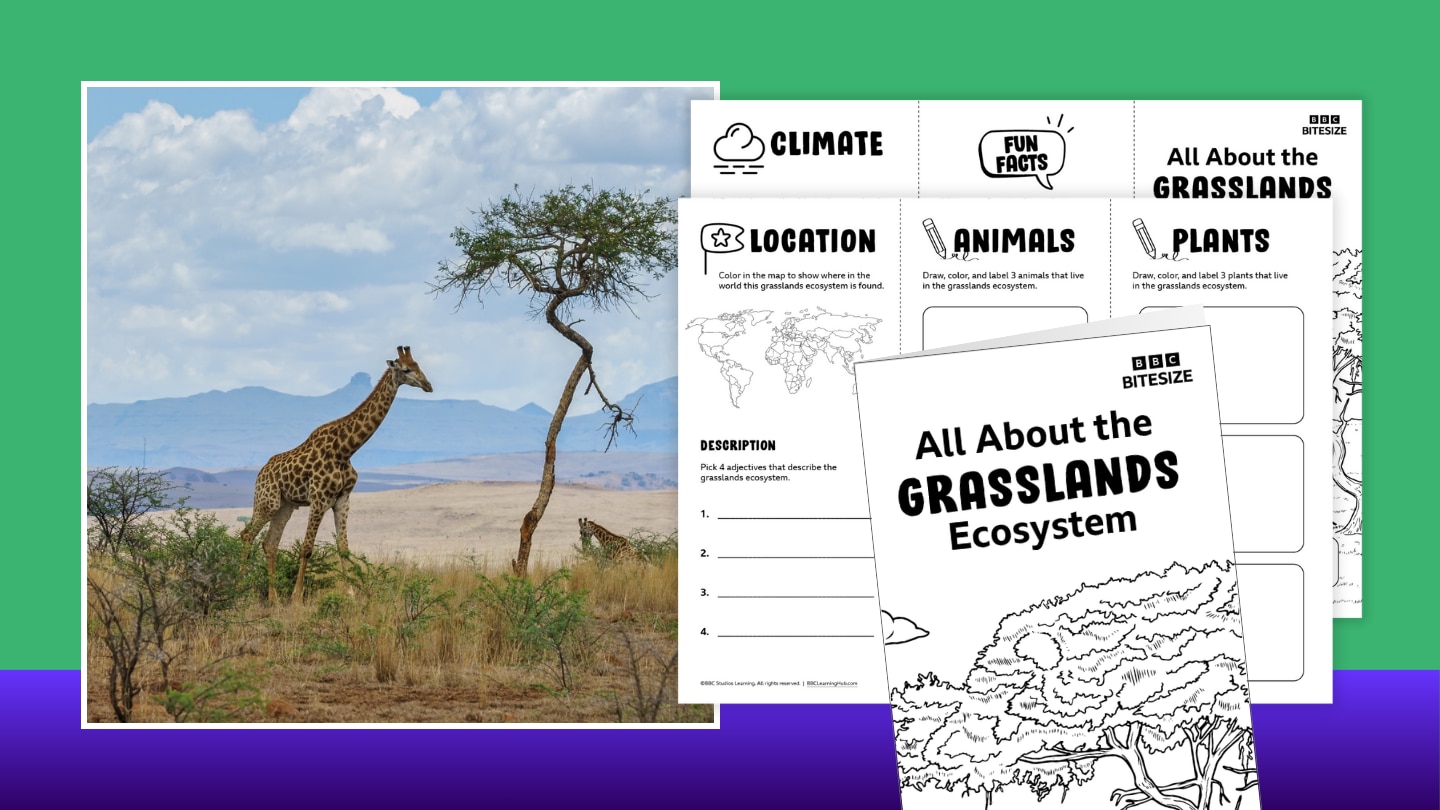
Take your students on a romp through the grasslands! From the African savanna to the Great Plains of North America grasslands are nature’s wide-open playground.
✨ Perfect for grades 3–8, here’s what you need to bring ecosystems to life:
- Iconic BBC Videos: Share the clips on this page to introduce the location, plants, animals, and climate of the grasslands. (Don't miss the giraffes and bison!) Brought to you by world-class BBC programs such as Planet Earth, The Americas With Simon Reeve, and Seven Worlds, One Planet.
- Free Printable: Use the Grasslands Brochure Template to help students pull it all together in an ecosystem report with facts they’ve learned (and a little extra research).
It’s everything you need to make ecosystems easy to teach and truly memorable for your students.
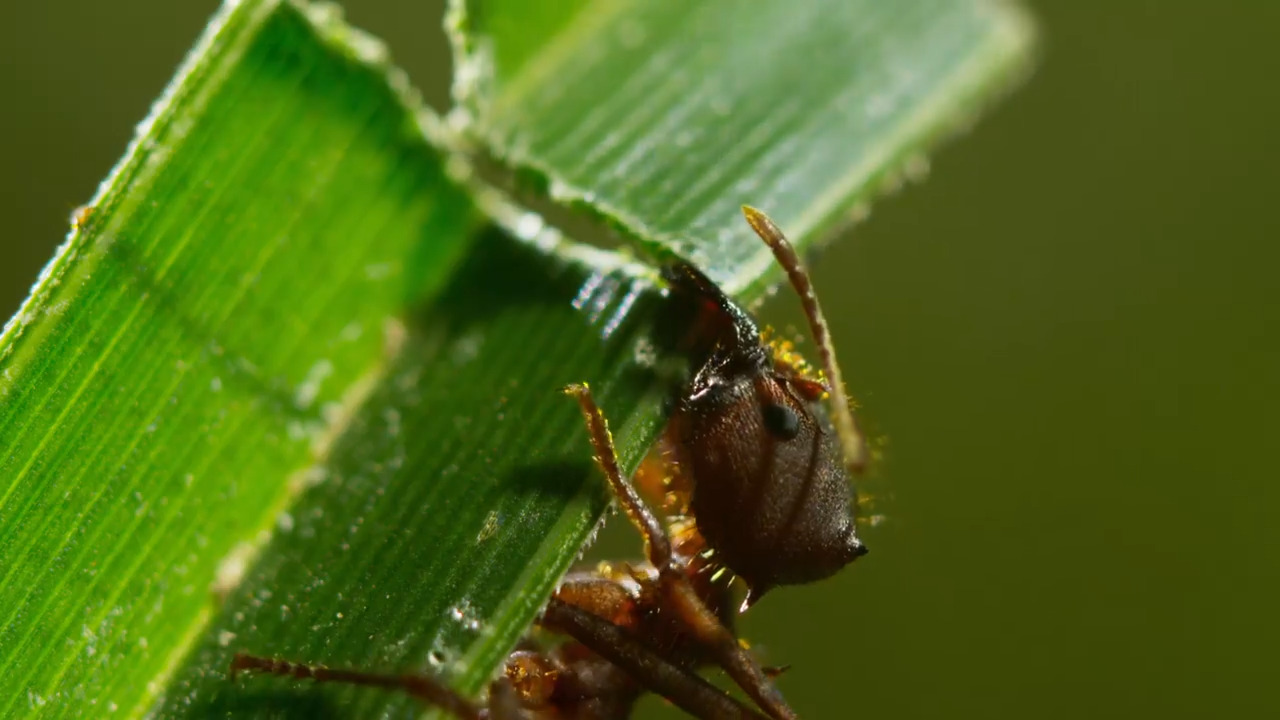
In The Industrious Insects of the Grasslands, narrator Sir David Attenborough explains that around the world, over one-third of the grass that grows will be harvested by insects. Grass cutter ants harvest grass to feed underground fungus that they feed upon. Termites can digest grass, and they in turn become food for the giant anteater. After a prairie fire, termites and anteaters must wait for living roots to regenerate grass. This video is excerpted from BBC’s Planet Earth II, a breathtaking documentary series that highlights the natural wonders of our planet.
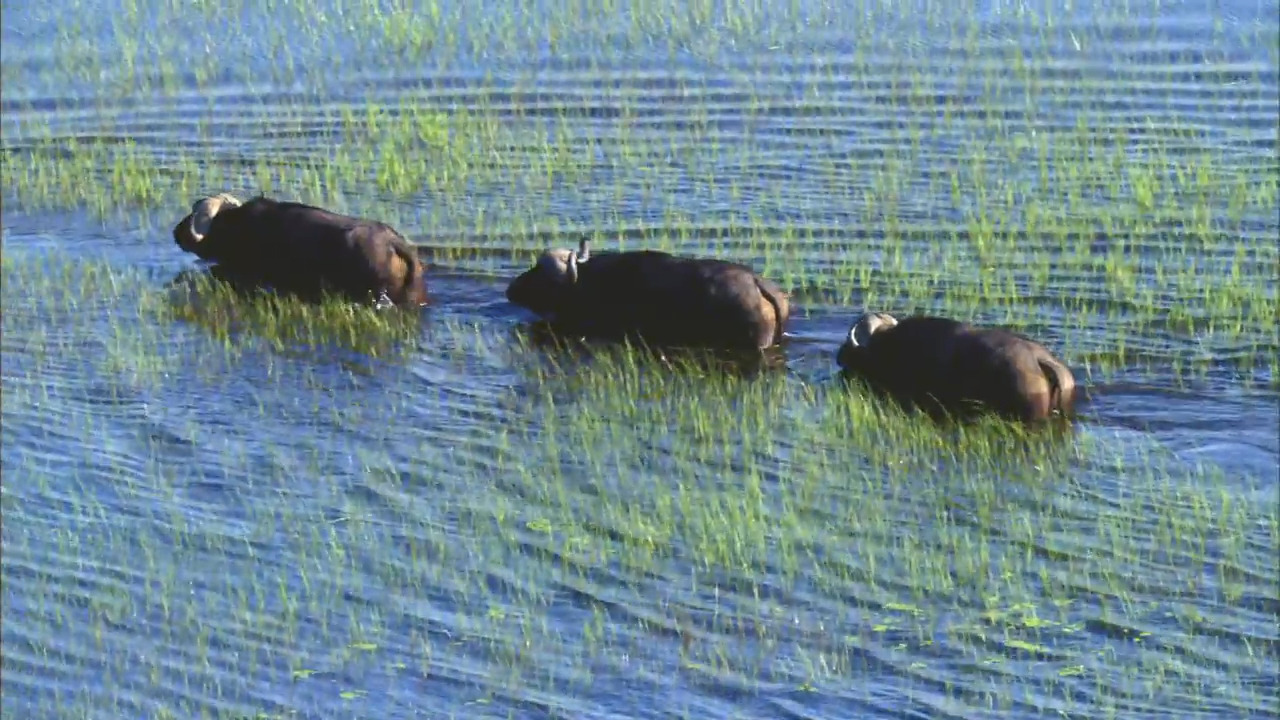
In The Wet Season Comes to the Savanna, narrator Sir David Attenborough explores what happens when the dry season comes to an end across the African savanna and the herds return to the plains. When submerged by seasonal floods, the grass of the African savanna can still grow. Watch as a young baboon climbs on top of an adult to avoid the water. This video is excerpted from BBC's Planet Earth, a breathtaking documentary series that highlights the natural wonders of our planet.
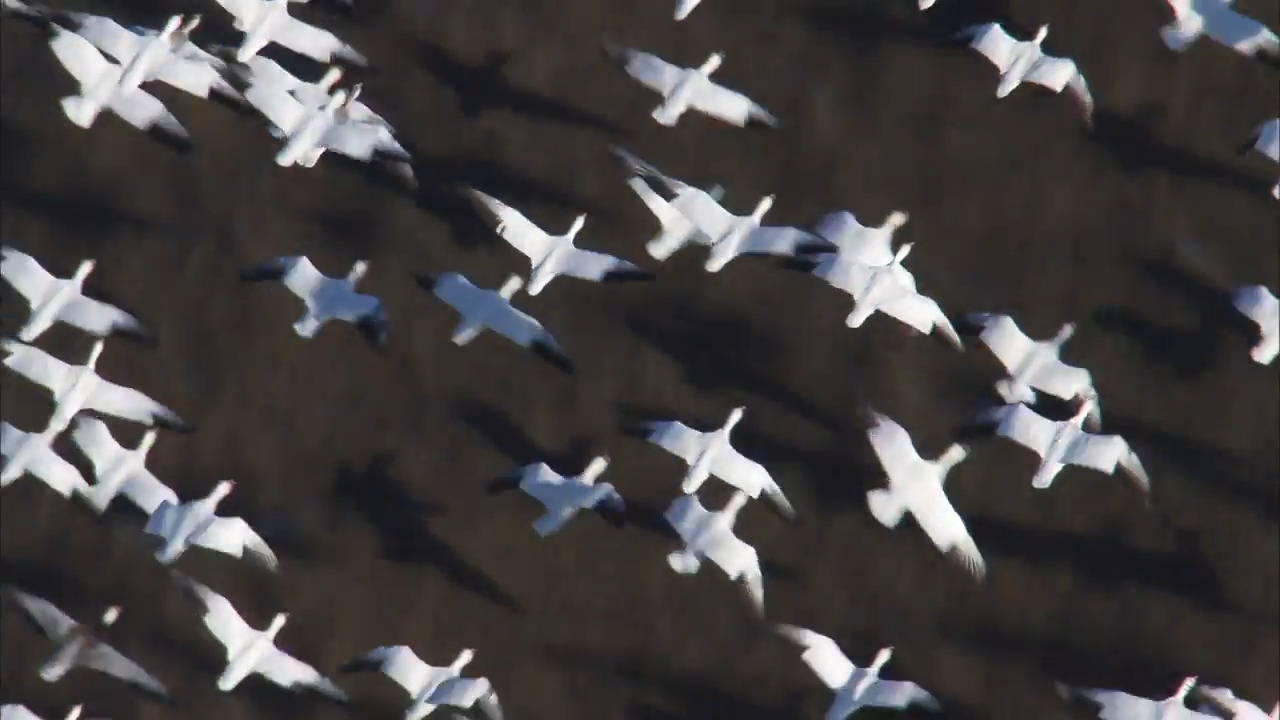
In Snow Geese in the Arctic Tundra, narrator Sir David Attenborough looks at geese, who fly the entire length of North America to reach the Arctic. Learn how the Arctic tundra is ideal for snow geese during the summer because grass grows vigorously. This video is excerpted from BBC's Planet Earth, a breathtaking documentary series that highlights the natural wonders of our planet.
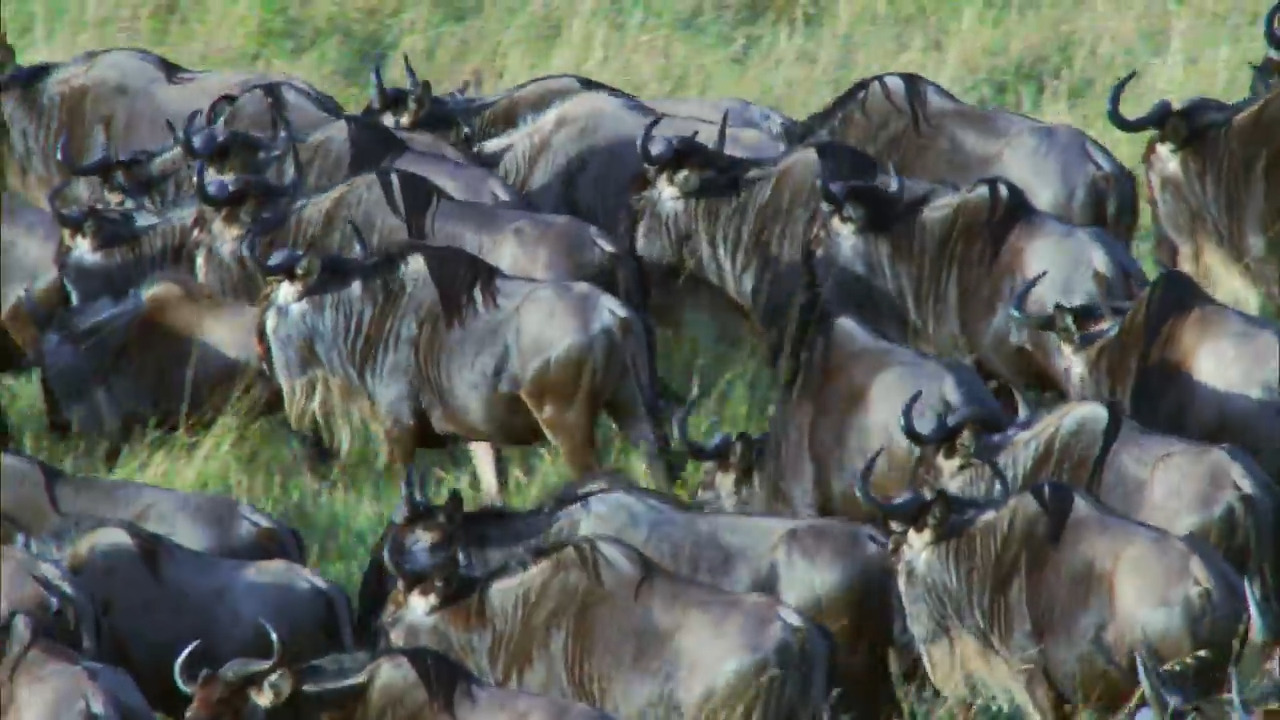
In African Grasslands Provide Food for Millions, narrator Sir David Attenborough teaches about how some animals eat grass and grass seeds. The East African savannas supports a population of 1.5 million red-billed quelea, and nearly 2 million wildebeest. This video is excerpted from BBC's Planet Earth, a breathtaking documentary series that highlights the natural wonders of our planet.
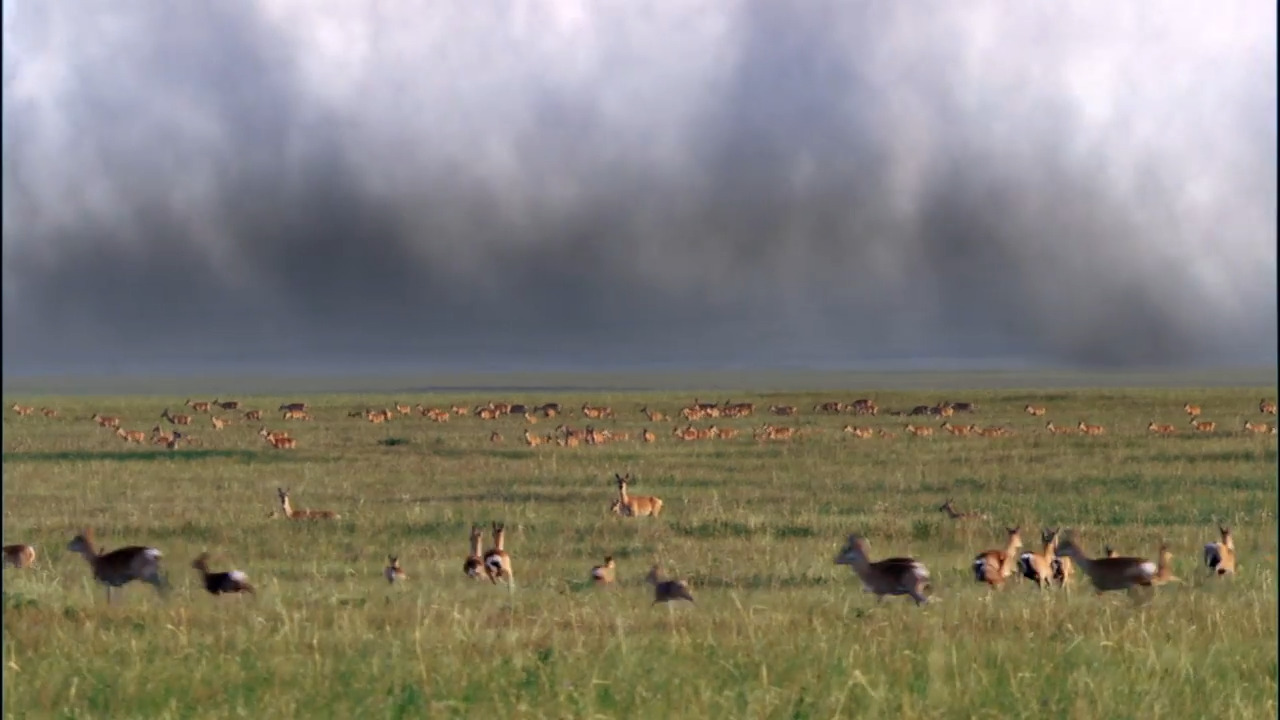
In Fire in the Great Plains, narrator Sir David Attenborough examines what happens in the Great Plains when there’s a fire. Gazelles can outrun the flames and burnt grass can repair and regrow. This video is excerpted from BBC's Planet Earth, a breathtaking documentary series that highlights the natural wonders of our planet.
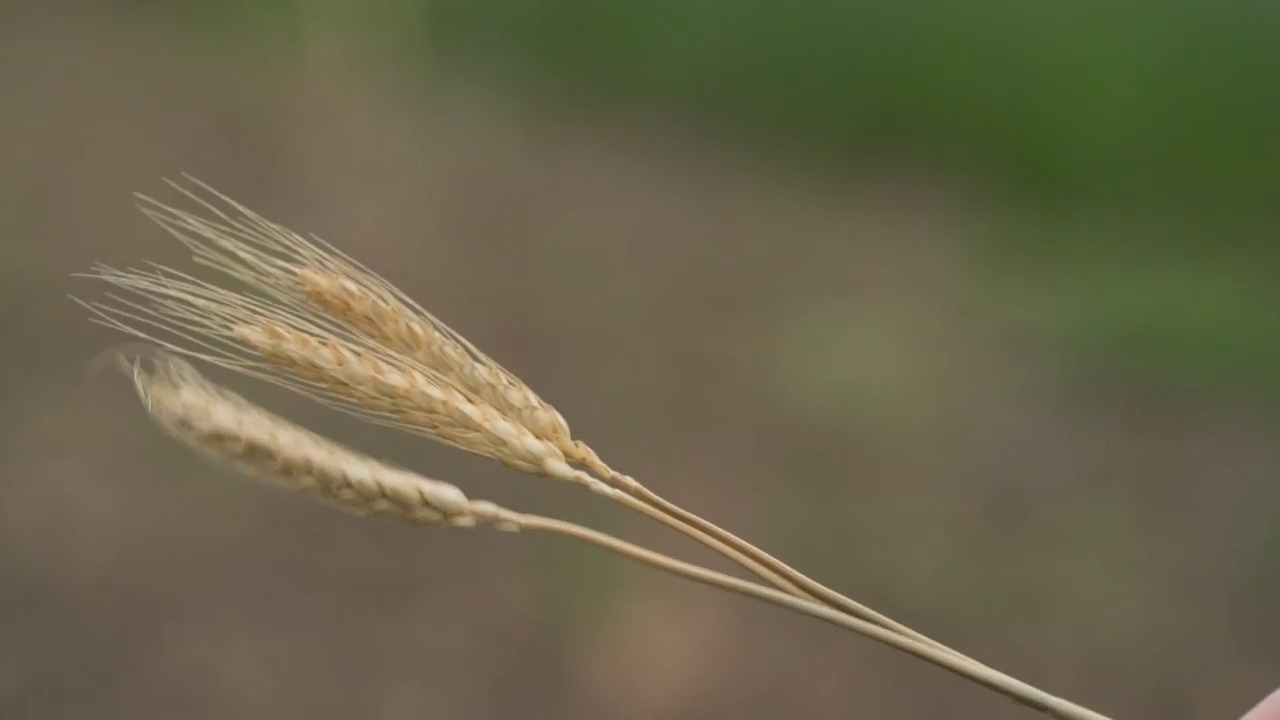
In Grazing on Grains, Ranger Hamza and the Ramblers come upon a field that is filled with flax, a grass that we can eat. Join them as the Ramblers try bread made from flaxseed and learn about other grasses that people and animals can eat. This video is excerpted from BBC's Ranger Hamza’s Eco Quest, a nature exploration show in which Ranger Hamza and the Ramblers go on quests to discover nature’s wonders and the important role they play in our environment.
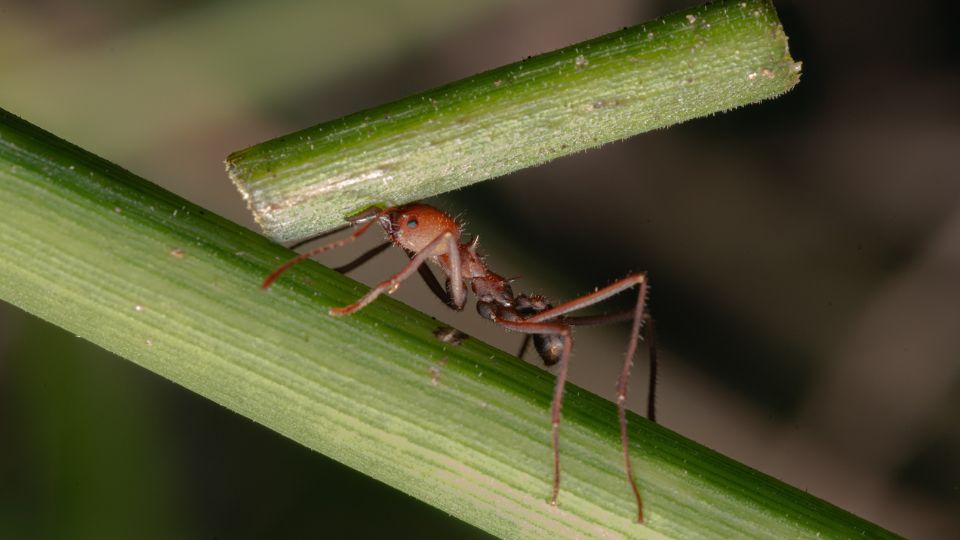
Around the world, over one-third of the grass that grows will be harvested by insects! First watch The Industrious Insects of the Grasslands, a short clip from the award-winning BBC series Planet Earth. Sir David Attenborough introduces you to grass cutter ants, who harvest grass to feed underground fungus that they feed upon, and termites, who can digest grass and in turn become food for the giant anteater.
Once your students have watched the video, invite them to check for understanding with this quick, 8-question quiz!
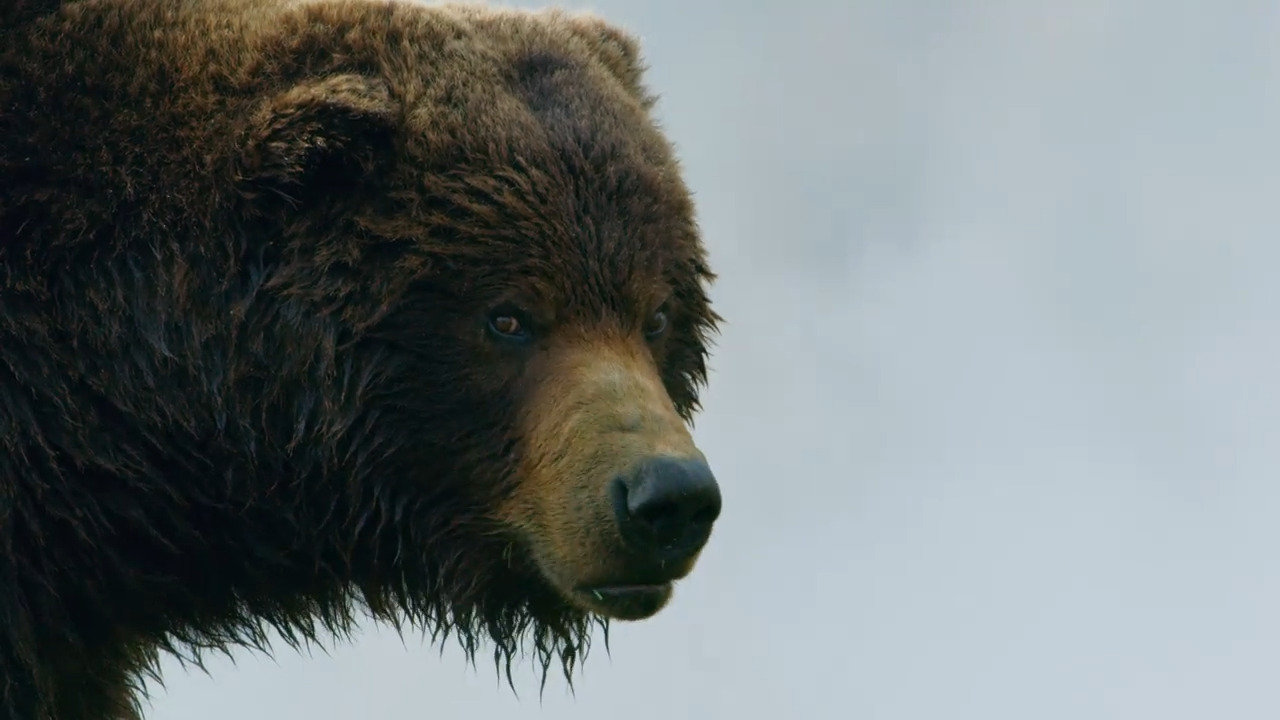
In Kamchatka Brown Bear narrator Sir David Attenborough reveals how Kamchatka brown bears brave the dangers of scalding volcanic pools to find food after a long winter. These normally solitary giants tolerate each other, even finding time for play, in this rare oasis. This video is excerpted from BBC’s Seven Worlds, One Planet, a series featuring remarkable animal behavior from all seven continents.

In Watching the Wind, Ranger Hamza and the Ramblers experience the wind. Join them as they observe a sailboat and use bubbles to model how the wind disperses seeds. This video is excerpted from BBC's Ranger Hamza’s Eco Quest, a nature exploration show in which Ranger Hamza and the Ramblers go on quests to discover nature’s wonders and the important role they play in our environment.
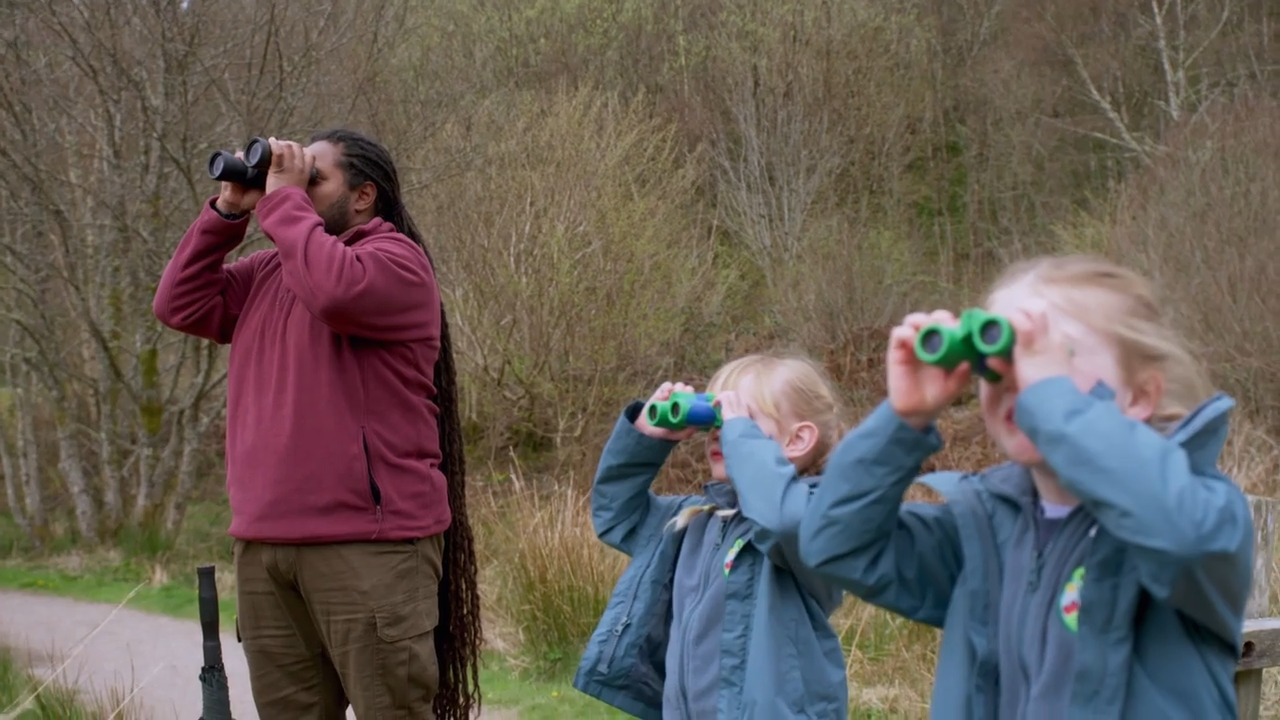
In Into the Woods, Ranger Hamza and the Ramblers explore a woodland habitat. Join them as they spot animals, nests, and lichen. Learn how lichen can help us understand the health of an environment. This video is excerpted from BBC's Ranger Hamza’s Eco Quest, a nature exploration show in which Ranger Hamza and the Ramblers go on quests to discover nature’s wonders and the important role they play in our environment.
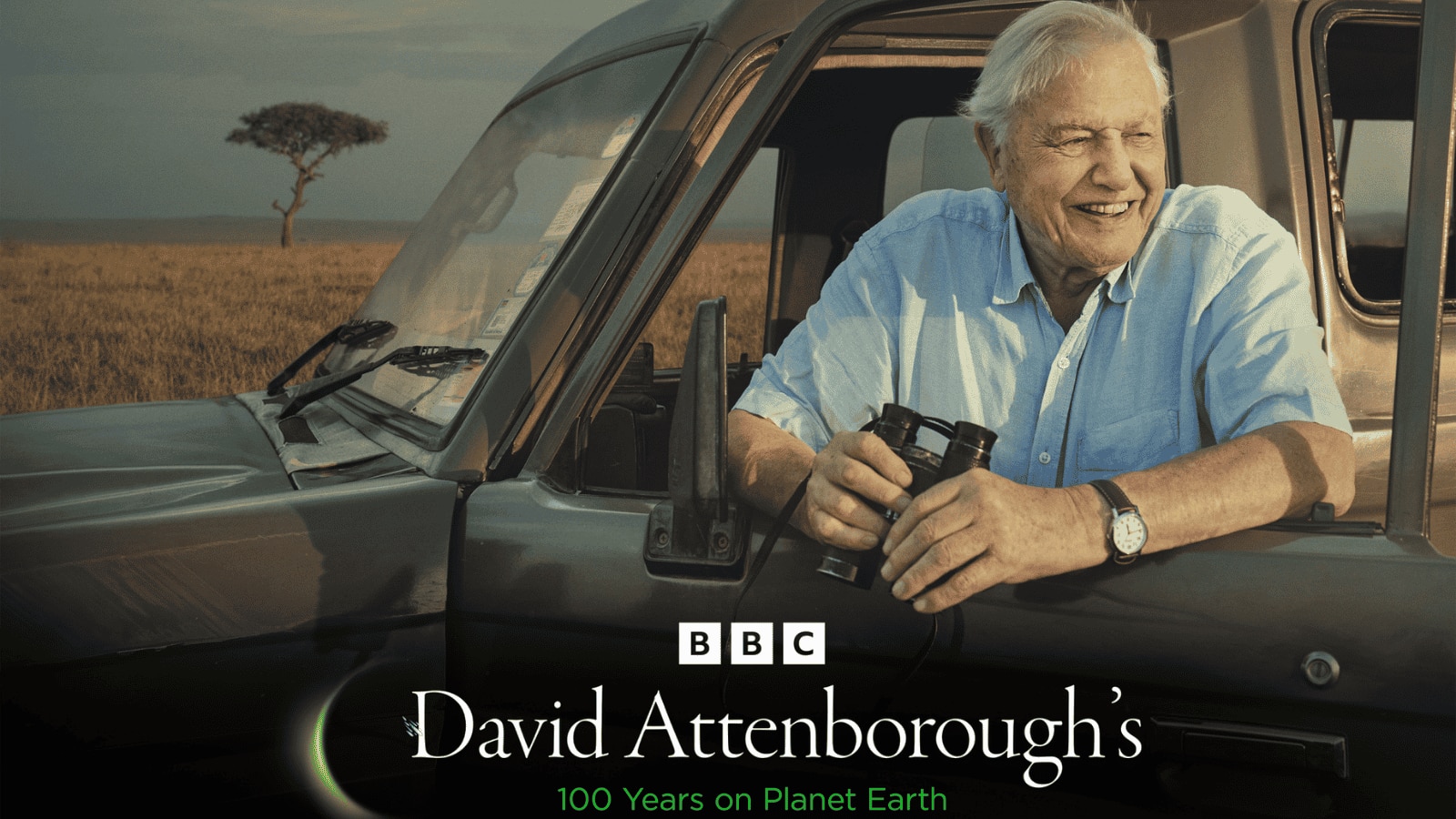
Celebrate the incredible work of Sir David Attenborough — a storyteller who has helped millions of students and viewers explore the natural world. On the occasion of his 100th birthday on May 8, 2026, we honor his enormous accomplishments in the field of environmental advocacy and his role in revolutionizing nature documentaries.
This playlist brings together 10 unforgettable clips from landmark BBC series like Planet Earth, Blue Planet, and Frozen Planet. Each video showcases amazing wildlife, powerful storytelling, and moments that spark curiosity and wonder.
Perfect for the classroom or at home, these videos help students connect with nature, understand our planet, and feel inspired to protect it.
Take your students on a romp through the grasslands! From the African savanna to the Great Plains of North America grasslands are nature’s wide-open playground.
✨ Perfect for grades 3–8, here’s what you need to bring ecosystems to life:
- Iconic BBC Videos: Share the clips on this page to introduce the location, plants, animals, and climate of the grasslands. (Don't miss the giraffes and bison!) Brought to you by world-class BBC programs such as Planet Earth, The Americas With Simon Reeve, and Seven Worlds, One Planet.
- Free Printable: Use the Grasslands Brochure Template to help students pull it all together in an ecosystem report with facts they’ve learned (and a little extra research).
It’s everything you need to make ecosystems easy to teach and truly memorable for your students.
In The Industrious Insects of the Grasslands, narrator Sir David Attenborough explains that around the world, over one-third of the grass that grows will be harvested by insects. Grass cutter ants harvest grass to feed underground fungus that they feed upon. Termites can digest grass, and they in turn become food for the giant anteater. After a prairie fire, termites and anteaters must wait for living roots to regenerate grass. This video is excerpted from BBC’s Planet Earth II, a breathtaking documentary series that highlights the natural wonders of our planet.
In The Wet Season Comes to the Savanna, narrator Sir David Attenborough explores what happens when the dry season comes to an end across the African savanna and the herds return to the plains. When submerged by seasonal floods, the grass of the African savanna can still grow. Watch as a young baboon climbs on top of an adult to avoid the water. This video is excerpted from BBC's Planet Earth, a breathtaking documentary series that highlights the natural wonders of our planet.
In Snow Geese in the Arctic Tundra, narrator Sir David Attenborough looks at geese, who fly the entire length of North America to reach the Arctic. Learn how the Arctic tundra is ideal for snow geese during the summer because grass grows vigorously. This video is excerpted from BBC's Planet Earth, a breathtaking documentary series that highlights the natural wonders of our planet.
In African Grasslands Provide Food for Millions, narrator Sir David Attenborough teaches about how some animals eat grass and grass seeds. The East African savannas supports a population of 1.5 million red-billed quelea, and nearly 2 million wildebeest. This video is excerpted from BBC's Planet Earth, a breathtaking documentary series that highlights the natural wonders of our planet.
In Fire in the Great Plains, narrator Sir David Attenborough examines what happens in the Great Plains when there’s a fire. Gazelles can outrun the flames and burnt grass can repair and regrow. This video is excerpted from BBC's Planet Earth, a breathtaking documentary series that highlights the natural wonders of our planet.
In Grazing on Grains, Ranger Hamza and the Ramblers come upon a field that is filled with flax, a grass that we can eat. Join them as the Ramblers try bread made from flaxseed and learn about other grasses that people and animals can eat. This video is excerpted from BBC's Ranger Hamza’s Eco Quest, a nature exploration show in which Ranger Hamza and the Ramblers go on quests to discover nature’s wonders and the important role they play in our environment.
Around the world, over one-third of the grass that grows will be harvested by insects! First watch The Industrious Insects of the Grasslands, a short clip from the award-winning BBC series Planet Earth. Sir David Attenborough introduces you to grass cutter ants, who harvest grass to feed underground fungus that they feed upon, and termites, who can digest grass and in turn become food for the giant anteater.
Once your students have watched the video, invite them to check for understanding with this quick, 8-question quiz!
In Kamchatka Brown Bear narrator Sir David Attenborough reveals how Kamchatka brown bears brave the dangers of scalding volcanic pools to find food after a long winter. These normally solitary giants tolerate each other, even finding time for play, in this rare oasis. This video is excerpted from BBC’s Seven Worlds, One Planet, a series featuring remarkable animal behavior from all seven continents.
In Watching the Wind, Ranger Hamza and the Ramblers experience the wind. Join them as they observe a sailboat and use bubbles to model how the wind disperses seeds. This video is excerpted from BBC's Ranger Hamza’s Eco Quest, a nature exploration show in which Ranger Hamza and the Ramblers go on quests to discover nature’s wonders and the important role they play in our environment.
In Into the Woods, Ranger Hamza and the Ramblers explore a woodland habitat. Join them as they spot animals, nests, and lichen. Learn how lichen can help us understand the health of an environment. This video is excerpted from BBC's Ranger Hamza’s Eco Quest, a nature exploration show in which Ranger Hamza and the Ramblers go on quests to discover nature’s wonders and the important role they play in our environment.
Celebrate the incredible work of Sir David Attenborough — a storyteller who has helped millions of students and viewers explore the natural world. On the occasion of his 100th birthday on May 8, 2026, we honor his enormous accomplishments in the field of environmental advocacy and his role in revolutionizing nature documentaries.
This playlist brings together 10 unforgettable clips from landmark BBC series like Planet Earth, Blue Planet, and Frozen Planet. Each video showcases amazing wildlife, powerful storytelling, and moments that spark curiosity and wonder.
Perfect for the classroom or at home, these videos help students connect with nature, understand our planet, and feel inspired to protect it.