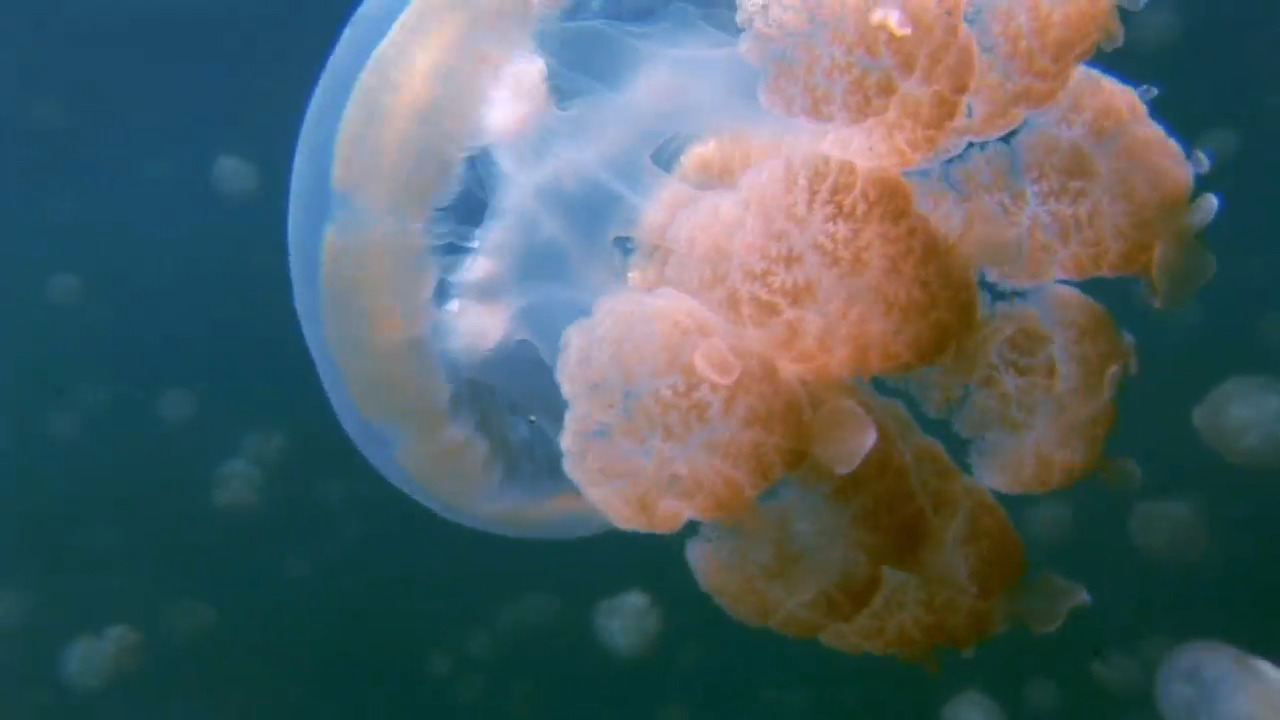
In Why Acidic Seas Spell Trouble, geologist Iain Stewart explores how global warming is shaking up life in the ocean. In Palau, an ocean scientist shares the story of millions of golden jellyfish that vanished when the water’s temperature rose by a few degrees. Plus, learn how rising carbon dioxide is making the ocean more acidic, threatening coral reefs and the marine life that depends on them. The ocean is changing fast, and scientists are racing to understand what’s next for our planet's underwater world! This video is excerpted from BBC’s Earth: The Power of the Planet, a documentary series in which Dr. Iain Stewart discovers how Earth's forces can shape nature, species, and even the climate.
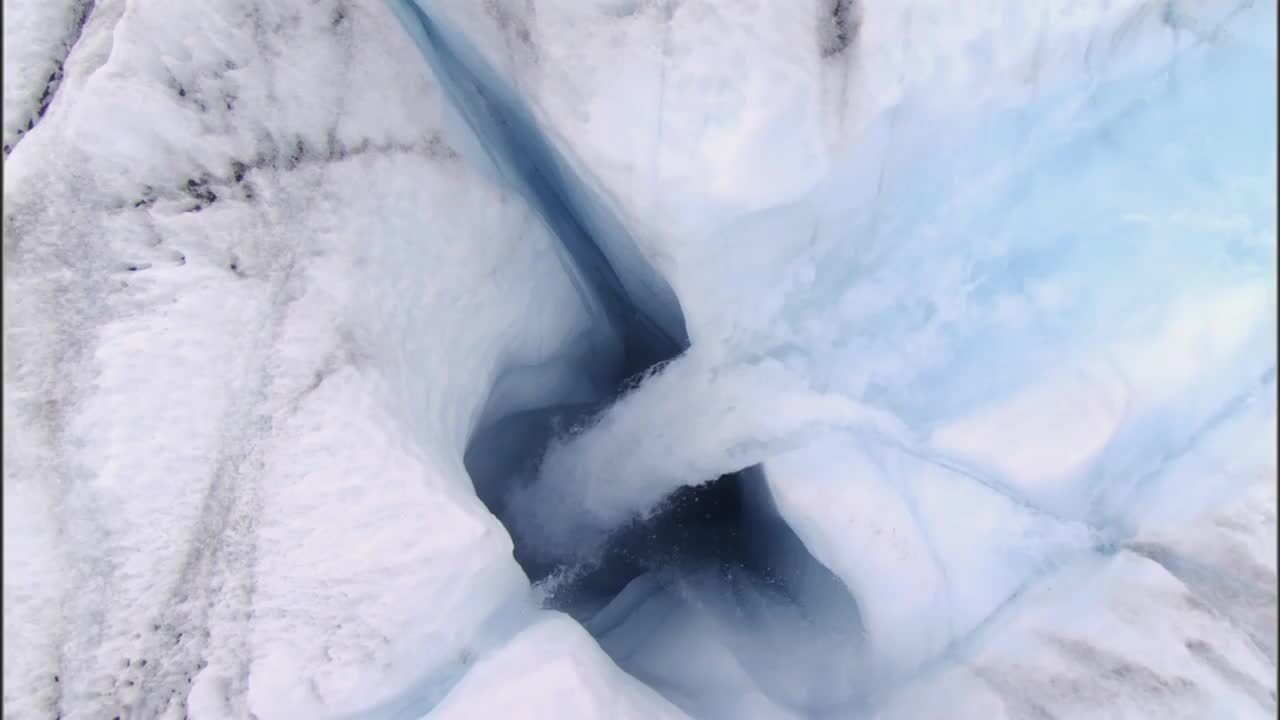
In Can We Stop the Glacier Melt?, geologist Iain Stewart explains the crucial role ice plays in our planet’s climate and how it’s being affected by global warming. Scientists are studying Greenland's massive Jakobshavn Glacier to understand how the ice is melting and the impact that has on rising sea levels. Over just the last few decades, the glacier has retreated significantly, and if Greenland's ice melts completely, it could raise sea levels by 23 feet (7 meters), threatening places like London and Florida. This video is excerpted from BBC’s Earth: The Power of the Planet, a documentary series in which Dr. Iain Stewart discovers how Earth's forces can shape nature, species, and even the climate.
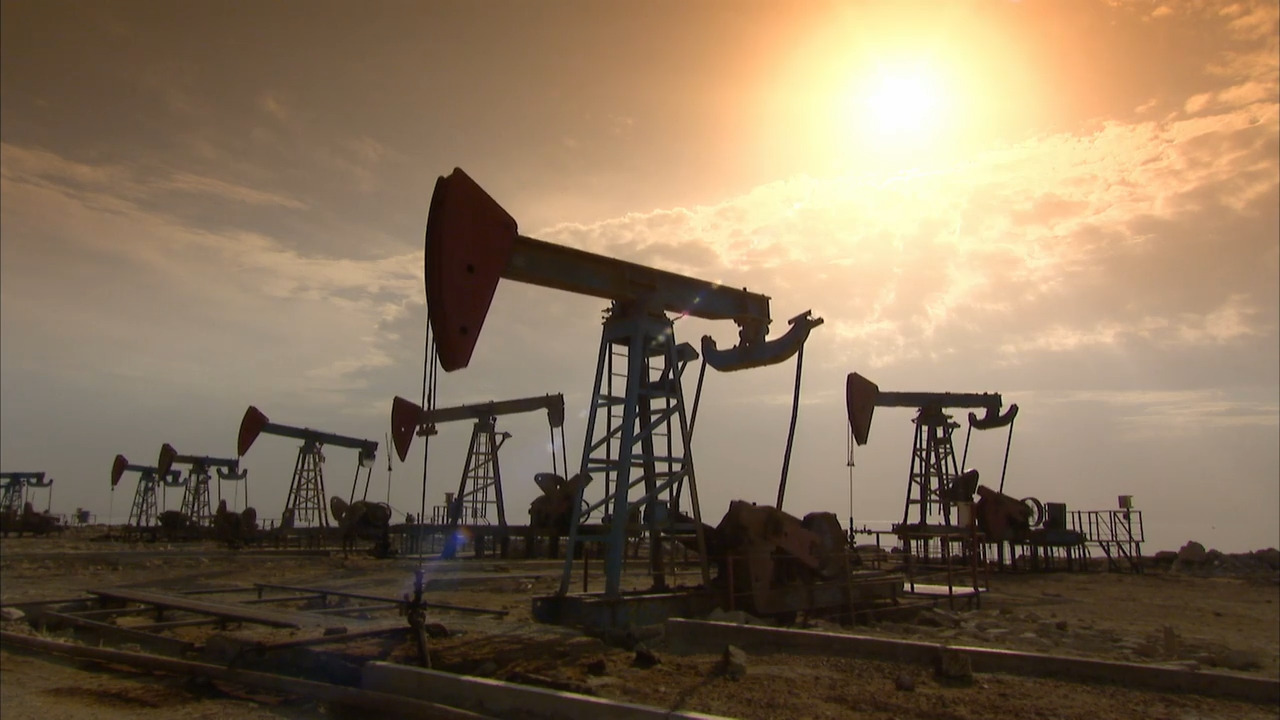
In Climate Change in Politics and Injustice, learn about the political, technological, and financial barriers to effectively addressing climate change. For decades, scientists have been aware of the dangers posed by greenhouse gases, but the challenge of tackling climate change has been compounded by misinformation, political obstacles, and a lack of global action. This video is excerpted from BBC’s Climate Change - The Facts, a documentary that delves into the science of climate change and its far-reaching consequences.
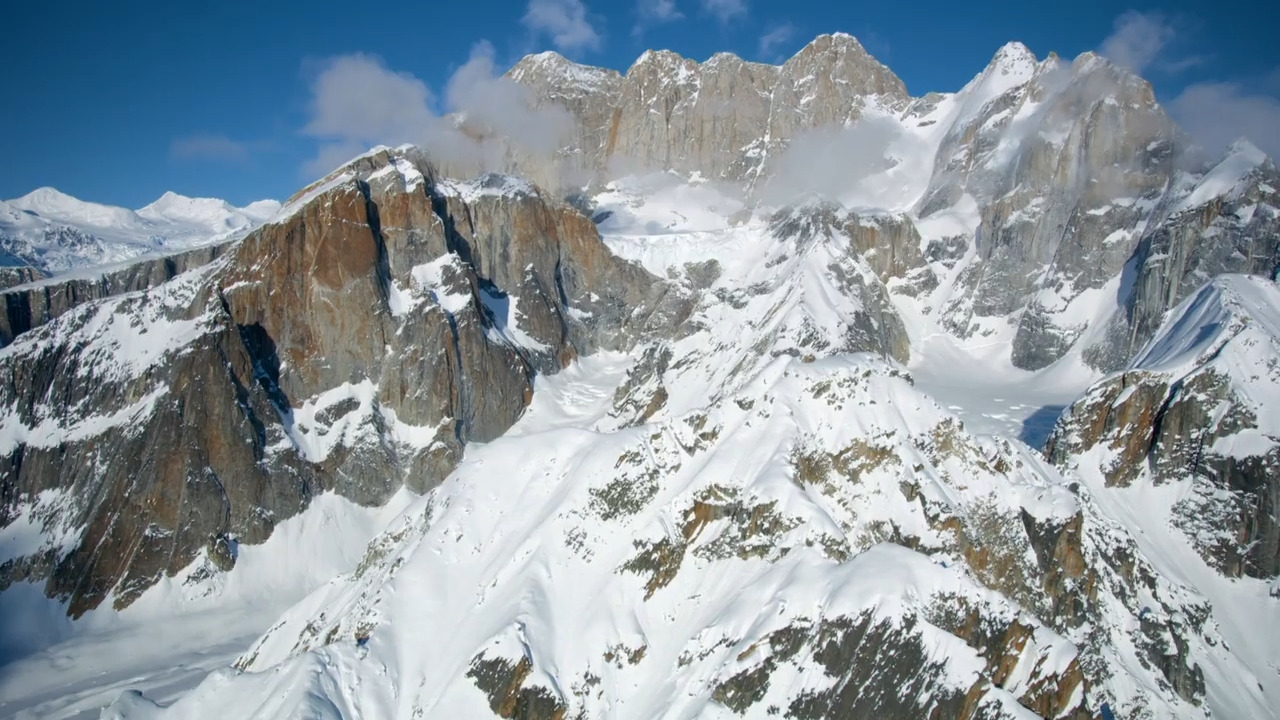
In How Climate Change Is Reshaping the Wilderness at Denali, host Simon Reeve and pilot Lea explore how climate change is reshaping one of the most untouched wilderness areas. With breathtaking views of Mount Denali, the tallest peak in North America, and the massive 35-mile-long Ruth Glacier, they uncover the shocking impact of rising temperatures — new lakes forming where glaciers once stood. He also learns the Arctic is heating up almost twice as fast as the rest of the planet because of global warming. This video is excerpted from BBC’s The Americas With Simon Reeve, in which Simon Reeve explores the landscapes, cultures, and wildlife of North and South America.
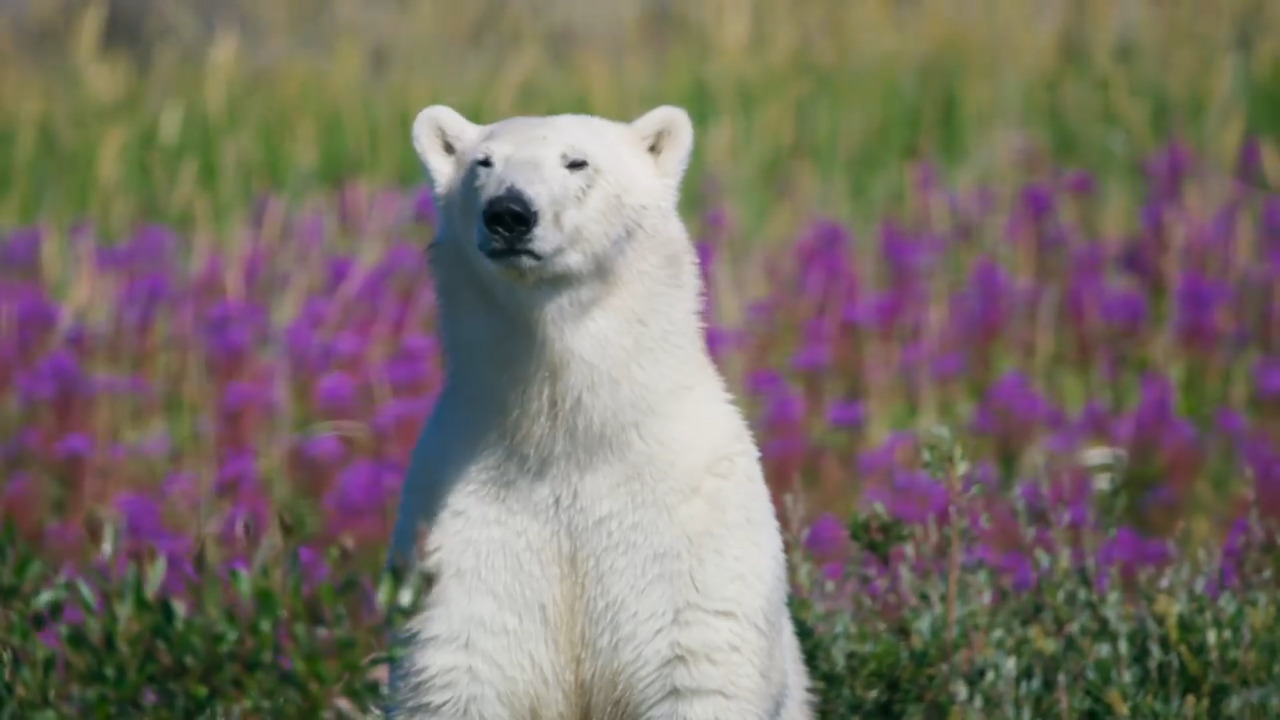
In Climate Change and Polar Bears, learn how human impacts are causing Canada to warm faster than any country on Earth. Lack of sea ice is now causing major problems for polar bears, and they have had to find a new source of food — beluga whale calves. This video is excerpted from BBC’s Seven Worlds, One Planet, a series featuring remarkable animal behavior from all seven continents.
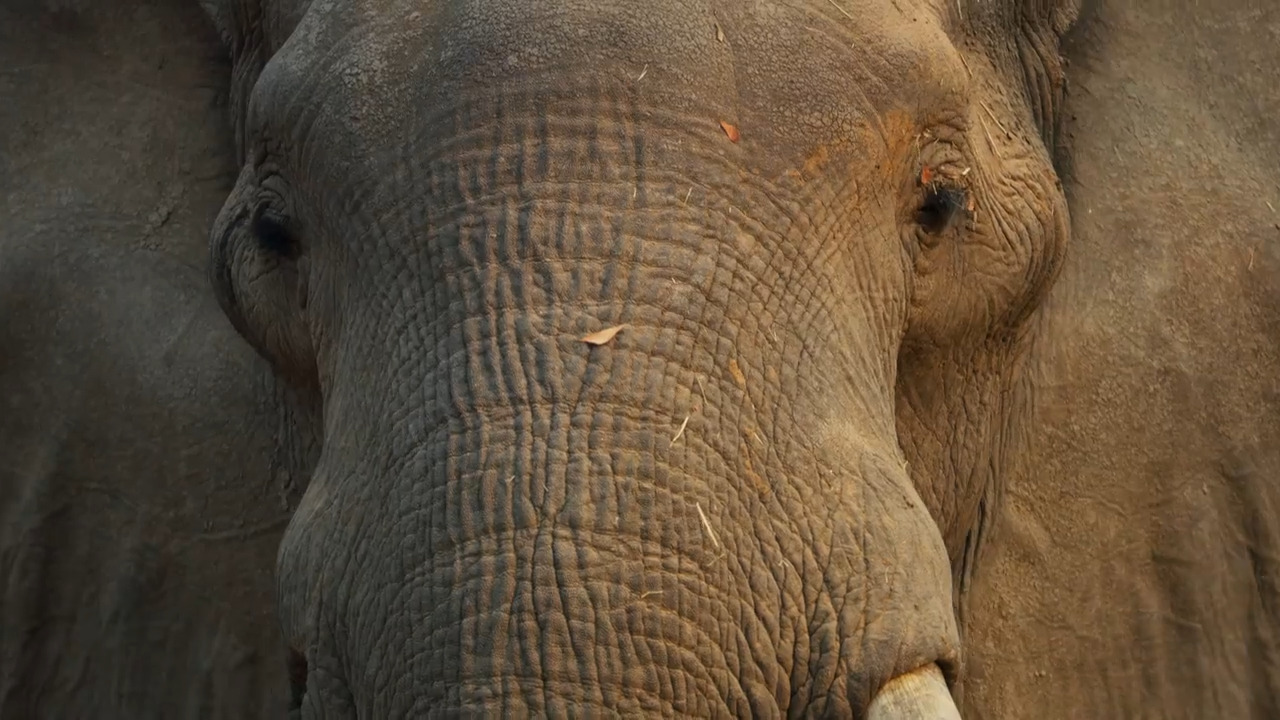
In Elephants Adapt to Climate Change, narrator Sir David Attenborough explains how elephants have adapted to drought in Africa. They have worked out a way of reaching acacia pods from the highest branches. This video is excerpted from BBC’s Seven Worlds, One Planet, a series featuring remarkable animal behavior from all seven continents.
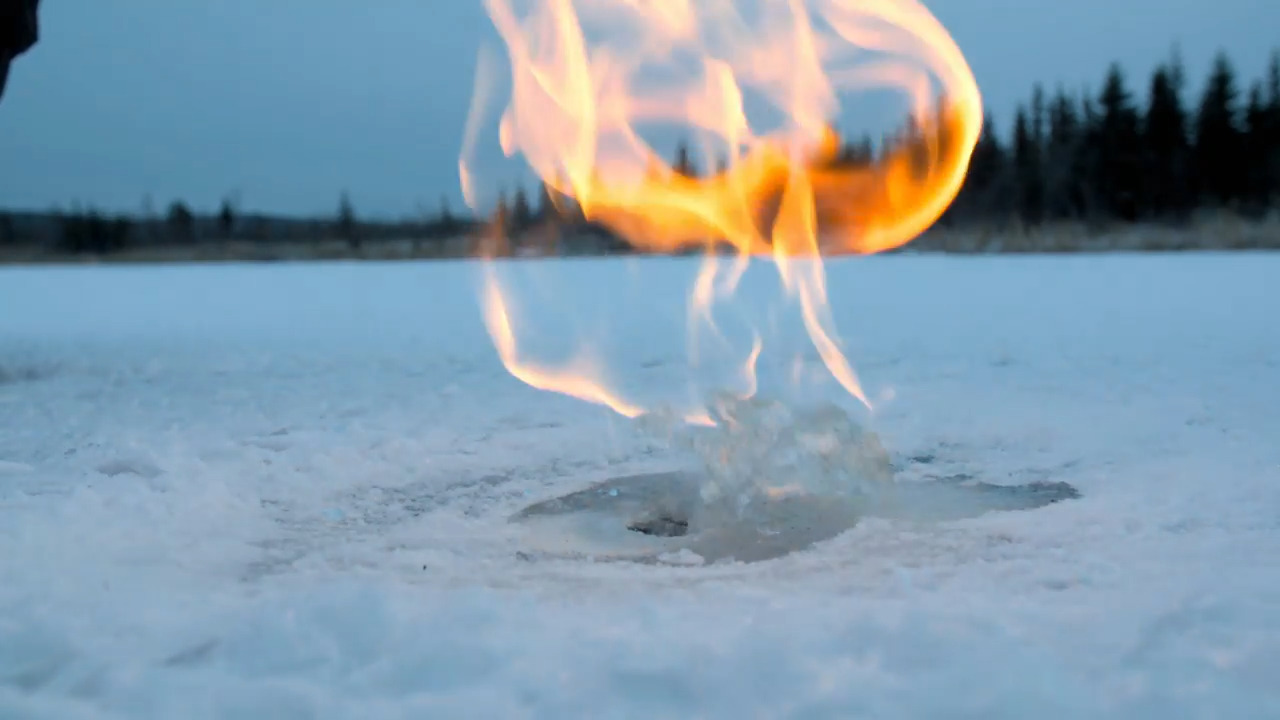
In Climate Change: Permafrost and Release of Methane and Carbon, discover the science behind permafrost and its crucial role in the global climate system. Permafrost, the frozen ground found primarily in the Arctic, has acted as a natural storage system for carbon and methane gases for thousands of years. These gases, which were once trapped beneath the surface, are released as the permafrost thaws due to rising global temperatures. This video is excerpted from BBC’s Climate Change - The Facts, a documentary that delves into the science of climate change and its far-reaching consequences.
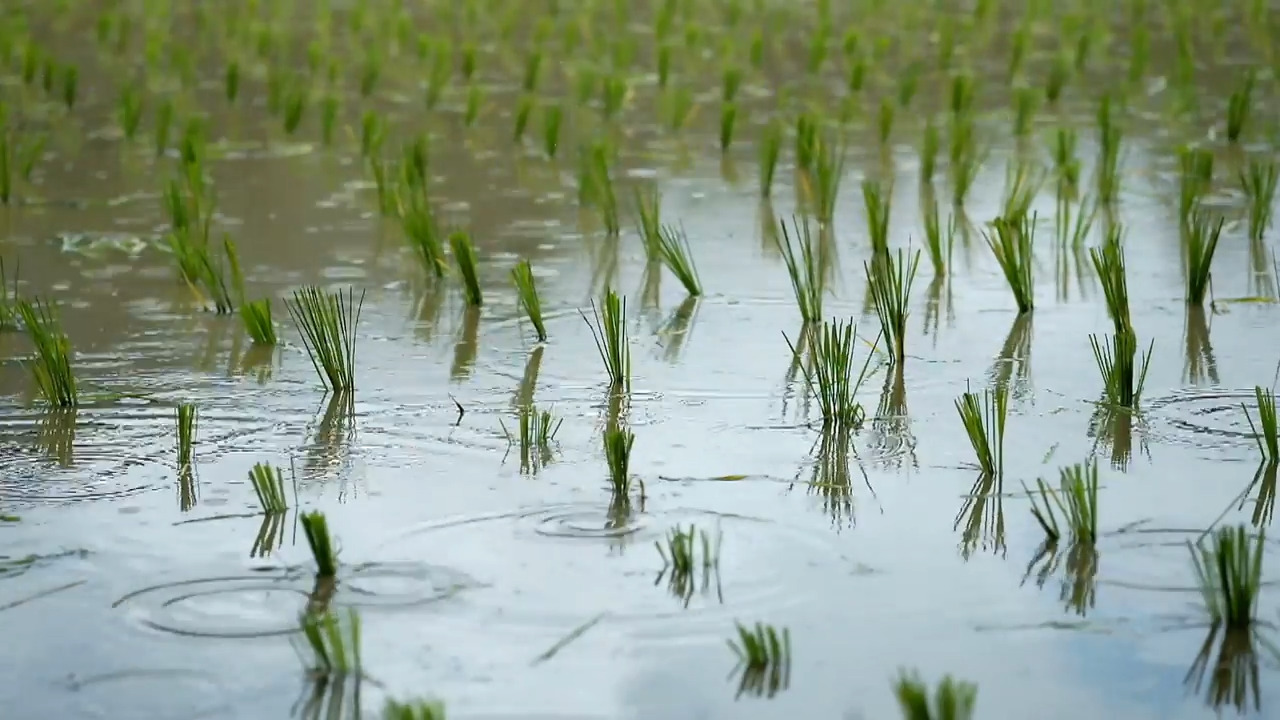
In Climate Change and the Production of Rice, see how increasing global temperatures have contributed to climate change, which has been detrimental to agriculture, particularly rice production. Billions of people rely on rice as a primary food and source of income, but it is increasingly threatened by crop failure, unpredictable weather events, and a decrease in its nutritional value. This video is excerpted from BBC’s Climate Change - The Facts, a documentary that delves into the science of climate change and its far-reaching consequences.
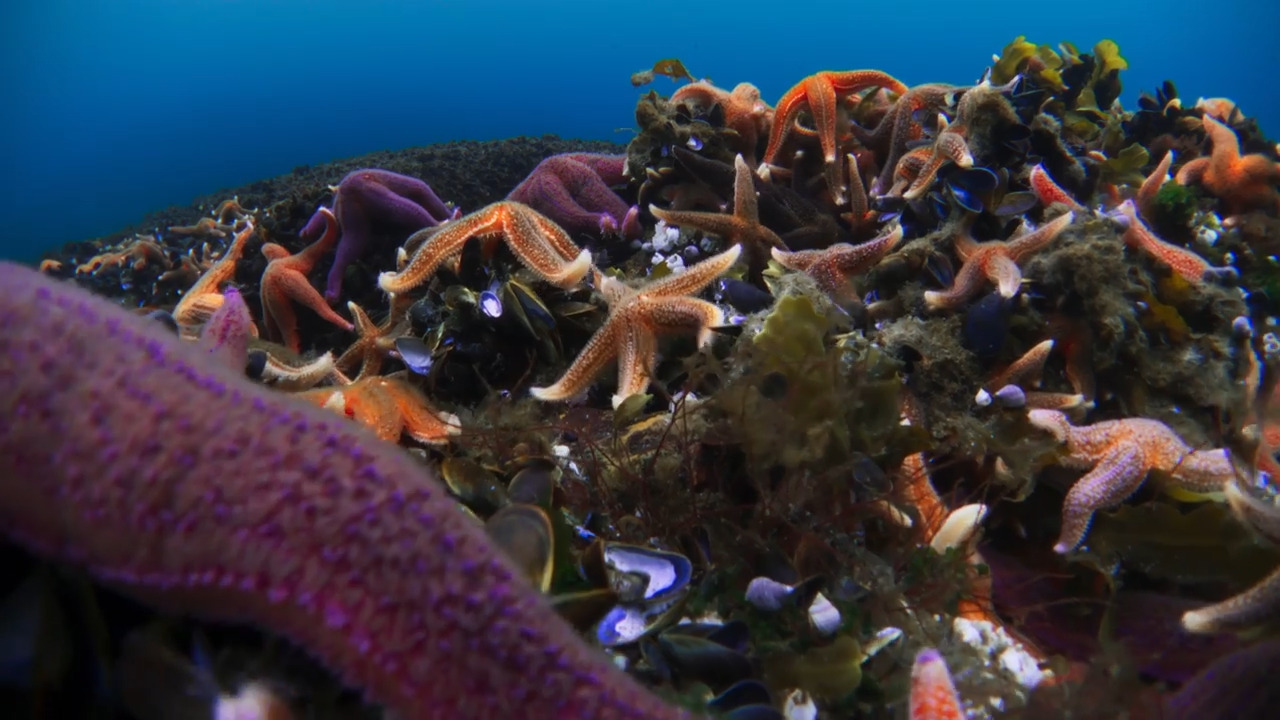
In Climate Change and Warming Seas, Sir David Attenborough highlights what researchers are learning about warming seas and its impact on the health of our planet. This video is excerpted from BBC’s Blue Planet II, a natural history series that explores the world's oceans, the animals that live in them, and the threats they face, using modern filming techniques and equipment to capture previously unseen areas of the ocean.
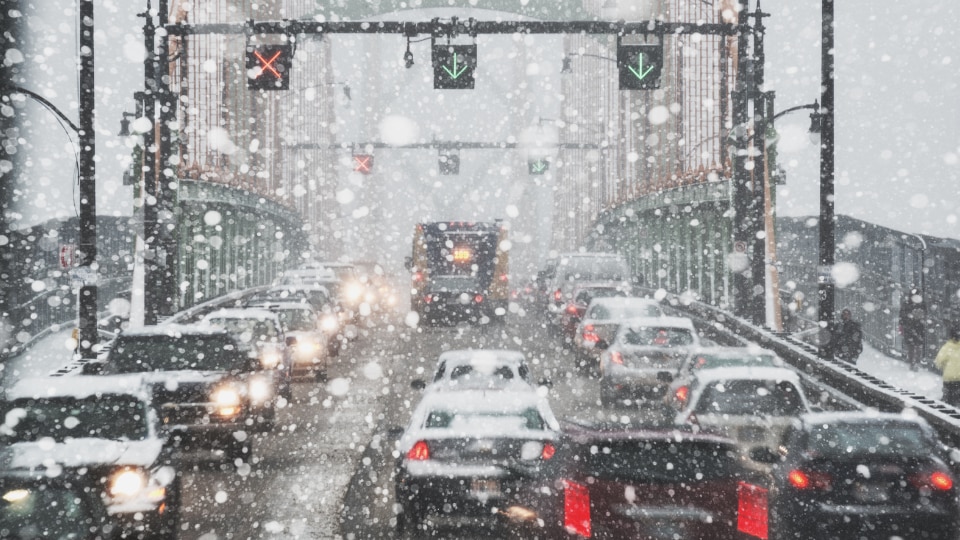
A snowy week doesn't change the climate, but decades of patterns do. Explore the important difference between what happens in the atmosphere today and the trends that unfold over many years. Watch the BBC videos below, then take the Kahoot to test your knowledge.
Examine how weather describes short-term atmospheric conditions while climate reflects long-term patterns across regions and ecosystems. Learn about climate zones, seasonal trends, and the data scientists use to understand Earth's changing environment.
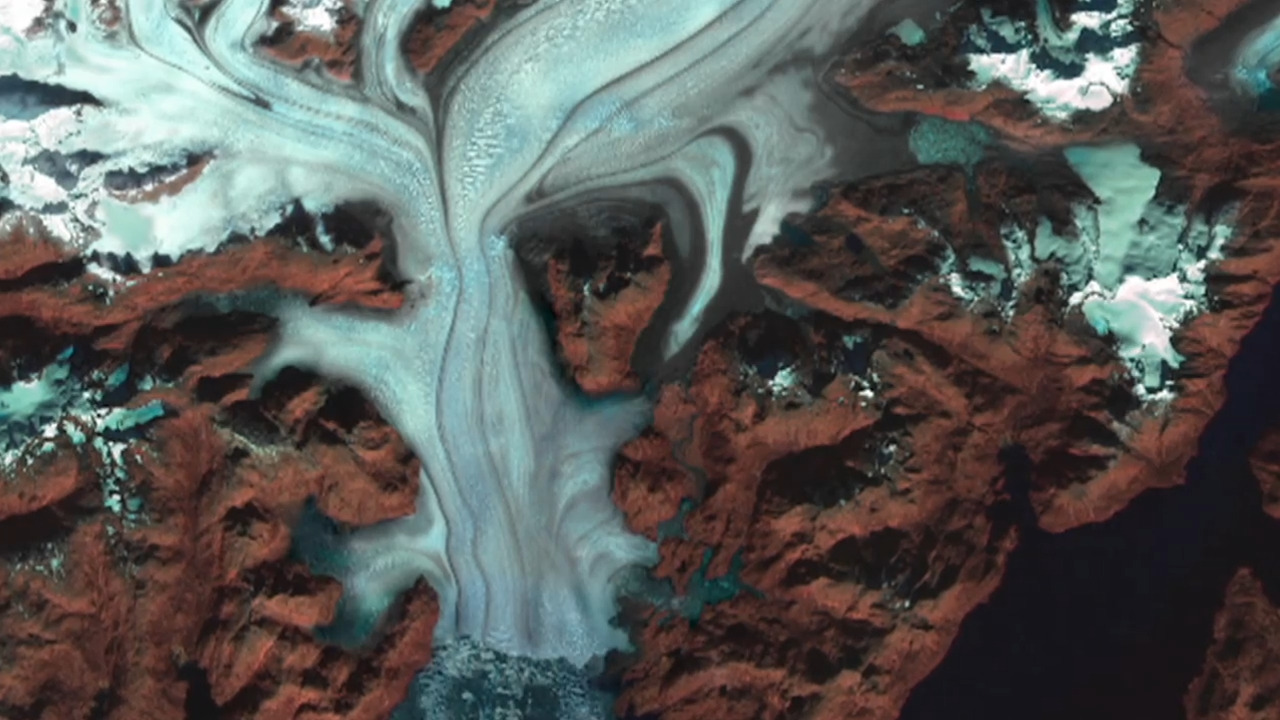
In Retreating Ice and Glacial Change, geologist Iain Stewart explains that the Columbia glacier in Alaska is moving quickly; it has retreated almost 9 miles (14 kilometers) since 1980. But this glacier is not the only one that is melting and changing as the planet warms. This video is excerpted from BBC’s Earth: The Power of the Planet, a documentary series in which Dr. Iain Stewart discovers how Earth's forces can shape nature, species, and even the climate.
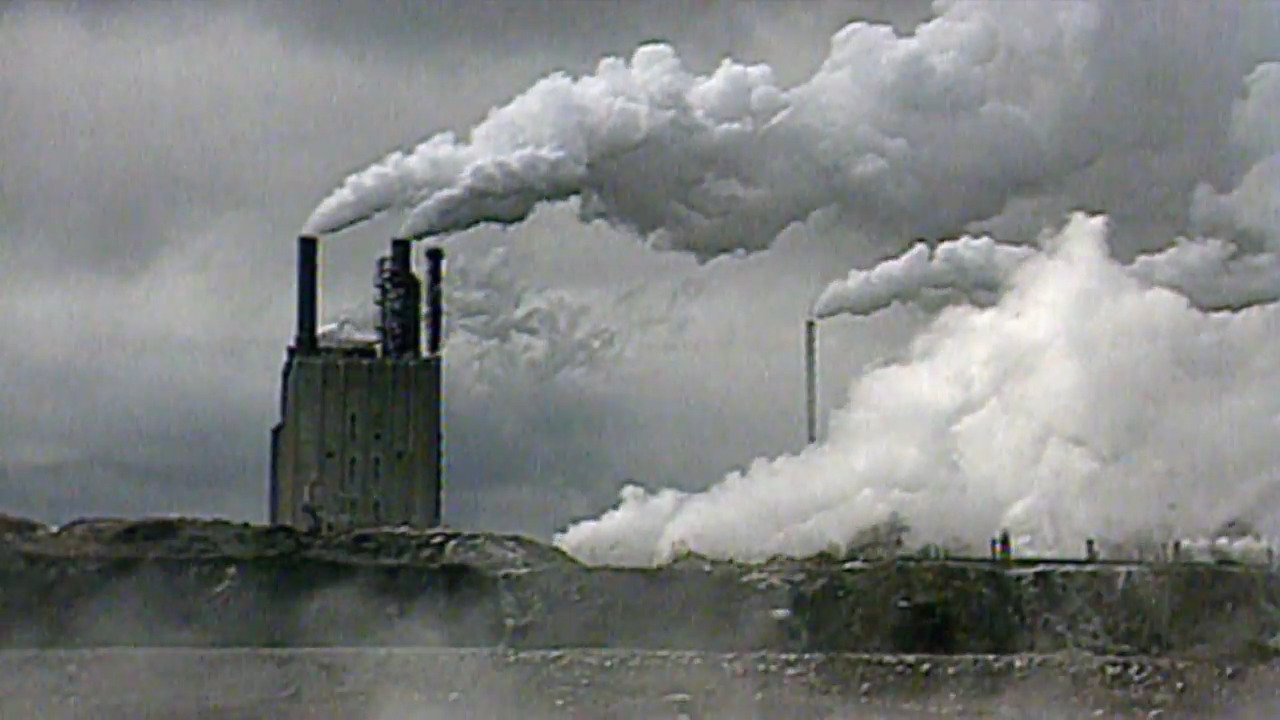
In The Power of Carbon Dioxide, geologist Iain Stewart explores how volcanoes play a vital role in releasing carbon dioxide, a gas that helps trap heat and keeps Earth warm enough for life. Without it, our planet would be a frozen wasteland, but too much of it can cause rapid climate changes. Scientists are now studying Siberia, one of the coldest places on the planet, to understand how melting permafrost could be a predictor of Earth’s future climate. This video is excerpted from BBC’s Earth: The Power of the Planet, a documentary series in which Dr. Iain Stewart discovers how Earth's forces can shape nature, species, and even the climate.
In Why Acidic Seas Spell Trouble, geologist Iain Stewart explores how global warming is shaking up life in the ocean. In Palau, an ocean scientist shares the story of millions of golden jellyfish that vanished when the water’s temperature rose by a few degrees. Plus, learn how rising carbon dioxide is making the ocean more acidic, threatening coral reefs and the marine life that depends on them. The ocean is changing fast, and scientists are racing to understand what’s next for our planet's underwater world! This video is excerpted from BBC’s Earth: The Power of the Planet, a documentary series in which Dr. Iain Stewart discovers how Earth's forces can shape nature, species, and even the climate.
In Can We Stop the Glacier Melt?, geologist Iain Stewart explains the crucial role ice plays in our planet’s climate and how it’s being affected by global warming. Scientists are studying Greenland's massive Jakobshavn Glacier to understand how the ice is melting and the impact that has on rising sea levels. Over just the last few decades, the glacier has retreated significantly, and if Greenland's ice melts completely, it could raise sea levels by 23 feet (7 meters), threatening places like London and Florida. This video is excerpted from BBC’s Earth: The Power of the Planet, a documentary series in which Dr. Iain Stewart discovers how Earth's forces can shape nature, species, and even the climate.
In Climate Change in Politics and Injustice, learn about the political, technological, and financial barriers to effectively addressing climate change. For decades, scientists have been aware of the dangers posed by greenhouse gases, but the challenge of tackling climate change has been compounded by misinformation, political obstacles, and a lack of global action. This video is excerpted from BBC’s Climate Change - The Facts, a documentary that delves into the science of climate change and its far-reaching consequences.
In How Climate Change Is Reshaping the Wilderness at Denali, host Simon Reeve and pilot Lea explore how climate change is reshaping one of the most untouched wilderness areas. With breathtaking views of Mount Denali, the tallest peak in North America, and the massive 35-mile-long Ruth Glacier, they uncover the shocking impact of rising temperatures — new lakes forming where glaciers once stood. He also learns the Arctic is heating up almost twice as fast as the rest of the planet because of global warming. This video is excerpted from BBC’s The Americas With Simon Reeve, in which Simon Reeve explores the landscapes, cultures, and wildlife of North and South America.
In Climate Change and Polar Bears, learn how human impacts are causing Canada to warm faster than any country on Earth. Lack of sea ice is now causing major problems for polar bears, and they have had to find a new source of food — beluga whale calves. This video is excerpted from BBC’s Seven Worlds, One Planet, a series featuring remarkable animal behavior from all seven continents.
In Elephants Adapt to Climate Change, narrator Sir David Attenborough explains how elephants have adapted to drought in Africa. They have worked out a way of reaching acacia pods from the highest branches. This video is excerpted from BBC’s Seven Worlds, One Planet, a series featuring remarkable animal behavior from all seven continents.
In Climate Change: Permafrost and Release of Methane and Carbon, discover the science behind permafrost and its crucial role in the global climate system. Permafrost, the frozen ground found primarily in the Arctic, has acted as a natural storage system for carbon and methane gases for thousands of years. These gases, which were once trapped beneath the surface, are released as the permafrost thaws due to rising global temperatures. This video is excerpted from BBC’s Climate Change - The Facts, a documentary that delves into the science of climate change and its far-reaching consequences.
In Climate Change and the Production of Rice, see how increasing global temperatures have contributed to climate change, which has been detrimental to agriculture, particularly rice production. Billions of people rely on rice as a primary food and source of income, but it is increasingly threatened by crop failure, unpredictable weather events, and a decrease in its nutritional value. This video is excerpted from BBC’s Climate Change - The Facts, a documentary that delves into the science of climate change and its far-reaching consequences.
In Climate Change and Warming Seas, Sir David Attenborough highlights what researchers are learning about warming seas and its impact on the health of our planet. This video is excerpted from BBC’s Blue Planet II, a natural history series that explores the world's oceans, the animals that live in them, and the threats they face, using modern filming techniques and equipment to capture previously unseen areas of the ocean.
A snowy week doesn't change the climate, but decades of patterns do. Explore the important difference between what happens in the atmosphere today and the trends that unfold over many years. Watch the BBC videos below, then take the Kahoot to test your knowledge.
Examine how weather describes short-term atmospheric conditions while climate reflects long-term patterns across regions and ecosystems. Learn about climate zones, seasonal trends, and the data scientists use to understand Earth's changing environment.
In Retreating Ice and Glacial Change, geologist Iain Stewart explains that the Columbia glacier in Alaska is moving quickly; it has retreated almost 9 miles (14 kilometers) since 1980. But this glacier is not the only one that is melting and changing as the planet warms. This video is excerpted from BBC’s Earth: The Power of the Planet, a documentary series in which Dr. Iain Stewart discovers how Earth's forces can shape nature, species, and even the climate.
In The Power of Carbon Dioxide, geologist Iain Stewart explores how volcanoes play a vital role in releasing carbon dioxide, a gas that helps trap heat and keeps Earth warm enough for life. Without it, our planet would be a frozen wasteland, but too much of it can cause rapid climate changes. Scientists are now studying Siberia, one of the coldest places on the planet, to understand how melting permafrost could be a predictor of Earth’s future climate. This video is excerpted from BBC’s Earth: The Power of the Planet, a documentary series in which Dr. Iain Stewart discovers how Earth's forces can shape nature, species, and even the climate.