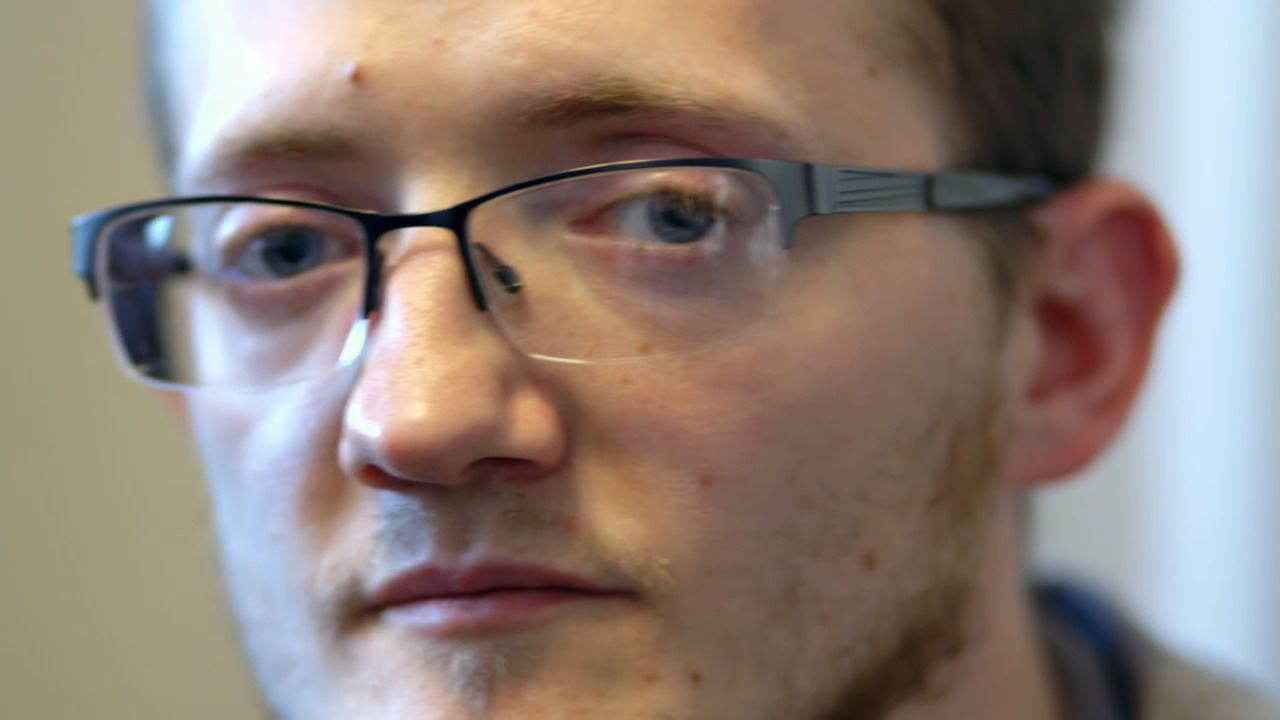
In Some People Don't Feel Pain, Paul describes his unique condition. Paul was born with congenital insensitivity to pain, a rare genetic condition that prevents his brain from processing pain sensations. Explore how pain is created in the body, the risks associated with not feeling pain, and the science behind this rare condition. This video is excerpted from BBC’s The World’s Most Extraordinary People, a documentary series revealing how rare medical conditions inspire groundbreaking scientific discoveries.

The article "7 Surprising Facts We Now Know About Neanderthals" from BBC's HistoryExtra is a fascinating look at the evolution and legacy of Neanderthals. Archaeologist Rebecca Wragg Sykes explains how these ancient humans were intelligent, adaptable, and left a genetic mark on billions of people today. The piece debunks old myths and highlights seven groundbreaking facts about Neanderthal life and culture.
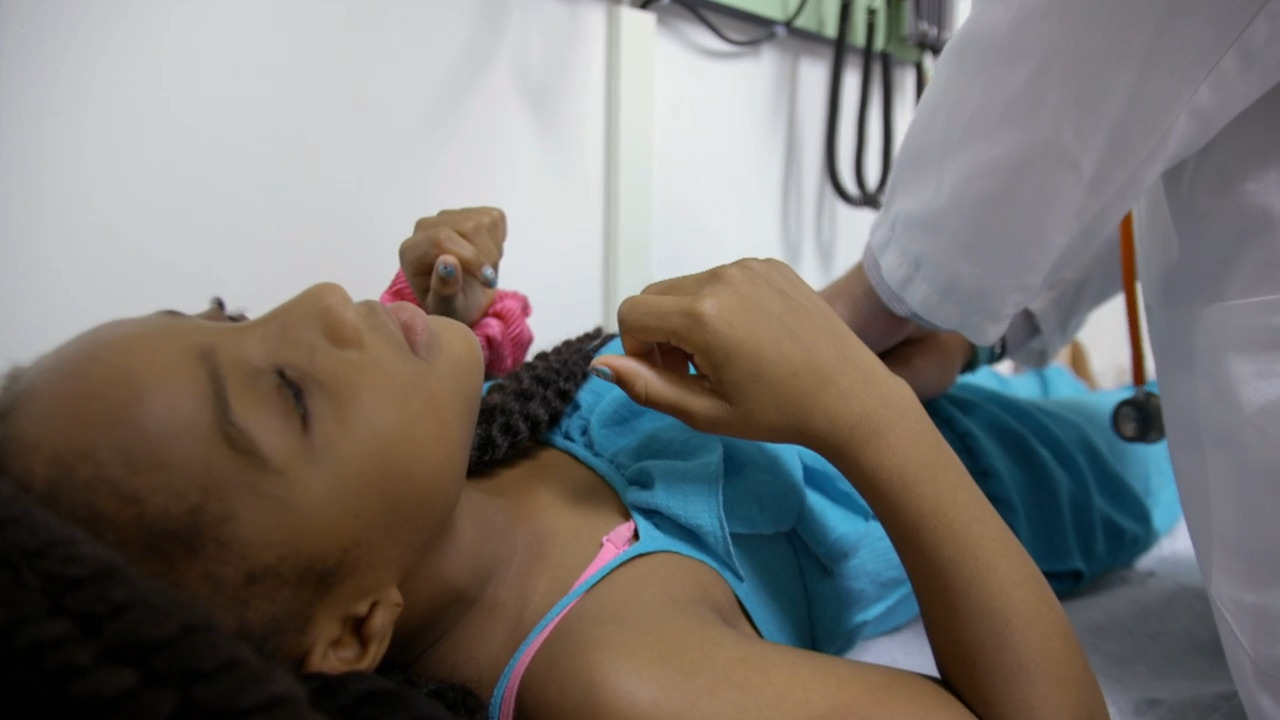
In Understanding Sickle Cell Disease, learn about Sanaya, a young girl whose unique blood helps her avoid symptoms of sickle cell disease. By examining the presence of fetal hemoglobin in her blood, discover how hemoglobin functions in the body and how it can impact individuals with sickle cell disease. This video is excerpted from BBC’s The World’s Most Extraordinary People, a documentary series revealing how rare medical conditions inspire groundbreaking scientific discoveries.

In Understanding Bone Growth Disorders, learn about a rare genetic condition that causes bones to grow abnormally dense. Follow Tim, a man with sclerosteosis, whose bones are 1.5 times denser than granite, which has both advantages and serious medical challenges. His experience with the condition provides insight into how our bones grow and what happens when that growth is excessive. This video is excerpted from BBC’s The World’s Most Extraordinary People, a documentary series revealing how rare medical conditions inspire groundbreaking scientific discoveries.

The article "The Last Days of the Neanderthals: When and Why Our Ancient Cousins Disappeared" from BBC's HistoryExtra explores how and why Neanderthals vanished from the Earth. Archaeological evidence and genetic studies point to multiple factors, including climate change, competition with Homo sapiens, and interbreeding. Despite their extinction, Neanderthal DNA still lives on in modern humans.

The article "Is Coffee in Danger of Disappearing?" from BBC's Science Focus explains how wild coffee plants are at high risk of extinction due to threats like climate change, pests, and deforestation. These wild plants are crucial for developing strong, disease-resistant coffee crops.
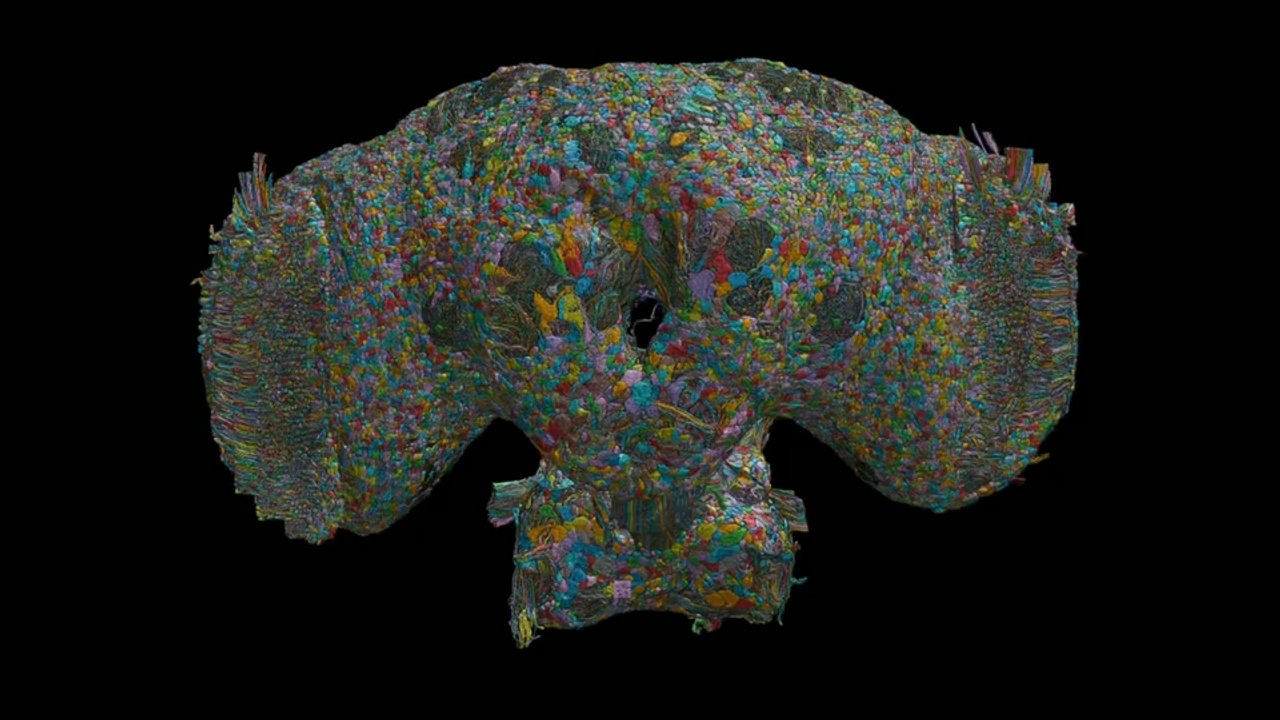
“Beautiful on the inside” may be weirdly appropriate for bugs, considering the 3D map of the male fruit fly brain and nervous system more closely resembles a museum-worthy mosaic or a bowl of fruity cereal than the tiny nuisance you’re used to seeing flying around your apples. Scientists recently created this colorful detailed map by slicing and analyzing every nerve cell with an electron microscope — that’s a microscope that uses accelerated electrons instead of visible light to produce images that can be both extremely magnified and incredibly clear at the same time.
The same team previously mapped a female fly brain a couple of years ago and compared the male and female brains to see that roughly 95% of their brain wiring was similar, while about 5% differed.
But those small differences make for some big differences in behavior, including courtship, aggression, detecting competitors, and producing a “love song” by beating the wings.
It's not news (to these scientists, at least) that just two genes were linked to these behaviors, but comparing these 3D maps helped them learn more about the connection between those genes and the specific brain circuits producing the behavior.
Researchers hope the same logic around connecting genes to brain wiring to behavior can eventually be applied to other animals and maybe even humans! This might help scientists investigate conditions with strong genetic influences, including schizophrenia and autism.
Most of our sub-par pictures just take up space on our phones and show off the insides of our pockets, but one blurry photo launched an almost two decades-long scientific endeavor.
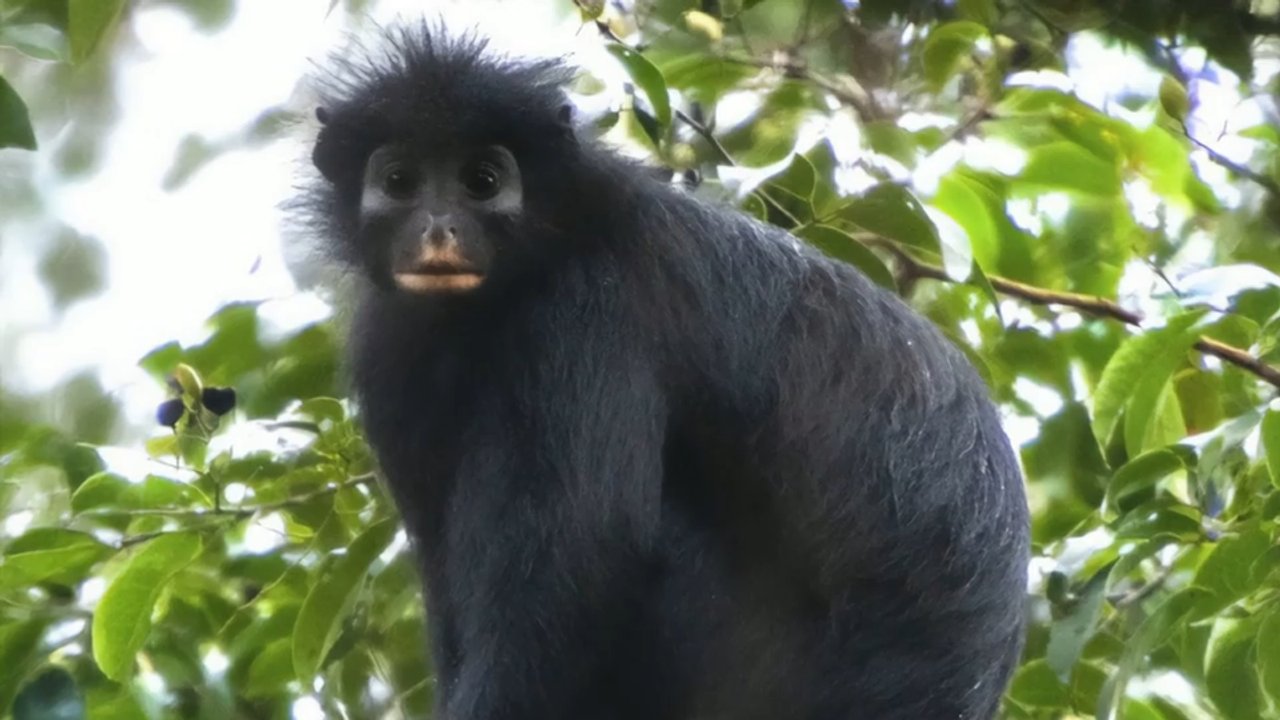
A search that began with a picture of a tail in the trees eventually took researchers deep into Lomami National Park in the Democratic Republic of Congo on a quest to find out exactly what kind of monkey they were dealing with. Using microphones, cameras and genetic testing, they gathered enough evidence to confirm that the animal is a distinct species, now named Colobus congoensis — the first time a monkey is being named after the Congo!
It belongs to a group of plant-eating primates that live high in trees and do not have thumbs, but the Colobus congoensis has some unique characteristics. It uses a roaring call that announces its presence through dense tropical forest and has distinctive pinkish-orange lips that researchers think could act as a visual signal, perhaps helping it attract a mate. It also gives you someone to blame if your sibling asks, “Who ate the last orange creamsicle?!”
Scientists still have a lot to learn about this monkey, but it seems rare and limited to a particular habitat in the central-eastern part of the country. Researchers hope that officially recognizing it as a separate species will help protect both the monkey and the environment it depends on.
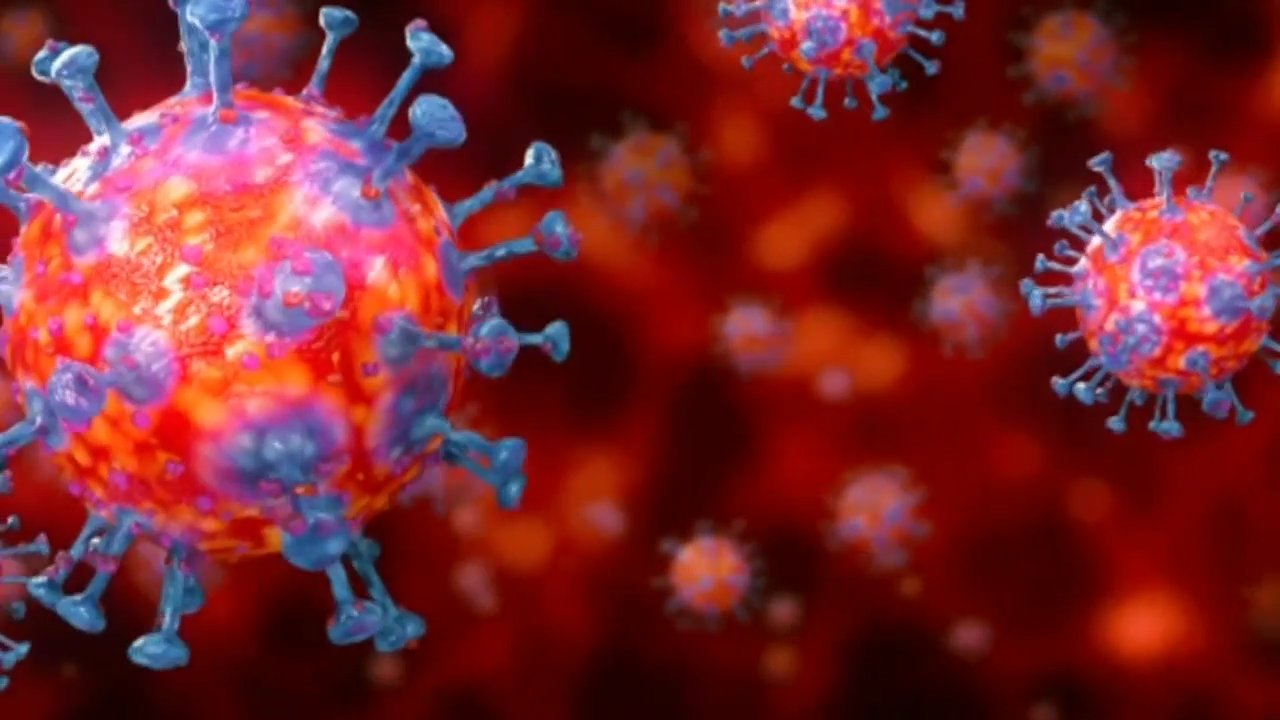
Okay, ChatGPT can't cure COVID, but using AI to develop vaccines has shown promising results.
Even though COVID vaccines ultimately saved lives, many were lost in the early days of the disease because scientists couldn’t develop the vaccine faster than the virus spread, and they had to update it when the virus mutated. Now, a team at the University of Cambridge has a way to get ahead of things.
They took the genetic blueprint of multiple coronaviruses related to the one that caused COVID-19 (think: the guest list to the worst family reunion ever) and are using artificial intelligence to work on a vaccine that would protect against a range of the viruses. It’s the first time a vaccine’s key component has been designed by AI and tested on people, but the trial’s work could open up a world of possibilities. Success would signify that we can use an AI antigen that’s safe and, importantly, can represent a whole group of viruses. That would mean we could move away from chasing a particular infection when it happens and towards preventing a whole family of viruses.
It’s too soon to know for sure, but scientists are hopeful that this technology can be implemented to replace the flu vaccine, prepare for bird flu, or protect against hemorrhagic fevers like Ebola.
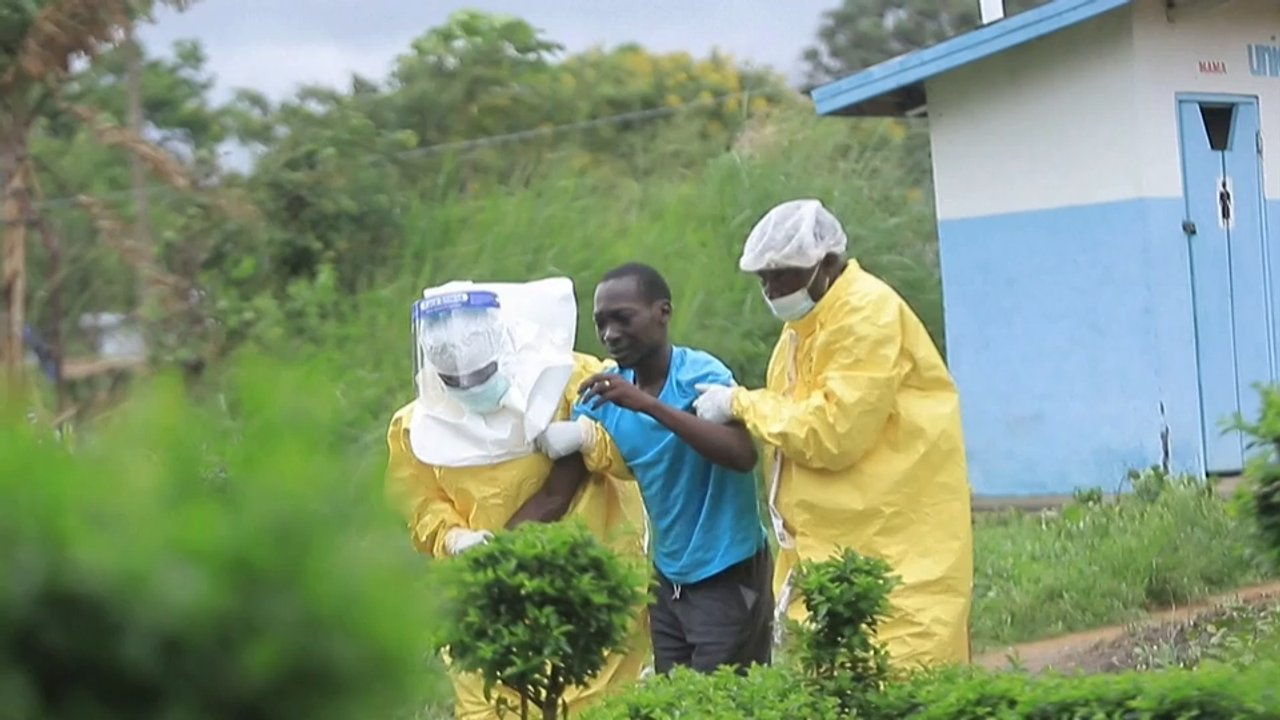
The Democratic Republic of the Congo (DRC) is months into a serious Ebola outbreak caused by the Bundibugyo species of the virus. Its rapid spread has prompted health officials to raise the risk assessment to "very high" nationally, "high" regionally, and "low" globally. The Bundibugyo species has a case fatality rate of about one in three people, and there's currently no approved vaccine for this type of Ebola. Scientists at the University of Oxford are racing to develop one, using a strategy that may sound familiar.
During the COVID-19 pandemic, scientists were able to develop vaccines quickly by using a harmless virus to deliver genetic material from the coronavirus. It may sound like the world’s worst Amazon delivery, but that material acts as instructions to teach the immune system what to recognize, so it can fight the real virus if a person is exposed later. It’s like showing your immune system a "wanted poster" of a criminal, and giving your body time to figure out how to respond if faced with the actual criminal.
Now, scientists are using the same strategy for Ebola: a harmless virus delivers genetic instructions from the Bundibugyo Ebola virus, helping the immune system prepare without causing the disease itself. Health officials hope the outbreak can be contained without a vaccine, but because Ebola can spread quickly and cause severe illness, having a vaccine ready would provide another powerful tool to help stop it — a definite case of "better safe than sorry."
In Some People Don't Feel Pain, Paul describes his unique condition. Paul was born with congenital insensitivity to pain, a rare genetic condition that prevents his brain from processing pain sensations. Explore how pain is created in the body, the risks associated with not feeling pain, and the science behind this rare condition. This video is excerpted from BBC’s The World’s Most Extraordinary People, a documentary series revealing how rare medical conditions inspire groundbreaking scientific discoveries.
The article "7 Surprising Facts We Now Know About Neanderthals" from BBC's HistoryExtra is a fascinating look at the evolution and legacy of Neanderthals. Archaeologist Rebecca Wragg Sykes explains how these ancient humans were intelligent, adaptable, and left a genetic mark on billions of people today. The piece debunks old myths and highlights seven groundbreaking facts about Neanderthal life and culture.
In Understanding Sickle Cell Disease, learn about Sanaya, a young girl whose unique blood helps her avoid symptoms of sickle cell disease. By examining the presence of fetal hemoglobin in her blood, discover how hemoglobin functions in the body and how it can impact individuals with sickle cell disease. This video is excerpted from BBC’s The World’s Most Extraordinary People, a documentary series revealing how rare medical conditions inspire groundbreaking scientific discoveries.
In Understanding Bone Growth Disorders, learn about a rare genetic condition that causes bones to grow abnormally dense. Follow Tim, a man with sclerosteosis, whose bones are 1.5 times denser than granite, which has both advantages and serious medical challenges. His experience with the condition provides insight into how our bones grow and what happens when that growth is excessive. This video is excerpted from BBC’s The World’s Most Extraordinary People, a documentary series revealing how rare medical conditions inspire groundbreaking scientific discoveries.
The article "The Last Days of the Neanderthals: When and Why Our Ancient Cousins Disappeared" from BBC's HistoryExtra explores how and why Neanderthals vanished from the Earth. Archaeological evidence and genetic studies point to multiple factors, including climate change, competition with Homo sapiens, and interbreeding. Despite their extinction, Neanderthal DNA still lives on in modern humans.
The article "Is Coffee in Danger of Disappearing?" from BBC's Science Focus explains how wild coffee plants are at high risk of extinction due to threats like climate change, pests, and deforestation. These wild plants are crucial for developing strong, disease-resistant coffee crops.
“Beautiful on the inside” may be weirdly appropriate for bugs, considering the 3D map of the male fruit fly brain and nervous system more closely resembles a museum-worthy mosaic or a bowl of fruity cereal than the tiny nuisance you’re used to seeing flying around your apples. Scientists recently created this colorful detailed map by slicing and analyzing every nerve cell with an electron microscope — that’s a microscope that uses accelerated electrons instead of visible light to produce images that can be both extremely magnified and incredibly clear at the same time.
The same team previously mapped a female fly brain a couple of years ago and compared the male and female brains to see that roughly 95% of their brain wiring was similar, while about 5% differed.
But those small differences make for some big differences in behavior, including courtship, aggression, detecting competitors, and producing a “love song” by beating the wings.
It's not news (to these scientists, at least) that just two genes were linked to these behaviors, but comparing these 3D maps helped them learn more about the connection between those genes and the specific brain circuits producing the behavior.
Researchers hope the same logic around connecting genes to brain wiring to behavior can eventually be applied to other animals and maybe even humans! This might help scientists investigate conditions with strong genetic influences, including schizophrenia and autism.
Most of our sub-par pictures just take up space on our phones and show off the insides of our pockets, but one blurry photo launched an almost two decades-long scientific endeavor.
A search that began with a picture of a tail in the trees eventually took researchers deep into Lomami National Park in the Democratic Republic of Congo on a quest to find out exactly what kind of monkey they were dealing with. Using microphones, cameras and genetic testing, they gathered enough evidence to confirm that the animal is a distinct species, now named Colobus congoensis — the first time a monkey is being named after the Congo!
It belongs to a group of plant-eating primates that live high in trees and do not have thumbs, but the Colobus congoensis has some unique characteristics. It uses a roaring call that announces its presence through dense tropical forest and has distinctive pinkish-orange lips that researchers think could act as a visual signal, perhaps helping it attract a mate. It also gives you someone to blame if your sibling asks, “Who ate the last orange creamsicle?!”
Scientists still have a lot to learn about this monkey, but it seems rare and limited to a particular habitat in the central-eastern part of the country. Researchers hope that officially recognizing it as a separate species will help protect both the monkey and the environment it depends on.
Okay, ChatGPT can't cure COVID, but using AI to develop vaccines has shown promising results.
Even though COVID vaccines ultimately saved lives, many were lost in the early days of the disease because scientists couldn’t develop the vaccine faster than the virus spread, and they had to update it when the virus mutated. Now, a team at the University of Cambridge has a way to get ahead of things.
They took the genetic blueprint of multiple coronaviruses related to the one that caused COVID-19 (think: the guest list to the worst family reunion ever) and are using artificial intelligence to work on a vaccine that would protect against a range of the viruses. It’s the first time a vaccine’s key component has been designed by AI and tested on people, but the trial’s work could open up a world of possibilities. Success would signify that we can use an AI antigen that’s safe and, importantly, can represent a whole group of viruses. That would mean we could move away from chasing a particular infection when it happens and towards preventing a whole family of viruses.
It’s too soon to know for sure, but scientists are hopeful that this technology can be implemented to replace the flu vaccine, prepare for bird flu, or protect against hemorrhagic fevers like Ebola.
The Democratic Republic of the Congo (DRC) is months into a serious Ebola outbreak caused by the Bundibugyo species of the virus. Its rapid spread has prompted health officials to raise the risk assessment to "very high" nationally, "high" regionally, and "low" globally. The Bundibugyo species has a case fatality rate of about one in three people, and there's currently no approved vaccine for this type of Ebola. Scientists at the University of Oxford are racing to develop one, using a strategy that may sound familiar.
During the COVID-19 pandemic, scientists were able to develop vaccines quickly by using a harmless virus to deliver genetic material from the coronavirus. It may sound like the world’s worst Amazon delivery, but that material acts as instructions to teach the immune system what to recognize, so it can fight the real virus if a person is exposed later. It’s like showing your immune system a "wanted poster" of a criminal, and giving your body time to figure out how to respond if faced with the actual criminal.
Now, scientists are using the same strategy for Ebola: a harmless virus delivers genetic instructions from the Bundibugyo Ebola virus, helping the immune system prepare without causing the disease itself. Health officials hope the outbreak can be contained without a vaccine, but because Ebola can spread quickly and cause severe illness, having a vaccine ready would provide another powerful tool to help stop it — a definite case of "better safe than sorry."