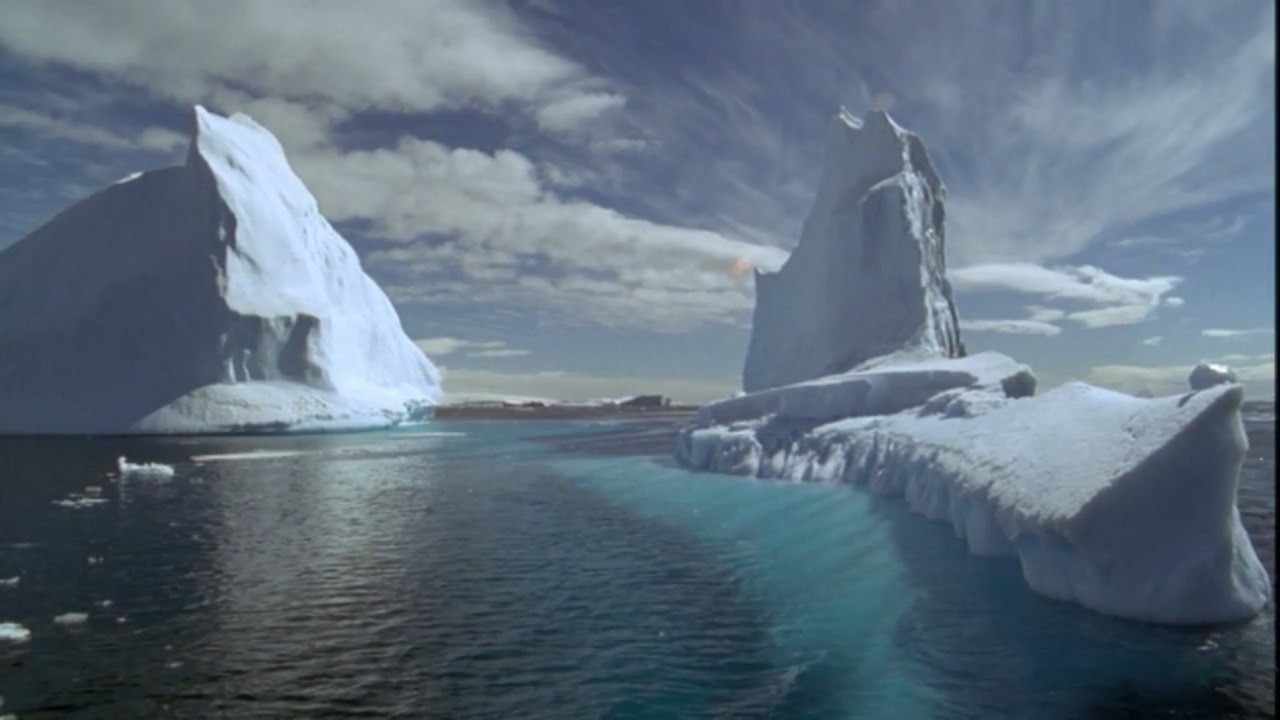
In The Animals That Make up the Antarctic Food Web, narrator Sir David Attenborough shares information about the animals that make up the Antarctic food web. Watch minke whales, humpback whales, fur seals, and krill. Learn about icebergs in the Antarctic. This video is excerpted from BBC’s Blue Planet, a definitive documentary series diving into the mysterious depths of the sea to discover the natural history of the world’s oceans and the rarely seen marine life that reside there.
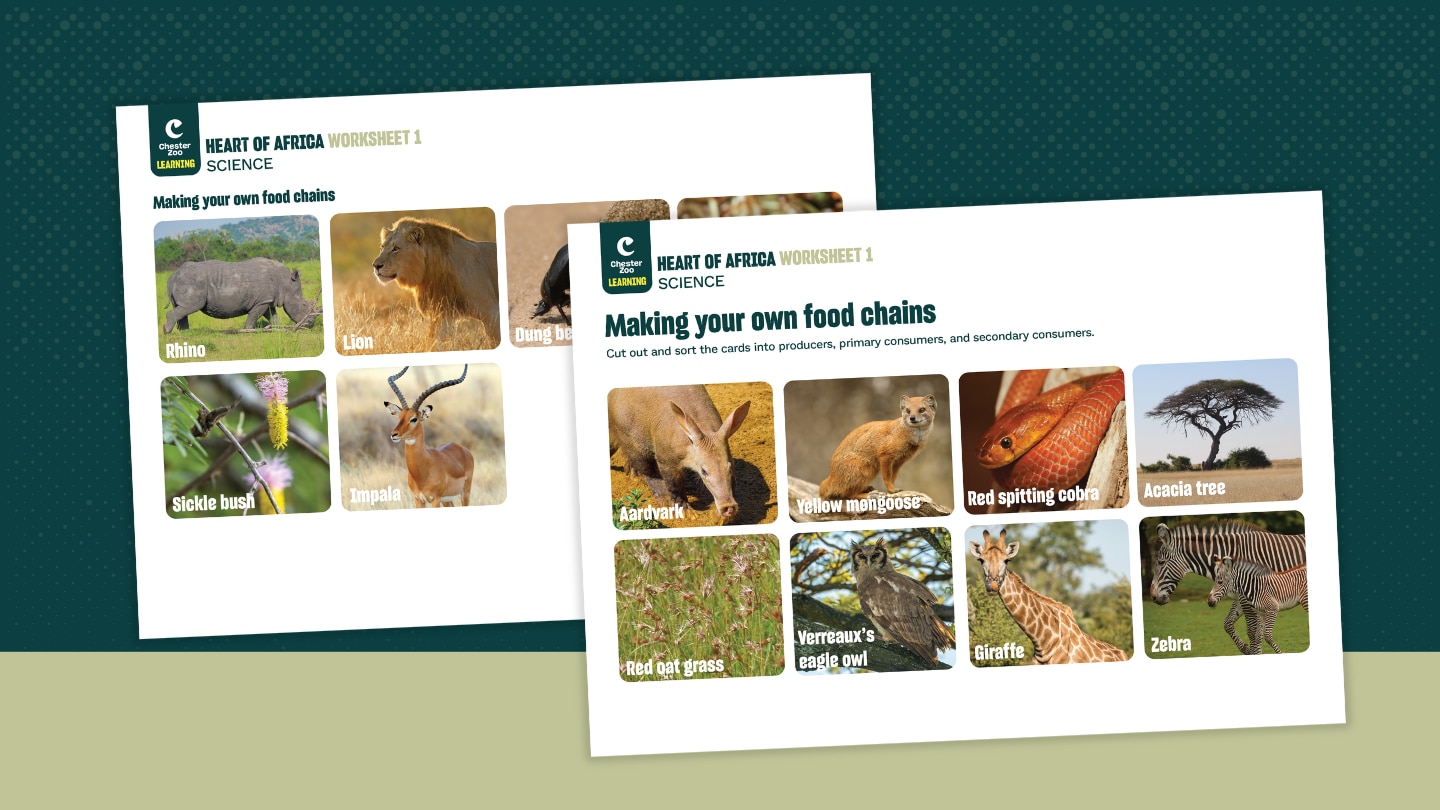
Predators and prey. Producers and consumers. They're all part of food chains! With this worksheets, you'll get the opportunity to sort African savanna species into groups (producers, primary consumer, and secondary consumers) and learn a lot about interdependence along the way. The cards include amazing savanna species like:
- Aardvark
- Yellow mongoose
- Red spitting cobra
- Acacia tree
- And more!
These worksheets accompany a Chester Zoo interactive lesson on food chains.
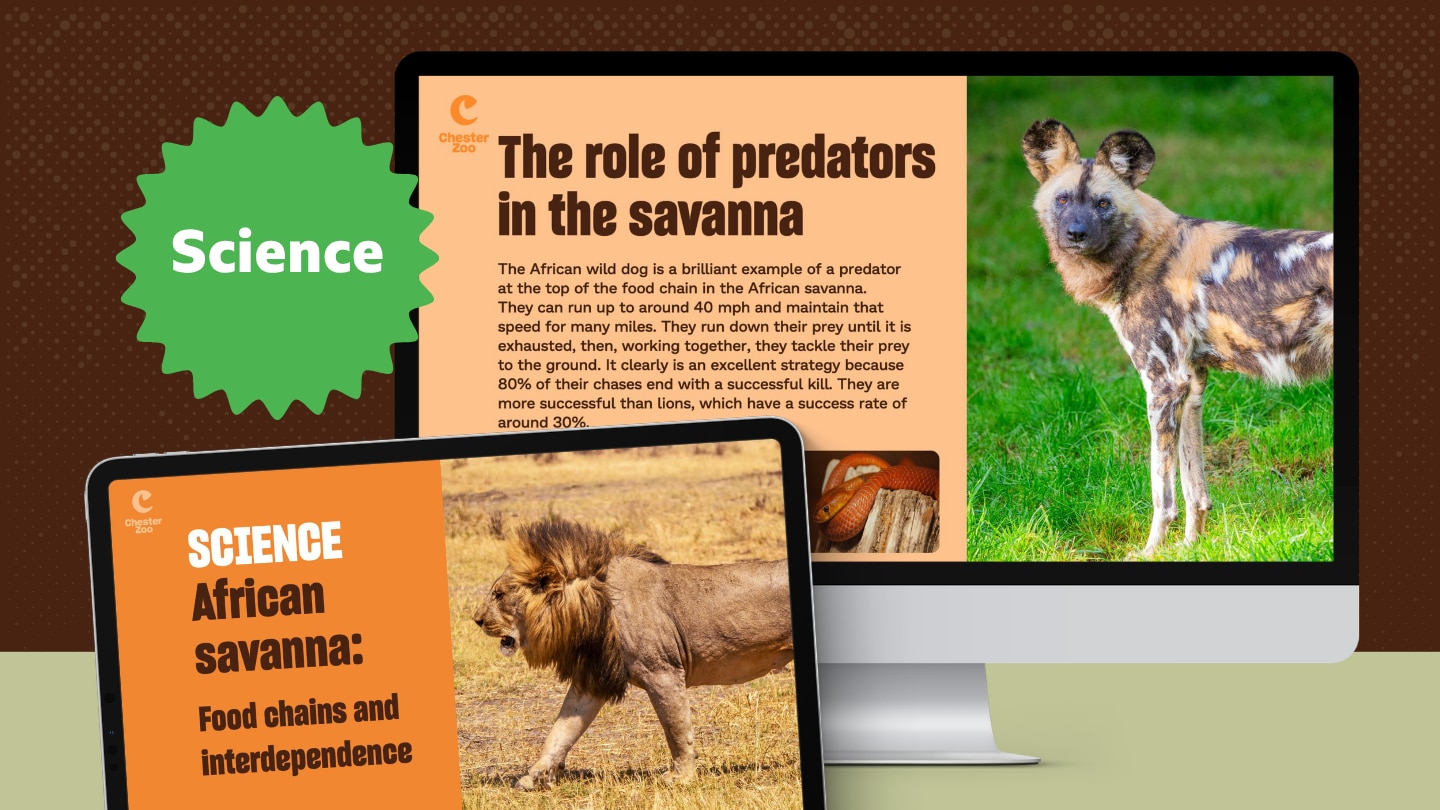
Life in the savanna is all connected! Step into the African savanna with Chester Zoo and discover what happens when plants, herbivores, and predators all depend on one another to survive. Meet some of the animals that make this ecosystem their home and uncover the important role each plays in keeping the food web in balance.
Start by following energy as it moves through a food chain — from plants to the animals that eat them and on to predators. Then investigate what happens when one part of the chain changes. What might happen to the rest of the ecosystem if an animal disappears? And why are predators so important to a healthy savanna?
Use real African wildlife to explore these connections, build your own food chains, and think like a zoologist as you investigate the interdependence of life on the savanna. By the end, you'll see that in a healthy ecosystem, every living thing has a role to play.
Don't miss the food chain cards that go with this lesson!
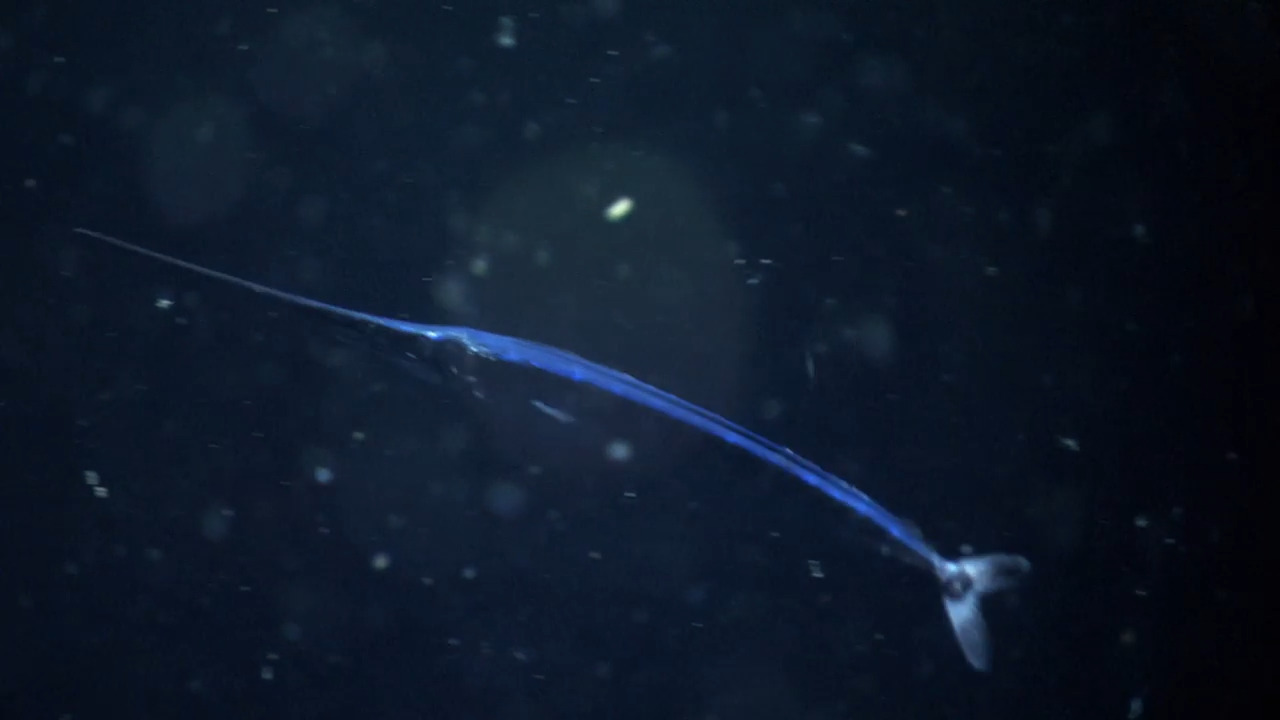
In The Nocturnal Migration of Plankton, narrator David Attenborough explains how plankton retreats into the ocean depths as the Sun rises. To follow them, we descend in a submarine where pressure increases, and temperatures drop. At 500 meters (1,640 feet) below, strange creatures emerge. Organic particles, known as marine snow, drift down, serving as food for many animals like the sea spider, which uses feathered leg-like appendages to capture it. Meanwhile, the sawtooth eel waits motionless, ready to strike at silhouetted prey swimming near the faint glow from the surface. This video is excerpted from BBC’s Planet Earth, a breathtaking documentary series that highlights the natural wonders of our planet.
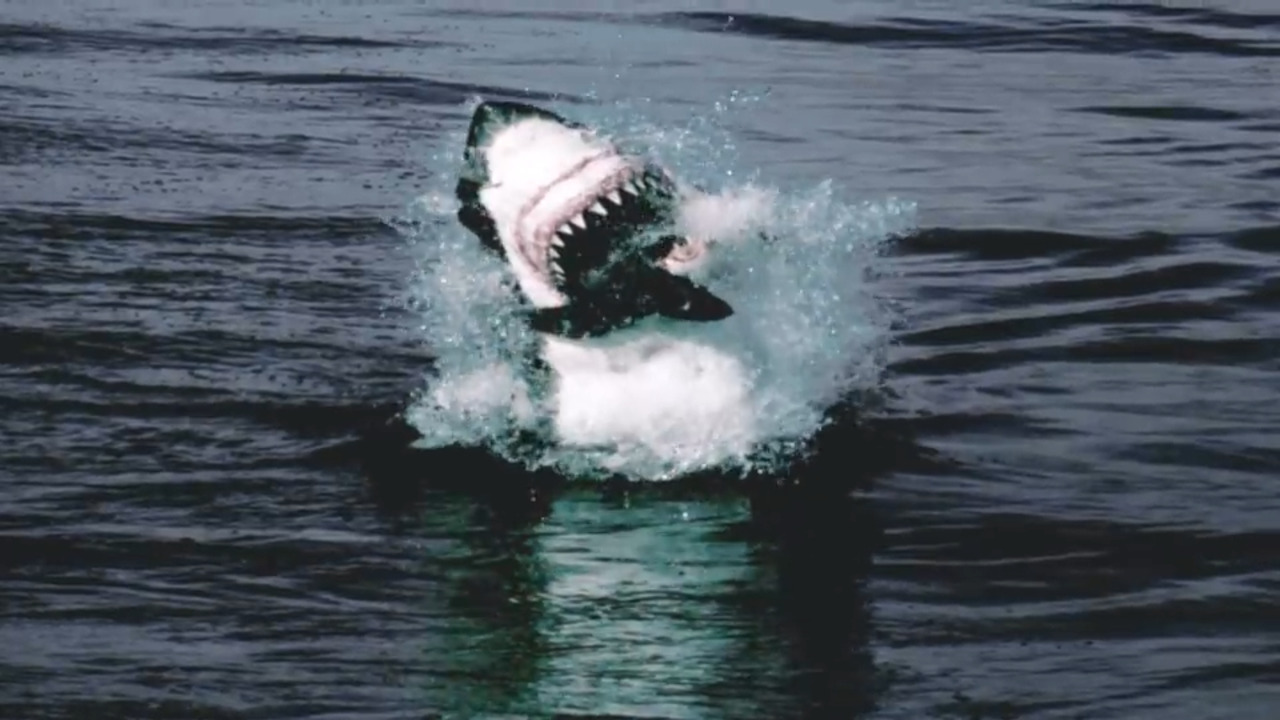
In Great White Sharks vs. Cape Fur Seals, seals head out to sea. As they swim, they must get past great white sharks, apex predators that are waiting to throw their weight around to capture a seal snack. This video is excerpted from BBC’s Planet Earth, a breathtaking documentary series that highlights the natural wonders of our planet.
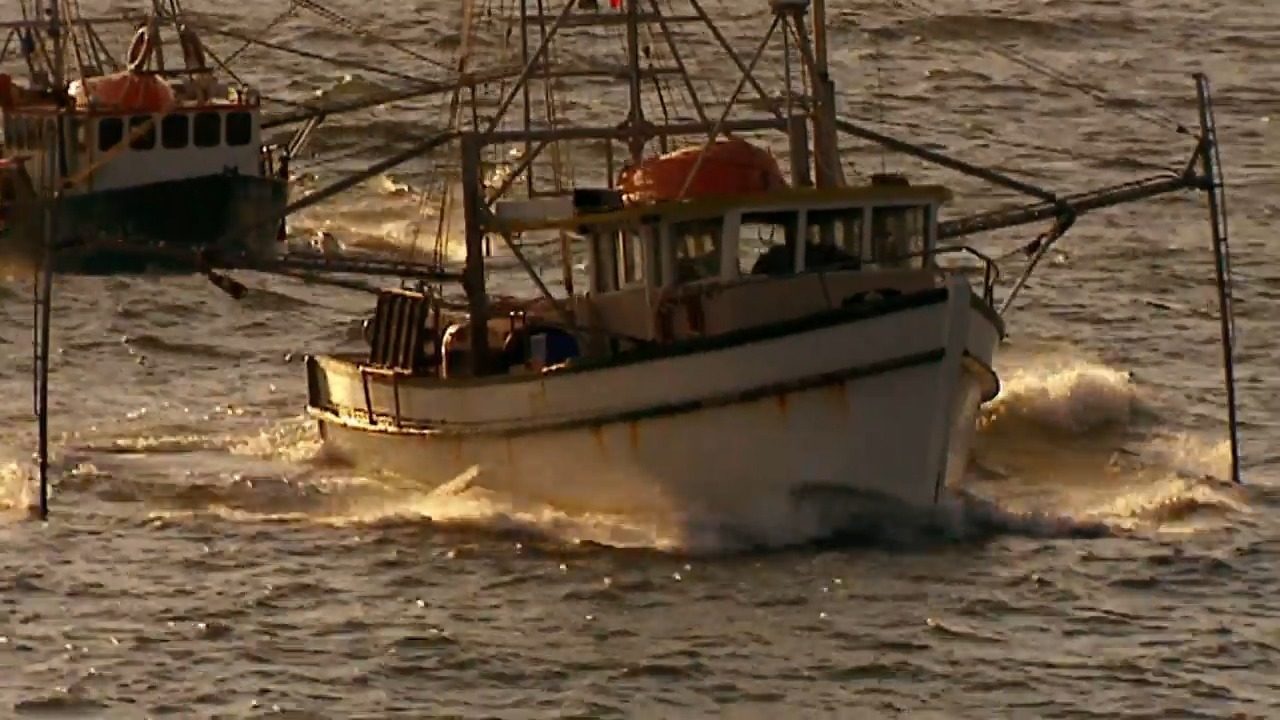
In The Problem With Modern Fishing, narrator Sir David Attenborough describes how technology has made commercial fishing a large-scale operation. The result: overfishing, fewer fish in the oceans, and sometimes the collapse of specific types of fish. This video is excerpted from BBC’s Horizon: The Death of the Oceans, which reveals what scientists are learning about what is happening in the oceans and whether it is too late to save their remarkable diversity.
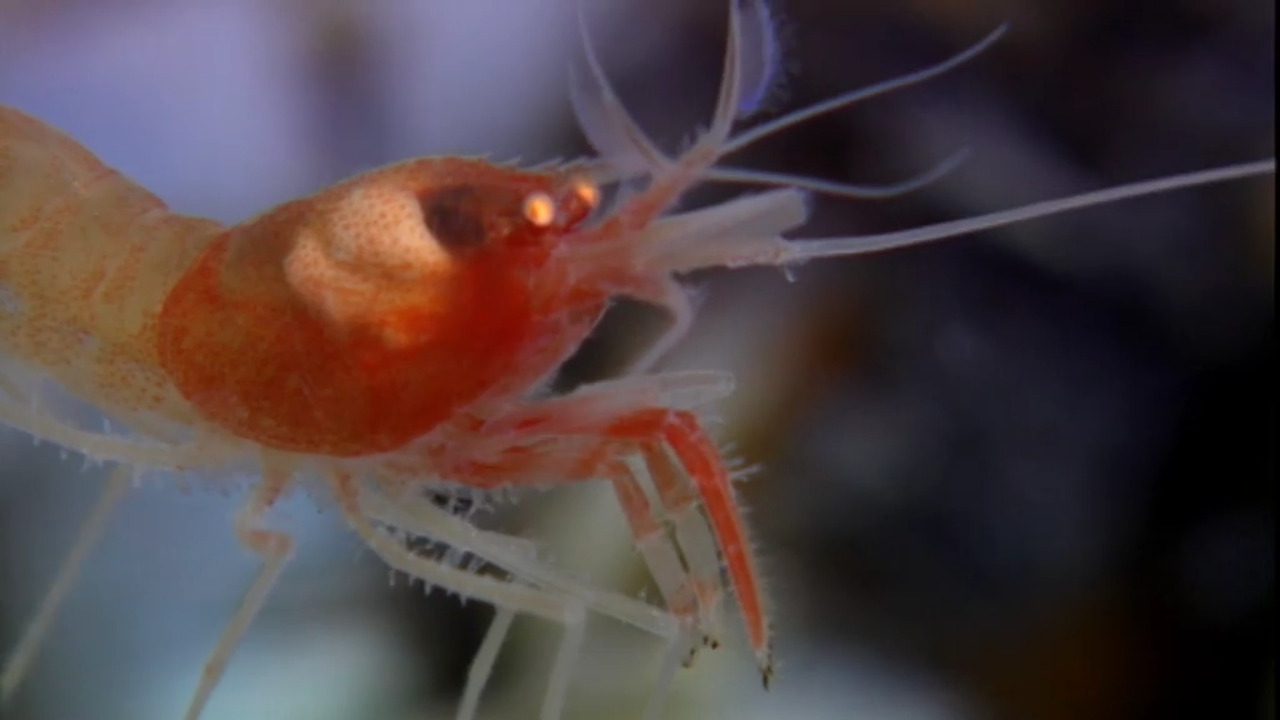
In Life Around the Mid-Ocean Ridges, narrator Sir David Attenborough showcases the animals that live around vents deep in the ocean, far from sunlight. Learn about tube-worms, crabs, and other animals that are densely packed and live on bacteria. This video is excerpted from BBC’s Blue Planet, a definitive documentary series diving into the mysterious depths of the sea to discover the natural history of the world’s oceans and the rarely seen marine life that reside there.
In The Animals That Make up the Antarctic Food Web, narrator Sir David Attenborough shares information about the animals that make up the Antarctic food web. Watch minke whales, humpback whales, fur seals, and krill. Learn about icebergs in the Antarctic. This video is excerpted from BBC’s Blue Planet, a definitive documentary series diving into the mysterious depths of the sea to discover the natural history of the world’s oceans and the rarely seen marine life that reside there.
Predators and prey. Producers and consumers. They're all part of food chains! With this worksheets, you'll get the opportunity to sort African savanna species into groups (producers, primary consumer, and secondary consumers) and learn a lot about interdependence along the way. The cards include amazing savanna species like:
- Aardvark
- Yellow mongoose
- Red spitting cobra
- Acacia tree
- And more!
These worksheets accompany a Chester Zoo interactive lesson on food chains.
Life in the savanna is all connected! Step into the African savanna with Chester Zoo and discover what happens when plants, herbivores, and predators all depend on one another to survive. Meet some of the animals that make this ecosystem their home and uncover the important role each plays in keeping the food web in balance.
Start by following energy as it moves through a food chain — from plants to the animals that eat them and on to predators. Then investigate what happens when one part of the chain changes. What might happen to the rest of the ecosystem if an animal disappears? And why are predators so important to a healthy savanna?
Use real African wildlife to explore these connections, build your own food chains, and think like a zoologist as you investigate the interdependence of life on the savanna. By the end, you'll see that in a healthy ecosystem, every living thing has a role to play.
Don't miss the food chain cards that go with this lesson!
In The Nocturnal Migration of Plankton, narrator David Attenborough explains how plankton retreats into the ocean depths as the Sun rises. To follow them, we descend in a submarine where pressure increases, and temperatures drop. At 500 meters (1,640 feet) below, strange creatures emerge. Organic particles, known as marine snow, drift down, serving as food for many animals like the sea spider, which uses feathered leg-like appendages to capture it. Meanwhile, the sawtooth eel waits motionless, ready to strike at silhouetted prey swimming near the faint glow from the surface. This video is excerpted from BBC’s Planet Earth, a breathtaking documentary series that highlights the natural wonders of our planet.
In Great White Sharks vs. Cape Fur Seals, seals head out to sea. As they swim, they must get past great white sharks, apex predators that are waiting to throw their weight around to capture a seal snack. This video is excerpted from BBC’s Planet Earth, a breathtaking documentary series that highlights the natural wonders of our planet.
In The Problem With Modern Fishing, narrator Sir David Attenborough describes how technology has made commercial fishing a large-scale operation. The result: overfishing, fewer fish in the oceans, and sometimes the collapse of specific types of fish. This video is excerpted from BBC’s Horizon: The Death of the Oceans, which reveals what scientists are learning about what is happening in the oceans and whether it is too late to save their remarkable diversity.
In Life Around the Mid-Ocean Ridges, narrator Sir David Attenborough showcases the animals that live around vents deep in the ocean, far from sunlight. Learn about tube-worms, crabs, and other animals that are densely packed and live on bacteria. This video is excerpted from BBC’s Blue Planet, a definitive documentary series diving into the mysterious depths of the sea to discover the natural history of the world’s oceans and the rarely seen marine life that reside there.