
The article "Taking Flight: The Wright Brothers and the Birth of Aviation" from BBC's HistoryExtra tells the story of how Wilbur and Orville Wright achieved the first successful human flight on December 17, 1903. Despite its short distance, their powered and controlled flight marked the beginning of modern aviation.
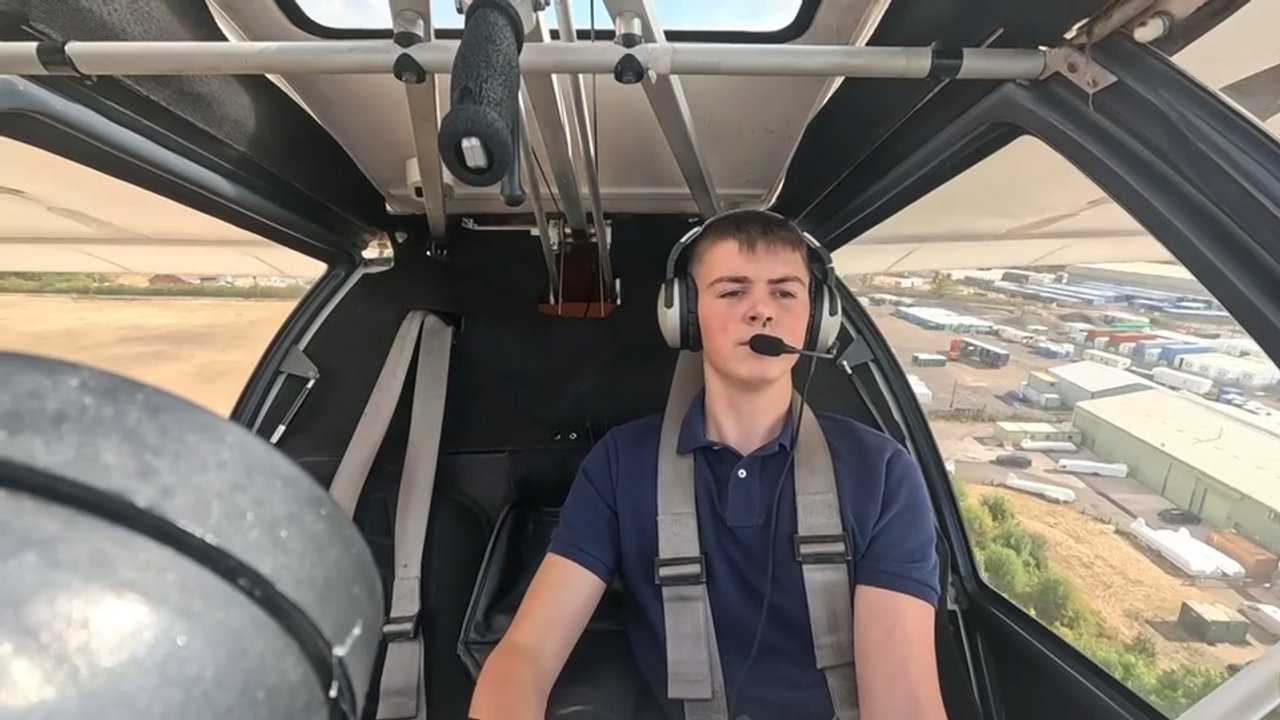
Most people hear “getting a license” and think of driving a car. But what if there was another option, with a lot less traffic? Thousands of teens in the UK are getting the chance to learn to fly, thanks to a charity called British Young Pilots (BYP).
Patrick founded it in 2023. Growing up near Heathrow, London’s biggest airport, he never thought flying would be for someone like him. Now he wants to open it up to everyone. Patrick has ADHD, and so does 13-year-old Izzy, who has autism. Her first lesson was more than an exciting ride. It was a chance to find something she might really want to pursue, and her family says that kind of passion matters for her sense of purpose and well-being.
Flying is expensive, so BYP works to bring the price down. It uses microlights, which are very small, light aircraft, and does much of its teaching in schools on flight simulators. That saves money and fuel. About 2,000 students from all backgrounds have enrolled so far, and around 200 get bursaries (grants) that cut their costs by 80%.
Up, up, and away! Then safely back down, of course. These young pilots still have homework to do.
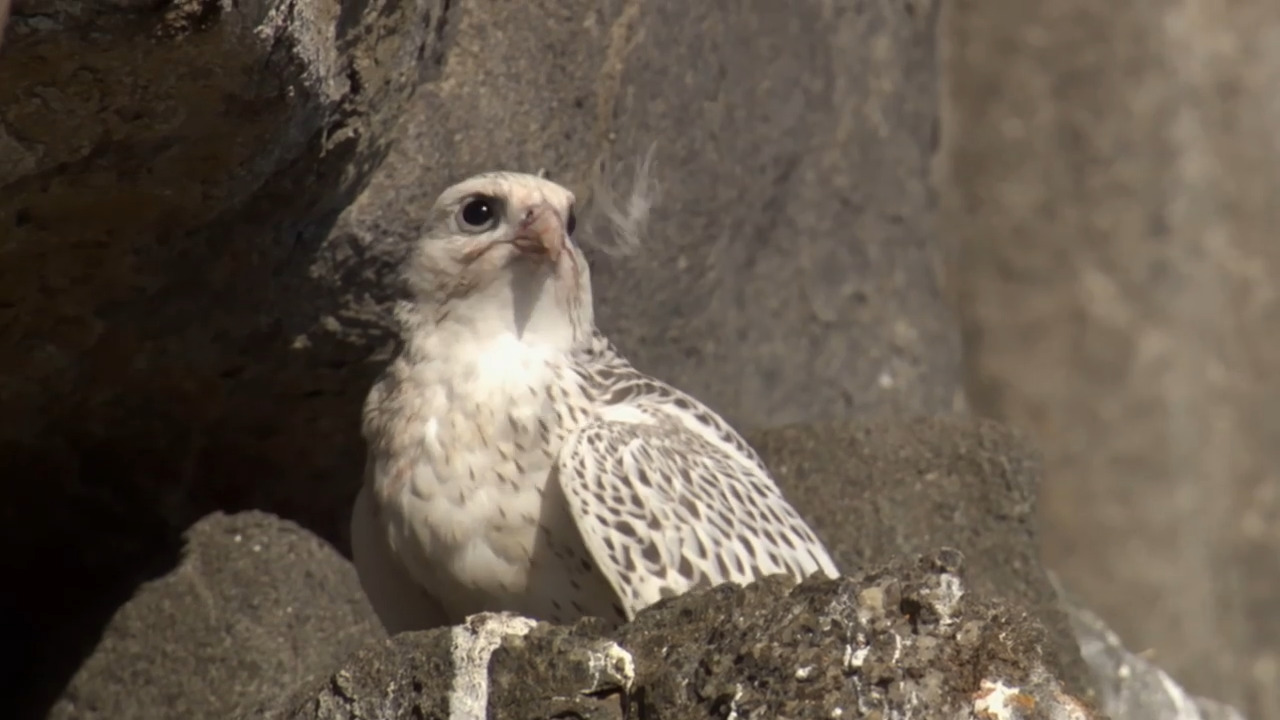
In Gyrfalcon Chicks Learn To Fly, narrator Gordon Buchanan describes how young chicks get ready to leave the nest. A brave female takes flight but crash lands among the rocky slopes. With a white wolf approaching, she must quickly learn to take off from the ground. This video is excerpted from BBC's Animal Babies, a heartwarming show that follows the first breaths, first steps, and first feeds of some adorable baby animals, revealing the challenges they face to survive in some of the toughest but most beautiful places on the planet.
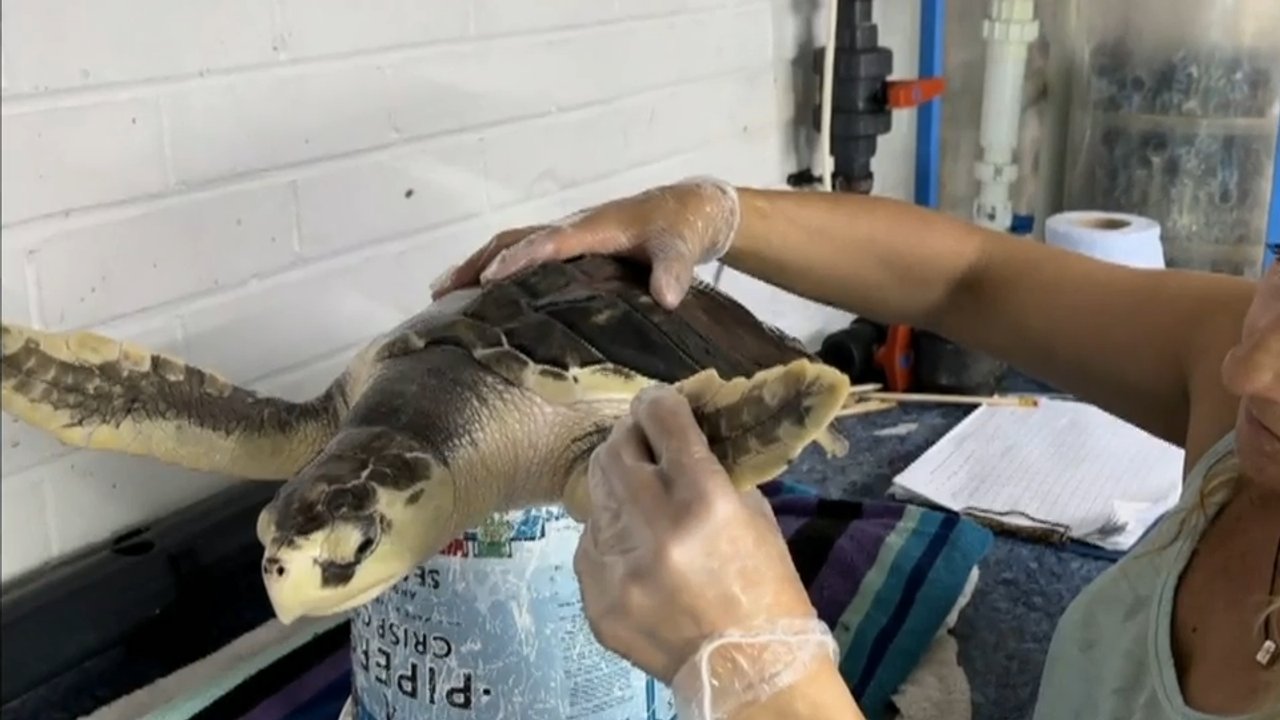
Lots of people find seashells on the beach. Far fewer find a rare sea turtle. But that’s what a dog named Meg did on a walk along a beach in Wales, part of the United Kingdom, in December 2023.
The turtle was a Kemp’s ridley, and he was about 5,000 miles from home. Kemp’s ridleys live in the Gulf of Mexico, but ocean currents and strong winds likely carried this one across the Atlantic into much colder water. By the time he washed ashore, he was severely cold-stunned. That happens to cold-blooded sea animals, most often sea turtles, when the water temperature drops quickly, usually below 50°F. That might not sound freezing, but a typical swimming pool is around 80°F. Remember how cold that feels when you first jump in.
A cold-stunned turtle becomes weak, stiff, and unable to swim properly, so he was lucky to be found. Staff at Anglesey Sea Zoo named him Rhossi, after Rhosneigr, the beach where he was found. They warmed him up very slowly, by only about one degree a day, because warming too fast can be dangerous. He spent nearly two years recovering.
This summer, Rhossi finally went home. He flew by helicopter from Anglesey, an island off the coast of Wales, to London. From there, he took a cargo flight to Houston, Texas, to prepare for his release into the Gulf.
The rescue matters for more than just Rhossi. Kemp’s ridleys are the smallest sea turtles and among the most endangered. They lay their eggs on only a few beaches in Mexico and Texas, and only about 7,000 to 9,000 nesting females are left in the world. Every single turtle counts.
The article "Taking Flight: The Wright Brothers and the Birth of Aviation" from BBC's HistoryExtra tells the story of how Wilbur and Orville Wright achieved the first successful human flight on December 17, 1903. Despite its short distance, their powered and controlled flight marked the beginning of modern aviation.
Most people hear “getting a license” and think of driving a car. But what if there was another option, with a lot less traffic? Thousands of teens in the UK are getting the chance to learn to fly, thanks to a charity called British Young Pilots (BYP).
Patrick founded it in 2023. Growing up near Heathrow, London’s biggest airport, he never thought flying would be for someone like him. Now he wants to open it up to everyone. Patrick has ADHD, and so does 13-year-old Izzy, who has autism. Her first lesson was more than an exciting ride. It was a chance to find something she might really want to pursue, and her family says that kind of passion matters for her sense of purpose and well-being.
Flying is expensive, so BYP works to bring the price down. It uses microlights, which are very small, light aircraft, and does much of its teaching in schools on flight simulators. That saves money and fuel. About 2,000 students from all backgrounds have enrolled so far, and around 200 get bursaries (grants) that cut their costs by 80%.
Up, up, and away! Then safely back down, of course. These young pilots still have homework to do.
In Gyrfalcon Chicks Learn To Fly, narrator Gordon Buchanan describes how young chicks get ready to leave the nest. A brave female takes flight but crash lands among the rocky slopes. With a white wolf approaching, she must quickly learn to take off from the ground. This video is excerpted from BBC's Animal Babies, a heartwarming show that follows the first breaths, first steps, and first feeds of some adorable baby animals, revealing the challenges they face to survive in some of the toughest but most beautiful places on the planet.
Lots of people find seashells on the beach. Far fewer find a rare sea turtle. But that’s what a dog named Meg did on a walk along a beach in Wales, part of the United Kingdom, in December 2023.
The turtle was a Kemp’s ridley, and he was about 5,000 miles from home. Kemp’s ridleys live in the Gulf of Mexico, but ocean currents and strong winds likely carried this one across the Atlantic into much colder water. By the time he washed ashore, he was severely cold-stunned. That happens to cold-blooded sea animals, most often sea turtles, when the water temperature drops quickly, usually below 50°F. That might not sound freezing, but a typical swimming pool is around 80°F. Remember how cold that feels when you first jump in.
A cold-stunned turtle becomes weak, stiff, and unable to swim properly, so he was lucky to be found. Staff at Anglesey Sea Zoo named him Rhossi, after Rhosneigr, the beach where he was found. They warmed him up very slowly, by only about one degree a day, because warming too fast can be dangerous. He spent nearly two years recovering.
This summer, Rhossi finally went home. He flew by helicopter from Anglesey, an island off the coast of Wales, to London. From there, he took a cargo flight to Houston, Texas, to prepare for his release into the Gulf.
The rescue matters for more than just Rhossi. Kemp’s ridleys are the smallest sea turtles and among the most endangered. They lay their eggs on only a few beaches in Mexico and Texas, and only about 7,000 to 9,000 nesting females are left in the world. Every single turtle counts.