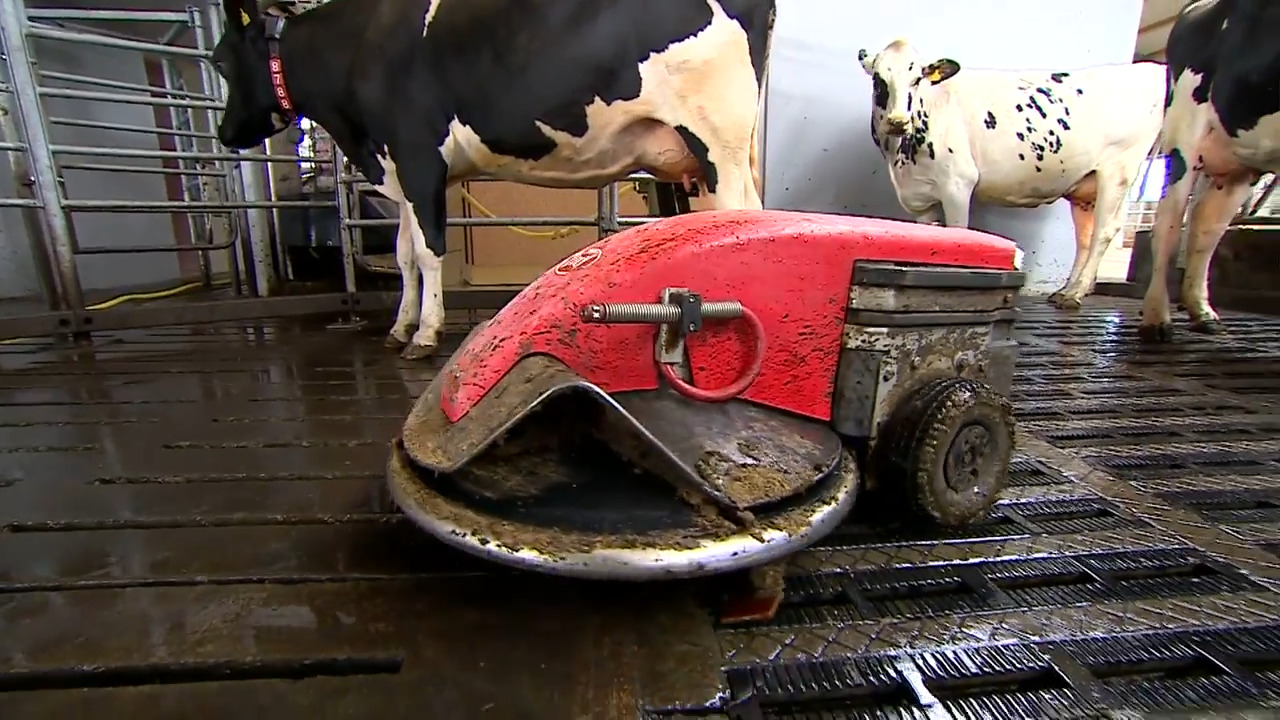
On one futuristic farm, robots do almost everything — feeding cows, cleaning barns, and even milking the animals with laser-guided machines. Farmers say the high-tech system is faster, cheaper, and more precise than human workers, helping produce more milk while lowering costs. But not everyone is impressed. Critics argue that cows are becoming part of an assembly line instead of living animals, since many never roam outside or eat fresh grass. As robots take over more jobs once done by humans, this farm raises a bigger question: when technology makes life more efficient, what might get lost along the way?

This summer, the largest wildfire ever recorded in Spain swept across the country. But the damage doesn’t end when the flames go out. For years, Spain’s sunshine and warm weather have helped its farms and its tourism industry thrive. Now extreme heat, drought, wildfires, and floods are putting both at risk.
Over the past few months, farmers have lost buildings and animals to the fires. Rebuilding would be hard enough in good conditions, but things are getting tougher. Summers are getting hotter, there’s less rain, and the wet season is ending earlier.
Tourism is feeling the effects too. Around 100 million foreign visitors are expected in Spain this year, and tourism makes up about 13% of the country’s economy. But some travelers are now choosing other destinations to avoid extreme temperatures and frequent heatwaves. For those who do visit, tour guides are changing schedules to avoid the hottest part of the day, sticking to shady routes, and making more stops for water.
Heat isn’t the only danger. In 2024, flash floods in the Valencia region of eastern Spain killed more than 230 people and damaged hundreds of businesses. The cost of the damage was equal to about 12% of the region’s GDP, which is the total value of everything the region produces in a year.
Spain’s problems aren’t unique. Climate change shows up in different ways in different places, from heatwaves in one country to floods or drought in another, and no part of the world is untouched.
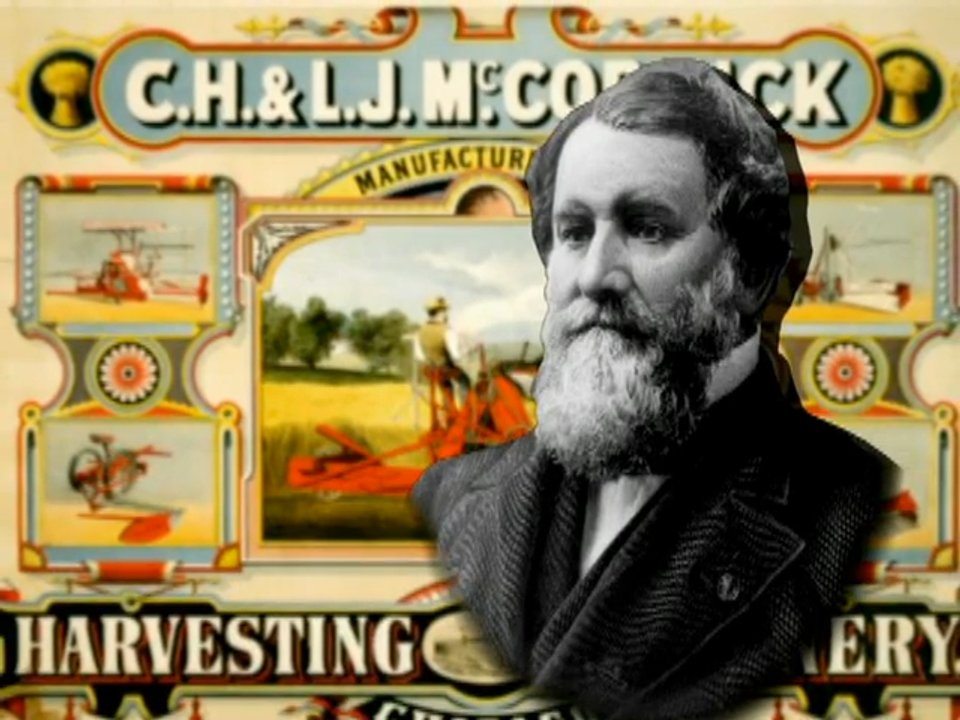
In 1831, Cyrus McCormick successfully demonstrated a machine that could harvest grain more quickly than workers using traditional tools. He patented his reaper in 1834 and later moved to Chicago, where he and his brothers founded the McCormick Harvesting Machine Company. The company produced and shipped reapers across the country, helping farmers increase production and supporting westward expansion.
McCormick was also a successful businessman who offered customers credit, financing, and money-back guarantees. His reaper became popular around the world and helped reduce the need for farm labor, contributing to the growth of cities. After his Chicago factory was destroyed in the Great Chicago Fire of 1871, McCormick rebuilt it and continued developing his machinery.
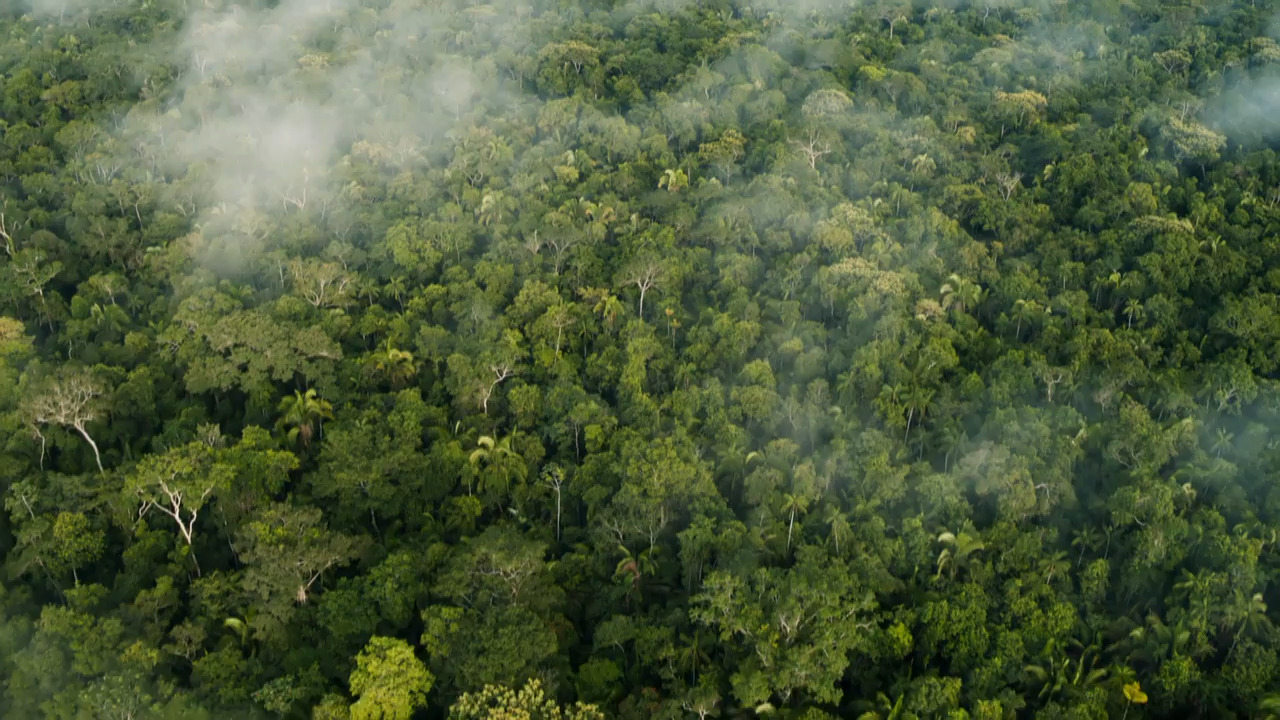
In The Amazon Rainforest and Human Destruction, look at satellite images that show how forests across South America are being replaced by farms at a rapid pace. Over two million species of plants and animals live in the Amazon rainforest and many are endangered. This video is excerpted from BBC’s Seven Worlds, One Planet, a series featuring remarkable animal behavior from all seven continents.
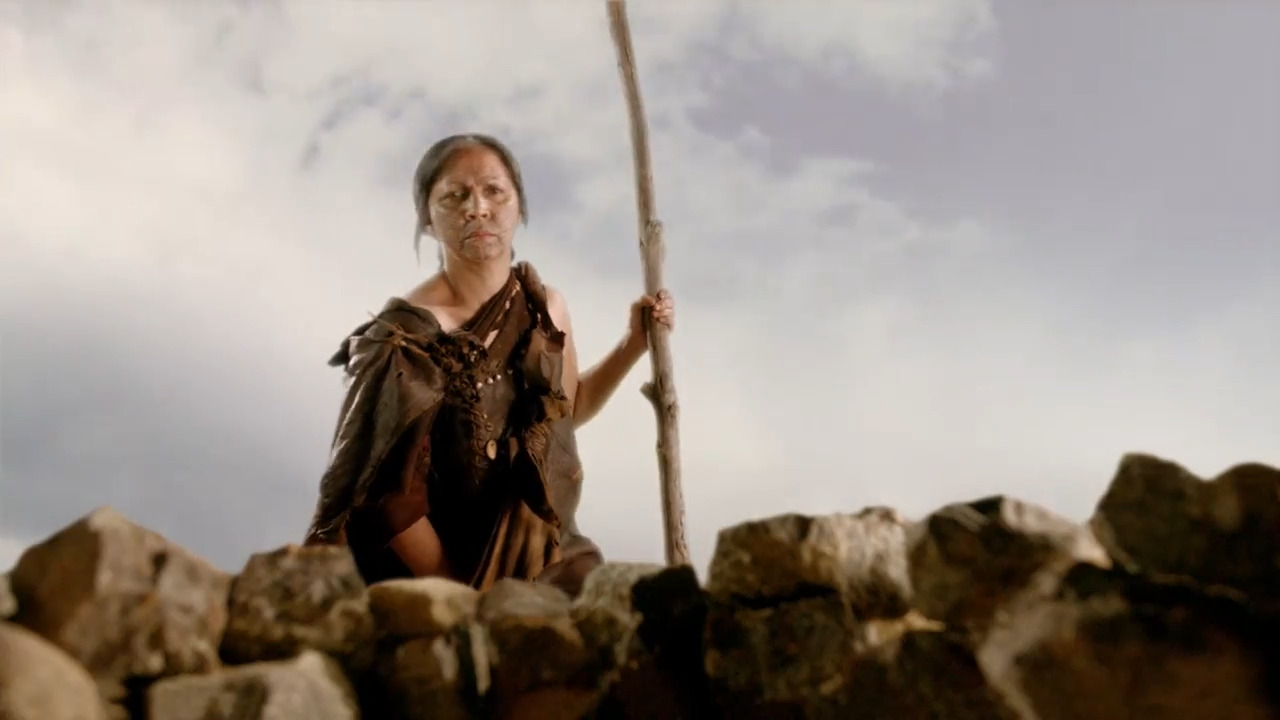
In Life in the Fertile Crescent, host Andrew Marr takes us back 16,000 years. The Earth is warming and modern life starts to take shape as people shift from hunting and gathering to farming. The first farmers in the Fertile Crescent figured out how to grow grains for food, which changed how they lived and what was possible for population growth. This video is excerpted from BBC’s Andrew Marr's History of the World, a story of human history that uses reenactments, modern footage, and storytelling to explain history’s greatest achievements.

In The Go Jetters Down on the Farm, the Go Jetters crew learns how crops grow in different climates and how farmers move water to farmland so crops have what they need to grow. Grandmaster Glitch has an idea to make crops larger, but his mischief shrinks the Go Jetters instead. Will they get swept away by the sprinkler system? This video is excerpted from BBC’s Go Jetters, a series that follows the adventures of four international heroes as they travel the globe visiting landmarks and solving environmental problems with Ubercorn, a disco-dancing unicorn.

In What Makes Tomatoes So Savory?, presenter Cherry Healey visits a tomato farm in Worcester, England. She learns why tomatoes are so savory and are used in so many dishes. This video is excerpted from BBC’s Inside the Factory, a series that takes viewers behind the scenes in the factories that make our favorite products.

In Growing Pigs for Meat, presenter Cherry Healey visits a piglet farm and meets a farmer who raises sows who give birth to litters. The piglets are raised at the farm for five weeks before they are moved to an indoor farm where they continue growing for 20 more weeks. Every part of the pig is used; no part is wasted. This video is excerpted from BBC’s Inside the Factory, a series that takes viewers behind the scenes in the factories that make our favorite products.
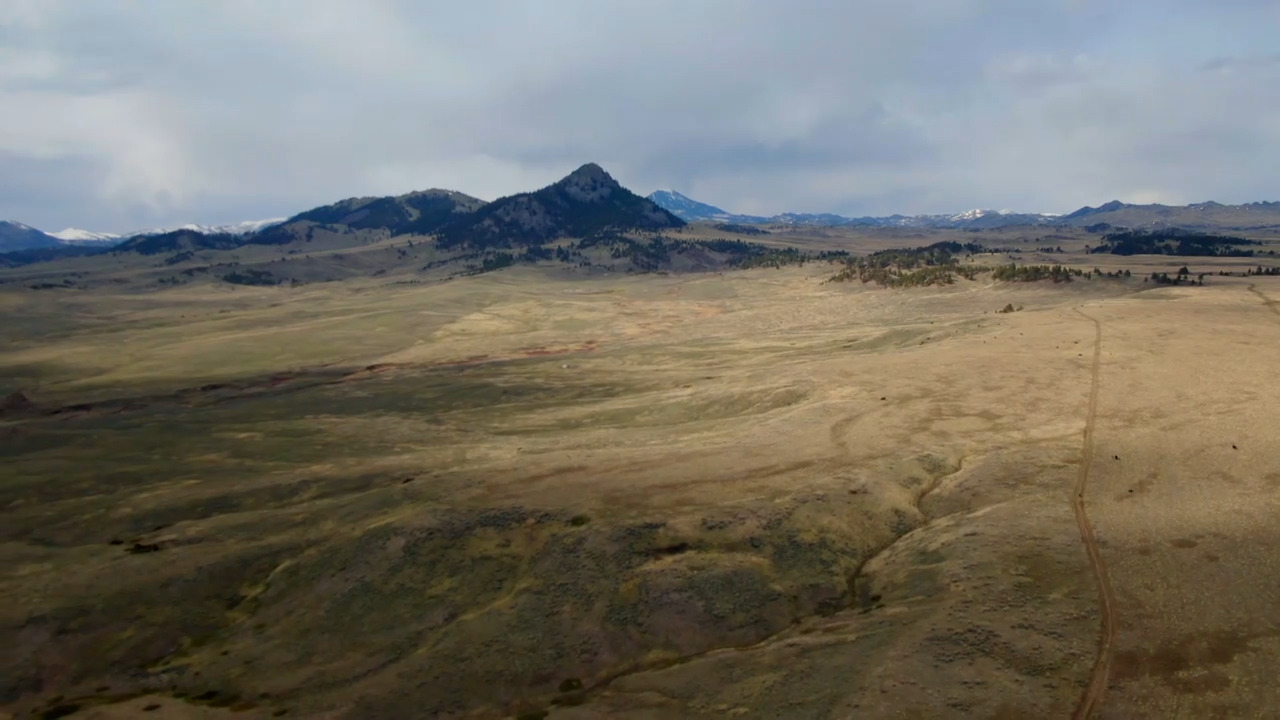
In Cowboys Are Choosing a Sustainable Future in Montana, host Simon Reeve travels through the Rocky Mountains, which stretch from Canada all the way to New Mexico! In Montana, Simon visits the IX Ranch where he learns how cowboys are using sustainable farming to protect the land, and that cattle outnumber people in the state! Simon joins Rich, the ranch manager, as they dive into the importance of caring for the land to ensure it can keep supporting both cows and future generations. This video is excerpted from BBC’s The Americas With Simon Reeve, in which Simon Reeve explores the landscapes, cultures, and wildlife of North and South America.

In The Hard Work Behind Central Valley’s Crops, host Simon Reeve explores California's Central Valley, where half the produce eaten in the U.S. is grown! This massive farming region, with the world's best soil, produces over 60 different crops. He dives into the lives of migrant workers, showing how they work tirelessly in the fields, earning more than they would back home, but at a price to their bodies. This video is excerpted from BBC’s The Americas With Simon Reeve, in which Simon Reeve explores the landscapes, cultures, and wildlife of North and South America.

Be a top spotter in this fun farm scene. Color in the missing items and spot all these things: cow, sheep, barn, tower, chick, boot, and more! Read and check as you spot the things.
Watch full episodes of Alphablocks on their official YouTube channel!
On one futuristic farm, robots do almost everything — feeding cows, cleaning barns, and even milking the animals with laser-guided machines. Farmers say the high-tech system is faster, cheaper, and more precise than human workers, helping produce more milk while lowering costs. But not everyone is impressed. Critics argue that cows are becoming part of an assembly line instead of living animals, since many never roam outside or eat fresh grass. As robots take over more jobs once done by humans, this farm raises a bigger question: when technology makes life more efficient, what might get lost along the way?
This summer, the largest wildfire ever recorded in Spain swept across the country. But the damage doesn’t end when the flames go out. For years, Spain’s sunshine and warm weather have helped its farms and its tourism industry thrive. Now extreme heat, drought, wildfires, and floods are putting both at risk.
Over the past few months, farmers have lost buildings and animals to the fires. Rebuilding would be hard enough in good conditions, but things are getting tougher. Summers are getting hotter, there’s less rain, and the wet season is ending earlier.
Tourism is feeling the effects too. Around 100 million foreign visitors are expected in Spain this year, and tourism makes up about 13% of the country’s economy. But some travelers are now choosing other destinations to avoid extreme temperatures and frequent heatwaves. For those who do visit, tour guides are changing schedules to avoid the hottest part of the day, sticking to shady routes, and making more stops for water.
Heat isn’t the only danger. In 2024, flash floods in the Valencia region of eastern Spain killed more than 230 people and damaged hundreds of businesses. The cost of the damage was equal to about 12% of the region’s GDP, which is the total value of everything the region produces in a year.
Spain’s problems aren’t unique. Climate change shows up in different ways in different places, from heatwaves in one country to floods or drought in another, and no part of the world is untouched.
In 1831, Cyrus McCormick successfully demonstrated a machine that could harvest grain more quickly than workers using traditional tools. He patented his reaper in 1834 and later moved to Chicago, where he and his brothers founded the McCormick Harvesting Machine Company. The company produced and shipped reapers across the country, helping farmers increase production and supporting westward expansion.
McCormick was also a successful businessman who offered customers credit, financing, and money-back guarantees. His reaper became popular around the world and helped reduce the need for farm labor, contributing to the growth of cities. After his Chicago factory was destroyed in the Great Chicago Fire of 1871, McCormick rebuilt it and continued developing his machinery.
In The Amazon Rainforest and Human Destruction, look at satellite images that show how forests across South America are being replaced by farms at a rapid pace. Over two million species of plants and animals live in the Amazon rainforest and many are endangered. This video is excerpted from BBC’s Seven Worlds, One Planet, a series featuring remarkable animal behavior from all seven continents.
In Life in the Fertile Crescent, host Andrew Marr takes us back 16,000 years. The Earth is warming and modern life starts to take shape as people shift from hunting and gathering to farming. The first farmers in the Fertile Crescent figured out how to grow grains for food, which changed how they lived and what was possible for population growth. This video is excerpted from BBC’s Andrew Marr's History of the World, a story of human history that uses reenactments, modern footage, and storytelling to explain history’s greatest achievements.
In The Go Jetters Down on the Farm, the Go Jetters crew learns how crops grow in different climates and how farmers move water to farmland so crops have what they need to grow. Grandmaster Glitch has an idea to make crops larger, but his mischief shrinks the Go Jetters instead. Will they get swept away by the sprinkler system? This video is excerpted from BBC’s Go Jetters, a series that follows the adventures of four international heroes as they travel the globe visiting landmarks and solving environmental problems with Ubercorn, a disco-dancing unicorn.
In What Makes Tomatoes So Savory?, presenter Cherry Healey visits a tomato farm in Worcester, England. She learns why tomatoes are so savory and are used in so many dishes. This video is excerpted from BBC’s Inside the Factory, a series that takes viewers behind the scenes in the factories that make our favorite products.
In Growing Pigs for Meat, presenter Cherry Healey visits a piglet farm and meets a farmer who raises sows who give birth to litters. The piglets are raised at the farm for five weeks before they are moved to an indoor farm where they continue growing for 20 more weeks. Every part of the pig is used; no part is wasted. This video is excerpted from BBC’s Inside the Factory, a series that takes viewers behind the scenes in the factories that make our favorite products.
In Cowboys Are Choosing a Sustainable Future in Montana, host Simon Reeve travels through the Rocky Mountains, which stretch from Canada all the way to New Mexico! In Montana, Simon visits the IX Ranch where he learns how cowboys are using sustainable farming to protect the land, and that cattle outnumber people in the state! Simon joins Rich, the ranch manager, as they dive into the importance of caring for the land to ensure it can keep supporting both cows and future generations. This video is excerpted from BBC’s The Americas With Simon Reeve, in which Simon Reeve explores the landscapes, cultures, and wildlife of North and South America.
In The Hard Work Behind Central Valley’s Crops, host Simon Reeve explores California's Central Valley, where half the produce eaten in the U.S. is grown! This massive farming region, with the world's best soil, produces over 60 different crops. He dives into the lives of migrant workers, showing how they work tirelessly in the fields, earning more than they would back home, but at a price to their bodies. This video is excerpted from BBC’s The Americas With Simon Reeve, in which Simon Reeve explores the landscapes, cultures, and wildlife of North and South America.
Be a top spotter in this fun farm scene. Color in the missing items and spot all these things: cow, sheep, barn, tower, chick, boot, and more! Read and check as you spot the things.
Watch full episodes of Alphablocks on their official YouTube channel!