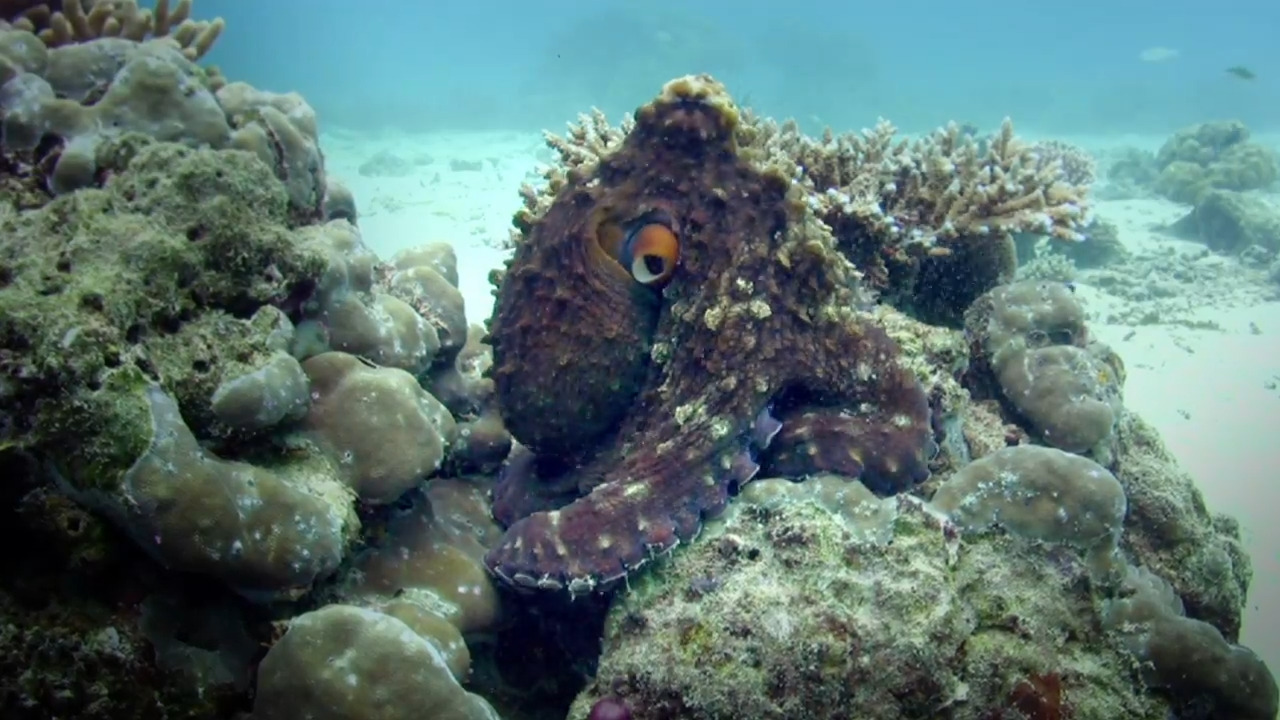
In How Octopuses Vanish Before Your Eyes, ecologist David Scheel teams up with a fisherman to track down the elusive day octopus, a master of disguise in the ocean. David reveals a mysterious phenomenon called "passing cloud," where colors ripple across the octopus’s skin, possibly to confuse or trap prey — an astonishing ability that still puzzles scientists! This video is excerpted from BBC’s Natural World: The Octopus in My House, a remarkable series about a professor and the extraordinary relationship he develops with an octopus when he invites it to live in his home.
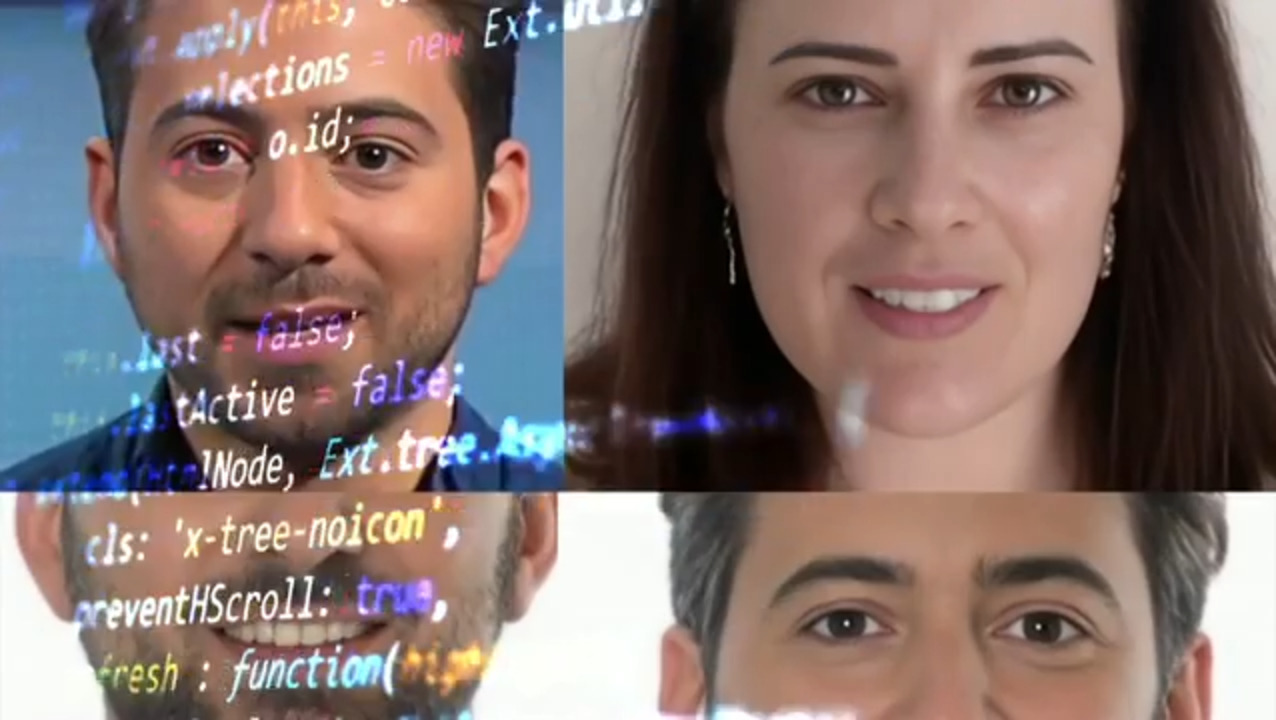
If you’re ever scrolling online and find that you can’t believe your eyes, you might just want to trust your instinct. Deepfakes are AI-generated or AI-manipulated content (such as pictures, videos, or audio clips) that is designed to look or sound real. Nowadays, making them is a lot easier than it used to be, thanks to access to free, public tools online.
To make a deepfake of someone speaking, the AI only needs a picture and about 10 seconds of audio recording. The AI identifies facial landmarks (such as the eyes, nose, and mouth), predicts how those features would move while speaking, then synchronizes those movements with the generated audio to create a pretty realistic-looking video.
The results aren’t perfect. There are often repetitive face movements and mispronunciations, but they’re still close enough to be dangerous and spread misinformation. But, deepfakes can be great if used correctly! For instance, if someone has lost their voice, deepfake technology can recreate it.

In Investigating T. Rex's Eyesight, scientists study a T. rex’s skull using a CT scan to understand the development of its eyesight. This video is excerpted from BBC's Horizon: T. Rex, Warrior or Wimp?, a documentary featuring interviews with T. rex experts from around the world and exploring the science behind the legend of the dinosaur we love to hate.
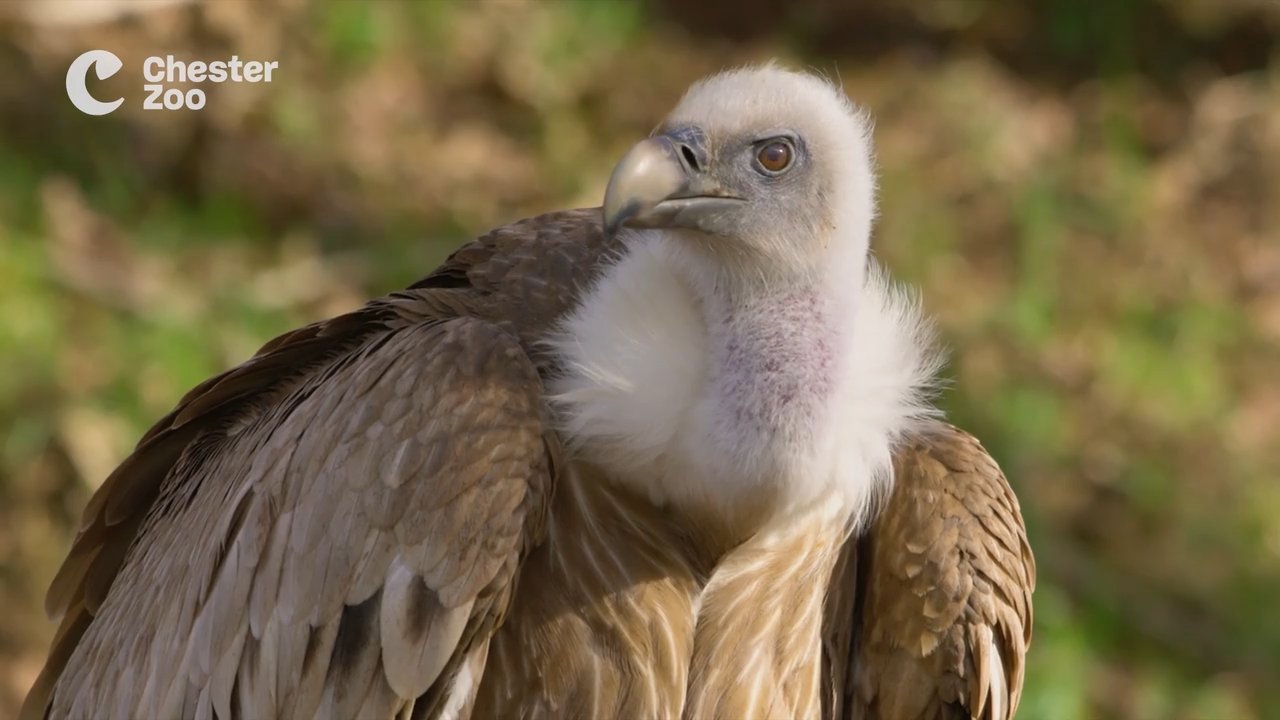
Vultures are the unsung heroes of Africa's ecosystems, playing a vital role in keeping the environment clean and healthy. With their incredible eyesight, enormous wingspans, and remarkably powerful digestive systems, these expert scavengers help prevent the spread of disease by safely consuming animal carcasses that other animals avoid.
In this fact file video from Chester Zoo, discover the amazing adaptations that make vultures so important to the natural world, learn about the critically endangered hooded vulture and how it raises its young, and explore the challenges these remarkable birds face in the wild. You'll also see why protecting vultures is essential for healthy ecosystems and how conservation efforts are helping safeguard their future.
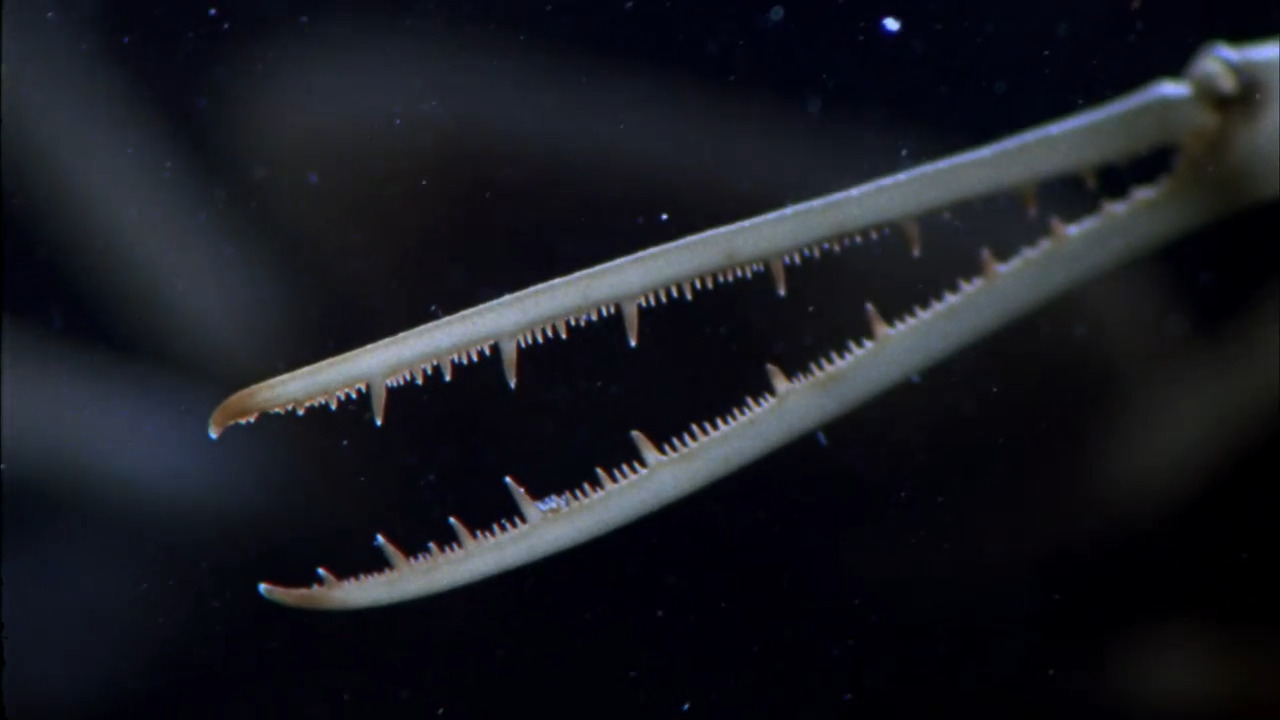
In The Strange World of Troglobites, narrator Sir David Attenborough explores the fascinating world of troglobites, creatures that have adapted to living entirely in caves. These animals, including the Texas blind salamander and the Belizean white crab, are unique to their environments and have evolved specialized features to survive in total darkness. Lacking pigment and eyesight, they rely on other heightened senses to detect food. The cave angelfish uses microscopic hooks to cling to slippery surfaces, and the blind salamander can detect water movement to locate prey. This video is excerpted from BBC’s Planet Earth, a breathtaking documentary series that highlights the natural wonders of our planet.

In Salamanders on the Hunt, narrator Sir David Attenborough joins the world’s largest amphibian on its nighttime hunt. Learn how sensory nodes make up for its poor eyesight as it searches for prey. This video is excerpted from BBC's Planet Earth, a breathtaking documentary series that highlights the natural wonders of our planet.
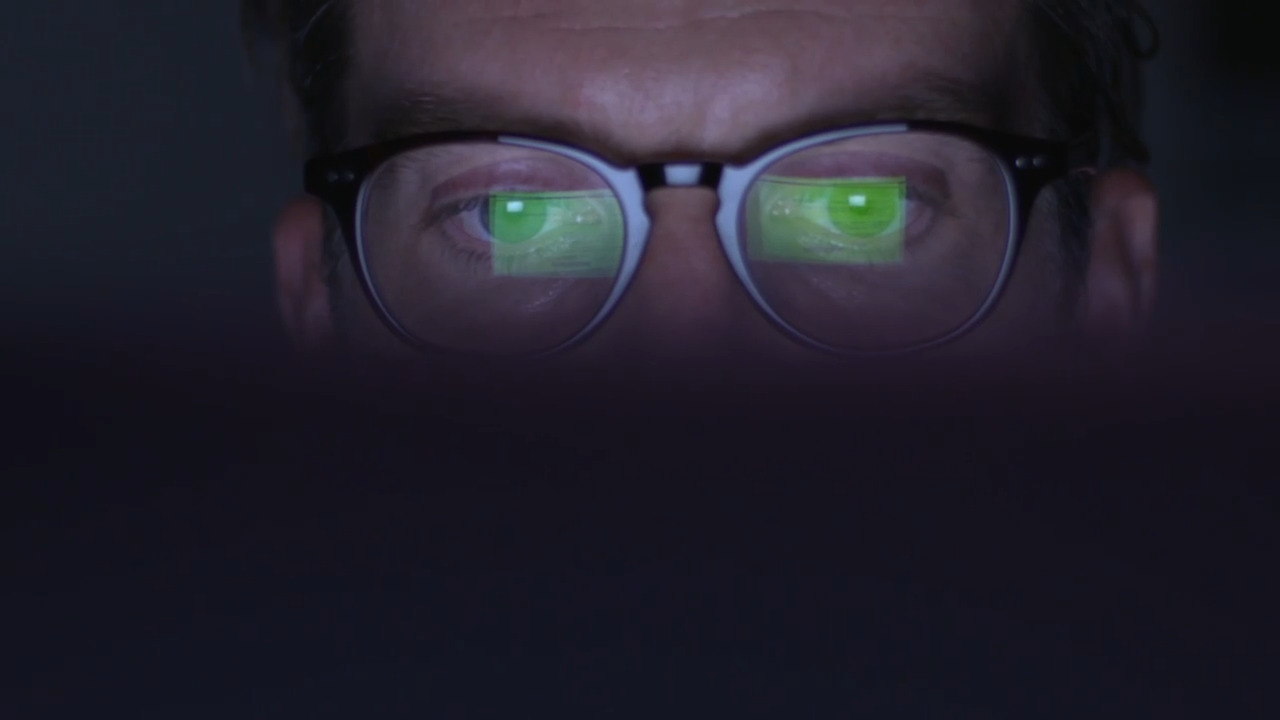
In The Impact of Screens on Our Vision and Memory, host Harith Iskander explores how smartphones and other screen devices are affecting our eyes and memory. When we hold our phones close to our faces, it strains our eyes and can cause them to become more elongated, leading to vision problems like myopia (nearsightedness). Additionally, overusing technology can also impact how the brain stores and processes information. This video is excerpted from BBC’s Got Science?, a science magazine series that explores and explains science in everyday life.
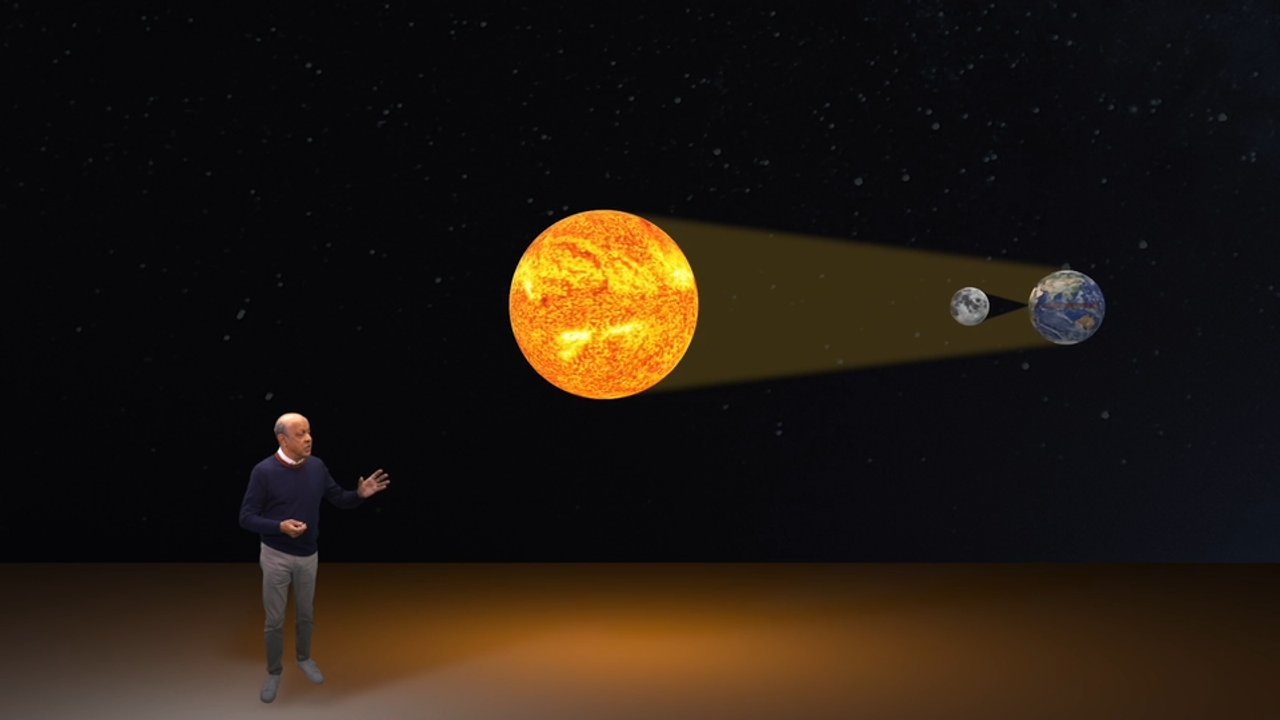
They say “it’s always darkest before dawn,” but that may just have a nicer ring than “it suddenly gets really dark if you’re in the path of totality during a solar eclipse, which happens somewhere on Earth about once every 18 months.” Yup, first one definitely stitches better onto a decorative pillow.
A total solar eclipse happens when the Moon completely blocks the Sun. Although a total eclipse occurs somewhere on Earth roughly every year and a half, only people inside a narrow strip called the “path of totality” get to see the Sun completely covered. This path is created as the Moon’s shadow moves across Earth while both Earth and the Moon change position.
This mid-August eclipse started off over northern Siberia at sunrise, then crossed the Arctic Ocean, Greenland, Iceland, northern Spain, and a small part of Portugal before ending near the Balearic Islands at sunset. Those outside of the path could see a partial eclipse, but a lot of the world missed out on the full experience.
Eclipses are amazing to watch, but partial eclipses can be especially dangerous! Even as much as 95% coverage of the Sun is not close enough when it comes to eye safety. If any bright part of the Sun is still visible, you should use certified eclipse glasses, since looking directly at the Sun can permanently damage your eyes.

In What Does the Cheetah See?, naturalist Steve Backshall attaches a camera to a cheetah’s head to experience what it sees when it is chasing prey. This video is excerpted from BBC's Deadly 60, an award-winning nature and adventure show for kids in which narrator Steve Backshall has one mission: to travel the globe in search of 60 of the world's deadliest animals.
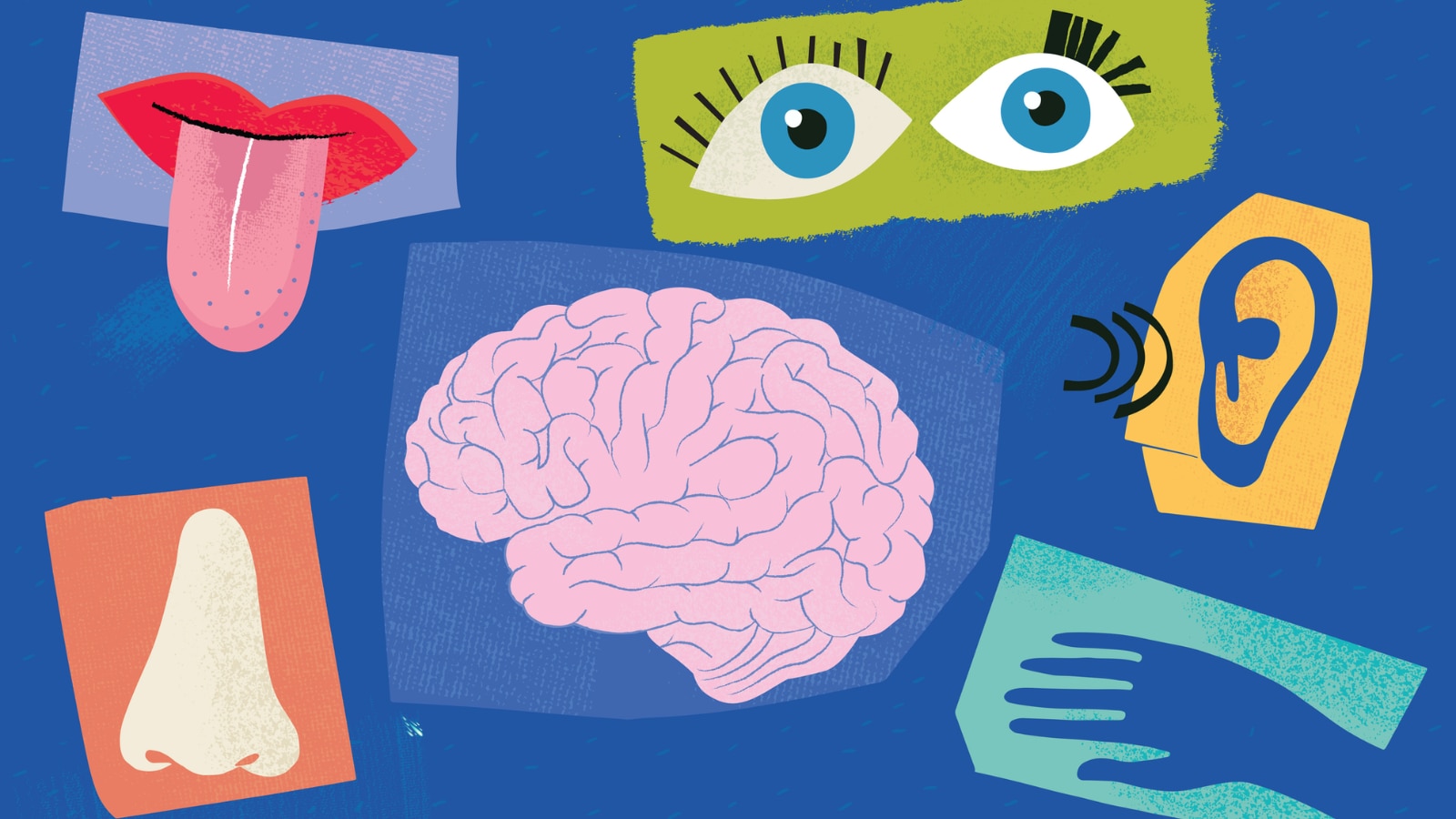
Across 10 fascinating BBC clips from series including Got Science? and Secrets of Skin, explore how the body gathers information about the world — and how the brain turns those signals into the experiences we know as sight, sound, smell, taste, and touch.
Discover why food can taste different on an airplane, how sound can influence flavor, and why the sense of smell involves much more than the nose. Find out what makes fingertips so sensitive, how smell receptors communicate with the brain, and why our eyes produce different kinds of tears.
Our senses don’t always work independently, either. They constantly interact with one another and with the brain, shaping everything from the foods we enjoy to the way we respond to our surroundings. These BBC five senses videos reveal just how much is happening behind the scenes every time we experience the world.

Everything you need to be an awesome granny. This worksheet has your very own granny glasses (Top Tip: Decorate your Grannie Glasses by doodling flowers or beans!), coin purse (complete with coins!), and a "Honk if you love beans! badge. Don't forget to test your granny eyesight.
You will need:
- scissors and sticky tape
- crayons or markers
- a (non=smelly) sock
- a grown-up to help with cutting out
In How Octopuses Vanish Before Your Eyes, ecologist David Scheel teams up with a fisherman to track down the elusive day octopus, a master of disguise in the ocean. David reveals a mysterious phenomenon called "passing cloud," where colors ripple across the octopus’s skin, possibly to confuse or trap prey — an astonishing ability that still puzzles scientists! This video is excerpted from BBC’s Natural World: The Octopus in My House, a remarkable series about a professor and the extraordinary relationship he develops with an octopus when he invites it to live in his home.
If you’re ever scrolling online and find that you can’t believe your eyes, you might just want to trust your instinct. Deepfakes are AI-generated or AI-manipulated content (such as pictures, videos, or audio clips) that is designed to look or sound real. Nowadays, making them is a lot easier than it used to be, thanks to access to free, public tools online.
To make a deepfake of someone speaking, the AI only needs a picture and about 10 seconds of audio recording. The AI identifies facial landmarks (such as the eyes, nose, and mouth), predicts how those features would move while speaking, then synchronizes those movements with the generated audio to create a pretty realistic-looking video.
The results aren’t perfect. There are often repetitive face movements and mispronunciations, but they’re still close enough to be dangerous and spread misinformation. But, deepfakes can be great if used correctly! For instance, if someone has lost their voice, deepfake technology can recreate it.
In Investigating T. Rex's Eyesight, scientists study a T. rex’s skull using a CT scan to understand the development of its eyesight. This video is excerpted from BBC's Horizon: T. Rex, Warrior or Wimp?, a documentary featuring interviews with T. rex experts from around the world and exploring the science behind the legend of the dinosaur we love to hate.
Vultures are the unsung heroes of Africa's ecosystems, playing a vital role in keeping the environment clean and healthy. With their incredible eyesight, enormous wingspans, and remarkably powerful digestive systems, these expert scavengers help prevent the spread of disease by safely consuming animal carcasses that other animals avoid.
In this fact file video from Chester Zoo, discover the amazing adaptations that make vultures so important to the natural world, learn about the critically endangered hooded vulture and how it raises its young, and explore the challenges these remarkable birds face in the wild. You'll also see why protecting vultures is essential for healthy ecosystems and how conservation efforts are helping safeguard their future.
In The Strange World of Troglobites, narrator Sir David Attenborough explores the fascinating world of troglobites, creatures that have adapted to living entirely in caves. These animals, including the Texas blind salamander and the Belizean white crab, are unique to their environments and have evolved specialized features to survive in total darkness. Lacking pigment and eyesight, they rely on other heightened senses to detect food. The cave angelfish uses microscopic hooks to cling to slippery surfaces, and the blind salamander can detect water movement to locate prey. This video is excerpted from BBC’s Planet Earth, a breathtaking documentary series that highlights the natural wonders of our planet.
In Salamanders on the Hunt, narrator Sir David Attenborough joins the world’s largest amphibian on its nighttime hunt. Learn how sensory nodes make up for its poor eyesight as it searches for prey. This video is excerpted from BBC's Planet Earth, a breathtaking documentary series that highlights the natural wonders of our planet.
In The Impact of Screens on Our Vision and Memory, host Harith Iskander explores how smartphones and other screen devices are affecting our eyes and memory. When we hold our phones close to our faces, it strains our eyes and can cause them to become more elongated, leading to vision problems like myopia (nearsightedness). Additionally, overusing technology can also impact how the brain stores and processes information. This video is excerpted from BBC’s Got Science?, a science magazine series that explores and explains science in everyday life.
They say “it’s always darkest before dawn,” but that may just have a nicer ring than “it suddenly gets really dark if you’re in the path of totality during a solar eclipse, which happens somewhere on Earth about once every 18 months.” Yup, first one definitely stitches better onto a decorative pillow.
A total solar eclipse happens when the Moon completely blocks the Sun. Although a total eclipse occurs somewhere on Earth roughly every year and a half, only people inside a narrow strip called the “path of totality” get to see the Sun completely covered. This path is created as the Moon’s shadow moves across Earth while both Earth and the Moon change position.
This mid-August eclipse started off over northern Siberia at sunrise, then crossed the Arctic Ocean, Greenland, Iceland, northern Spain, and a small part of Portugal before ending near the Balearic Islands at sunset. Those outside of the path could see a partial eclipse, but a lot of the world missed out on the full experience.
Eclipses are amazing to watch, but partial eclipses can be especially dangerous! Even as much as 95% coverage of the Sun is not close enough when it comes to eye safety. If any bright part of the Sun is still visible, you should use certified eclipse glasses, since looking directly at the Sun can permanently damage your eyes.
In What Does the Cheetah See?, naturalist Steve Backshall attaches a camera to a cheetah’s head to experience what it sees when it is chasing prey. This video is excerpted from BBC's Deadly 60, an award-winning nature and adventure show for kids in which narrator Steve Backshall has one mission: to travel the globe in search of 60 of the world's deadliest animals.
Across 10 fascinating BBC clips from series including Got Science? and Secrets of Skin, explore how the body gathers information about the world — and how the brain turns those signals into the experiences we know as sight, sound, smell, taste, and touch.
Discover why food can taste different on an airplane, how sound can influence flavor, and why the sense of smell involves much more than the nose. Find out what makes fingertips so sensitive, how smell receptors communicate with the brain, and why our eyes produce different kinds of tears.
Our senses don’t always work independently, either. They constantly interact with one another and with the brain, shaping everything from the foods we enjoy to the way we respond to our surroundings. These BBC five senses videos reveal just how much is happening behind the scenes every time we experience the world.
Everything you need to be an awesome granny. This worksheet has your very own granny glasses (Top Tip: Decorate your Grannie Glasses by doodling flowers or beans!), coin purse (complete with coins!), and a "Honk if you love beans! badge. Don't forget to test your granny eyesight.
You will need:
- scissors and sticky tape
- crayons or markers
- a (non=smelly) sock
- a grown-up to help with cutting out