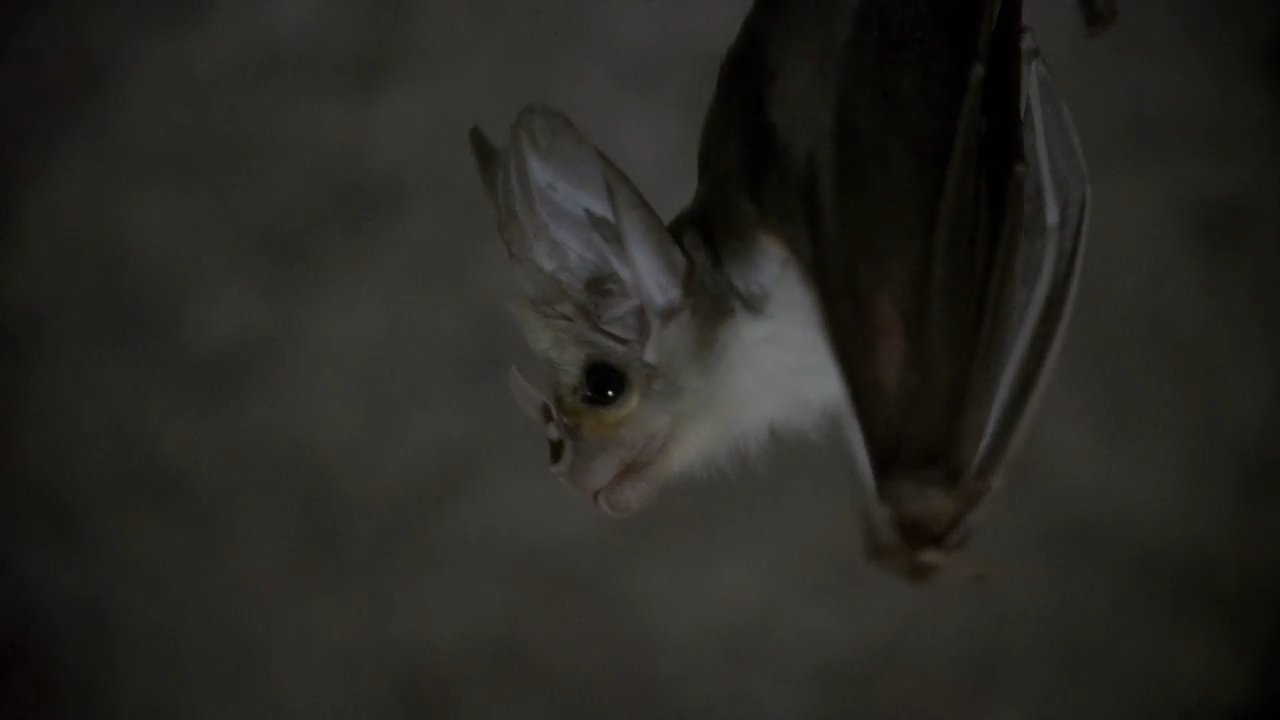
The end of the Cretaceous reshaped life on Earth, with the asteroid impact that wiped out more than 70% of species leaving a world where mammals could rapidly diversify. This clip from BBC’s Evolution episode "The Bat" follows that turning point to the emergence of early bats, including Icaronycteris, whose elongated fingers formed wings and whose specialized ear structures suggest that echolocation was already developing.
The combination of flight and echolocation allowed bats to exploit an entirely new environment, hunting for food in the night sky and eventually spreading across almost every continent. The video also connects the bat’s remarkable adaptations to features shared by all mammals, including jaws, complex teeth, a through gut, and specialized middle-ear bones, highlighting the deep evolutionary connections between bats, humans, and other mammals.
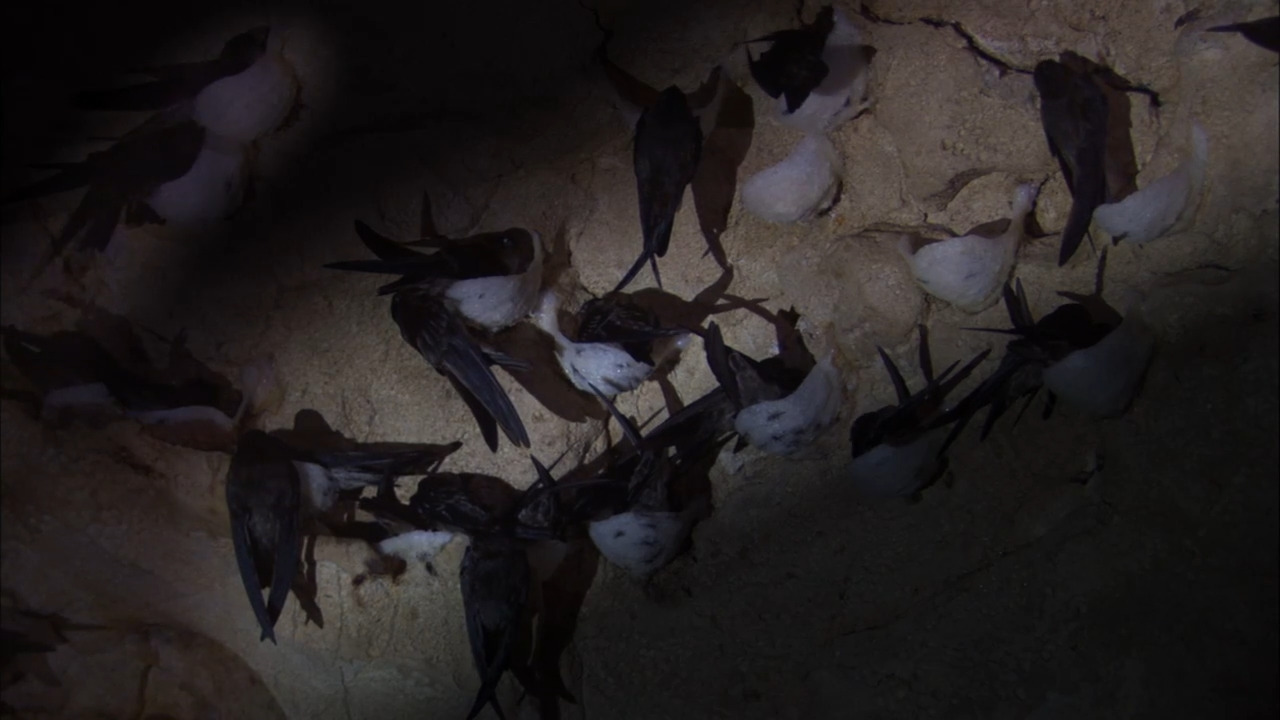
In Cave Swiftlets: Masters of Echolocation, narrator Sir David Attenborough introduces cave swiftlets, birds that, like bats, use echolocation to navigate the dark caves of Borneo. Cave swiftlets rely on clicks to find their way through pitch-black cave passages and locate their small nesting sites. Their nests, made entirely of saliva, take 30 days to build. For centuries, people have harvested these nests, which are the key ingredient in the valuable delicacy, bird’s nest soup. This video is excerpted from BBC’s Planet Earth, a breathtaking documentary series that highlights the natural wonders of our planet.
The end of the Cretaceous reshaped life on Earth, with the asteroid impact that wiped out more than 70% of species leaving a world where mammals could rapidly diversify. This clip from BBC’s Evolution episode "The Bat" follows that turning point to the emergence of early bats, including Icaronycteris, whose elongated fingers formed wings and whose specialized ear structures suggest that echolocation was already developing.
The combination of flight and echolocation allowed bats to exploit an entirely new environment, hunting for food in the night sky and eventually spreading across almost every continent. The video also connects the bat’s remarkable adaptations to features shared by all mammals, including jaws, complex teeth, a through gut, and specialized middle-ear bones, highlighting the deep evolutionary connections between bats, humans, and other mammals.
In Cave Swiftlets: Masters of Echolocation, narrator Sir David Attenborough introduces cave swiftlets, birds that, like bats, use echolocation to navigate the dark caves of Borneo. Cave swiftlets rely on clicks to find their way through pitch-black cave passages and locate their small nesting sites. Their nests, made entirely of saliva, take 30 days to build. For centuries, people have harvested these nests, which are the key ingredient in the valuable delicacy, bird’s nest soup. This video is excerpted from BBC’s Planet Earth, a breathtaking documentary series that highlights the natural wonders of our planet.