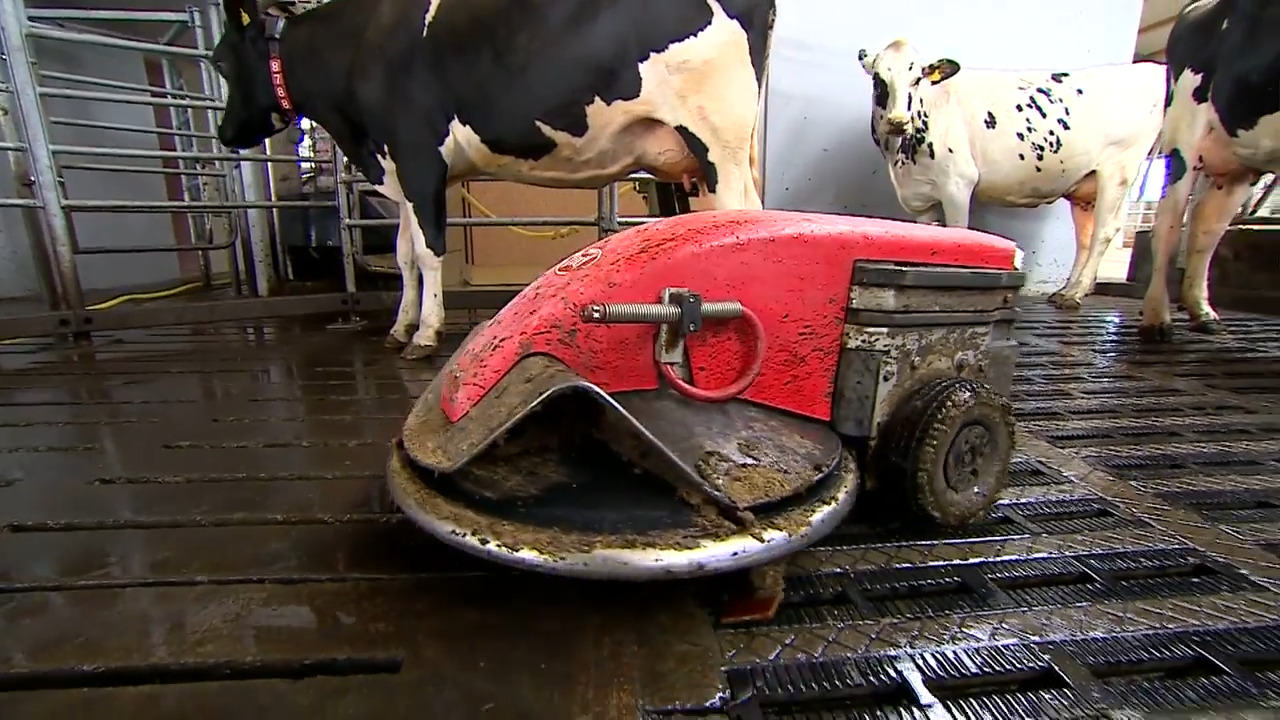
On one futuristic farm, robots do almost everything — feeding cows, cleaning barns, and even milking the animals with laser-guided machines. Farmers say the high-tech system is faster, cheaper, and more precise than human workers, helping produce more milk while lowering costs. But not everyone is impressed. Critics argue that cows are becoming part of an assembly line instead of living animals, since many never roam outside or eat fresh grass. As robots take over more jobs once done by humans, this farm raises a bigger question: when technology makes life more efficient, what might get lost along the way?

The article "Why Dogs Eat Grass (and Sometimes Poop): Strange but True!" from BBC's Science Focus explores the curious reasons behind dogs eating grass and poop. While some theories suggest anxiety, boredom, or a need for attention, others link it to diet or instinct. Canine behavior expert Dr. Emily Blackwell sheds light on these habits and how our reactions may unintentionally encourage them.
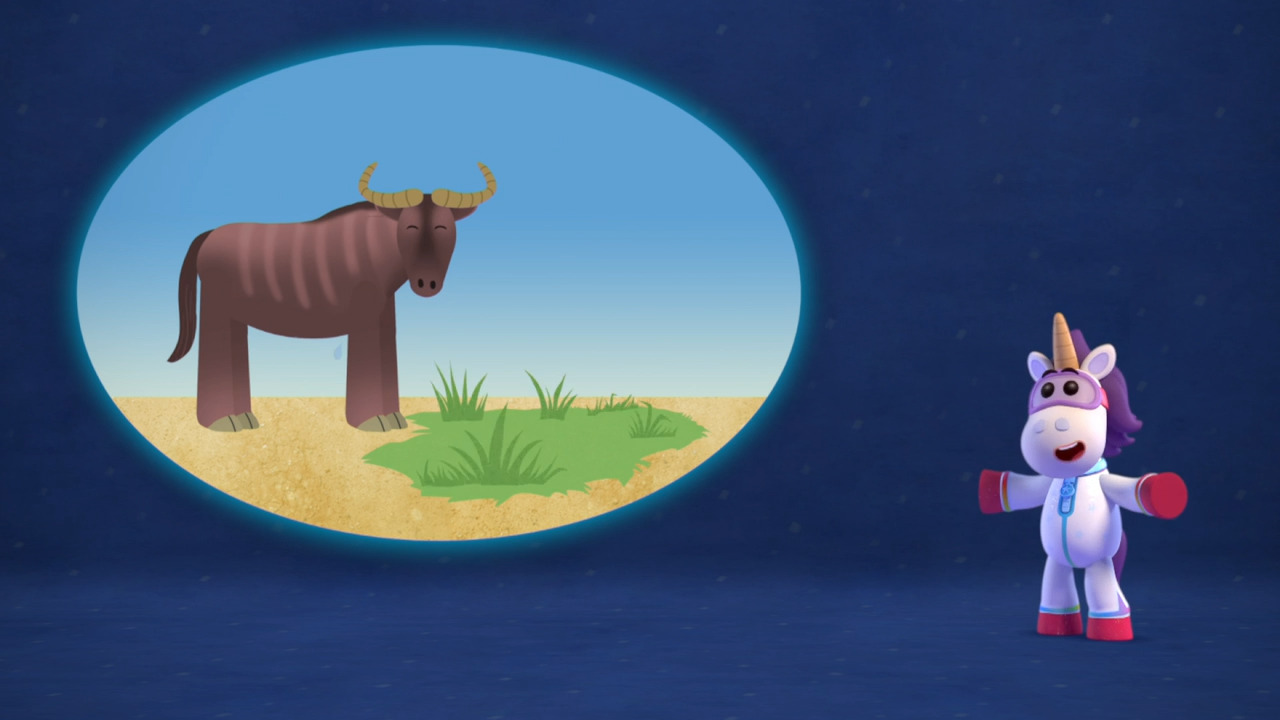
In The Go Jetters' Safari Adventure in Kenya, the Go Jetters crew visits Maasai Mara National Park Reserve in Kenya, Africa, where they see many animals like lions, cheetahs, hyenas, and wildebeest. Millions of wildebeest travel together across the park, following rainclouds to find fresh grass to eat. They work together to stay safe and find food in this huge, wild place! This video is excerpted from BBC’s Go Jetters, a series that follows the adventures of four plucky international heroes as they travel the globe visiting the world’s most famous landmarks with their friend and mentor, Ubercorn, a disco-dancing unicorn.
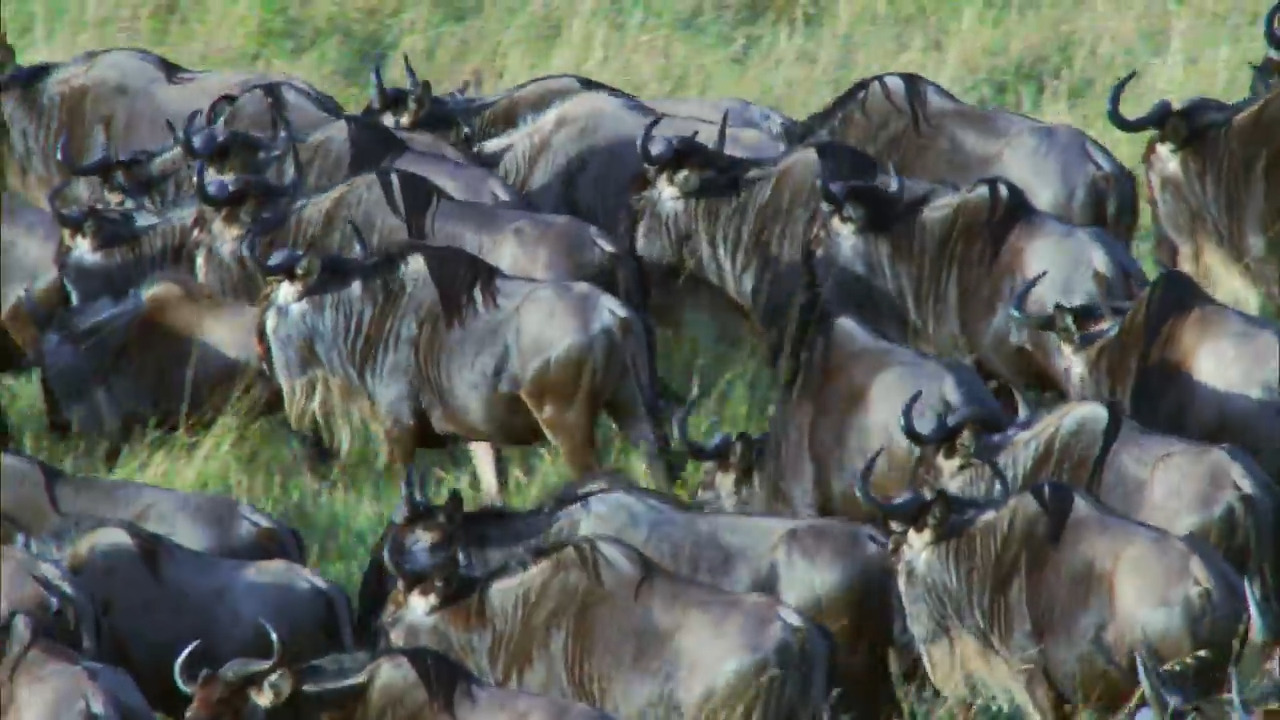
In African Grasslands Provide Food for Millions, narrator Sir David Attenborough teaches about how some animals eat grass and grass seeds. The East African savannas supports a population of 1.5 million red-billed quelea, and nearly 2 million wildebeest. This video is excerpted from BBC's Planet Earth, a breathtaking documentary series that highlights the natural wonders of our planet.
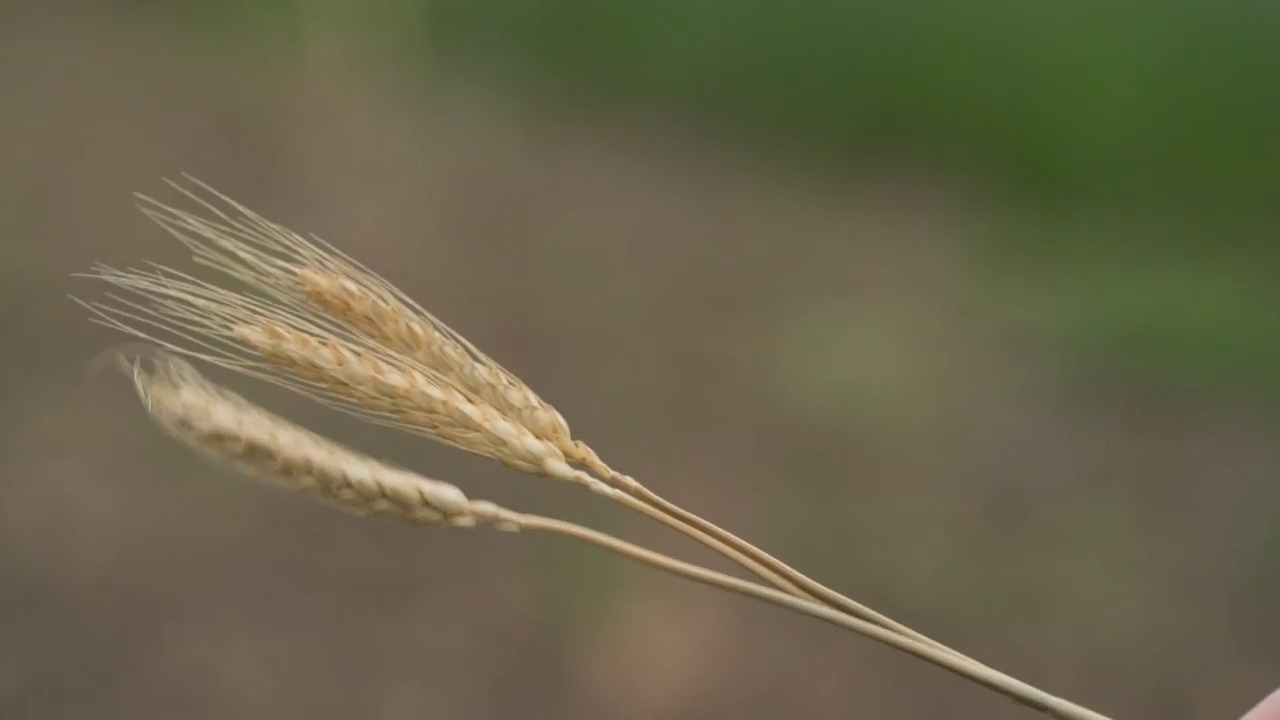
In Grazing on Grains, Ranger Hamza and the Ramblers come upon a field that is filled with flax, a grass that we can eat. Join them as the Ramblers try bread made from flaxseed and learn about other grasses that people and animals can eat. This video is excerpted from BBC's Ranger Hamza’s Eco Quest, a nature exploration show in which Ranger Hamza and the Ramblers go on quests to discover nature’s wonders and the important role they play in our environment.
On one futuristic farm, robots do almost everything — feeding cows, cleaning barns, and even milking the animals with laser-guided machines. Farmers say the high-tech system is faster, cheaper, and more precise than human workers, helping produce more milk while lowering costs. But not everyone is impressed. Critics argue that cows are becoming part of an assembly line instead of living animals, since many never roam outside or eat fresh grass. As robots take over more jobs once done by humans, this farm raises a bigger question: when technology makes life more efficient, what might get lost along the way?
The article "Why Dogs Eat Grass (and Sometimes Poop): Strange but True!" from BBC's Science Focus explores the curious reasons behind dogs eating grass and poop. While some theories suggest anxiety, boredom, or a need for attention, others link it to diet or instinct. Canine behavior expert Dr. Emily Blackwell sheds light on these habits and how our reactions may unintentionally encourage them.
In The Go Jetters' Safari Adventure in Kenya, the Go Jetters crew visits Maasai Mara National Park Reserve in Kenya, Africa, where they see many animals like lions, cheetahs, hyenas, and wildebeest. Millions of wildebeest travel together across the park, following rainclouds to find fresh grass to eat. They work together to stay safe and find food in this huge, wild place! This video is excerpted from BBC’s Go Jetters, a series that follows the adventures of four plucky international heroes as they travel the globe visiting the world’s most famous landmarks with their friend and mentor, Ubercorn, a disco-dancing unicorn.
In African Grasslands Provide Food for Millions, narrator Sir David Attenborough teaches about how some animals eat grass and grass seeds. The East African savannas supports a population of 1.5 million red-billed quelea, and nearly 2 million wildebeest. This video is excerpted from BBC's Planet Earth, a breathtaking documentary series that highlights the natural wonders of our planet.
In Grazing on Grains, Ranger Hamza and the Ramblers come upon a field that is filled with flax, a grass that we can eat. Join them as the Ramblers try bread made from flaxseed and learn about other grasses that people and animals can eat. This video is excerpted from BBC's Ranger Hamza’s Eco Quest, a nature exploration show in which Ranger Hamza and the Ramblers go on quests to discover nature’s wonders and the important role they play in our environment.