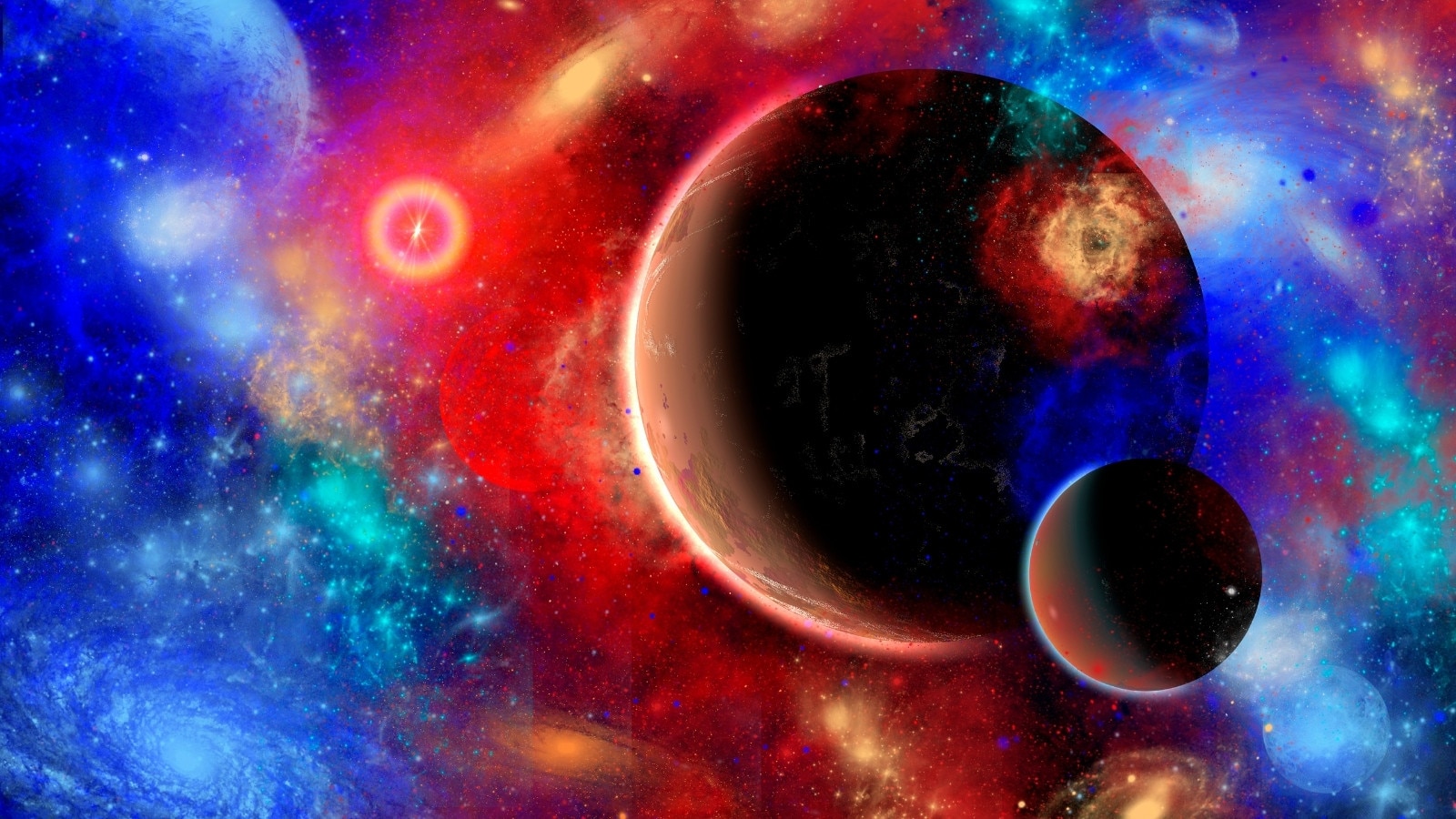
The article "Is Our Universe Stranger Than We Thought?" from BBC's Science Focus is a fascinating look at new research on the Universe that challenges what we thought we knew. Differences in how we measure the Universe's expansion and how galaxies are spread out suggest there may be missing pieces in our understanding of space.
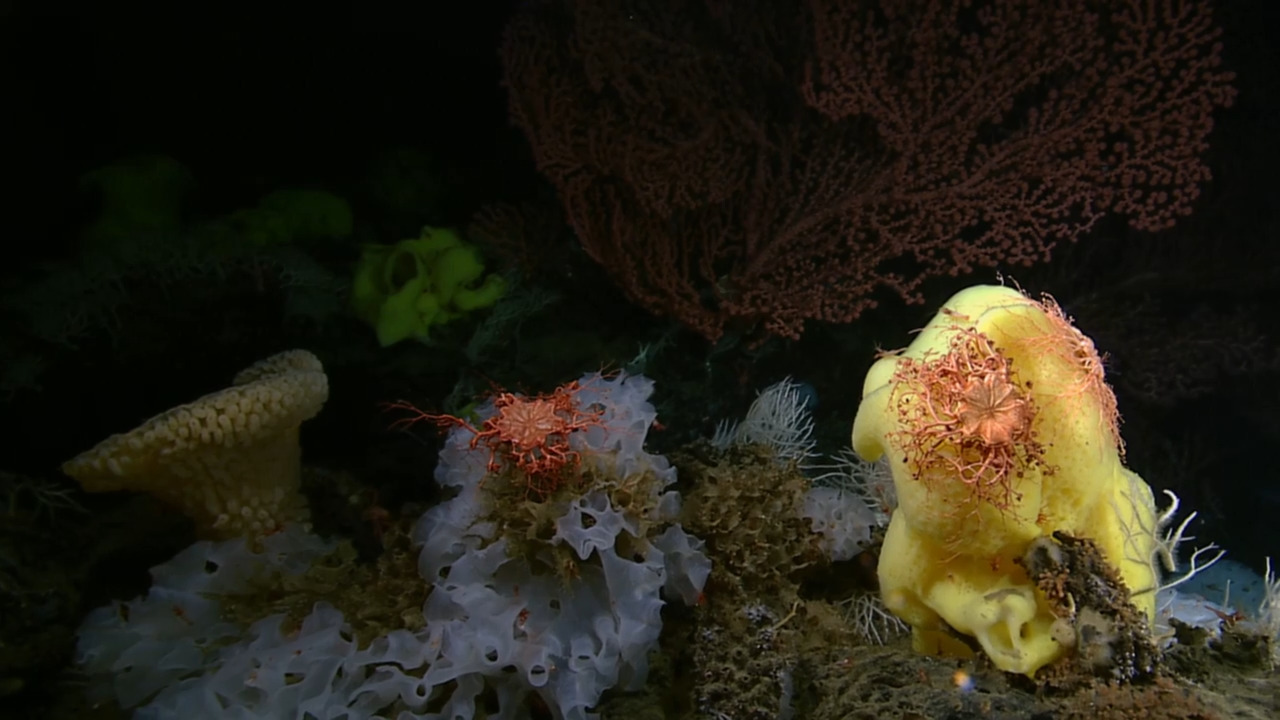
In The Unique Underwater Ecosystems of Submarine Mountains, narrator Sir David Attenborough goes deep beneath the ocean surface, where volcanic eruptions have built enormous submarine mountains — some taller than Mount Everest when measured from the seafloor. These underwater peaks create unique ecosystems, as powerful ocean currents sweep nutrients up their slopes. This influx of nutrients supports vibrant marine communities, including soft corals, whip corals, and giant sponges that filter nourishment from the water. Though these ecosystems thrive in complete darkness, they rely entirely on the energy transported by deep-sea currents. This video is excerpted from BBC’s Planet Earth, a breathtaking documentary series that highlights the natural wonders of our planet.
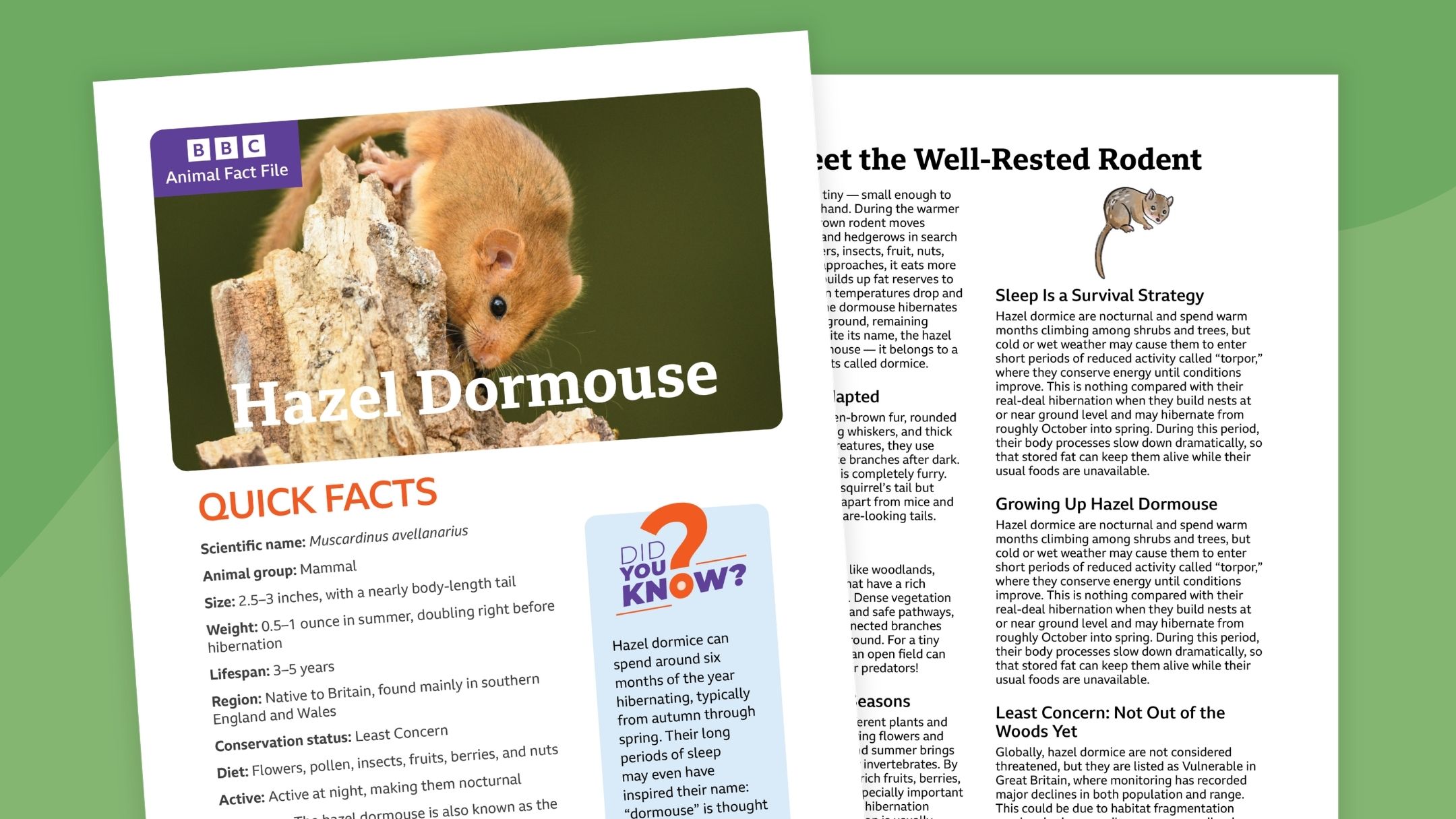
Could you sleep for six months and still have plenty of energy when you wake up? The hazel dormouse does just that, spending much of the colder part of the year in hibernation.
This tiny golden-brown rodent spends the warmer months climbing through trees and hedgerows, eating flowers, insects, berries, and nuts before preparing for winter. Discover how a dormouse’s furry tail and large eyes help it navigate after dark, why autumn is a race to build up energy reserves, and how its long winter sleep helps it survive when food is scarce. You'll also find out why these little climbers need connected woodlands and hedgerows to thrive.
Teachers and parents, you can use this fact file to:
- Introduce an animal, wildlife, or life science unit
- Support nonfiction reading and vocabulary practice
- Explore animal adaptations, behaviors, and habitats
- Compare animals and the ecosystems they live in
- Practice finding and organizing information from nonfiction texts
- Prepare students for animal research projects or presentations (use our animal report templates!)
- Connect science learning to conservation and environmental issues
- Pair with videos, articles, or other informational texts (see Related Resources below)
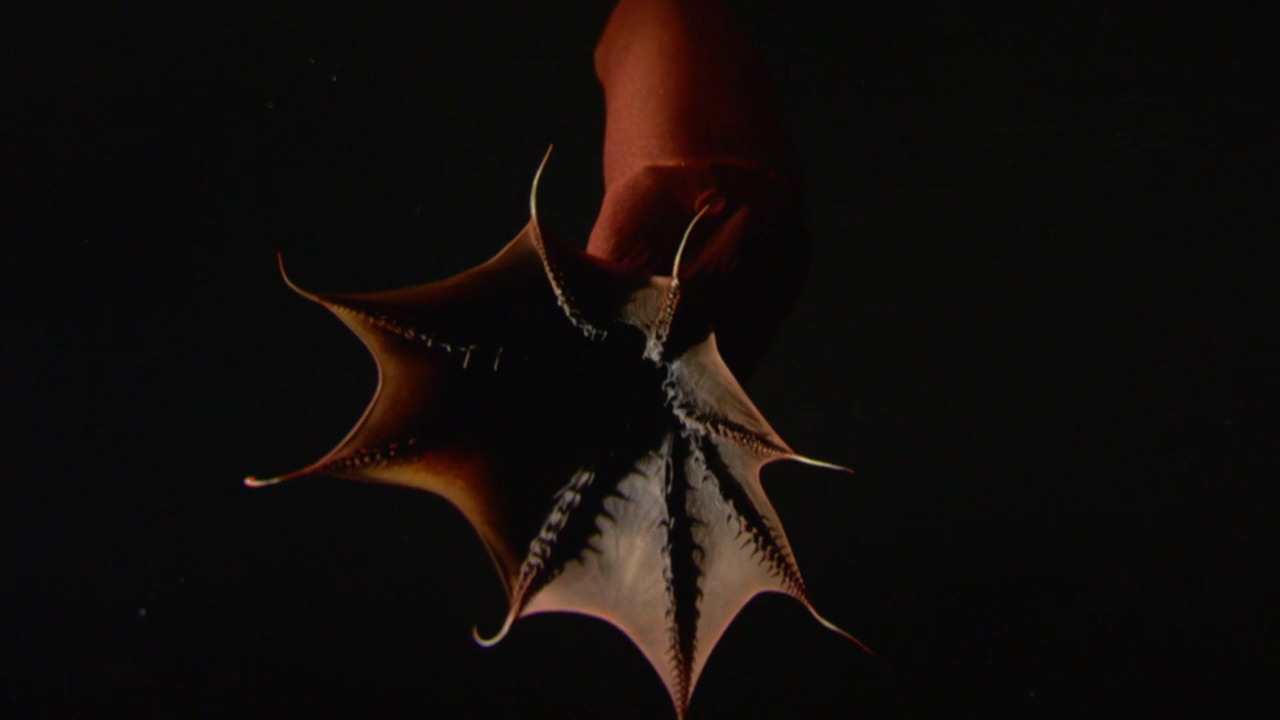
In Navigating the Dark Depths of the Ocean, narrator David Attenborough highlights the deep ocean, where no sunlight reaches, and animals have adapted to survive in total darkness with minimal food. The Dumbo octopus glides effortlessly through the water, conserving energy. The vampire squid uses bioluminescent bacteria to create light patterns that confuse predators. In this extreme environment, creatures must rely on special adaptations to detect food, avoid danger, and navigate the dark depths. This video is excerpted from BBC’s Planet Earth, a breathtaking documentary series that highlights the natural wonders of our planet.
The article "Is Our Universe Stranger Than We Thought?" from BBC's Science Focus is a fascinating look at new research on the Universe that challenges what we thought we knew. Differences in how we measure the Universe's expansion and how galaxies are spread out suggest there may be missing pieces in our understanding of space.
In The Unique Underwater Ecosystems of Submarine Mountains, narrator Sir David Attenborough goes deep beneath the ocean surface, where volcanic eruptions have built enormous submarine mountains — some taller than Mount Everest when measured from the seafloor. These underwater peaks create unique ecosystems, as powerful ocean currents sweep nutrients up their slopes. This influx of nutrients supports vibrant marine communities, including soft corals, whip corals, and giant sponges that filter nourishment from the water. Though these ecosystems thrive in complete darkness, they rely entirely on the energy transported by deep-sea currents. This video is excerpted from BBC’s Planet Earth, a breathtaking documentary series that highlights the natural wonders of our planet.
Could you sleep for six months and still have plenty of energy when you wake up? The hazel dormouse does just that, spending much of the colder part of the year in hibernation.
This tiny golden-brown rodent spends the warmer months climbing through trees and hedgerows, eating flowers, insects, berries, and nuts before preparing for winter. Discover how a dormouse’s furry tail and large eyes help it navigate after dark, why autumn is a race to build up energy reserves, and how its long winter sleep helps it survive when food is scarce. You'll also find out why these little climbers need connected woodlands and hedgerows to thrive.
Teachers and parents, you can use this fact file to:
- Introduce an animal, wildlife, or life science unit
- Support nonfiction reading and vocabulary practice
- Explore animal adaptations, behaviors, and habitats
- Compare animals and the ecosystems they live in
- Practice finding and organizing information from nonfiction texts
- Prepare students for animal research projects or presentations (use our animal report templates!)
- Connect science learning to conservation and environmental issues
- Pair with videos, articles, or other informational texts (see Related Resources below)
In Navigating the Dark Depths of the Ocean, narrator David Attenborough highlights the deep ocean, where no sunlight reaches, and animals have adapted to survive in total darkness with minimal food. The Dumbo octopus glides effortlessly through the water, conserving energy. The vampire squid uses bioluminescent bacteria to create light patterns that confuse predators. In this extreme environment, creatures must rely on special adaptations to detect food, avoid danger, and navigate the dark depths. This video is excerpted from BBC’s Planet Earth, a breathtaking documentary series that highlights the natural wonders of our planet.