After leading the Union to victory in the Civil War, Ulysses S. Grant became president in 1869. His administration faced political scandals and the economic crisis known as the Panic of 1873, weakening Republican support for Reconstruction. As Northern attention shifted toward economic concerns, efforts to protect the rights of formerly enslaved people in the South lost political backing. Meanwhile, white Southern Democrats used voter intimidation, election fraud, and racist appeals to regain political control.
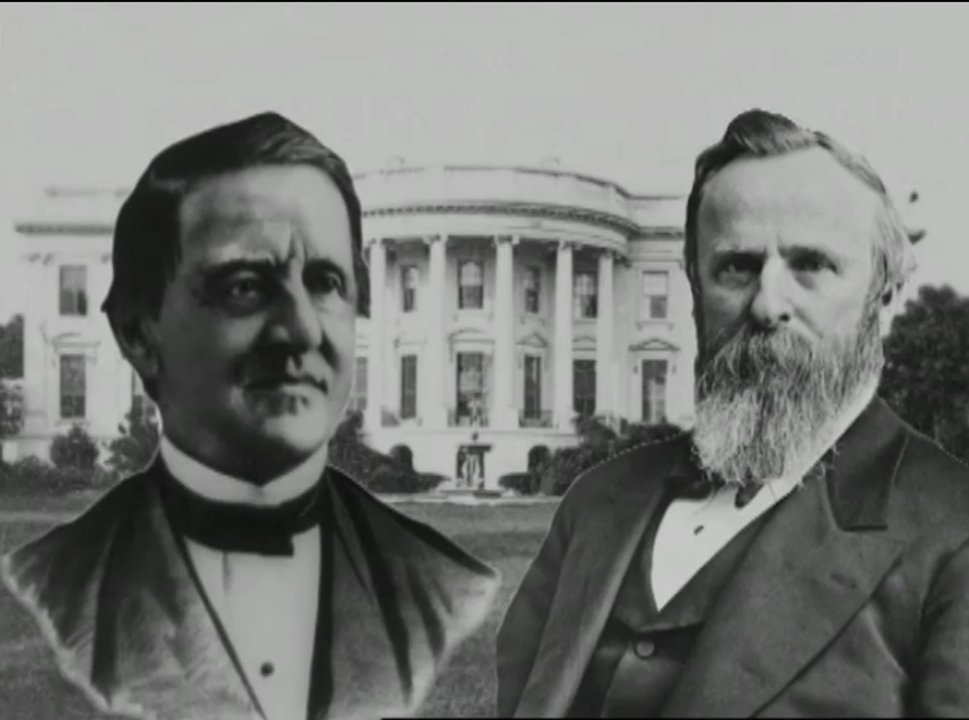
The disputed presidential election of 1876 between Republican Rutherford B. Hayes and Democrat Samuel Tilden led to the Compromise of 1877. Under the agreement, Hayes became president, and federal troops were withdrawn from the South. The withdrawal weakened federal enforcement of Reconstruction and allowed white Democratic governments to consolidate power across the region. The end of Reconstruction marked a major setback for efforts to protect African Americans’ civil and political rights and contributed to the rise of segregation and disenfranchisement in the South.
In the 1820s, disagreements over slavery, regional interests, and political power deepened divisions in the United States. The Missouri Compromise of 1820 attempted to maintain the balance between free and slave states by admitting Missouri as a slave state and Maine as a free state, while restricting slavery in parts of the Louisiana Purchase. These debates revealed growing tensions between Northern and Southern leaders over the future of slavery.
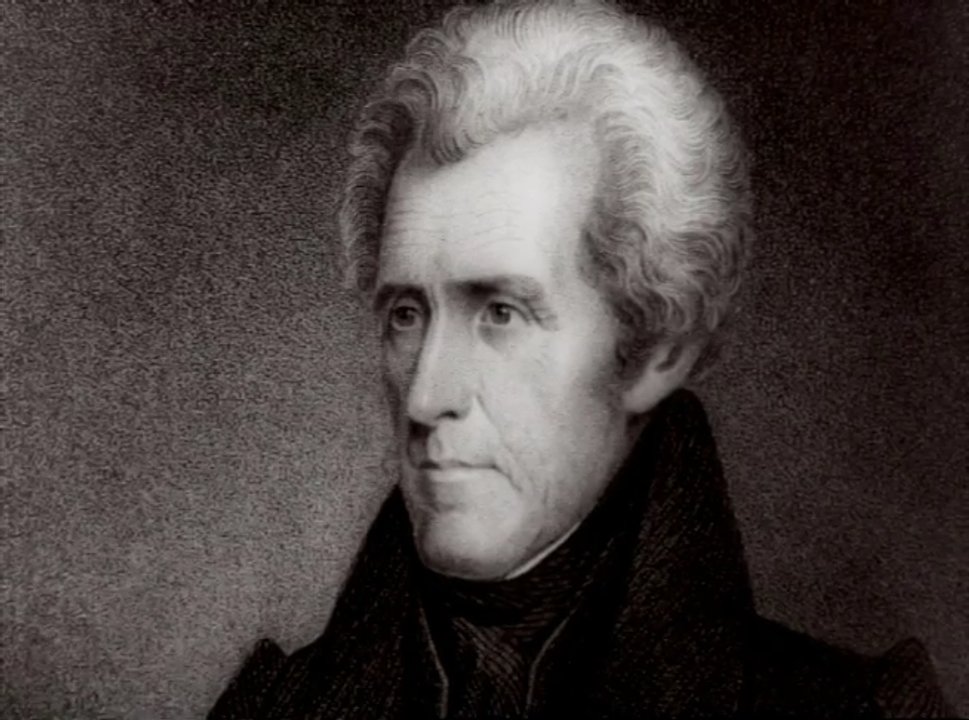
The presidential election of 1824 further divided the nation when the House of Representatives selected John Quincy Adams despite Andrew Jackson winning the most popular and electoral votes, though not an electoral majority. Jackson’s supporters accused Adams and Henry Clay of making a “corrupt bargain.” The dispute helped create a new party system, with Jackson’s Democrats opposing Adams’s National Republicans. Jackson’s victory in 1828 ushered in the era known as the Age of Jackson, marked by expanded political participation for many white men and continued conflict over the nation’s direction.
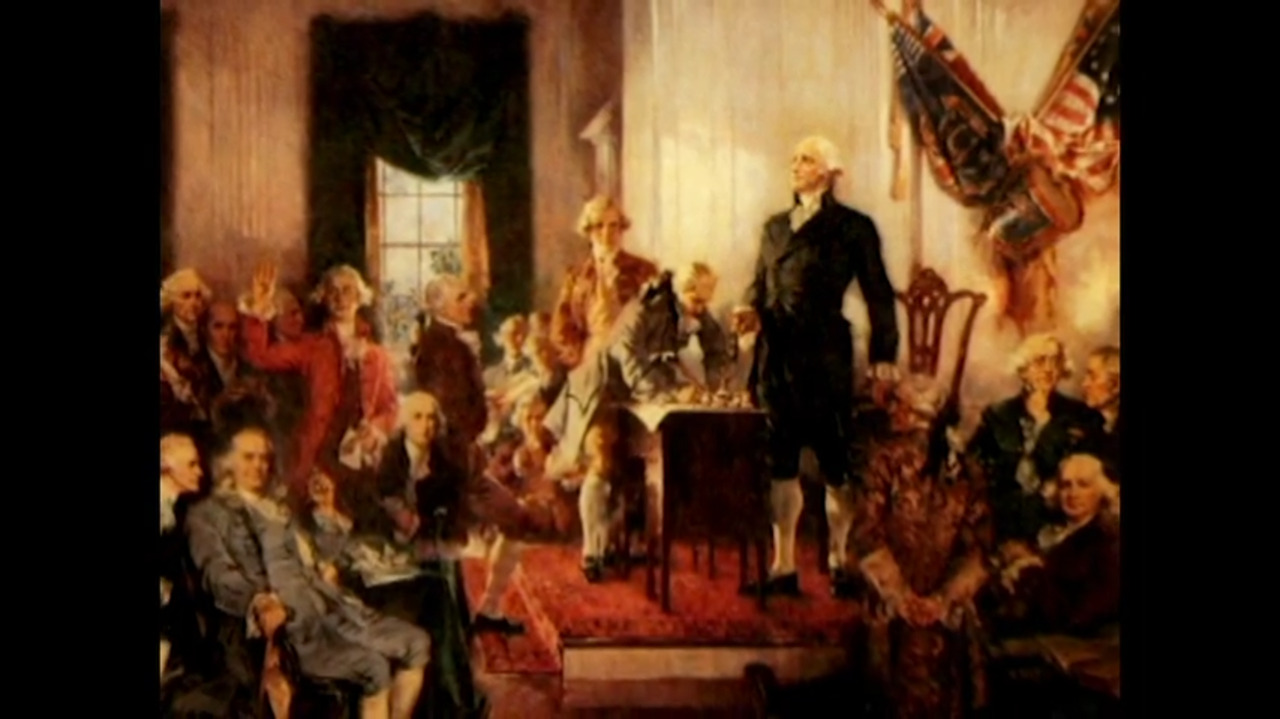
In A Constitution Created Through Compromise, the delegates who came together in 1787 knew they had to create something entirely new to keep the young country together. They came up with a Constitution that was created through compromise, merging two plans: the Virginia Plan and the New Jersey Plan.
After leading the Union to victory in the Civil War, Ulysses S. Grant became president in 1869. His administration faced political scandals and the economic crisis known as the Panic of 1873, weakening Republican support for Reconstruction. As Northern attention shifted toward economic concerns, efforts to protect the rights of formerly enslaved people in the South lost political backing. Meanwhile, white Southern Democrats used voter intimidation, election fraud, and racist appeals to regain political control.
The disputed presidential election of 1876 between Republican Rutherford B. Hayes and Democrat Samuel Tilden led to the Compromise of 1877. Under the agreement, Hayes became president, and federal troops were withdrawn from the South. The withdrawal weakened federal enforcement of Reconstruction and allowed white Democratic governments to consolidate power across the region. The end of Reconstruction marked a major setback for efforts to protect African Americans’ civil and political rights and contributed to the rise of segregation and disenfranchisement in the South.
In the 1820s, disagreements over slavery, regional interests, and political power deepened divisions in the United States. The Missouri Compromise of 1820 attempted to maintain the balance between free and slave states by admitting Missouri as a slave state and Maine as a free state, while restricting slavery in parts of the Louisiana Purchase. These debates revealed growing tensions between Northern and Southern leaders over the future of slavery.
The presidential election of 1824 further divided the nation when the House of Representatives selected John Quincy Adams despite Andrew Jackson winning the most popular and electoral votes, though not an electoral majority. Jackson’s supporters accused Adams and Henry Clay of making a “corrupt bargain.” The dispute helped create a new party system, with Jackson’s Democrats opposing Adams’s National Republicans. Jackson’s victory in 1828 ushered in the era known as the Age of Jackson, marked by expanded political participation for many white men and continued conflict over the nation’s direction.
In A Constitution Created Through Compromise, the delegates who came together in 1787 knew they had to create something entirely new to keep the young country together. They came up with a Constitution that was created through compromise, merging two plans: the Virginia Plan and the New Jersey Plan.