
It's important not to compare ourselves with others, and we also need to learn how to cheer on our friends. Based on the Bluey episode "Baby Race," this lesson beings with a classroom conversation about what it means to run your own race. The lesson includes printables for three activities in which kids complete a maze to help Bingo, Bluey, and Mum on their own paths to learn different skills, cheer for each other as they complete different tasks, and make cards for someone who's been working hard.
Baby Race Episode Summary: Mum reminisces about Bluey and Judo as babies. Bluey learned to roll over first, but Judo was the first to crawl, so then it became a race to see who was going to walk first!
Watch the episode here! (Click here to watch in Australia.)
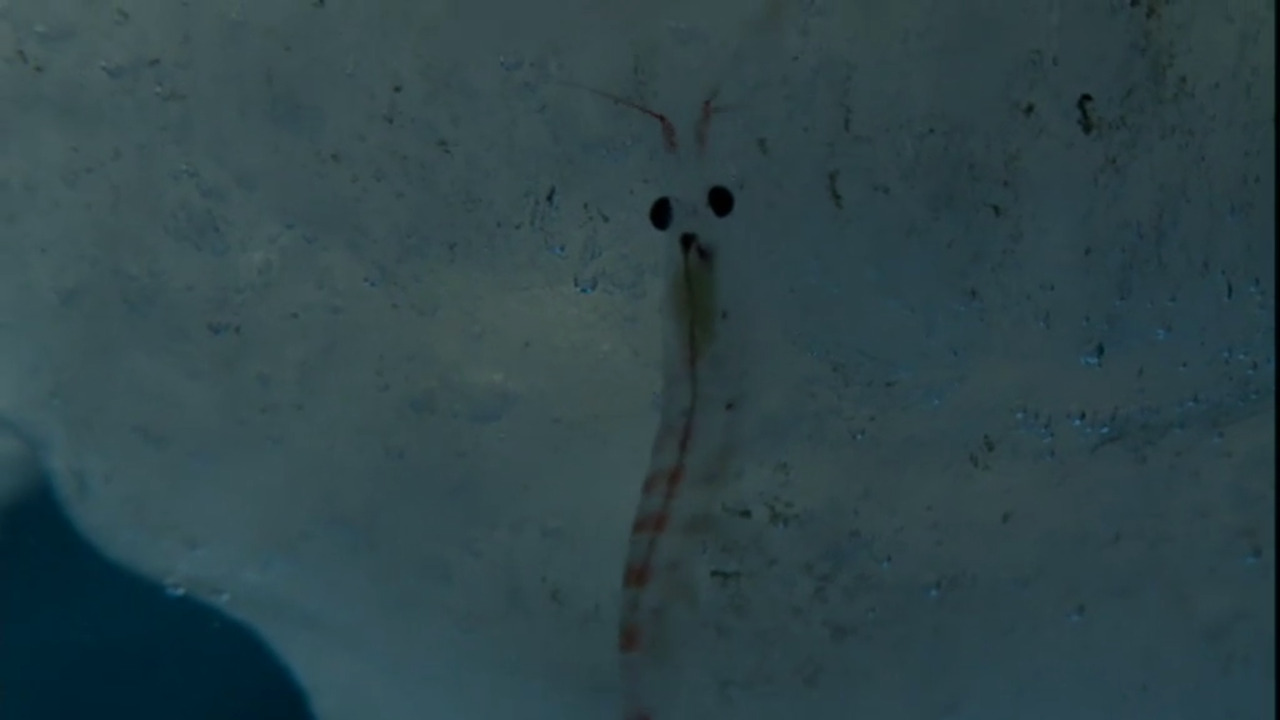
In How Krill Survive in Antarctica, narrator Sir David Attenborough explains how Antarctica is different from the Arctic and how Antarctica changes in winter and summer. Learn how krill survive under the Antarctic ice. This video is excerpted from BBC’s Blue Planet, a definitive documentary series diving into the mysterious depths of the sea to discover the natural history of the world’s oceans and the rarely seen marine life that reside there.
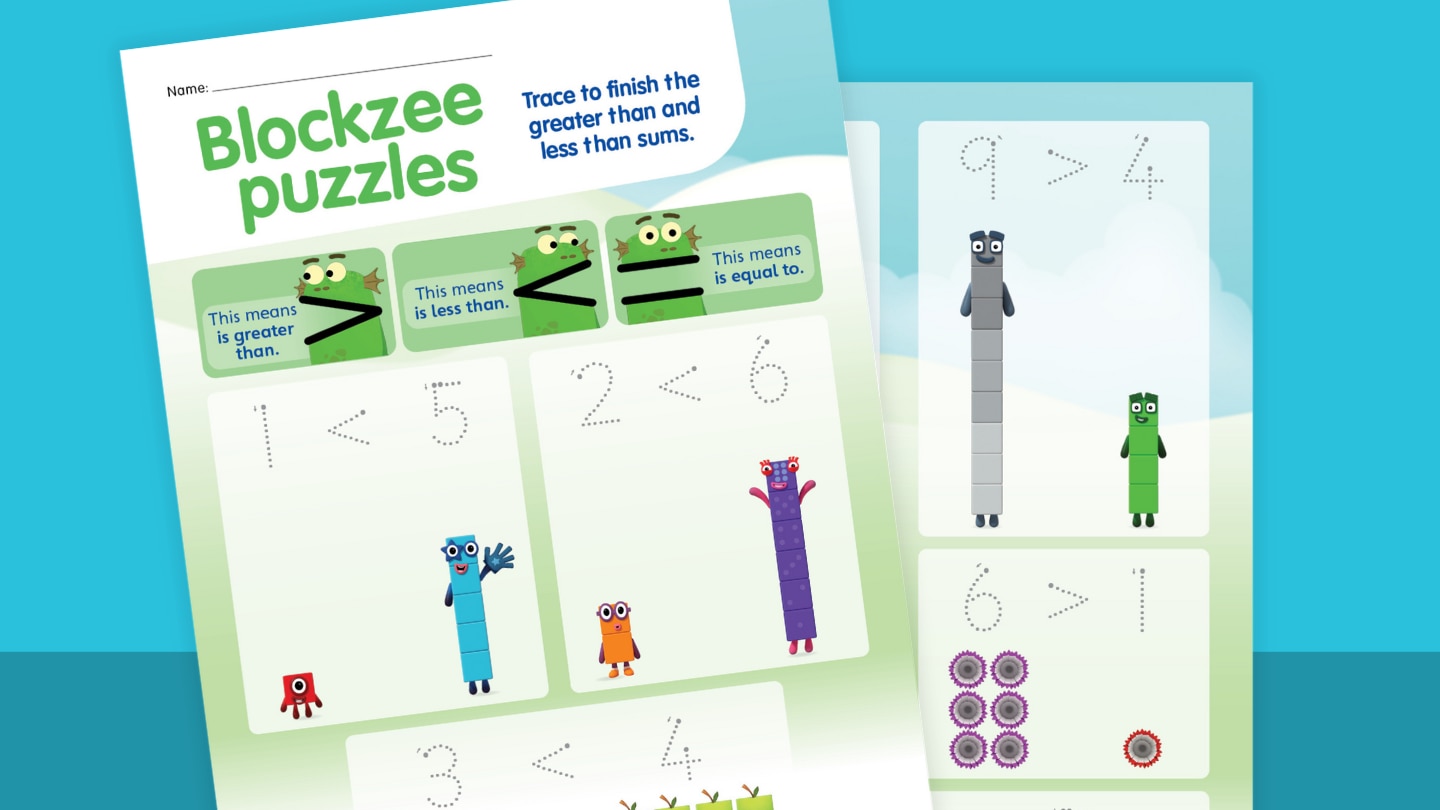
Trace to finish the greater than and less than sums. Numberblock Blockzee is here to assist with this helpful key:
> This means greater than.
< This means less than.
= This means is equal to.
Watch full episodes of Numberblocks on their official YouTube channel!
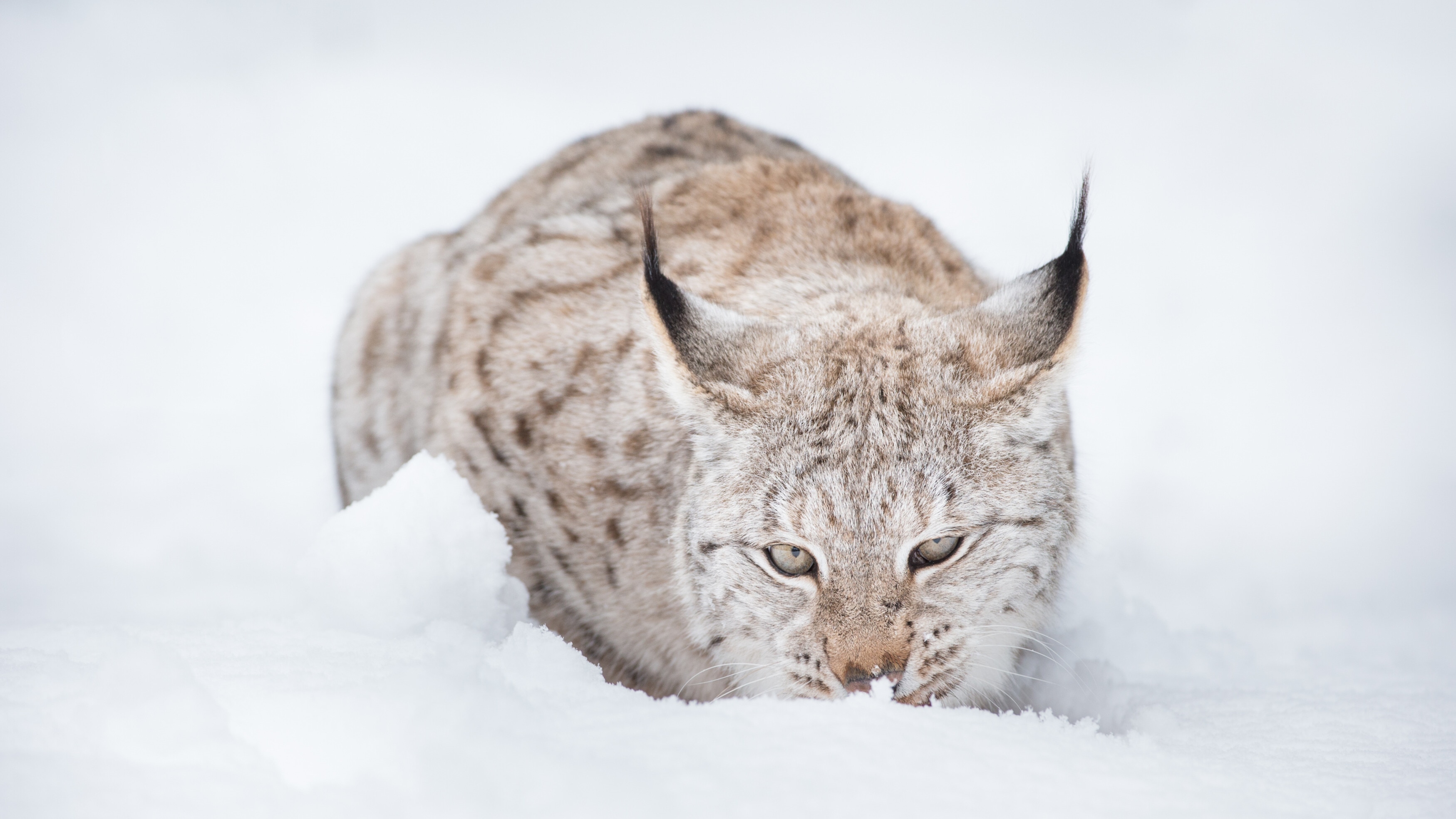
Brave the chill and meet the coolest creatures on Earth! This playlist of 11 frosty video clips from BBC landmark shows like Frozen Planet and Planet Earth explores how animals survive some of the coldest places on the planet. Students will learn about adaptations, seasonal behaviors, and the survival strategies that help bison, foxes, seals, grizzlies, snow monkeys, polar bears, lynx, and more thrive in freezing climates.
They’ll discover how winter weather shapes each animal’s daily life; how they find food, conserve energy, protect themselves from predators; and why these icy habitats play a vital role in Earth’s systems.
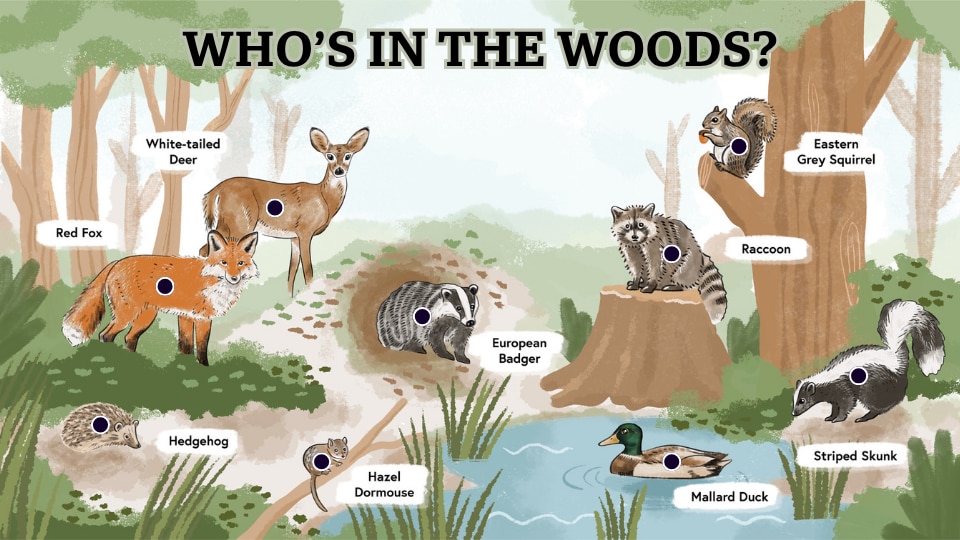
Meet nine wild animals that live in forests, parks, gardens, and neighborhoods: the red fox, white-tailed deer, mallard duck, striped skunk, eastern grey squirrel, raccoon, European badger, hedgehog, and hazel dormouse.
Click on each animal's picture to watch a short video, then click on its name for a fact about what makes it unusual, from its senses and behavior to the ways it has adapted to survive.
Some of these animals may live near you, while others are much harder to spot. Along the way, you'll learn how each one finds food, raises its young, avoids predators, and makes use of the habitat around it.
For Teachers and Parents:
Woodland Animals works well as an introduction to habitats and adaptations or as a self-guided activity for students working on their own or in pairs. Here are a few ways to use it:
- Before exploring: Ask students which of the nine animals they've seen in real life and where. It's a quick way to connect the lesson to their own surroundings.
- While exploring: Have students record one adaptation for each animal, such as a special sense, body feature, or behavior, and how it helps the animal survive.
- After exploring: Ask students to sort the animals by what they eat, when they're active, or how they avoid predators. They can then compare animals that share a habitat but survive in different ways.
- Extension: Some of these animals live in North America, some in Europe, and some in both. Students can research which ones live in their region and why others don't.
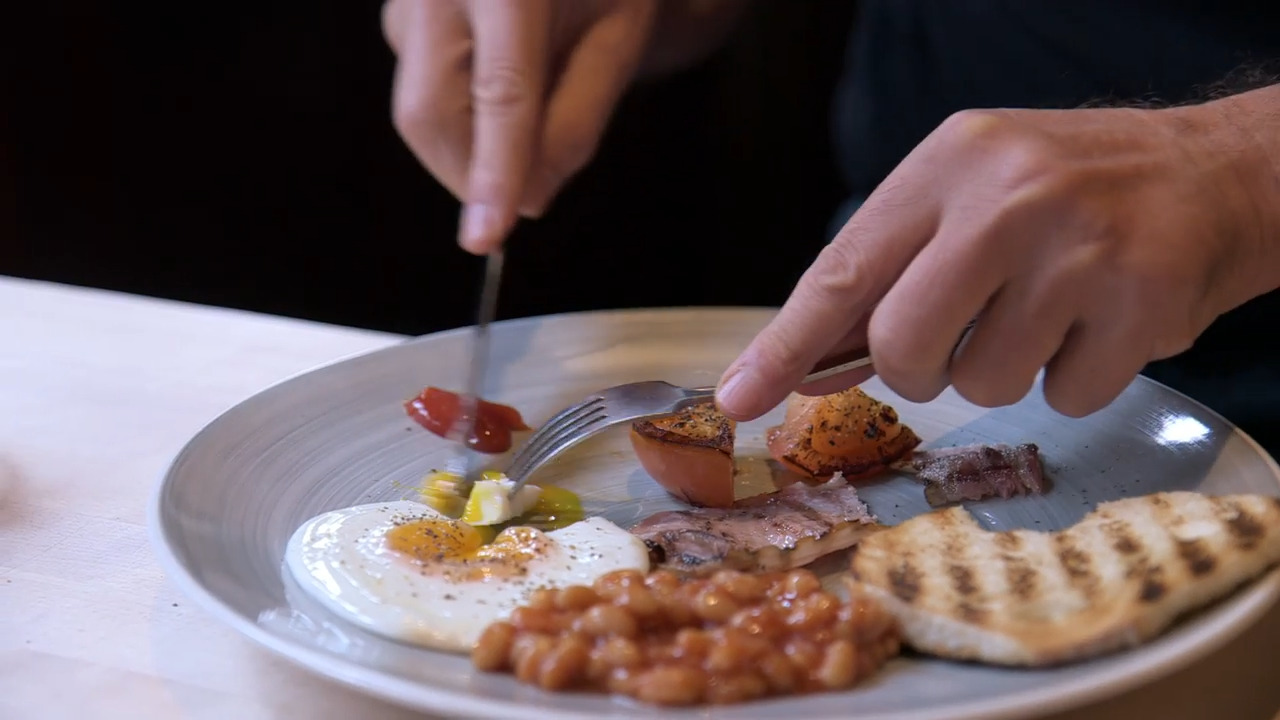
In How Food Changes Your Blood, Dr. Michael Mosley investigates how what we eat directly affects the composition of our blood. By comparing blood samples before and after eating and analyzing them with advanced tools, learn how sugar, fats, and other compounds circulate through the body. This video is excerpted from BBC’s The Wonderful World of Blood, in which Dr. Michael Mosley carries out six experiments on his own blood, from starving it of oxygen to injecting it with snake venom.
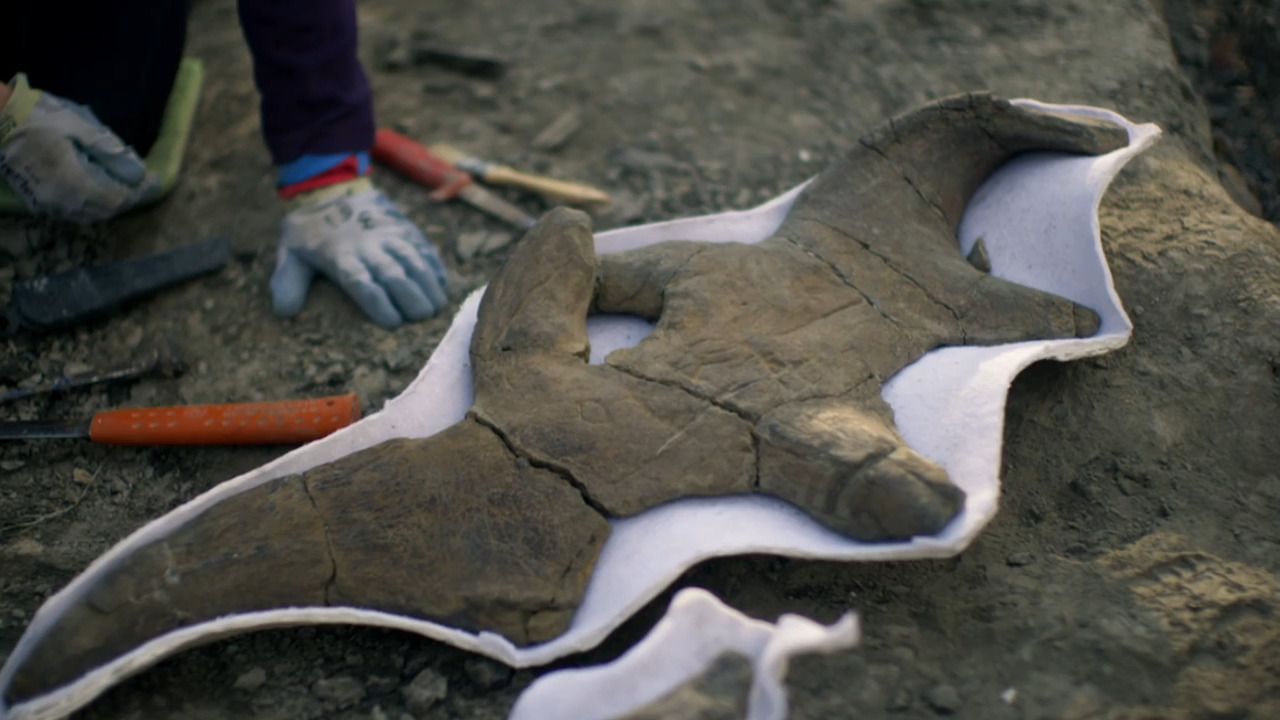
In Digging Up a Pachyrhinosaurus Neck Frill, the team of paleontologists at an Alberta dig site make a rare find — an adult's bony headdress. Its highly unusual shape make the paleontologists want to compare it with others. This video is excerpted from BBC's Walking With Dinosaurs, a legendary program that introduces six iconic dinosaurs emerging from incredible digs. This video is part our Walking With Dinosaurs Virtual Field Trip.
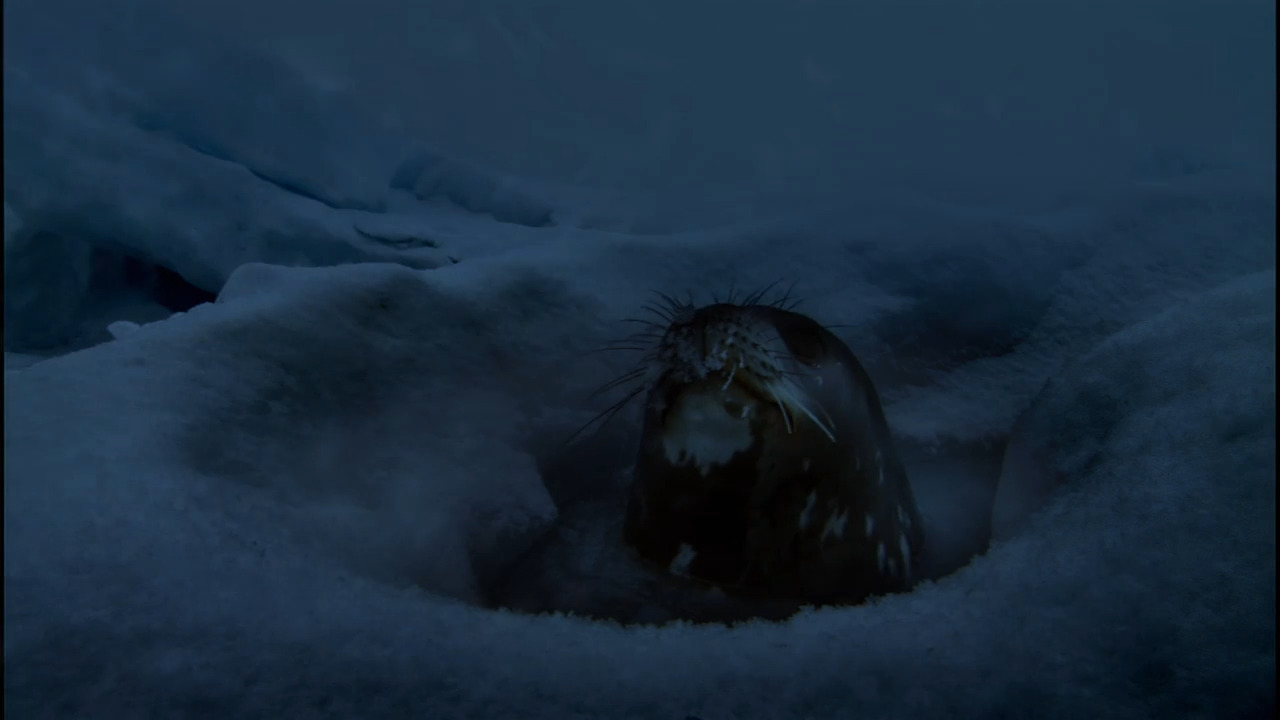
In Winter Underwater With Weddell Seals, narrator Sir David Attenborough explains how Weddell seals spend the winter underwater where the 28°F (-2°C) water is warm compared with the frigid temperatures above. Watch the Weddell seal glide through a watery world that has not changed for millions of years. This video is excerpted from BBC’s Frozen Planet, a series that shows a fragile world of beauty and hostility, where nature finds a way to survive and thrive in frigid conditions.
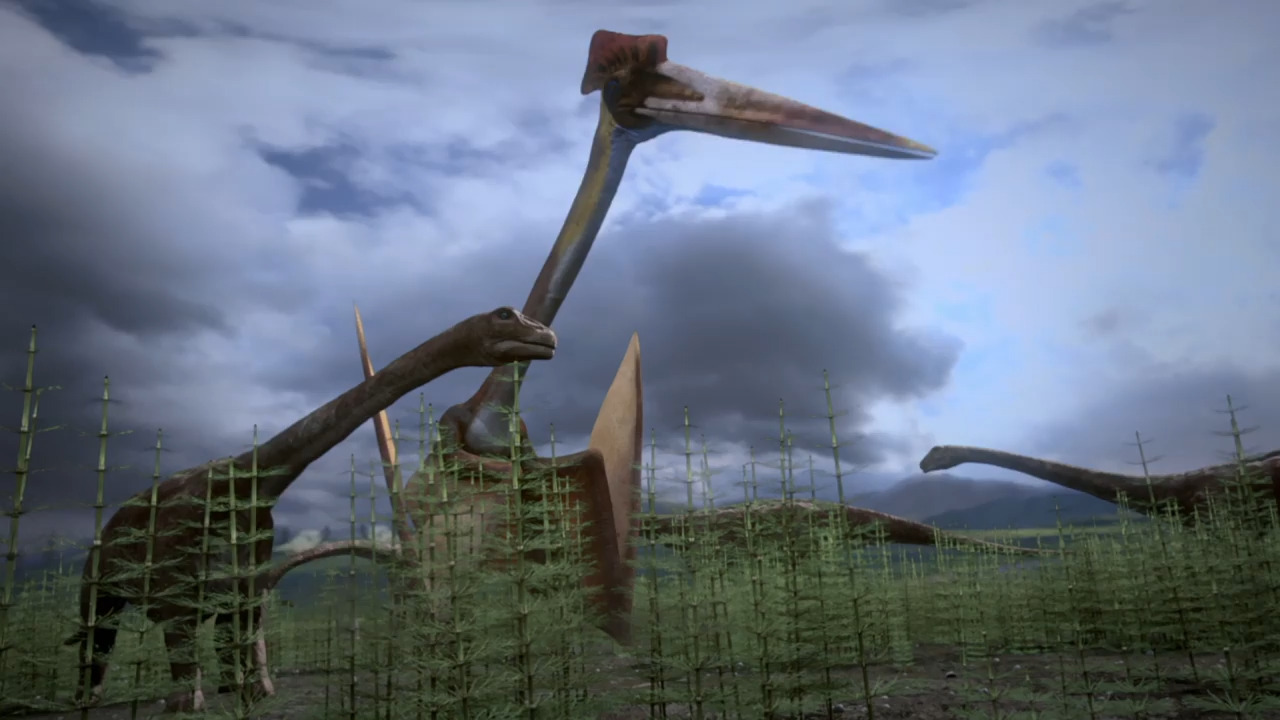
In Hatzegopteryx, Monster of the Skies, naturalist Steve Backshall investigates the largest creature to ever take flight! Plus, see how this dinosaur compares with a real flying object in the skies today. This video is excerpted from BBC’s Deadly Dinosaurs, a documentary series in which host Steve Backshall is on the hunt for the deadliest animals to have walked the Earth — dinosaurs — exploring features of several species and putting their abilities to the test to reveal the raw power of these creatures.
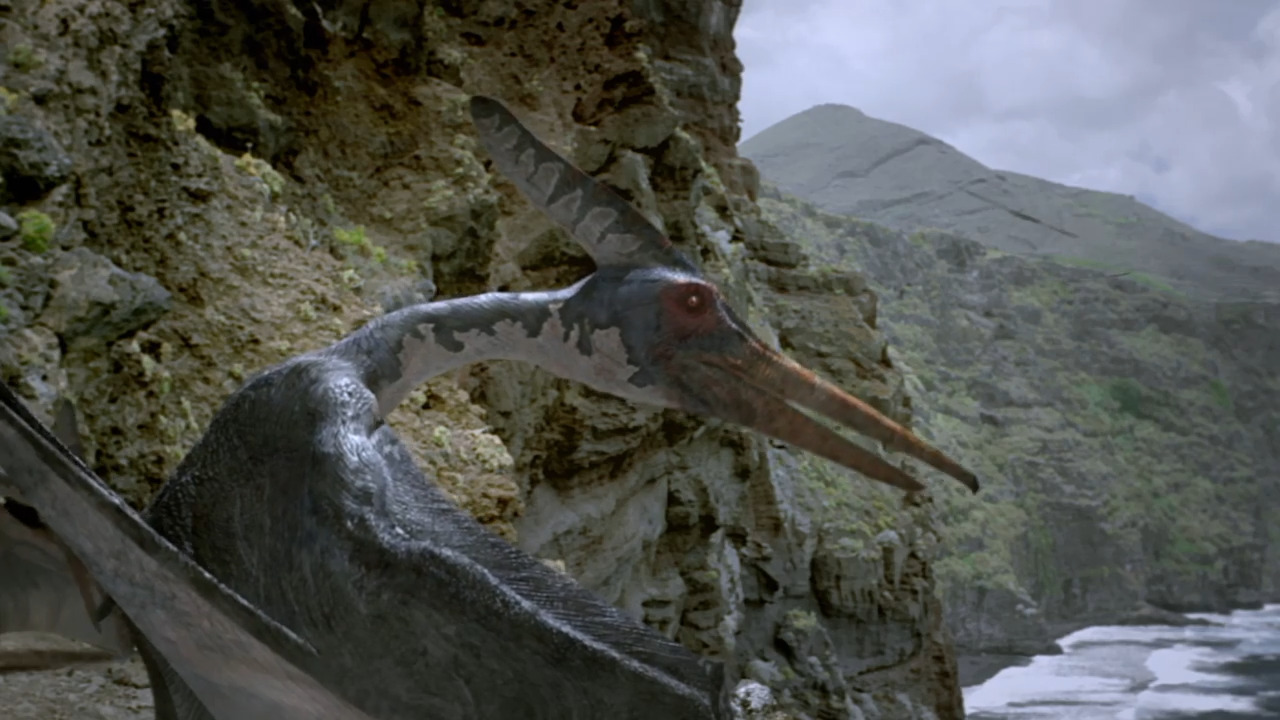
In The Airborne Pterosaur, naturalist Steve Backshall looks at this group of winged creatures that are sometimes called "flying dinosaurs." Their wing mechanism and bone structure are compared with animals that are alive today to explain how the large reptile predators thrived. This video is excerpted from BBC’s Deadly Dinosaurs, a documentary series in which host Steve Backshall is on the hunt for the deadliest animals to have walked the Earth — dinosaurs — exploring features of several species and putting their abilities to the test to reveal the raw power of these creatures.
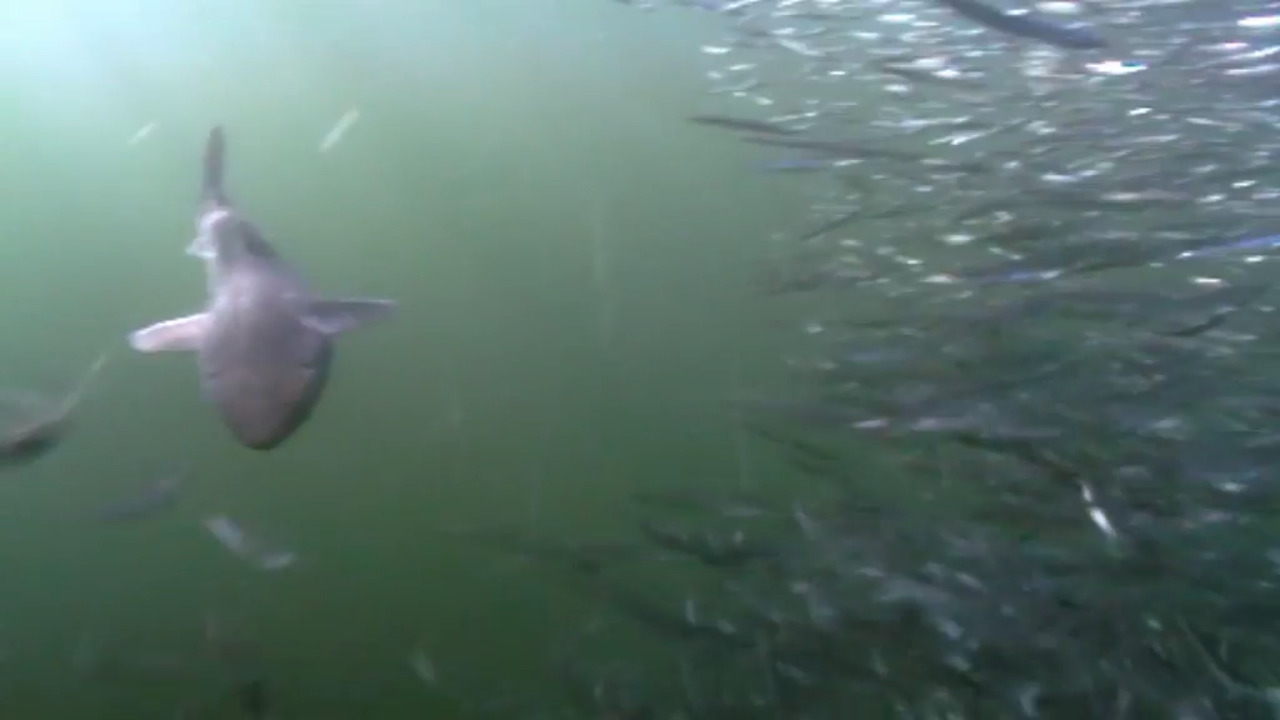
In The Sand Lancet’s Strategy, narrator Sir David Attenborough looks at how living in an area with high and low tide impacts animals, like the sand lancet that lives in sandy areas, compared with those that live in rocky areas, like the mussel or barnacle. This video is excerpted from BBC’s Blue Planet, a definitive documentary series diving into the mysterious depths of the sea to discover the natural history of the world’s oceans and the rarely seen marine life that reside there.
It's important not to compare ourselves with others, and we also need to learn how to cheer on our friends. Based on the Bluey episode "Baby Race," this lesson beings with a classroom conversation about what it means to run your own race. The lesson includes printables for three activities in which kids complete a maze to help Bingo, Bluey, and Mum on their own paths to learn different skills, cheer for each other as they complete different tasks, and make cards for someone who's been working hard.
Baby Race Episode Summary: Mum reminisces about Bluey and Judo as babies. Bluey learned to roll over first, but Judo was the first to crawl, so then it became a race to see who was going to walk first!
Watch the episode here! (Click here to watch in Australia.)
In How Krill Survive in Antarctica, narrator Sir David Attenborough explains how Antarctica is different from the Arctic and how Antarctica changes in winter and summer. Learn how krill survive under the Antarctic ice. This video is excerpted from BBC’s Blue Planet, a definitive documentary series diving into the mysterious depths of the sea to discover the natural history of the world’s oceans and the rarely seen marine life that reside there.
Trace to finish the greater than and less than sums. Numberblock Blockzee is here to assist with this helpful key:
> This means greater than.
< This means less than.
= This means is equal to.
Watch full episodes of Numberblocks on their official YouTube channel!
Brave the chill and meet the coolest creatures on Earth! This playlist of 11 frosty video clips from BBC landmark shows like Frozen Planet and Planet Earth explores how animals survive some of the coldest places on the planet. Students will learn about adaptations, seasonal behaviors, and the survival strategies that help bison, foxes, seals, grizzlies, snow monkeys, polar bears, lynx, and more thrive in freezing climates.
They’ll discover how winter weather shapes each animal’s daily life; how they find food, conserve energy, protect themselves from predators; and why these icy habitats play a vital role in Earth’s systems.
Meet nine wild animals that live in forests, parks, gardens, and neighborhoods: the red fox, white-tailed deer, mallard duck, striped skunk, eastern grey squirrel, raccoon, European badger, hedgehog, and hazel dormouse.
Click on each animal's picture to watch a short video, then click on its name for a fact about what makes it unusual, from its senses and behavior to the ways it has adapted to survive.
Some of these animals may live near you, while others are much harder to spot. Along the way, you'll learn how each one finds food, raises its young, avoids predators, and makes use of the habitat around it.
For Teachers and Parents:
Woodland Animals works well as an introduction to habitats and adaptations or as a self-guided activity for students working on their own or in pairs. Here are a few ways to use it:
- Before exploring: Ask students which of the nine animals they've seen in real life and where. It's a quick way to connect the lesson to their own surroundings.
- While exploring: Have students record one adaptation for each animal, such as a special sense, body feature, or behavior, and how it helps the animal survive.
- After exploring: Ask students to sort the animals by what they eat, when they're active, or how they avoid predators. They can then compare animals that share a habitat but survive in different ways.
- Extension: Some of these animals live in North America, some in Europe, and some in both. Students can research which ones live in their region and why others don't.
In How Food Changes Your Blood, Dr. Michael Mosley investigates how what we eat directly affects the composition of our blood. By comparing blood samples before and after eating and analyzing them with advanced tools, learn how sugar, fats, and other compounds circulate through the body. This video is excerpted from BBC’s The Wonderful World of Blood, in which Dr. Michael Mosley carries out six experiments on his own blood, from starving it of oxygen to injecting it with snake venom.
In Digging Up a Pachyrhinosaurus Neck Frill, the team of paleontologists at an Alberta dig site make a rare find — an adult's bony headdress. Its highly unusual shape make the paleontologists want to compare it with others. This video is excerpted from BBC's Walking With Dinosaurs, a legendary program that introduces six iconic dinosaurs emerging from incredible digs. This video is part our Walking With Dinosaurs Virtual Field Trip.
In Winter Underwater With Weddell Seals, narrator Sir David Attenborough explains how Weddell seals spend the winter underwater where the 28°F (-2°C) water is warm compared with the frigid temperatures above. Watch the Weddell seal glide through a watery world that has not changed for millions of years. This video is excerpted from BBC’s Frozen Planet, a series that shows a fragile world of beauty and hostility, where nature finds a way to survive and thrive in frigid conditions.
In Hatzegopteryx, Monster of the Skies, naturalist Steve Backshall investigates the largest creature to ever take flight! Plus, see how this dinosaur compares with a real flying object in the skies today. This video is excerpted from BBC’s Deadly Dinosaurs, a documentary series in which host Steve Backshall is on the hunt for the deadliest animals to have walked the Earth — dinosaurs — exploring features of several species and putting their abilities to the test to reveal the raw power of these creatures.
In The Airborne Pterosaur, naturalist Steve Backshall looks at this group of winged creatures that are sometimes called "flying dinosaurs." Their wing mechanism and bone structure are compared with animals that are alive today to explain how the large reptile predators thrived. This video is excerpted from BBC’s Deadly Dinosaurs, a documentary series in which host Steve Backshall is on the hunt for the deadliest animals to have walked the Earth — dinosaurs — exploring features of several species and putting their abilities to the test to reveal the raw power of these creatures.
In The Sand Lancet’s Strategy, narrator Sir David Attenborough looks at how living in an area with high and low tide impacts animals, like the sand lancet that lives in sandy areas, compared with those that live in rocky areas, like the mussel or barnacle. This video is excerpted from BBC’s Blue Planet, a definitive documentary series diving into the mysterious depths of the sea to discover the natural history of the world’s oceans and the rarely seen marine life that reside there.