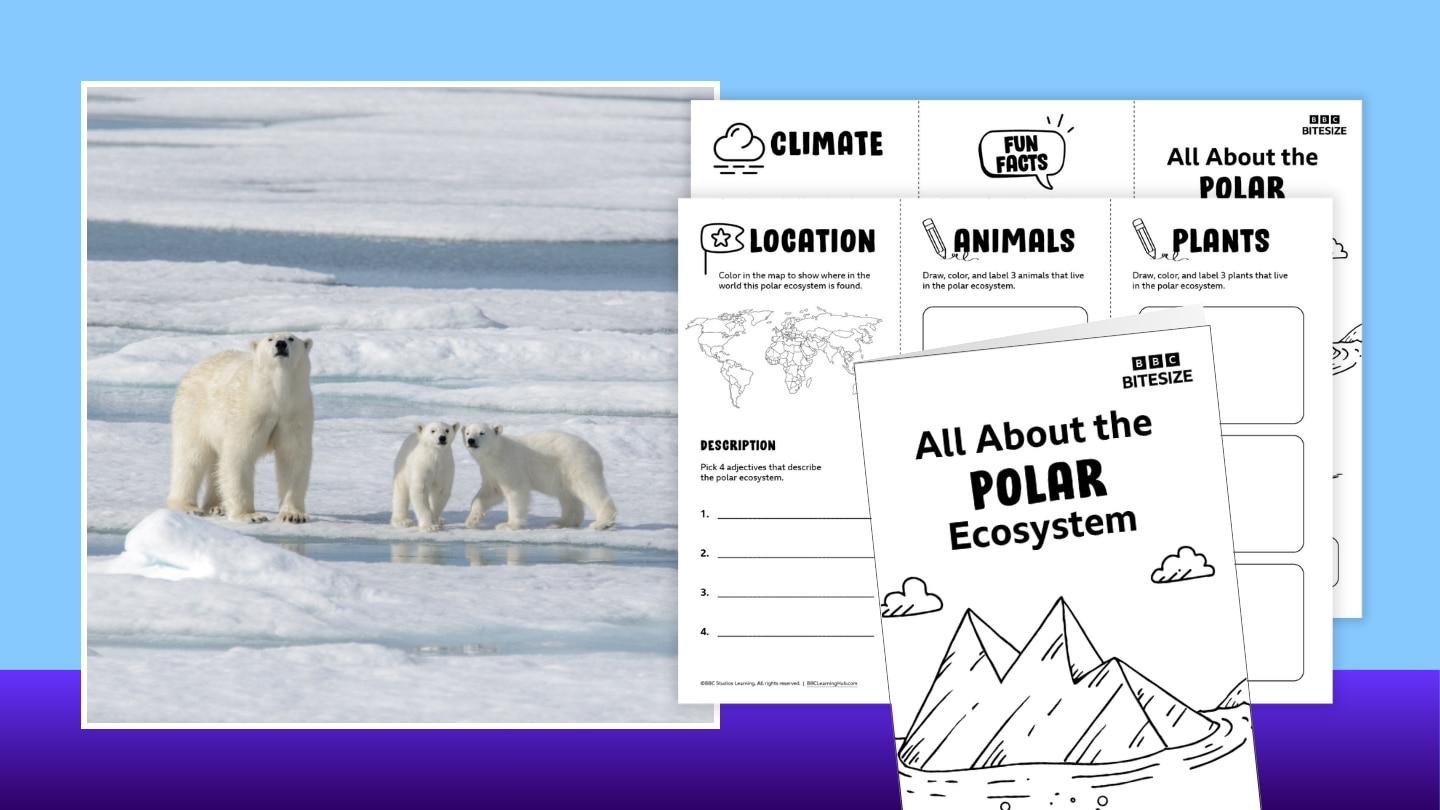
Bring your students on an icy exploration of the polar ecosystem! The Arctic and Antarctica may look frozen and empty at first glance, but they’re full of life perfectly adapted to the cold.
✨ Perfect for grades 3–8, here’s what you need to bring ecosystems to life:
- Iconic BBC Videos: Share the clips on this page to introduce the location, plants, animals, and climate of the polar regions. (Don't miss the narwhals and emperor penguins!) Brought to you by world-class BBC programs like Planet Earth, Frozen Planet, and Seven Worlds, One Planet.
- Free Printable: Use the Polar Brochure Template to help students pull it all together in an ecosystem report with facts they’ve learned (and a little extra research).
It’s everything you need to make ecosystems easy to teach and truly memorable for your students.
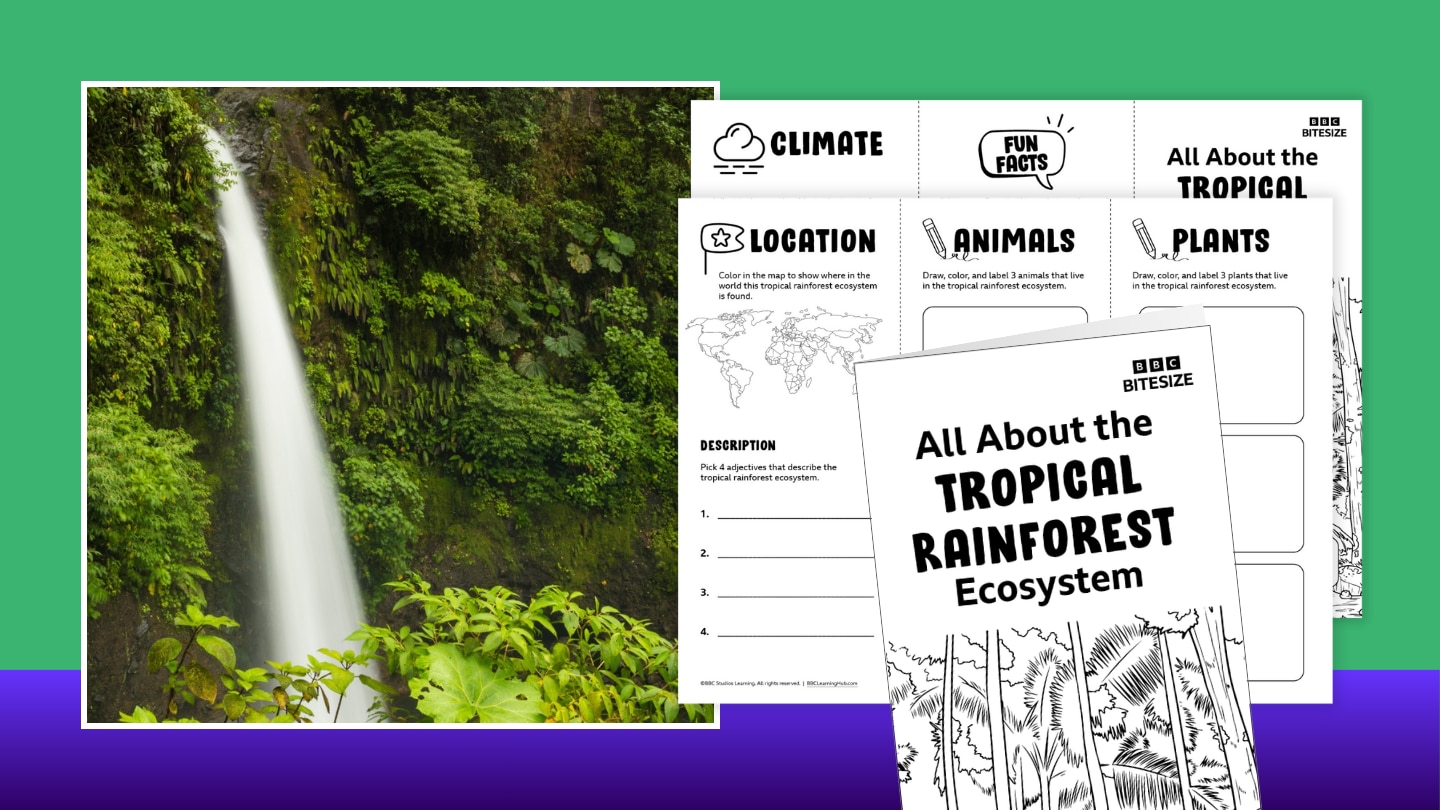
Guide your students on a hike through the tropical rainforest ecosystem! From the Amazon in South America to the jungles of Southeast Asia, rainforests are full of unique and amazing species.
✨ Perfect for grades 3–8, here’s what you need to bring ecosystems to life:
- Iconic BBC Videos: Share the clips on this page to introduce the location, plants, animals, and climate of the rainforest. (Don't miss the spider monkeys and waterfall toads!) Brought to you by world-class BBC programs like Planet Earth, Deadly 60, Seven Worlds, One Planet, and Life.
- Free Printable: Use the Tropical Rainforest Brochure Template to help students pull it all together in an ecosystem report with facts they’ve learned (and a little extra research).
It’s everything you need to make ecosystems easy to teach and truly memorable for your students.
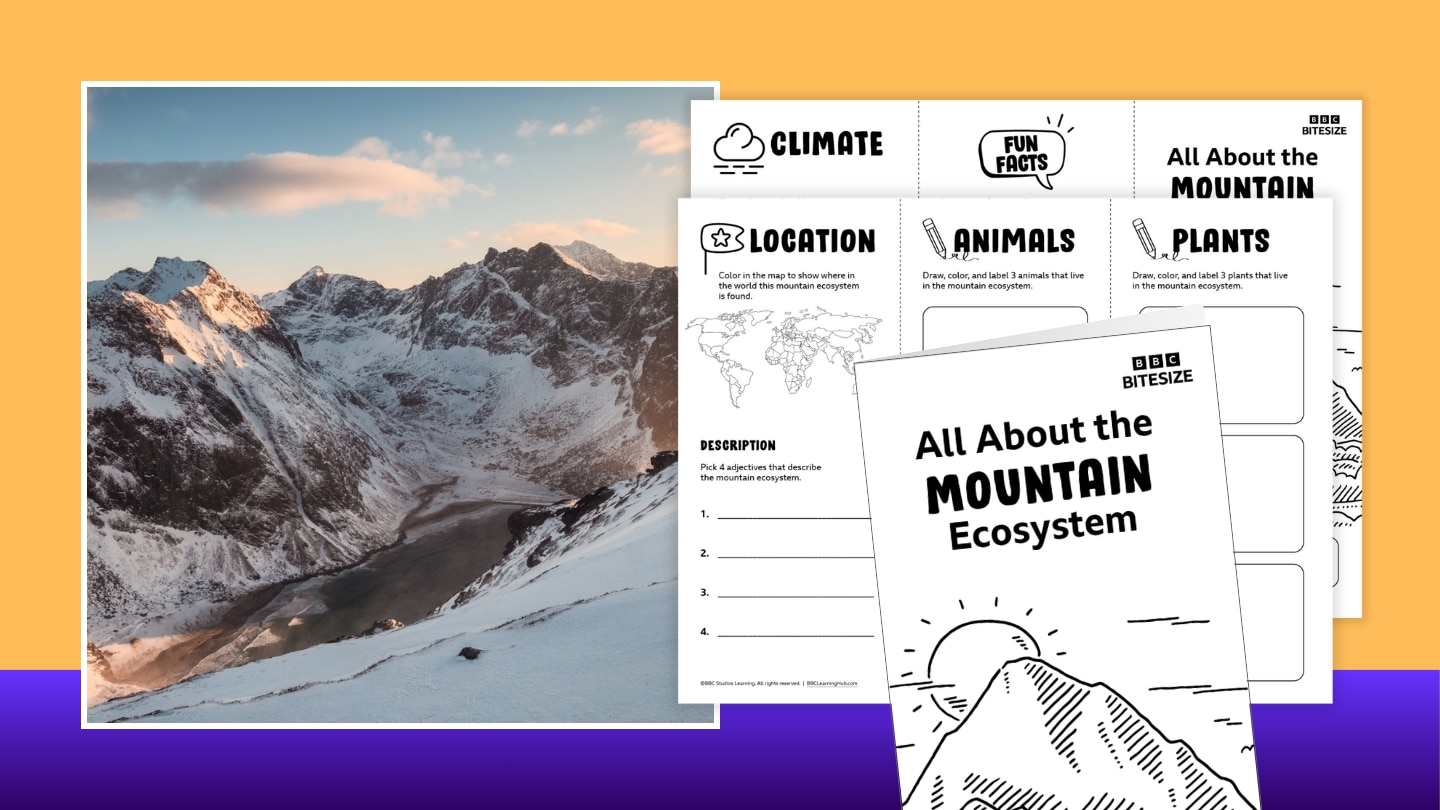
Take your students on a climb through the mountain ecosystem! From the towering Himalayas to the snowy Rockies, mountain ecosystems change as you climb, starting with green forests down low and ending with bare, windswept summits at the top.
✨ Perfect for grades 3–8, here’s what you need to bring ecosystems to life:
- Iconic BBC Videos: Share the clips on this page to introduce the location, plants, animals, and climate of the mountains. (Don't miss the grizzlies and snow leopards!) Brought to you by world-class BBC programs like Planet Earth.
- Free Printable: Use the Mountain Brochure Template to help students pull it all together in an ecosystem report with facts they’ve learned (and a little extra research).
It’s everything you need to make ecosystems easy to teach and truly memorable for your students.
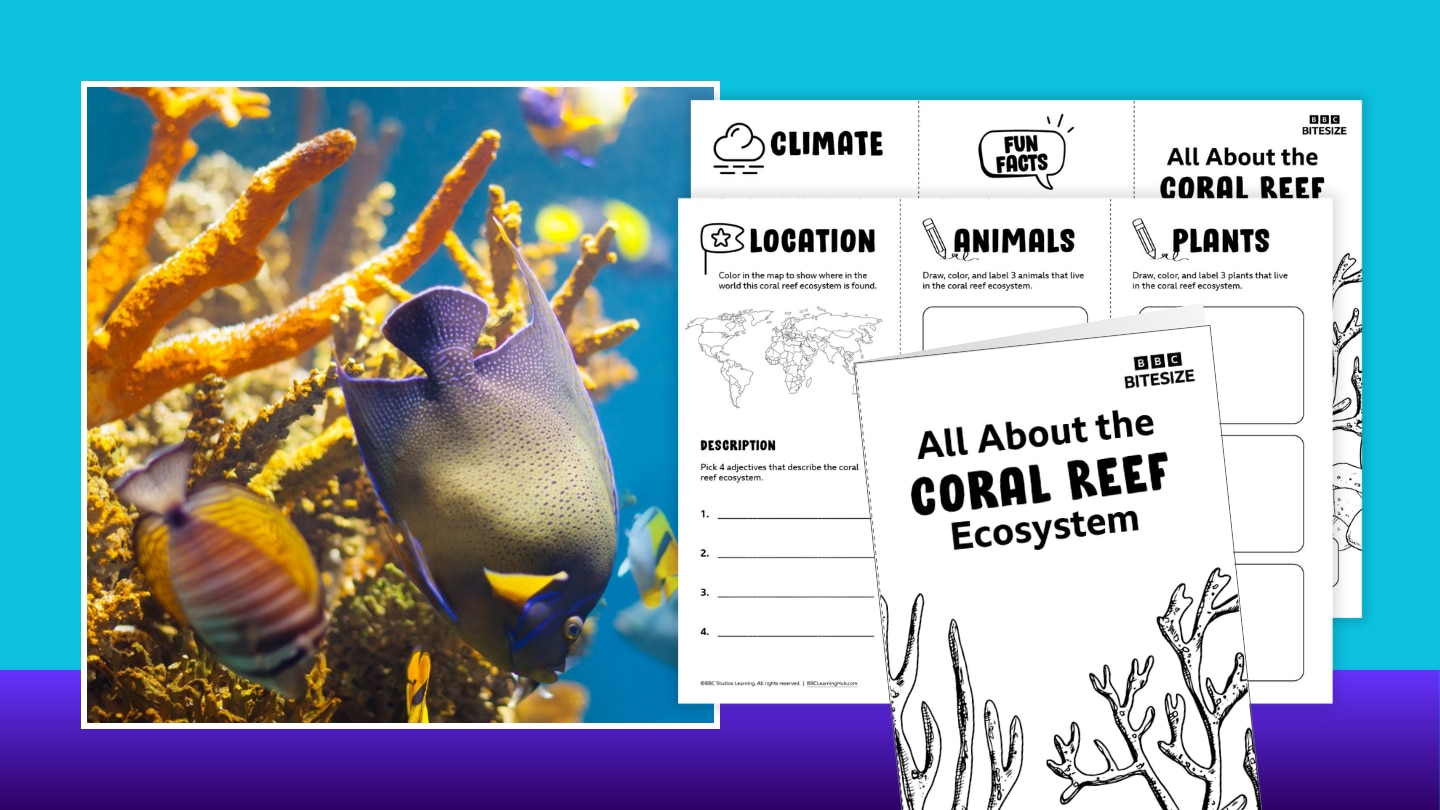
Bring your students on an underwater adventure into the coral reef ecosystem! Whether you're exploring the vast beauty of the Great Barrier Reef in Australia or diving into the rich, biodiverse waters of Indonesia, coral reefs are some of the most vibrant and important ecosystems on Earth.
✨ Perfect for grades 3–8, here’s what you need to bring ecosystems to life:
- Iconic BBC Videos: Share the clips on this page to introduce the location, plants, animals, and climate of the coral reefs. (Don't miss the tusk fish and octopuses!) Brought to you by world-class BBC programs like Planet Earth, Blue Planet, Animal Babies, and Life.
- Free Printable: Use the Coral Reef Brochure Template to help students pull it all together in an ecosystem report with facts they’ve learned (and a little extra research).
It’s everything you need to make ecosystems easy to teach and truly memorable for your students.
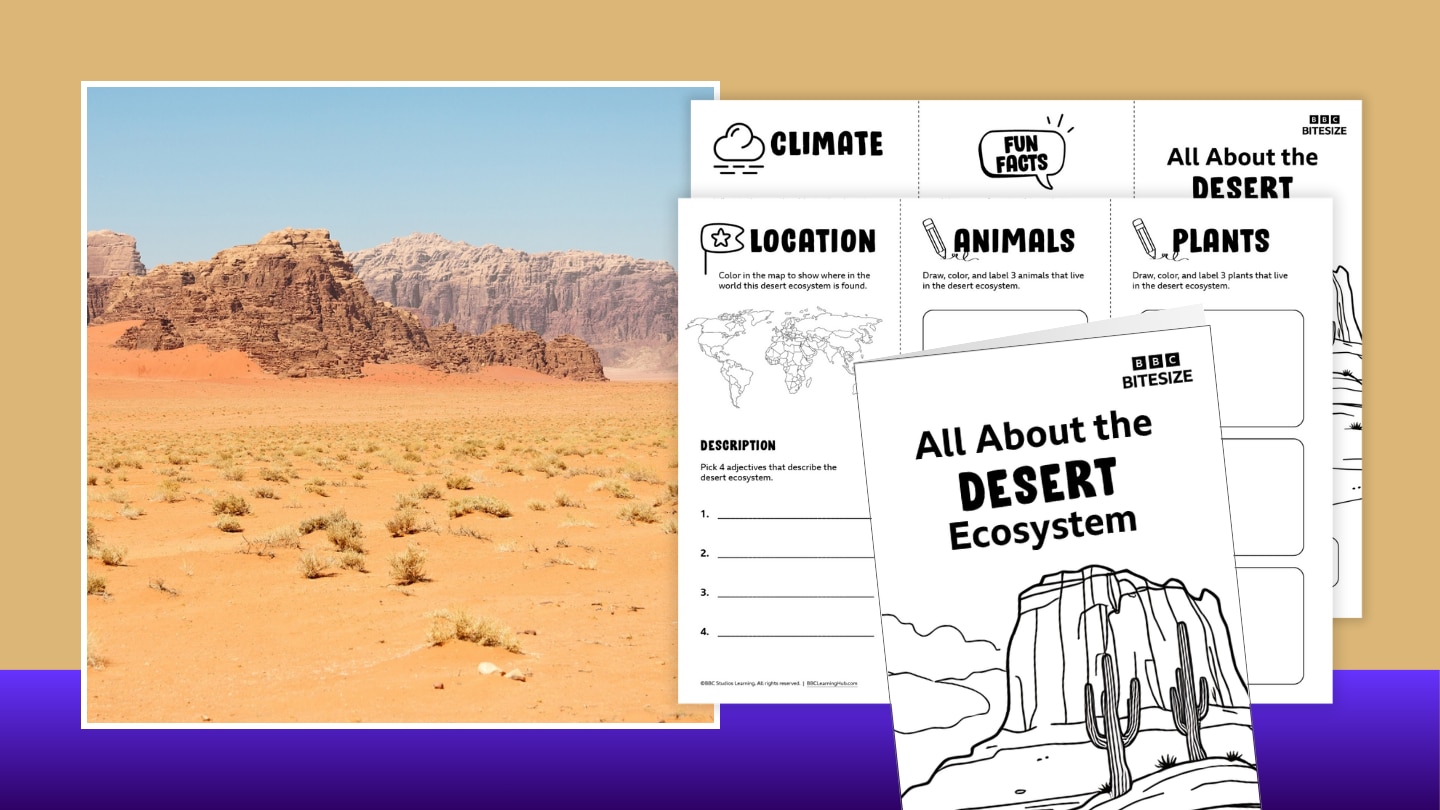
Guide your students on a journey through the desert ecosystem! From the sweeping sands of the Namib and Kalahari in southern Africa, to the dry heart of Australia’s Outback, and the rocky cold of the Gobi, deserts come in many forms.
✨ Perfect for grades 3–8, here’s what you need to bring ecosystems to life:
- Iconic BBC Videos: Share the clips on this page to introduce the location, plants, animals, and climate of the desert. (Don't miss the lions and lizards!) Brought to you by world-class BBC programs like Planet Earth, Wilderness With Simon Reeve, Africa, and Seven Worlds, One Planet.
- Free Printable: Use the Desert Brochure Template to help students pull it all together in an ecosystem report with facts they’ve learned (and a little extra research).
It’s everything you need to make ecosystems easy to teach and truly memorable for your students.
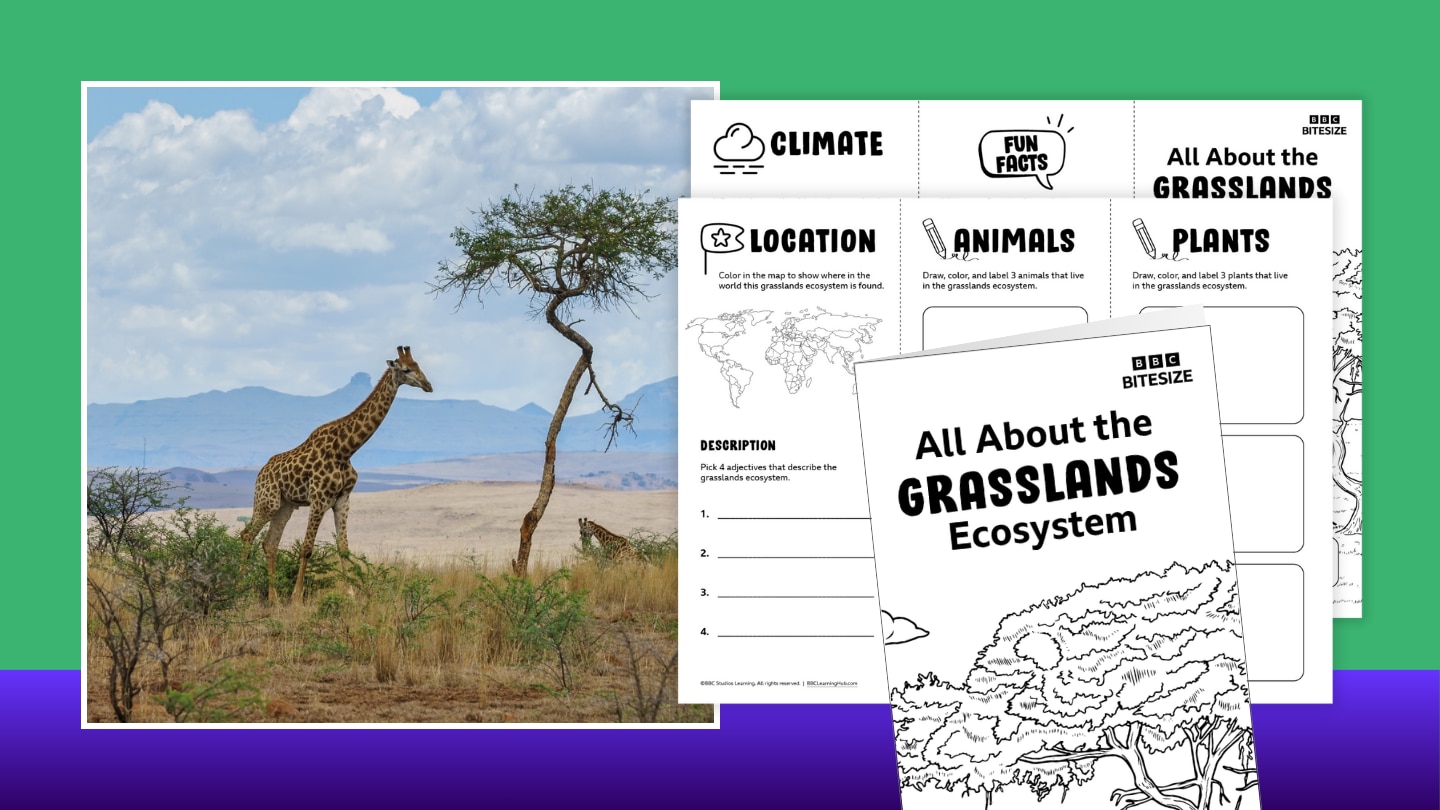
Take your students on a romp through the grasslands! From the African savanna to the Great Plains of North America grasslands are nature’s wide-open playground.
✨ Perfect for grades 3–8, here’s what you need to bring ecosystems to life:
- Iconic BBC Videos: Share the clips on this page to introduce the location, plants, animals, and climate of the grasslands. (Don't miss the giraffes and bison!) Brought to you by world-class BBC programs such as Planet Earth, The Americas With Simon Reeve, and Seven Worlds, One Planet.
- Free Printable: Use the Grasslands Brochure Template to help students pull it all together in an ecosystem report with facts they’ve learned (and a little extra research).
It’s everything you need to make ecosystems easy to teach and truly memorable for your students.
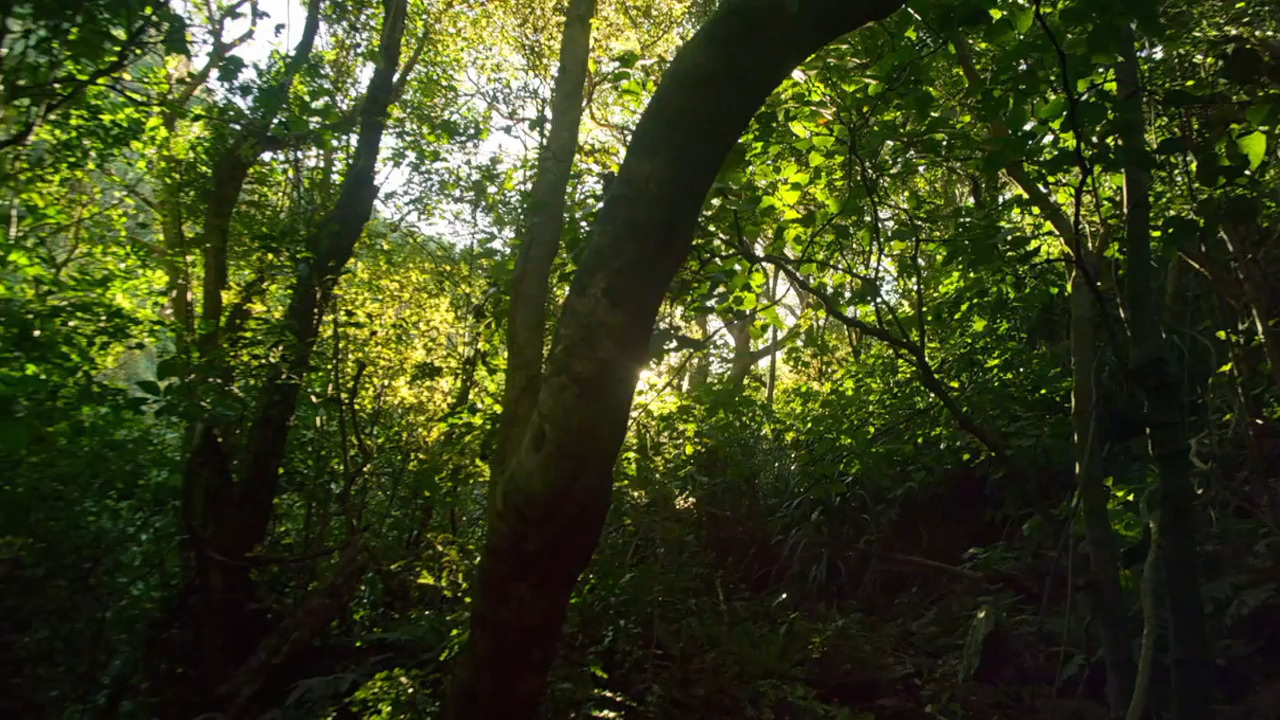
In Climate Change and the Impact of Wildfires, learn how climate change has made the possibility of wildfires more likely and more widespread. Now wildfires are happening around the world, including in colder countries. Wildfires in the western United States have become particularly devastating and dangerous for the people who live there. This video is excerpted from BBC’s Climate Change - The Facts, a documentary that delves into the science of climate change and its far-reaching consequences.
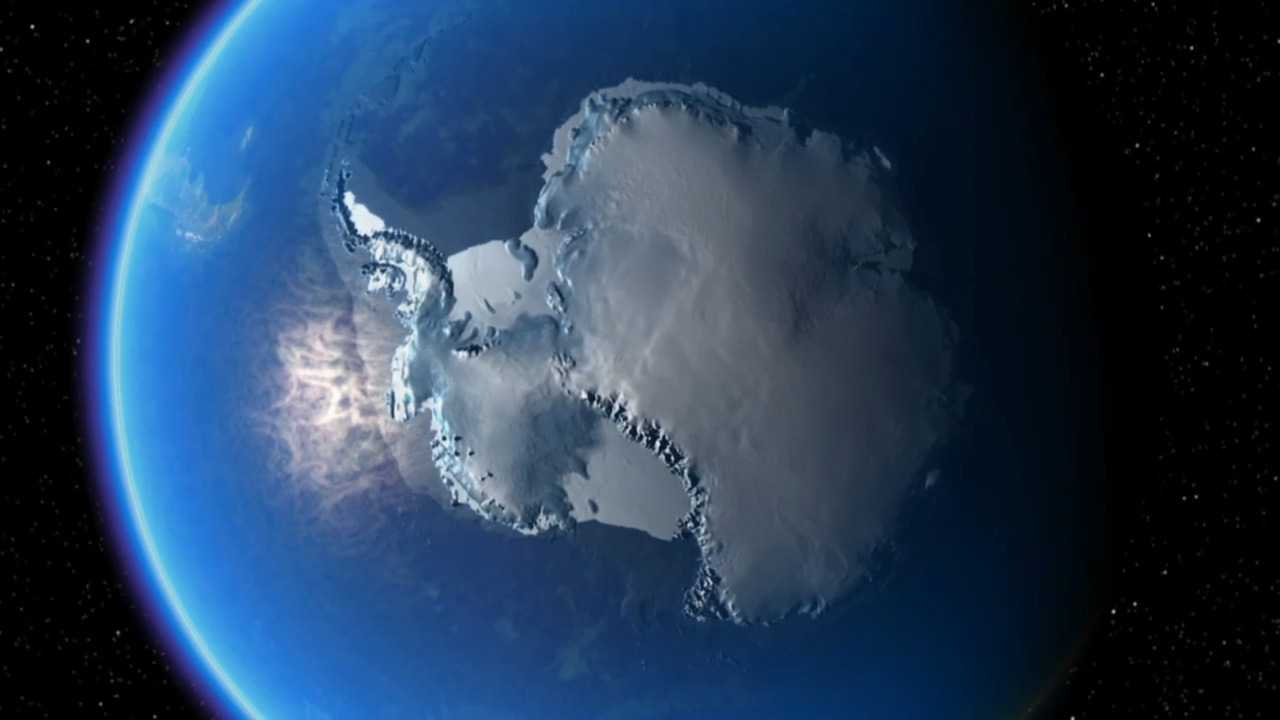
In Antarctica and Our Climate, geologist Iain Stewart explains how technology allows us to see the full geography of Antarctica, including lakes that are under ice and huge glaciers that cover islands of rock. Antarctica is formed because we are in an ice age that has lasted more than three million years, with small changes that have a large impact as ice advances and retreats over and over again. This video is excerpted from BBC’s Earth: The Power of the Planet, a documentary series in which Dr. Iain Stewart discovers how Earth's forces can shape nature, species, and even the climate.
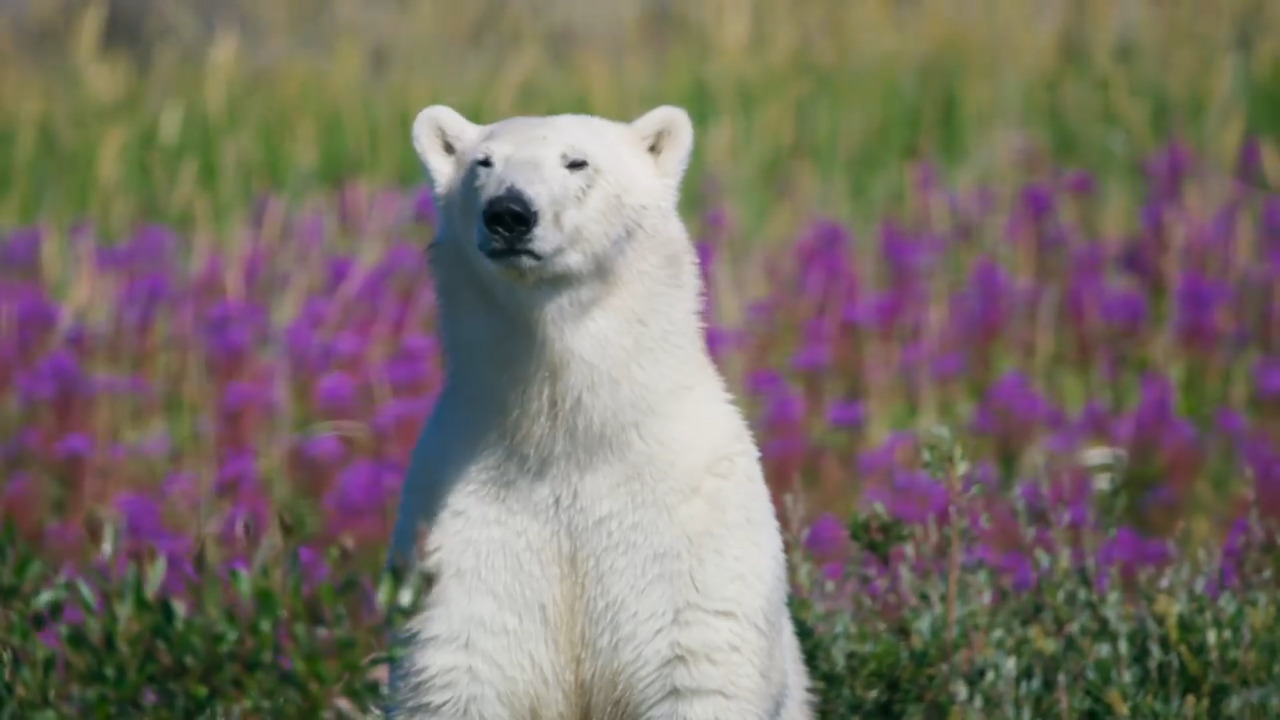
In Climate Change and Polar Bears, learn how human impacts are causing Canada to warm faster than any country on Earth. Lack of sea ice is now causing major problems for polar bears, and they have had to find a new source of food — beluga whale calves. This video is excerpted from BBC’s Seven Worlds, One Planet, a series featuring remarkable animal behavior from all seven continents.
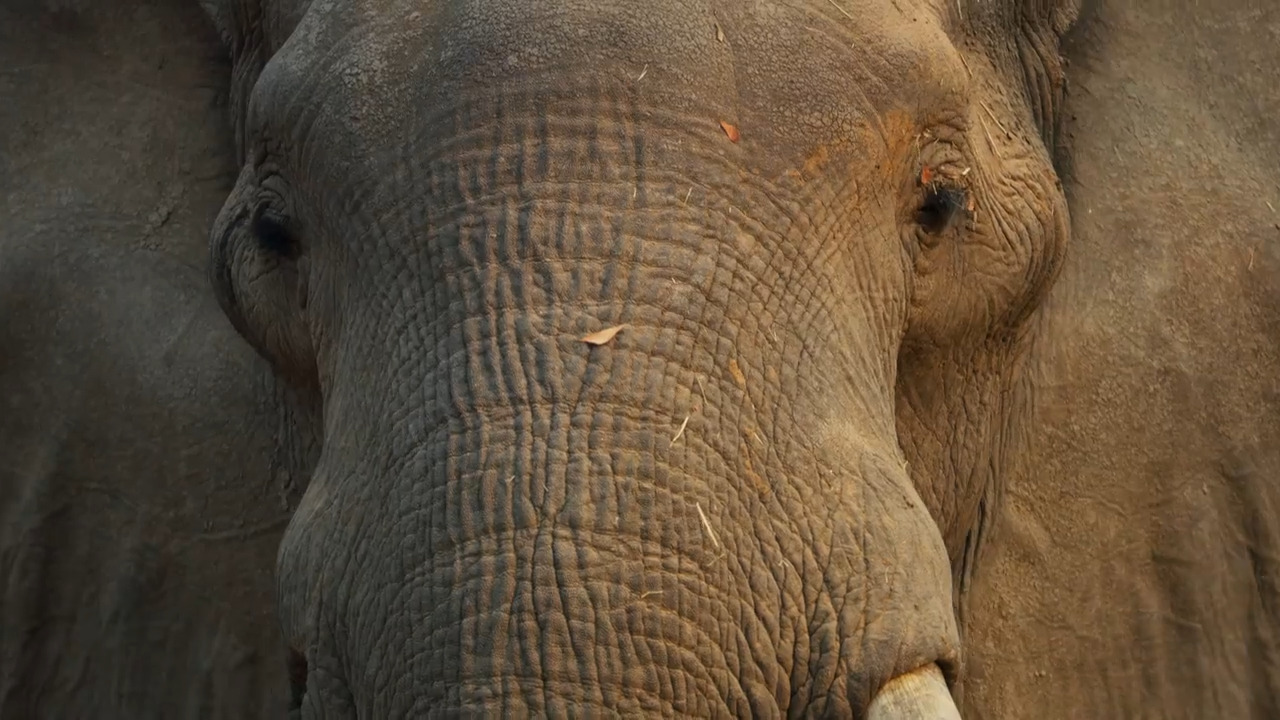
In Elephants Adapt to Climate Change, narrator Sir David Attenborough explains how elephants have adapted to drought in Africa. They have worked out a way of reaching acacia pods from the highest branches. This video is excerpted from BBC’s Seven Worlds, One Planet, a series featuring remarkable animal behavior from all seven continents.
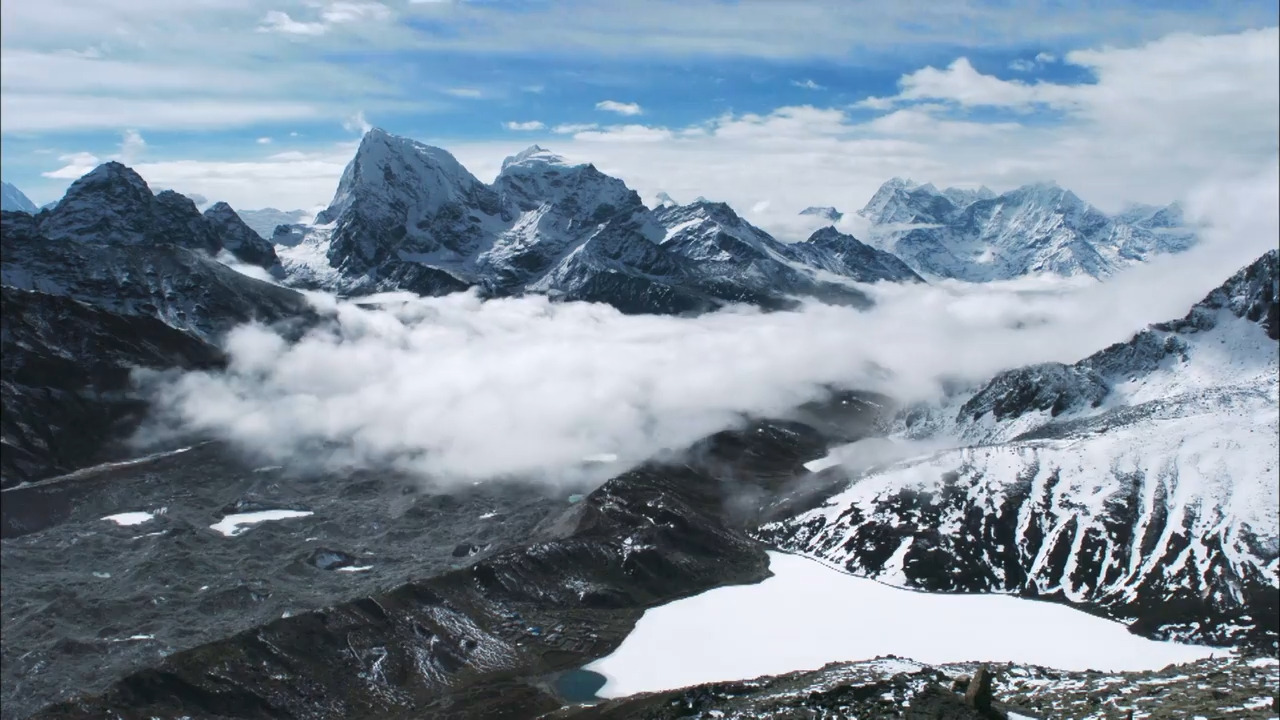
In How Mountains Shape the Climate, narrator Sir David Attenborough takes in soaring views that reveal the extreme altitude of the Himalayas. These mountains are so high that they force the formation of clouds and monsoon rain and snow. This video is excerpted from BBC's Planet Earth, a breathtaking documentary series that highlights the natural wonders of our planet.
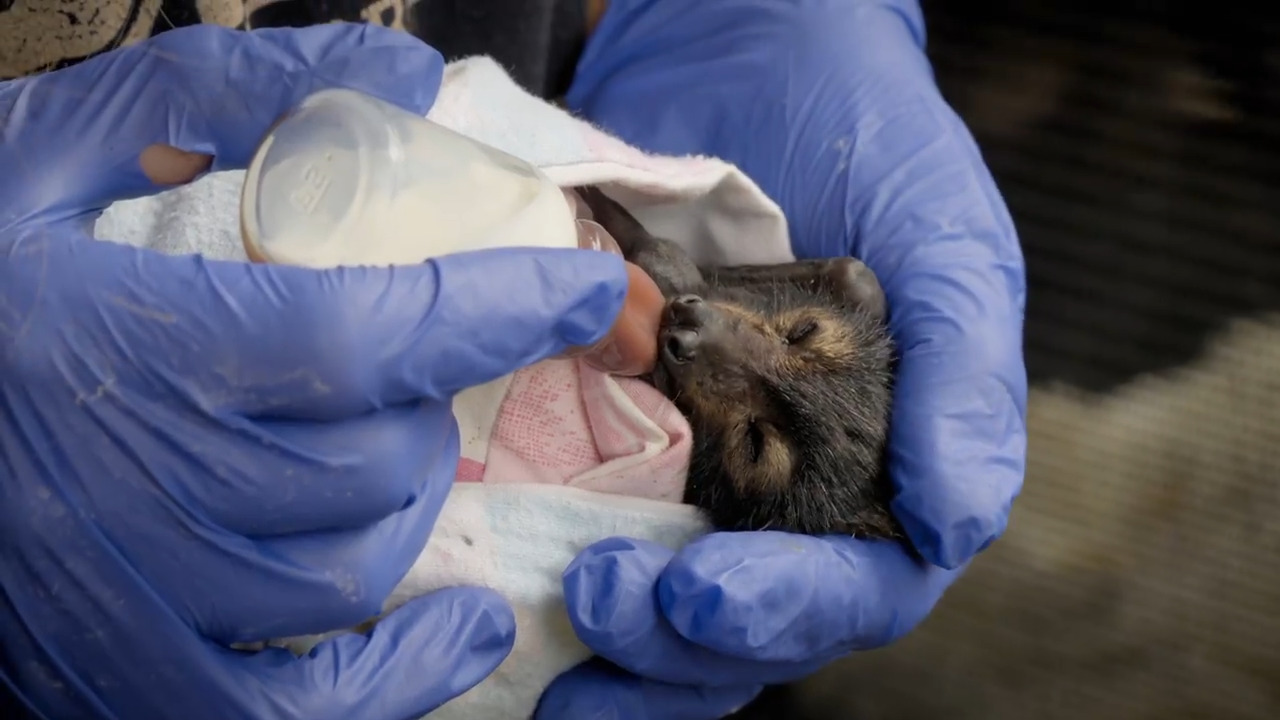
In Climate Change and Its Effect on Species, discover the devastating impact of extreme heat in Australia on flying foxes. Thousands of these creatures died as a result of the intense heat waves caused by climate change. This phenomenon is a stark reminder of how rising temperatures are putting many species at risk of extinction. This video is excerpted from BBC’s Climate Change - The Facts, a documentary that delves into the science of climate change and its far-reaching consequences.
Bring your students on an icy exploration of the polar ecosystem! The Arctic and Antarctica may look frozen and empty at first glance, but they’re full of life perfectly adapted to the cold.
✨ Perfect for grades 3–8, here’s what you need to bring ecosystems to life:
- Iconic BBC Videos: Share the clips on this page to introduce the location, plants, animals, and climate of the polar regions. (Don't miss the narwhals and emperor penguins!) Brought to you by world-class BBC programs like Planet Earth, Frozen Planet, and Seven Worlds, One Planet.
- Free Printable: Use the Polar Brochure Template to help students pull it all together in an ecosystem report with facts they’ve learned (and a little extra research).
It’s everything you need to make ecosystems easy to teach and truly memorable for your students.
Guide your students on a hike through the tropical rainforest ecosystem! From the Amazon in South America to the jungles of Southeast Asia, rainforests are full of unique and amazing species.
✨ Perfect for grades 3–8, here’s what you need to bring ecosystems to life:
- Iconic BBC Videos: Share the clips on this page to introduce the location, plants, animals, and climate of the rainforest. (Don't miss the spider monkeys and waterfall toads!) Brought to you by world-class BBC programs like Planet Earth, Deadly 60, Seven Worlds, One Planet, and Life.
- Free Printable: Use the Tropical Rainforest Brochure Template to help students pull it all together in an ecosystem report with facts they’ve learned (and a little extra research).
It’s everything you need to make ecosystems easy to teach and truly memorable for your students.
Take your students on a climb through the mountain ecosystem! From the towering Himalayas to the snowy Rockies, mountain ecosystems change as you climb, starting with green forests down low and ending with bare, windswept summits at the top.
✨ Perfect for grades 3–8, here’s what you need to bring ecosystems to life:
- Iconic BBC Videos: Share the clips on this page to introduce the location, plants, animals, and climate of the mountains. (Don't miss the grizzlies and snow leopards!) Brought to you by world-class BBC programs like Planet Earth.
- Free Printable: Use the Mountain Brochure Template to help students pull it all together in an ecosystem report with facts they’ve learned (and a little extra research).
It’s everything you need to make ecosystems easy to teach and truly memorable for your students.
Bring your students on an underwater adventure into the coral reef ecosystem! Whether you're exploring the vast beauty of the Great Barrier Reef in Australia or diving into the rich, biodiverse waters of Indonesia, coral reefs are some of the most vibrant and important ecosystems on Earth.
✨ Perfect for grades 3–8, here’s what you need to bring ecosystems to life:
- Iconic BBC Videos: Share the clips on this page to introduce the location, plants, animals, and climate of the coral reefs. (Don't miss the tusk fish and octopuses!) Brought to you by world-class BBC programs like Planet Earth, Blue Planet, Animal Babies, and Life.
- Free Printable: Use the Coral Reef Brochure Template to help students pull it all together in an ecosystem report with facts they’ve learned (and a little extra research).
It’s everything you need to make ecosystems easy to teach and truly memorable for your students.
Guide your students on a journey through the desert ecosystem! From the sweeping sands of the Namib and Kalahari in southern Africa, to the dry heart of Australia’s Outback, and the rocky cold of the Gobi, deserts come in many forms.
✨ Perfect for grades 3–8, here’s what you need to bring ecosystems to life:
- Iconic BBC Videos: Share the clips on this page to introduce the location, plants, animals, and climate of the desert. (Don't miss the lions and lizards!) Brought to you by world-class BBC programs like Planet Earth, Wilderness With Simon Reeve, Africa, and Seven Worlds, One Planet.
- Free Printable: Use the Desert Brochure Template to help students pull it all together in an ecosystem report with facts they’ve learned (and a little extra research).
It’s everything you need to make ecosystems easy to teach and truly memorable for your students.
Take your students on a romp through the grasslands! From the African savanna to the Great Plains of North America grasslands are nature’s wide-open playground.
✨ Perfect for grades 3–8, here’s what you need to bring ecosystems to life:
- Iconic BBC Videos: Share the clips on this page to introduce the location, plants, animals, and climate of the grasslands. (Don't miss the giraffes and bison!) Brought to you by world-class BBC programs such as Planet Earth, The Americas With Simon Reeve, and Seven Worlds, One Planet.
- Free Printable: Use the Grasslands Brochure Template to help students pull it all together in an ecosystem report with facts they’ve learned (and a little extra research).
It’s everything you need to make ecosystems easy to teach and truly memorable for your students.
In Climate Change and the Impact of Wildfires, learn how climate change has made the possibility of wildfires more likely and more widespread. Now wildfires are happening around the world, including in colder countries. Wildfires in the western United States have become particularly devastating and dangerous for the people who live there. This video is excerpted from BBC’s Climate Change - The Facts, a documentary that delves into the science of climate change and its far-reaching consequences.
In Antarctica and Our Climate, geologist Iain Stewart explains how technology allows us to see the full geography of Antarctica, including lakes that are under ice and huge glaciers that cover islands of rock. Antarctica is formed because we are in an ice age that has lasted more than three million years, with small changes that have a large impact as ice advances and retreats over and over again. This video is excerpted from BBC’s Earth: The Power of the Planet, a documentary series in which Dr. Iain Stewart discovers how Earth's forces can shape nature, species, and even the climate.
In Climate Change and Polar Bears, learn how human impacts are causing Canada to warm faster than any country on Earth. Lack of sea ice is now causing major problems for polar bears, and they have had to find a new source of food — beluga whale calves. This video is excerpted from BBC’s Seven Worlds, One Planet, a series featuring remarkable animal behavior from all seven continents.
In Elephants Adapt to Climate Change, narrator Sir David Attenborough explains how elephants have adapted to drought in Africa. They have worked out a way of reaching acacia pods from the highest branches. This video is excerpted from BBC’s Seven Worlds, One Planet, a series featuring remarkable animal behavior from all seven continents.
In How Mountains Shape the Climate, narrator Sir David Attenborough takes in soaring views that reveal the extreme altitude of the Himalayas. These mountains are so high that they force the formation of clouds and monsoon rain and snow. This video is excerpted from BBC's Planet Earth, a breathtaking documentary series that highlights the natural wonders of our planet.
In Climate Change and Its Effect on Species, discover the devastating impact of extreme heat in Australia on flying foxes. Thousands of these creatures died as a result of the intense heat waves caused by climate change. This phenomenon is a stark reminder of how rising temperatures are putting many species at risk of extinction. This video is excerpted from BBC’s Climate Change - The Facts, a documentary that delves into the science of climate change and its far-reaching consequences.