
Explore the impact of human activity on our oceans with this comprehensive lesson collection. Featuring curated BBC video clips and printable activities, these resources dive into topics like pollution, overfishing, and ocean habitats, helping students understand the challenges facing ocean life and inspiring them to become ocean conservation advocates.

Dive into the wonders of Antarctica with this multi-grade lesson collection! Tailored for K–2, 3–5, 6–8, and 9–12, each unit includes engaging activities, thought-provoking discussions, and hands-on projects to uncover the mysteries of the frozen continent. Enhance your teaching with stunning BBC video clips showcasing Antarctic wildlife, research stations, and breathtaking icy landscapes. Printable resources like animal fact sheets, scientist journal templates, and conservation challenges bring the learning to life for your students. Perfect for science, geography, and environmental lessons!
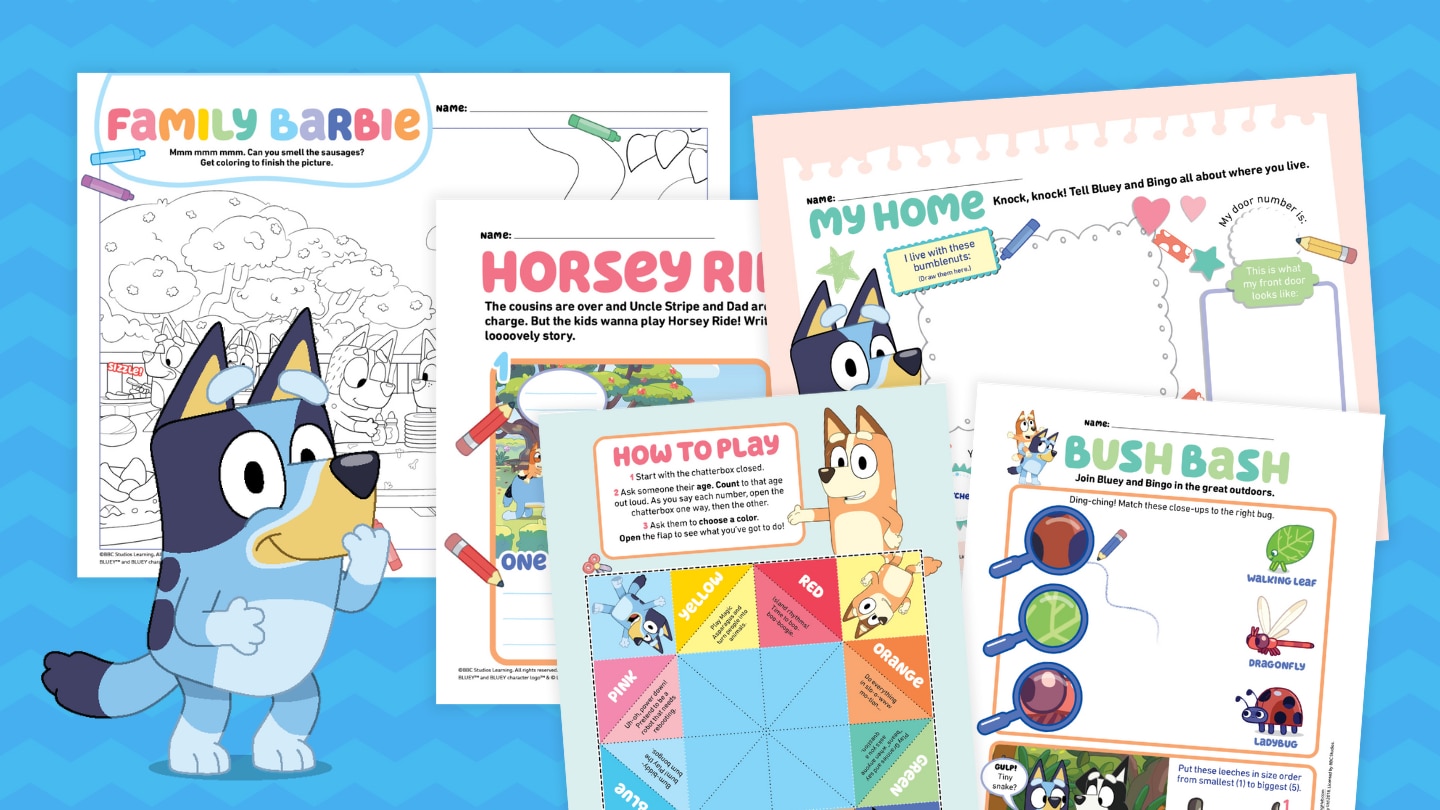
Get ready for hours of fun with Bluey and her friends! This collection of activity pages is packed with puzzles, coloring sheets, games, and creative challenges that bring the world of Bluey to life. Perfect for playtime or rainy days — let’s play!
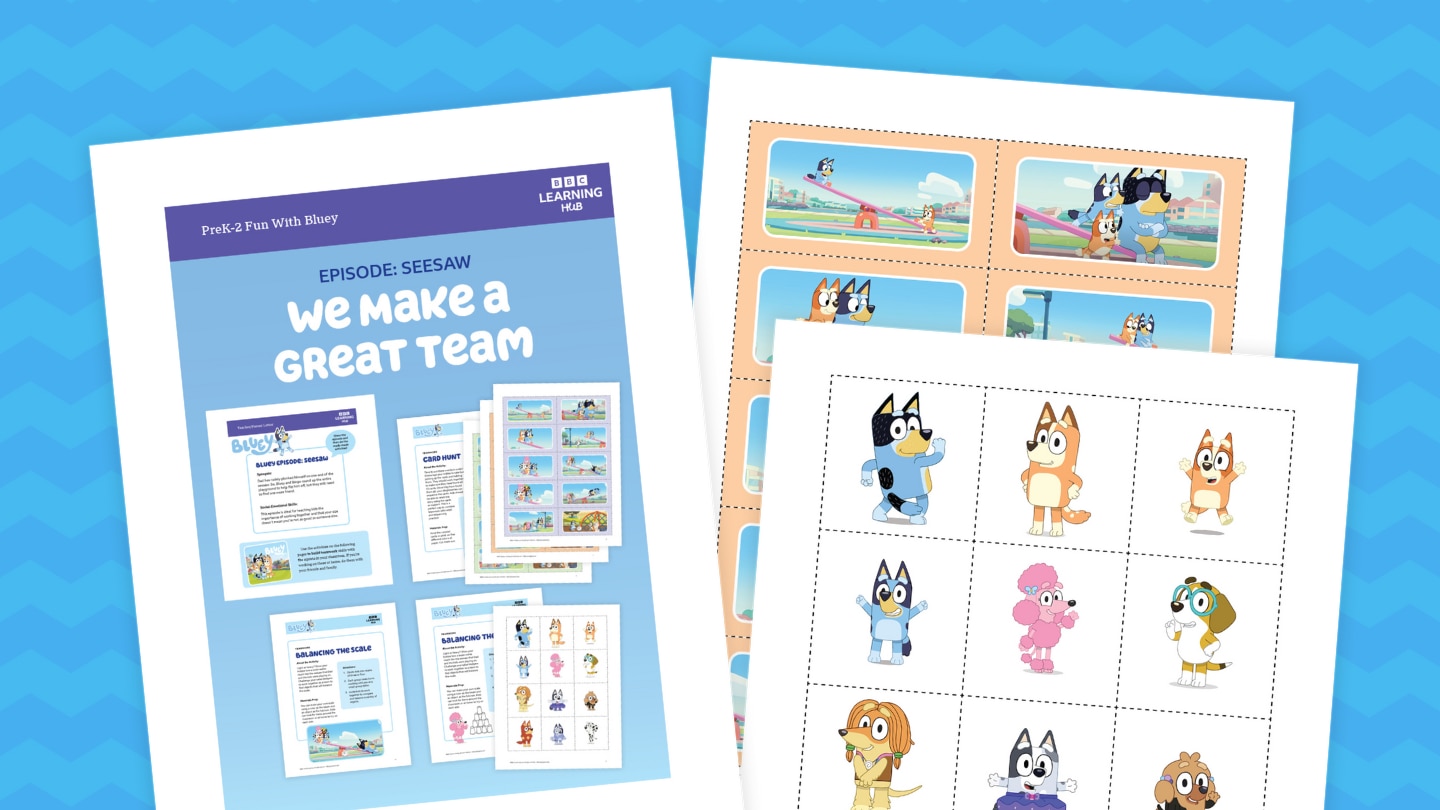
Everyone can contribute to a team! This fun lesson uses the Bluey episode "Seesaw" as the kickoff to a classroom conversation about the importance of teamwork. The lesson includes printables for three activities in which kids work in small teams to complete challenges like putting episode event cards in order, balancing a classroom-made scale, and building the tallest cup tower they can.
Seesaw Episode Summary: Dad has rudely plonked himself on one end of the seesaw. So, Bluey and Bingo round up the entire playground to help flip him off, but they still need to find one more friend.
Watch the episode here! (Click here to watch in Australia.)
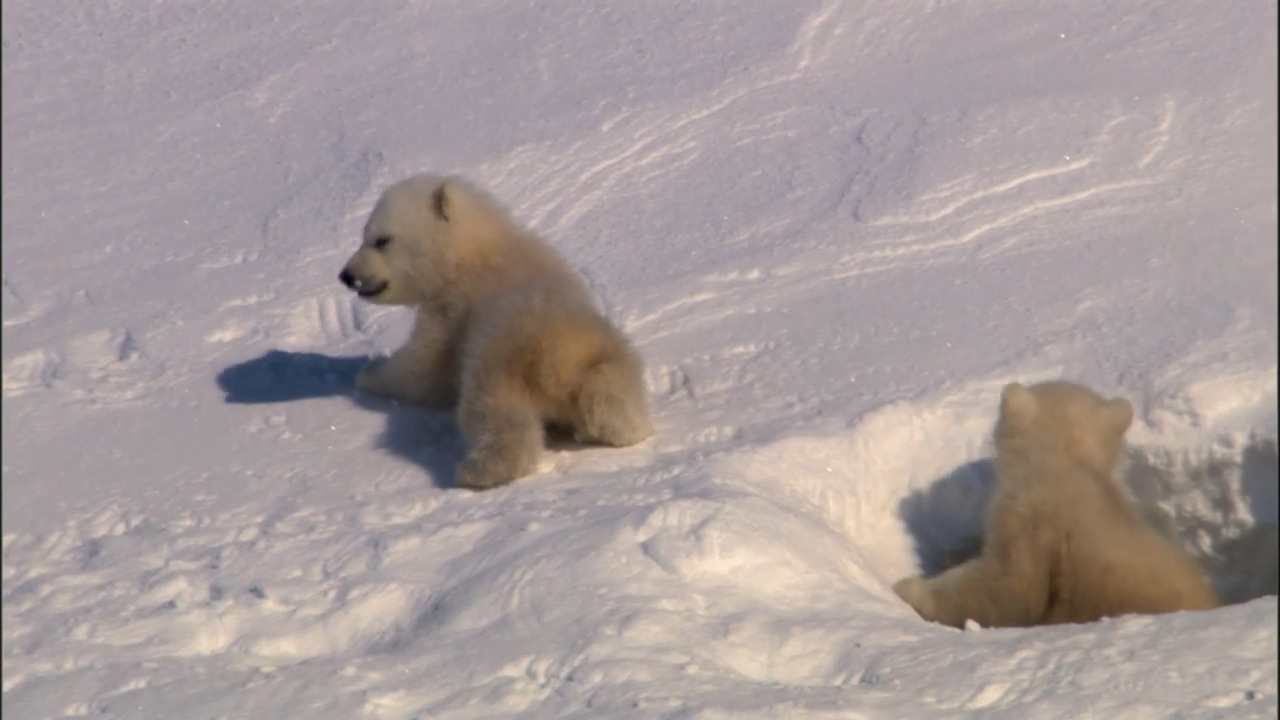
In Polar Bear Cubs Face a Challenging First Year, narrator Sir David Attenborough introduces a mother polar bear and her two young cubs as they emerge from their den after five months beneath the snow. The cubs must quickly adapt to their harsh environment, learning to navigate steep slopes and frozen terrain. Their mother, who has not eaten in months, must now guide them across the sea ice to find food before her milk runs dry. As the ice begins to melt, survival becomes even more difficult. This video is excerpted from BBC’s Planet Earth, a breathtaking documentary series that highlights the natural wonders of our planet.
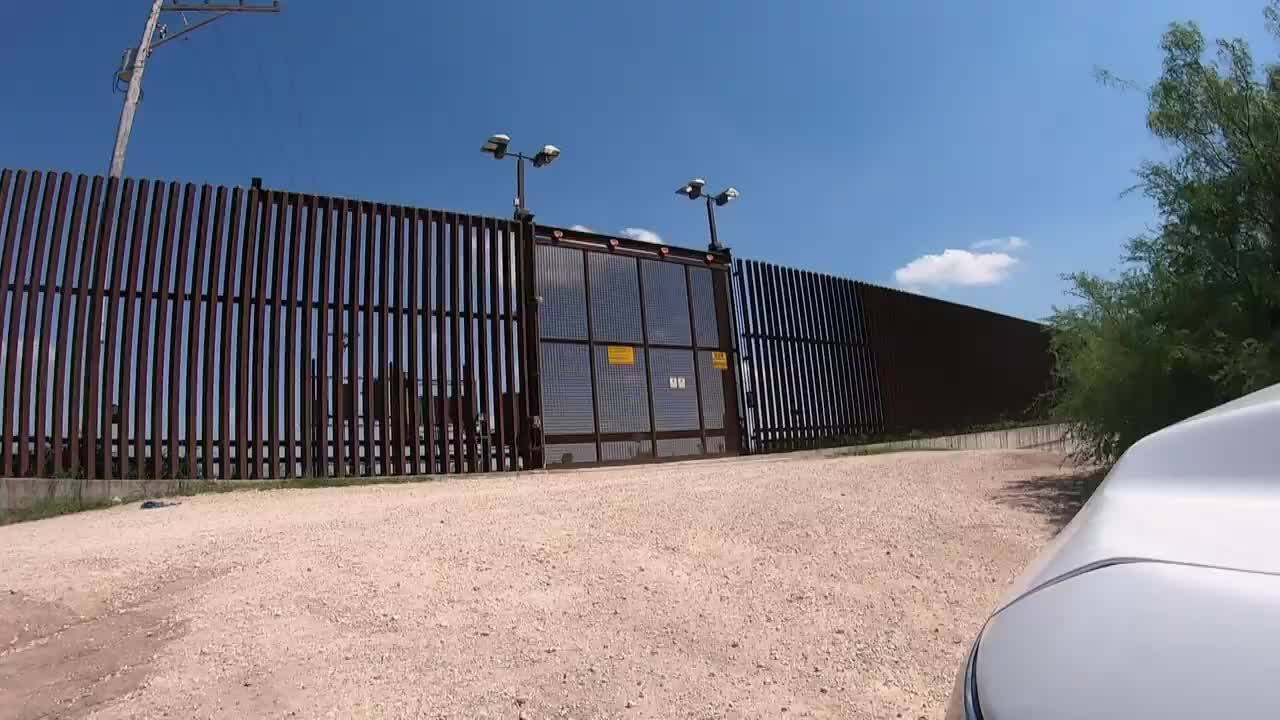
In The Hidden Challenges of the U.S.-Mexico Border, host Simon Reeve explores the U.S.-Mexico border, specifically the Rio Grande region. With over 2,000 miles separating the two countries, Simon meets a Border Patrol agent managing the area. While some parts of the border are fenced, many areas have no barrier at all. Simon also learns how dangerous the Rio Grande is, with migrants risking their lives crossing it, despite its powerful current. This video is excerpted from BBC’s The Americas With Simon Reeve, in which Simon Reeve explores the landscapes, cultures, and wildlife of North and South America.

In Evaluating the Challenges of Exploring Mars, experts discuss the potential benefits and challenges of sending humans to Mars. While a human mission to Mars would be significantly more expensive than a robotic one, proponents argue that the human experience and adaptability offer unique value. The explore the risks involved, such as financial costs, ethical concerns, and human safety, alongside the potential benefits for humanity's future survival. This video is excerpted from BBC’s The Big Thinkers, Should We Go to Mars?, where Dr. Kevin Fong explores the complex scientific and technological hurdles of space exploration.
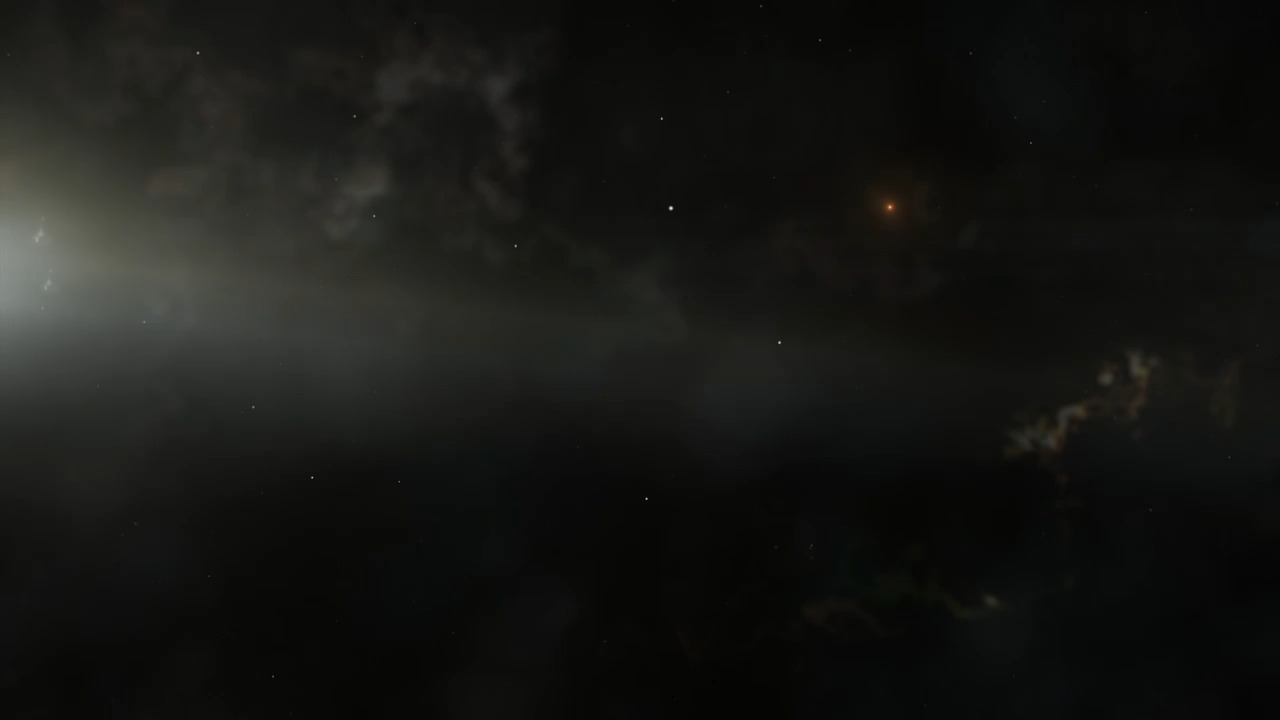
In Challenges and Triumphs of Reaching the Red Planet, Dr. Adam Steltzner and his team work to solve the challenges of landing spacecraft on Mars, especially when dealing with heavier crewed flights. Learn how innovative approaches, such as using retropropulsion and landing sideways, may address these issues. This video is excerpted from BBC’s The Big Thinkers, Should We Go to Mars?, where Dr. Kevin Fong explores the complex scientific and technological hurdles of space exploration.
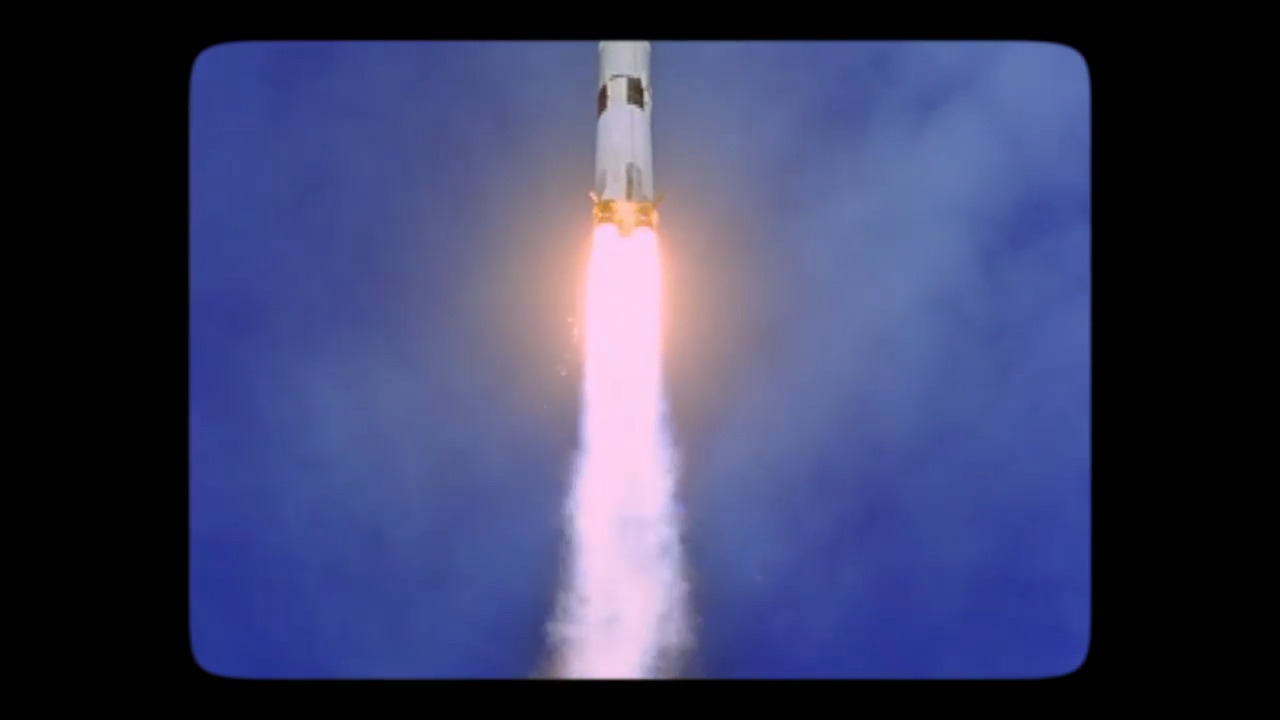
In The Challenges of Sending a Crewed Flight to Mars, learn how sending a crewed flight to Mars requires a large cargo and even larger rocket power. To overcome the difficult initial part of the journey, NASA is building the largest rocket ever. Explore how the challenges of launching a mission to Mars are being addressed by organizations like NASA and SpaceX, including innovative approaches to rocket design and space travel logistics. This video is excerpted from BBC’s The Big Thinkers, Should We Go to Mars?, where Dr. Kevin Fong explores the complex scientific and technological hurdles of space exploration.
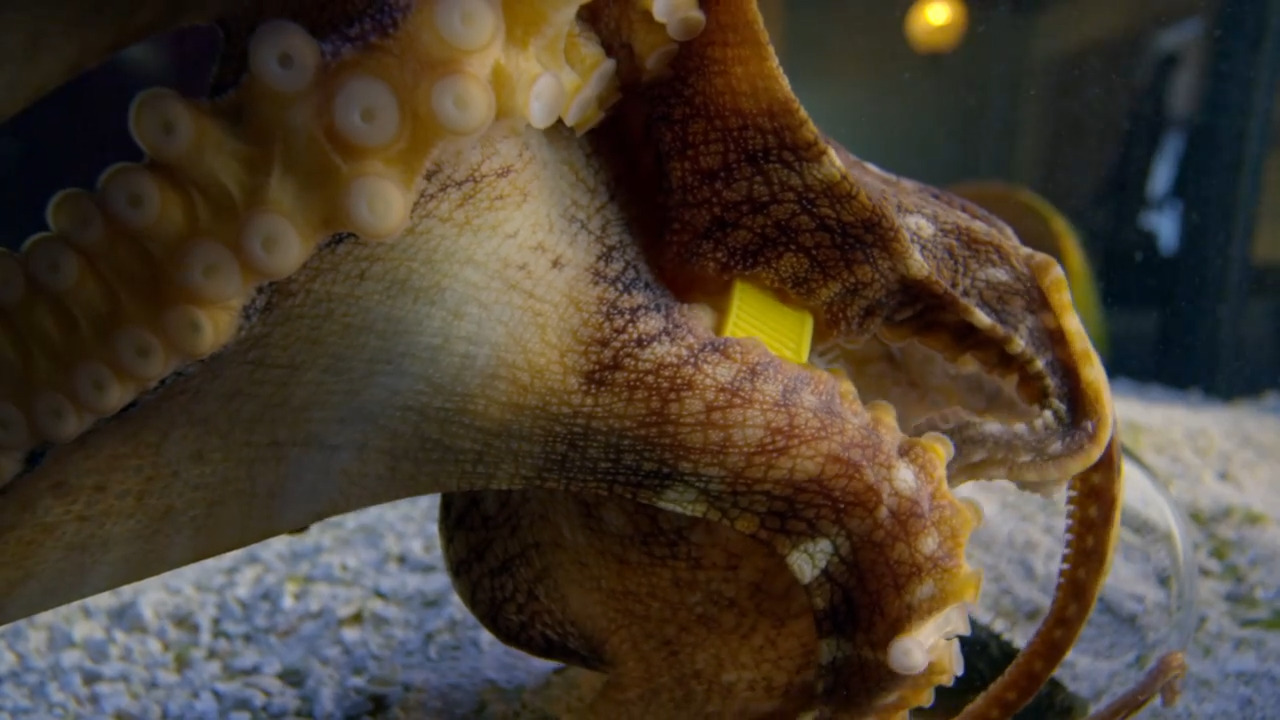
In Octopus IQ and the Jar Challenge, ecologist David Scheel introduces Heidi the octopus to a clever challenge — a jar with a crab inside and a screw top lid. As Heidi figures out how to unscrew the lid, Scheel explains the remarkable way octopus intelligence works: their smarts aren’t just in their head but also in their eight arms, which can act independently of each other. This video is excerpted from BBC’s Natural World: The Octopus in My House, a remarkable series about a professor and the extraordinary relationship he develops with an octopus when he invites it to live in his home.

The article "Galileo Galilei: The Astronomer Who Challenged the Church and Changed Science" from BBC's HistoryExtra explores the groundbreaking work of Galileo Galilei, who supported the heliocentric theory, advanced telescope technology, and transformed astronomy and physics. Despite his scientific genius, Galileo clashed with the Catholic Church, leading to persecution and house arrest in his later years.
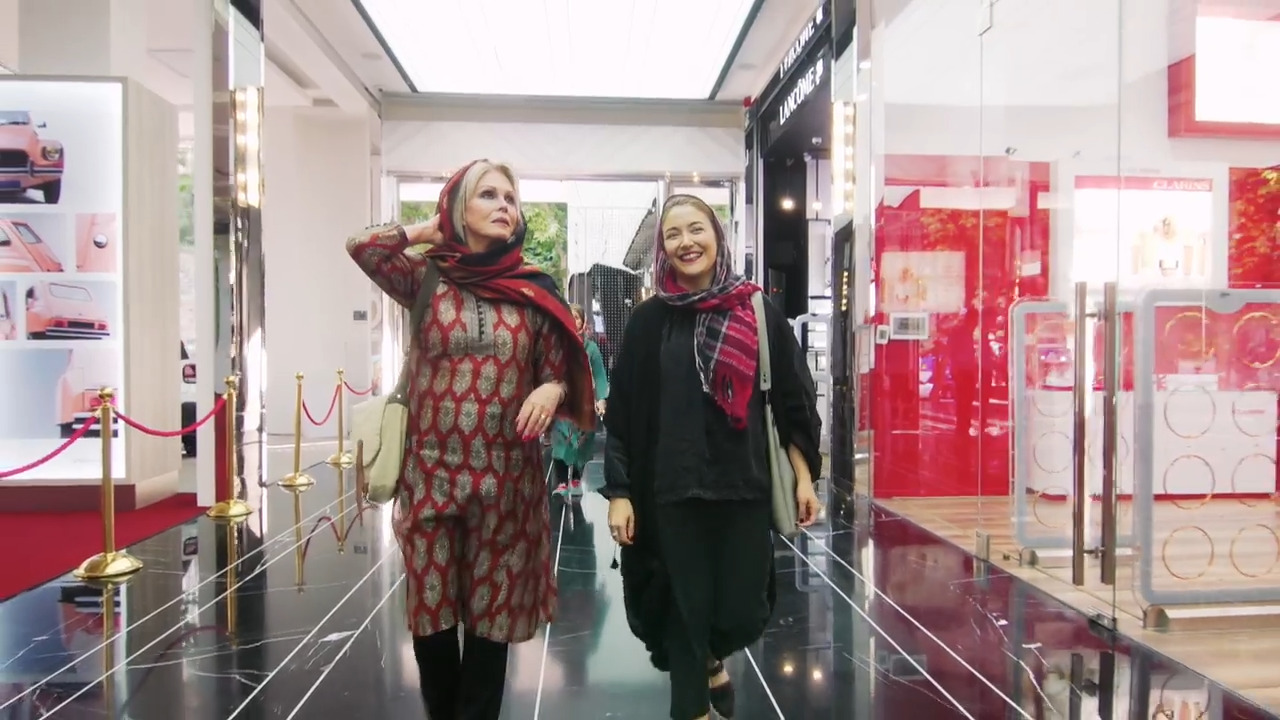
In Challenging Preconceptions of Iran, host Joanna Lumley visits a shopping mall in Tehran. As she explores the mall, her guide explains how the use of social media by young people in Iran is helping to connect individuals and shift some attitudes about life in the country. Through this experience, Joanna gains a deeper understanding of the evolving social landscape of Iran, highlighting how modern technology and cultural traditions intersect in the lives of its people. This video is excerpted from BBC’s Joanna Lumley’s Silk Road Adventure, a documentary series uncovering the rich history and cultural treasures of the Silk Road.
Explore the impact of human activity on our oceans with this comprehensive lesson collection. Featuring curated BBC video clips and printable activities, these resources dive into topics like pollution, overfishing, and ocean habitats, helping students understand the challenges facing ocean life and inspiring them to become ocean conservation advocates.
Dive into the wonders of Antarctica with this multi-grade lesson collection! Tailored for K–2, 3–5, 6–8, and 9–12, each unit includes engaging activities, thought-provoking discussions, and hands-on projects to uncover the mysteries of the frozen continent. Enhance your teaching with stunning BBC video clips showcasing Antarctic wildlife, research stations, and breathtaking icy landscapes. Printable resources like animal fact sheets, scientist journal templates, and conservation challenges bring the learning to life for your students. Perfect for science, geography, and environmental lessons!
Get ready for hours of fun with Bluey and her friends! This collection of activity pages is packed with puzzles, coloring sheets, games, and creative challenges that bring the world of Bluey to life. Perfect for playtime or rainy days — let’s play!
Everyone can contribute to a team! This fun lesson uses the Bluey episode "Seesaw" as the kickoff to a classroom conversation about the importance of teamwork. The lesson includes printables for three activities in which kids work in small teams to complete challenges like putting episode event cards in order, balancing a classroom-made scale, and building the tallest cup tower they can.
Seesaw Episode Summary: Dad has rudely plonked himself on one end of the seesaw. So, Bluey and Bingo round up the entire playground to help flip him off, but they still need to find one more friend.
Watch the episode here! (Click here to watch in Australia.)
In Polar Bear Cubs Face a Challenging First Year, narrator Sir David Attenborough introduces a mother polar bear and her two young cubs as they emerge from their den after five months beneath the snow. The cubs must quickly adapt to their harsh environment, learning to navigate steep slopes and frozen terrain. Their mother, who has not eaten in months, must now guide them across the sea ice to find food before her milk runs dry. As the ice begins to melt, survival becomes even more difficult. This video is excerpted from BBC’s Planet Earth, a breathtaking documentary series that highlights the natural wonders of our planet.
In The Hidden Challenges of the U.S.-Mexico Border, host Simon Reeve explores the U.S.-Mexico border, specifically the Rio Grande region. With over 2,000 miles separating the two countries, Simon meets a Border Patrol agent managing the area. While some parts of the border are fenced, many areas have no barrier at all. Simon also learns how dangerous the Rio Grande is, with migrants risking their lives crossing it, despite its powerful current. This video is excerpted from BBC’s The Americas With Simon Reeve, in which Simon Reeve explores the landscapes, cultures, and wildlife of North and South America.
In Evaluating the Challenges of Exploring Mars, experts discuss the potential benefits and challenges of sending humans to Mars. While a human mission to Mars would be significantly more expensive than a robotic one, proponents argue that the human experience and adaptability offer unique value. The explore the risks involved, such as financial costs, ethical concerns, and human safety, alongside the potential benefits for humanity's future survival. This video is excerpted from BBC’s The Big Thinkers, Should We Go to Mars?, where Dr. Kevin Fong explores the complex scientific and technological hurdles of space exploration.
In Challenges and Triumphs of Reaching the Red Planet, Dr. Adam Steltzner and his team work to solve the challenges of landing spacecraft on Mars, especially when dealing with heavier crewed flights. Learn how innovative approaches, such as using retropropulsion and landing sideways, may address these issues. This video is excerpted from BBC’s The Big Thinkers, Should We Go to Mars?, where Dr. Kevin Fong explores the complex scientific and technological hurdles of space exploration.
In The Challenges of Sending a Crewed Flight to Mars, learn how sending a crewed flight to Mars requires a large cargo and even larger rocket power. To overcome the difficult initial part of the journey, NASA is building the largest rocket ever. Explore how the challenges of launching a mission to Mars are being addressed by organizations like NASA and SpaceX, including innovative approaches to rocket design and space travel logistics. This video is excerpted from BBC’s The Big Thinkers, Should We Go to Mars?, where Dr. Kevin Fong explores the complex scientific and technological hurdles of space exploration.
In Octopus IQ and the Jar Challenge, ecologist David Scheel introduces Heidi the octopus to a clever challenge — a jar with a crab inside and a screw top lid. As Heidi figures out how to unscrew the lid, Scheel explains the remarkable way octopus intelligence works: their smarts aren’t just in their head but also in their eight arms, which can act independently of each other. This video is excerpted from BBC’s Natural World: The Octopus in My House, a remarkable series about a professor and the extraordinary relationship he develops with an octopus when he invites it to live in his home.
The article "Galileo Galilei: The Astronomer Who Challenged the Church and Changed Science" from BBC's HistoryExtra explores the groundbreaking work of Galileo Galilei, who supported the heliocentric theory, advanced telescope technology, and transformed astronomy and physics. Despite his scientific genius, Galileo clashed with the Catholic Church, leading to persecution and house arrest in his later years.
In Challenging Preconceptions of Iran, host Joanna Lumley visits a shopping mall in Tehran. As she explores the mall, her guide explains how the use of social media by young people in Iran is helping to connect individuals and shift some attitudes about life in the country. Through this experience, Joanna gains a deeper understanding of the evolving social landscape of Iran, highlighting how modern technology and cultural traditions intersect in the lives of its people. This video is excerpted from BBC’s Joanna Lumley’s Silk Road Adventure, a documentary series uncovering the rich history and cultural treasures of the Silk Road.